
With winter gloom comes winter glum. The sun has all but disappeared, the sky seems to be an endless cascade of grey, and it’s just so darn cold.
It can be difficult to keep up the positivity, especially during this time of year. Our bodies want us to hunker down and rest, but that isn’t conducive to the world we live in today.
Depression doesn’t just occur during the winter. In fact, 21 million adults in the United States alone were struggling with depression, about 8.3% of the total population.
Alongside your SAD lamp, comfort television, and your fuzziest pyjama pants, we have a few ways you can eat your way out of these negative feelings.
Leafy Greens
We know you don’t want to hear it, but the leafy greens will do you some good. Spinach, collard greens, and kale contain the B vitamin folate, which may help with depression. However, the more prominent mineral is magnesium, a vital mineral that supports everything from bone health to energy production.
Alongside these functions, a few studies have shown that magnesium shows promise for being a deterrent against depression, likely through mood stabilization.
Best way to eat your leafy greens: Salads, sandwiches, wraps, bowls, or smoothies.
Berries
Yes, the antioxidant-rich fruit family is at it again. Raspberries, strawberries, blueberries, and blackberries all carry essential nutrients that can protect your body from cell damage.
Berries seem to have similar effects to those of valproic acid, a mood-stabilizing medication, as do other omega-3-rich foods.
Best way to eat berries: Smoothies, over yoghurt or oatmeal, or on toast with ricotta cheese.
Turkey
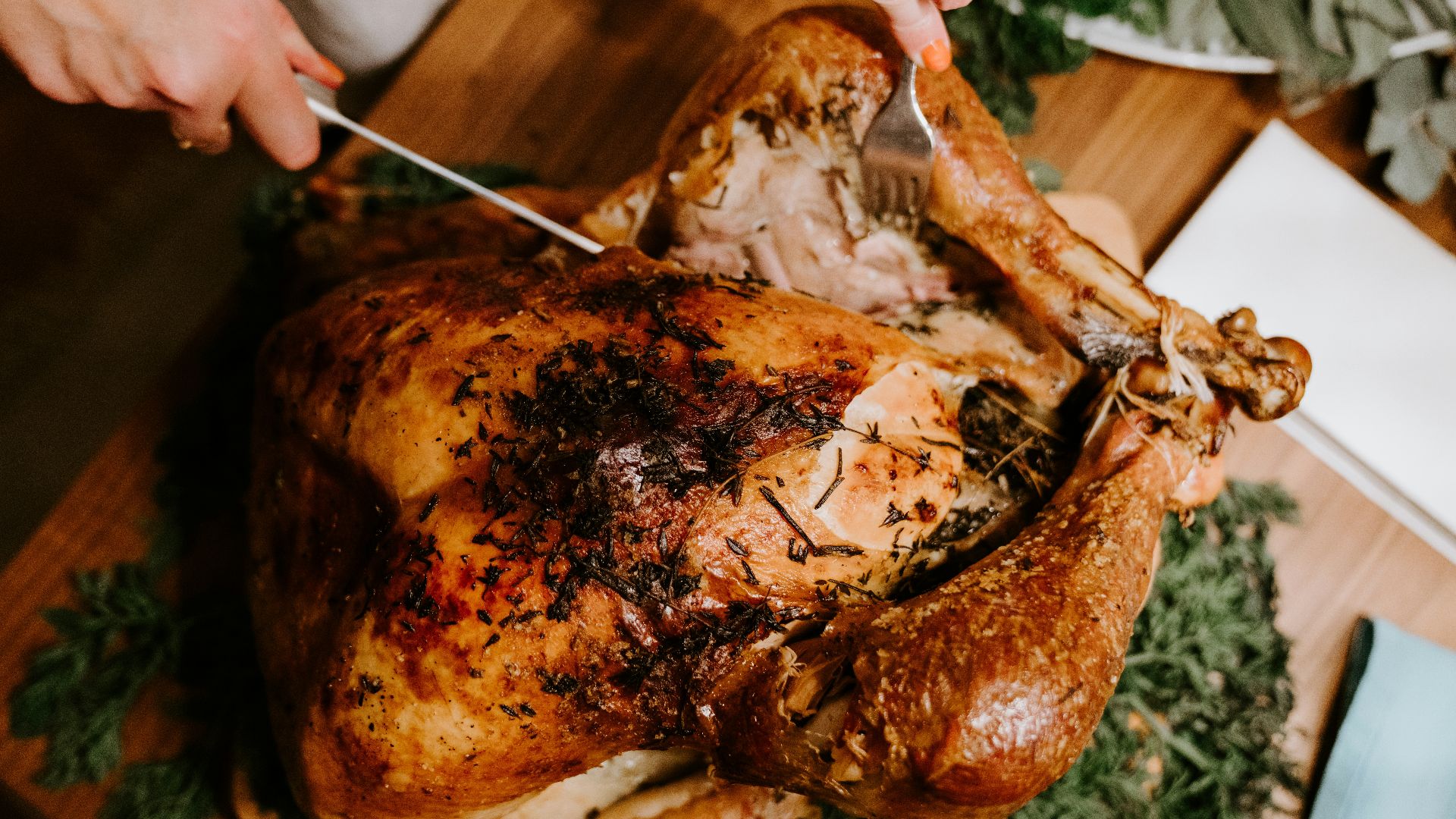
The favorite Thanksgiving food is packed with minerals such as selenium, zinc, phosphorus, iron, magnesium, and potassium, as well as vitamins B3, B6, and B12.
The biggest depression-fighter in Turkey, however, is the amino acid tryptophan. This amino acid, which is also found in cheese, nuts, and soy, functions as a helper to neurotransmitter production, protein synthesis, and hormone production.
This means that tryptophan is a crucial acid that stimulates serotonin production, also known as the “happy chemical.”
Best way to eat turkey: Preferably in your most elastic pants, with a nice long nap afterwards.
Avocados
Avocados are another food that is rich in tryptophan and folate, which we’ve already discussed. Alongside these brain-boosting components, the fatty acids found in the favorite green fruit are said to potentially have an antidepressant effect.
This comes back to omega-3’s part to play in brain structure and function, as well as having anti-neuroinflammatory effects, which link back to symptoms of depression.
Best way to eat avocados: On toast, in a salad dressing, or in guacamole.
Mushrooms
Like some other foods mentioned on this list, mushrooms are full of vitamin B. More importantly, however, they contain a mineral called selenium. Selenium is an antioxidant, supporting thyroid function and helping with DNA synthesis.
Other foods that have selenium include Brazil nuts, tuna, shrimp, whole-grain pasta, oatmeal, and eggs.
Ways to eat your mushrooms: Pastas, chillis, or sautéed with veggies.
KEEP ON READING

20 Worst Foods for Your Liver