Forget the Accent: These Eating Habits Will Tell You Exactly Where in America You Are
Forget the Accent: These Eating Habits Will Tell You Exactly Where in America You Are
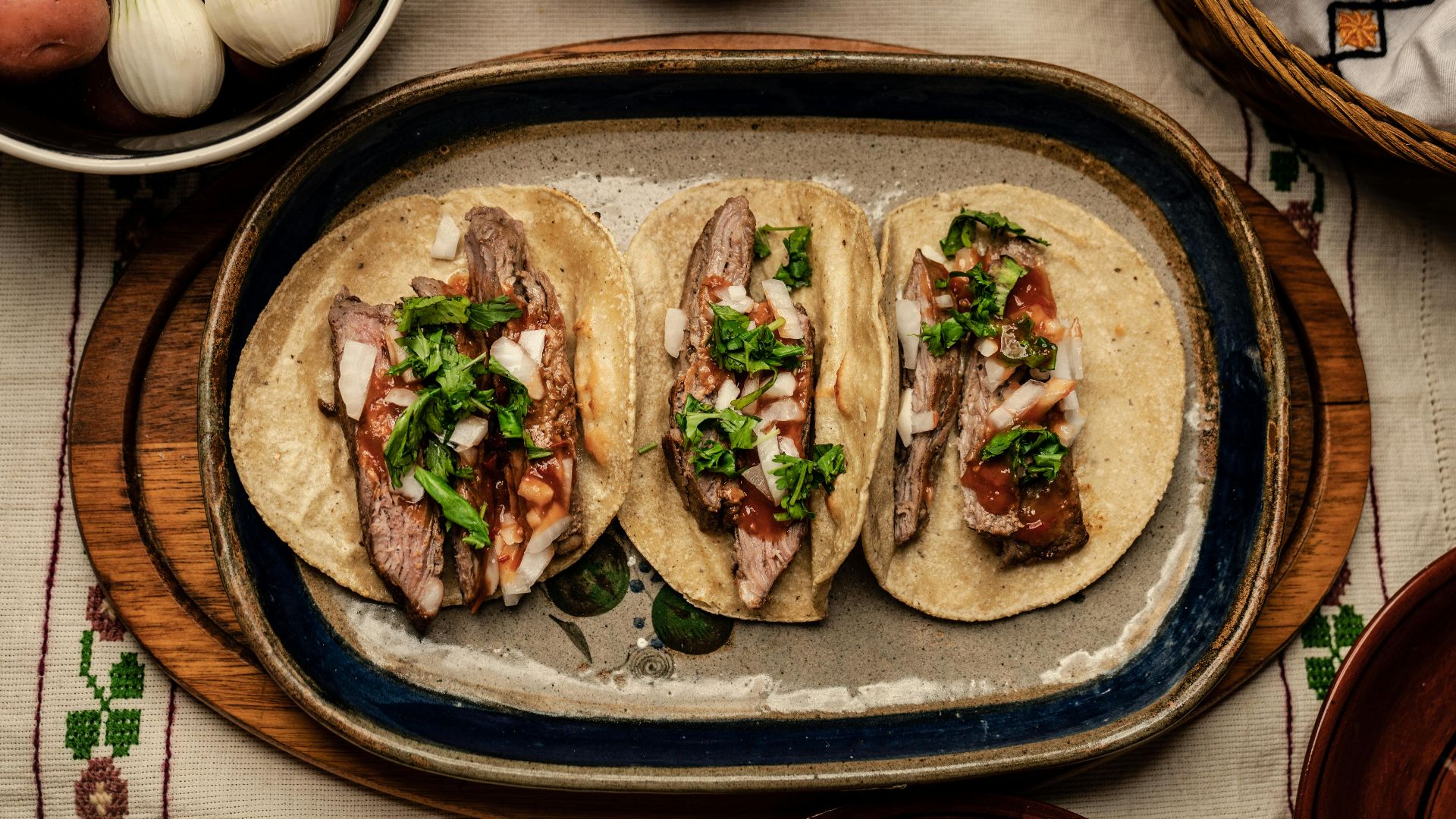
Accents can get a little slippery once people move around, smooth out a vowel, or spend enough time somewhere new. Eating habits are tougher to shake. You can learn a lot about where you are by watching what shows up on the table, what people order without a second thought, and which food rules everybody treats like common sense.
That’s what makes regional eating habits so revealing. They come out of climate, immigration, farming, restaurant culture, and the dishes a place keeps serving long enough for them to feel ordinary. Pay attention for a minute or two, and the country starts giving itself away.
What Shows Up Without Asking
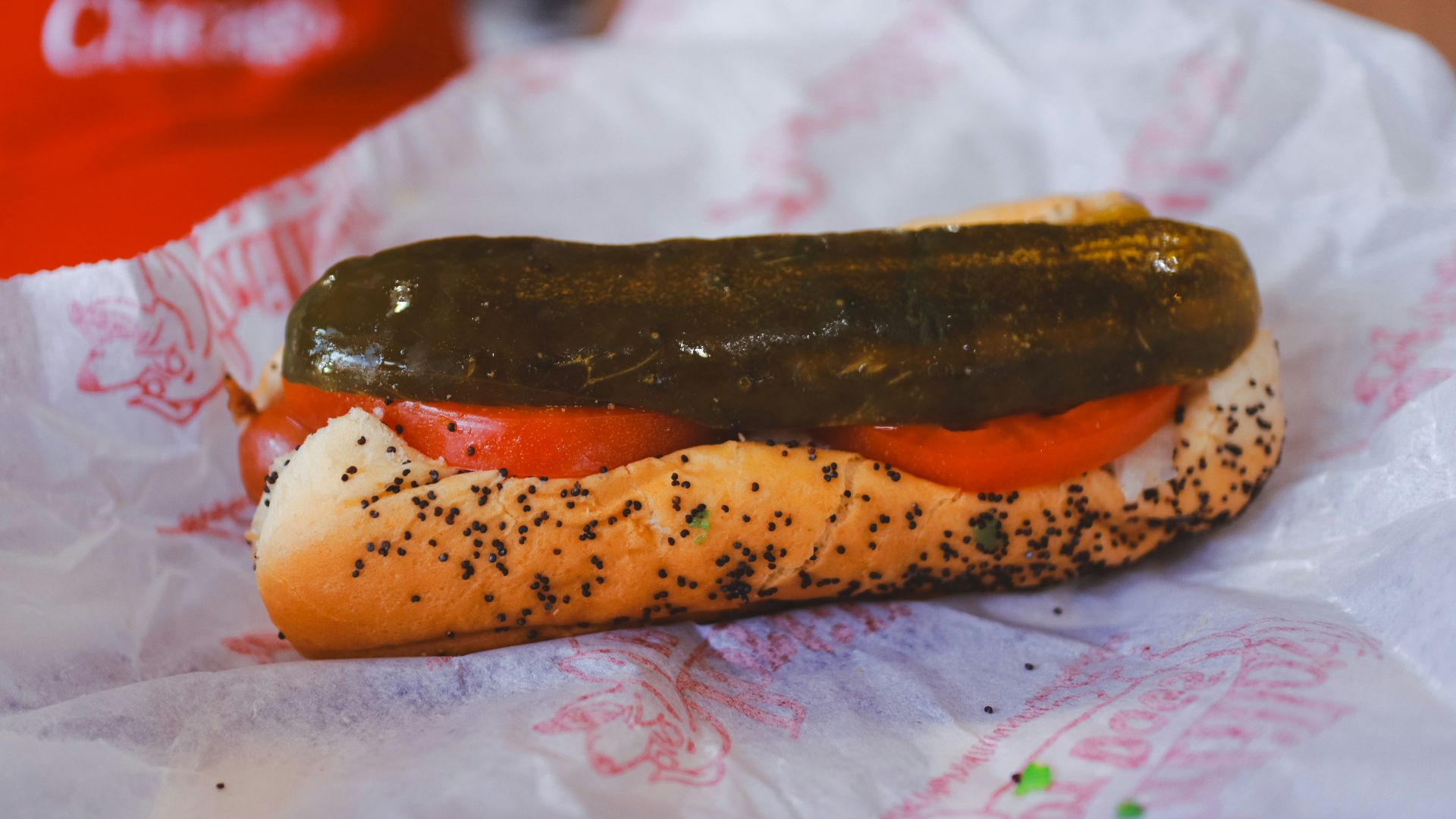
Chicago is one of the easiest places to spot at lunch. The Chicago History Museum lays out the classic Chicago-style hot dog with yellow mustard, onions, sweet relish, a dill pickle spear, tomatoes, sport peppers, and celery salt. That’s a very specific kind of confidence, and the local resistance to ketchup is so baked in by now that nobody really needs to explain it.
South Carolina has its own giveaway, and it usually arrives in a glass. The state’s tourism site says South Carolina is the birthplace of sweet tea, and describes the drink as deeply rooted in local culture. When tea shows up sweet, that’s already a pretty strong regional clue.
Wisconsin tends to announce itself in a cozier way. Travel Wisconsin leans into the state’s supper club tradition. The region prides itself on its relish trays and cocktails, while its fish fry coverage ties that culture to Friday-night meals. If the table starts with a relish tray and fish fry feels less like a special order, you’re probably in Wisconsin.
The Words People Use at the Counter
New Mexico may be the clearest food trail in the country, because the question is official. The New Mexico Secretary of State says “Red or Green?” became the official state question in 1996, referring to the choice between red chile and green chile when ordering food. Once that’s the first thing you’re asked at a restaurant, the map is doing a lot of the work for you.
Cincinnati has its own food shorthand, and it’s wonderfully specific. Visit Cincy traces Cincinnati chili to the 1920s, Macedonian immigrants, and brothers Tom and John Kiradjieff opening the Empress Chili Parlor. The whole local chili language still turns on “ways” and coneys, so when people casually talk about a three-way or a five-way, they’re usually giving away their hometown without even trying.
Philadelphia does the same thing through sandwich vocabulary. Visit Philadelphia says a hoagie isn’t another name for a sub, hero, or grinder, and describes the classic version as deli meat and cheese on a long Italian roll with lettuce, tomato, onions, oregano, and oil and vinegar. The Encyclopedia of Greater Philadelphia makes the point even clearer: around Philadelphia, a hoagie is a hoagie. Once somebody corrects “sub” without blinking, you’re not guessing anymore.
What Counts as a Normal Meal
 Letícia Fracalossi on Unsplash
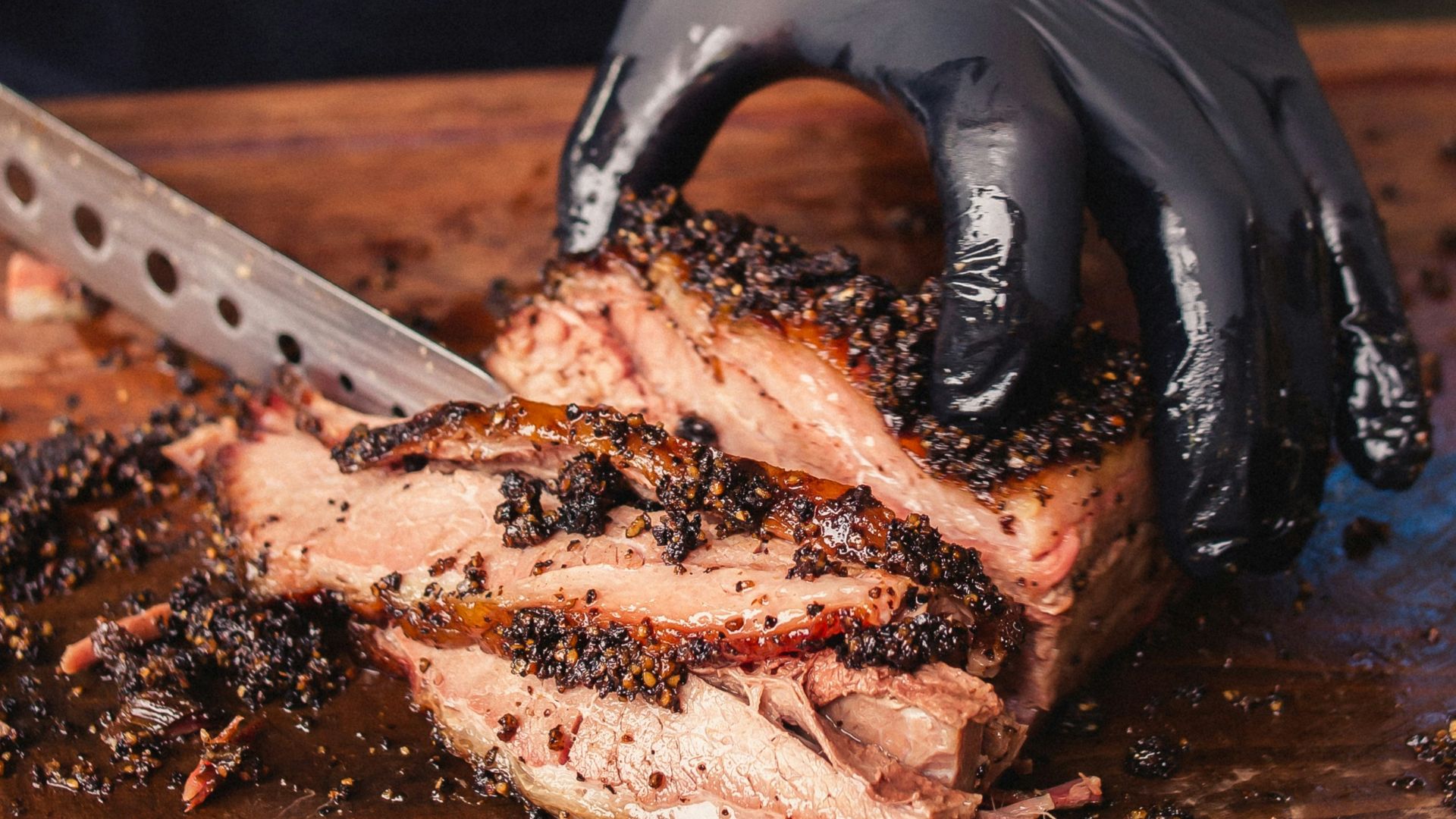
Barbecue can give a region away faster than small talk ever will, especially once you get to Texas. Travel Texas says the state’s barbecue identity starts with beef, especially brisket, and describes the best version as dry-rubbed, wood-smoked, low and slow. That’s a whole worldview sitting on butcher paper. If brisket feels like the obvious answer and nobody’s reaching for bottled sauce first, you know exactly where you are.
California has a habit of making very specific food customs sound casual. Visit California says Santa Maria is known for red-oak barbecue, calling pinquito beans the locals’ favorite side dish. The Santa Maria Valley visitor guide describes Santa Maria-style barbecue as tri-tip with a dry rub, grilled over red-oak coals, and paired with pinquito beans. If that’s just normal dinner conversation, you’re definitely on the West Coast.
The Oregon Coast has its own food trail, and it usually comes in a shell. Travel Oregon treats Oregon Coast crabbing as a defining local experience, the Oregon Department of Fish and Wildlife calls Dungeness “the delicious crab that Oregon and its neighbors are known for,” and the Oregon Coast Visitors Association frames the Oregon Dungeness crab as a point of coastal pride and a key part of the local economy. When Dungeness crab feels less like a splurge and more like a normal dinner option, you’re very far from the middle of the map.
That’s the fun of regional eating habits. They don’t feel dramatic to the people living with them, and that’s exactly why they’re so useful. Watch the toppings, the drink orders, the bread names, the barbecue assumptions, and the little bits of food shorthand nobody stops to define, and America starts giving itself away pretty quickly.
KEEP ON READING
20 Food Requests Only Spoiled People Ask For

20 Hardest Foods on Earth To Eat

Do Vitamin Supplements Actually Make You Healthier?