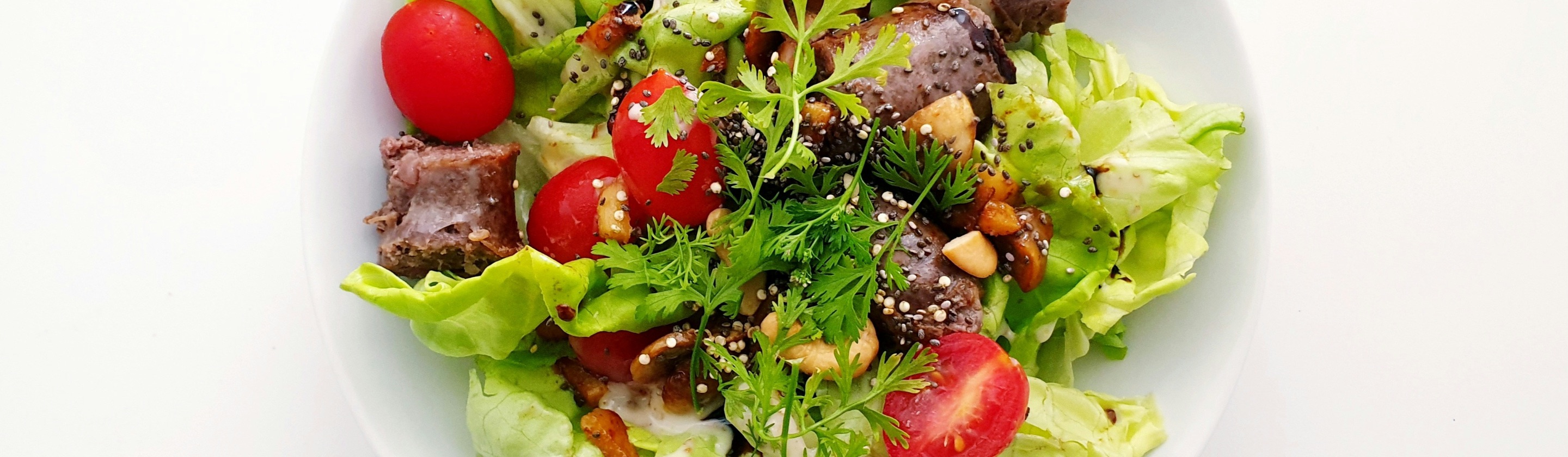
10 Gross-Looking Foods That Are Actually Healthy & 10 "Healthy" Dishes That Aren't Good for You
10 Gross-Looking Foods That Are Actually Healthy & 10 "Healthy" Dishes That Aren't Good for You
Don't Judge Food by Its Appearance
A lot of foods probably turn your nose up even before they ever reach your plate; just hearing their name gives you the chills. Maybe it's because they sound strange, look slimy, or seem just plain unappetizing, but either way, you wouldn't touch it with a 10-foot pole. And yet, sometimes it's the "gross-looking" foods that are good for you, and the dishes that look or sound healthy are actually anything but. As you go through this list, it's a reminder you should never judge a book by its cover—or, in this case, food by its appearance.
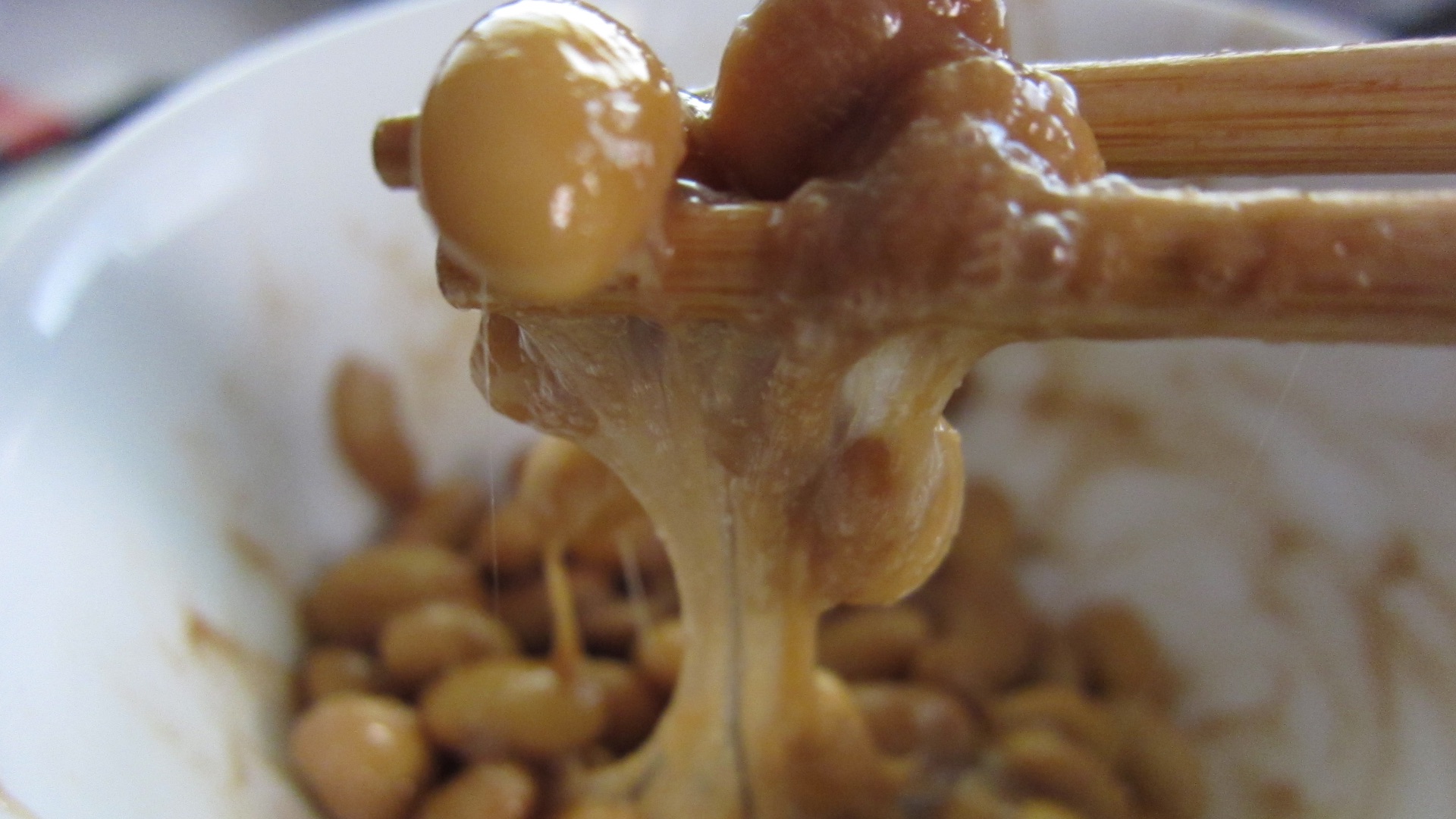
1. Sardines
Sardines (or any fish that comes in a tin) may not win any beauty contests, especially when they come packed in a tin with skin and bones intact. Still, they’re rich in omega-3 fatty acids, protein, calcium, and vitamin D, which makes them one of the most nutrient-dense seafood options you can buy. If you can get past the appearance, you’re getting a lot of nutrition in a very small package.
 S O C I A L . C U T on Unsplash
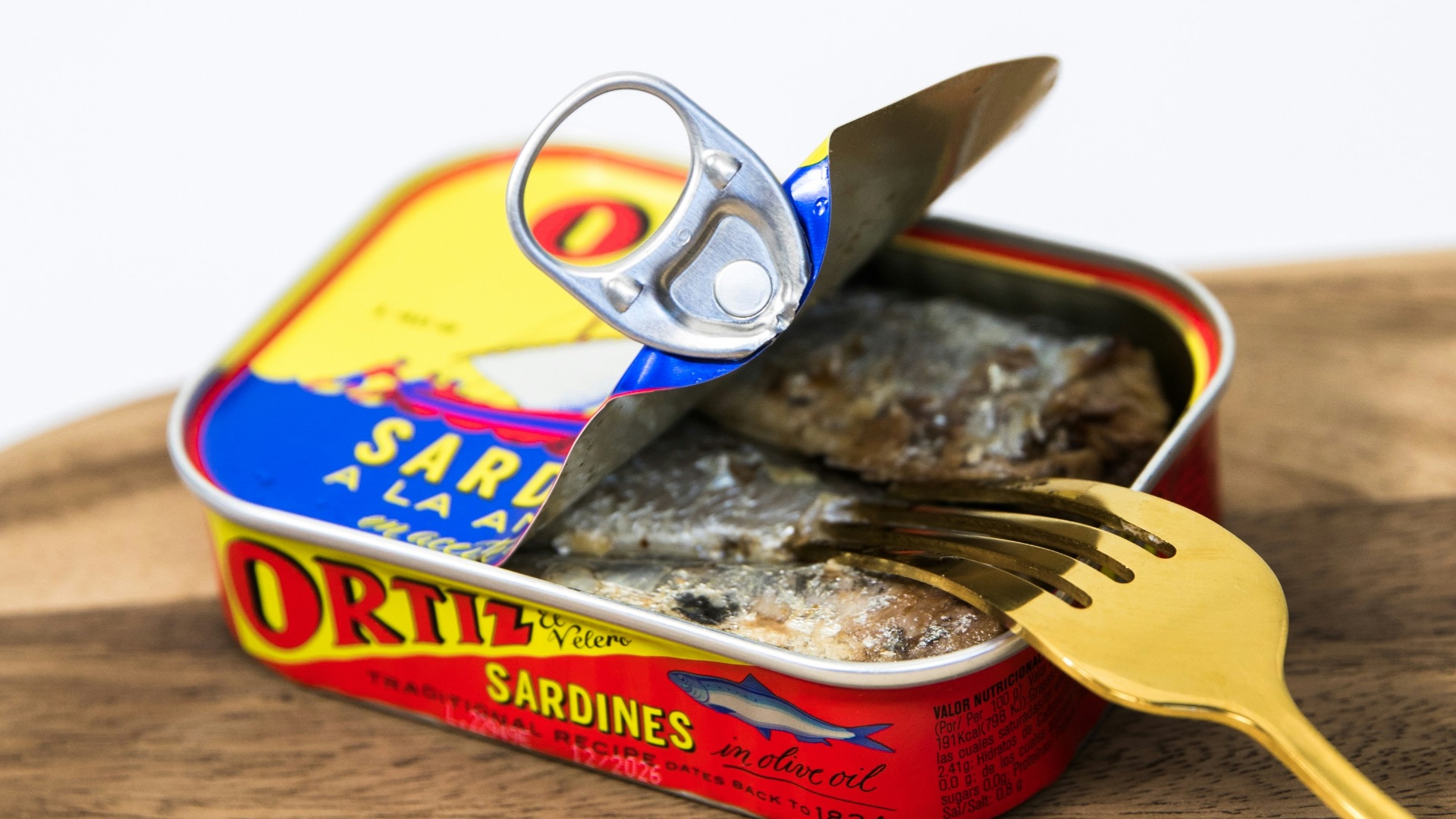
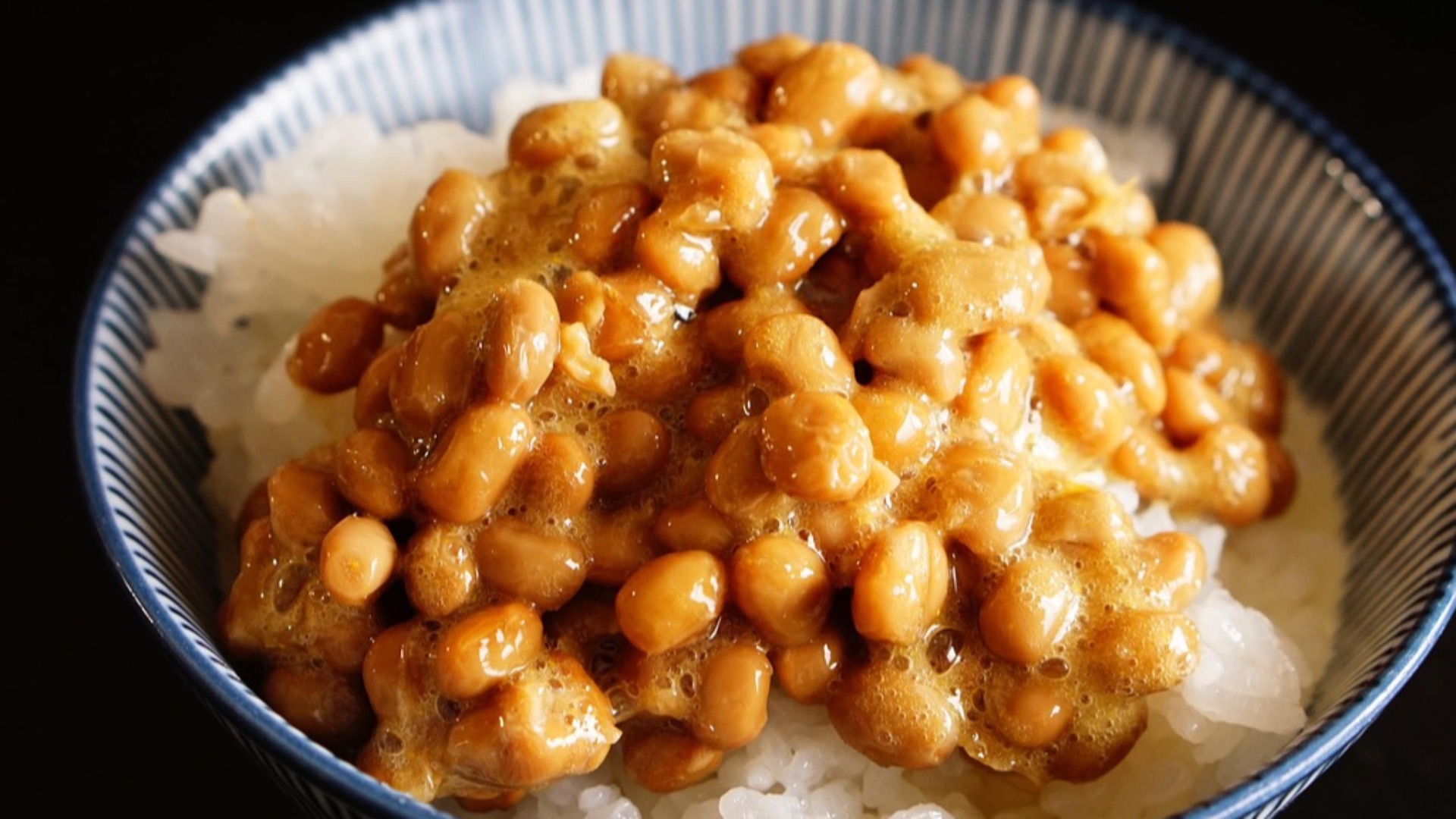
2. Natto
Natto is famous for its sticky texture, strong smell, and stringy appearance, which is enough to put off plenty of first-time eaters. Underneath that rough first impression, though, it offers protein, probiotics, and vitamin K2, a nutrient linked to bone and heart health. It’s definitely an acquired taste, but it has real nutritional value behind the shock factor.
3. Oysters
Oysters look slimy and somewhat unsettling, especially when served raw. Even so, they’re loaded with zinc, vitamin B12, selenium, and protein, all while being relatively low in calories. For a food that many people hesitate to try, they deliver an impressive range of essential nutrients.

4. Seaweed
Wet (or dry, if you look at it before soaking in water), dark, and just plain weird-looking, seaweed doesn’t always look like something you’d be excited to eat. It’s actually a useful source of iodine, along with fiber and several minerals that support thyroid function and overall health. When eaten in reasonable amounts, it can be a smart addition to soups, salads, and snacks.
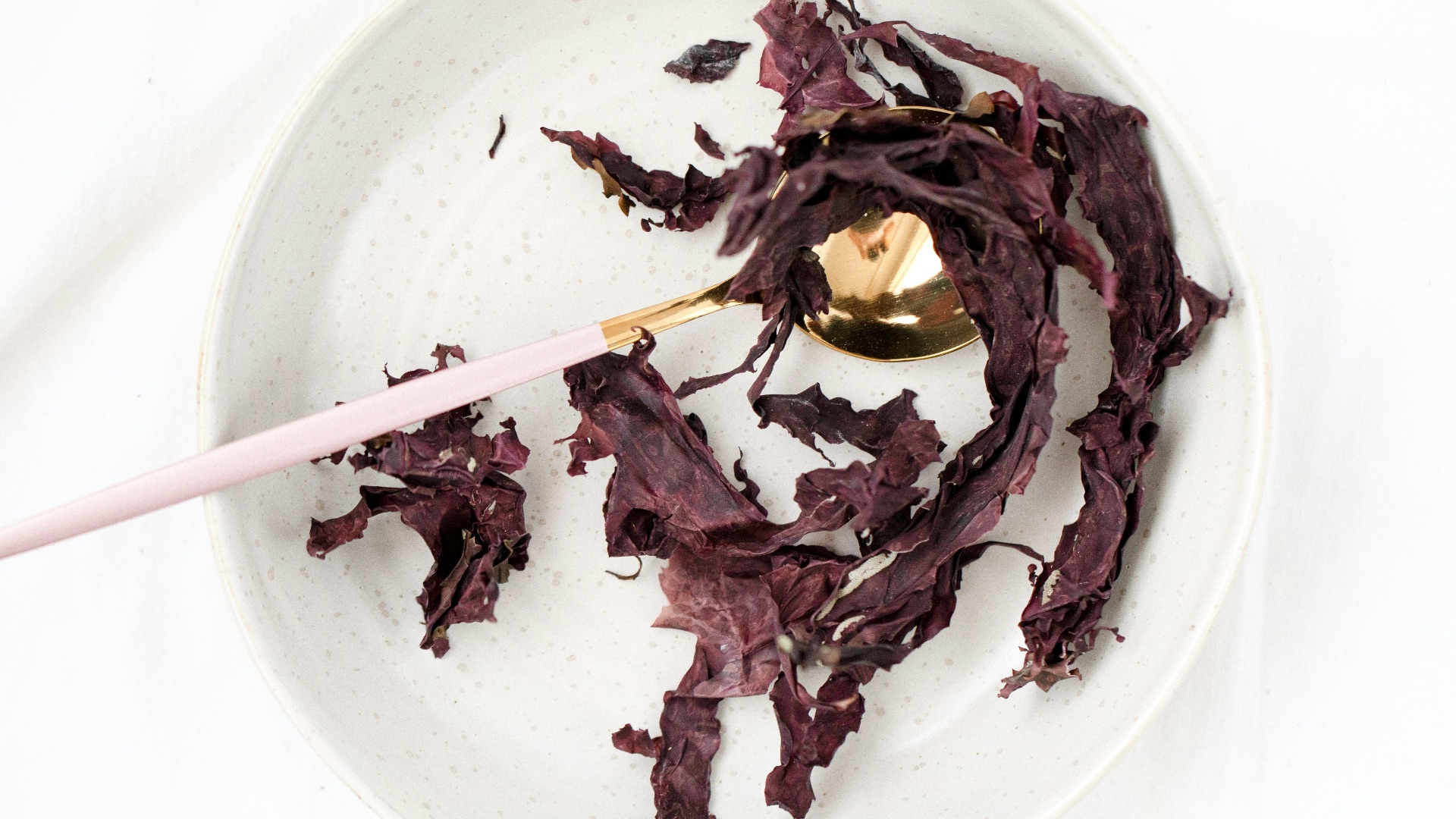 Bakd&Raw by Karolin Baitinger on Unsplash
5. Cottage Cheese
Cottage cheese often gets dismissed because of its lumpy texture and pale, uneven appearance. In reality, it’s high in protein, contains calcium, and can help keep you full without being overly heavy. It may not look like the most appetizing thing, but it does a solid job as a practical, nutritious food (especially for breakfast!).

6. Mushrooms
Some mushrooms have a slick surface and an earthy smell that makes them seem a little suspicious on sight. Nutritionally, though, they provide fiber, antioxidants, and compounds that may support immune health, especially when they’ve been exposed to sunlight and contain vitamin D. They’re also one of the few foods that can add depth to a meal without adding much fat or sugar.
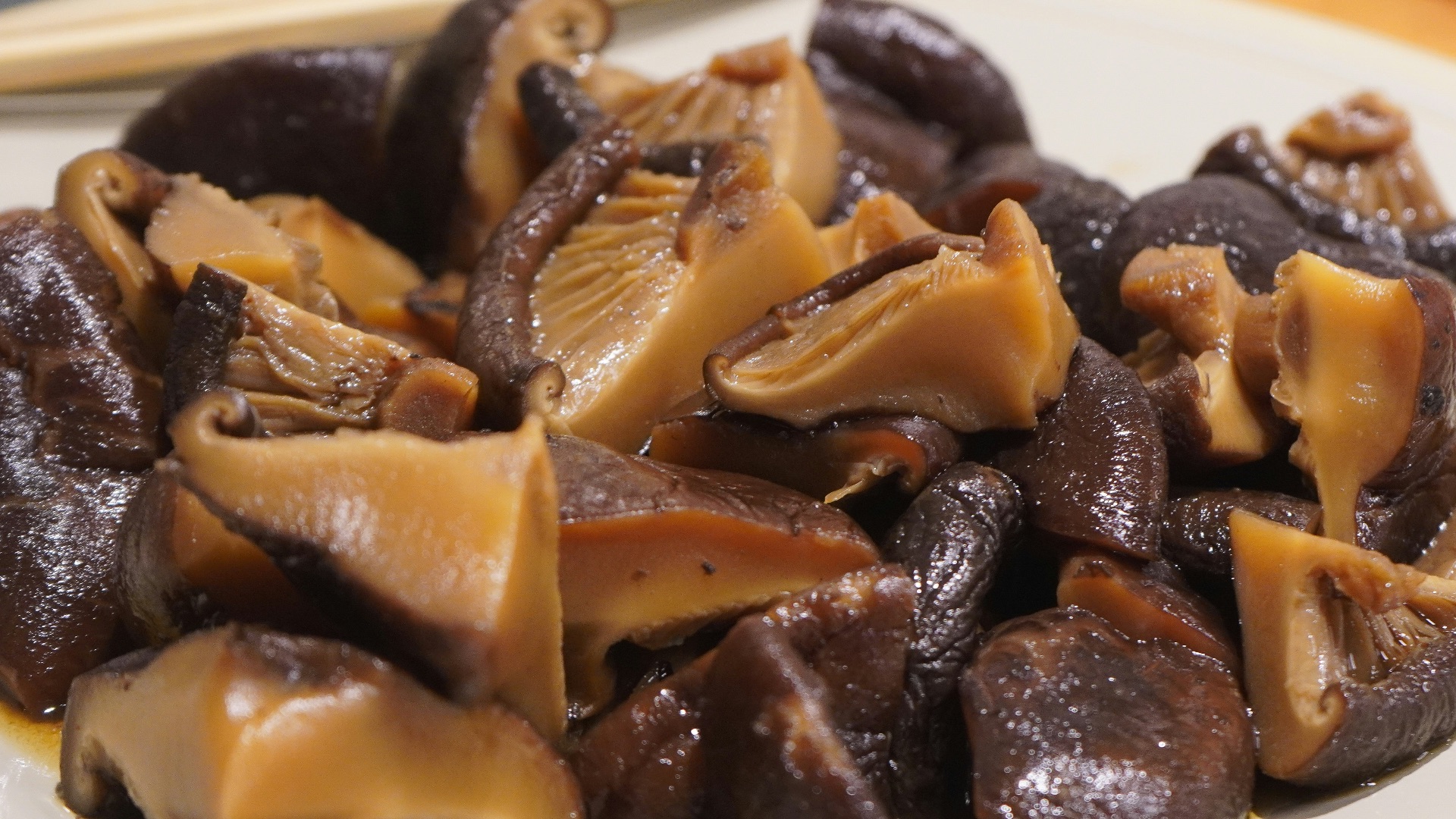
7. Kimchi
Kimchi’s strong odor, spicy brine, and fermented look can make it seem more intense than inviting. What you’re getting in return, though, is a food with probiotics, fiber, and helpful vitamins from the cabbage and other vegetables it contains. As part of a balanced diet, it can support digestion and add flavor without relying on heavy sauces.
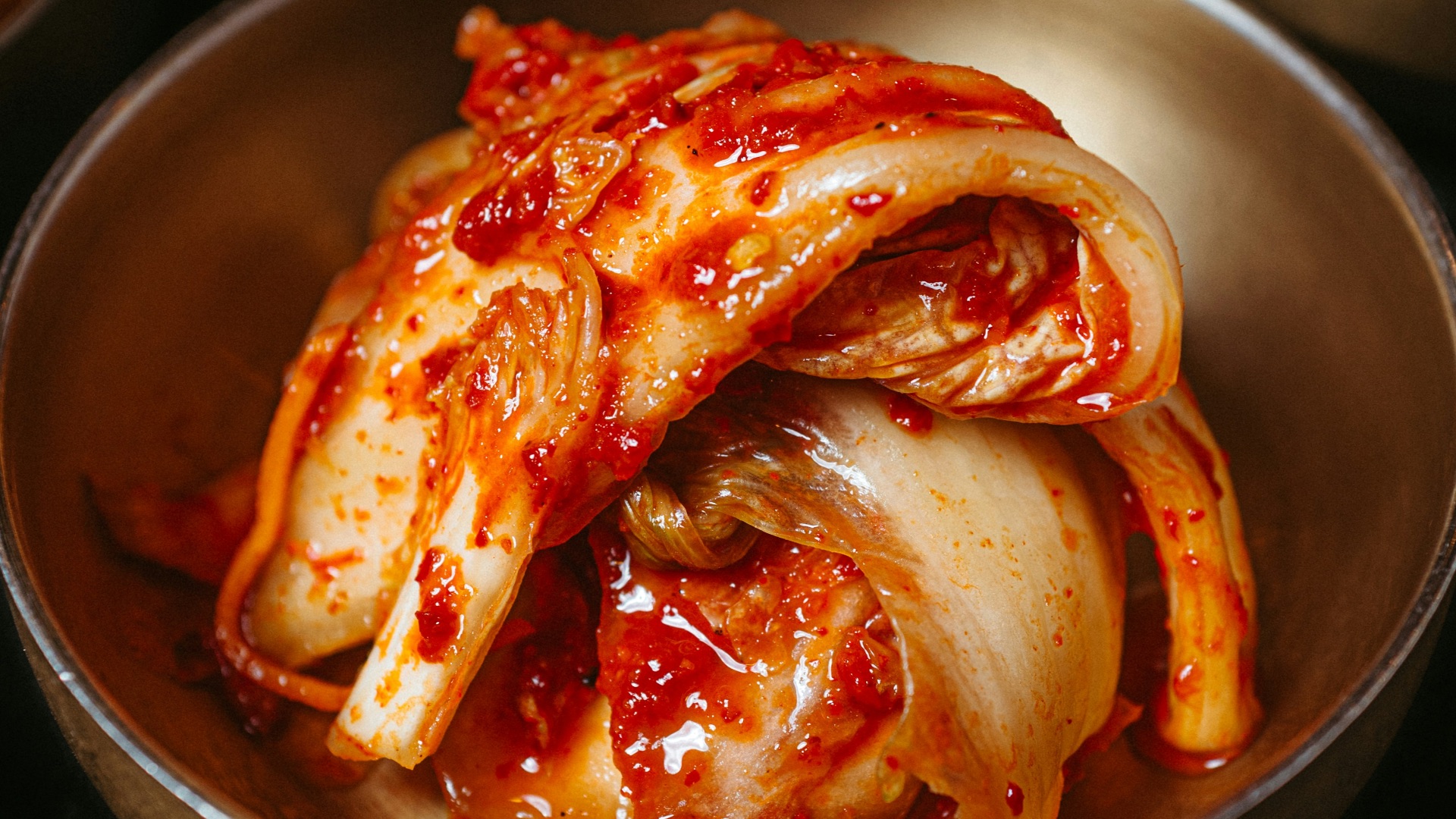
8. Liver
Liver has a reputation for looking and tasting harsh, and that reputation isn’t entirely undeserved. Even so, it’s one of the richest sources of iron, vitamin A, and several B vitamins, which means a small serving goes a long way. You might not love it, but nutritionally, it’s hard to deny.
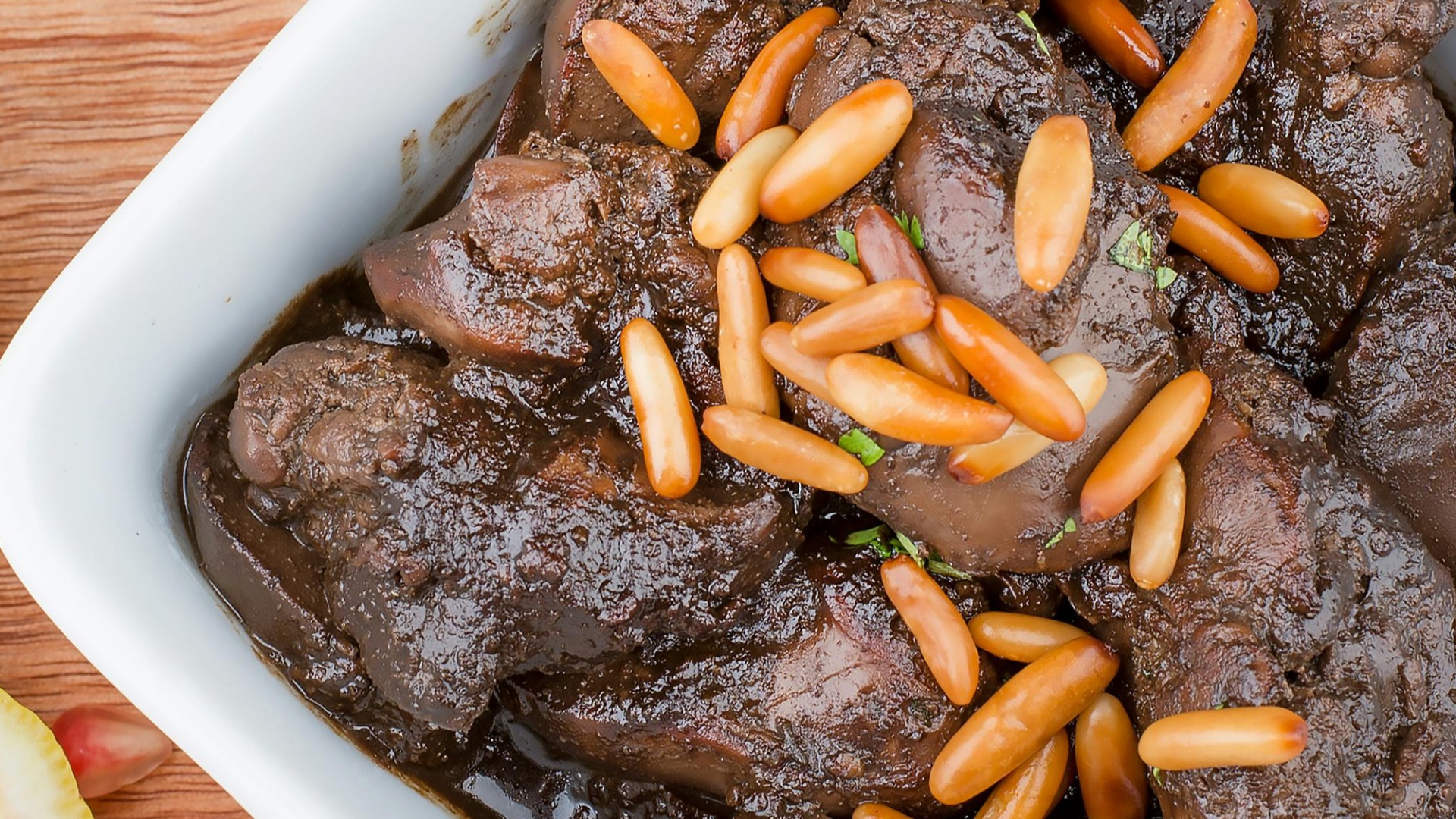
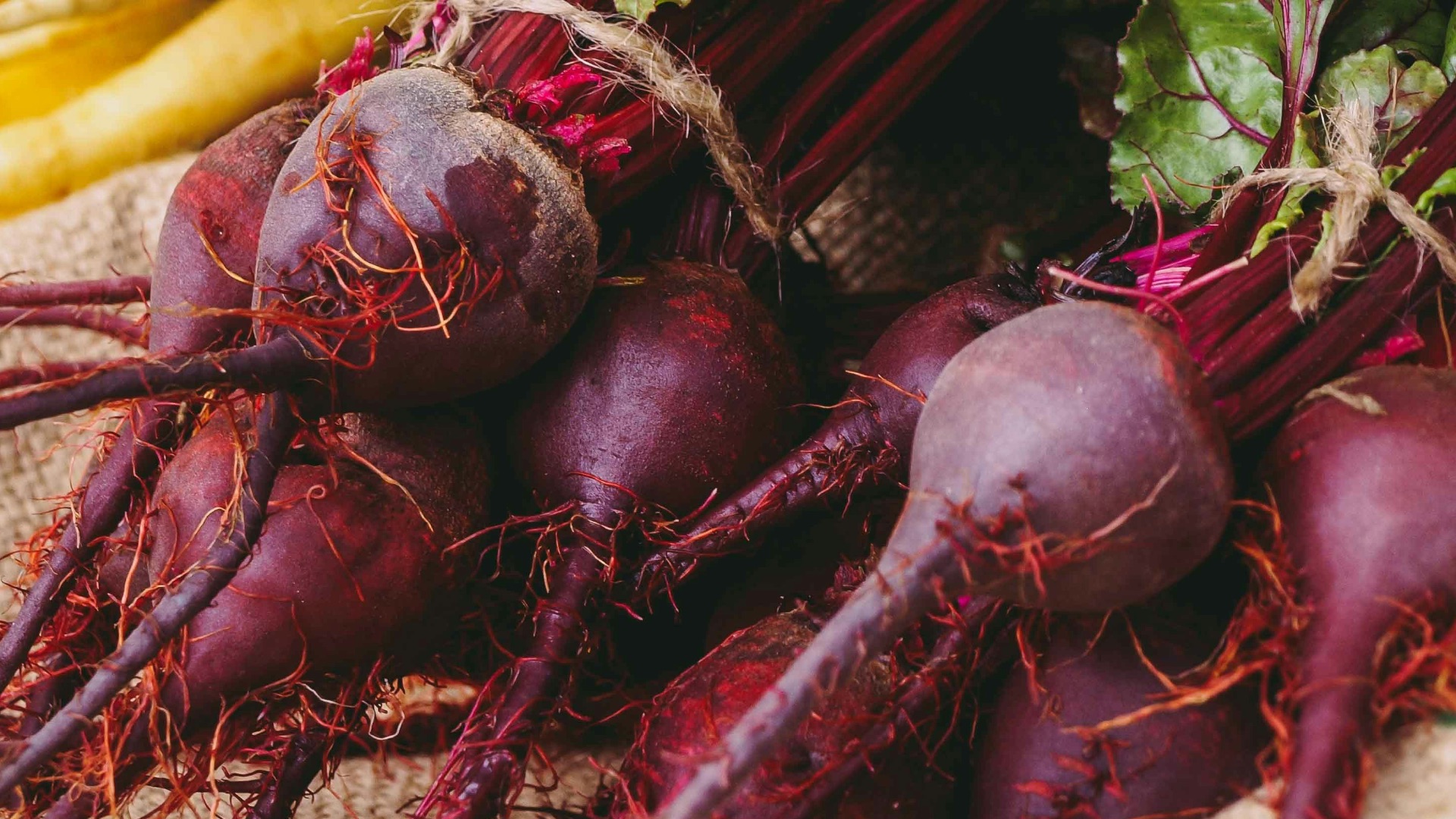
9. Beets
Beets can stain everything in sight and sometimes look more like a mess than a side dish. They contain fiber, folate, and natural compounds linked to blood flow and heart health, which gives them more substance than their appearance suggests. Once roasted or added to salads, they offer both nutritional benefits and a naturally sweet flavor.
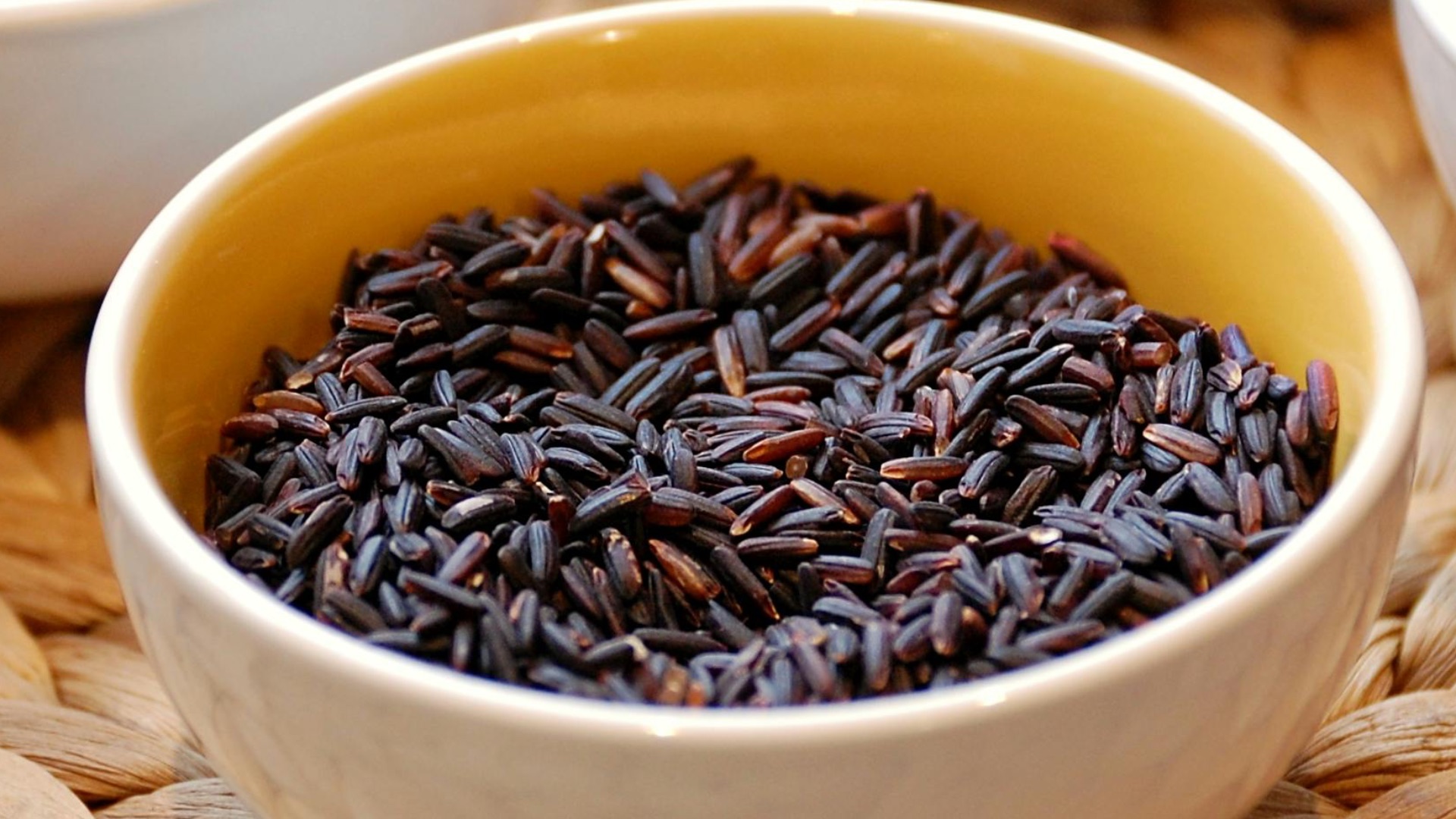
10. Black Rice
Black rice may not look appealing at first, but it’s actually rich in fiber, antioxidants, and important nutrients, including iron and vitamin E, which gives it more nutritional value than many people expect from a grain. Plus, it's far healthier than regular white rice. Once you cook it, you’re getting a hearty, wholesome option that offers both substance and real health benefits.
Looks can be deceiving, but so can marketing. Once you move from foods that seem unpleasant to dishes that sound virtuous, you start to see how often the word “healthy” gets attached to meals that are far less balanced than they appear. Let's take a look at 10 "better" foods you shouldn't pick.
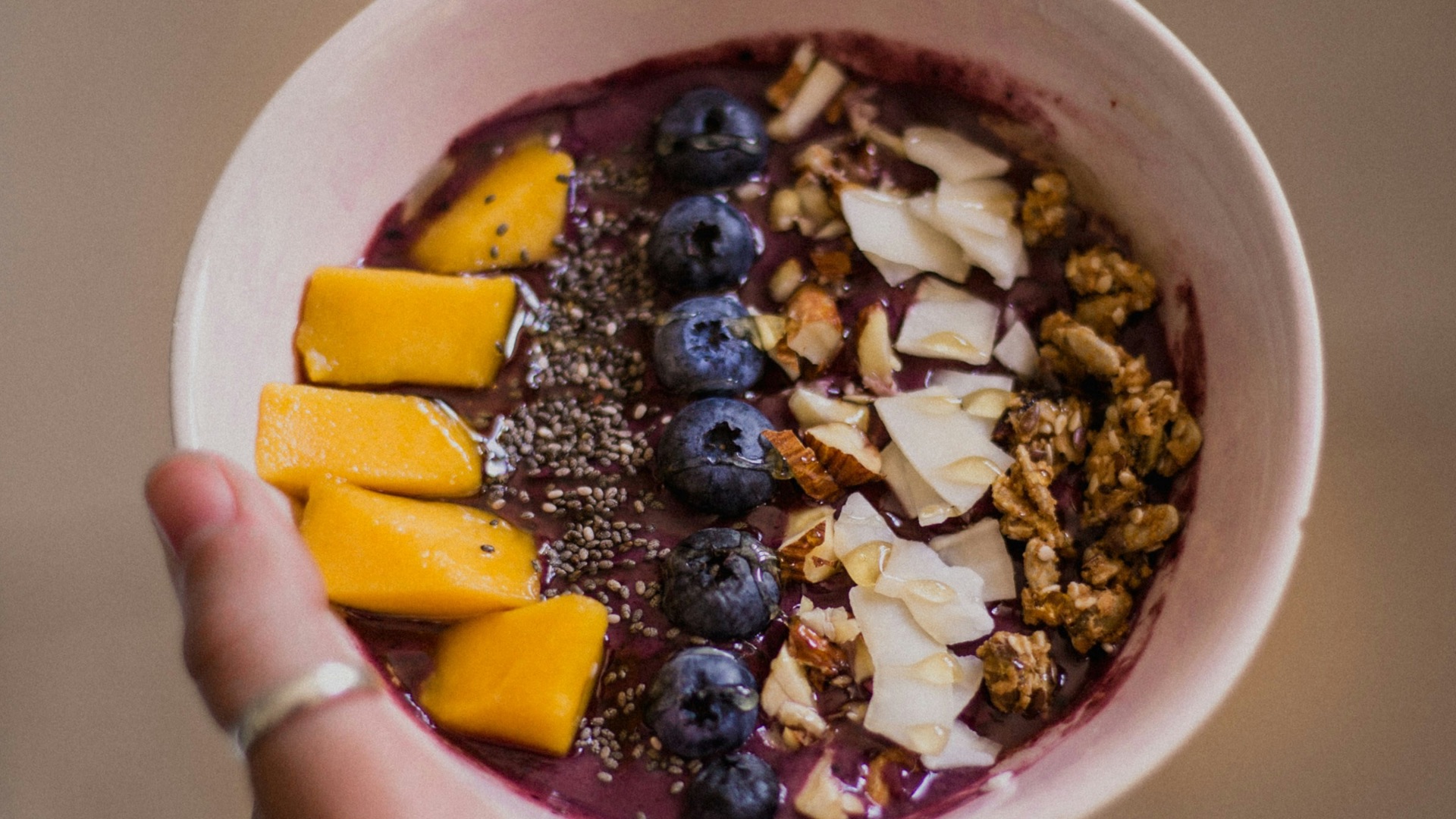
1. Acai Bowls
Acai bowls sound like a healthy choice because they’re built around fruit and often topped with nuts and seeds. The problem is that many versions are loaded with sweetened puree, granola, honey, and nut butter, which can drive the sugar and calorie count much higher than you’d expect. That means what starts as a fruit bowl can end up more like a dessert.
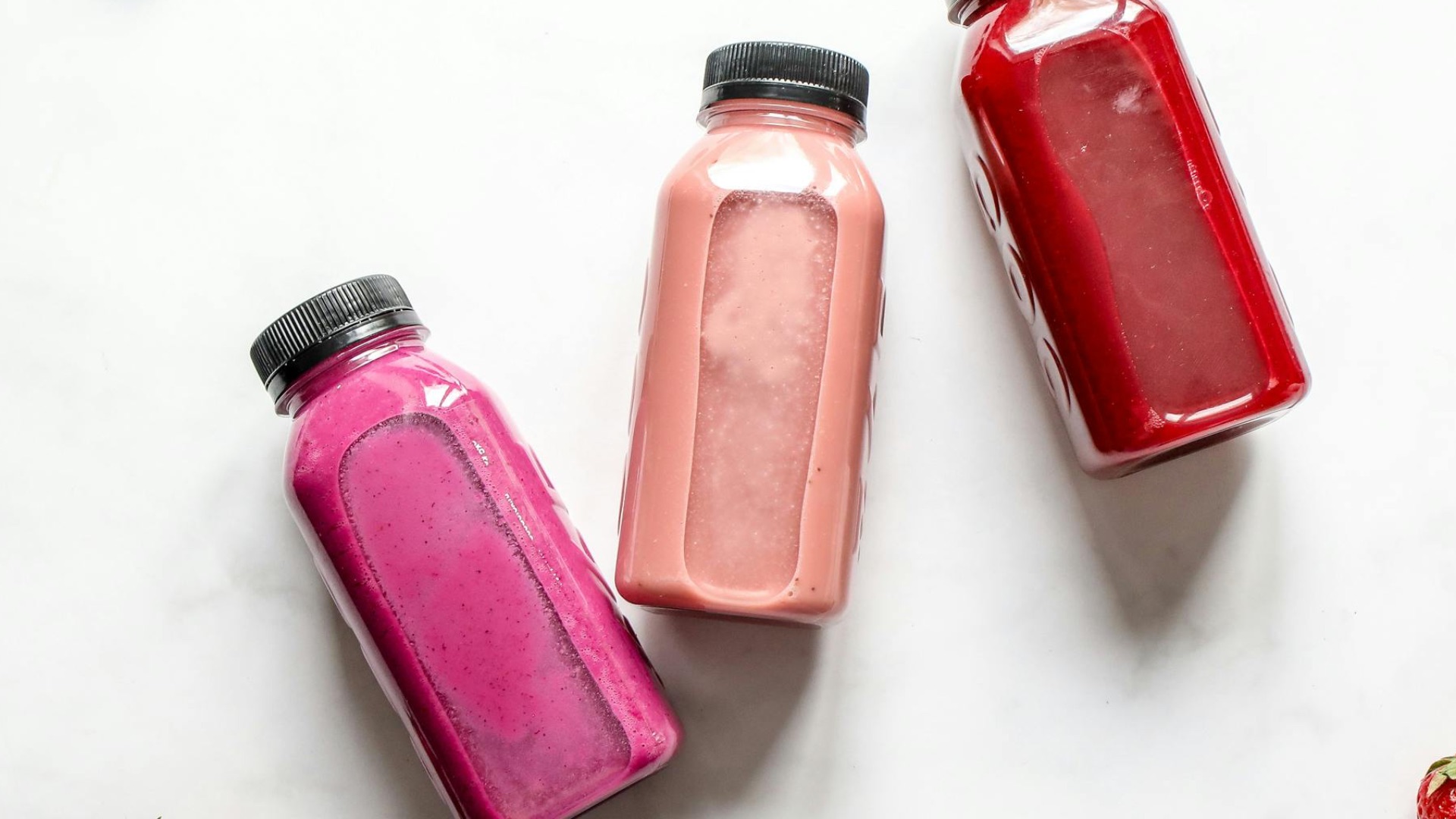
2. Store-Bought Smoothies
Smoothies have a strong health halo because they usually contain fruit, and sometimes spinach or protein powder gets added for extra appeal. But you're better off making it yourself at home; many bottled and cafe versions are packed with fruit juice concentrates, syrups, and oversized portions that deliver far more sugar than a balanced snack should.
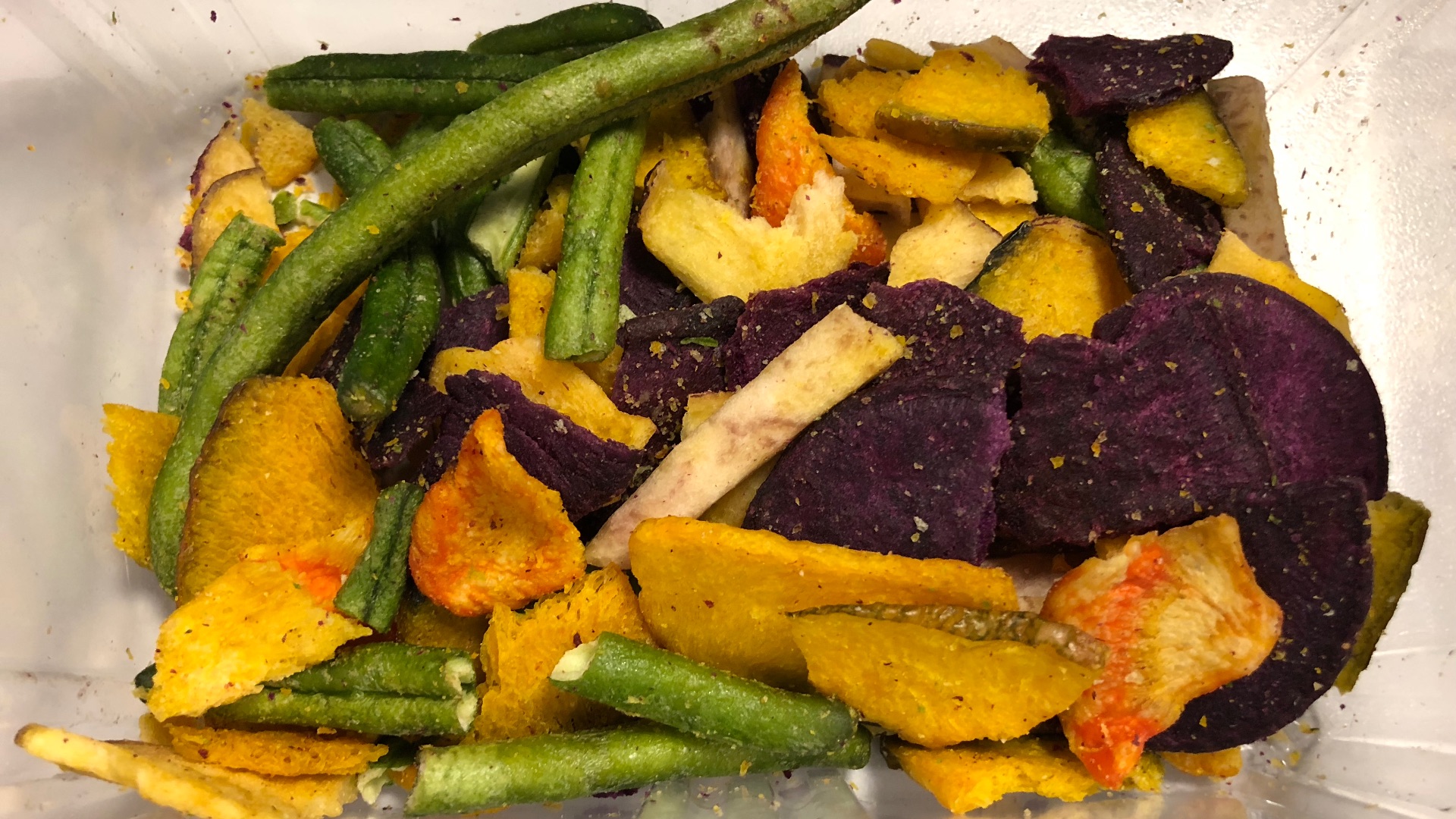
3. Veggie Chips
The name alone makes veggie chips sound like a better alternative to regular potato chips. In many cases, though, they’re still fried, heavily salted, and made with starches or powders that offer less nutrition than whole vegetables. They might be slightly different, but they’re not automatically a health food just because they're vegetables.
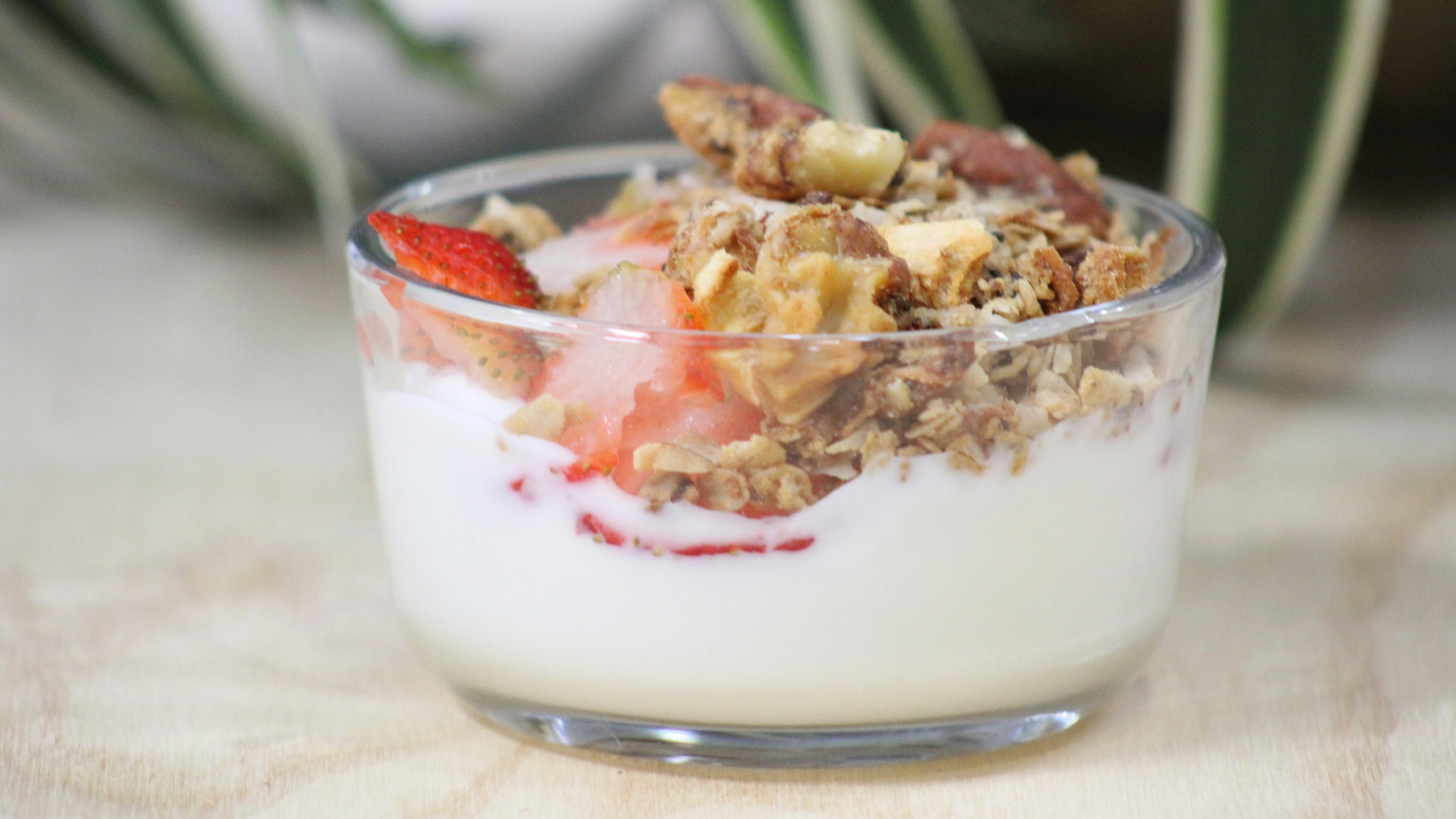
4. Flavored Yogurt Parfaits
A yogurt parfait sounds balanced because it combines dairy, fruit, and granola in one neat cup. But flavored yogurt often comes with a heavy dose of added sugar, while granola can add extra oil and sweeteners, making the whole thing more indulgent than it seems. Sure, it looks healthy, but it can be surprisingly close to eating a sugary snack.
5. Bran Muffins
Bran muffins have long benefited from the idea that bran equals fiber and fiber equals healthy. Unfortunately, many bakery versions are oversized and filled with sugar, refined flour, and enough oil to make them much closer to cake than breakfast. They may sound better for you than a frosted pastry, but that doesn’t mean they’re doing much nutritional work.

6. Gummy Fruit Snacks
Gummy fruit snacks often look like a better option than candy because they’re sold with fruit imagery and words that suggest they contain real juice. In practice, most versions are mostly sugar, syrups, and gelatin or starch, with very little fiber or whole-fruit nutrition to balance them out. They may be marketed as a lunchbox-friendly choice, but they usually behave much more like sweets than health food.

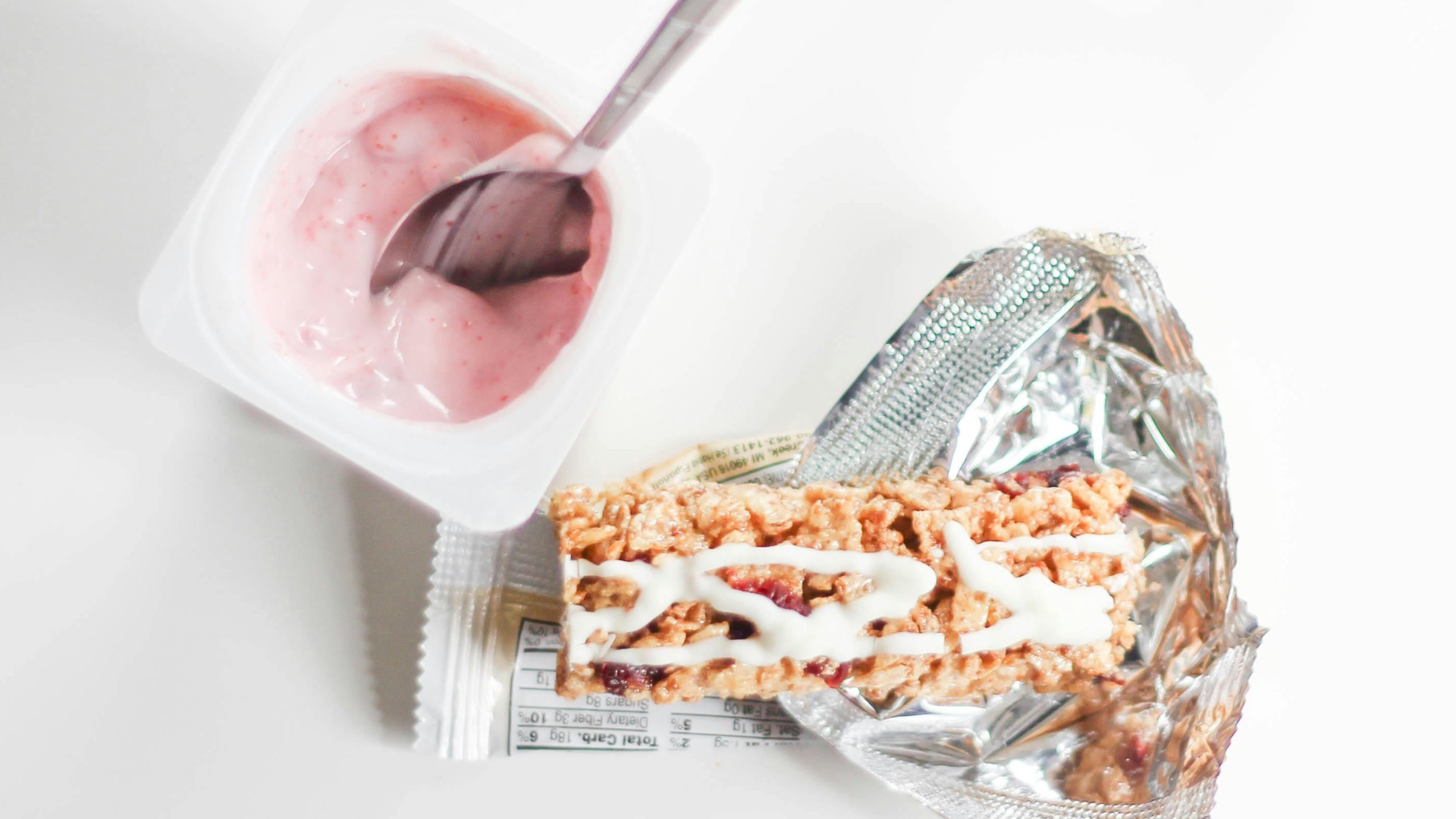
7. Granola Bars
Granola bars usually have a strong, healthy reputation because they’re associated with oats, nuts, and grab-and-go convenience. Many packaged bars, however, are held together with added sugars and oils, and some contain chocolate, yogurt coatings, or sweeteners that push them closer to a candy bar than a balanced snack. You can find better versions, of course, but the average granola bar isn’t always as wholesome as the label makes it sound.
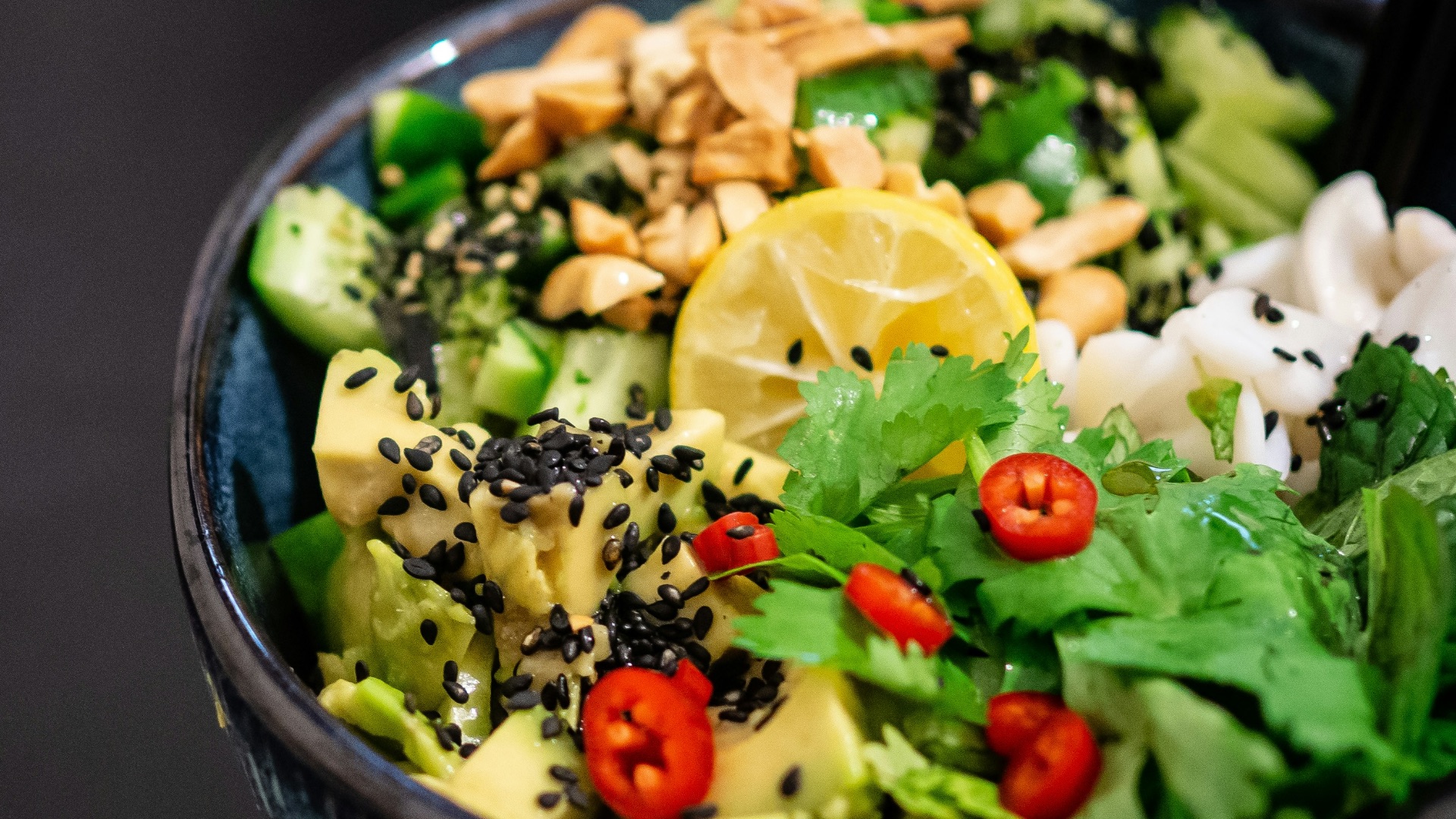
8. Fast Food or Restaurant Salads
Fast food or restaurant salads are probably the most common example of a dish that sounds better than it turns out to be. Crispy toppings, sweet dressings, cheese, bacon, and oversized portions can turn a bowl of greens into a meal with more calories, fat, and sodium than some burgers. You can still order it from time to time, but it’s worth paying attention to everything that goes on top of it.
9. Protein Bars
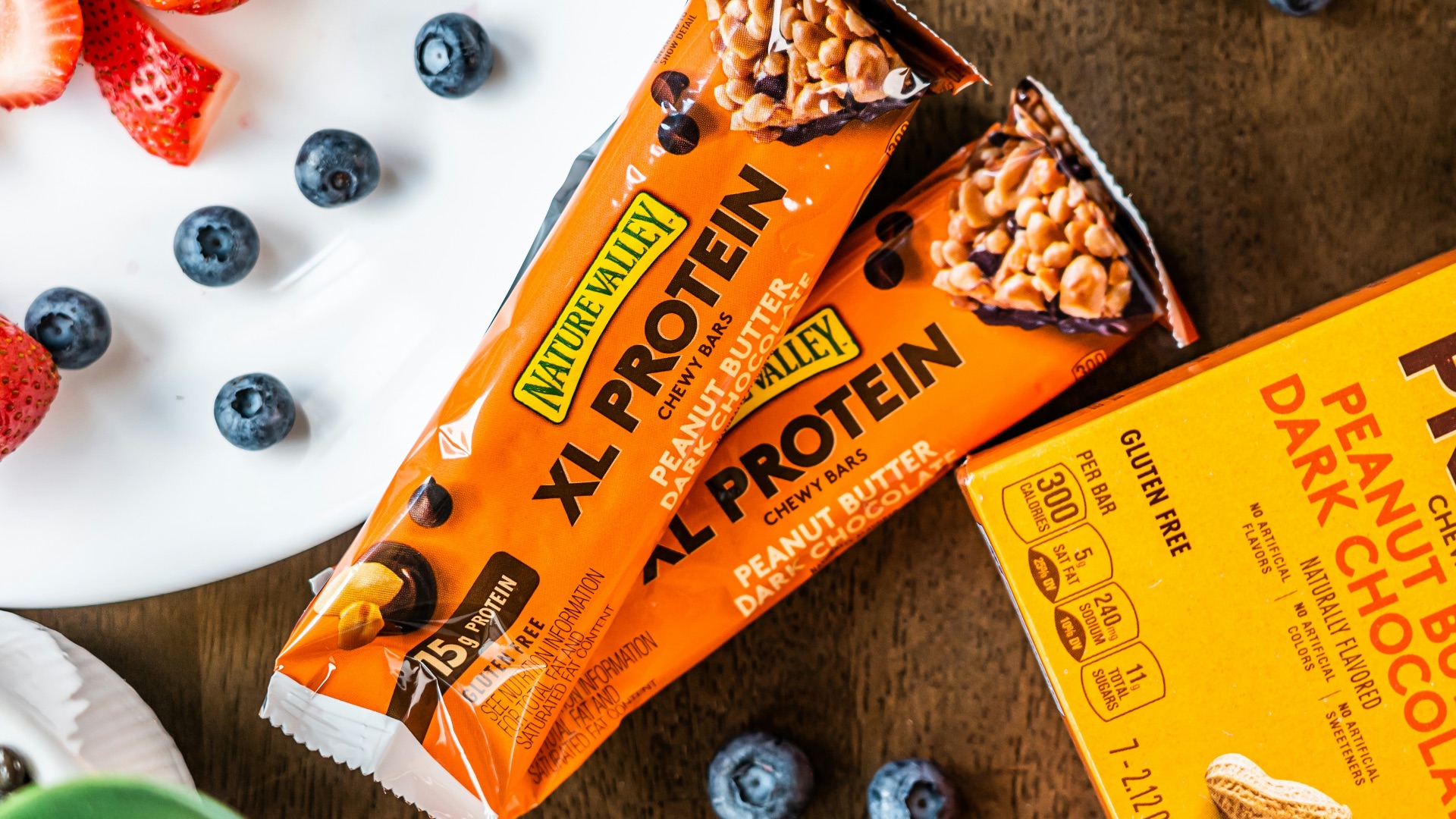
Like granola bars, protein bars also tend to be marketed like compact nutrition tools for busy, health-conscious people. But a lot of them are highly processed and filled with sugar alcohols, syrups, chocolate coatings, or enough sweetener to make them more like candy with added protein. They can be useful in some situations, but they’re not automatically a nutritious everyday snack.
 Hybrid Storytellers on Unsplash
10. Sushi Rolls
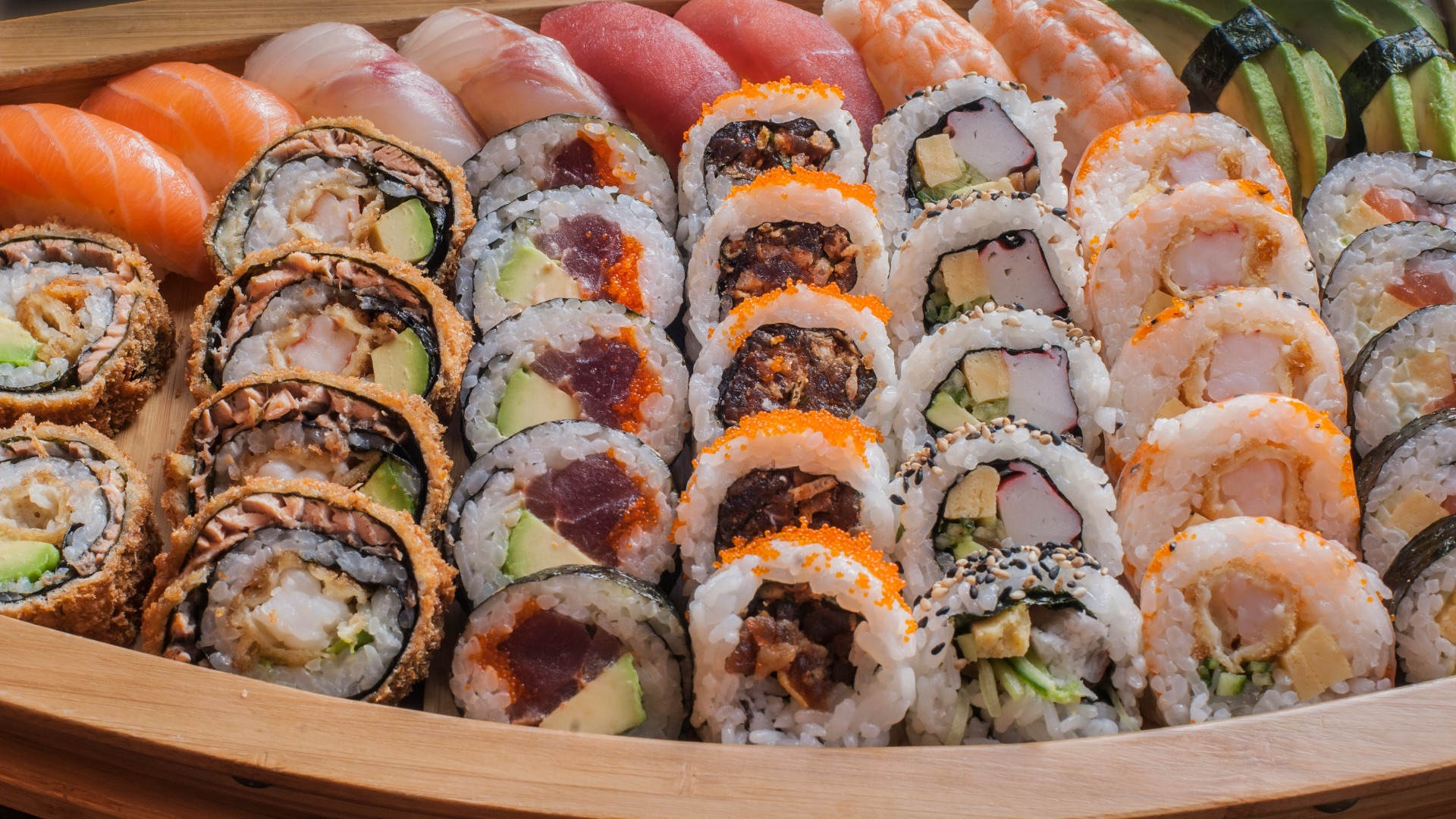
Sushi often gets placed in the healthy category because it contains fish, rice, and seaweed. Specialty rolls, though, can include tempura, leftover fried bits, spicy mayo, cream cheese, sugary sauces, and large amounts of white rice, which changes the nutrition profile quite a bit. What sounds like a light meal can end up being much heavier than you intended.
KEEP ON READING