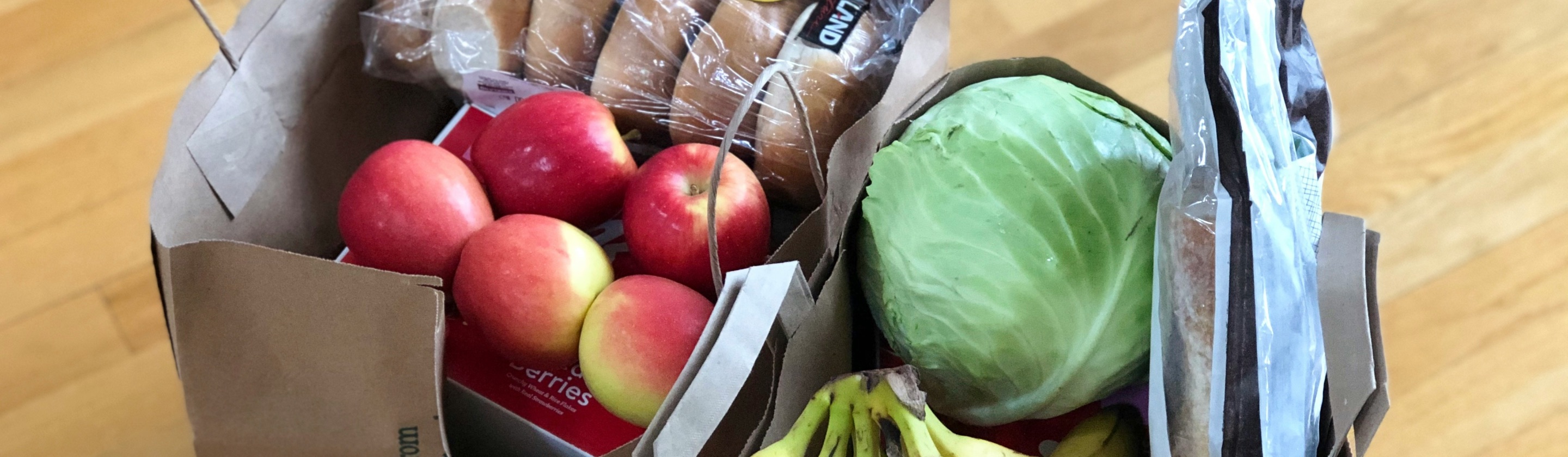
If you've been wincing at your grocery bill lately, you're not alone. According to the U.S. Bureau of Labor Statistics, food prices rose 3.1% from December 2024 to December 2025, with food at home (a.k.a groceries) climbing 2.4% over that same period. Some categories have felt the squeeze more than others: beef and veal prices were up 16.4% in December 2025 compared to the year before, and nonalcoholic beverages, including coffee and tea, rose nearly 12%.
These increases don't exist in a vacuum. They're the result of a complicated mix of factors, including tight livestock supplies, the impact of Highly Pathogenic Avian Influenza (HPAI) on egg production, tariffs imposed by the Trump administration, and energy costs that ripple through the entire supply chain. For home cooks, understanding what's driving these changes—and how to respond to them—can make a real difference in how far your grocery budget stretches.
Why Grocery Prices Keep Climbing
One of the most significant contributors to recent grocery inflation has been disruption at the production level. The HPAI outbreak that began in 2022 continued to reduce egg-layer flocks and shrink egg supply well into 2025, which is a key reason egg prices averaged 38.5% higher in the first half of 2025 than they did throughout 2024. While egg prices have since begun recovering, the episode is a clear example of how a single disease event can send shockwaves through an entire food category.
Beef prices tell a similar story, though the driver is different. The U.S. cattle herd has been shrinking since 2019, partly due to prolonged drought conditions and elevated feed costs, which have tightened supply even as consumer demand has stayed strong. With fewer cattle available, retailers have had less room to absorb costs—and prices for beef and veal are predicted to climb another 9.4% in 2026.
Trade policy has also added pressure to already-elevated grocery costs. The Trump administration's sweeping tariff program—which introduced a 10% baseline tariff on most imported goods—drove up the cost of imported food items throughout 2025, with the federal government collecting an additional $1.5 billion in tariffs on food and agriculture items in just four months compared to the same period in 2024. Goods that can't easily be sourced domestically, such as coffee, cocoa, shrimp, and certain fresh produce, have been especially exposed; one analysis found that a typical supermarket cart cost around 5% more between December 2024 and December 2025 as a result, and it's hard to say if shoppers will ever find relief.
How Homecooking Habits Are Shifting
Despite the pressure at the grocery store, cooking at home remains cheaper than dining out.
Restaurant prices rose 4.1% in 2025—well above the 2.4% increase for food at home—and that gap has been fairly consistent in recent years. For households trying to manage their food budgets, it might still be better to fix up meals at home.
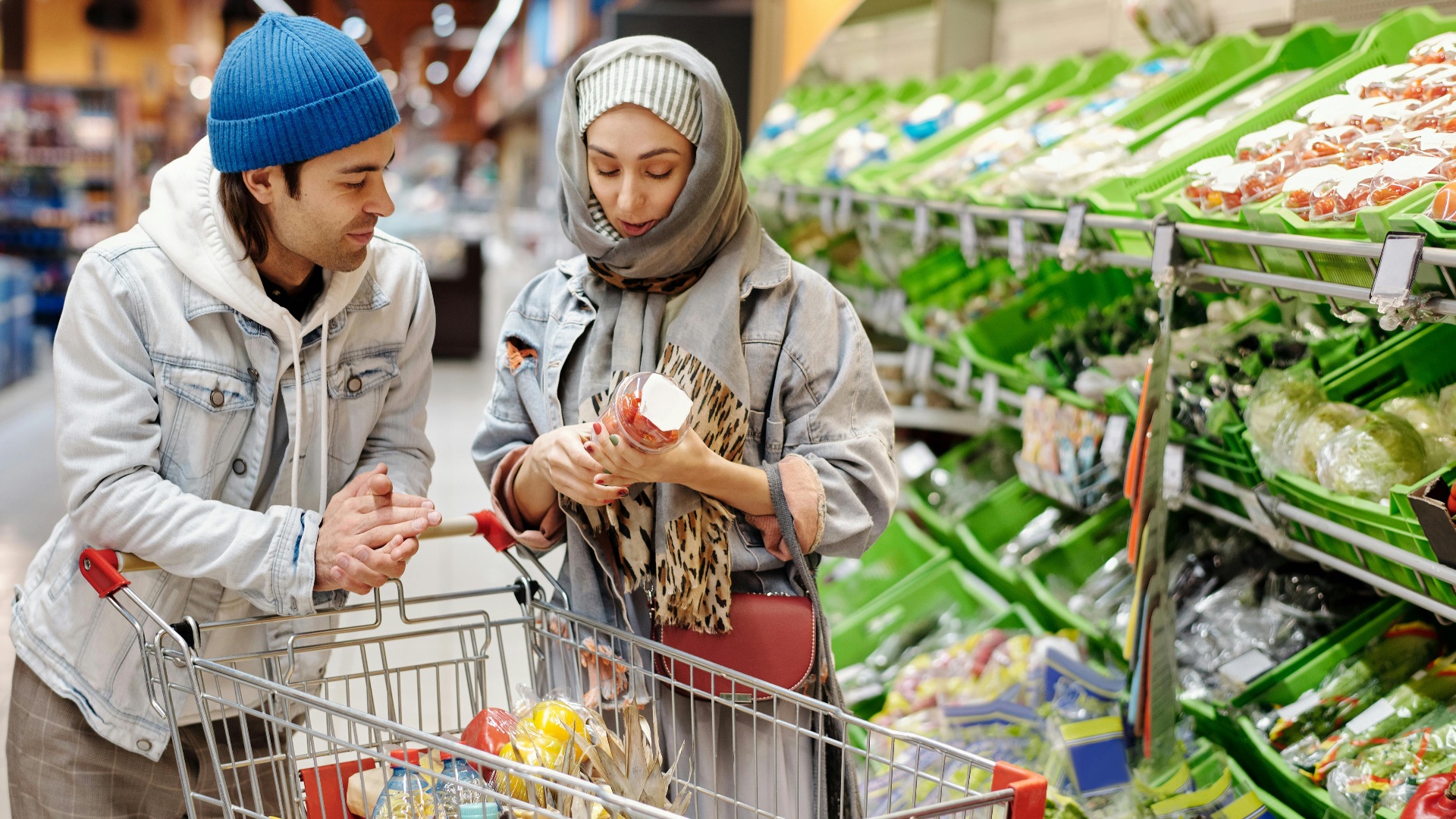
That said, rising grocery costs are pushing home cooks to rethink what they put in the cart. When beef prices spike, it makes practical sense to shift toward proteins that haven't seen the same increases; poultry prices, for example, rose just 1.3% in the first half of 2025, and pork prices were broadly stable. Pantry staples like dried beans, lentils, and canned legumes remain among the most affordable sources of protein per serving and have historically been more insulated from sharp price swings.
Flexibility in meal planning is increasingly becoming a practical skill rather than just a nice-to-have. Seasonal produce tends to cost less because it's more abundant and doesn't require as much transport, and categories like fresh vegetables actually fell 2% in price in the first half of 2025. Building meals around what's on sale or in season, rather than committing to a rigid weekly menu, can lead to meaningful savings without sacrificing nutritional value or variety.
Smart Strategies for Stretching Your Food Budget
One of the most effective ways to lower your per-meal cost is to embrace whole or minimally processed ingredients over pre-packaged convenience items.
A whole chicken costs considerably less per pound than boneless skinless breasts and yields more than one meal; you can roast it, use the leftovers in a soup or grain bowl, and make stock with the rest. The same logic applies to buying block cheese instead of pre-shredded, or dried grains in bulk rather than instant versions. Batch cooking and freezing is another approach that works particularly well when prices are volatile.
It's also worth paying attention to where you shop, not just what you buy. Discount chains, ethnic grocery stores, and warehouse retailers often carry many of the same staple products at lower prices than conventional supermarkets. Price-checking apps and store loyalty programs have become more sophisticated, and a bit of intentionality about where certain items come from can make your overall bill more manageable without requiring a complete overhaul of how you cook.
Grocery prices are likely to keep rising in 2026, with the USDA projecting an additional 1.7% increase in food-at-home prices over the year. For home cooks, the fundamentals haven't changed: cooking from scratch, staying flexible, and making thoughtful choices at the store still offer more control over food costs than almost any other approach. The challenge right now isn't that homecooking has stopped making financial sense, but that it just requires a little more planning than it used to.
KEEP ON READING
20 Drinks That Secretly Contain A Lot Of Calories

Why Your Homemade Coffee Tastes Flat & How To Fix It