We don't want to alarm you, but your gut is filled with millions of tiny organisms, wriggling and alive. Don't worry—they're friendly! They're also supposed to be there, seeing as how your gut is a complex ecosystem that helps breakdown and reuse material from food.
Prebiotics and probiotics are two types of matter that work together to keep your gut healthy. Most of us know a thing or two about probiotics—or, at least have seen them enough in stores to be familiar. Prebiotics, however, are the new kids on the block, showing up in everything from supplements to sodas.
There's a fair amount of chemistry that goes into maintaining a healthy gut, and we want to demystify it for everyone. Once you have a rough idea of how your body works down to the tiniest organisms, you can better take care of it. So, let's get into it!
What Are Probiotics?
 Antoni Shkraba Studio on Pexels
Even though prebiotics sound like they should go first, we're going to start with probiotics, as this will help you understand how the two work together. Probiotics are those friendly bacteria we mentioned earlier. They help your body digest food and heal illnesses.
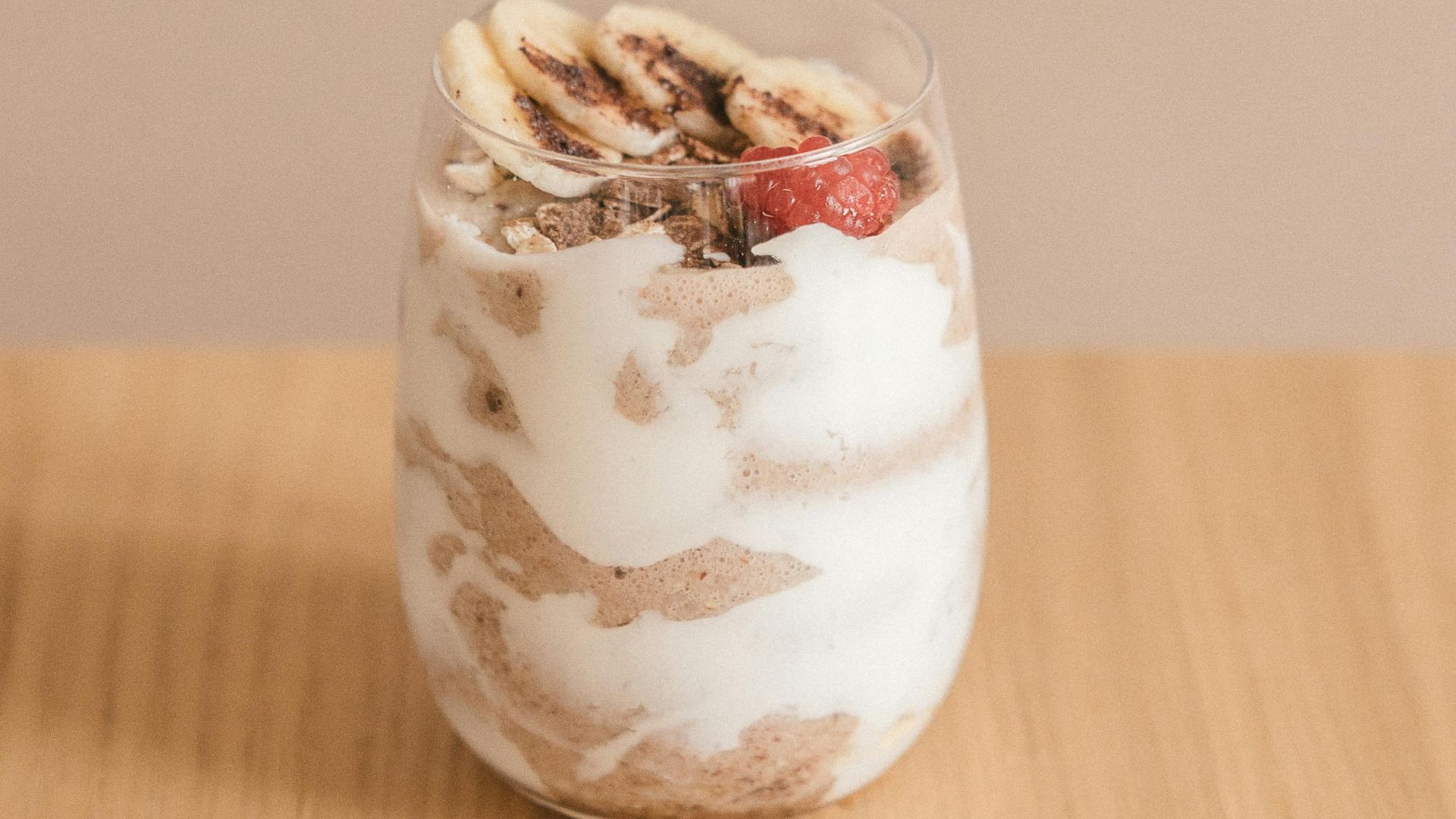
Probiotics need to be pretty tough to survive in your gut. They're most often found in fermented foods such as yogurt, pickles, and kimchi. If you don't like fermented food, you can bulk up your proboitics through supplements with live cultures.
In essence, supplementing your probiotics means supplementing your friendly bacteria with more microbes. Even though these bacteria are friendly, not all bacteria are. More probiotics means more defense against unfriendly bacteria.
What Are Prebiotics?
Now that we've covered probiotics, let's move onto prebiotics! The Cleveland Clinic compares your gut to a garden with probiotics as the seeds and prebiotics as the fertilizer. Unlike probiotics, prebiotics aren't alive, though they help keep probiotics alive.
Prebiotics are parts of food that your body can't digest, like fiber and carbohydrates. Prebiotics skip over the digestive process and head straight for your colon. There, they metabolize and ferment, where probiotics use them as food sources.
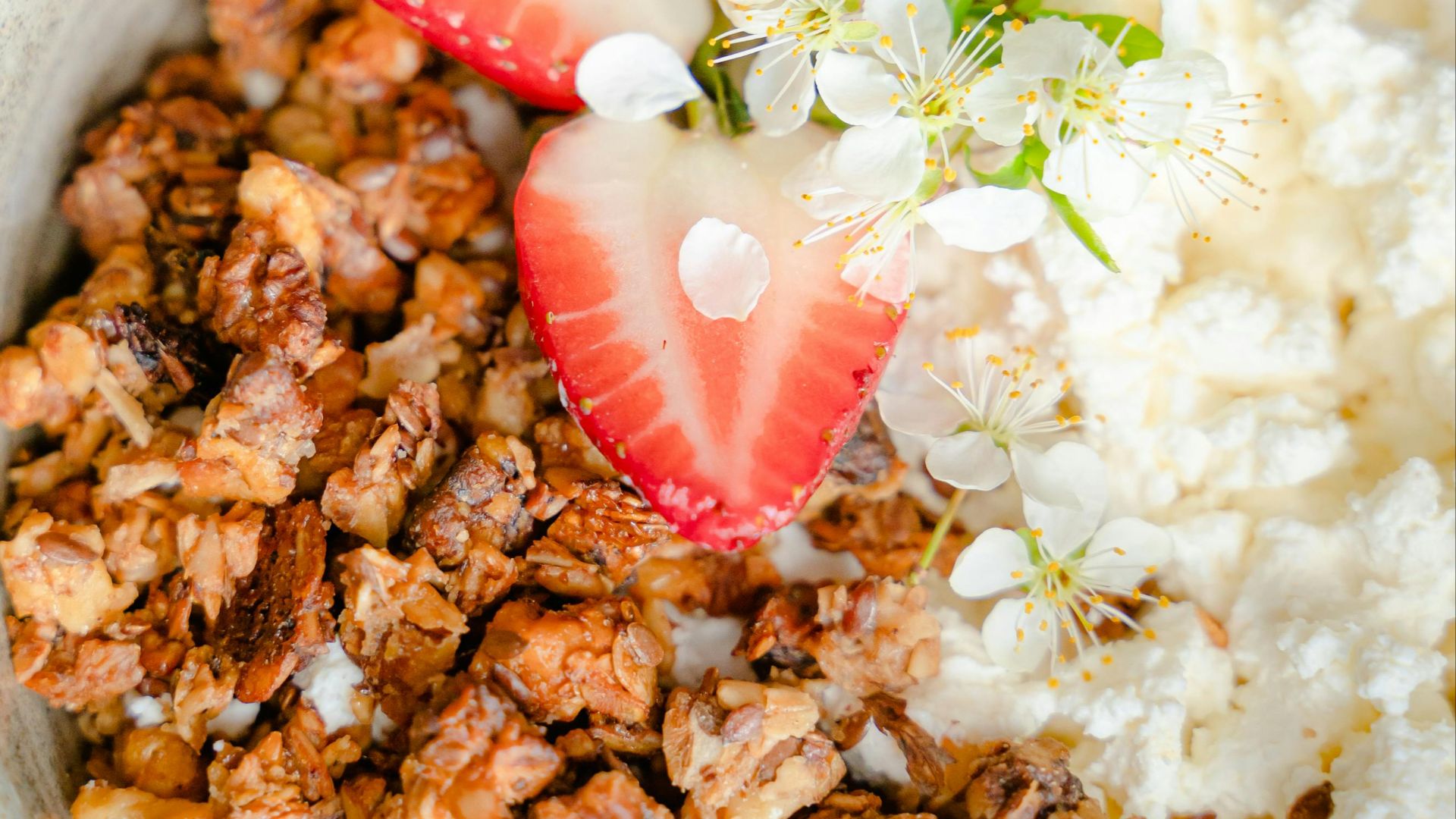
Prebiotics can be found in a variety of seeds and roots.
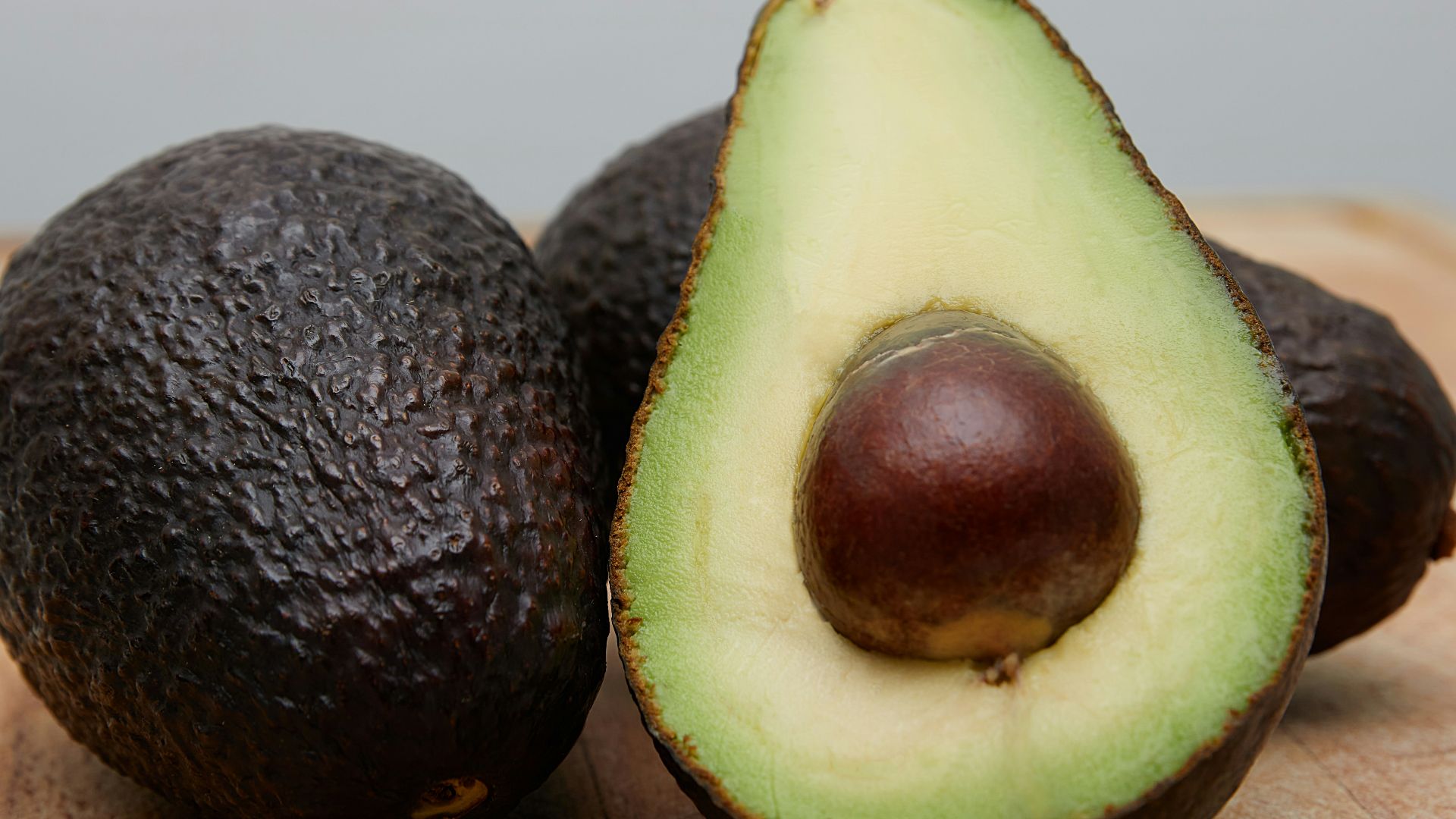
However, if you want something a little more substantial, prebiotics are also found in apples, potatoes, and avocados. And, of course, there are prebiotic supplements as well.
The Benefits Of Pre- And Probiotics
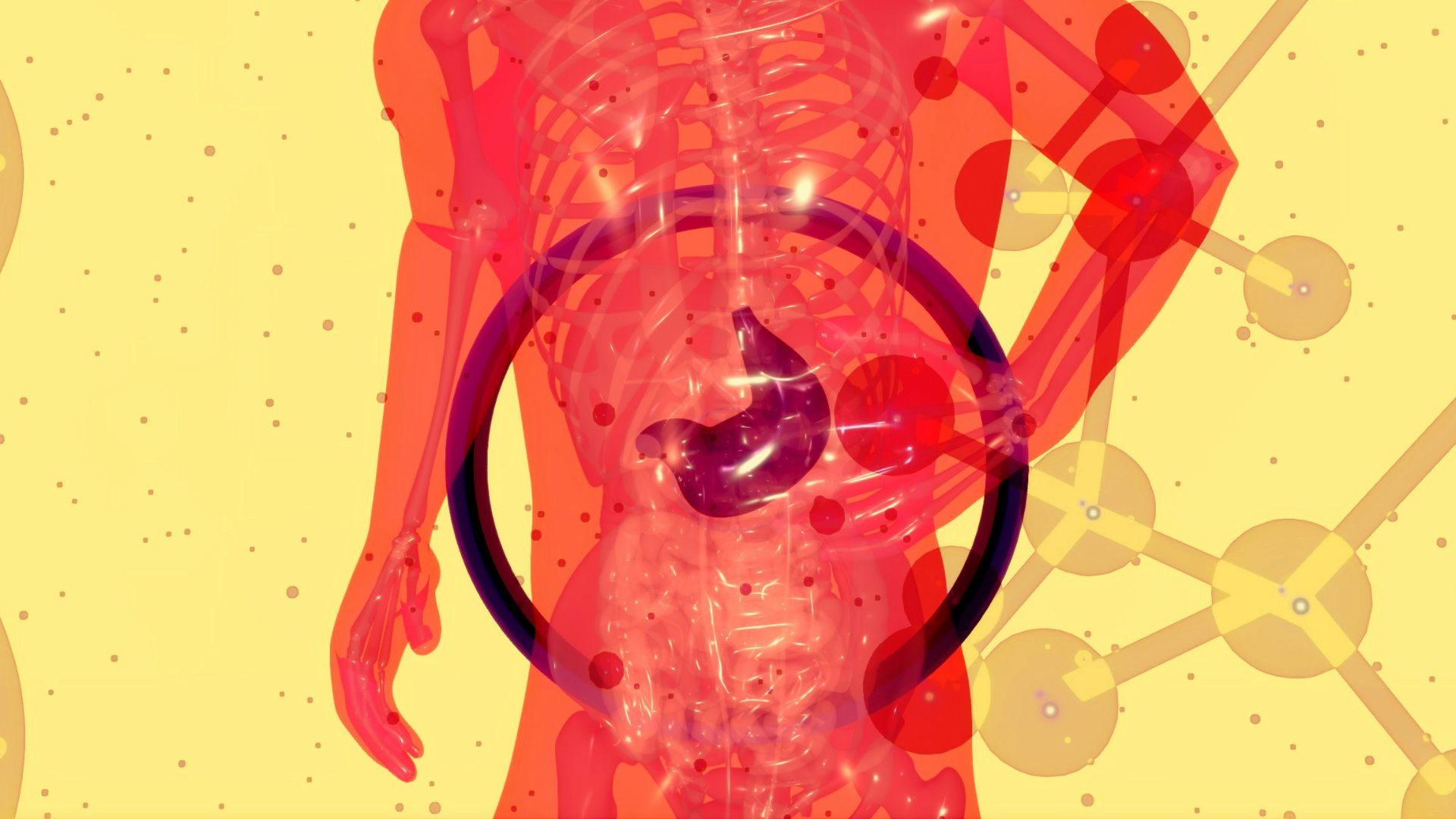
Working together, prebiotics and probiotics can accomplish amazing things. Not only do they keep you regular and fight off bad bacteria, but they can also aid your immune system. Prebiotics in particular help with the formation of mucus which, gross as it is, helps to expel sickness from your body.
However, probiotics and prebiotics don't just work through your digestive system. Healthy cultures influence all parts of your body from your brain to even your bone density! Ultimately, these cultures help your body better digest nutrients and keep itself going.
In an ideal world, you wouldn't have to supplement your prebiotic and probiotic consumption. However, the average American isn't getting nearly enough fiber in their diet for this to be the case. While fiber isn't the only source of prebiotics, it's a major one that many people ignore.
As with all health concerns, talk to a doctor about prebiotics and probiotics, they have a better understanding of what's going on inside of you. A good doctor, like good bacteria, should break everything down for you, so you can understand your body and better defend it.
It's a lot of work to keep your body up and running; you don't have to do it alone.
If you take supplements, make sure they're from a reputable provider and are transparent about both their contents and effects. Researching brands respected in the medical field before you buy can save you a lot of money. Happy gut gardening!
KEEP ON READING

20 Groceries You Should Buy Less Of


20 Bad Table Manners Everyone Is Guilty Of

10 Late Night Snack Ideas to Curb Your Cravings