For years, cabbage was the kind of vegetable you bought because it was affordable, nutritious, and happened to be on your grocery list. It rarely attracted the same attention as trendy ingredients like kale, cauliflower, or avocado, despite being a staple in kitchens around the world. However, that's starting to change as cabbage becomes one of the most talked-about vegetables of 2026.
From viral TikTok recipes to magazine covers, this once-overlooked ingredient is suddenly getting some serious attention. So, how exactly did such a humble vegetable become everyone's latest culinary obsession?
Social Media Gave Cabbage a Much-Needed Makeover
Cabbage's unexpected rise can partly be traced to social media, where food creators have been finding increasingly inventive ways to prepare it. Instead of simply boiling the vegetable or tossing it into coleslaw, they're roasting entire wedges, making crispy cabbage pancakes, and turning thick slices into flavorful steaks. These recipes have introduced cabbage to people who previously only had sad, boiled versions of it. As a result, younger audiences are discovering that there's actually a lot to love about this simple vegetable.
Pinterest has played a particularly important role in bringing the trend into the mainstream. According to its 2026 trend report, searches for cabbage dumplings rose 110%, while interest in cabbage Alfredo rose 45%. Searches for fermented cabbage also climbed by 35%, suggesting that people are exploring preparations beyond the usual side dishes.
Restaurants have also helped change the vegetable's image by giving it a more prominent place on their menus. In New York City, establishments such as Zimmi's have served grilled cabbage, while Eyval has paired the vegetable with citrus and dates. These dishes show just how interesting cabbage can be when chefs get creative with different flavors and cooking techniques. According to Vogue, the vegetable's popularity has even spread beyond food into fashion and home decor.
Cabbage isn't exactly being reinvented; Korean kimchi, Polish gołąbki, German sauerkraut, and countless Asian stir-fries have showcased its versatility for generations. The difference today is that chefs and home cooks are increasingly making cabbage the star of the meal rather than leaving it in a supporting role.
Its Affordability and Health Benefits Are Winning People Over
Of course, cabbage's growing popularity isn't just about beautiful recipes and restaurant trends. With grocery prices still a concern for many households, people are looking for ingredients that offer good value without compromising on nutrition. Cabbage checks both boxes, making it especially attractive to budget-conscious shoppers. A single, reasonably priced head can stretch across several meals, depending on how you prepare it.
Its impressive shelf life also gives cabbage an edge over more delicate greens. While lettuce and spinach can wilt fairly quickly, an uncut head of cabbage can stay fresh for weeks when stored properly in the refrigerator. That makes it especially convenient for people who prefer shopping less frequently or preparing meals in advance.
Nutritionally, cabbage has much more going for it than its modest reputation might suggest. It's a good source of vitamin C and vitamin K, while also providing fiber to support healthy digestion. As part of the cruciferous vegetable family, it contains glucosinolates, compounds that researchers have studied for their potential antioxidant and detoxification qualities.
Growing interest in fermented foods has also brought traditional cabbage preparations back into the conversation. Kimchi and certain sauerkrauts can contain live microorganisms associated with fermentation. Their bold, distinctive flavors also appeal to people looking to make everyday meals a little more interesting. For cabbage, this renewed enthusiasm for fermentation has created another opportunity to win over new fans.
Chefs Are Proving There's More Than One Way to Enjoy It
Perhaps the biggest reason cabbage has become so fashionable is how dramatically it can change depending on the cooking method. Roasting brings out its natural sweetness and creates caramelized edges, while grilling adds smoky flavors without completely sacrificing its satisfying texture. Braising, meanwhile, produces a softer, more tender result that pairs beautifully with rich sauces and savory seasonings. It's surprisingly versatile for a vegetable that doesn't require much effort to prepare.
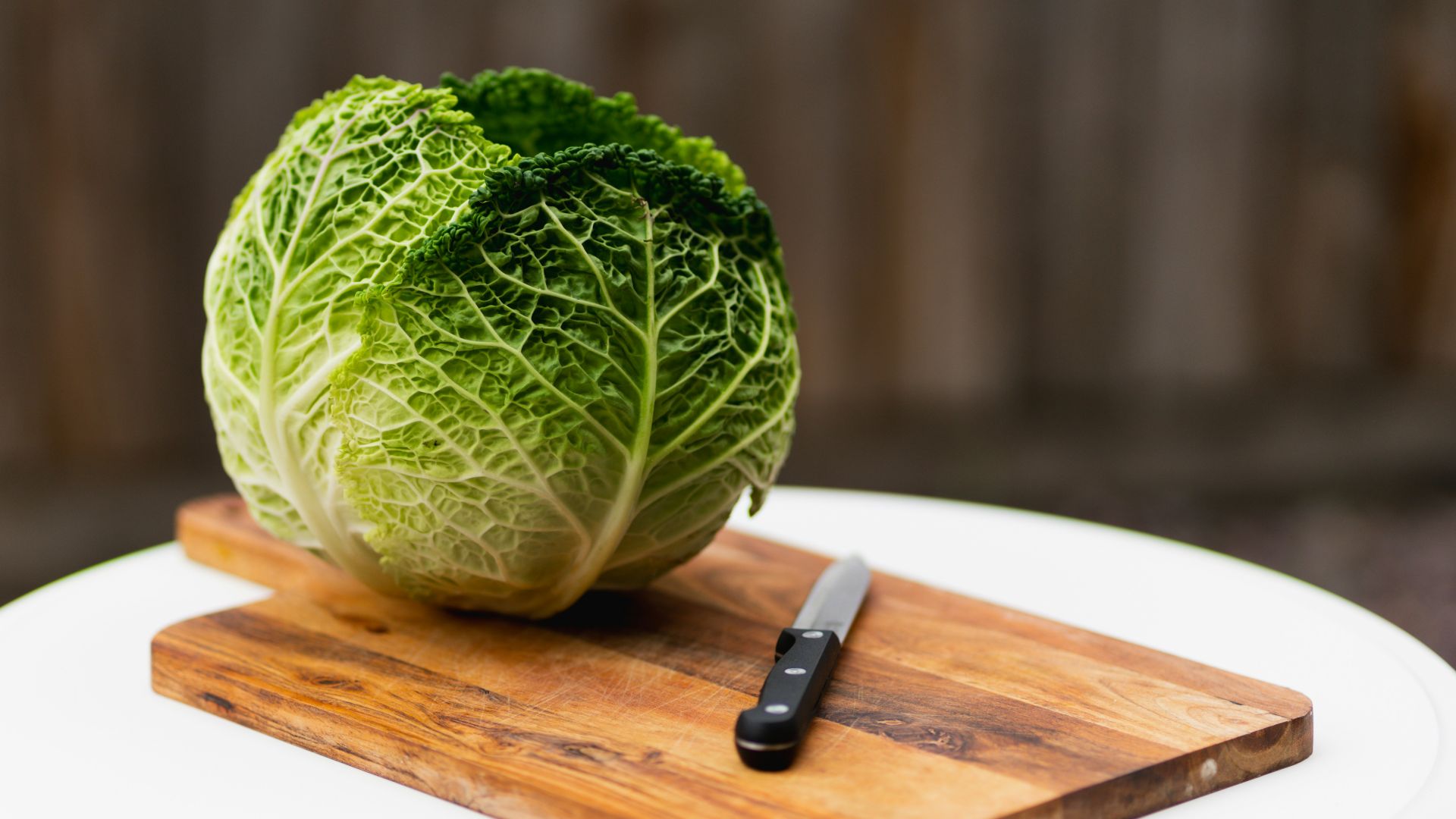
The different varieties of cabbage also give cooks plenty of opportunities to experiment. Savoy cabbage has tender, crinkled leaves that work particularly well in stuffed dishes, while red cabbage brings vibrant color and a slightly peppery flavor to salads. Napa cabbage is especially popular in East Asian cooking, appearing in everything from dumplings to kimchi. Even basic green cabbage can become something delicious with a little butter, garlic, lemon, or chili oil.
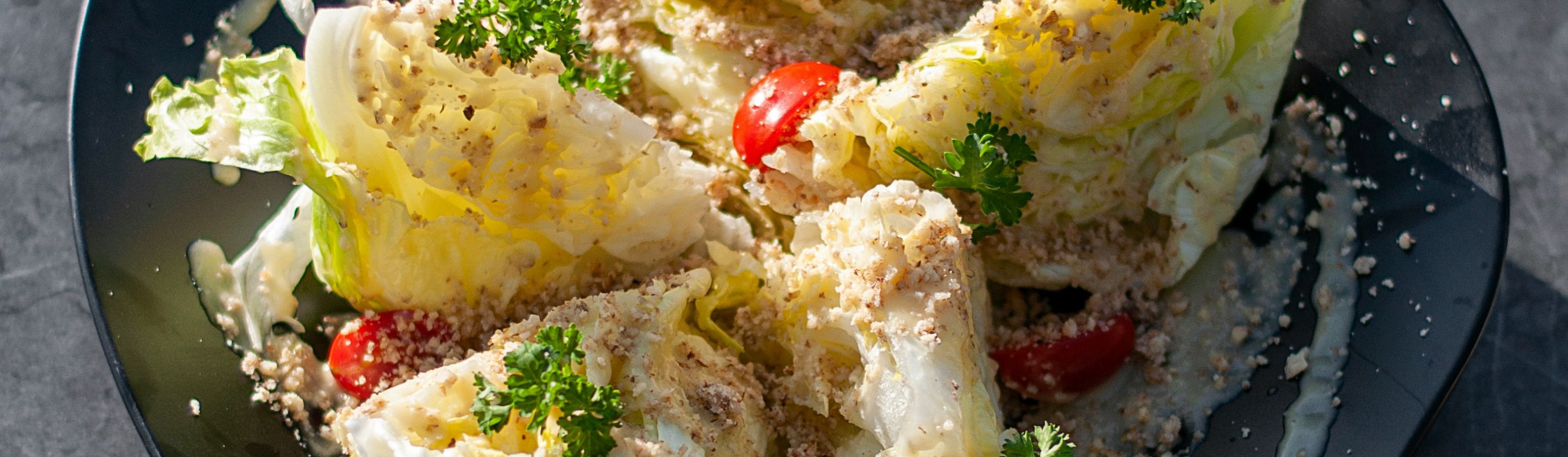
Another reason for its popularity is the growing appreciation for vegetable-centered cooking. Rather than treating vegetables strictly as accompaniments to meat, more restaurants are developing dishes that allow fresh produce to take center stage. Thick roasted cabbage wedges topped with creamy sauces, toasted nuts, or fresh herbs can easily become the highlight of a meal.
Cabbage's newfound popularity reflects a broader interest in making familiar ingredients exciting again. Its affordability, nutritional benefits, and versatility have always been there, but creative recipes and enthusiastic food creators have encouraged people to give it another chance. Now, it would no longer be so bizarre for someone to say that cabbage is their favorite vegetable. For an ingredient that's spent so long being overlooked, its moment in the spotlight feels pretty well deserved.
KEEP ON READING

How Cabbage Became the New "It" Vegetable