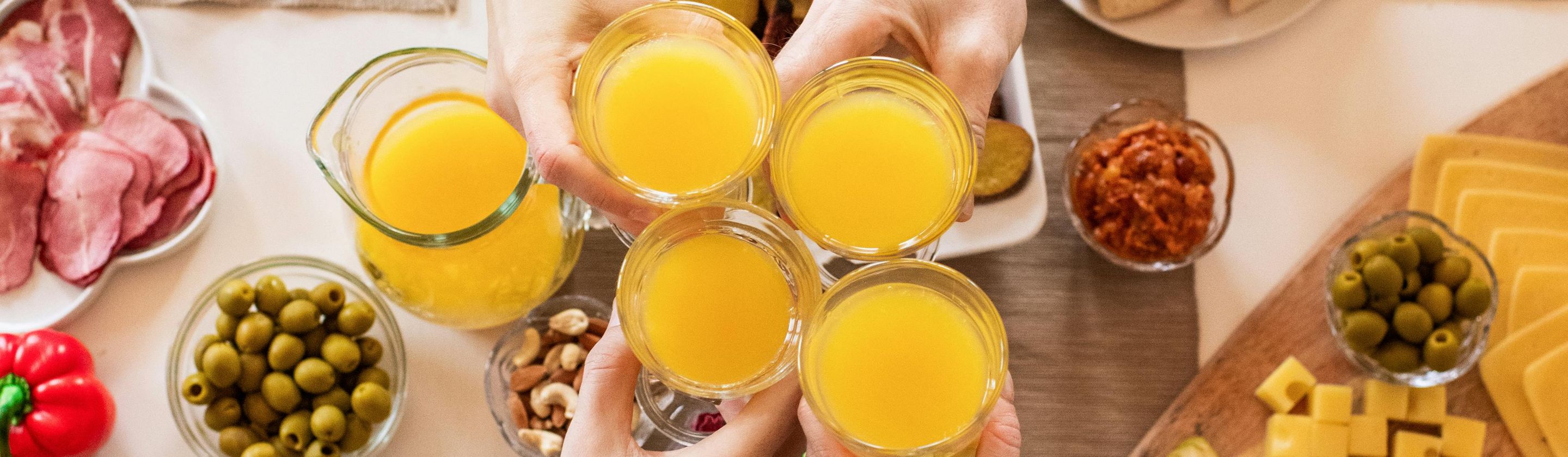

Think about the last time you sat down to a meal with someone you care about. Whether it was a holiday dinner, a casual weekend brunch, or even an impromptu takeout night with your best friend, there's a good chance the occasion made you feel right at home. Even the wine you drank or the dishes you ate probably tasted sweeter. Food has a way of doing that, after all: creating space for connection in ways that few other experiences can replicate.
That shouldn't come as a surprise. Across cultures and throughout history, sharing a meal has functioned as one of humanity's most consistent social rituals; food offers a unique window to learn about different cultures and broaden our understanding of the world. Understanding why food carries so much social weight might just help explain why it remains so central to how we relate to one another.
The Science Behind Bonding Over a Meal
There's actually a scientific basis for why eating together feels so good. Research suggests that communal eating may have evolved as a mechanism for facilitating social bonding, with data showing that people who eat socially are more likely to report higher life satisfaction and a stronger sense of community. If that doesn't encourage you to eat more with others, then we don't know what will.
But it goes deeper: the very act of eating might trigger the endorphin system and promote bonding, and doing so socially may lead to enhanced effects similar to those noted in physical exercise. Endorphins are the same neurochemicals associated with laughter and closeness, which is part of why a meal with friends tends to feel restorative rather than just filling. The body is, in a very real sense, wired to respond positively to communal eating.
And that's not all. Researchers have also noted that people who regularly eat with others tend to have wider, more supportive social networks, which expands your circle and allows you to have more people to enjoy your food with. If you ever needed an excuse to eat with bigger groups, this is it.
Food as a Carrier of Culture and Identity
Beyond biology, food functions as one of the most tangible expressions of who we are and where we come from. Food is deeply ingrained in our cultural identity and serves as a representation of our heritage, history, and values, with traditional recipes and cooking techniques reflecting the beliefs of different communities across generations. When you cook a dish your grandmother taught you, you're not only preparing a meal you've eaten since childhood but maintaining, and strengthening, a living connection to your family's past.
As humans travel, emigrate, and live far from their homeland, recipes passed down through generations tie them back to their ancestral heritage. Food is a form of cultural memory that doesn't require language to communicate; it can convey belonging, grief, celebration, and pride all at once, often more directly than words can. In some ways, it might be the only thing we have that roots us to who we are.
It should, then, come as no surprise that studies suggest that, the more we enjoy meals with our family and people, the deeper the bonds we create. Sitting together at the table offers opportunities to reconnect after long, busy days, and sharing food gives us a chance to show the people we love that we care and value their company. In Chinese culture, for example, asking someone if they've eaten is synonymous with "How have you been?"—and it's also the closest thing you might get to an indirect, but no less heartfelt, "I love you."
How Shared Meals Build Trust
Another one of the more striking findings in social science research is how directly eating the same food as someone else increases your sense of alignment with them; people often feel closer to those who are eating the same food as they do, and that this effect extends even to strangers. In one study, when volunteers were given the same food as someone offering a testimonial, they were more likely to trust the information being shared—a subtle but telling signal of how food shapes our perception.
Food also has a documented role in bridging cultural divides more broadly. In the US, immigrants have shared and passed down their traditional dishes and culinary practices, broadening American cuisine and creating a melting pot, with dishes like pizza, tacos, and sushi now widely considered staples of everyday American life. That culinary exchange is a form of mutual exposure that can build familiarity and reduce cultural distance over time, helping everyone feel more welcome to gather and eat together.
How does food bring people together? Simple: food is a love language. Whether you're preparing a dish for a loved one or sharing your favorite snack with your friends and family, it's one of the many ways we bond without exchanging words. The dinner table, it turns out, has always been one of the more effective places to start understanding each other. The next time you sit down for a meal, make sure to have someone to enjoy it with.
KEEP ON READING