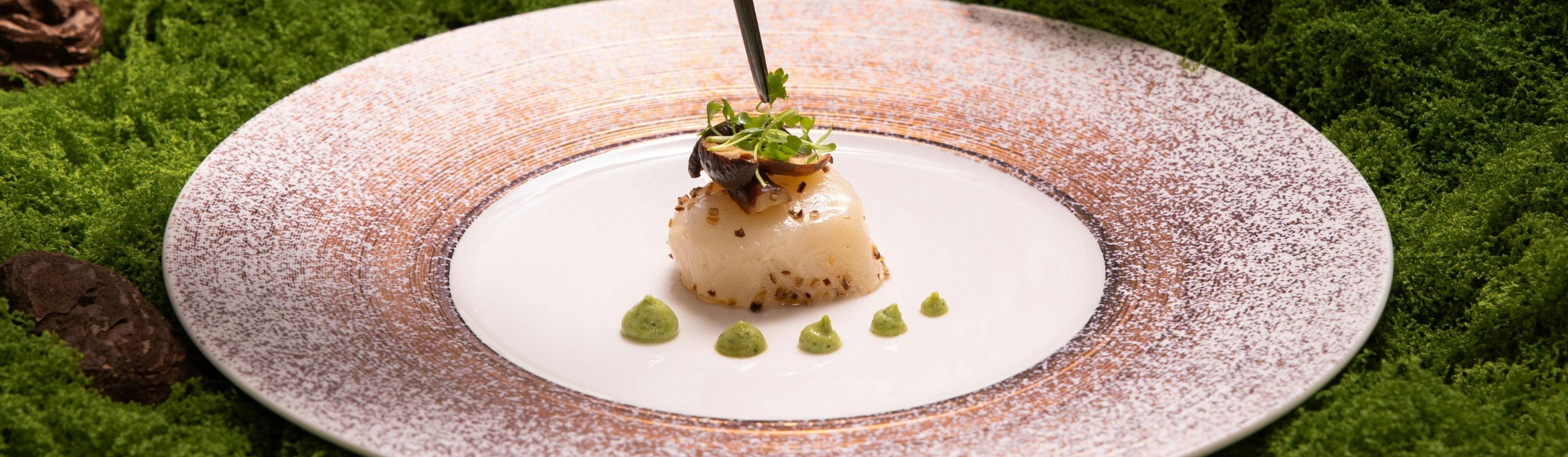
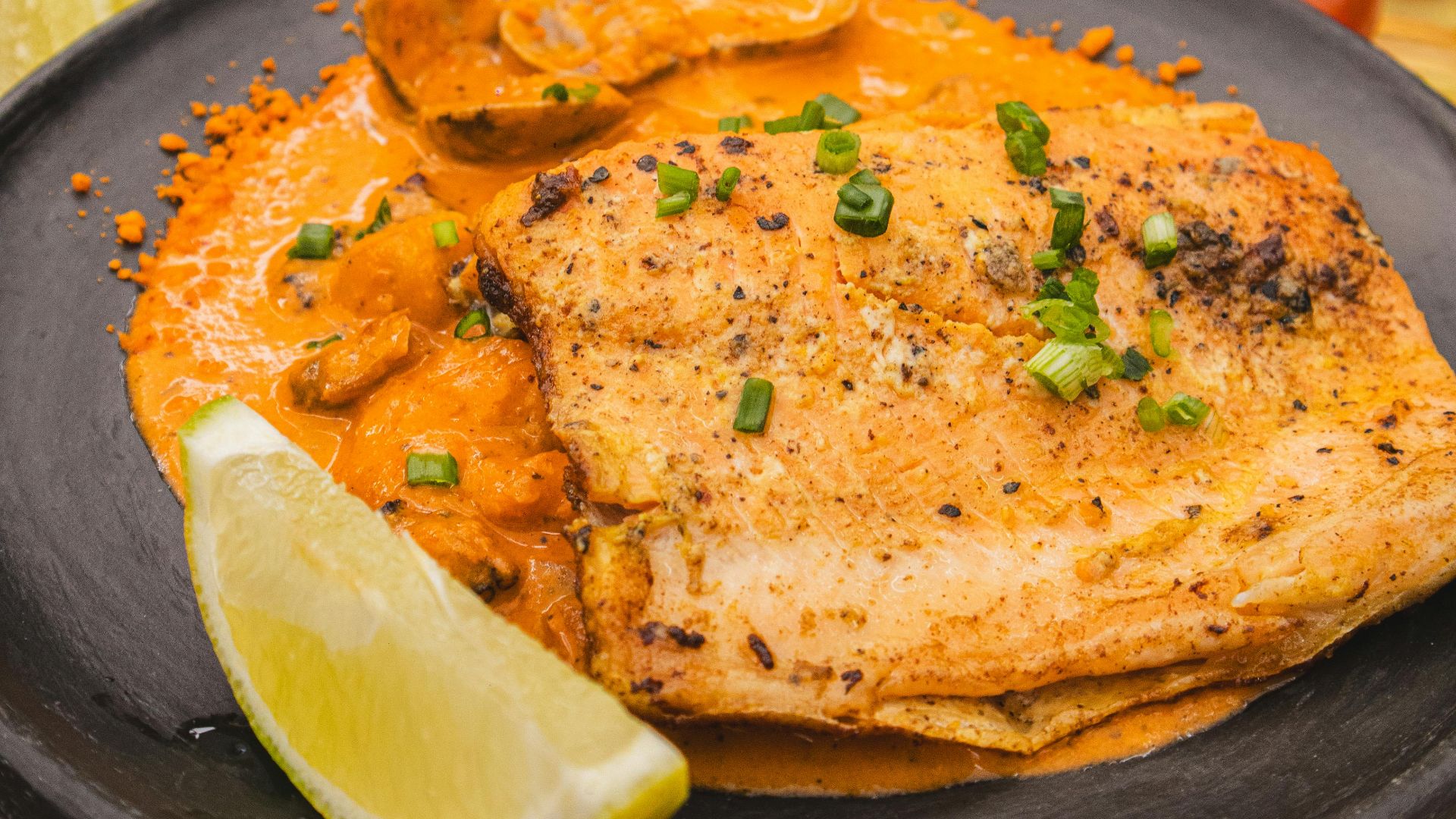
Remember when garnish was a simple sprig of parsley or a plain lemon wedge? Today, garnishing a plate has become an art and acts as a stage for imagination and maybe even a little shock. As food culture moves even further into believing that every plate must tell a story, the focus on over-the-top garnish is becoming even more pronounced.
As chefs compete for attention in competitive markets and on social media, garnishes have turned into mini performances. Modern garnishes range from absurd to awe-inspiring, and these embellishments can make the presentation as memorable and enjoyable as the meal.
Let’s look at some of the craziest garnishes used by chefs today, and then you can decide if it’s something you want to see on a plate.
A Final Touch by a Torch
Some bold chefs like to literally play with fire. Flaming garnishes, where herbs are ignited tableside or citrus peel is set ablaze, add drama and a mouth-watering aroma that can linger well into the meal.
While fire has long been a fixture in cooking, using it for the purposes of garnishing a dish pushes the boundary between technique and theatrics. Diners will often remember the flaming dish long after the taste has subsided in their mouths.
Edible Gold
Edible gold leaves are one of the most polarizing garnishes in today’s cooking landscape. Often applied to steaks, desserts, or even upscale sushi, a gold leaf adds nothing to the dish’s flavor profile but offers a hint of luxury and spectacle.
Certain chefs lean into this excess with intention, and some overuse it to the point of being tacky. Still, a gold leaf is a commentary on a meal’s status and indulgence. Regardless of your feelings about gold leaf garnish, it can transform an elegant meal into something more transfixing, blurring the line between food and making a statement.
Miniature Landscapes
Some fine dining chefs garnish dishes with entire edible ecosystems. Yes, it’s true and kind of weird, and also awesome. Plates featuring tiny, detailed forests made from fresh herbs or soil-like crumbs are being lauded by diners who find them to be imaginative and inspirational.
This is an example of using the technique of garnishing to tell a story. The landscape often reflects a memory or an intriguing geography. While it’s all edible, this level of garnishing is aiming for admiration, and taste and flavor are secondary. To some, this is unfortunate since they want a meal, not a temporary art installation, even if it is impressive.
Garnish has undergone quite the evolution in recent years. It reflects a more drastic shift in how we experience food and the overall dining experience. What was once a dusting of paprika is now a bold expression designed ot surprise and delight. Whether it’s fire, gold, or an edible forest, today’s most outrageous garnishes reveal a chef’s emotions and desire for spectacle. Not every garnish experiment hits the mark, but it’s clear that for upscale dining, garnish is more than plate decoration.
KEEP ON READING

10 Most Hated Foods in the Entire World