Most people cook pasta by feel. It works on busy nights, but it usually leads to leftovers that linger in the fridge or plates that feel a little too light. Since pasta expands as it cooks, figuring out what one cup of dry pasta actually becomes can make a big difference.
Once you understand how different shapes behave in boiling water, serving sizes suddenly feel a lot easier to manage.
Why Pasta Is Tricky To Measure
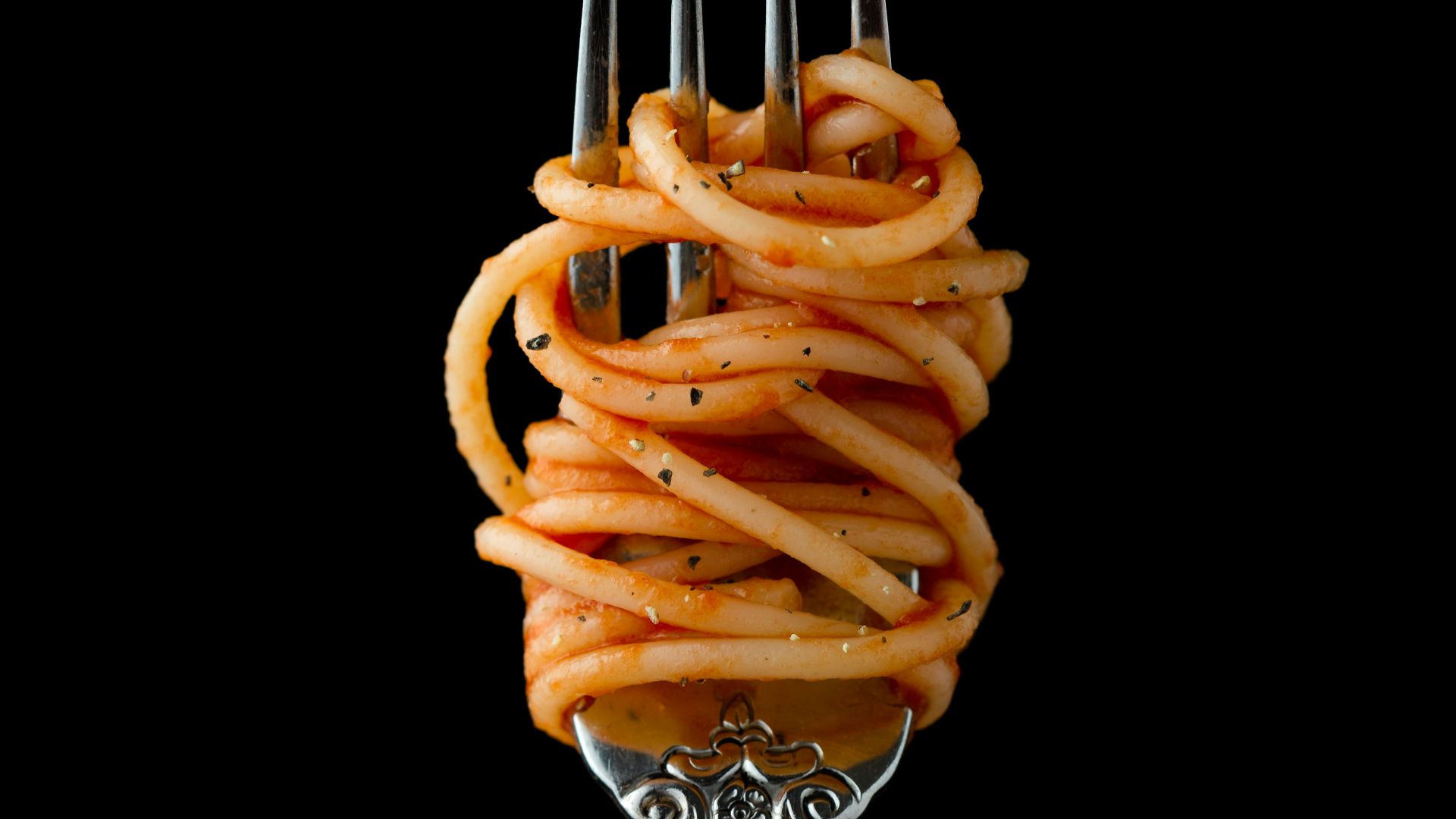
Dry pasta doesn’t grow evenly. Long noodles soften and swell lengthwise, while short shapes puff outward and hold water differently. Some hollow shapes trap a bit of sauce as they cook, which adds to their final volume. Because of this, one cup of dry pasta won’t give you the same cooked amount from shape to shape. This is why measuring by cup instead of weight can feel confusing. But there is a much more efficient and accurate alternative.
Here are the most common pastas you’ll find in American kitchens and what one cup of uncooked pasta becomes after cooking. These amounts assume a typical al dente cook time and no added sauce.
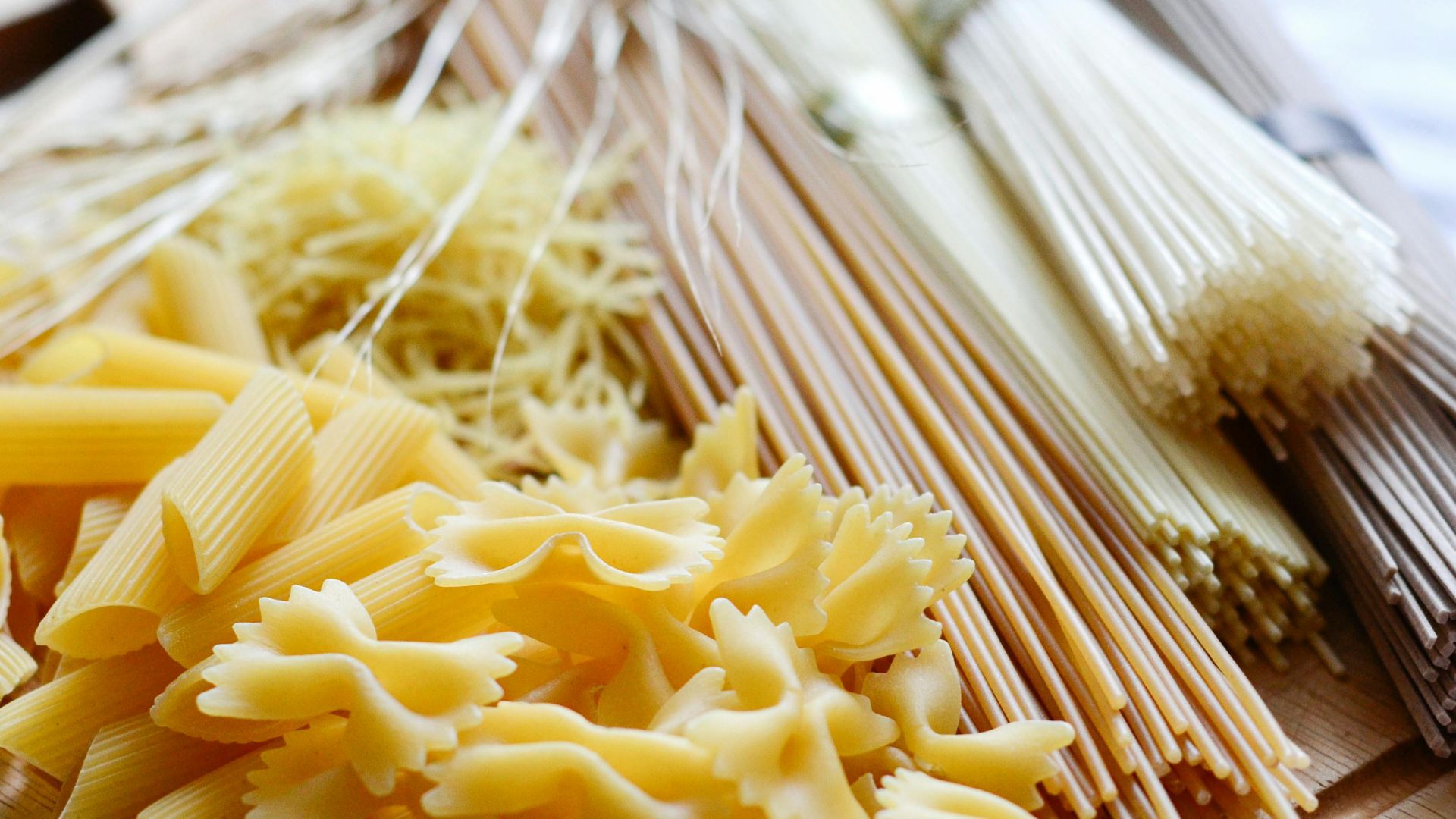
Spaghetti and other long noodles: Long strands don’t sit neatly in a measuring cup, so most people swirl them in until they seem close enough. A cup of uncooked long pasta usually becomes about two cups once cooked.
Elbow macaroni: One cup of dry elbows yields about 2.25 to 3 cups of cooked pasta. Because they’re hollow, water fills the center and creates a slightly larger portion than long noodles.
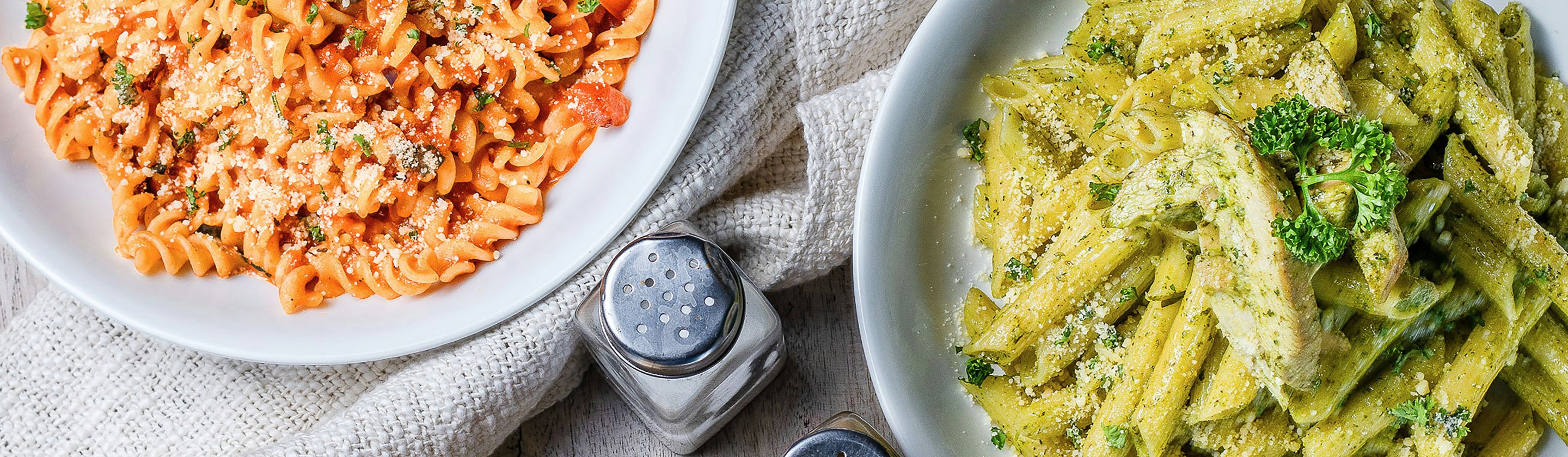
Rotini and fusilli: These spiral pastas curl as they cook and hold a surprising amount of water in the ridges. A dry cup produces about two cups once cooked.
Penne and ziti: Tubular shapes don’t expand as dramatically as elbows, yet they still hold some water inside. One dry cup yields about 1.875 to 2 cups cooked.
Farfalle: Bow ties look delicate, but they bloom outward when boiled. A cup of uncooked farfalle becomes about 1.67 to 1.875 cups once finished.
Orzo: Even though it resembles rice, orzo behaves more like a tiny pasta. One cup of uncooked orzo turns into nearly three cups once cooked.
Shells: Small shells open wide when cooked, catching water and sauce inside. A dry cup usually becomes about 1.5 to 1.67 cups, depending on the exact size.
Instead of stressing over whether you’ve made too little or far too much, think of pasta measuring as a small trick that makes cooking easier. Once you know how each shape expands, you can serve just the right amount every time. It’s a simple way to cut down on waste, save money, and enjoy meals that feel balanced and satisfying. So the next time you reach for a box in the pantry, these conversions will help you cook with confidence.
KEEP ON READING


10 Most Hated Foods in the Entire World