Instead Of Eating At Jolibee, Try These 20 Fantastic Authentic Filipino Dishes Instead
Instead Of Eating At Jolibee, Try These 20 Fantastic Authentic Filipino Dishes Instead
Traditional Flavors Hit Different
Quick bites have their place in modern life. After all, most of us grab them regularly! Still, traditional Filipino cooking operates on another level entirely—slow-simmered broths that heal, crispy pork skin that shatters, tangy-sour flavors that make rice disappear. The following dishes have been adapted through generations and remained exactly what they've always been: proof that good food requires patience and real ingredients. Here are 20 incredible Filipino dishes you need to try.
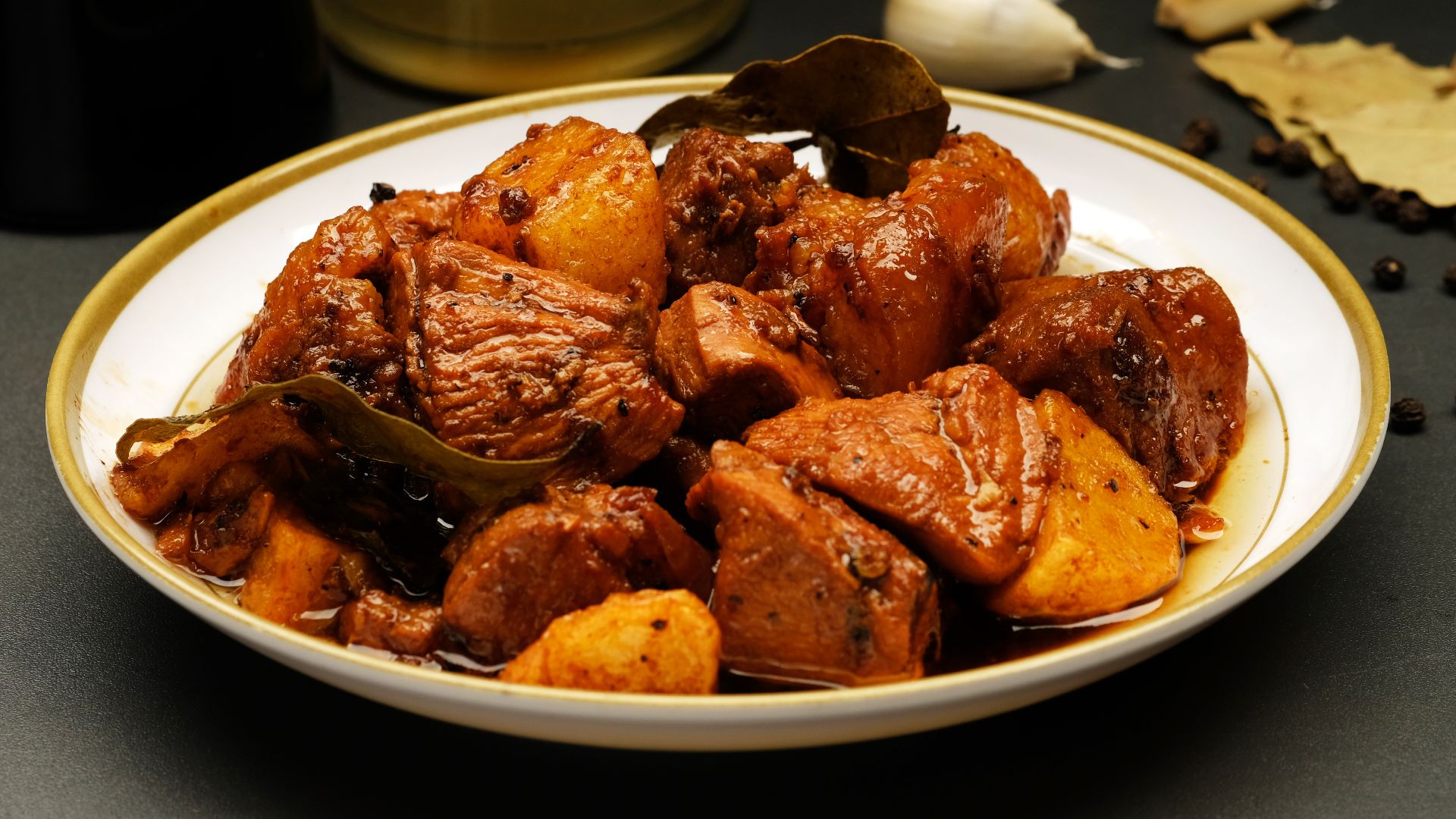
1. Adobo
This vinegar-based braising technique predates Spanish colonization, using indigenous ingredients like garlic and peppercorns to preserve meat without refrigeration. Chinese traders later introduced soy sauce, which, combined with bay leaves and slow cooking, creates deeply savory, tangy pork or chicken.
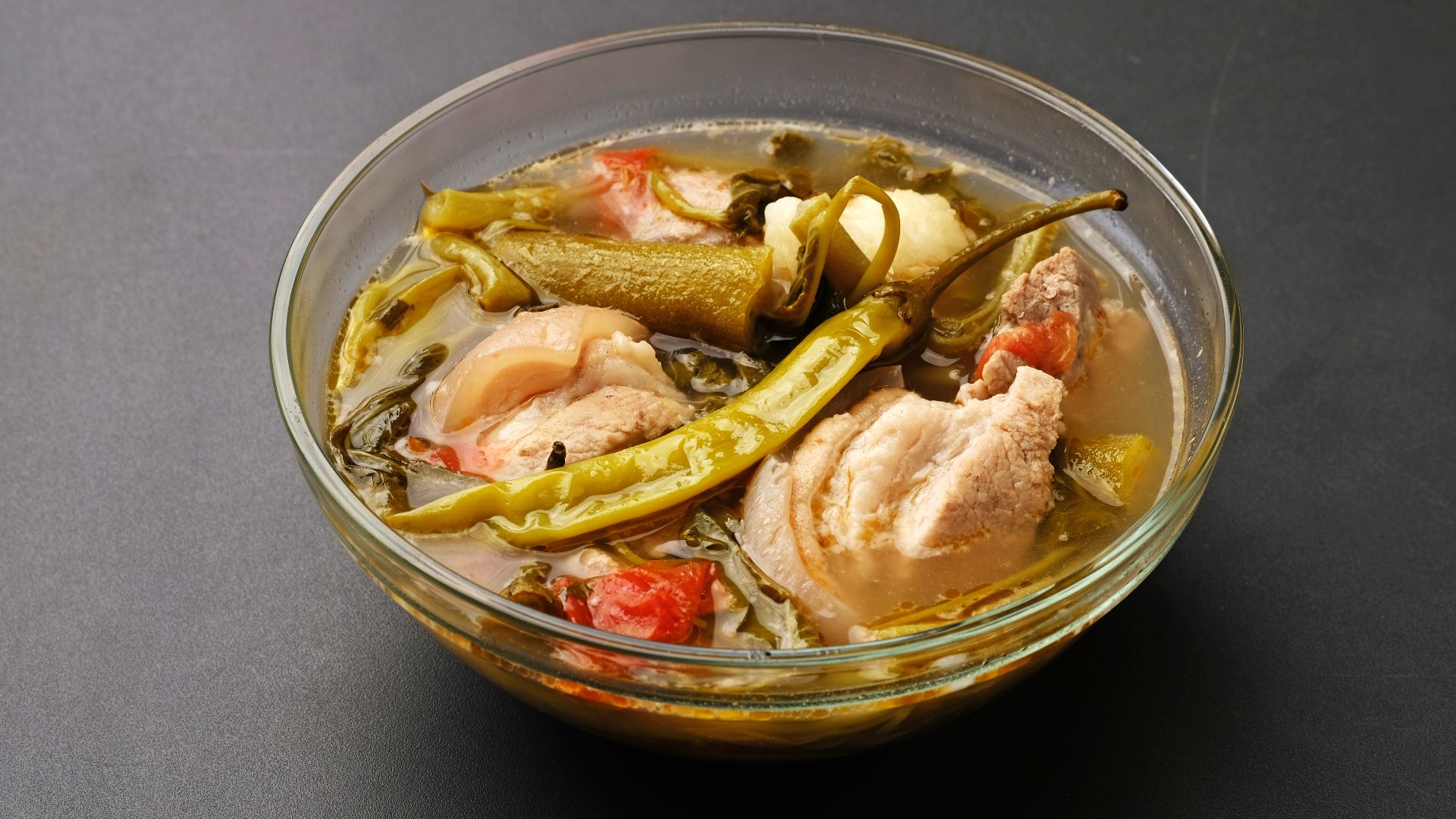
2. Sinigang
Bright, puckering acidity hits your palate first, then comes the comforting warmth of this tamarind-soured soup loaded with fresh vegetables and proteins like pork or shrimp. Originating in the pre-colonial era, it's often called "comfort food for the soul”.
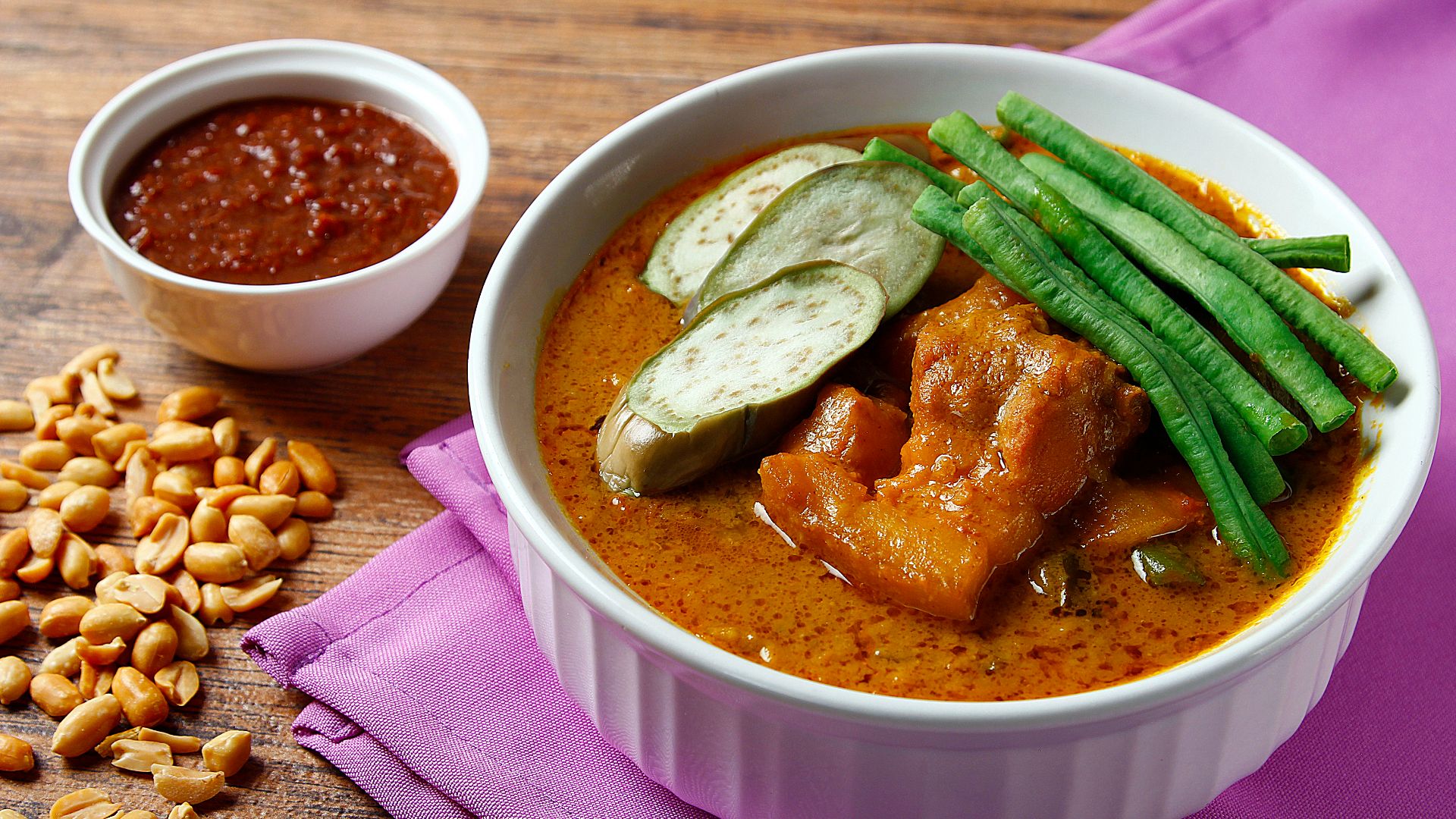
3. Kare-Kare
At Filipino weddings and fiestas across Central Luzon, this luxurious peanut-sauce stew appears as the centerpiece, its creamy texture symbolizing prosperity and togetherness. Hours of slow simmering with oxtail, tripe, eggplant, and string beans bring about naturally thickened richness.
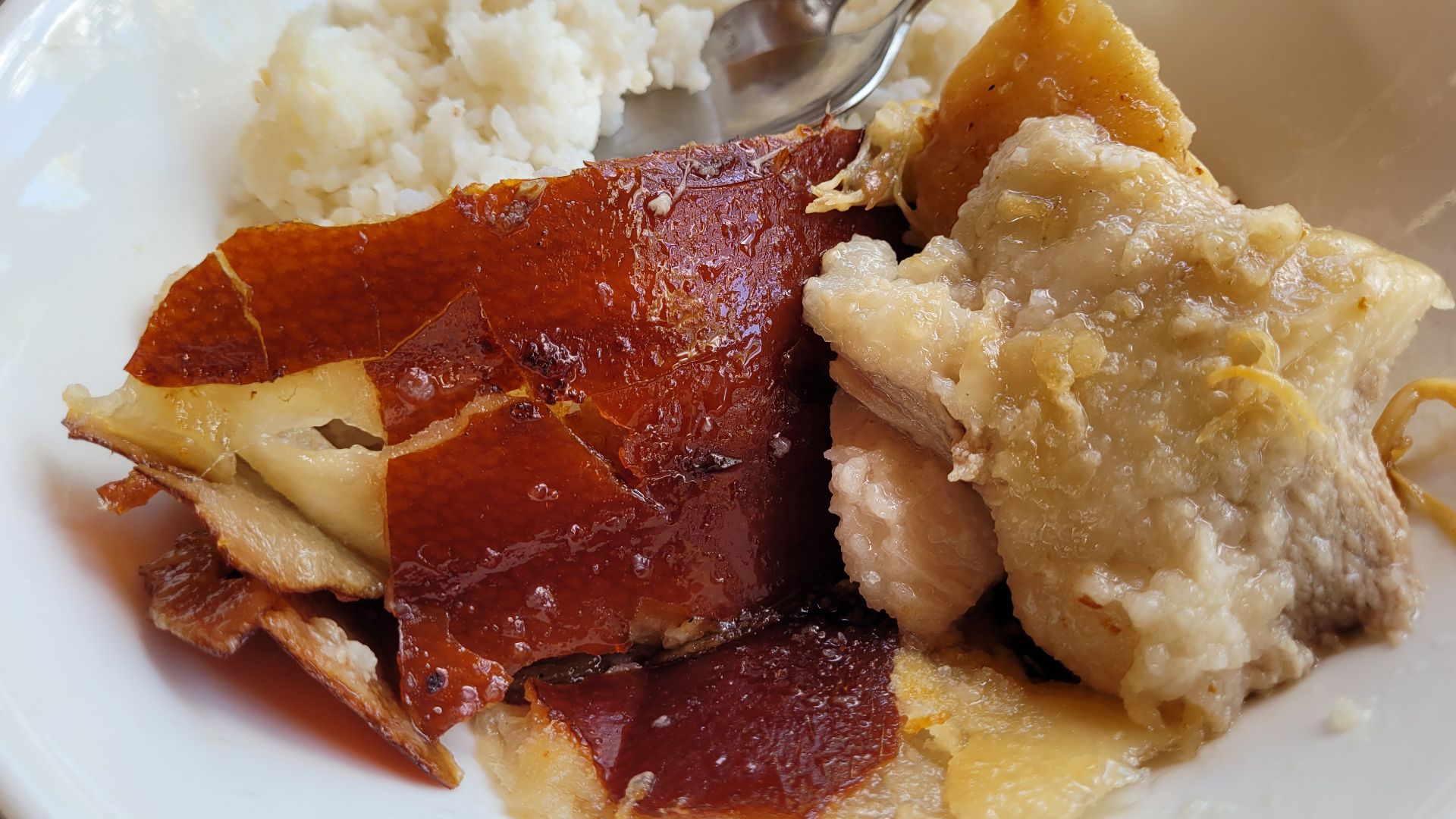
4. Lechon
Shatteringly crisp skin gives way to impossibly juicy meat as you bite into this whole pig roasted slowly over charcoal. Cebu-style lechon often earns the title "best in the world" from food critics for its unique stuffing technique.
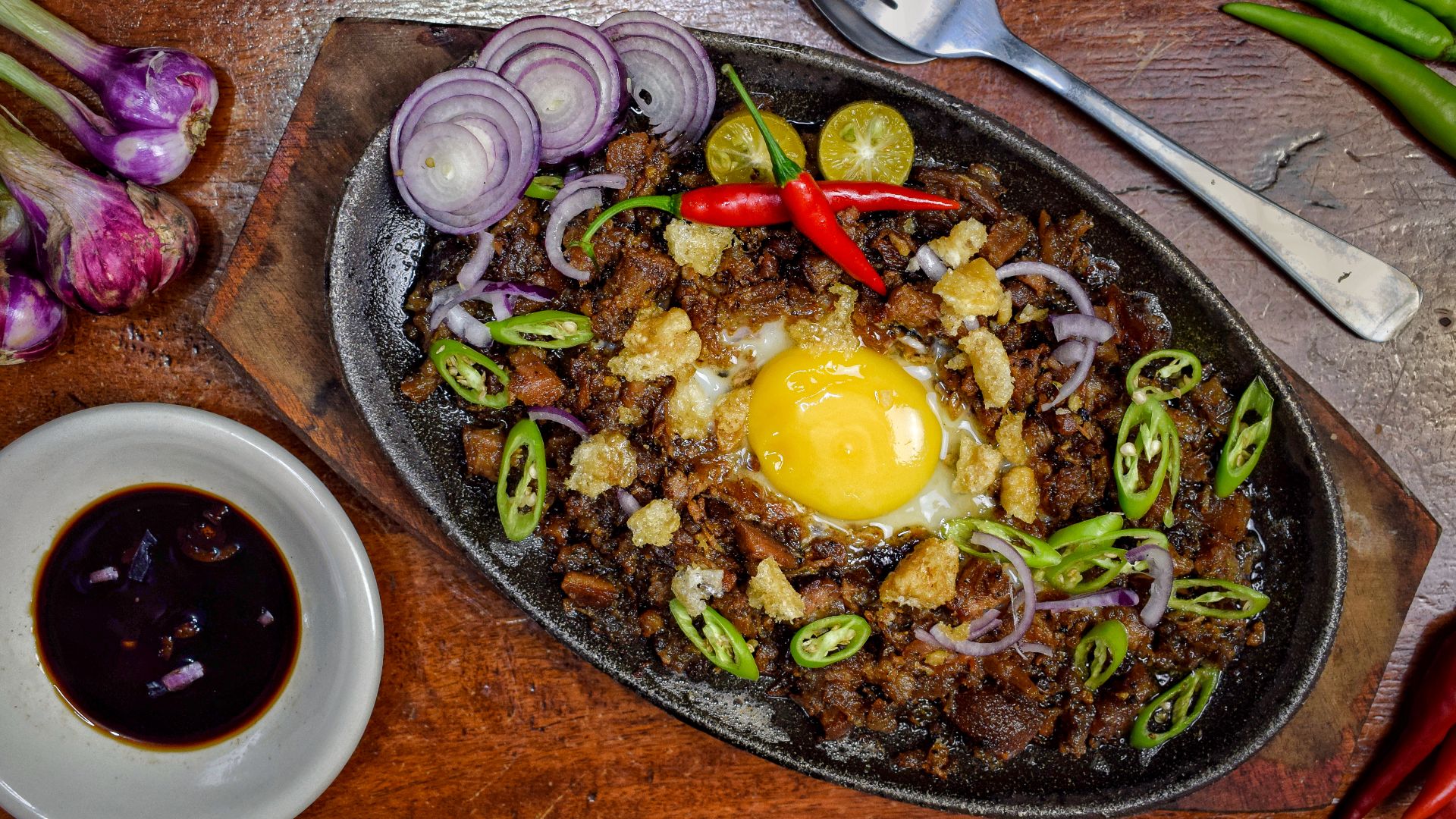
5. Sisig
The name comes from the old Tagalog word "sisigan," meaning "to make sour," and that initial pulutan (bar snack) has since earned global fame with seafood and vegetarian variations. Served sizzling hot, the varied textures and bold flavors encourage sharing.
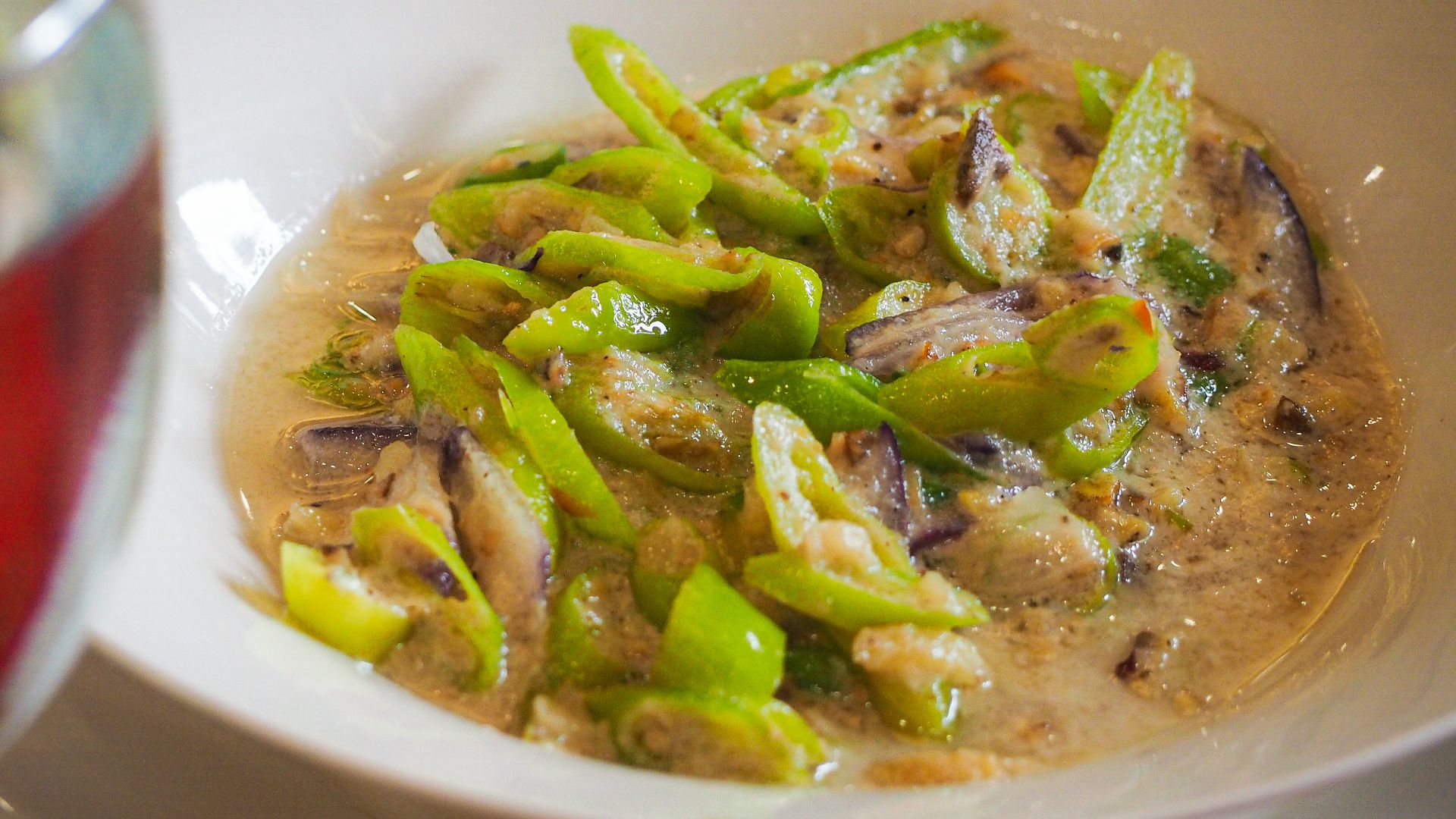
6. Bicol Express
Fiery siling labuyo chilies and creamy coconut milk collide in this pork stew that locals say "expresses" the passionate spirit of Bicolanos, and is often featured in cooking competitions. It was named after the Bicol Express train in the 1970s, but was based on older gata-based stews.
7. Bulalo
Silky beef marrow slides out of slow-simmered shank bones from Batangas cattle farms, enriching the clear, collagen-rich broth alongside corn and cabbage. Post-market farmers in Tagaytay favor this warming dish, where cooler weather enhances its appeal. Bulalo is tied to southern Luzon ranching culture.
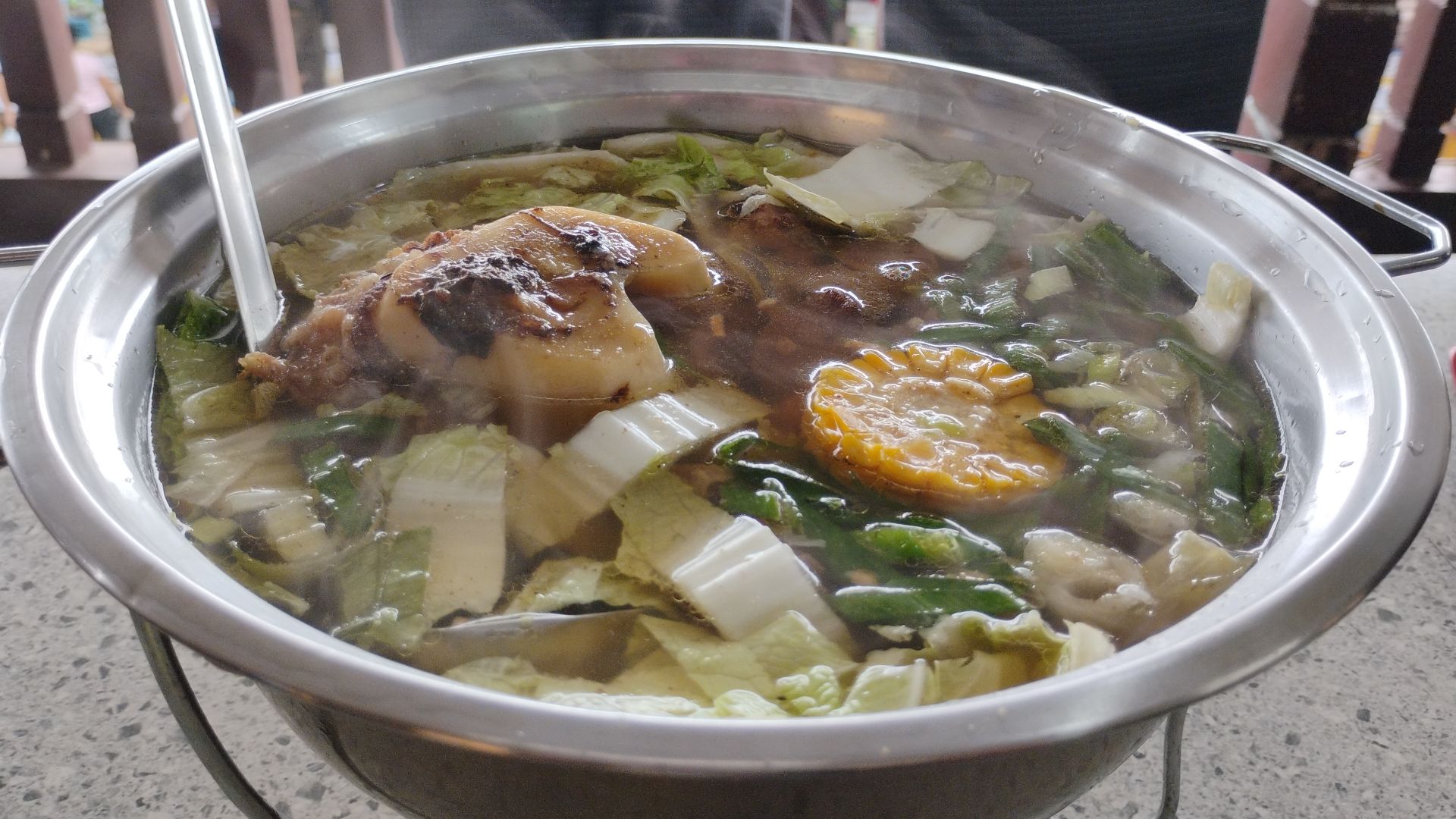 Ralff Nestor Nacor on Wikimedia
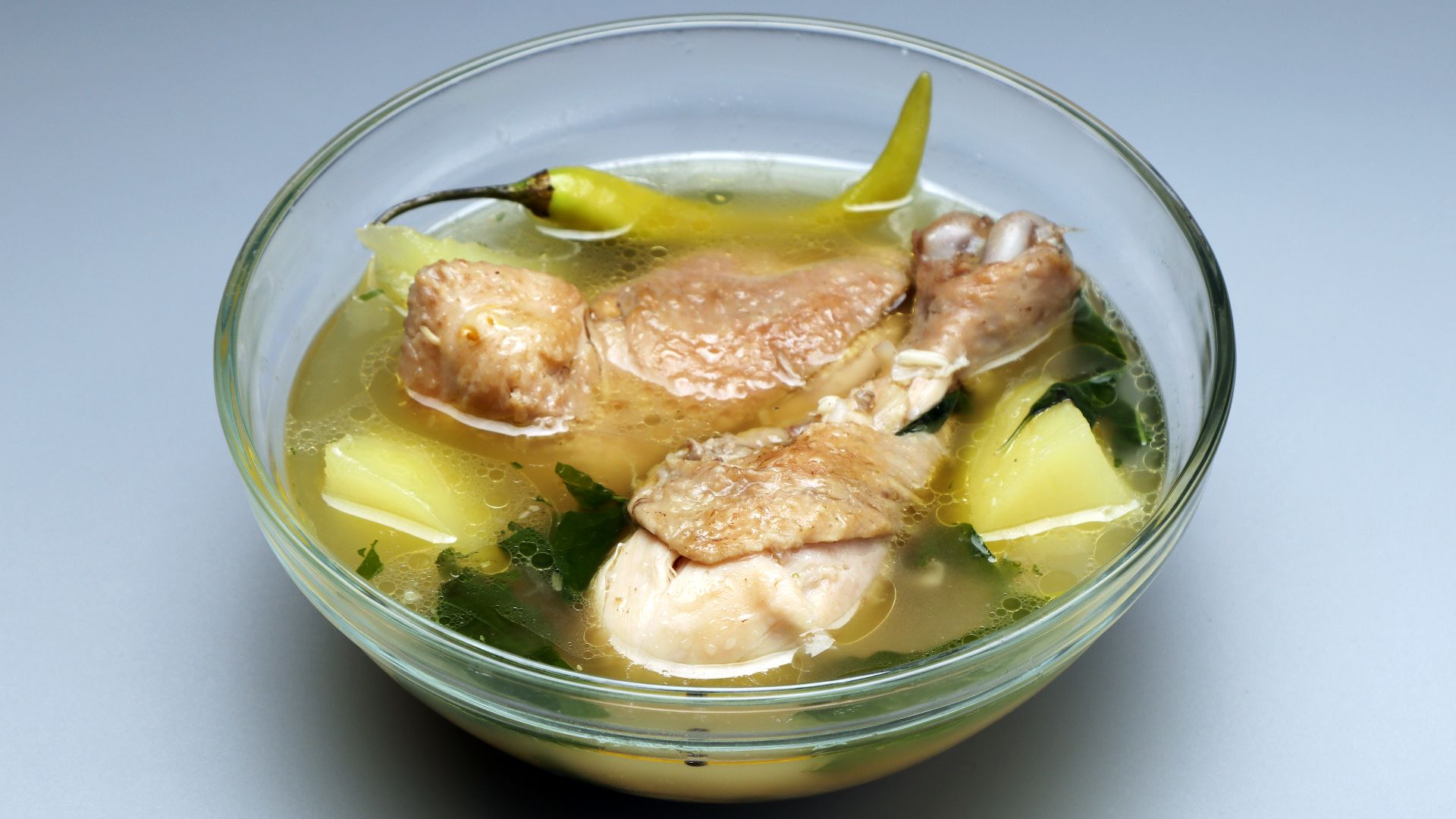
8. Tinola
Jose Rizal featured this ginger-infused chicken broth in his novel Noli Me Tangere as a symbol of simple Filipino hospitality, giving the dish literary fame beyond its culinary merits. Pre-colonial in origin, it delivers aromatic healing properties through native chicken simmered with green papaya.
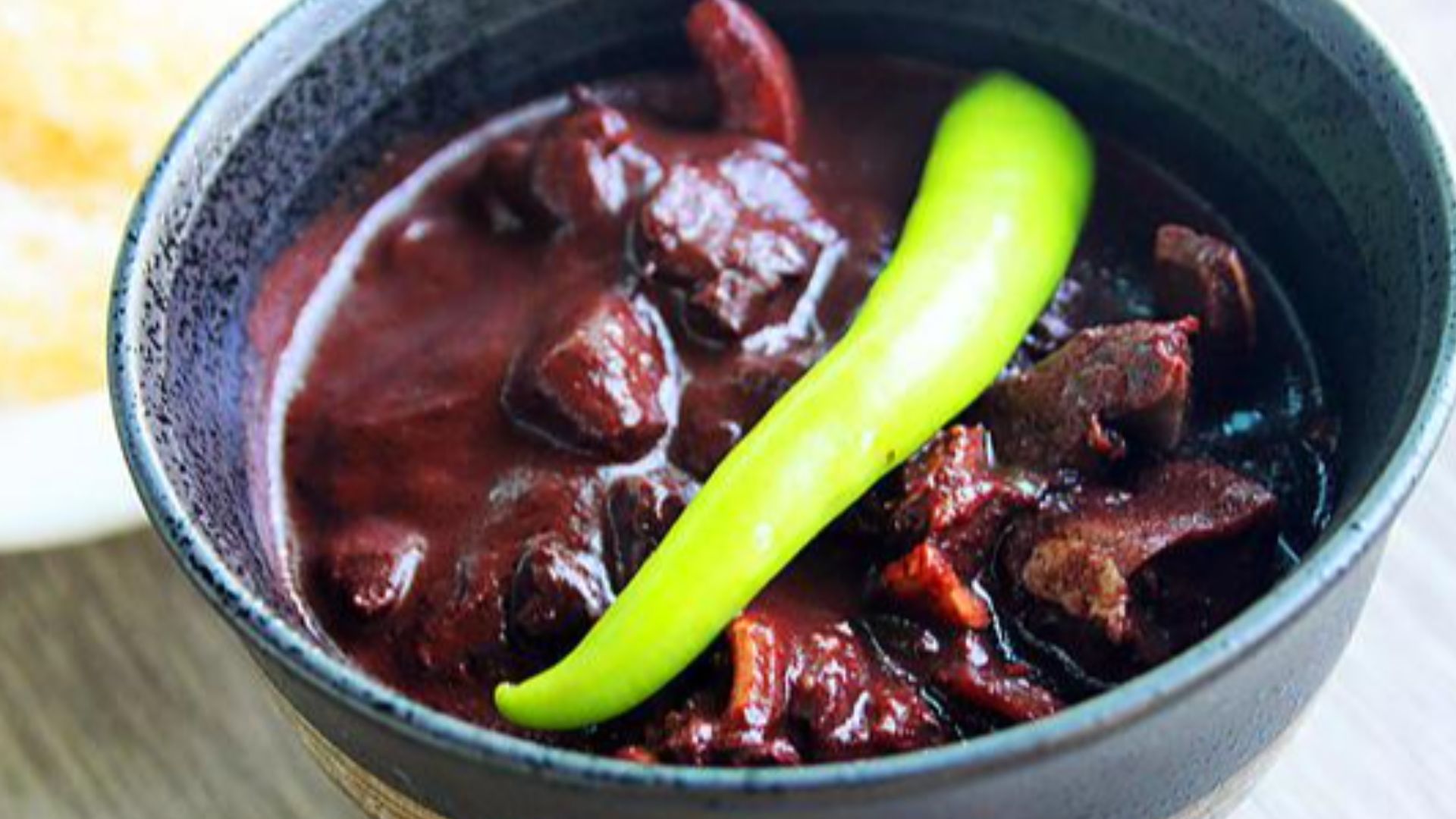
9. Dinuguan
Don't let the "chocolate meat" appearance fool you. This iron-packed stew of pork simmered in vinegar-spiced pig's blood gravy delivers bold, savory-spicy flavors through slow cooking, often paired with rice cakes for balance. Pre-colonial roots, possibly influenced by trade routes, make it authentically Filipino.
10. Laing
Dried taro leaves from Bicol stew slowly in coconut milk with chili and pork, producing creamy, spicy-earthy flavors through traditional absorption techniques that locals call "Bicol's pride." The oily reduction from prolonged simmering adds luxurious texture unavailable in quick-fried sides.
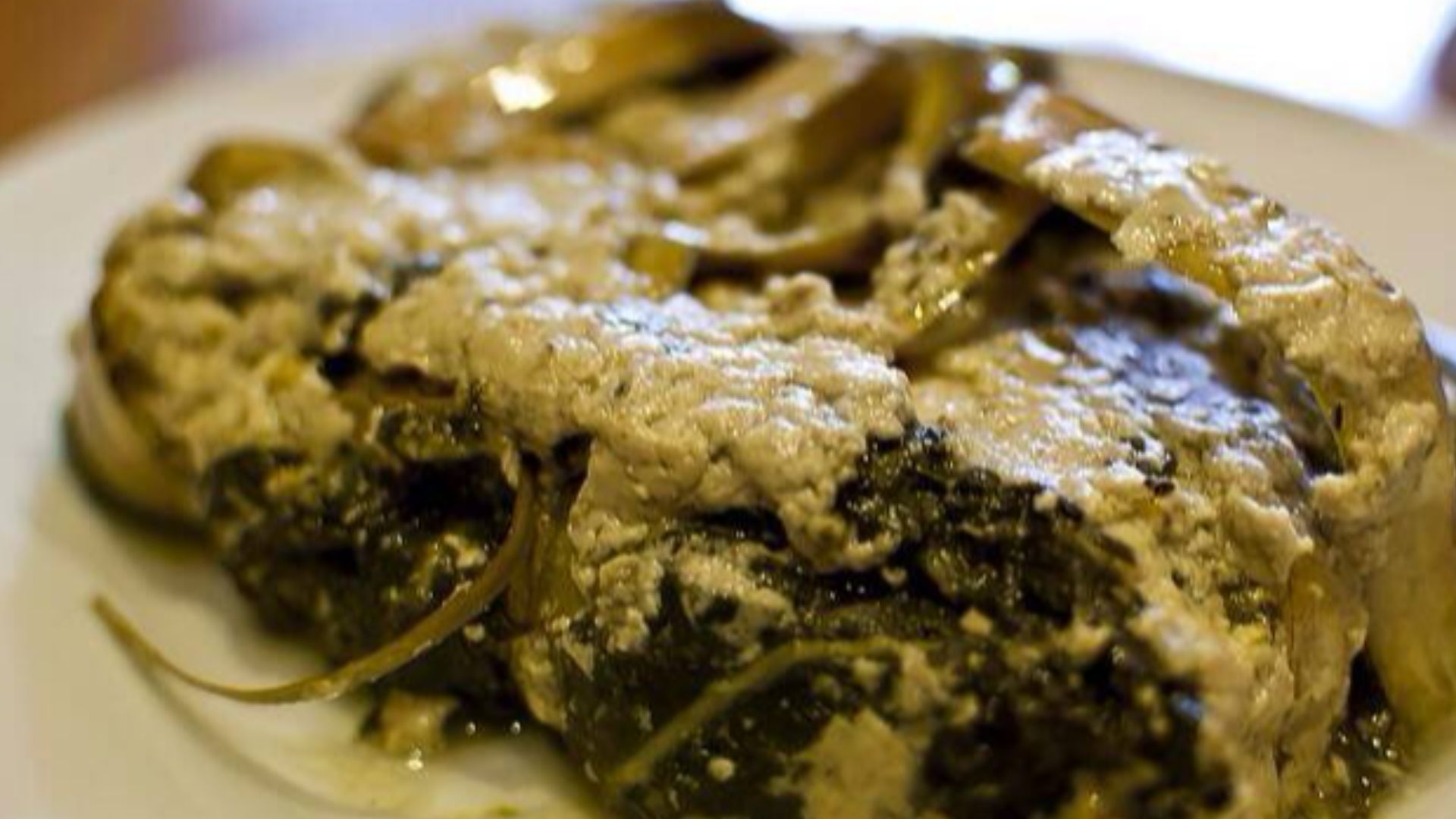 Laing, bicol express, atbp on Wikimedia
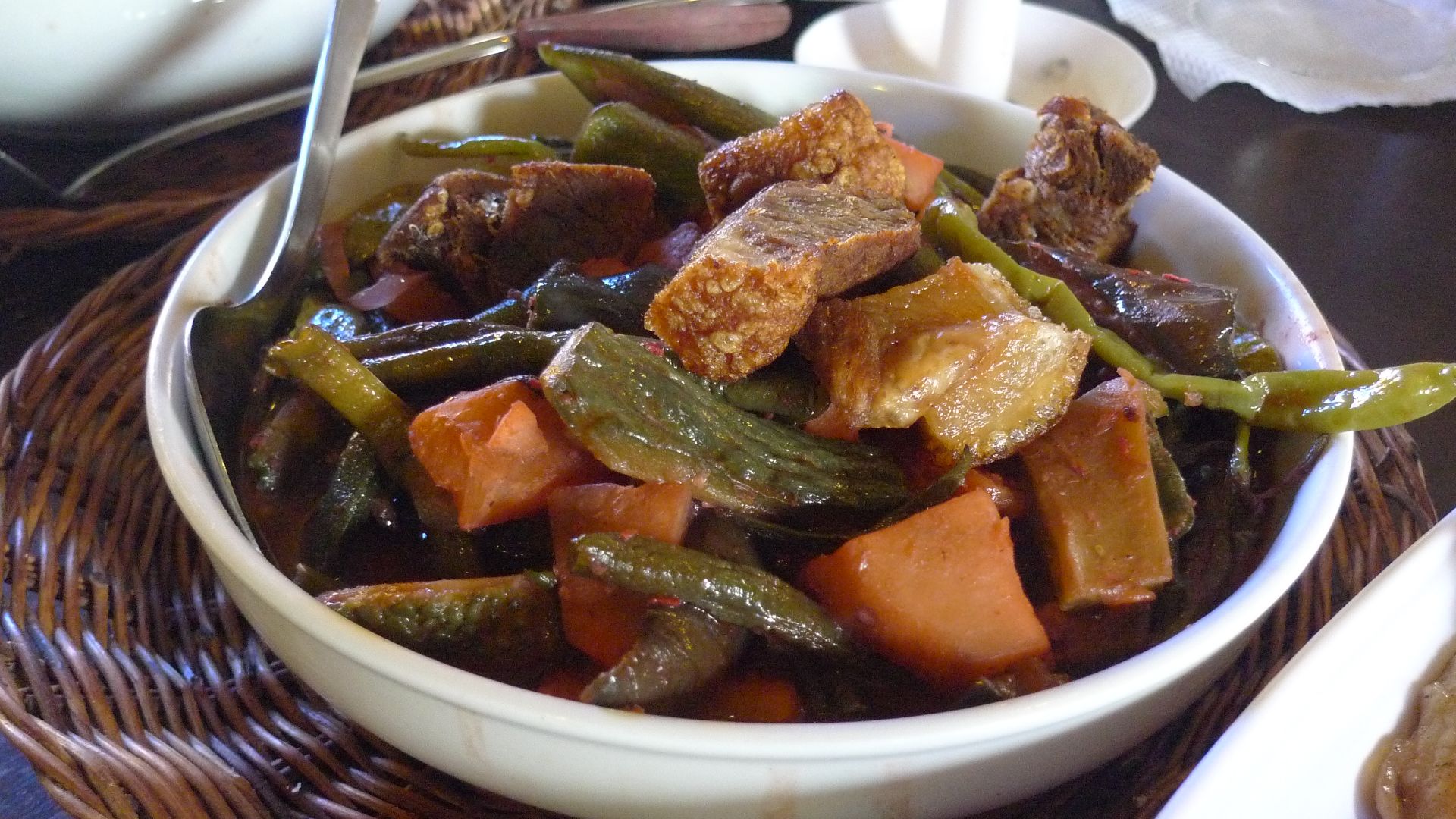
11. Pinakbet
Northern Ilocano farmers developed this resourceful dish to make the most of their highland crops, cooking bitter gourd, okra, and other vegetables with bagoong (fermented fish paste) for bold umami without relying on meat. The dish was traditionally prepared in clay pots called "banga”.
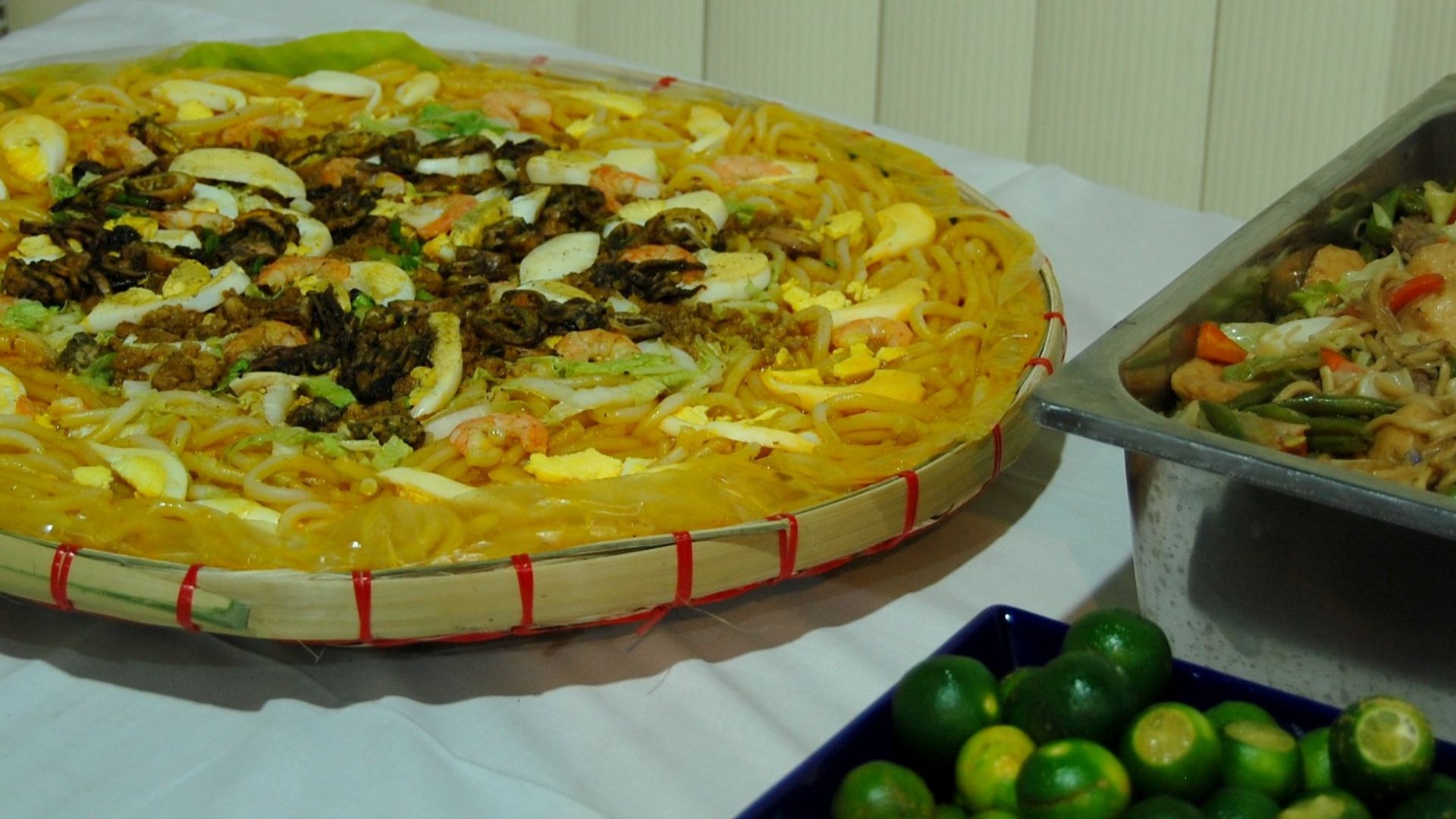
12. Pancit Malabon
Bright orange from annatto—a nod to Malabon's historic fishing heritage—these thick rice noodles arrive smothered in shrimp-pork sauce and crowned with chicharon and eggs. The sauce reduction from fresh seafood delivers vibrant, saucy depth you'll never find in instant noodles.
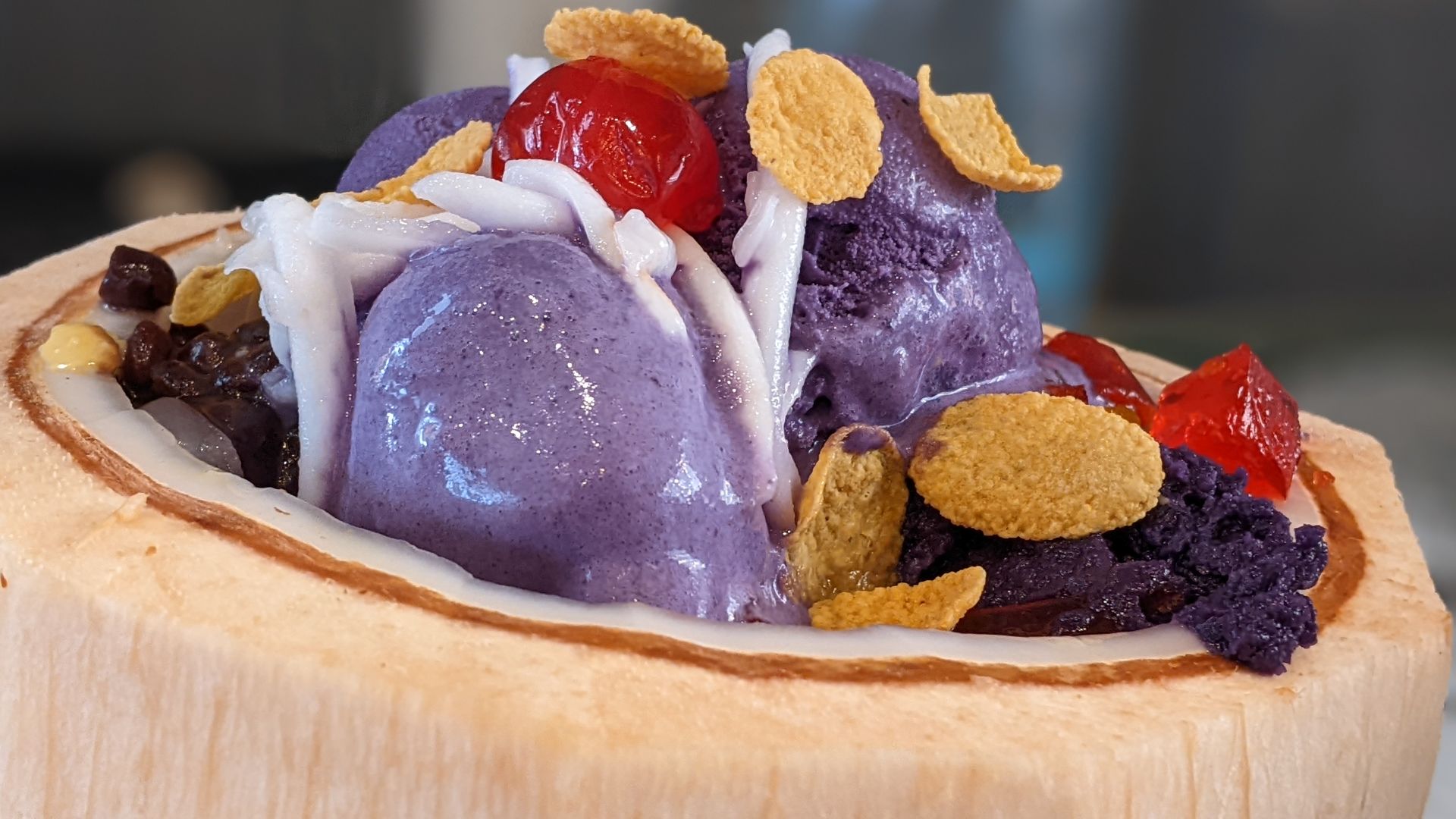
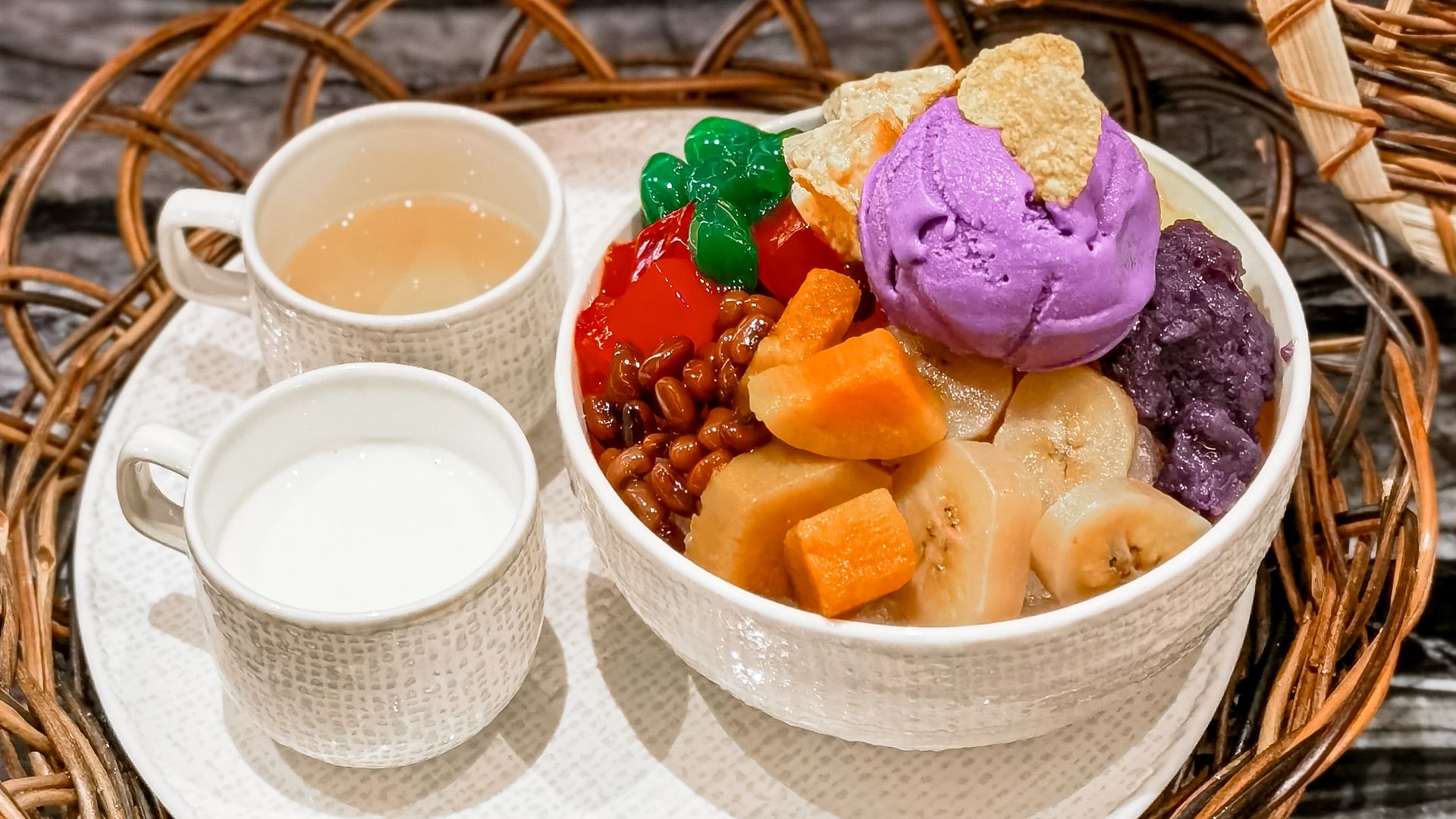
13. Halo-Halo
Vendors once competed with elaborate displays of this layered dessert, turning summer afternoons into social events where communities gathered around shaved ice creations. Ube, flan, beans, and tropical fruits stack into a refreshing complexity far beyond any fast-food sundae.
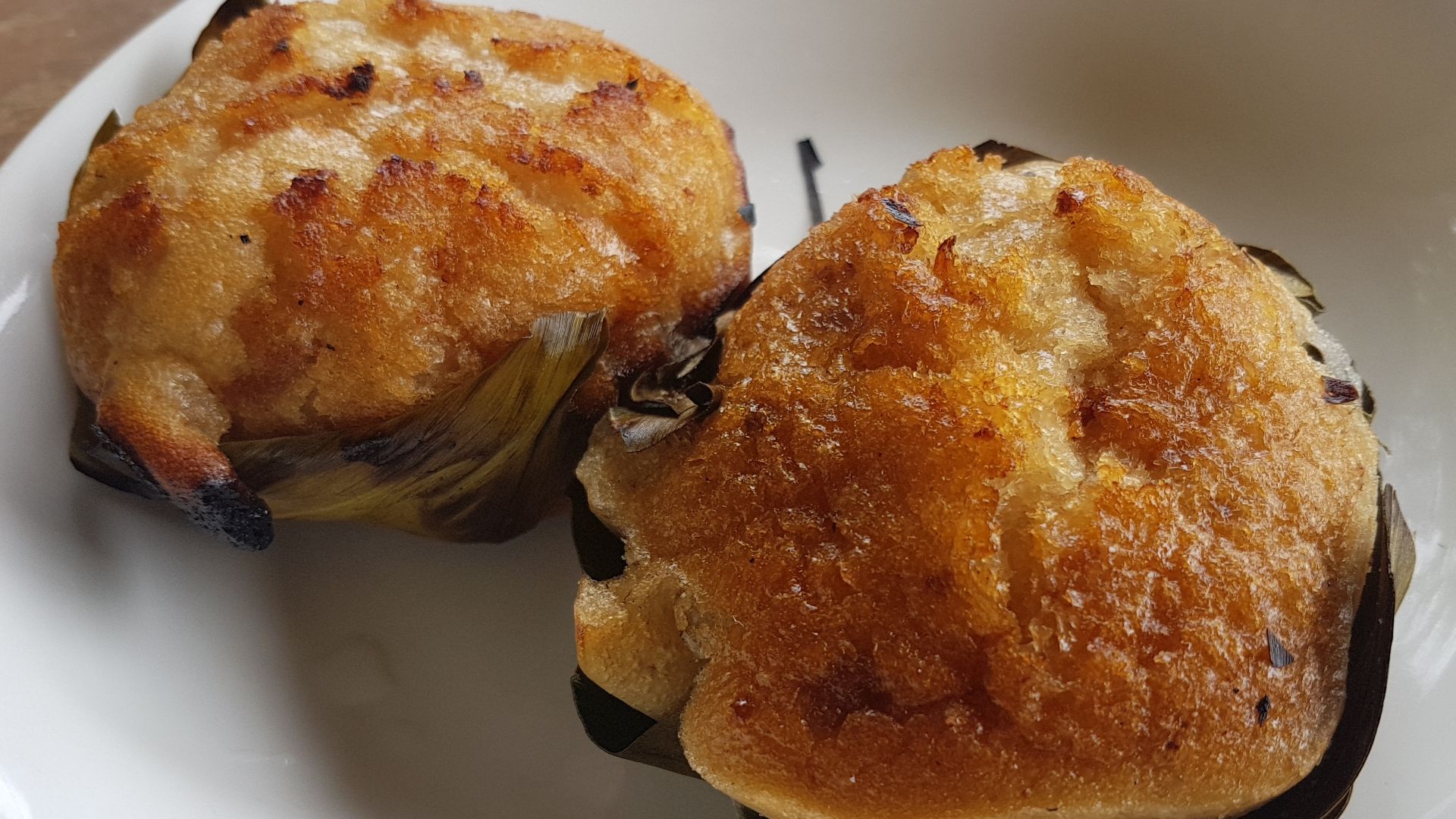
14. Bibingka
Outside churches during Simbang Gabi masses, street vendors sell this Christmas staple hot from clay pots, the banana leaves releasing aromatic steam. Indigenous baking methods using glutinous rice cake and coconut milk craft a sweet-salty balance through toppings like salted egg.
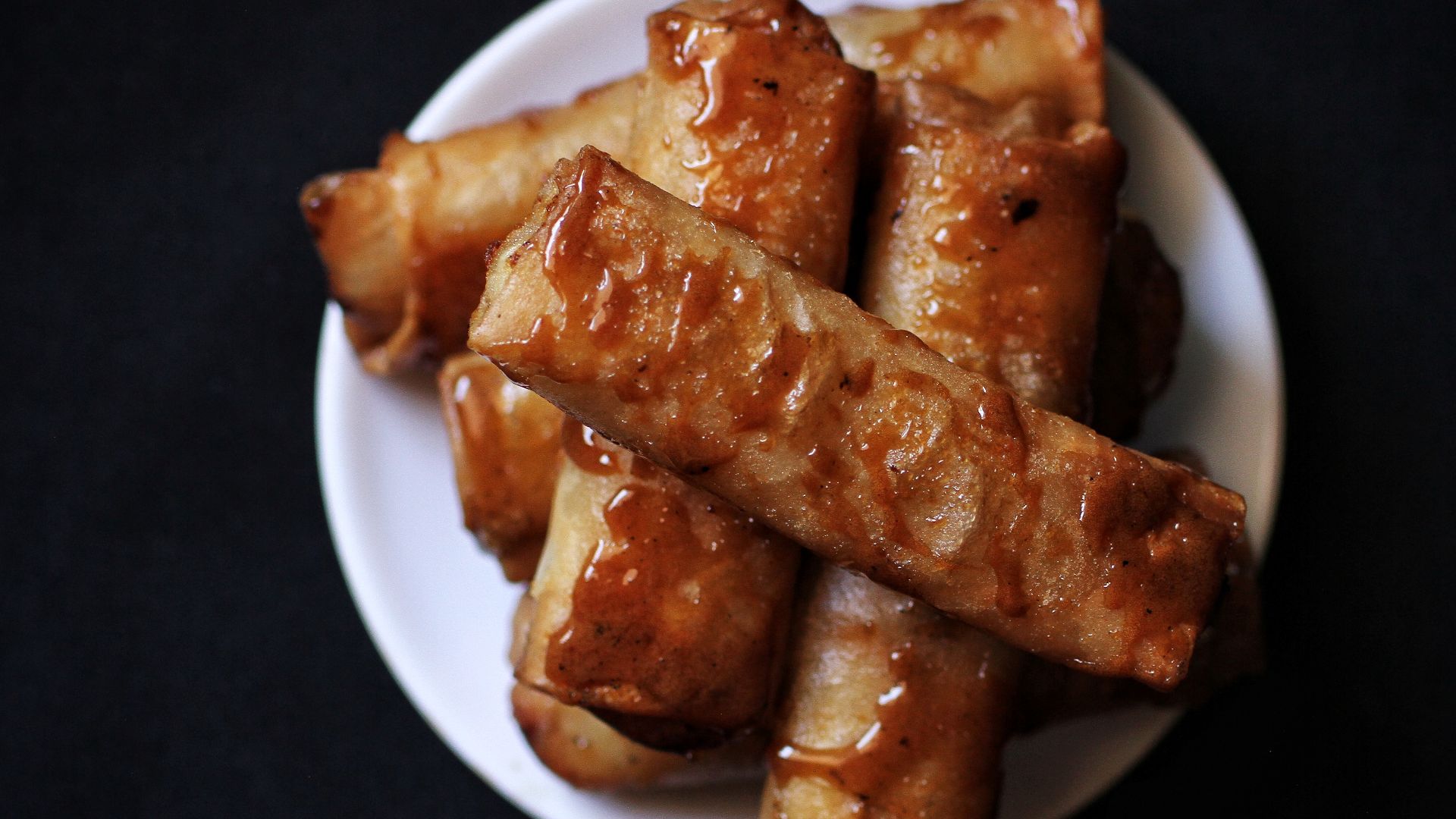
15. Turon
"Turon! Saging!" vendors call out in singsong along Manila streets, hawking these caramelized banana-jackfruit rolls that represent everyday Filipino creativity with affordable ingredients. Saba bananas and jackfruit wrapped in lumpia skin get fried until the exterior crisps into golden caramel.
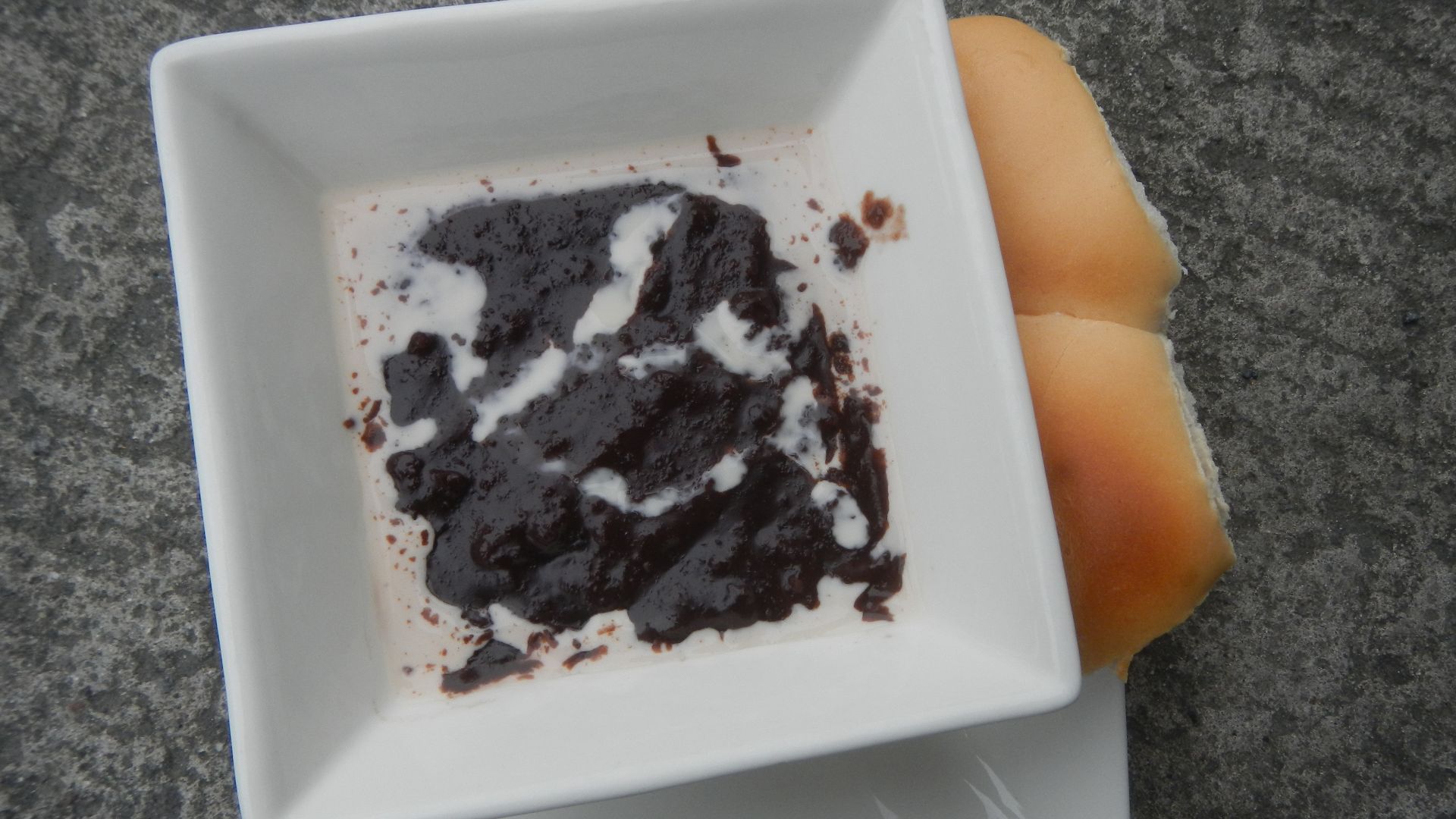
16. Champorado
Kids lovingly call it "chocolate rice," making this thick porridge of glutinous rice cooked with tablea cocoa tablets a fun way to start rainy mornings. The traditional pairing with tuyo (dried fish) crafts an unexpected sweet-salty contrast in Filipino breakfasts.
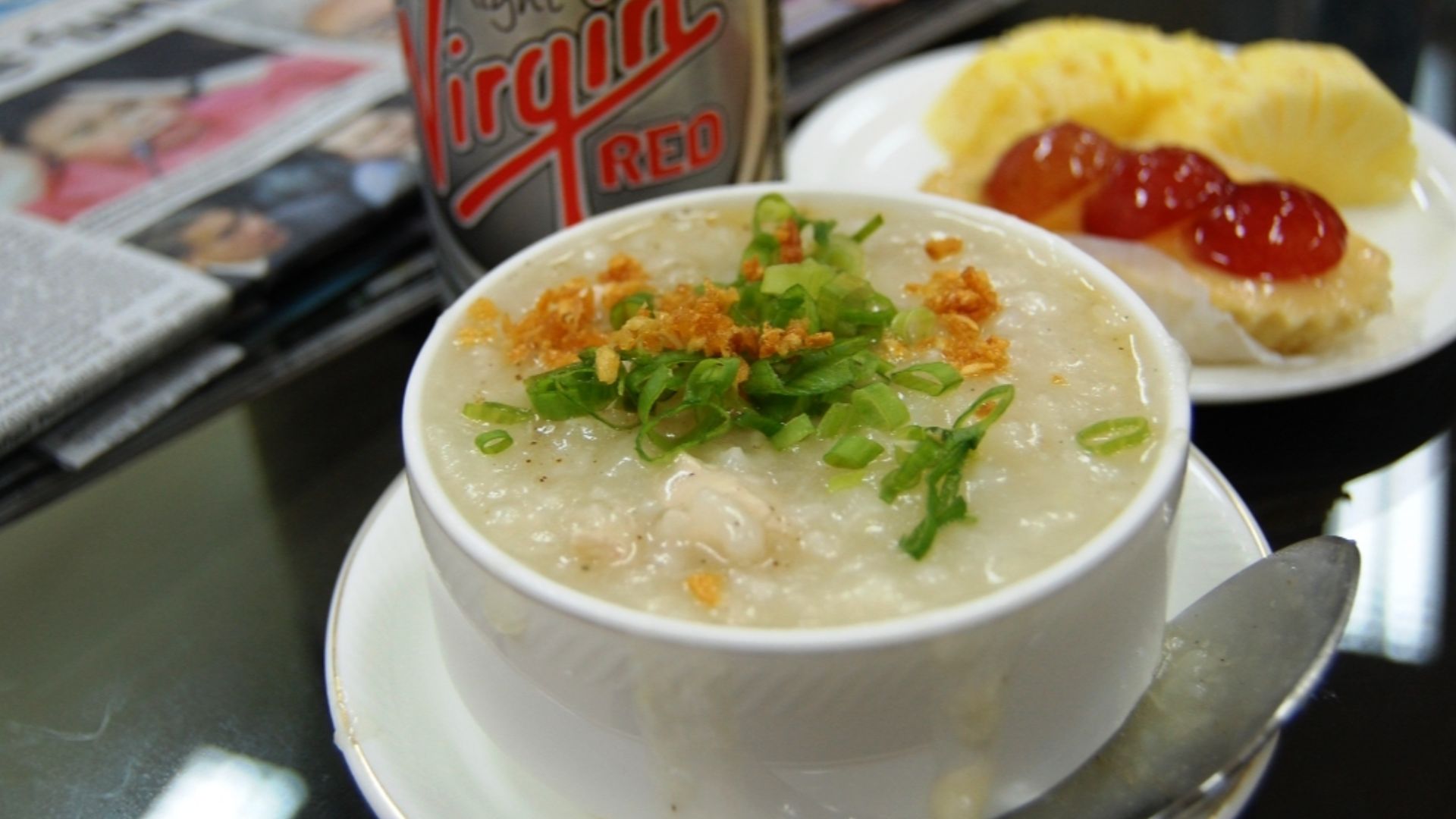
17. Arroz Caldo
Feeling under the weather? Filipinos reach for this "Filipino chicken soup"—ginger-chicken rice porridge topped with fried garlic that is derived from Chinese congee but got Filipino-ized with bold aromatics. Healing ginger broth soothes while simmering deeply flavors the rice.
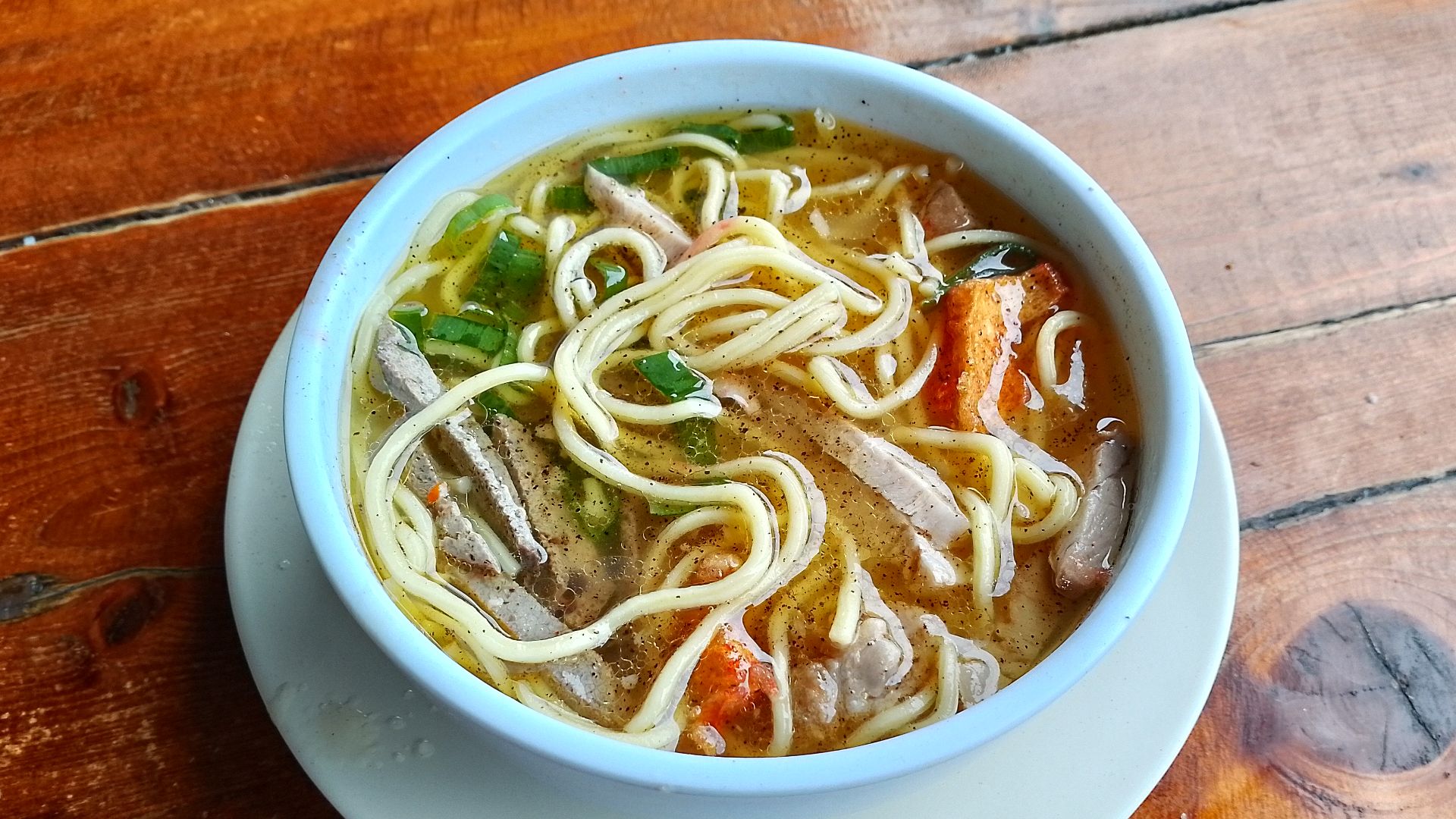
18. Batchoy
La Paz market in Iloilo claims origin fame for this soul-satisfying noodle soup loaded with pork organs, cracklings, and rich broth from Visayan traditions. Slow broth development highlights regional noodle heritage. The combination showcases how provincial specialties use every part of the animal resourcefully.
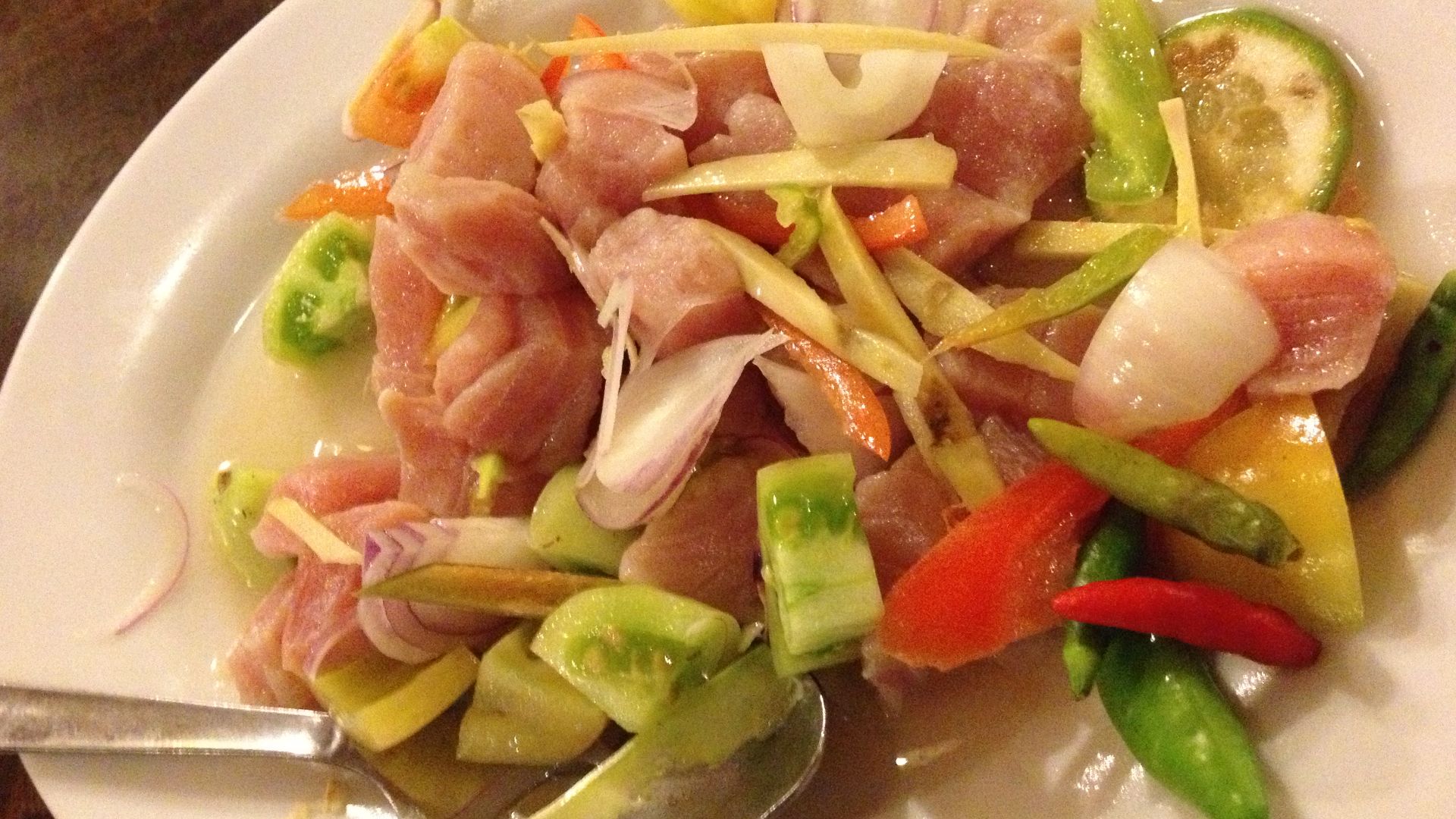
19. Kinilaw
Fishermen prepare this right on their boats with the day's catch—fresh fish "cooked" in vinegar, ginger, and chili without any heat. This ceviche-style preparation preserves ocean flavors superior to any fried seafood. That spicy-sour balance reflects souring techniques passed down through coastal generations.
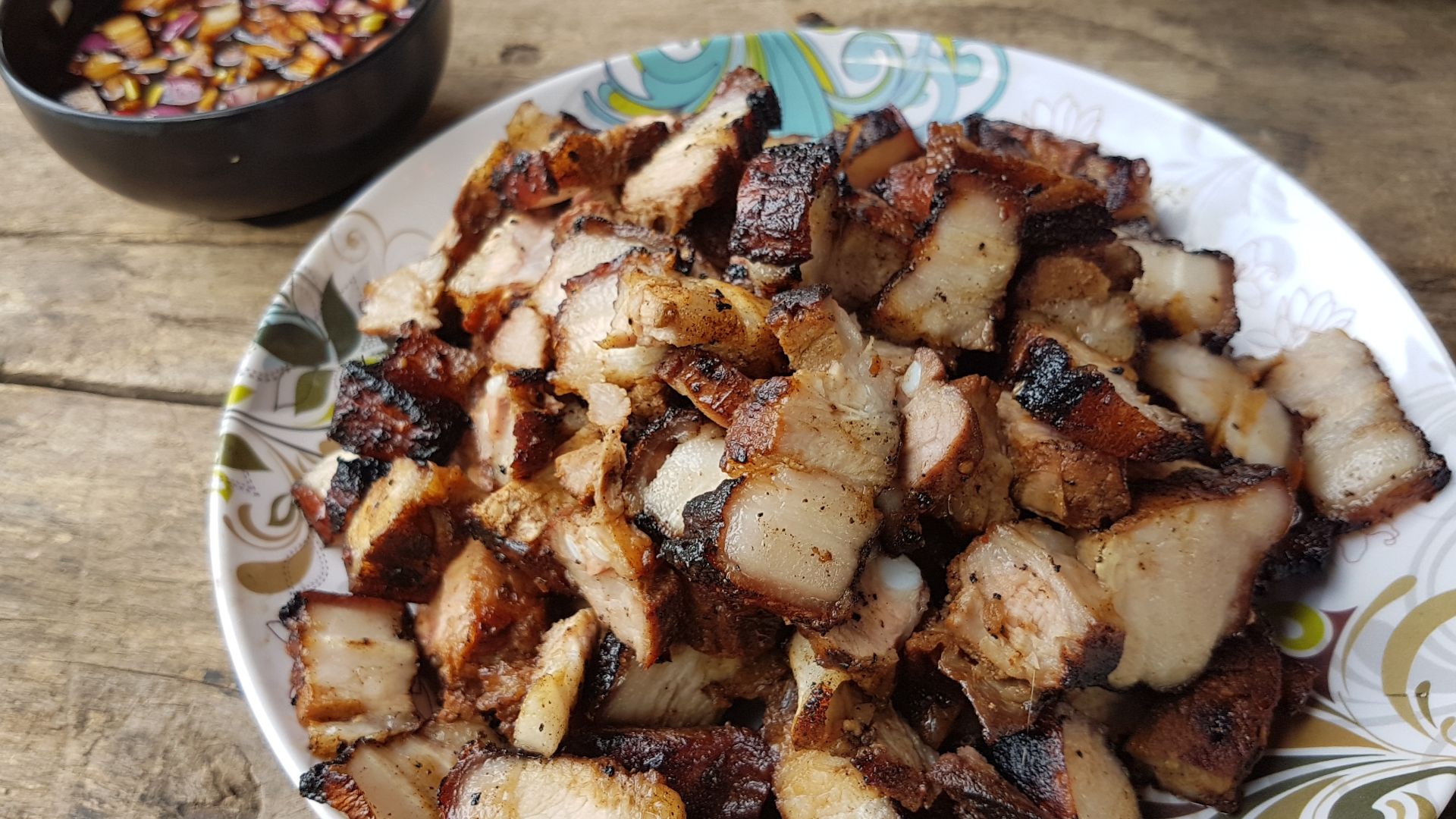
20. Inihaw Na Liempo
Street-side grilling stands become social hubs for late-night gatherings where pork belly marinated in vinegar sizzles over charcoal, developing smoky, charred edges. Simple seasoning highlights quality meat without heavy processing, letting traditional barbecue methods create flavor through fire and smoke.
KEEP ON READING
10 Best Finds at Costco & 10 Worth Skipping


20 American Foods That Are Best When They're Simple