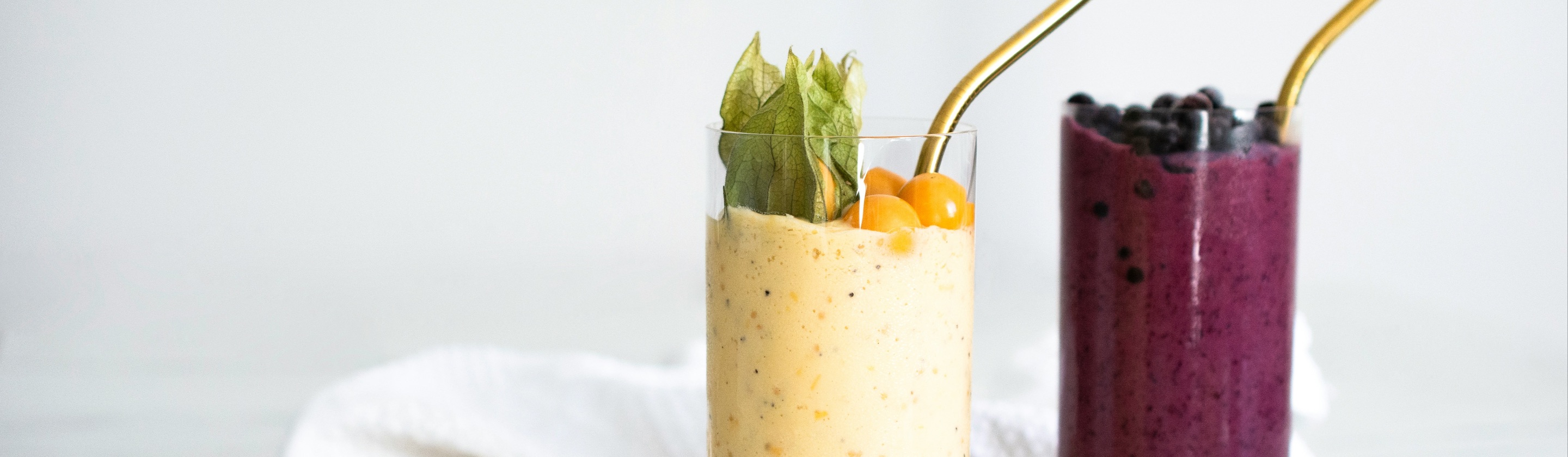
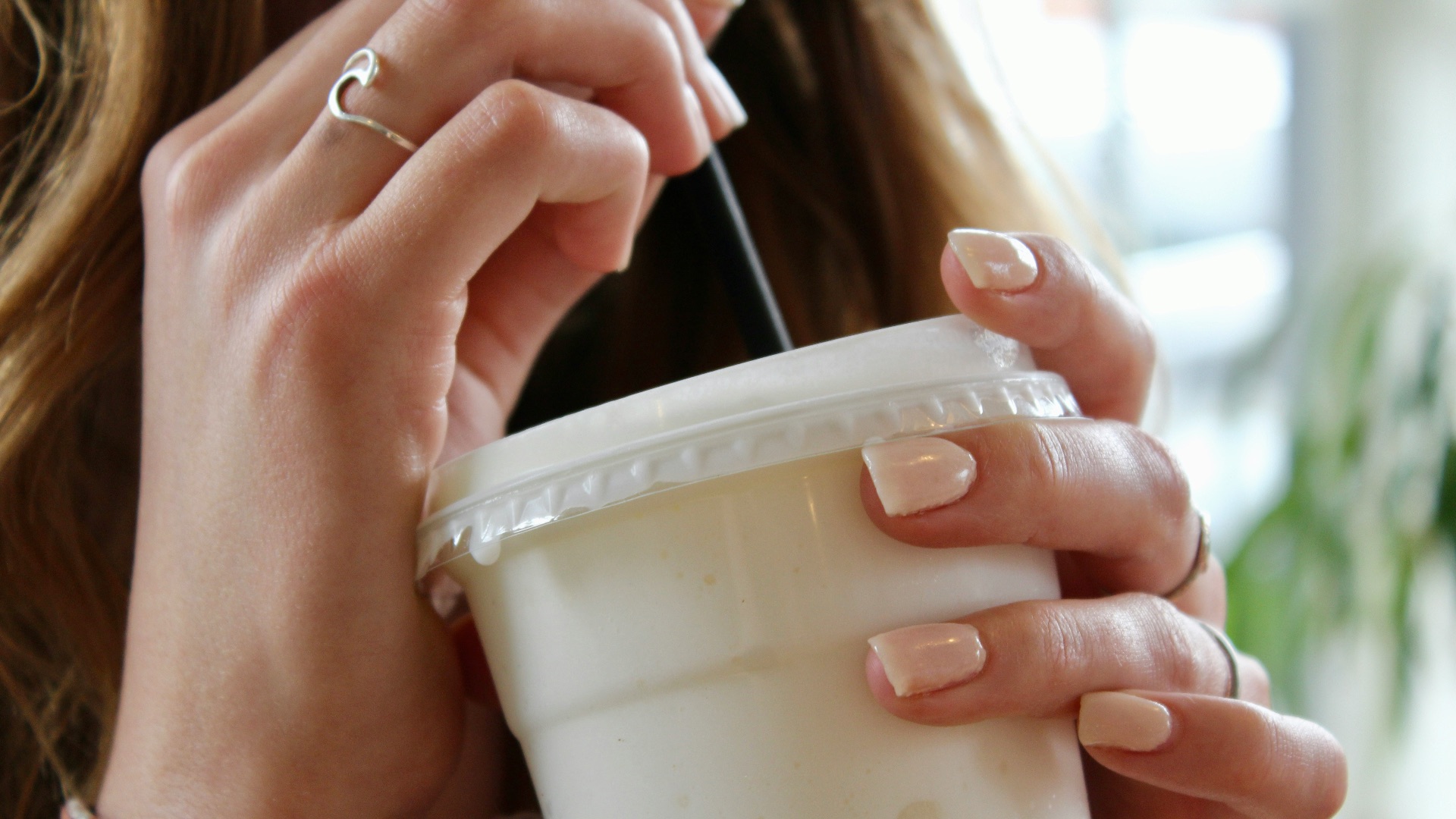
Juice cleanse, anyone? Oddly enough, despite many drinks being packed with sugar, fat, and hundreds of calories, most people don’t count them as food. In fact, most people categorize them as healthier than regular food, to the point that they'll even use smoothies, shakes, juices, or energy drinks as meal stand-ins, an easy diet method, a way to reset and get back on track.
Sure, some drinks can help, especially when they're specifically made to be low in calories and sugar; this isn’t about demonizing convenience or pretending you can never have something sweet to sub in as a snack, after all. But it’s still important to recognize that liquid calories tend to behave differently than solid meals when it comes to fullness, blood sugar, and how reliably they fit your nutrition needs. Drink too much, and you might get the opposite effect you're looking for.
Liquid Meals Don’t Trigger Fullness Like Chewed Food Does
Let's start with the simplest problem: drinks usually don’t satisfy you the way a real meal does. They can be indulgent, but they often don't offer much more than that. Research on beverage calories repeatedly points to weaker dietary compensation, meaning people often don’t reduce later food intake enough to make up for what they drank. When your body doesn’t register a beverage as substantial, it’s easier to stay hungry and keep eating anyway.
And even if you might not think about it much, chewing matters more than it gets credit for, because it’s part of how your brain learns that you’ve eaten. Liquids typically move through the stomach faster than solids, and that quicker transit can shorten the window for satiety signals to build. Studies discussing solids versus liquids note systematic differences in oral processing and digestion, which help explain why beverages can actually be a bigger risk for weight management than solid food forms.
Even if your smoothie has decent ingredients, the format can still work against you. It’s very easy to drink the equivalent of several servings of fruit plus a calorie-dense add-on like nut butter or sweetened yogurt in a few minutes, then feel ready to snack soon after. And that's no surprise: when calories arrive without the same physical and sensory brakes as a plated meal, that can trigger you to want more.
Meal-Replacement Drinks Can Be Nutritionally Lopsided
Another issue is that many meal-like beverages are built for taste and speed, not balance. A bottle labeled protein shake might be low in fiber, light on micronutrients, and high in added sugars, depending on the brand and flavor. And according to the Centers for Disease Control and Prevention (CDC), Americans consume far too much added sugar, and an excess intake is linked to serious health conditions such as obesity, cardiovascular disease, and type 2 diabetes.
Juice is a classic example of something that feels like a responsible choice while still creating problems when it replaces meals. Whole fruit comes with fiber and chewing, but juice concentrates sugar into a fast-drinking form that doesn’t keep you full for long; it can also make it easier to exceed your daily sugar targets without noticing. The World Health Organization explicitly includes sugars naturally present in fruit juices and concentrates under free sugars, and it links reducing sugary beverage intake with lowering the risk of unhealthy weight gain.
Energy drinks sit in a similar trap, because they’re marketed as functional fuel but are often more like dessert plus a stimulant. Believe it or not, many energy drinks contain significant caffeine—with some products clocking in around 200 mg caffeine per can—and can have as much or more sugar than soda. That means when you’re using them as a meal substitute, you’re not just skipping food; you’re swapping a nutritious meal for a sugar-and-caffeine combo that’s unlikely to support steady energy or appetite control, which is a bad call.
Beverage Calories Make It Easy to Blow Past Your Sugar Budget
A big reason liquid calories are so disruptive is that they can demolish your added-sugar limit in one go. The Dietary Guidelines for Americans have long recommended keeping added sugars under 10% of daily calories, and that guideline is widely echoed in medical and academic summaries. When your breakfast is a sweetened coffee drink and your lunch is a bottled smoothie, you can hit that ceiling before dinner without ever feeling like you ate a lot.
Portion sizes also work against you because drink containers encourage finishing, not pausing. A "healthy" smoothie sold as a single bottle can be the calorie equivalent of a full meal, yet it doesn’t come with the natural pacing you’d have if you were chewing. The CDC’s Rethink Your Drink guidance emphasizes that sugary drinks are a leading source of added sugars and suggests shifting toward low- or no-calorie options because those changes can meaningfully reduce calorie intake.
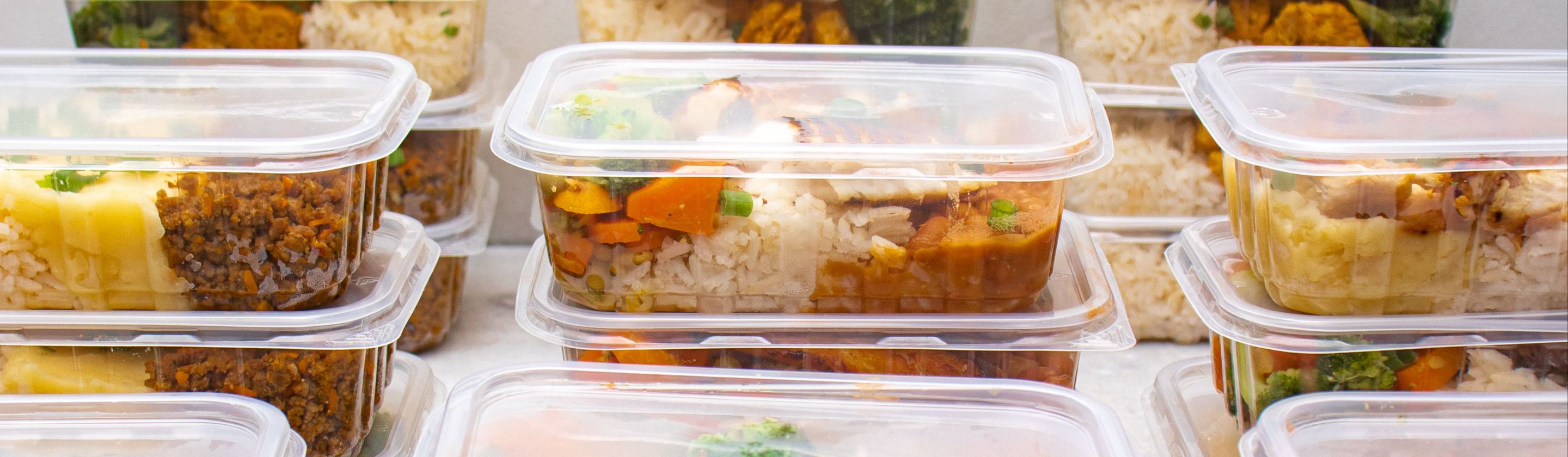
If you want a realistic way to apply all this without turning eating into a chore, focus on a simple rule: drink for hydration, eat for meals. Keep water, sparkling water, and unsweetened tea or coffee as your defaults, and treat smoothies and shakes as occasional snacks unless they’re carefully built to be balanced. When you do need something portable, you’ll usually do better with a solid, packable meal—because it forces slower eating, gives you fiber, and makes it harder for sugar to sneak in under the radar.
KEEP ON READING
Can You Have an Obsession with Eating Healthy?