Small Words, Big Confidence
There’s a particular kind of confidence that shows up right before a food word goes sideways. It’s not your fault—English loves borrowing words, then promptly refusing to follow the rules of the language it borrowed them from. Add in menus designed to intimidate, and the fact that half of us learned these names by reading them silently on packaging at 11 p.m., and mispronunciations become practically inevitable. The good news is that most of these aren’t wrong so much as loudly American, which is its own tradition. Here are 20 foods that tend to trip people up, and the smoother, more widely accepted ways you’ll hear them said.
1. Açaí
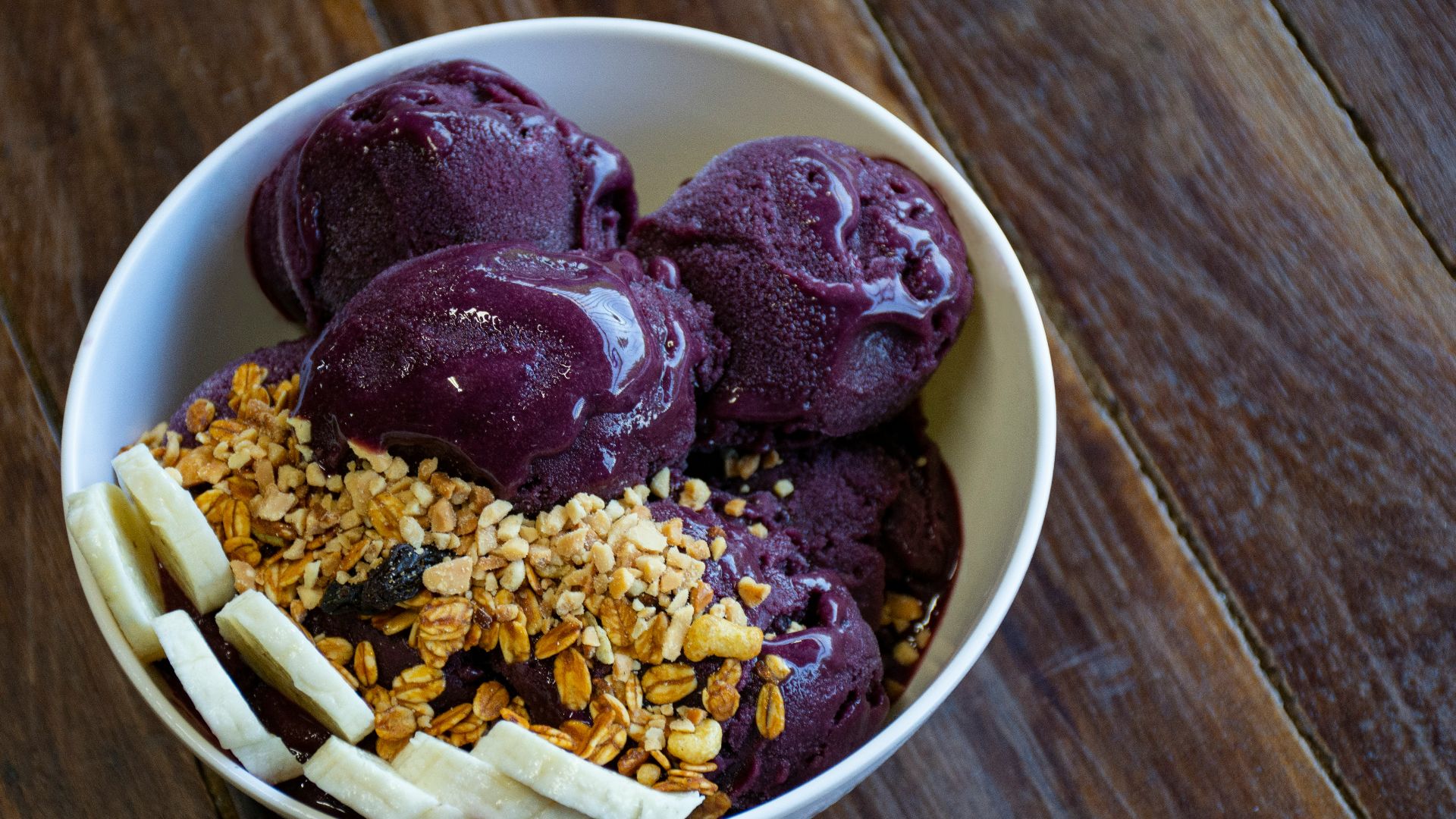
Most people go in hot with ah-KAI like they’re announcing a karate move. You’ll usually hear it closer to ah-sigh-EE, which is why it sounds breezy and tropical even when it’s being eaten out of a paper bowl in January. The accent mark is doing a lot of heavy lifting here, so let it.
2. Banh Mi
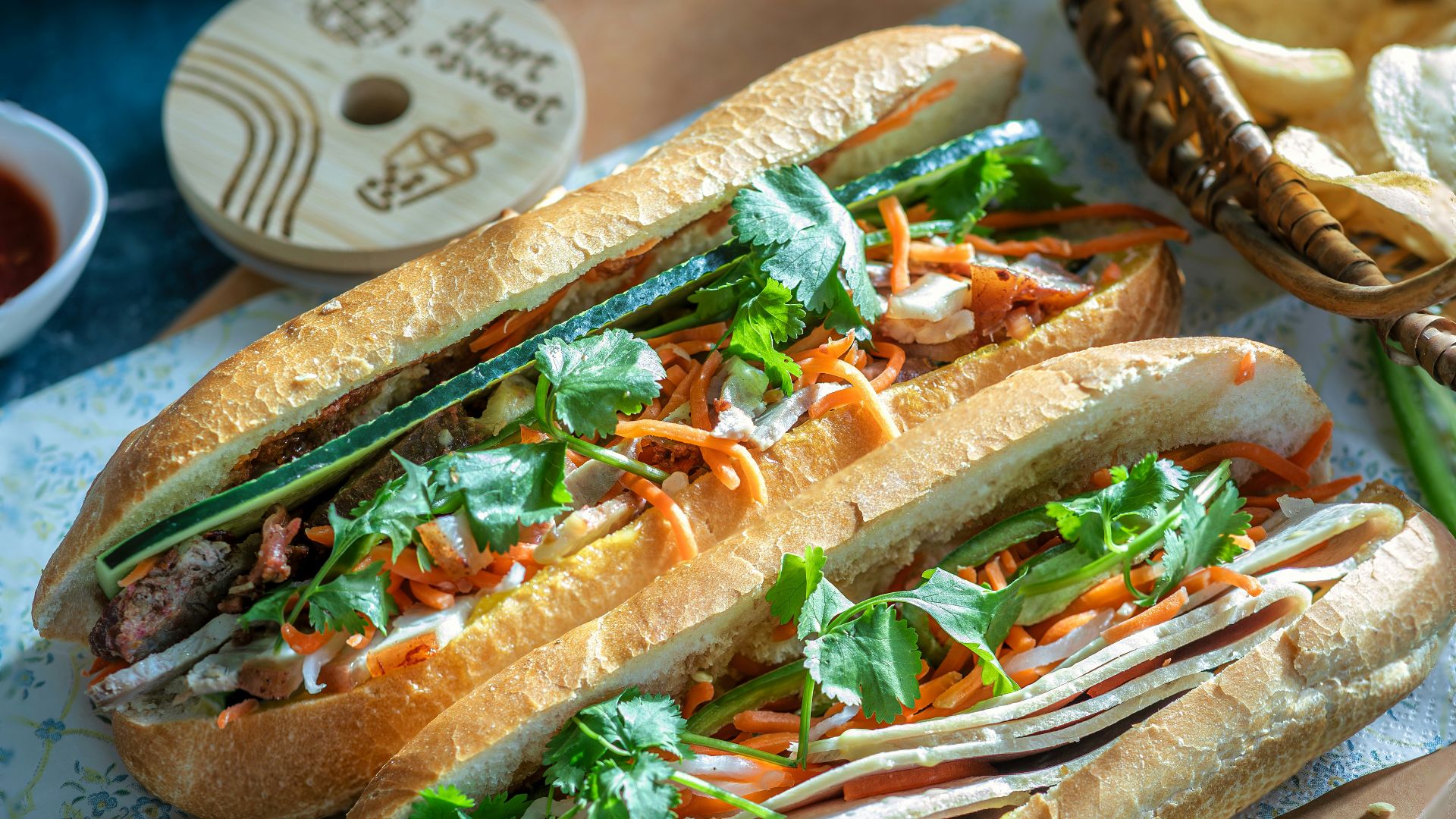
It gets flattened into ban me so often it might as well be a breakup text. A common, closer version is bahn mee, quick and clean, like the sandwich itself when it’s done right. Say it like you’re not apologizing for the cilantro.
3. Bruschetta
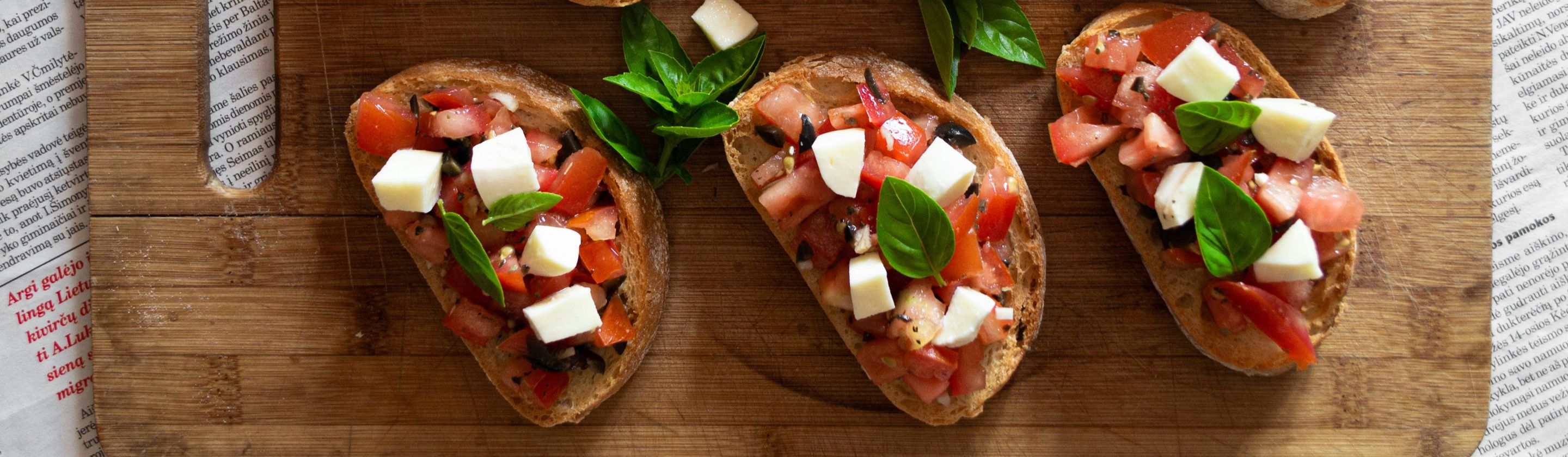
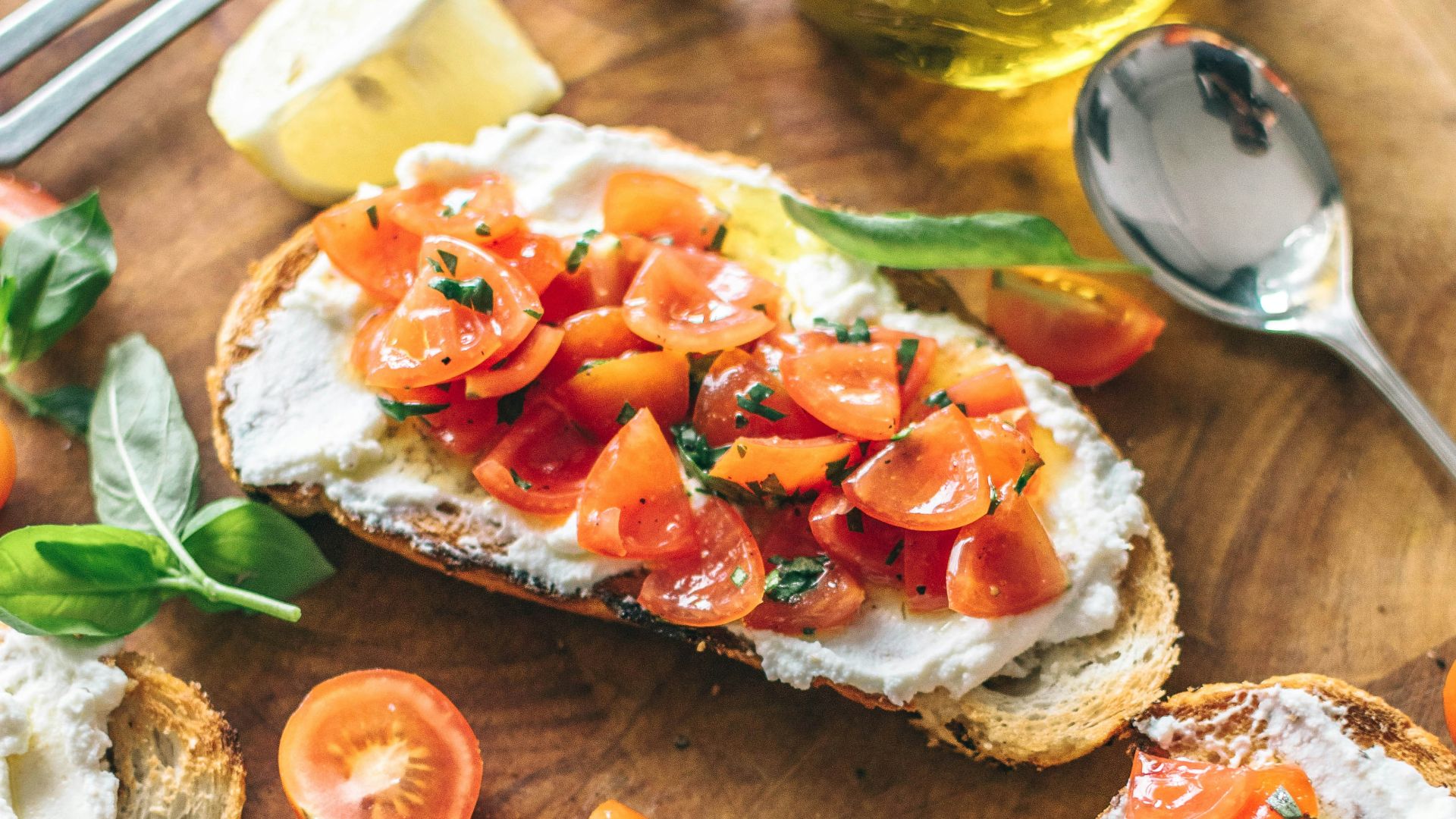
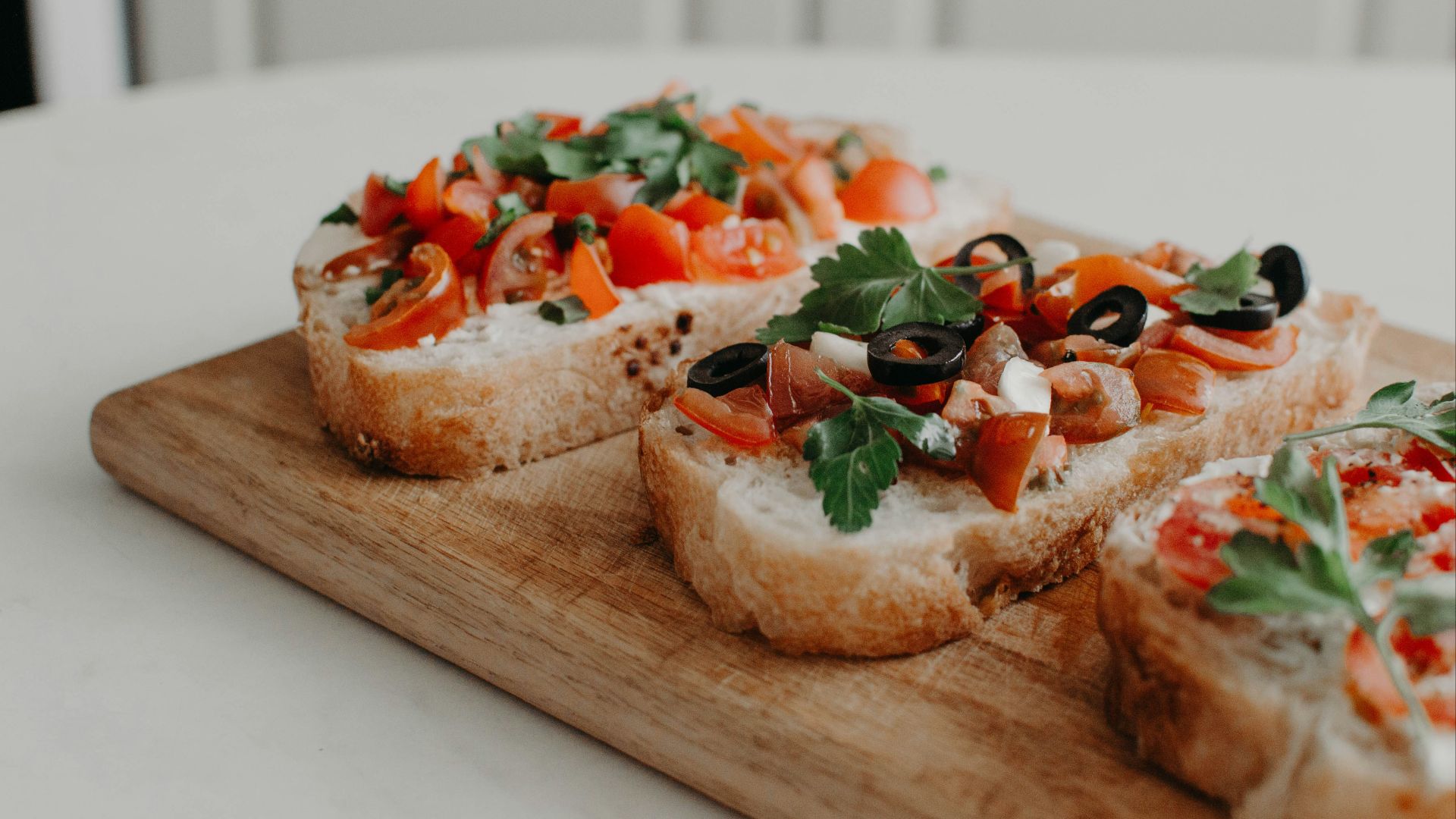
Broo-SHET-uh has become so common it’s basically its own dialect. But in Italian, that sch lands as a hard k, so you’ll usually hear broo-SKET-uh. It’s one of those words where a single consonant change makes you sound like you’ve been to at least one charming restaurant with tiny plates.
4. Charcuterie
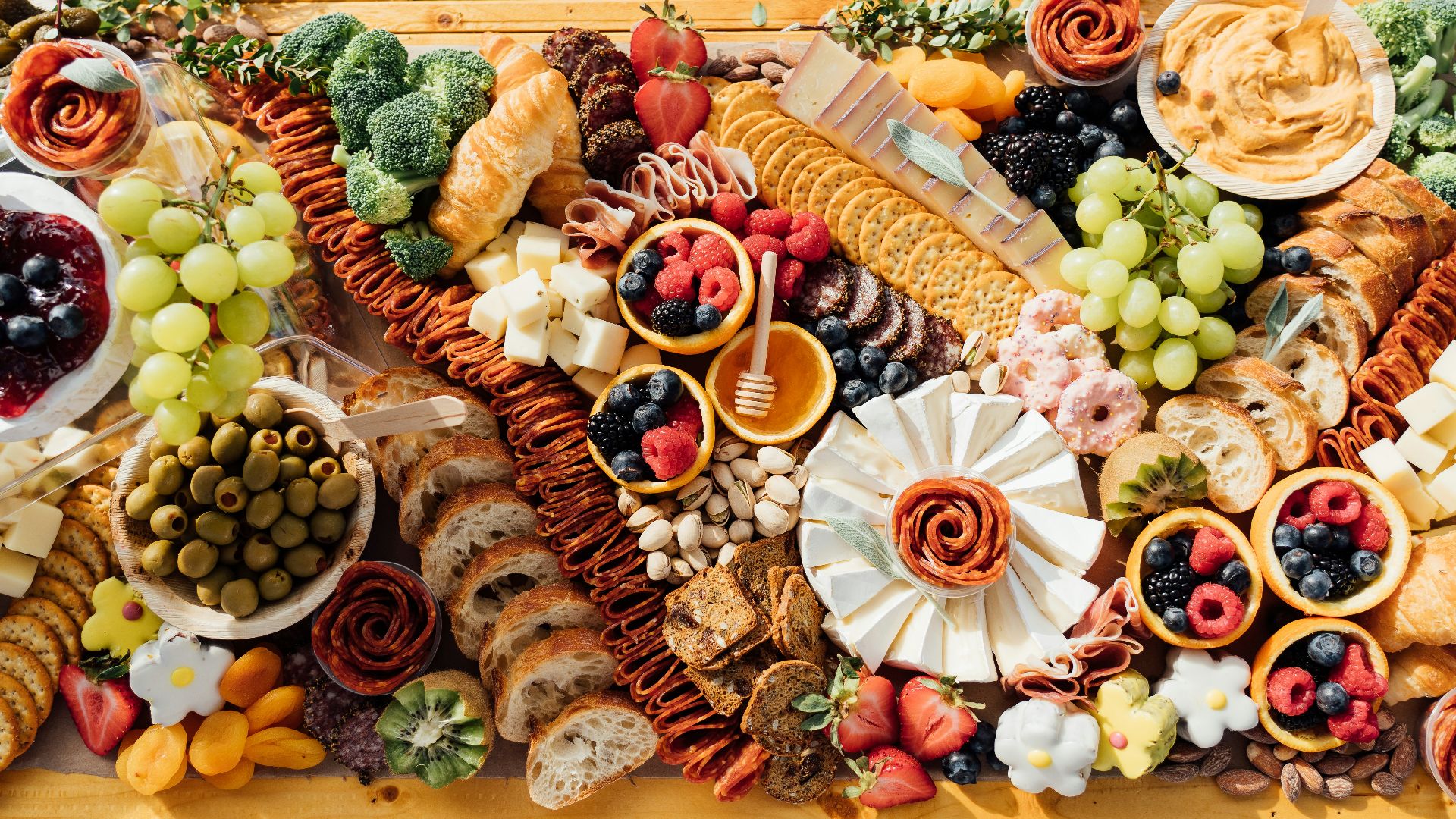
This one turns into shar-CUE-terry, like it’s a high school mascot. The more common French-leaning sound is shar-KOO-tuh-REE, with the middle syllable doing the work. Bonus: saying it right won’t keep the board from being demolished in five minutes, but it feels nice anyway.
5. Chipotle
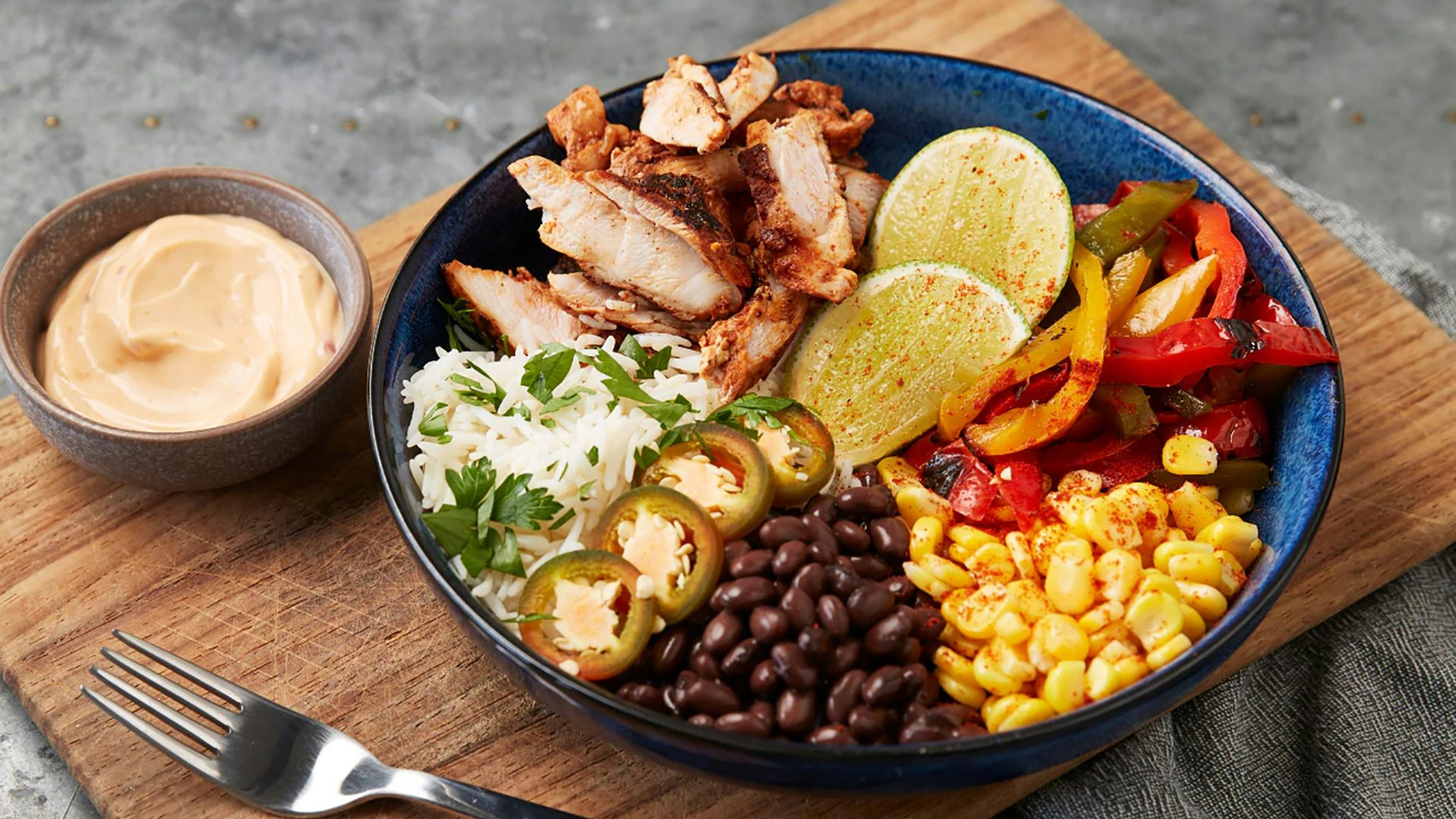
Somehow, this became chip-POLL-tay, as if it’s running for office. You’ll usually hear chih-POHT-lay, smoother, with the t barely tapping the surface. It’s spicy, smoky, and not auditioning for a telenovela villain role.
6. Crème Brûlée
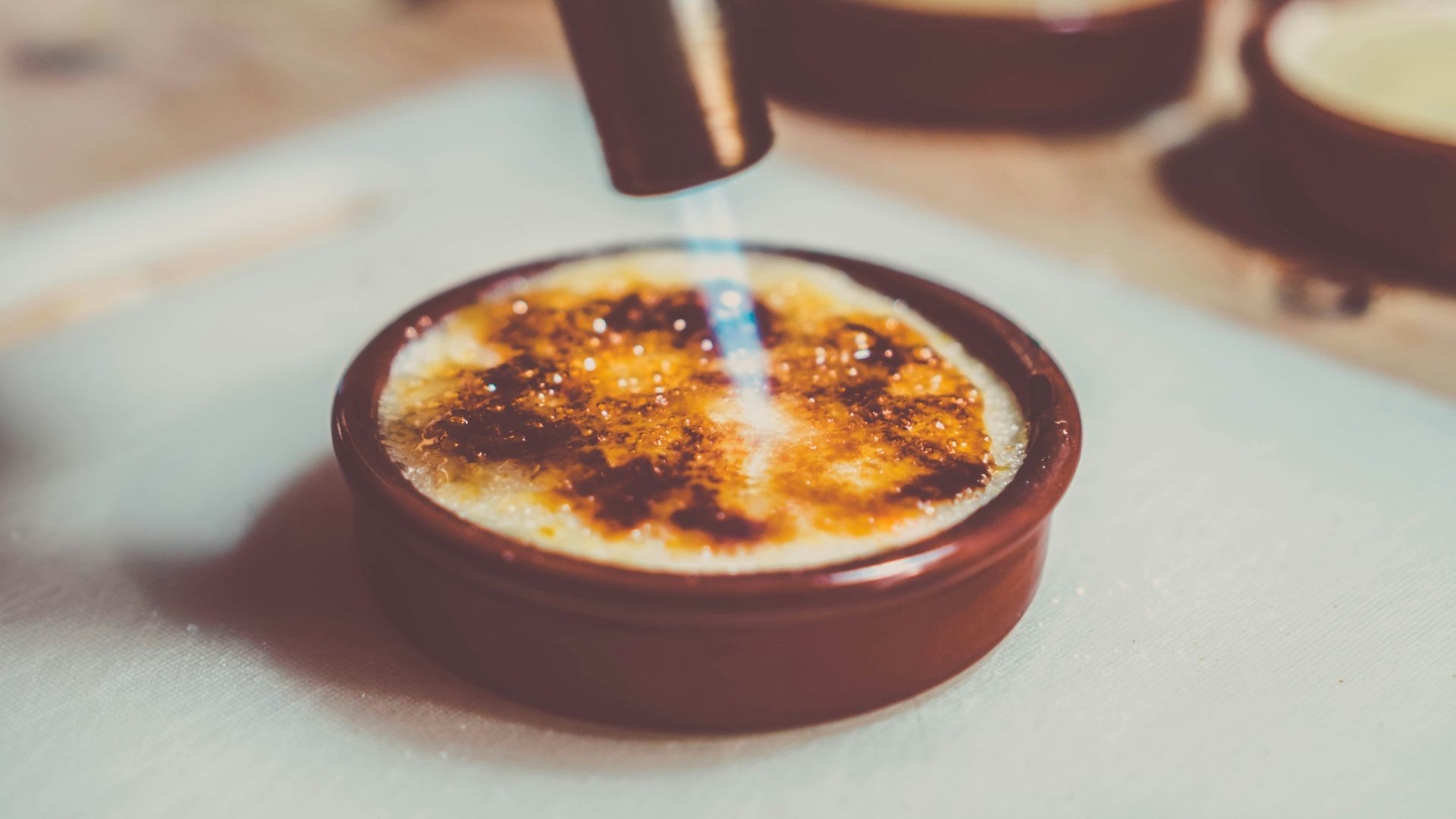
People tend to over-enunciate it like they’re reading it off a museum placard. A friendlier version sounds like krem broo-LAY, with the second word getting the spotlight. The fancy little marks aren’t just decoration—they’re telling you where the flavor is.
7. Edamame
It’s not eddy-MAME, like a kid’s nickname at summer camp. You’ll usually hear eh-duh-MAH-may, with the rhythm doing a gentle three-step. It’s the kind of word that’s easier to say once you stop trying to impress the soybeans.
8. Gnocchi
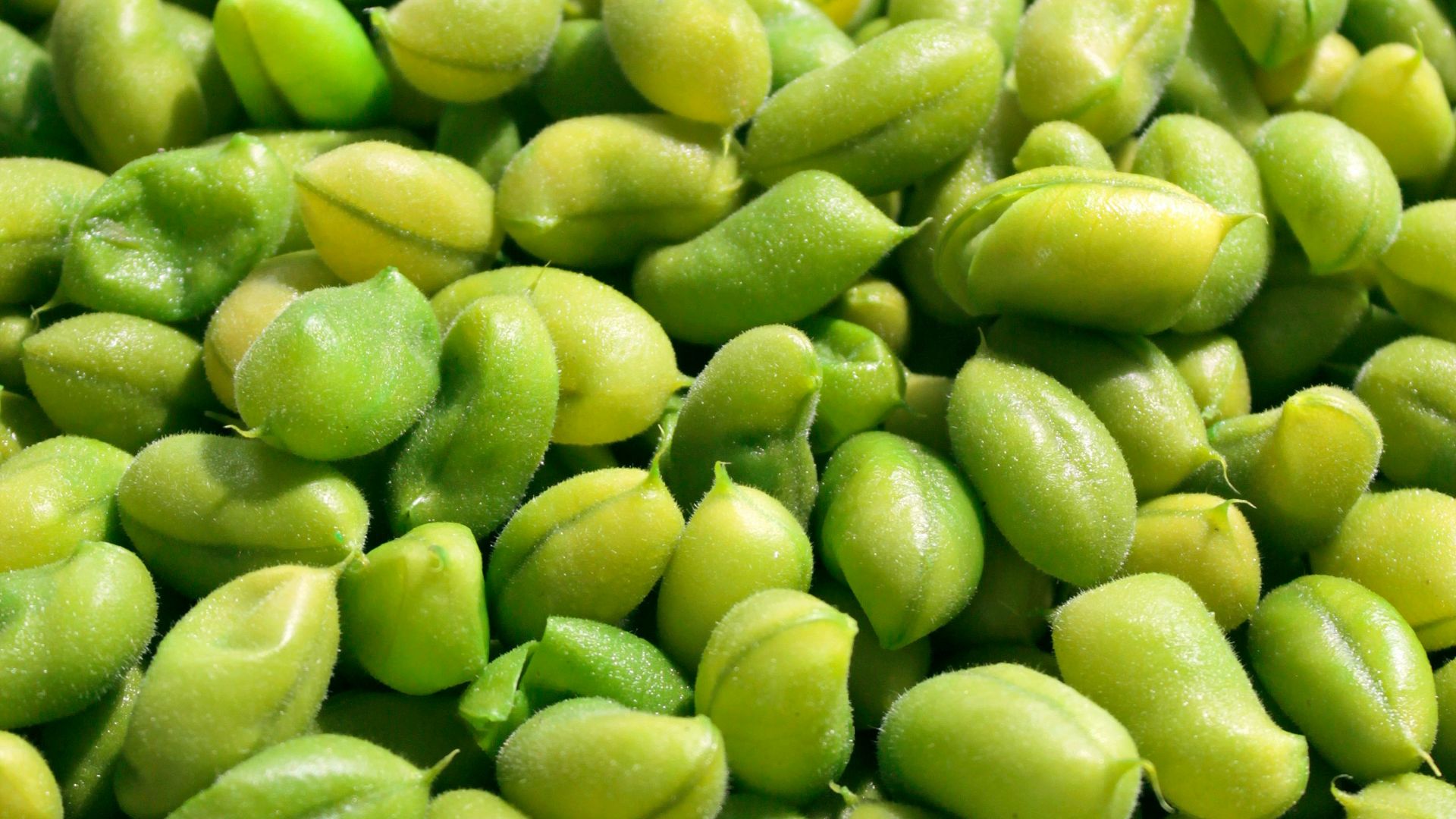
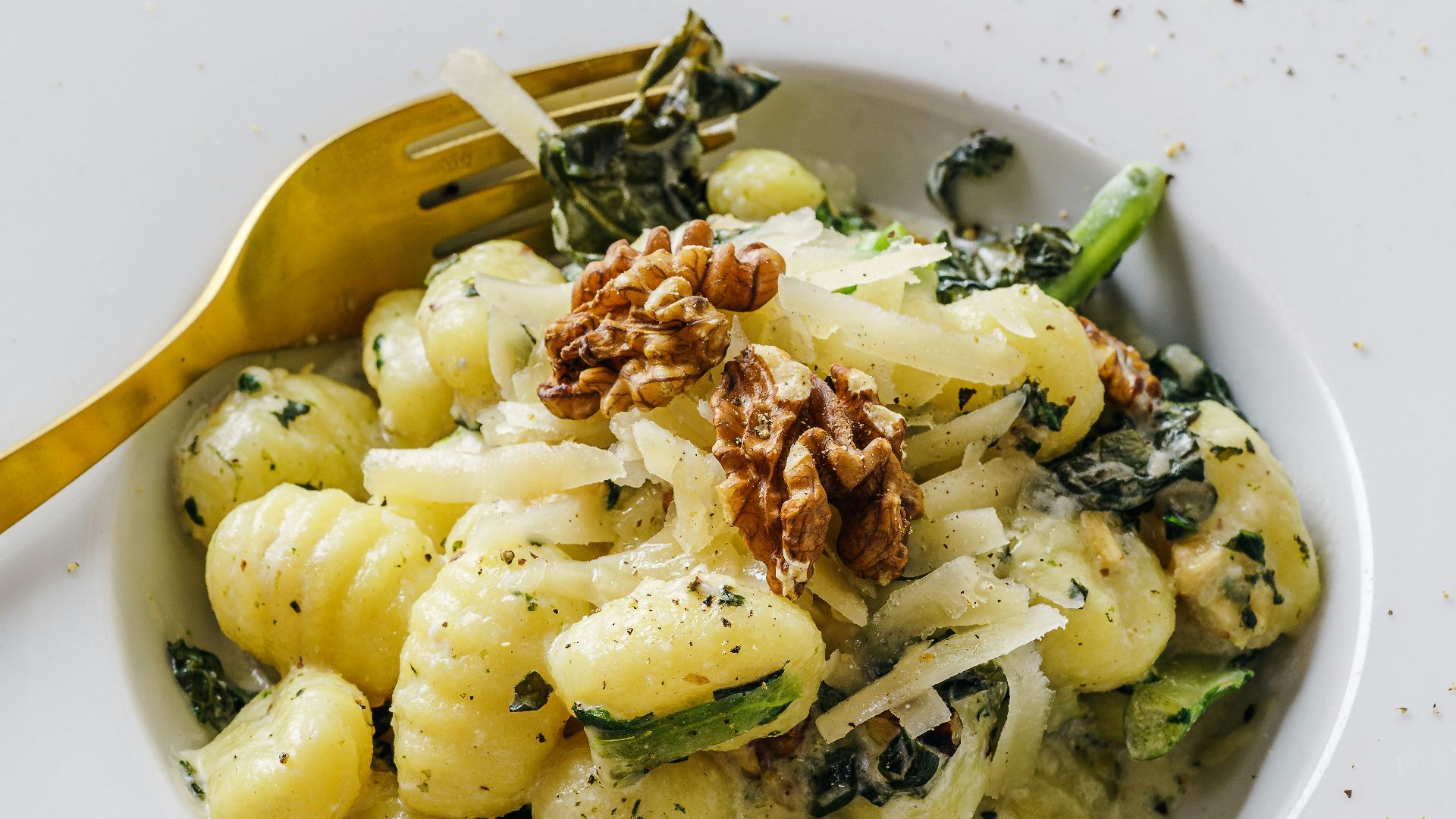
This one gets butchered into NOCK-ee or guh-NO-chee, depending on confidence levels. A common, closer pronunciation is NYOH-kee, soft at the start, like it’s wearing slippers. It’s pillowy food, so the word should sound a little pillowy, too.
 Sebastian Coman Photography on Unsplash
9. Gouda
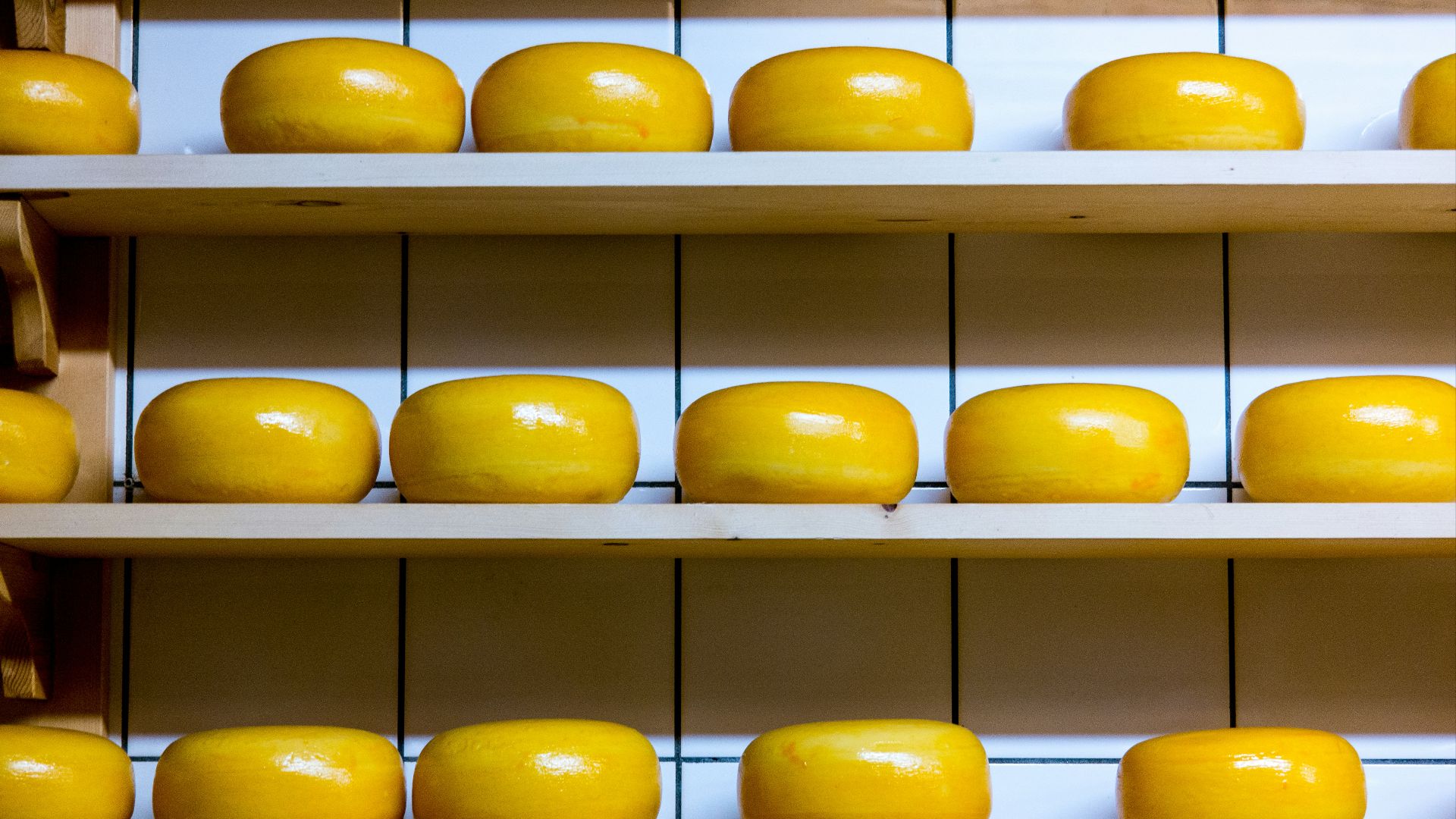
If you’ve been saying GOO-duh, you’re in a big, comfortable crowd. You’ll often hear something closer to HOW-duh in Dutch-influenced pronunciation, but in American contexts, GOO-duh is still widely accepted. The important part is that it’s cheese and it’s happening.
 Katrin Leinfellner on Unsplash
10. Gyro
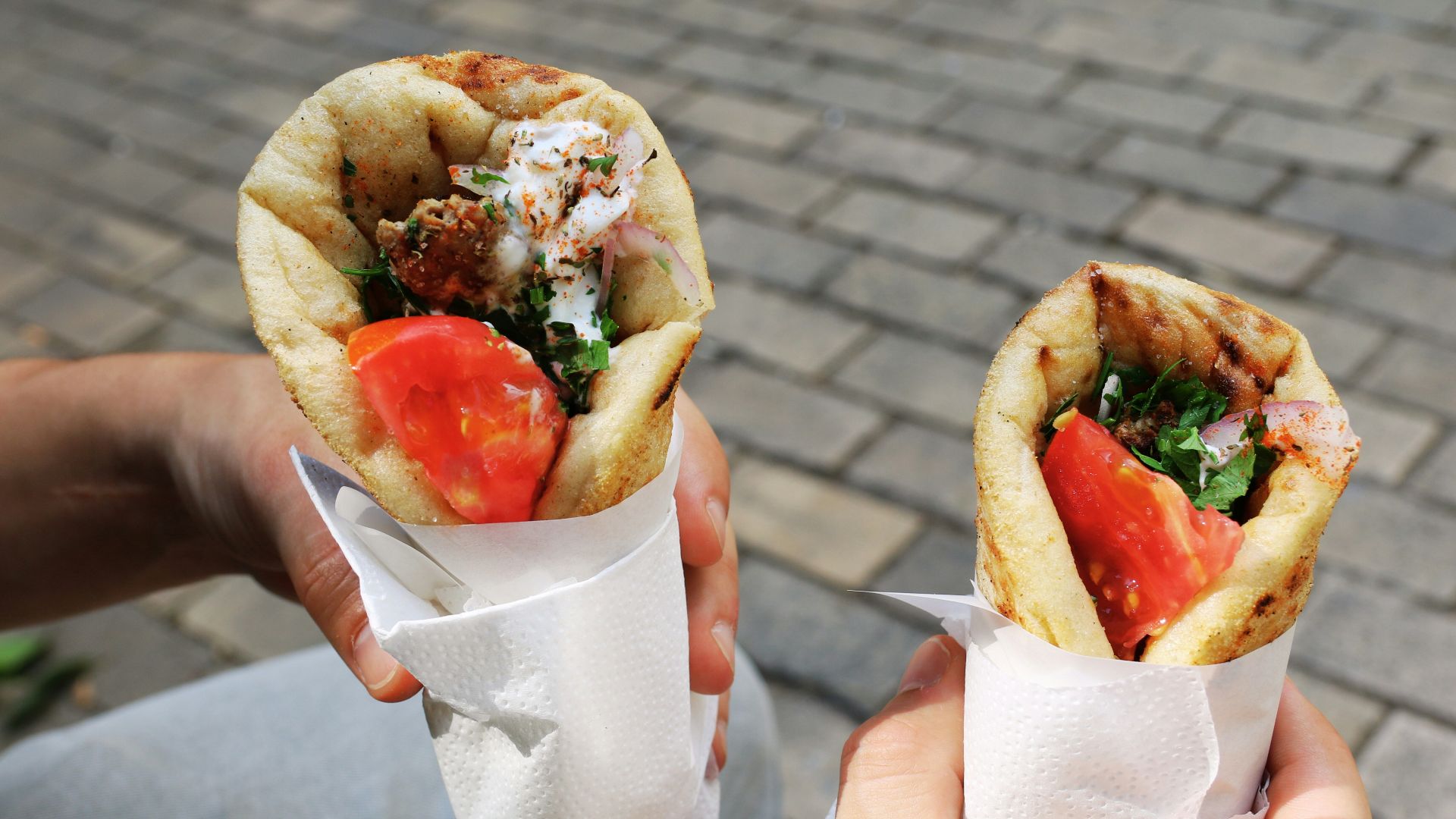
JAI-roh is popular, and GEE-roh shows up with the confident energy of a person who read one article. You’ll often hear YEE-roh, or sometimes ZHEE-roh, depending on place and background, especially around Greek speakers and Greek-owned shops. Either way, say it with purpose and don’t forget the tzatziki.
11. Jalapeño
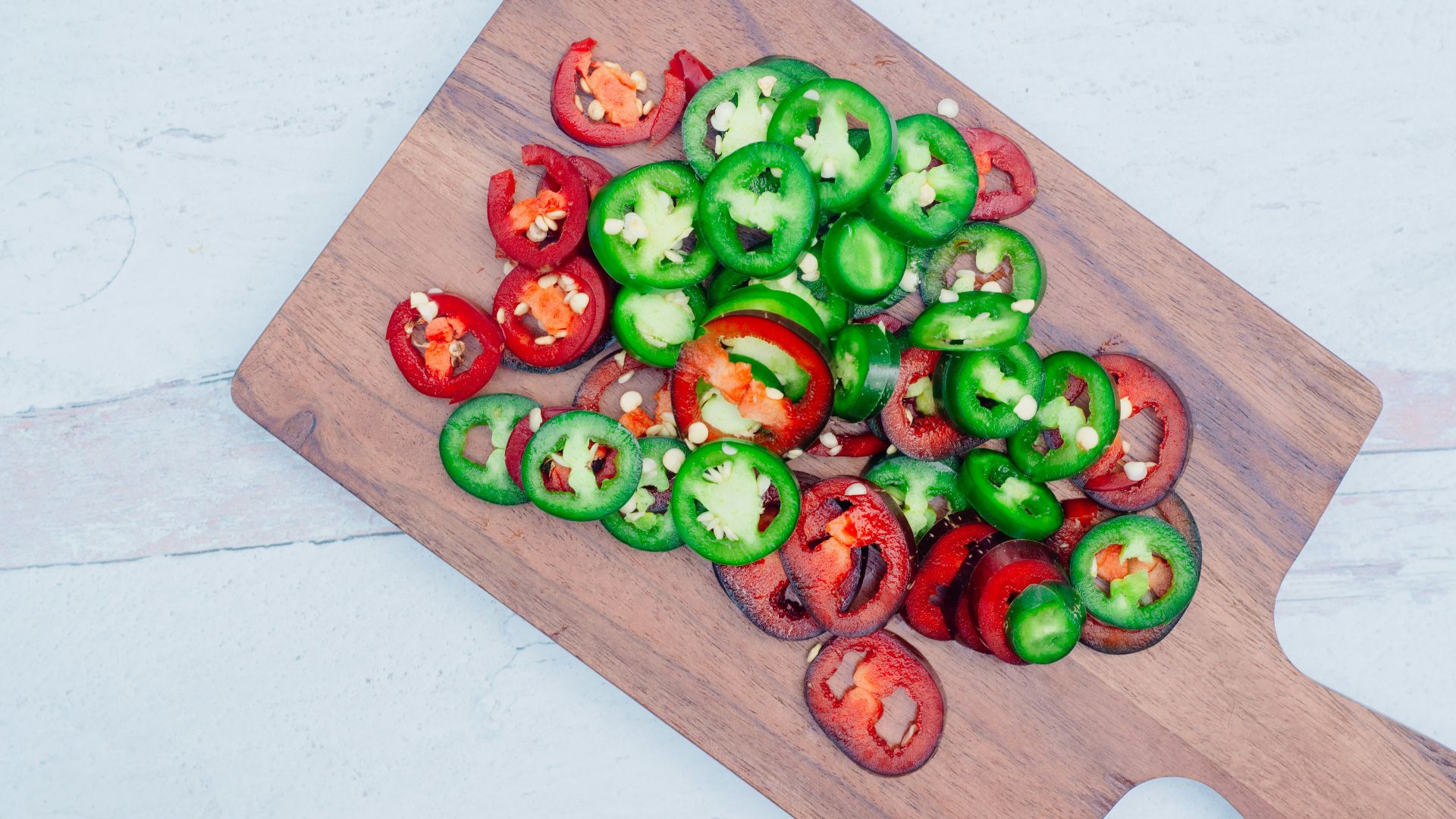
There’s always someone who drops the ñ and says JAL-uh-PEE-no like they’re mad at it. A common pronunciation is hah-luh-PAY-nyoh, where the ny is the whole point. It’s the difference between sounding like you’re ordering salsa and sounding like you’re ordering a typo.
12. Macaron
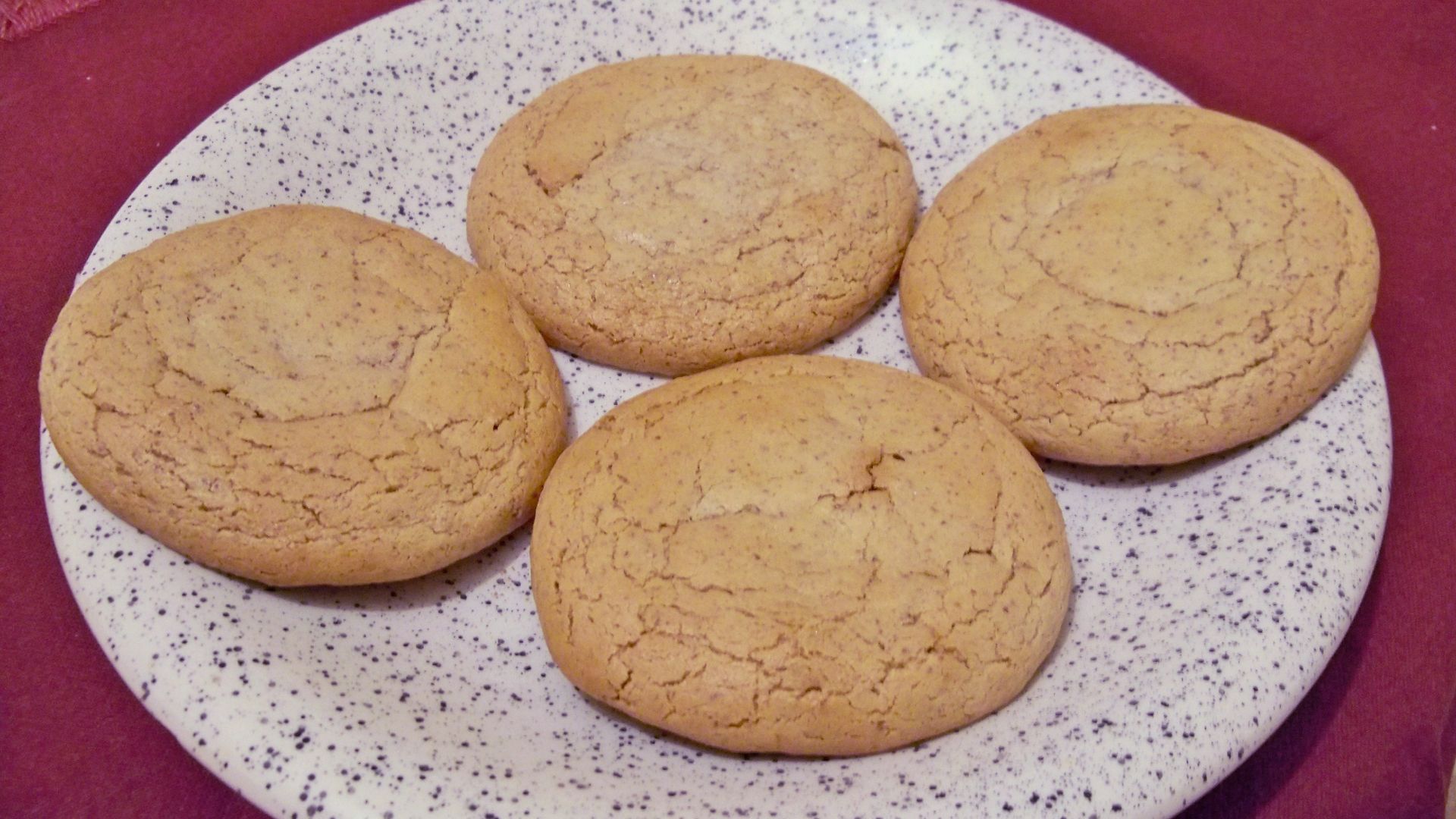
This gets tangled with macaroon, which is a completely different dessert with a different vibe. The French-style cookie is usually mack-uh-ROHN, not MACK-uh-roon. One is delicate and pastel; the other is a coconut boulder that could survive a minor earthquake.
 commons.wikimedia.org on Google
13. Mascarpone
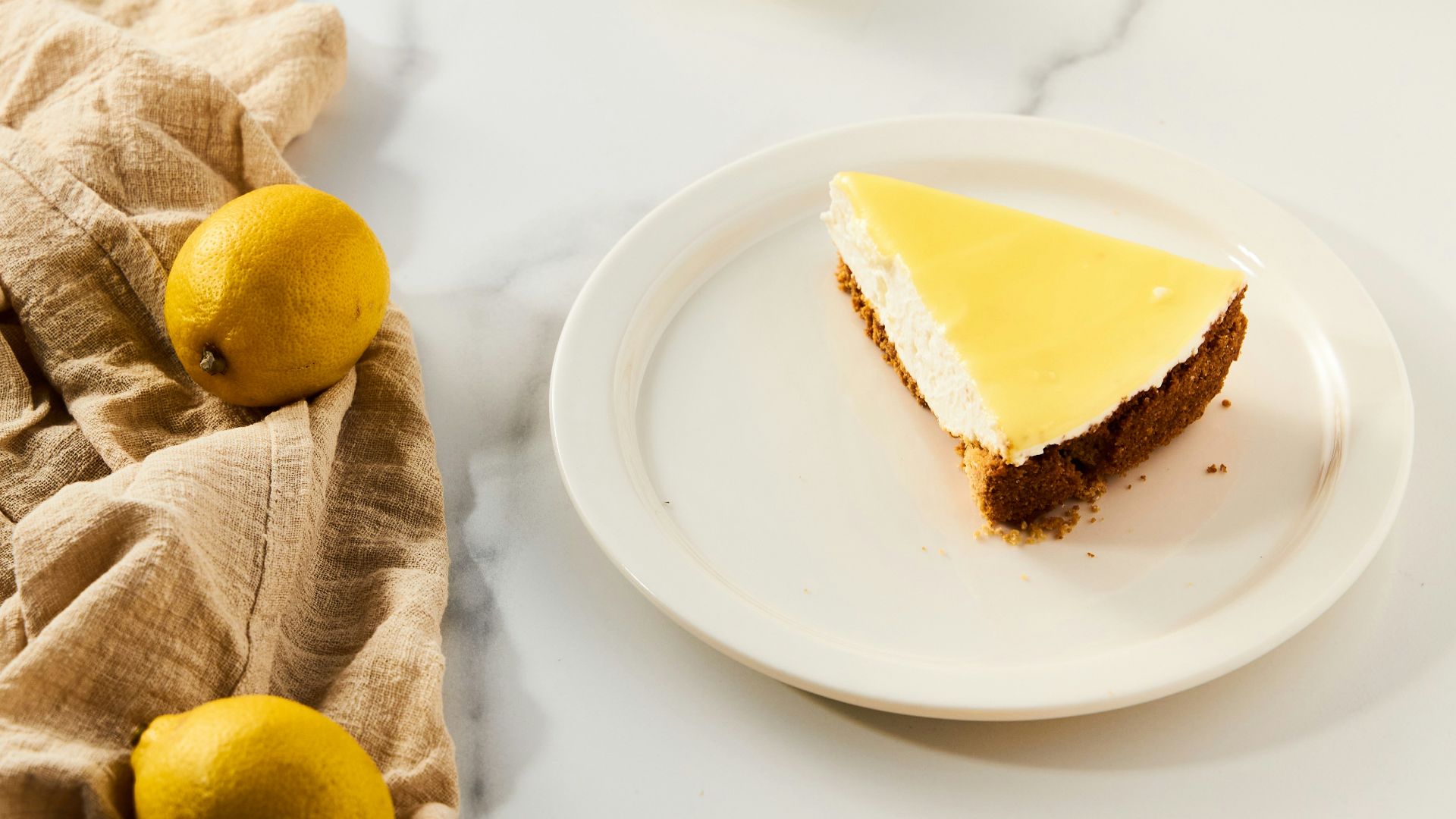
You’ll hear mass-car-POHN a lot, which isn’t far off but tends to miss the smoothness. A common Italian-leaning version is mah-skar-POH-nay, with that final syllable giving it a softer landing. It should sound creamy, because it is.
14. Matcha
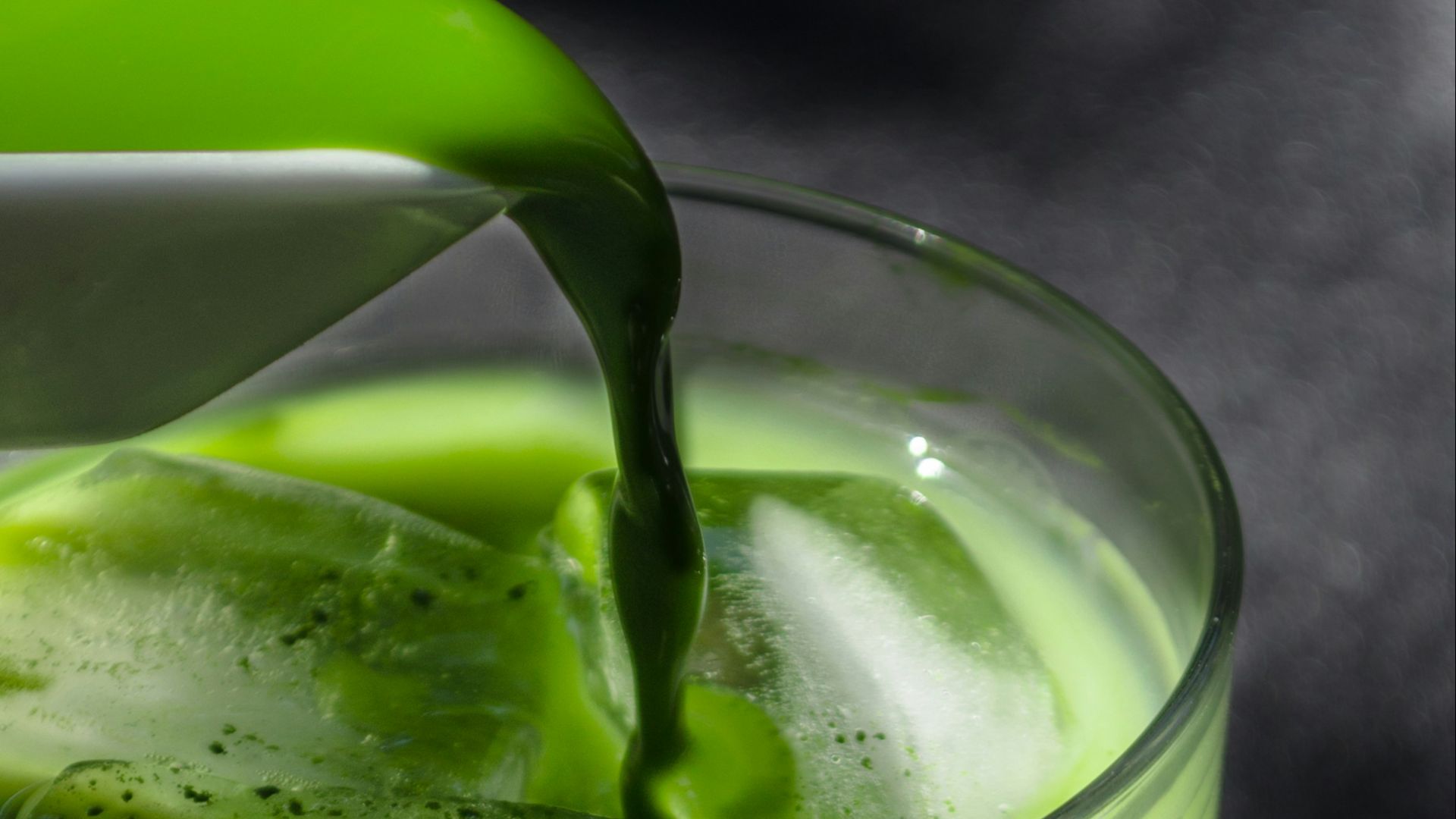
It’s not MAY-cha, no matter how much the latte art tries to convince you. You’ll typically hear MAH-cha, short and calm, like the drink’s whole personality. If it helps, think of it as the opposite of a pumpkin spice mood swing.
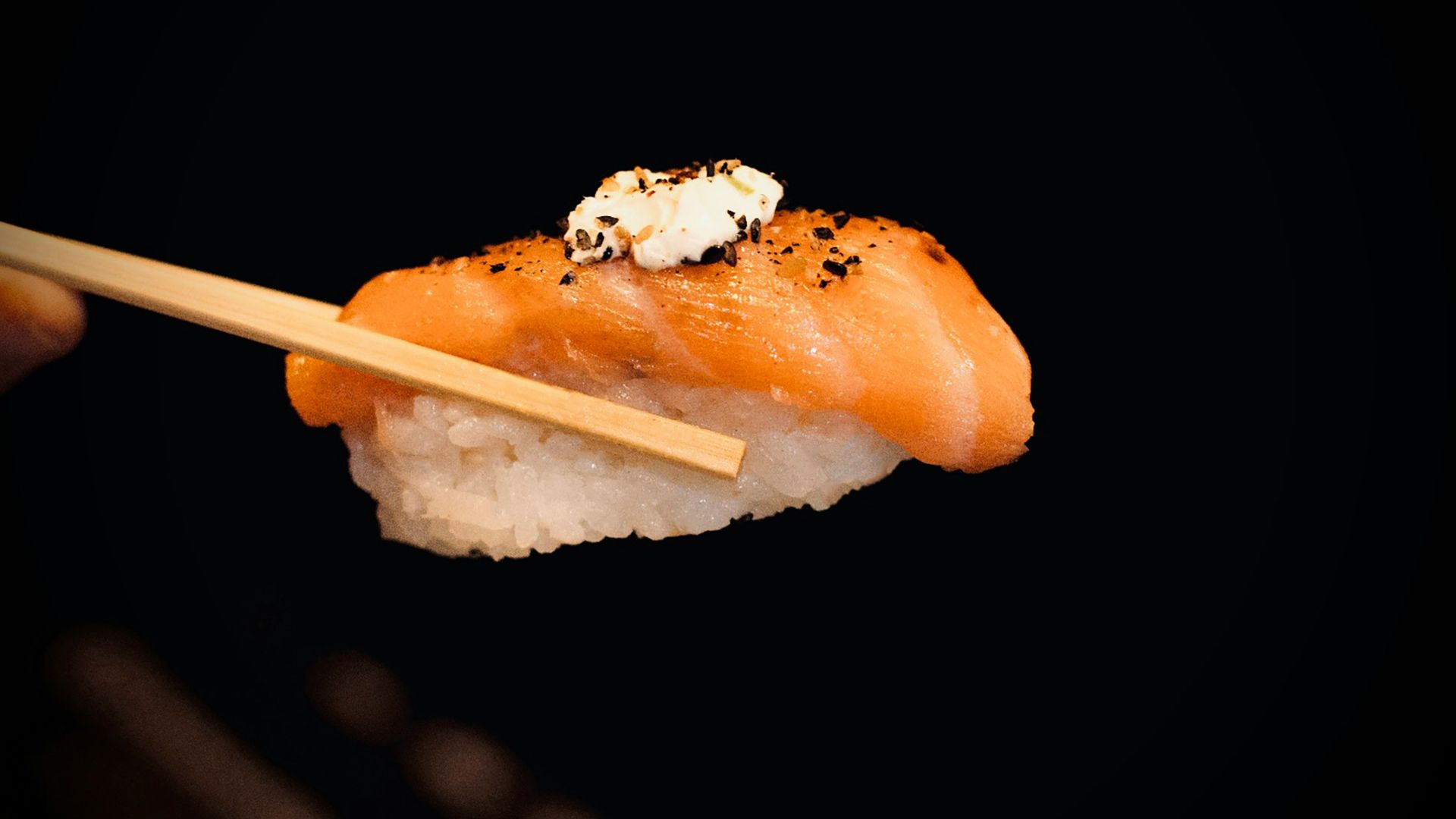
15. Nigiri
People glance at the menu and panic, then land on something like nih-JEER-ee. You’ll usually hear nih-GHEER-ee, with a crisp middle sound that’s not trying to be dramatic. It’s a small bite, so the word doesn’t need to take up the whole room.
16. Poke
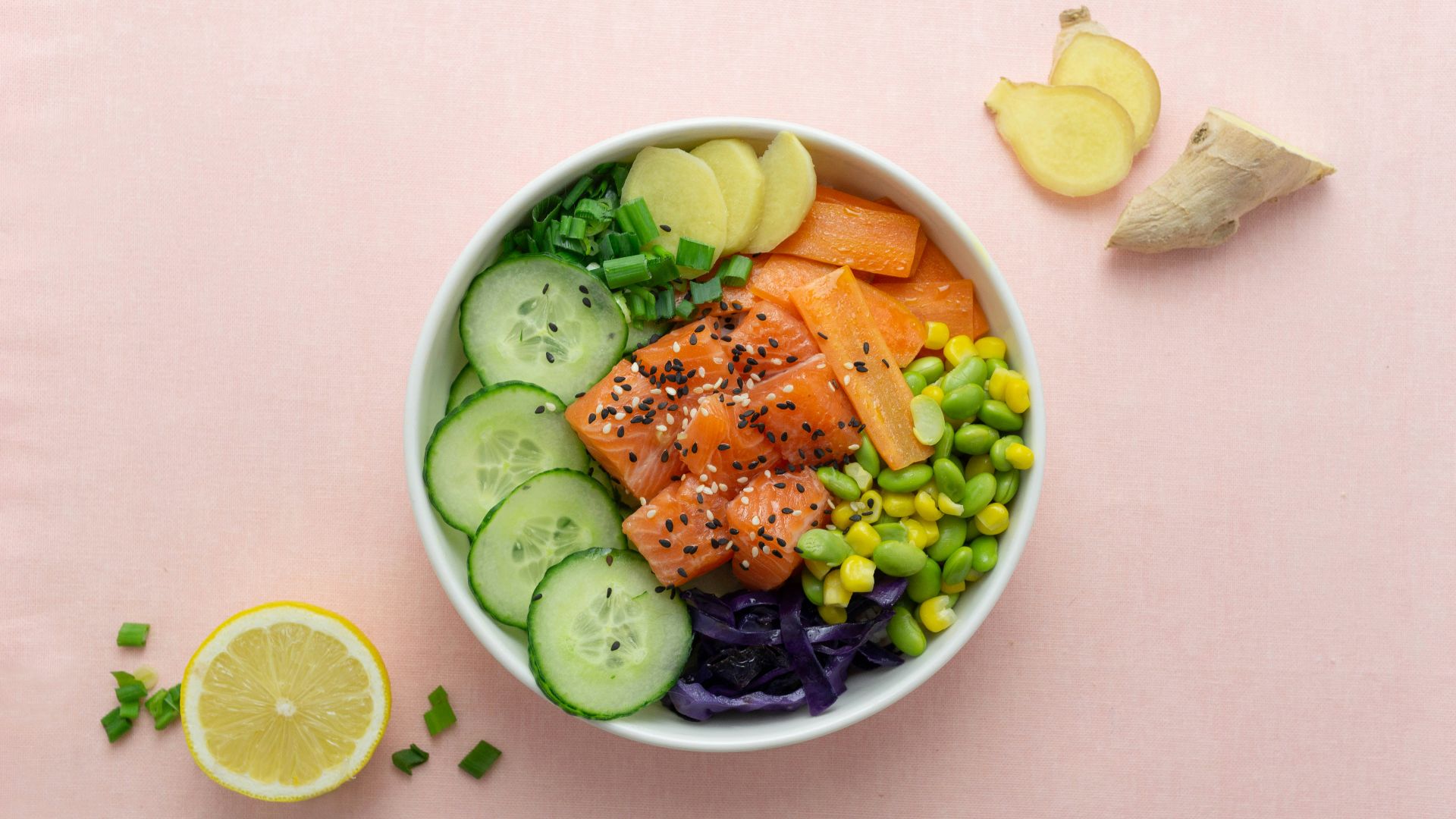
This one gets turned into POKE-ee, like it’s a cartoon character. In the Hawaiian context, it’s commonly POH-kay, two clean syllables that don’t wobble. If you’ve been saying it wrong, no shame—just don’t double down while holding a bowl of raw tuna.
17. Quinoa
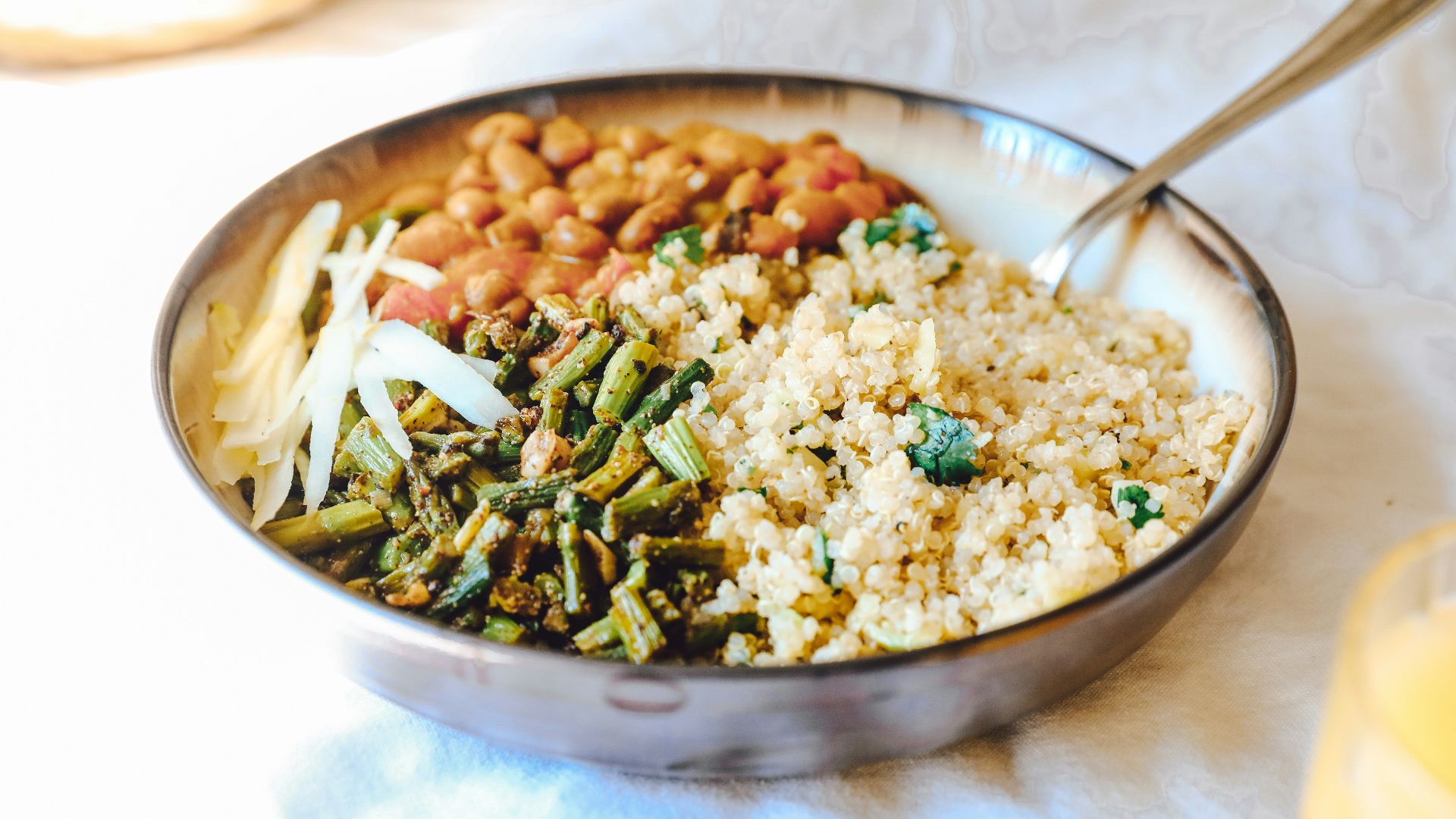
KWIN-oh-uh has been the default for years, and it sounds like a medication commercial. You’ll often hear KEEN-wah, quick and tidy, like the grain’s entire brand strategy. It’s the word equivalent of meal-prep containers: efficient, a little smug, and everywhere.
 Shashi Chaturvedula on Unsplash
18. Ricotta
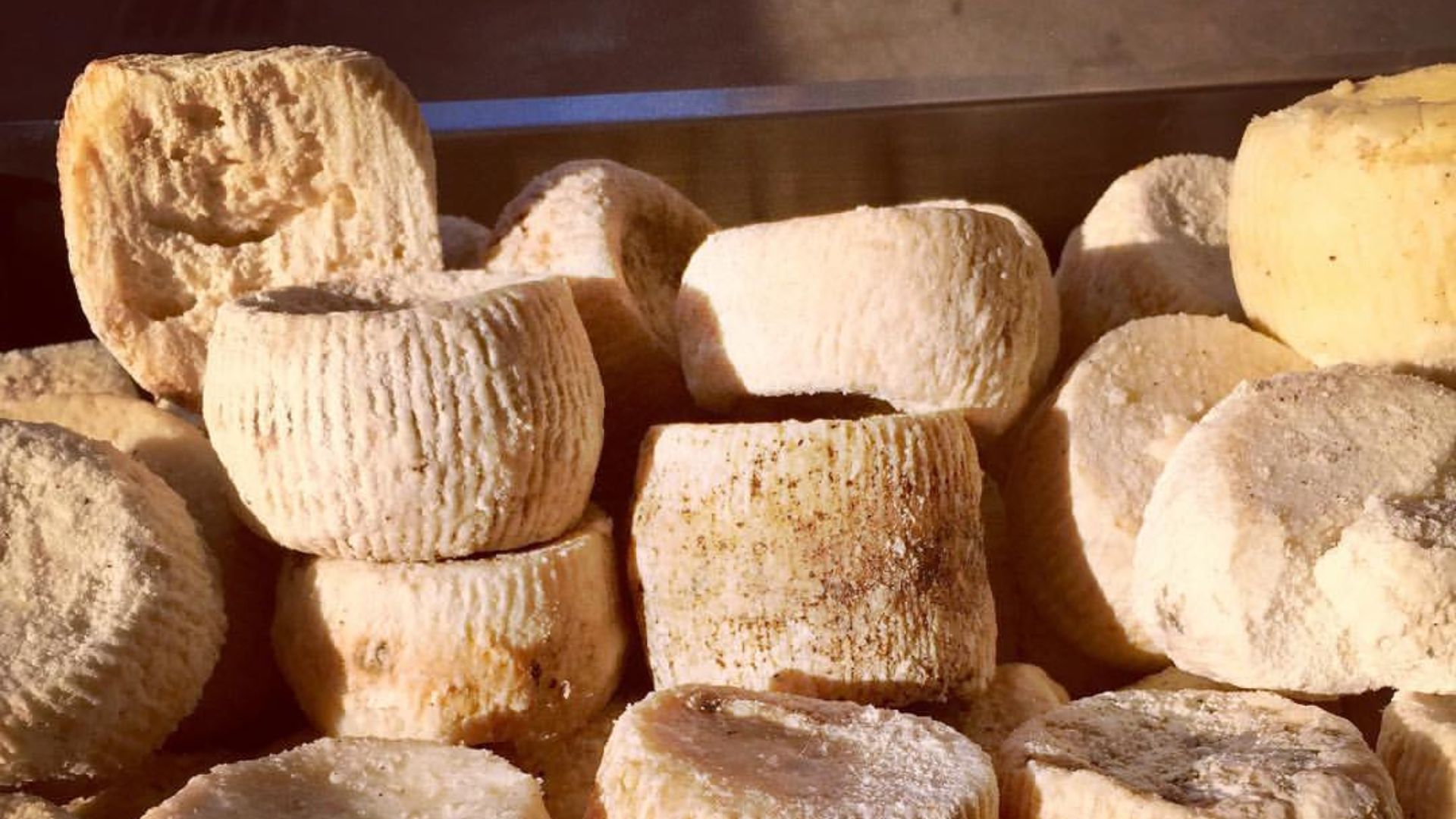
Rih-COT-uh is common, and it’s not a disaster, but it can sound a bit heavy. You’ll often hear a softer rih-KOH-tuh, with the middle syllable rounding out. Either way, it still ends up folded into pasta like a warm secret.
 commons.wikimedia.org on Google
19. Sriracha
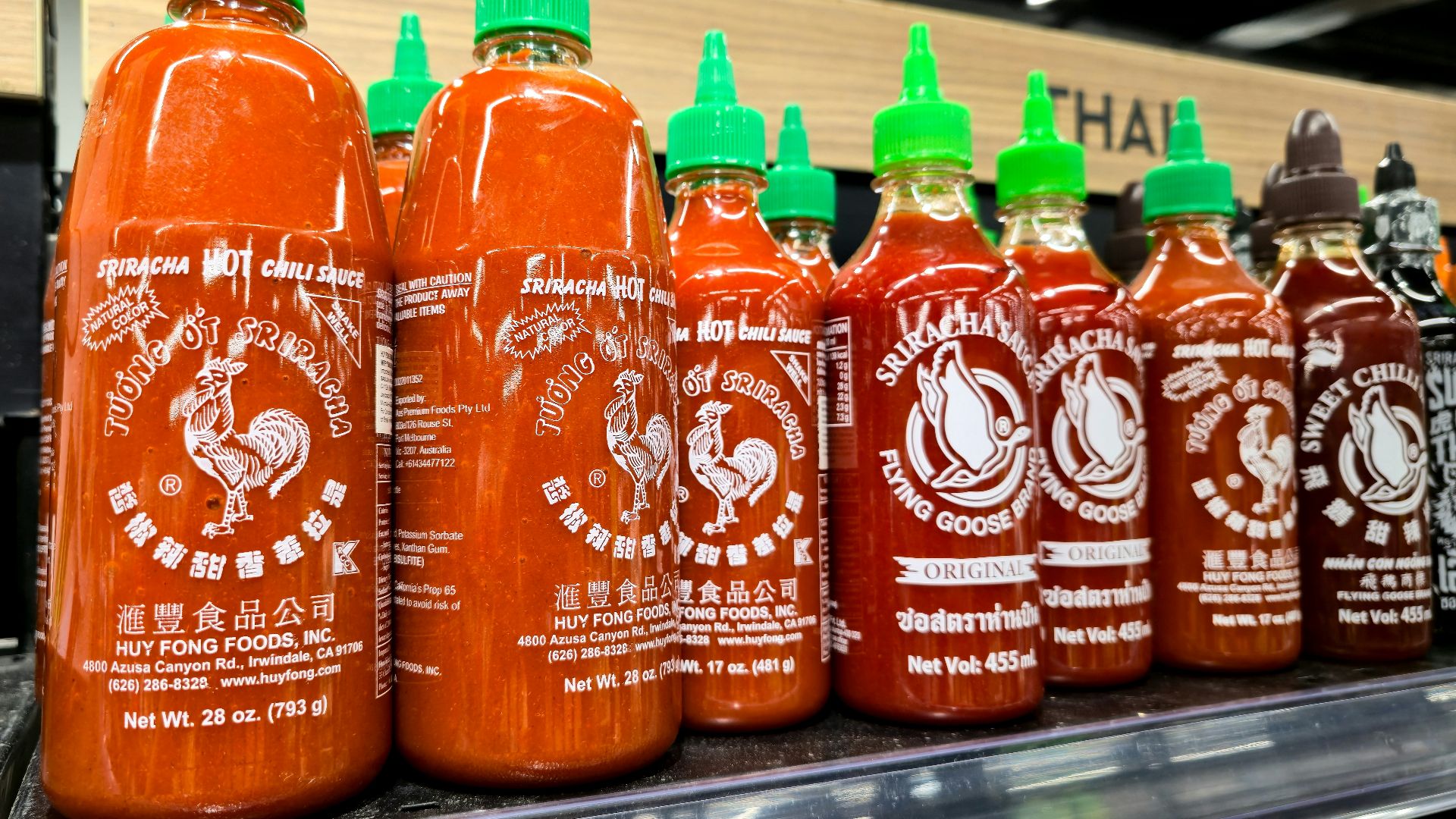
It gets scrambled into suh-RAH-chuh or sree-RAH-chuh, depending on who’s holding the bottle. You’ll often hear sir-AH-chuh, with the first syllable relaxed, not stretched into a dramatic runway walk. The sauce is loud enough; the pronunciation doesn’t have to be.
20. Worcestershire
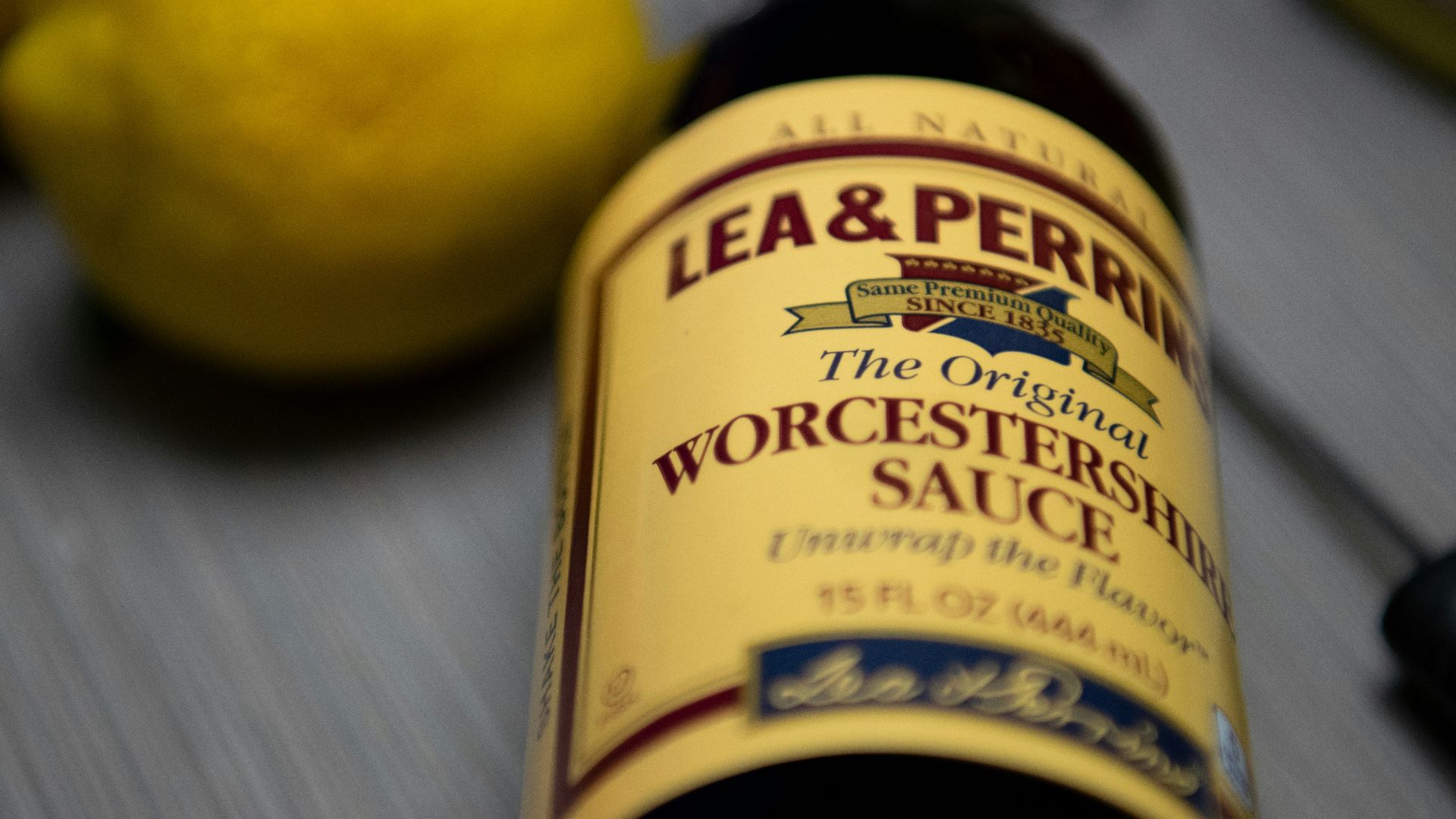
This word looks like it lost a fight with the alphabet. In American kitchens, you’ll usually hear something like WUSS-ter-sher or WUSS-ter-sheer, and nobody’s judging the exact ending as long as you don’t pronounce every single letter. It’s a condiment, not a spelling bee.
KEEP ON READING

The 5 Most Consumed Foods in the Entire World