The Difference Between Wasting Food and Making the Most of It
Leftovers are one of the easiest ways to save money, cut down on food waste, and get a head start on tomorrow's meals, but only if you're storing them correctly. Most people have a general idea of what to do—stick it in the fridge, cover it up, eat it later—but the steps matter more than you'd think, and a few mistakes can turn perfectly good food into something you'll have to toss. Whether you're meal prepping for the week or just trying to get another dinner out of last night's roast, understanding what not to do is just as important as knowing what works.
1. Storing Food While It's Still Hot
Sticking hot food directly into the fridge might seem like the responsible thing to do, but it actually raises the internal temperature of your refrigerator and puts other stored foods at risk. The FDA recommends letting food cool to room temperature before refrigerating, though you shouldn't leave it out for longer than two hours. Letting it rest on the counter for a bit before covering and storing it is a simple step that protects both your food and your fridge.
2. Using the Wrong Containers
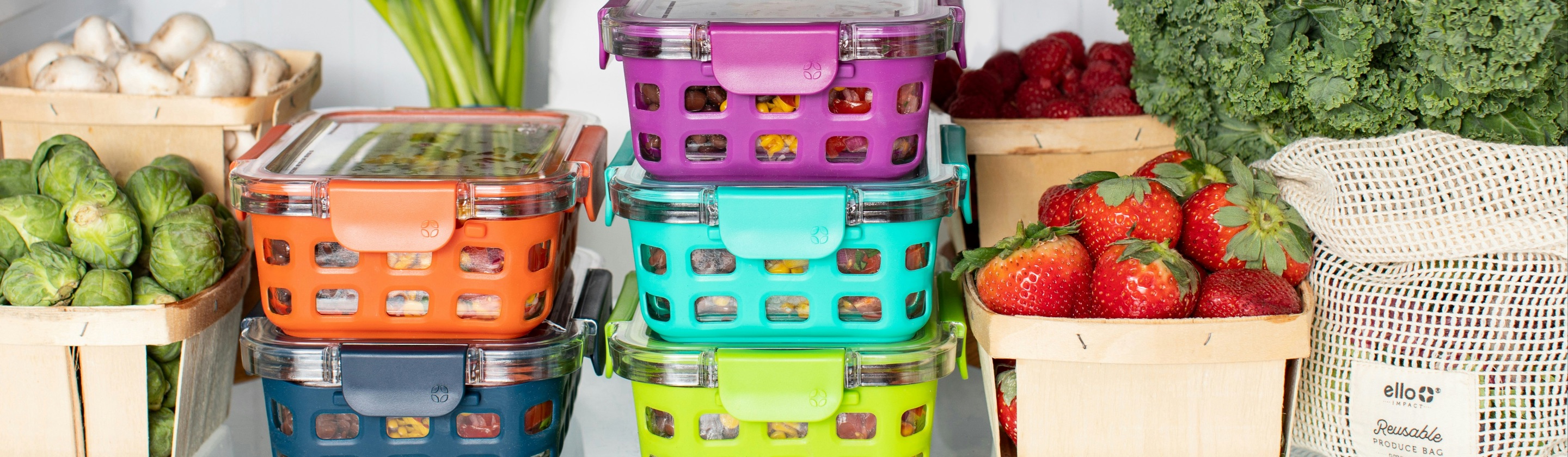
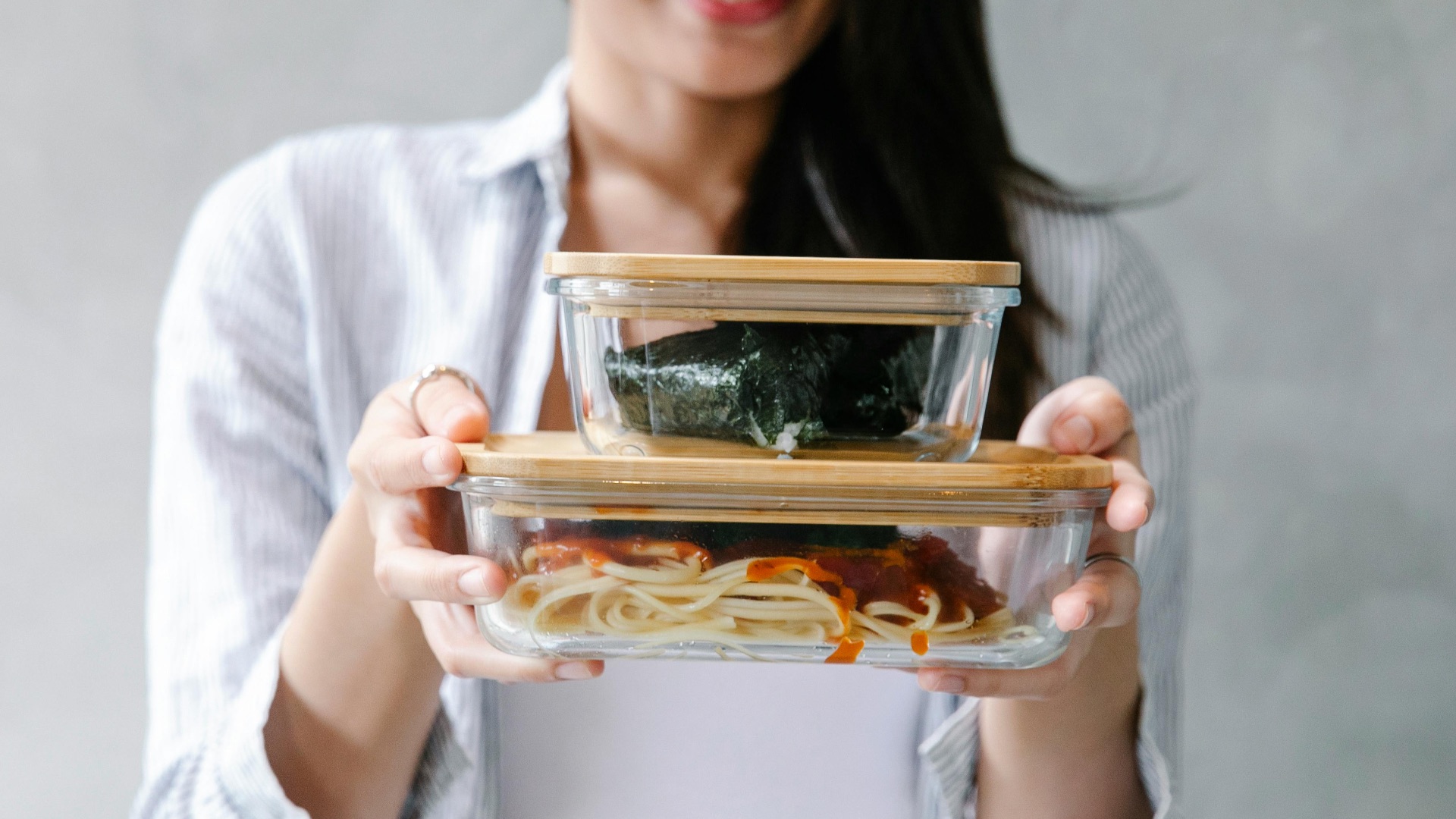
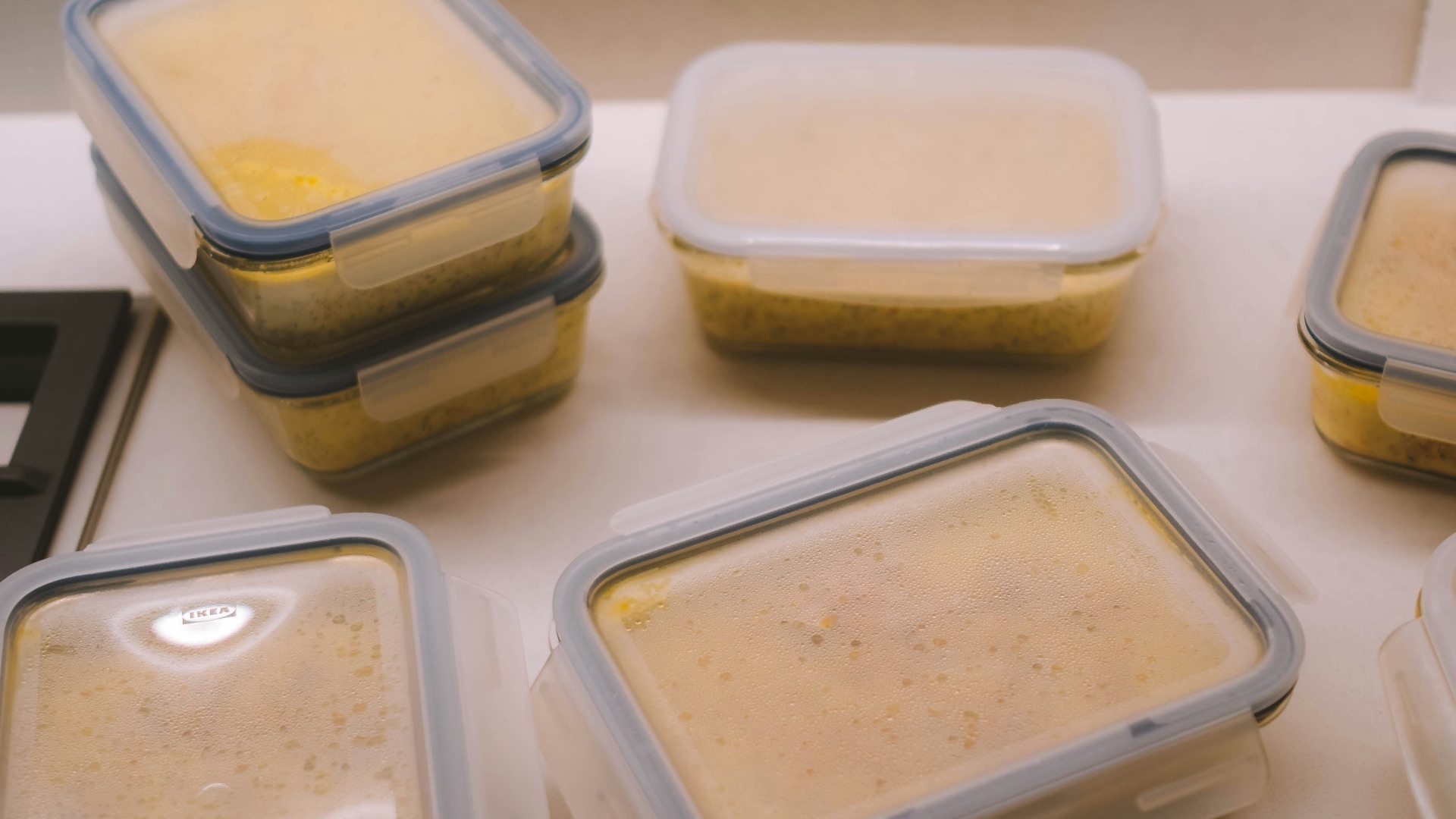
Not all containers are created equal, and using ones that aren't airtight means your food is exposed to air, moisture, and odors from other items in the fridge. Flimsy takeout containers, for example, often don't seal properly and can cause food to dry out or absorb unwanted smells far more quickly than you'd expect. Investing in a good set of airtight glass or BPA-free plastic containers makes a genuine difference in how long your leftovers stay fresh.
3. Skipping the Date Label
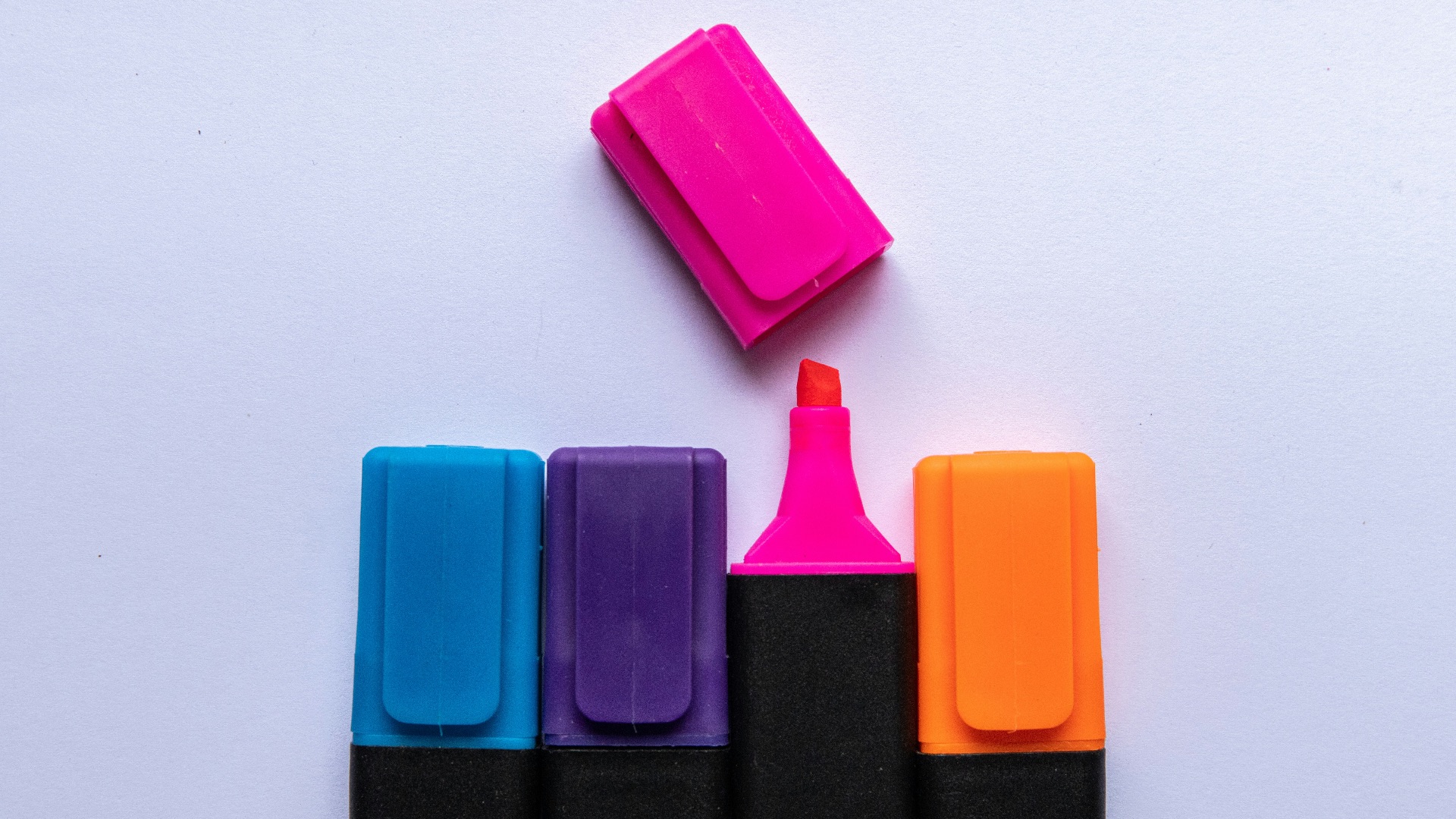
It's easy to convince yourself that you'll remember when you made something, but a week later, that container of soup becomes something you'd rather not touch. Leftovers have a limited shelf life in the fridge, and without a date on the container, you're essentially guessing whether food is still safe to eat. A simple piece of masking tape and a marker take about five seconds and can save you from a very unpleasant situation.
4. Storing Everything Together in One Large Container
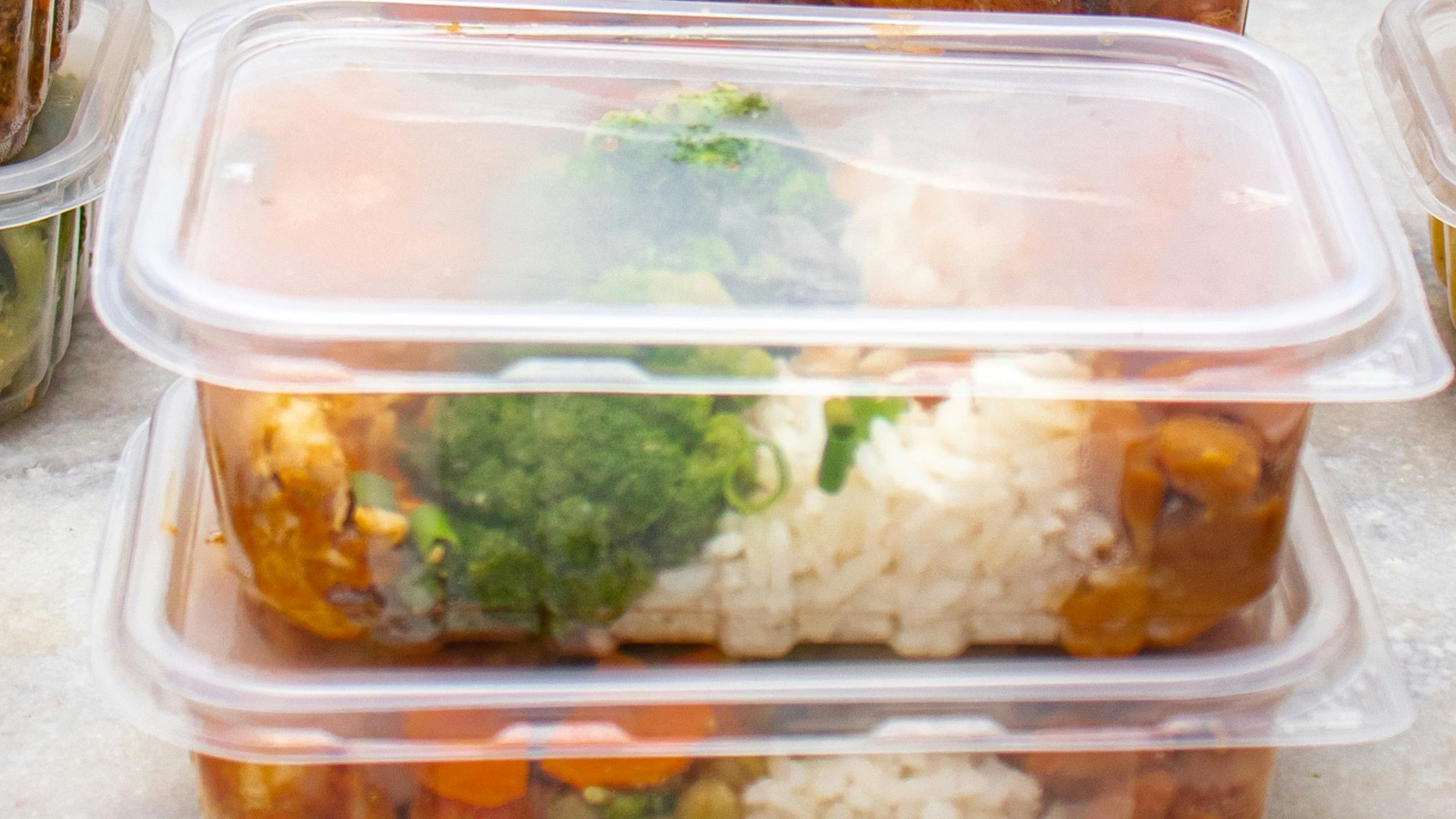
Combining all your leftovers into one big container feels efficient, but it actually makes reheating harder and can compromise the quality of the individual components. Different foods have different reheating requirements, and mixing them together often means some parts end up overcooked while others are barely warm. Keeping proteins, grains, and vegetables in separate containers gives you more flexibility and better results when it's time to eat.
5. Leaving Food Uncovered in the Fridge
Popping a plate directly into the fridge without any covering might seem harmless for a short period, but uncovered food dries out quickly and picks up odors from everything else in your refrigerator. This is especially problematic for foods with strong aromas, since those smells transfer easily and can affect the taste of other dishes. Even a layer of plastic wrap or a reusable silicone cover is enough to make a significant difference.
 Nicolas J. Barbier on Unsplash
6. Overpacking the Refrigerator
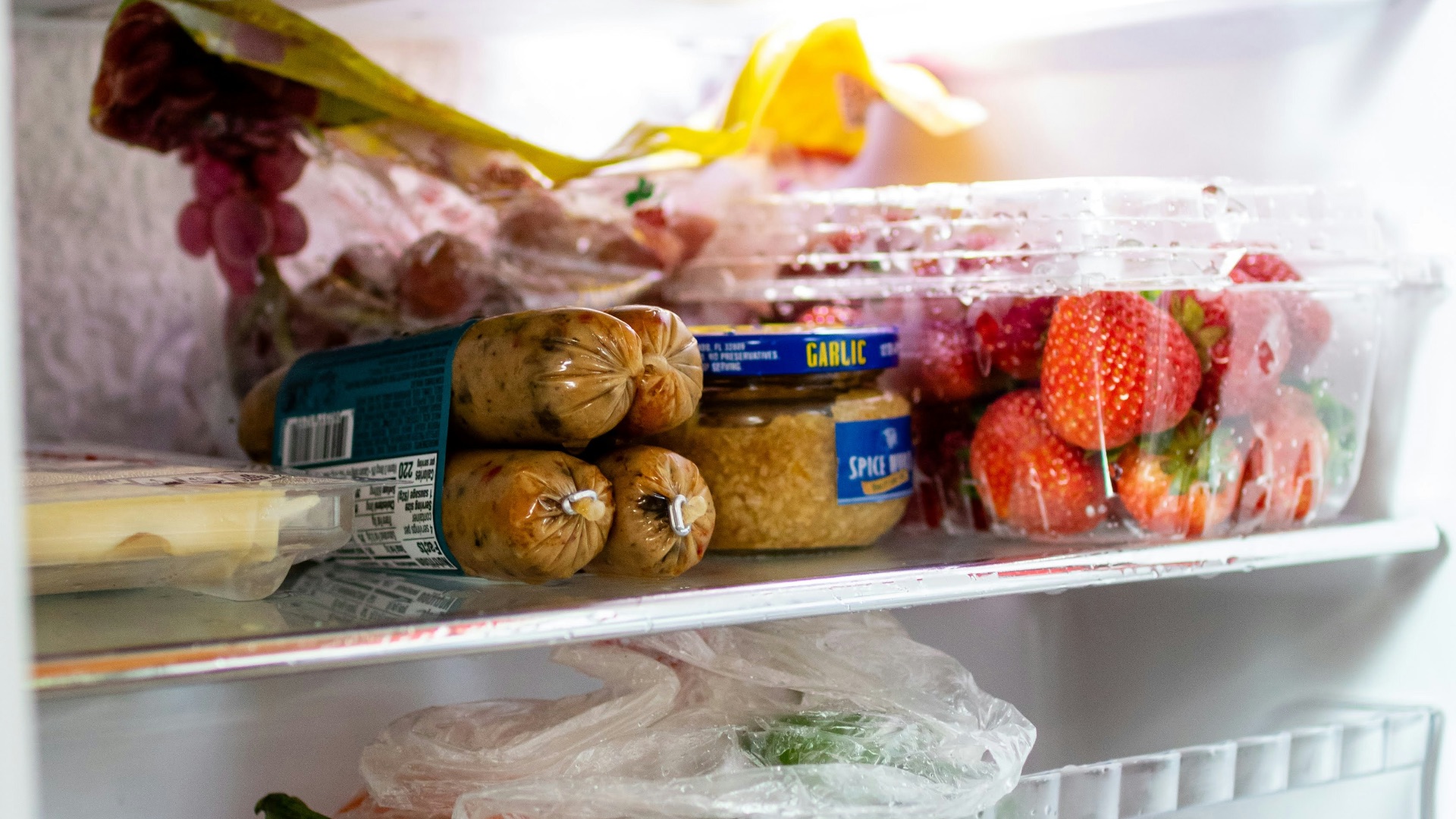
A packed fridge might feel productive, but when there's too much crammed inside, cold air can't circulate properly and the temperature becomes uneven throughout. This means some areas of your fridge may not be staying cold enough to keep food safe. Keeping your fridge organized and at about three-quarters capacity gives the cold air room to do its job effectively.
7. Storing Leftovers in the Door Shelves
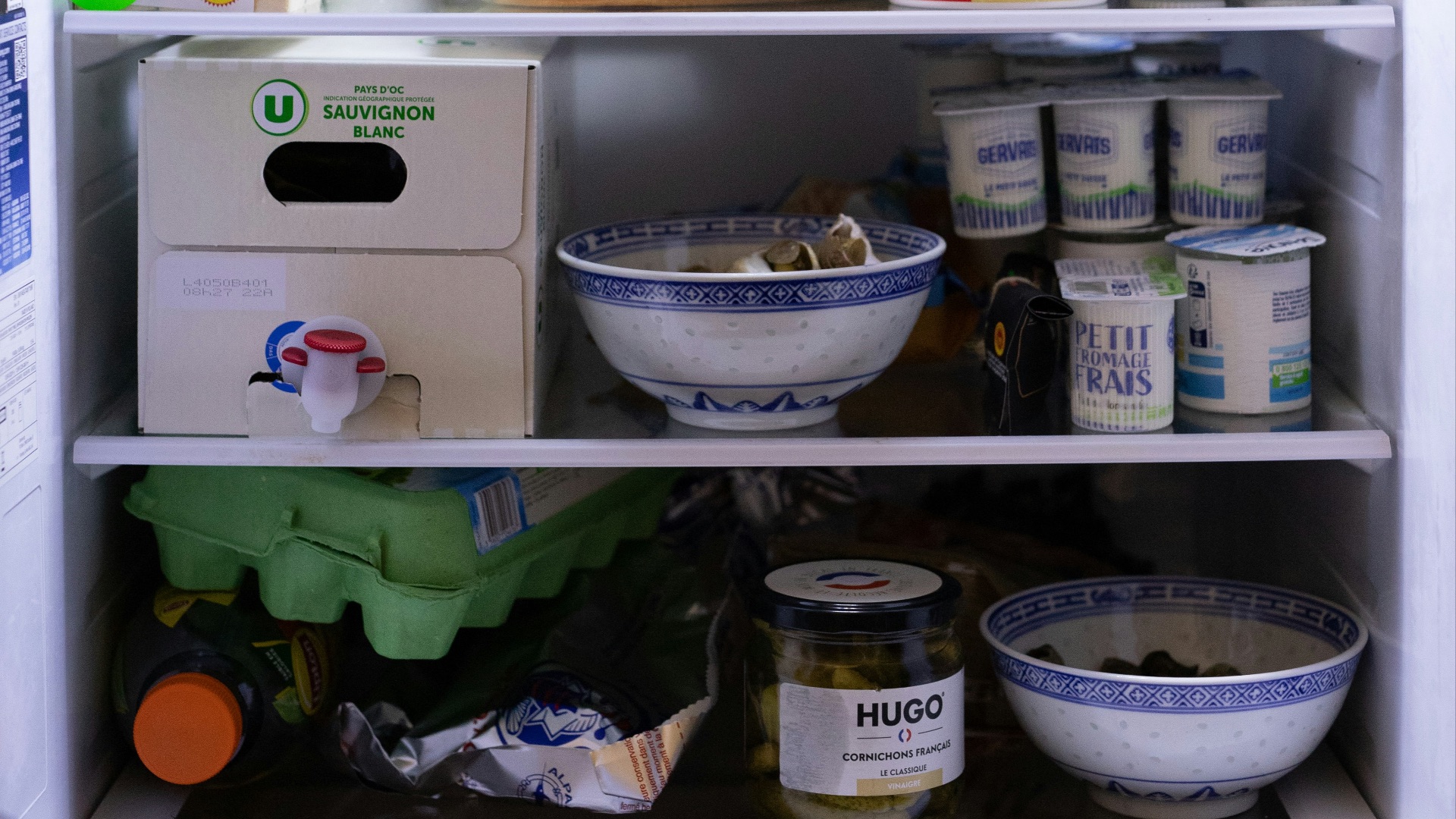
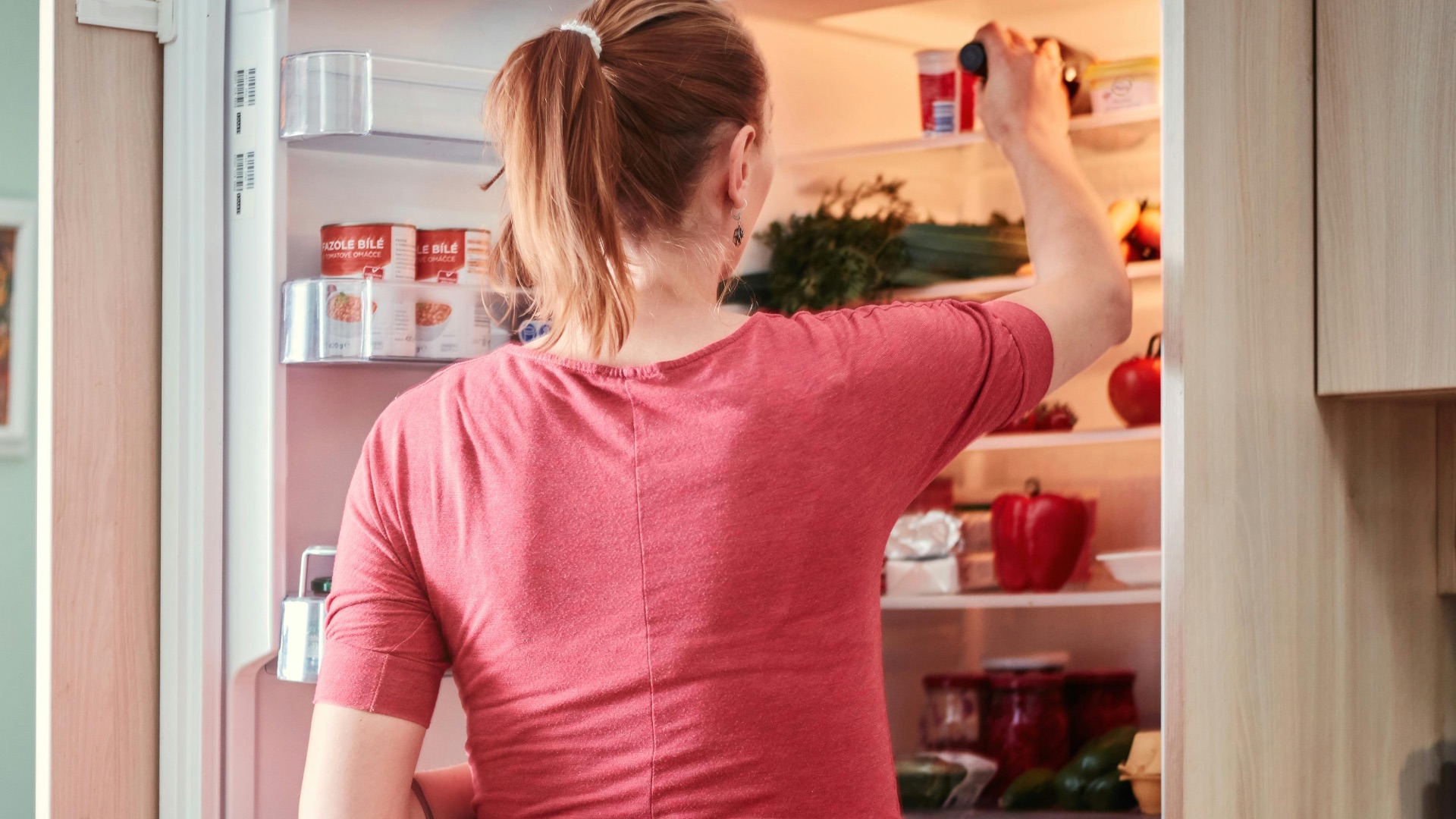
The door of your refrigerator experiences the most temperature fluctuation of any area because it's exposed to warm air every time you open it, making it the worst place to store perishable leftovers. Most people use the door for condiments, which is fine, since those tend to have higher acidity and preservatives, but cooked food needs a more stable environment. The middle or back shelves of the main compartment maintain a much more consistent temperature and are better suited for leftovers.
8. Waiting Too Long to Freeze Food
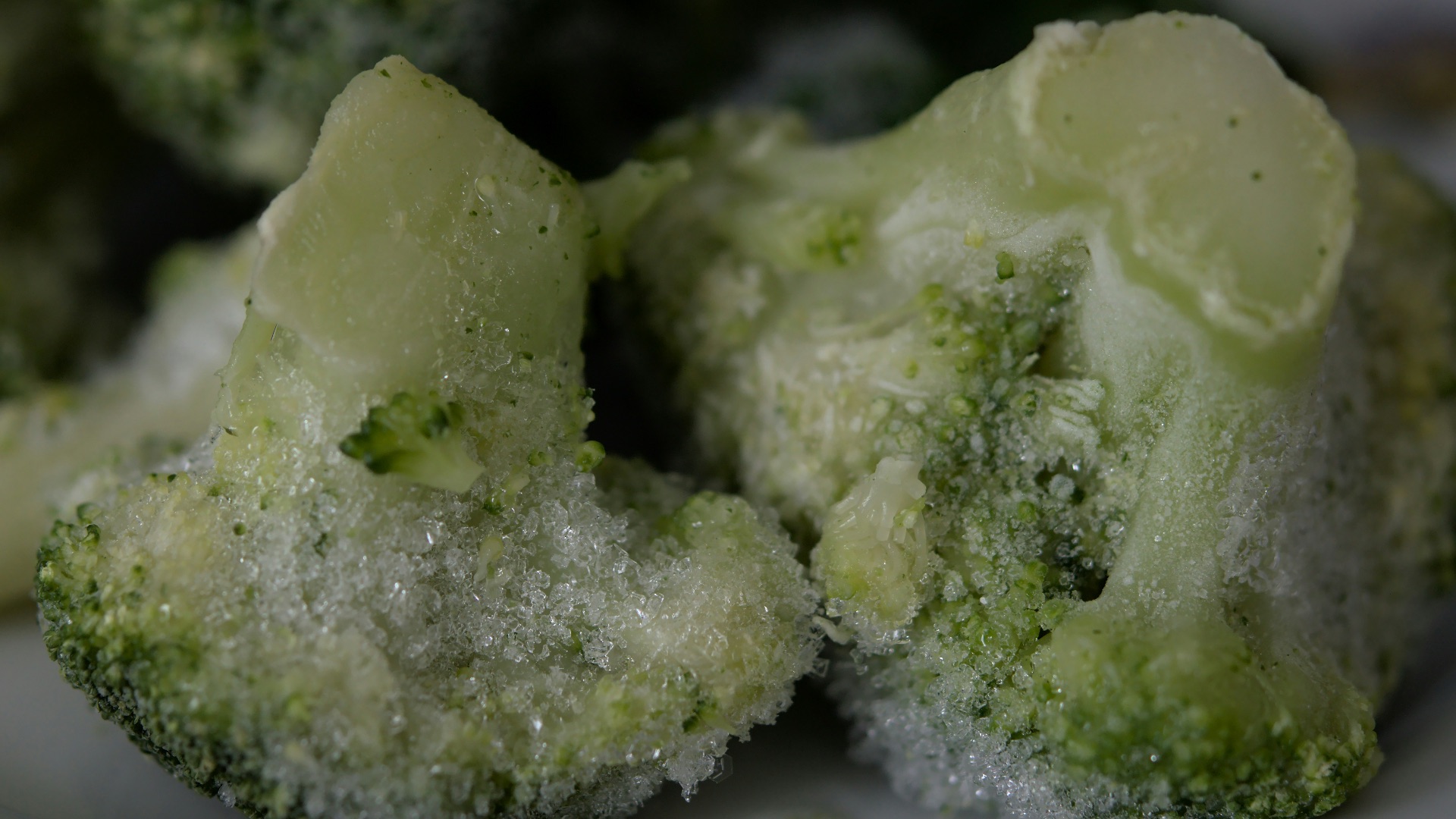
A lot of people wait until food has already been sitting in the fridge for several days before deciding to freeze it, at which point the quality has already declined significantly. Freezing food doesn't restore freshness; it preserves whatever state the food is in at the time it goes in, so the sooner you freeze it, the better it'll taste when you thaw it. If you know you're not going to eat something within the next two or three days, freeze it right away.
9. Not Cooling Food Evenly Before Storing
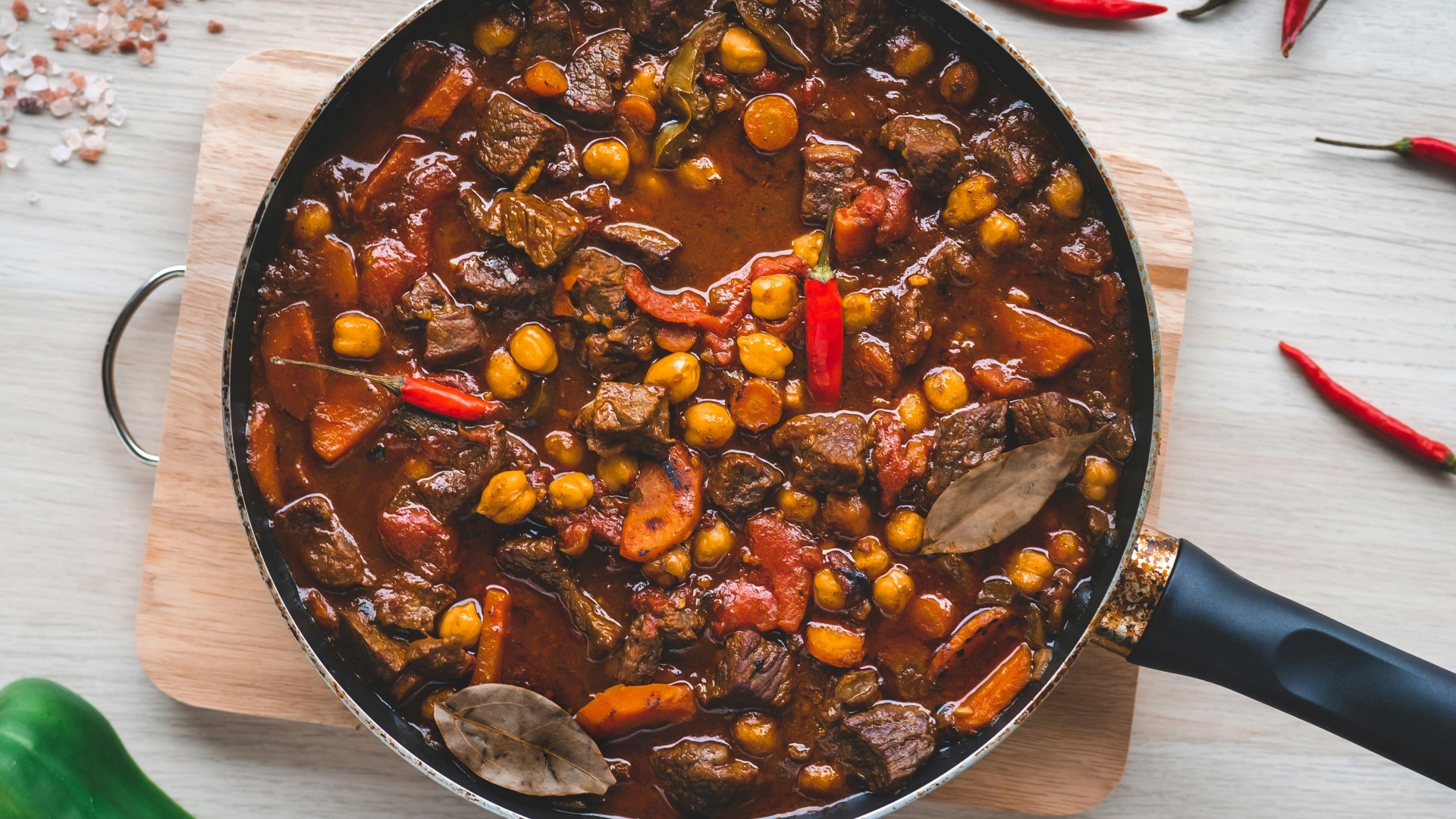
Large portions of food, like a whole pot of stew or a big batch of rice, take much longer to cool in the center than on the outside, which can create a window where bacteria multiply rapidly in the middle of the dish. Many people don't account for this and simply cover the pot and put it in the fridge, assuming it'll cool down properly on its own. Spreading food into shallower containers or dividing it into smaller portions helps it cool evenly and quickly, reducing that risk considerably.
10. Ignoring Signs That Food Has Gone Bad
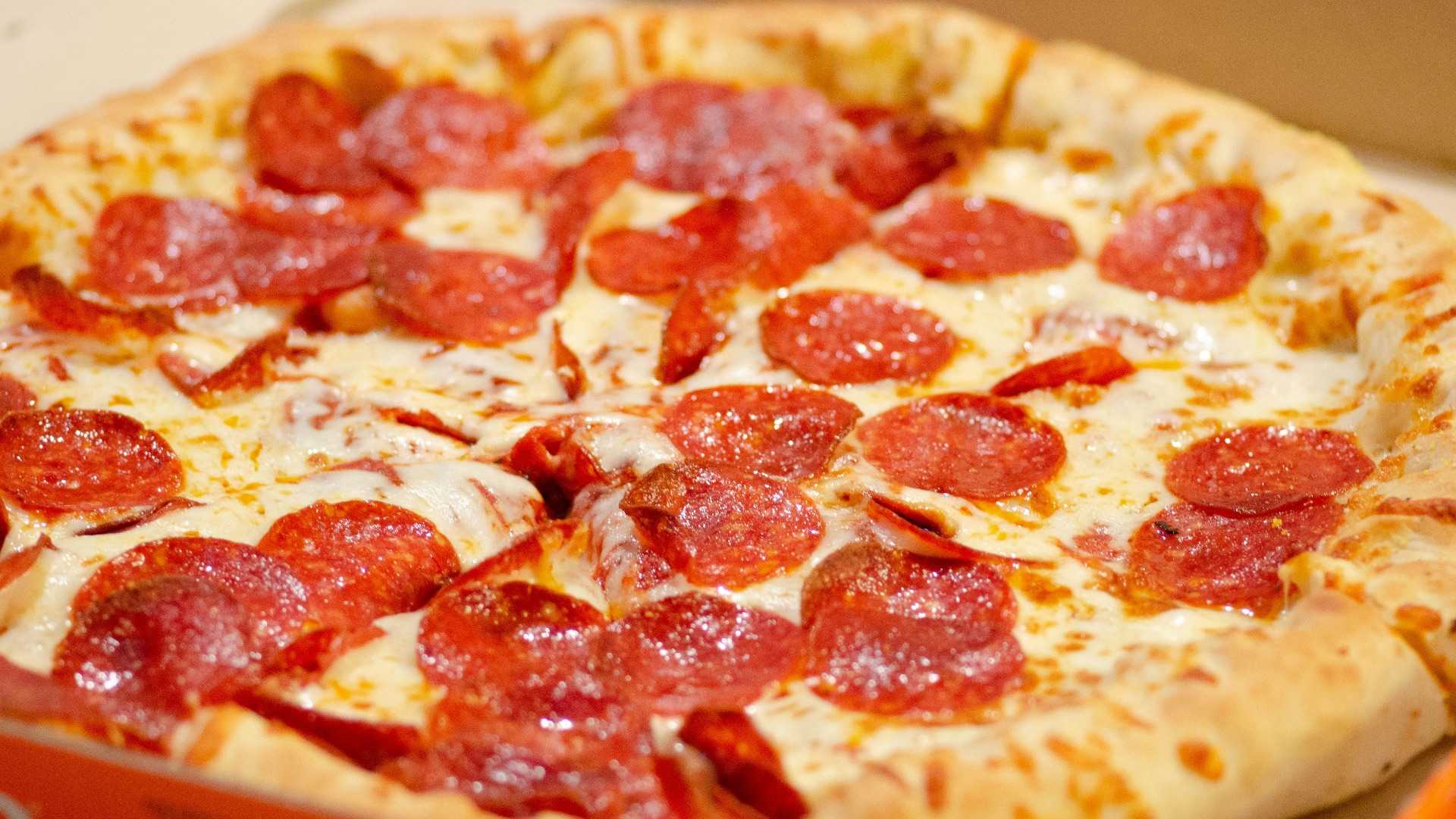
It's surprisingly common for people to eat leftovers that have been in the fridge for five or six days simply because they don't look obviously spoiled, but appearance isn't always a reliable indicator of safety. Some bacteria that cause foodborne illness don't produce visible mold or obvious odors, so relying on a sniff test alone isn't a foolproof method. When in doubt, following the general guideline of consuming refrigerated leftovers within three to four days is the safest approach.
So, what are better ways to store your leftovers? Here are 10 smarter tips you should start following.
1. Portion Your Leftovers Before Refrigerating
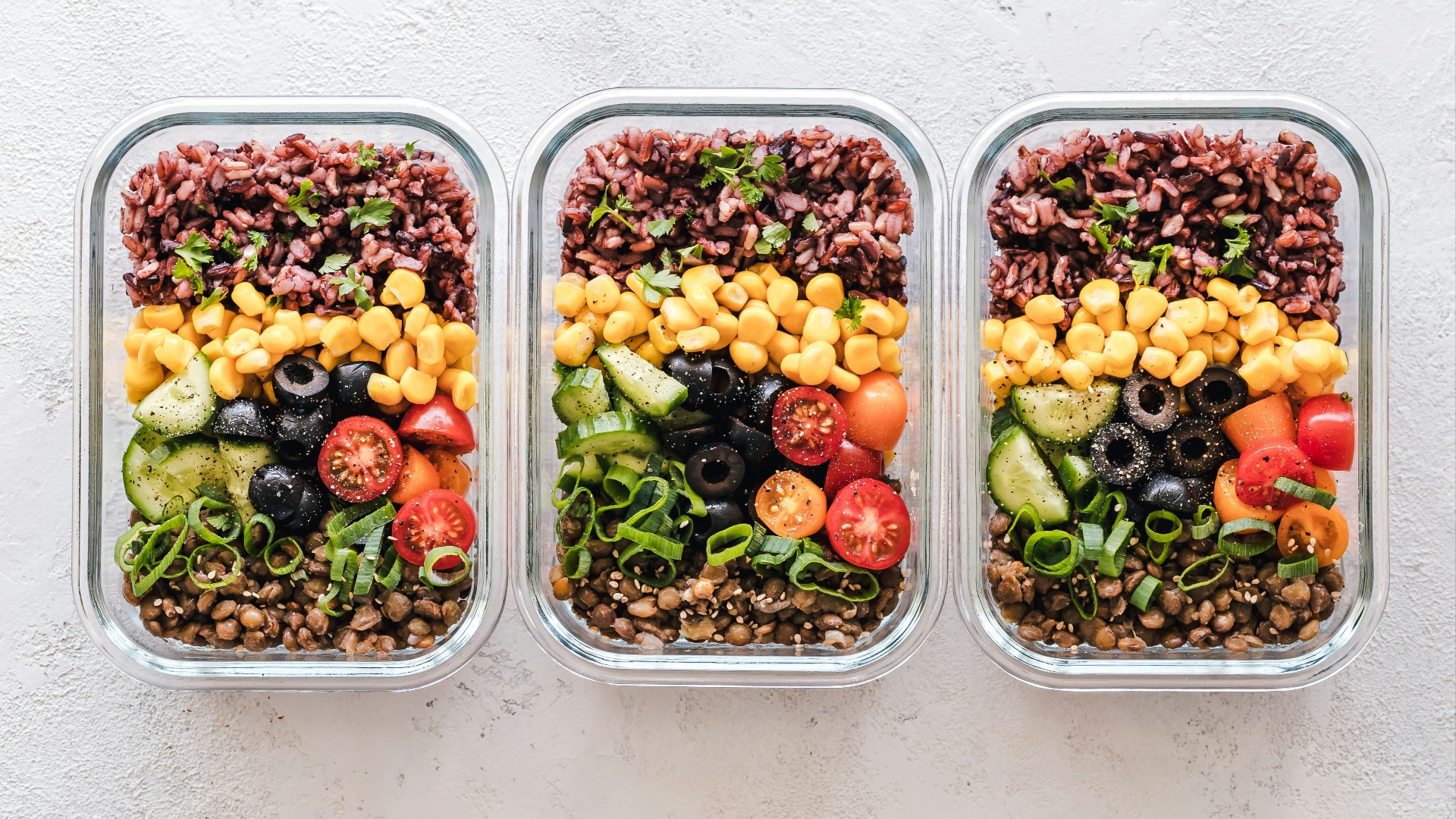
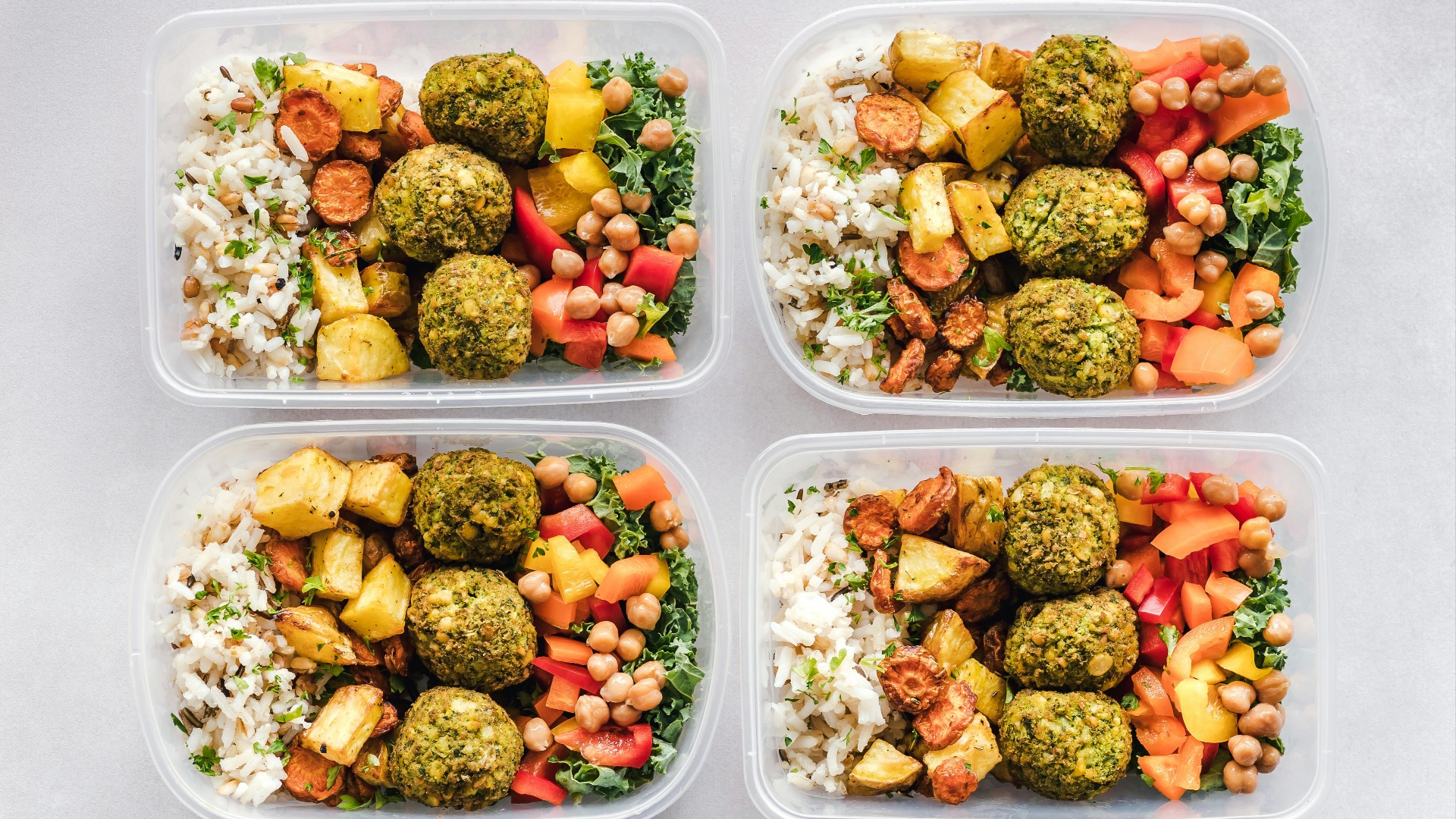
Rather than storing an entire dish in one container, dividing it into individual serving sizes before it goes into the fridge makes your future meals much easier to manage. This approach helps food cool faster, makes reheating more efficient, and means you're only taking out exactly what you need without disturbing the rest. It takes a few extra minutes upfront but genuinely simplifies your routine throughout the week.
2. Use Shallow Containers to Speed Up Cooling
Shallow, wide containers allow heat to escape from food much more efficiently than deep ones, which means your leftovers reach a safe temperature faster after cooking. This is particularly helpful for soups, stews, and casseroles, which retain heat for a long time when stored in tall or narrow containers.
3. Create a First In, First Out System
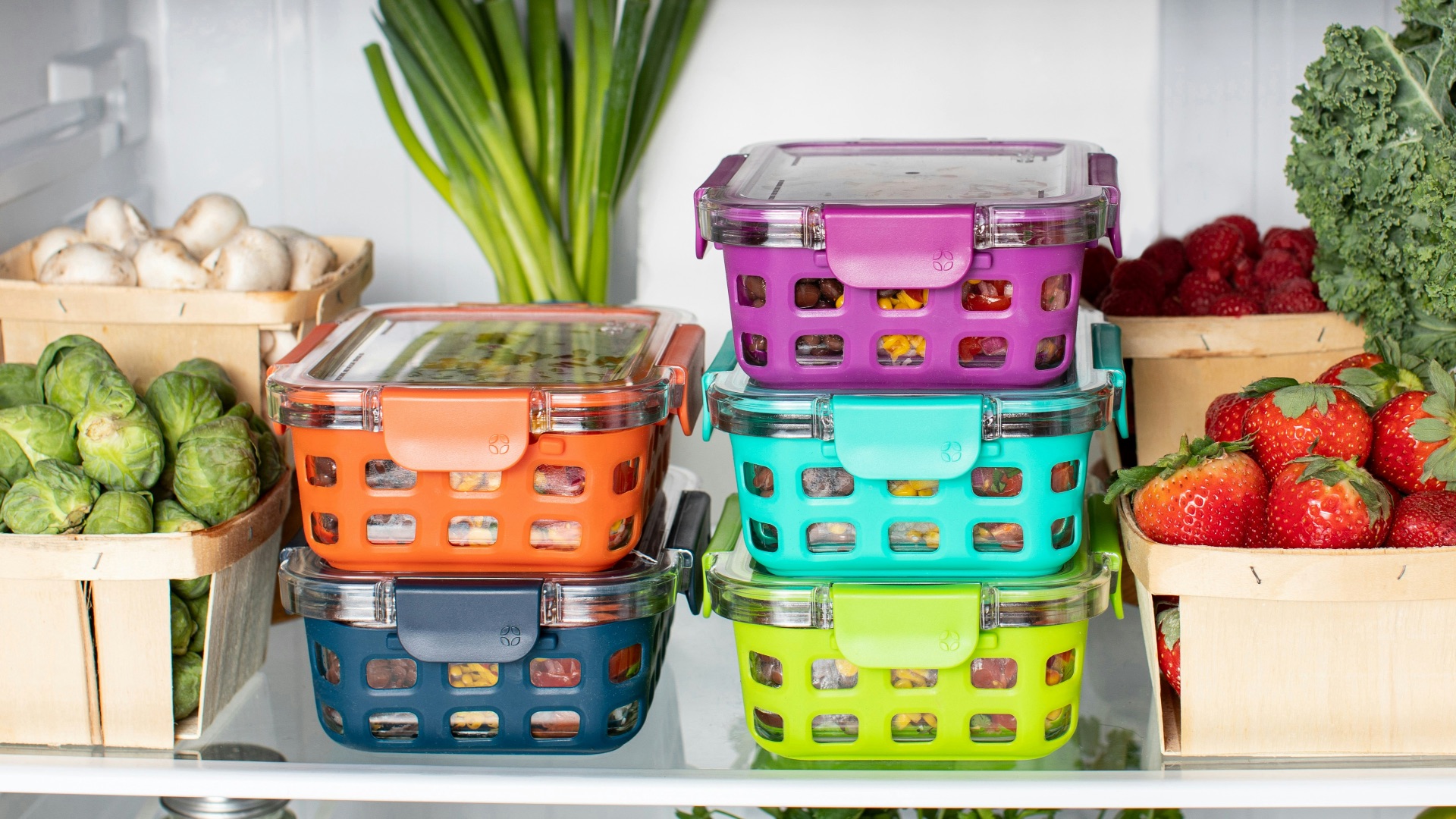
Adopting the same principle that grocery stores use by moving older items to the front and placing newer ones behind them, helps ensure that nothing gets forgotten at the back of the fridge. When you add new leftovers, take a moment to rearrange so the older containers are the first ones you'll grab next time you open the fridge. This simple organizational habit can cut down on food waste more than almost anything else.
4. Vacuum Seal Foods You're Planning to Freeze
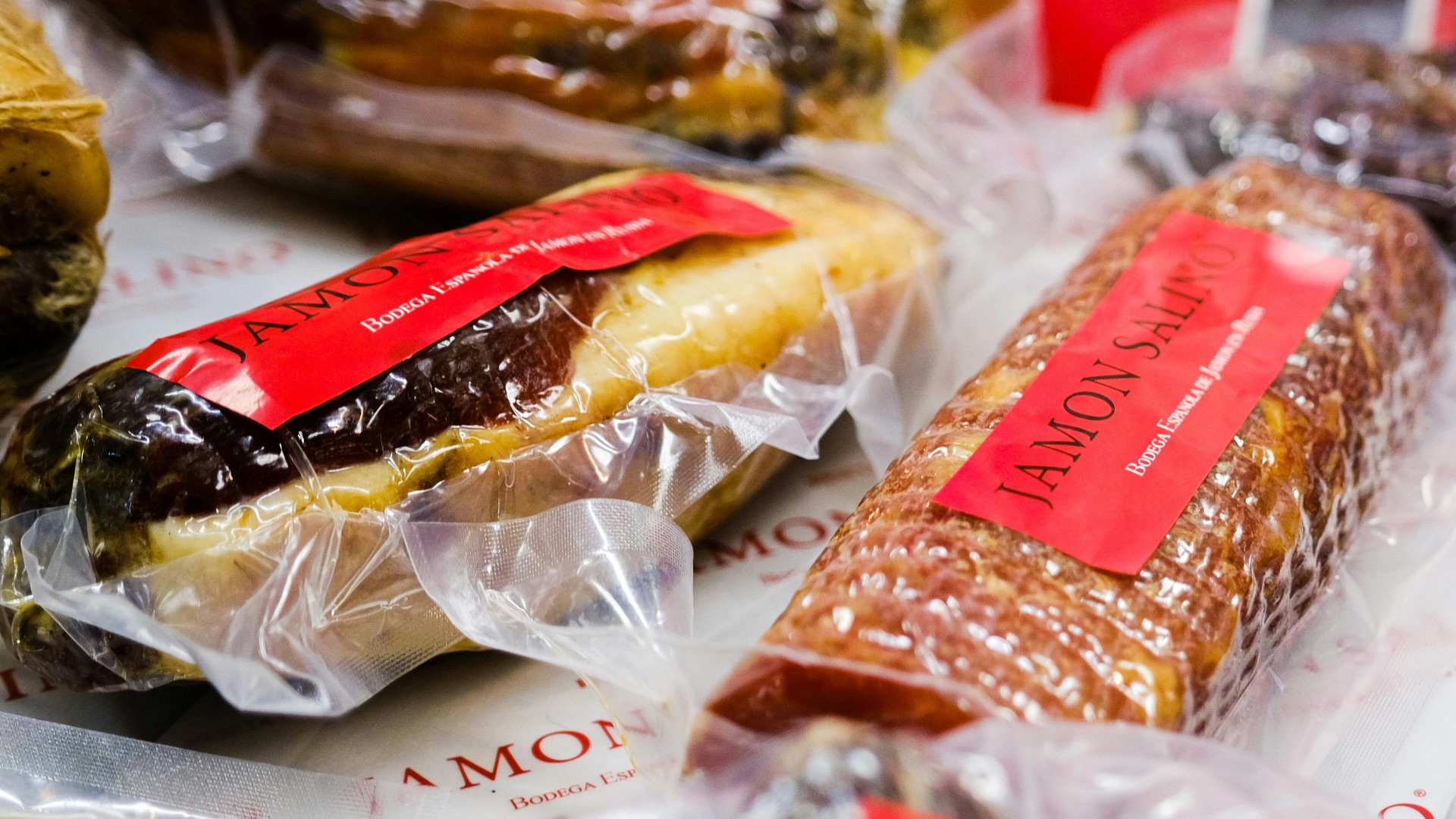
If you're freezing leftovers, a vacuum sealer is one of the best tools you can own because it removes the air that causes freezer burn and significantly extends how long the food stays at good quality. Foods stored in standard zip-top bags can develop that dry, icy texture within a few weeks, while vacuum-sealed items often stay in great condition for several months. The upfront cost of a vacuum sealer is easily offset by how much less food you'll end up throwing away over time.
5. Keep a Running Inventory of What's in Your Freezer
It's very easy to forget what's tucked away in your freezer, especially if you're regularly adding to it, and that leads to food eventually getting buried and never eaten. Keeping a simple list on the outside of the freezer door—with the item name and the date it was stored—saves you from doing archaeology every time you want to find something. You can even use a small whiteboard or a notepad held on with a magnet to make updating it quick and convenient.

6. Cool Soups and Liquids with an Ice Bath
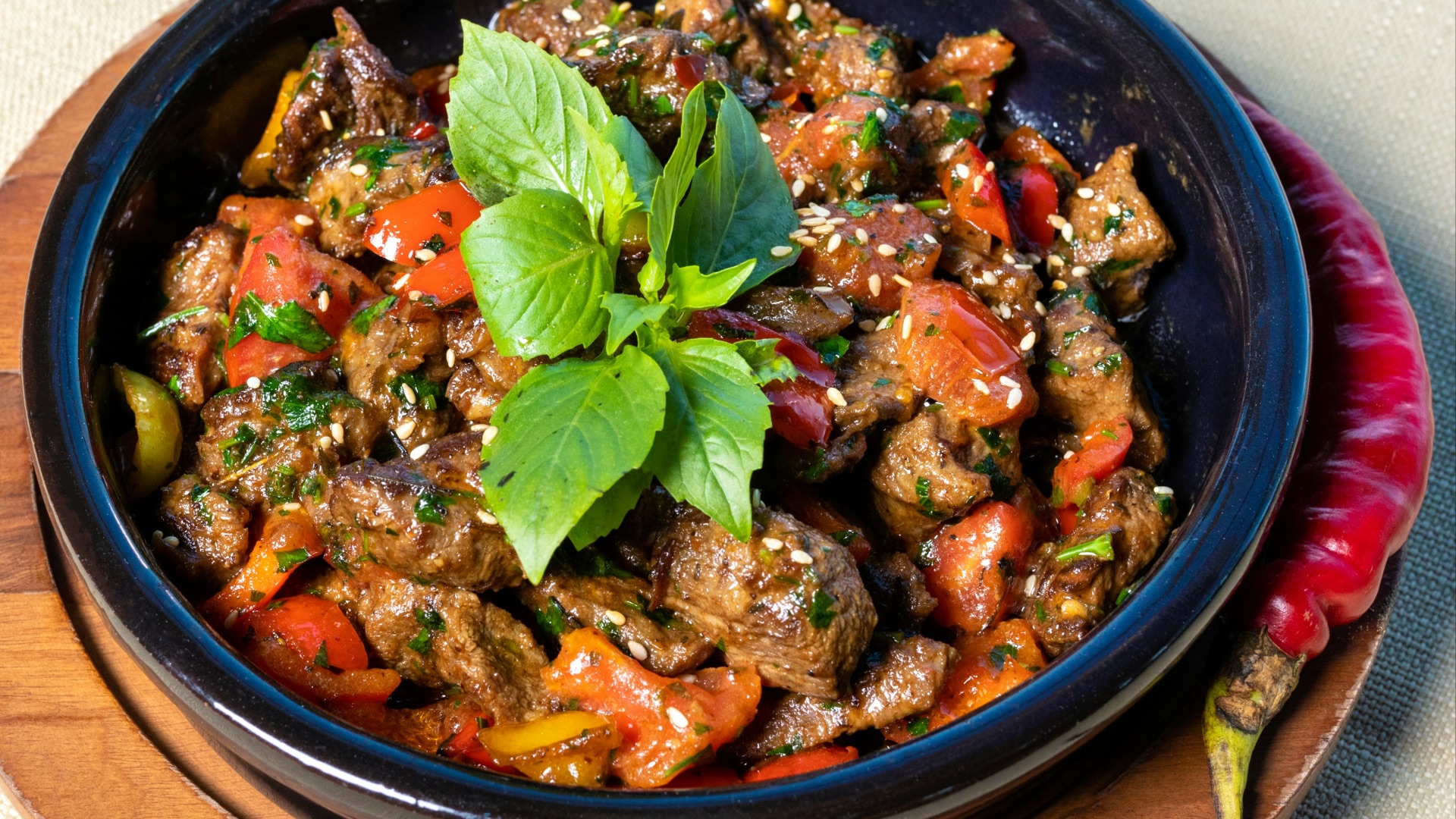
For large pots of broth, soup, or sauce, placing the pot in a sink filled with ice water and stirring occasionally is one of the most effective ways to bring the temperature down quickly before refrigerating. This technique is used in professional kitchens specifically because it reduces the time food spends in the temperature danger zone, which is between 40°F and 140°F. Once the pot feels cool to the touch on the outside, it's much safer to transfer the contents to storage containers and put them in the fridge.
 Farhad Ibrahimzade on Unsplash
7. Wrap Foods Individually Before Freezing
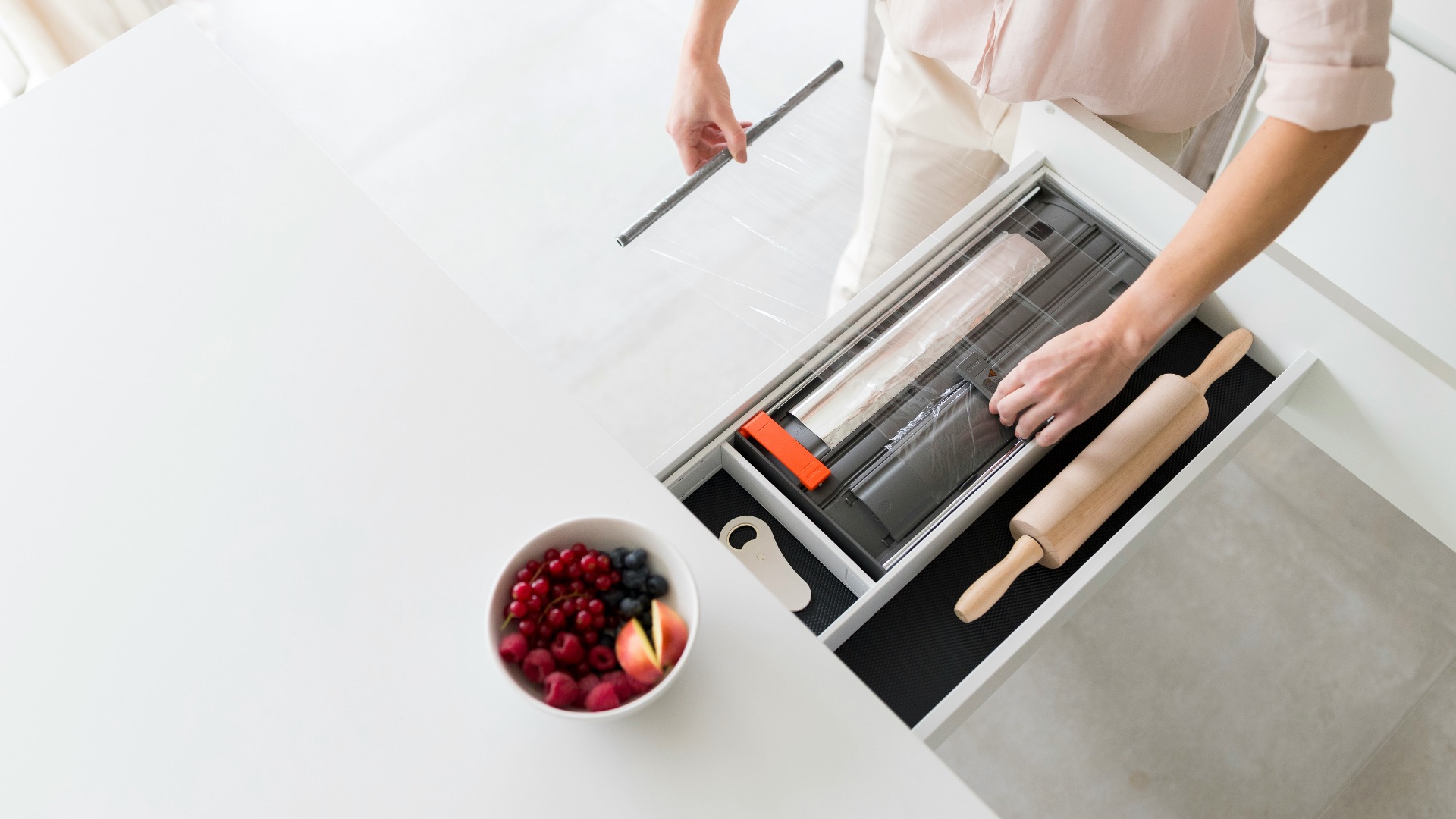
When freezing items like muffins, burger patties, or portions of lasagna, wrapping each piece individually before placing them all in a larger bag allows you to take out just one serving at a time without having to thaw the entire batch. This is especially helpful for breakfast foods or proteins that you want to grab on busy mornings without any extra planning. Plastic wrap followed by a layer of aluminum foil provides a solid moisture barrier and keeps individual pieces from sticking together.
8. Label Containers with Both the Date and Contents
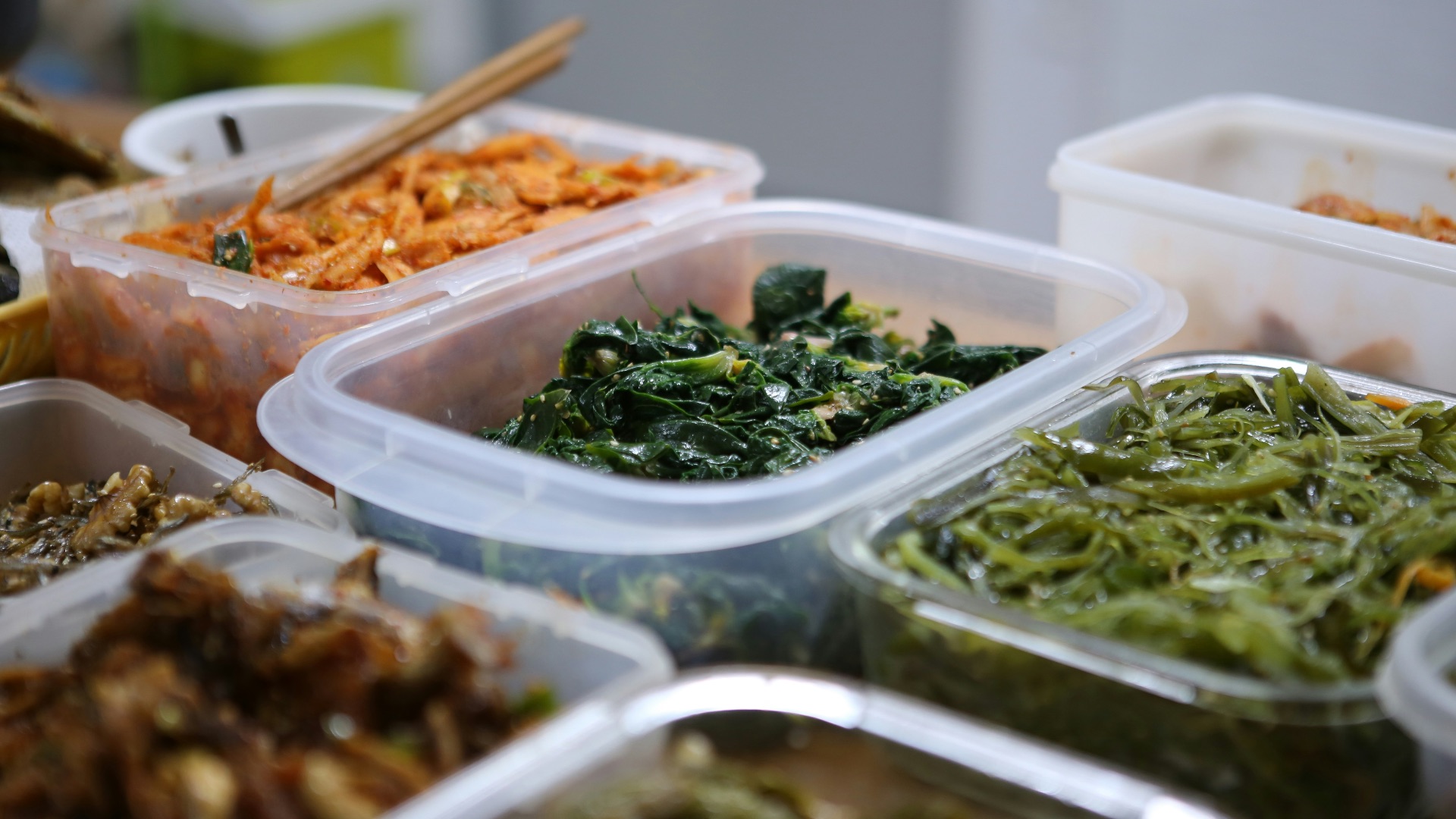
While dating your containers is a great start, adding a brief description of the contents saves you from having to open every mystery container to figure out what's inside. This is particularly useful for soups and sauces that can look very similar once they're stored in the fridge, as well as for any dish that might be hard to identify once it's chilled. A label that says something like "chicken soup, March 3" tells you everything you need to know at a glance without any guesswork.
9. Reheat Only What You'll Actually Eat
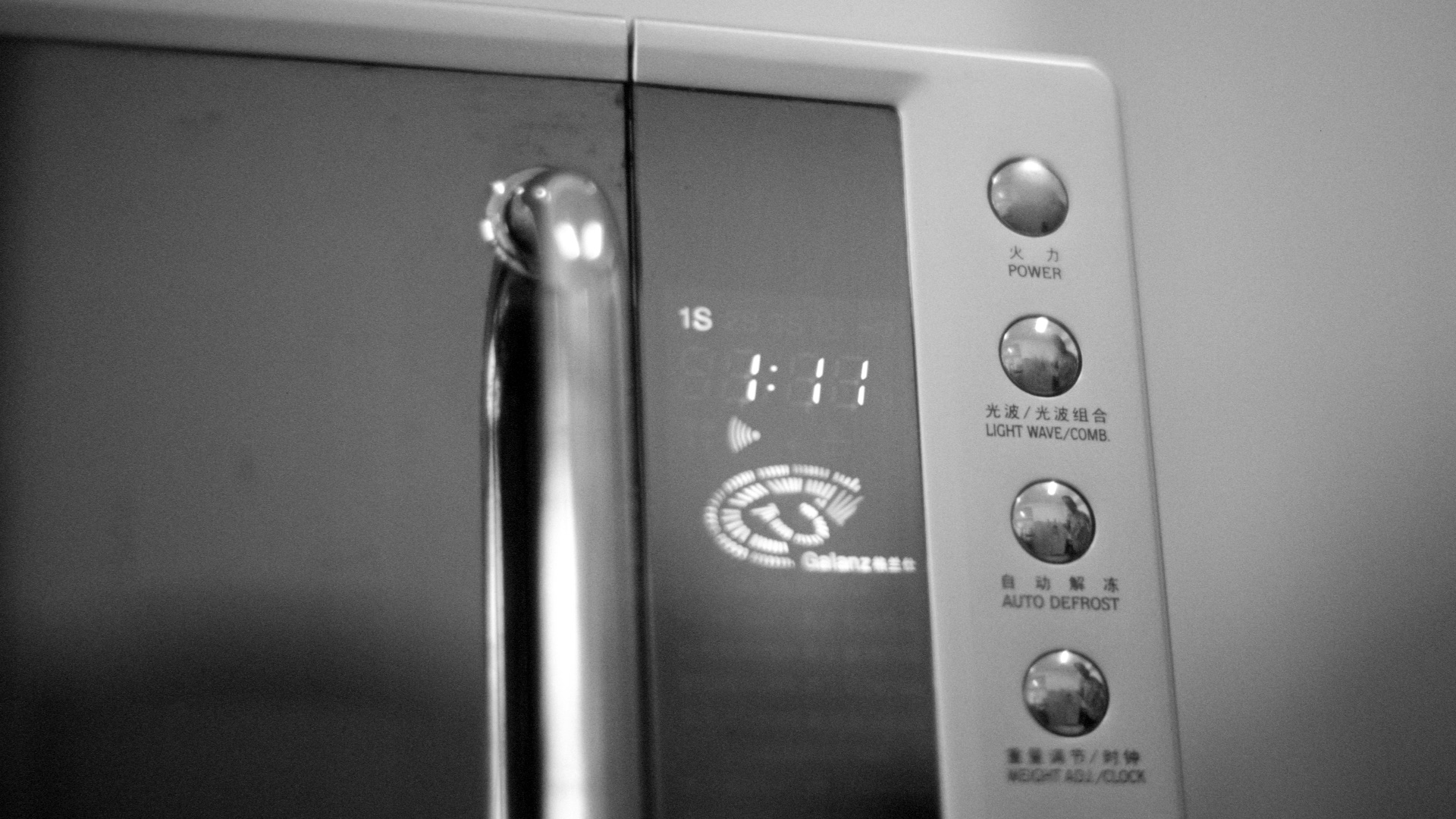
Rather than warming up an entire container of leftovers just to eat half of it, get into the habit of taking out only the portion you plan to finish in that sitting. Reheating food more than once significantly degrades its quality and, depending on how it's handled, can also raise food safety concerns. Keeping the rest of the batch cold and undisturbed until you're actually ready for it means it'll taste better and last longer overall.
10. Store Sauces and Proteins Separately
If you're saving a dish where the protein is already sitting in a sauce or broth, the meat will continue absorbing liquid as it sits in the fridge, which can make it soggy and alter the texture by the time you reheat it. Storing the sauce in one container and the protein or starch in another lets each component maintain its intended texture and makes reheating more controlled. When you're ready to eat, you can combine them during reheating and the dish will come out much closer to how it tasted when it was freshly made.
KEEP ON READING
20 Foods Used in Fertility Rituals Around the World
20 Foods That Taste Better the Next Day
10 Worst Campbell Soup Flavors & The 10 Best Ones