The "Shrinkflation" Squeeze: Why Your Favorite Cereal Box is Mostly Empty
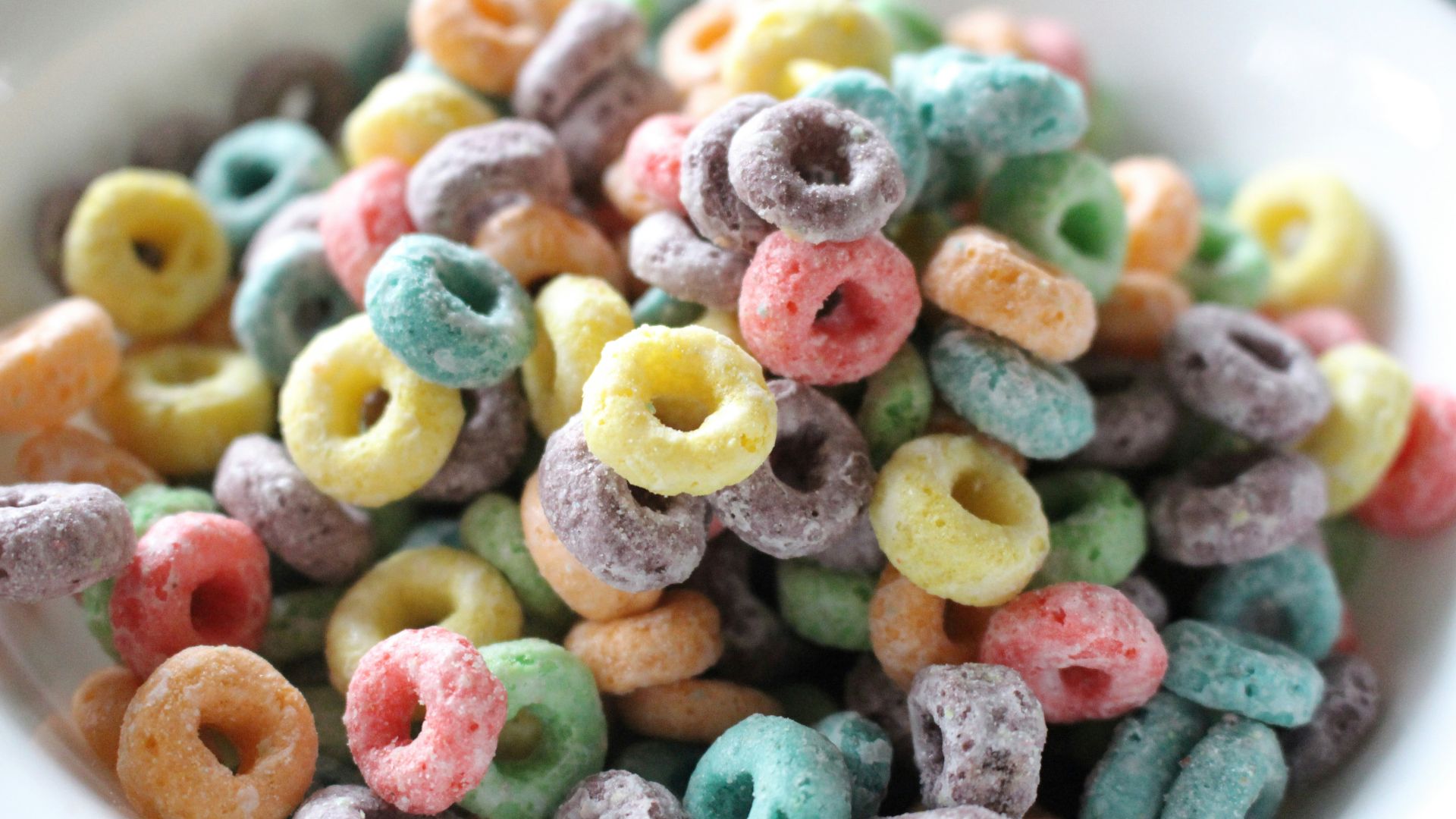
Have you ever poured yourself a bowl of breakfast cereal in the morning, only to realize you had to tilt the box nearly upside down just to get a single serving out? You are definitely not imagining things, and your appetite has not suddenly doubled overnight. Across the grocery store aisles, a subtle yet highly persistent phenomenon is reshaping how we buy our favorite foods. While the cardboard packaging on the shelf looks exactly the same as it always has, the actual volume of the product tucked inside has been quietly dwindling away.
This clever retail magic trick is widely known as "shrinkflation," a strategy where manufacturers reduce the weight or volume of an item while keeping its retail price completely unchanged. Instead of raising the price tag, which would immediately trigger alarm bells for budget-conscious shoppers, companies simply shave off a few ounces from the package. It is a highly effective way for brands to protect their profit margins without driving consumers away at the cash register. Unfortunately, it also means the morning grocery run does not stretch nearly as far as it used to.
The Art of the Invisible Price Hike
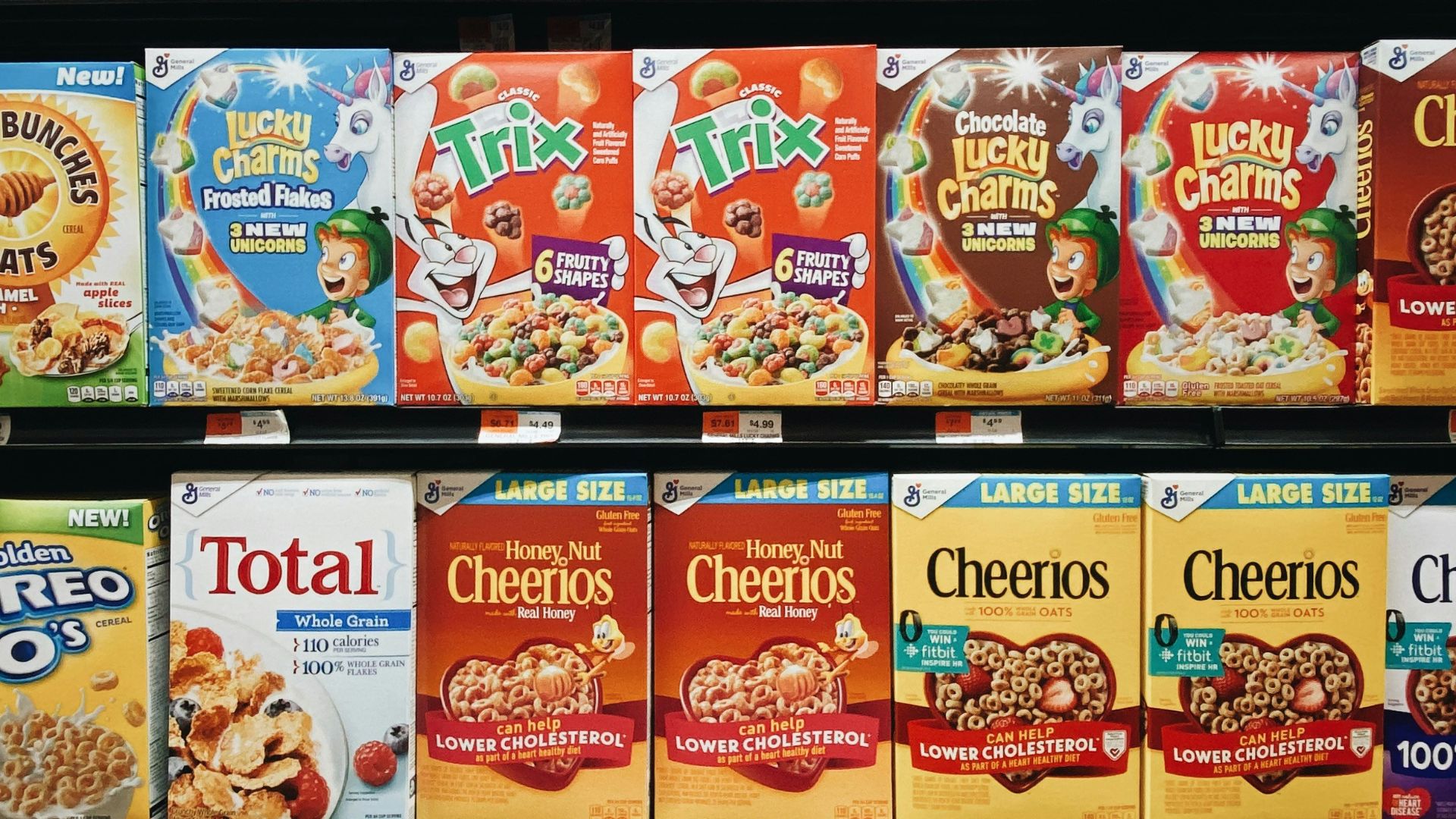
Grocery manufacturers have turned packaging design into a highly sophisticated science to ensure shoppers do not notice when they trim down their favorite foods. If a company suddenly made a cereal box visibly smaller, consumers would probably spot the difference instantly and reconsider the purchase. To avoid this, designers often maintain the exact height and width of the cardboard box while making the packaging slightly narrower from front to back. This clever structural tweak allows the product to look identical on the grocery shelf while secretly containing less cereal.
Another common tactic involves increasing the size of the pocket of air at the top of the bag, which is technically known in the packaging industry as "slack fill." While companies often claim this extra space is absolutely necessary to protect the delicate flakes from crushing during shipping, it also serves as a convenient cushion for volume reductions. Shoppers do not realize how much empty space they are actually paying for until they open the cardboard lid at home. By the time the disappointing gap inside is noticed, the purchase has already been completed.
When confronted about these changes, brands typically point to the net weight printed in tiny font at the bottom of the packaging. Legally, they are fully covered as long as the weight on the label matches the physical contents inside the box. However, very few busy shoppers have memorized the exact weight of their favorite snacks down to the decimal point. Manufacturers rely heavily on this lack of detailed memory to implement these stealthy adjustments without causing a public stir.
The Behind-the-Scenes Cost Squeeze
To understand why this phenomenon is happening so frequently, it is important to look at the complex global supply chains that bring food to our tables. Companies are constantly dealing with fluctuating costs for raw ingredients like wheat, corn, sugar, and cocoa, which can rise dramatically due to weather events or global shipping issues. Additionally, the energy required to run massive manufacturing plants and fuel the delivery trucks has become significantly more expensive. When these operational costs spike, food producers are forced to make a difficult financial decision.
If a brand simply raises the price of its signature cereal by a dollar, it risks alienating loyal customers who might immediately switch to a cheaper store-brand alternative. Shrinkflation acts as a psychological buffer, allowing companies to absorb rising production costs without triggering immediate sticker shock. It is a survival mechanism in a highly competitive market where profit margins are incredibly thin. By quietly reducing the amount of product in each box, they can keep their prices stable and keep shareholders happy at the same time.
While this strategy makes perfect sense from a corporate accounting perspective, it leaves everyday consumers feeling somewhat cheated when they finally open their groceries. It forces shoppers to buy more frequently, which ultimately ends up costing them a lot more money over the course of a year. The practice highlights a fascinating tension between corporate economic survival and consumer trust. Understanding these hidden dynamics can help shoppers make much smarter decisions when navigating the grocery store aisles.
Reclaiming purchasing power in an era of shrinking packages simply requires shifting focus away from the size of the box. The most reliable weapon in any shopping arsenal is the tiny unit price printed on the shelf tag, which breaks down the cost per ounce or gram. By comparing this metric rather than the retail price, shoppers can easily spot which brand actually offers the best value. It is often the case that generic or store-brand options provide a much better deal than the heavily advertised name brands.