The 10 Spiciest Cuisines in the World & 10 Places Where Spice Is Practically Non-Existent
The 10 Spiciest Cuisines in the World & 10 Places Where Spice Is Practically Non-Existent
A Heat Map for Your Taste Buds
Spice is wildly personal: what tastes “pleasantly warm” to one person can feel like a death sentence to someone else. Still, certain cuisines are famous for building serious heat into everyday dishes, while others tend to lean on herbs, butter, cream, or gentle aromatics instead of chili burn. Here are the 10 spiciest cuisines in the world and 10 places where black pepper is considered spicy.
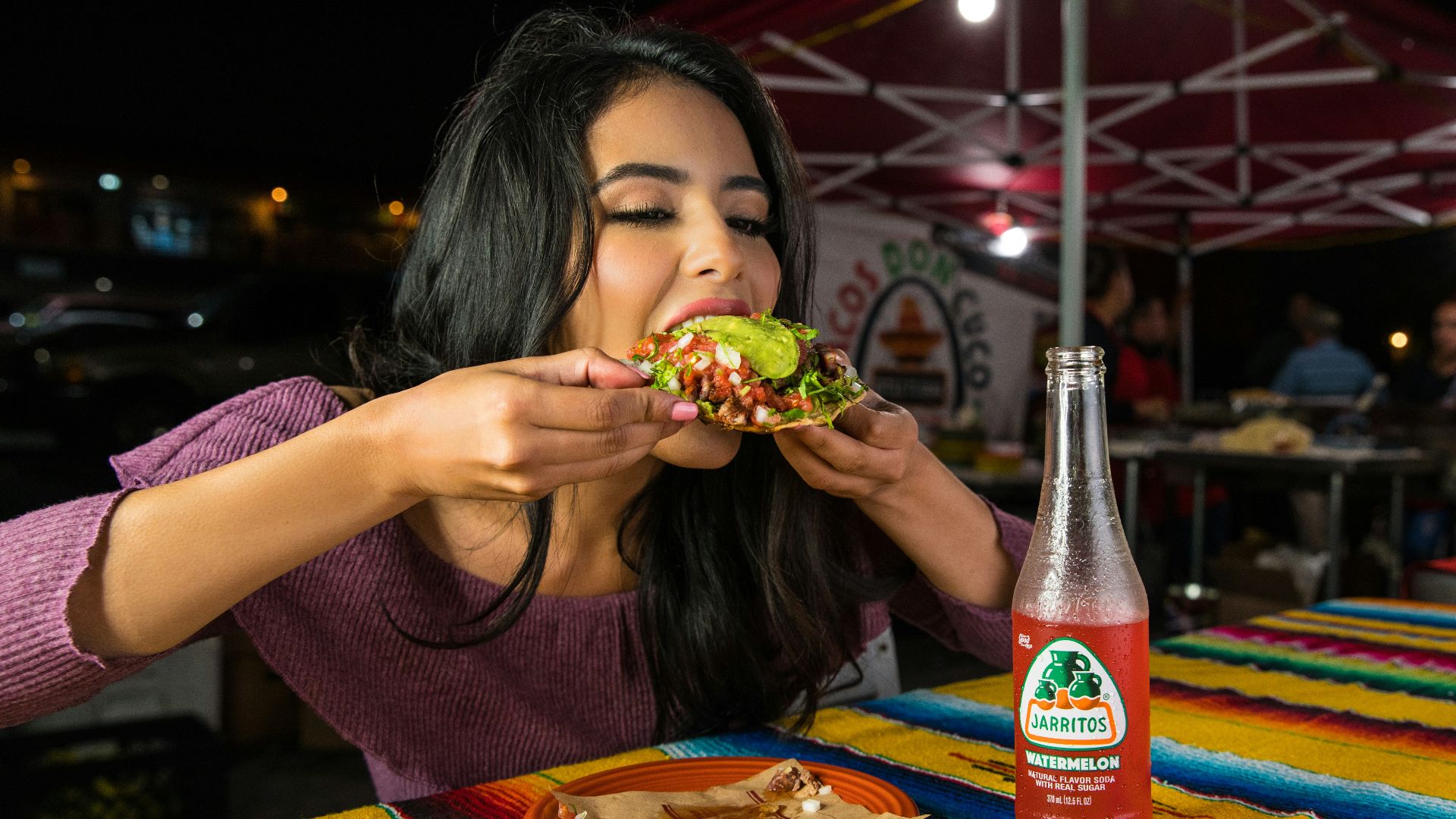 Jarritos Mexican Soda on Unsplash
1. Thai
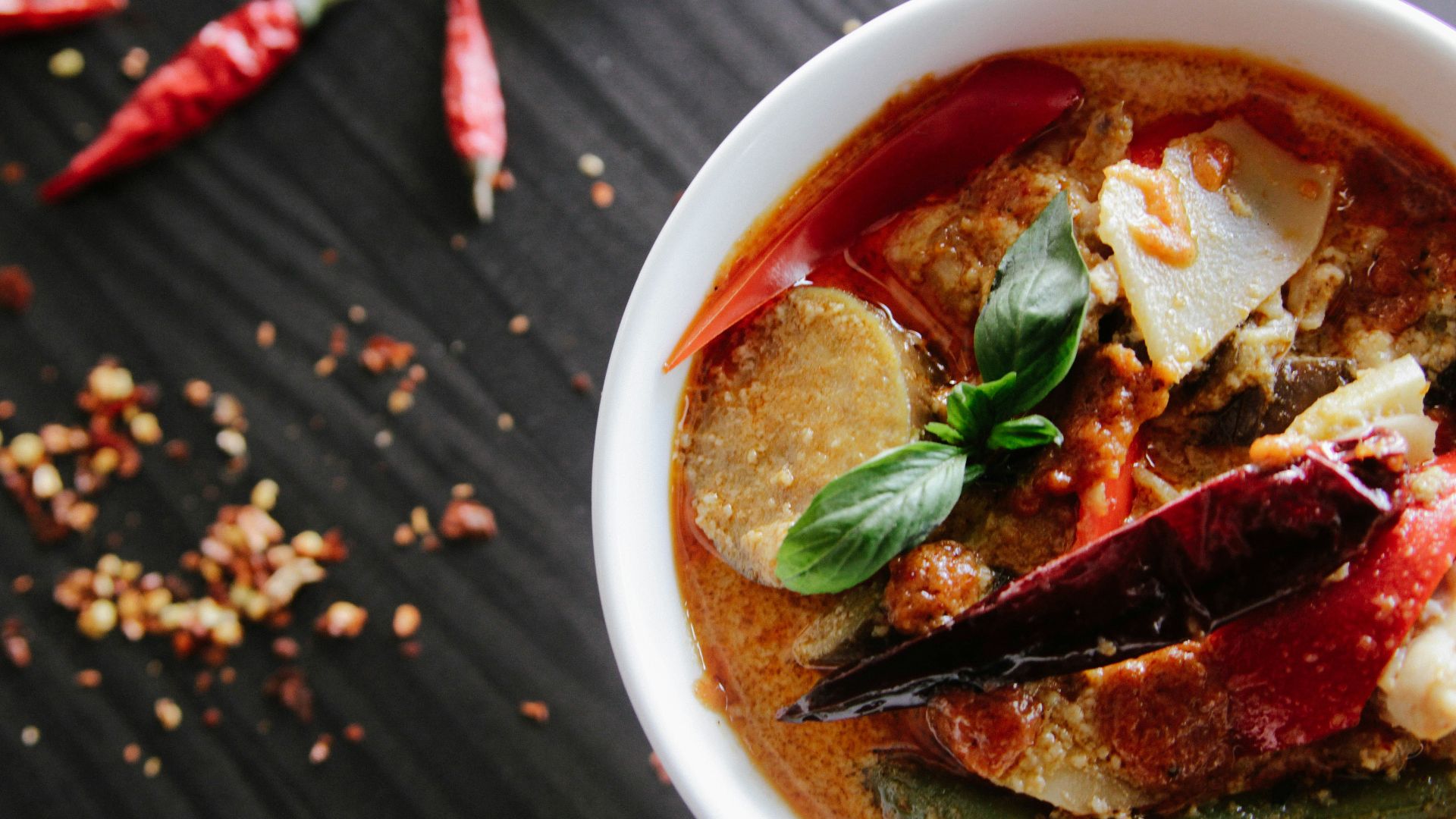
Thai food balances heat with sour, sweet, and salty flavors, so it can sneak up on you. Dishes like som tam and certain curries can get intensely spicy when made the traditional way. If you ask for “Thai spicy,” be sure you mean it.
2. Sichuan (China)
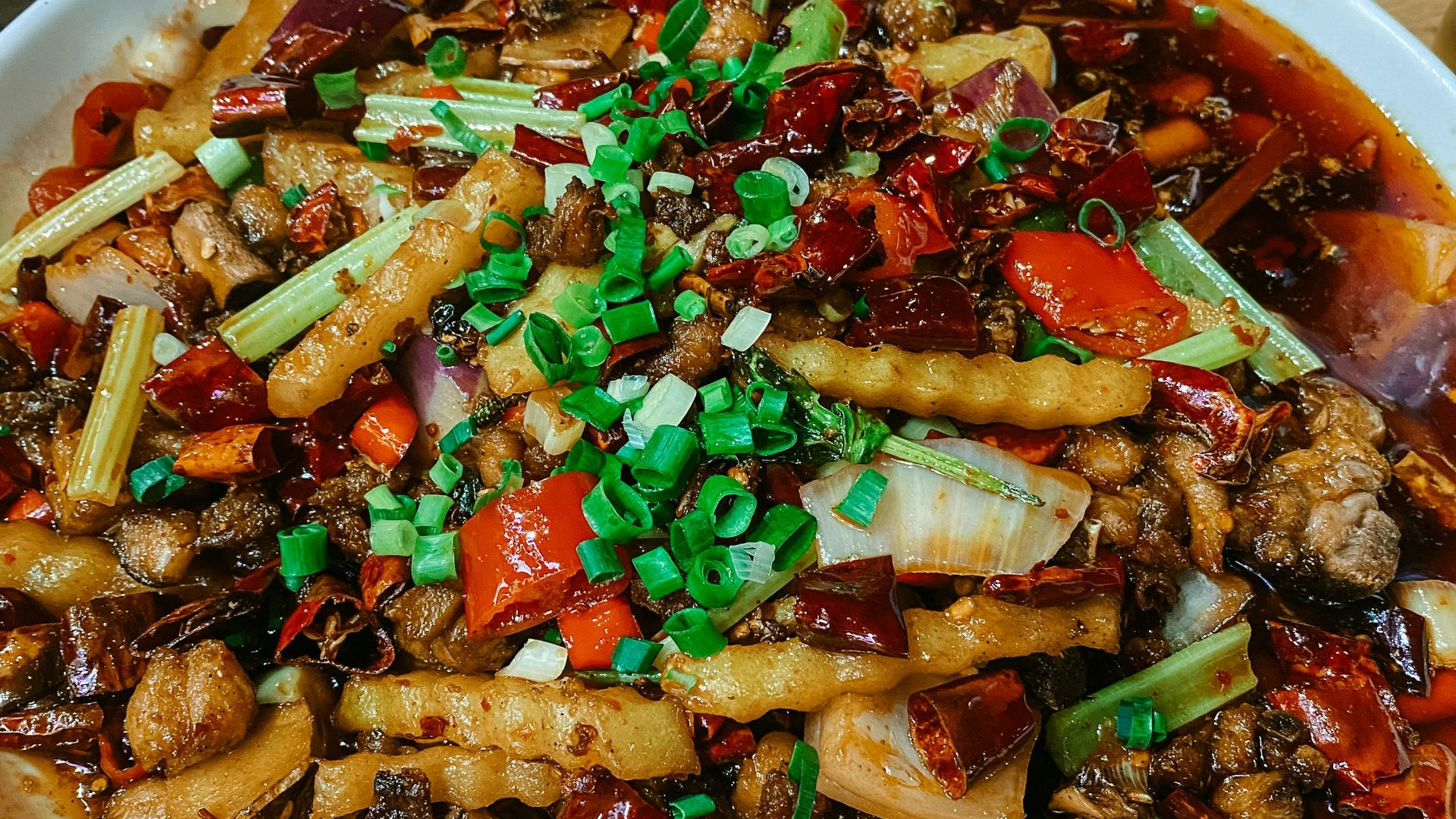
Sichuan spice isn’t just hot, it’s numbing and hot, thanks to Sichuan peppercorns. That “tingly” feeling is part of the thrill, especially in dishes like mapo tofu and hot pot. The heat can build over a meal instead of hitting all at once. If you like complex spice, this is a top-tier experience.
3. Hunan (China)
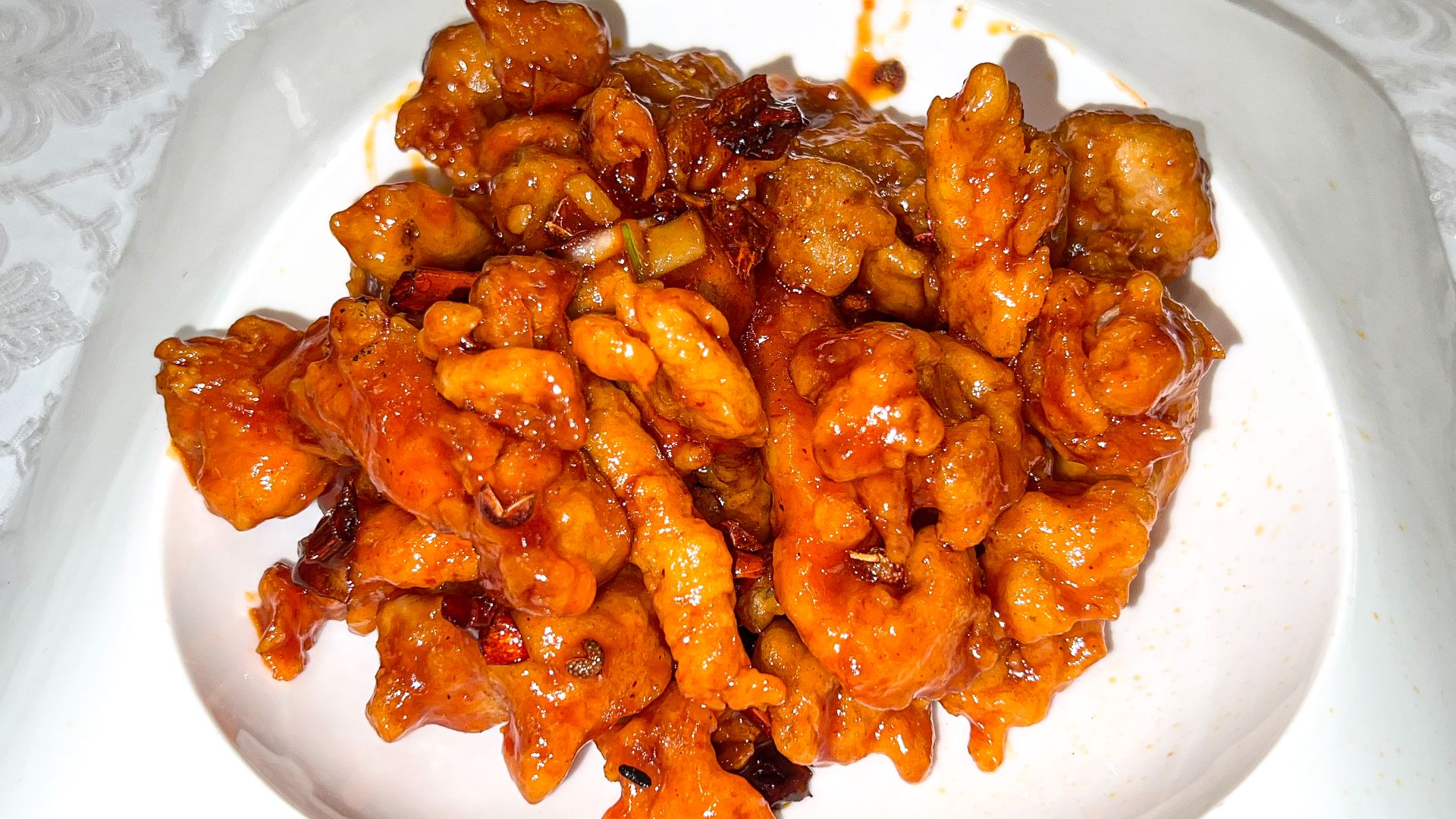
Hunan cuisine tends to be a more direct chili heat compared to Sichuan’s numbing style. Fresh chilies, pickled chilies, and smoky spicy flavors show up everywhere. It can feel punchier and more straightforward, which some people find even more intense. You’ll know quickly whether you’re built for it.
4. Indian
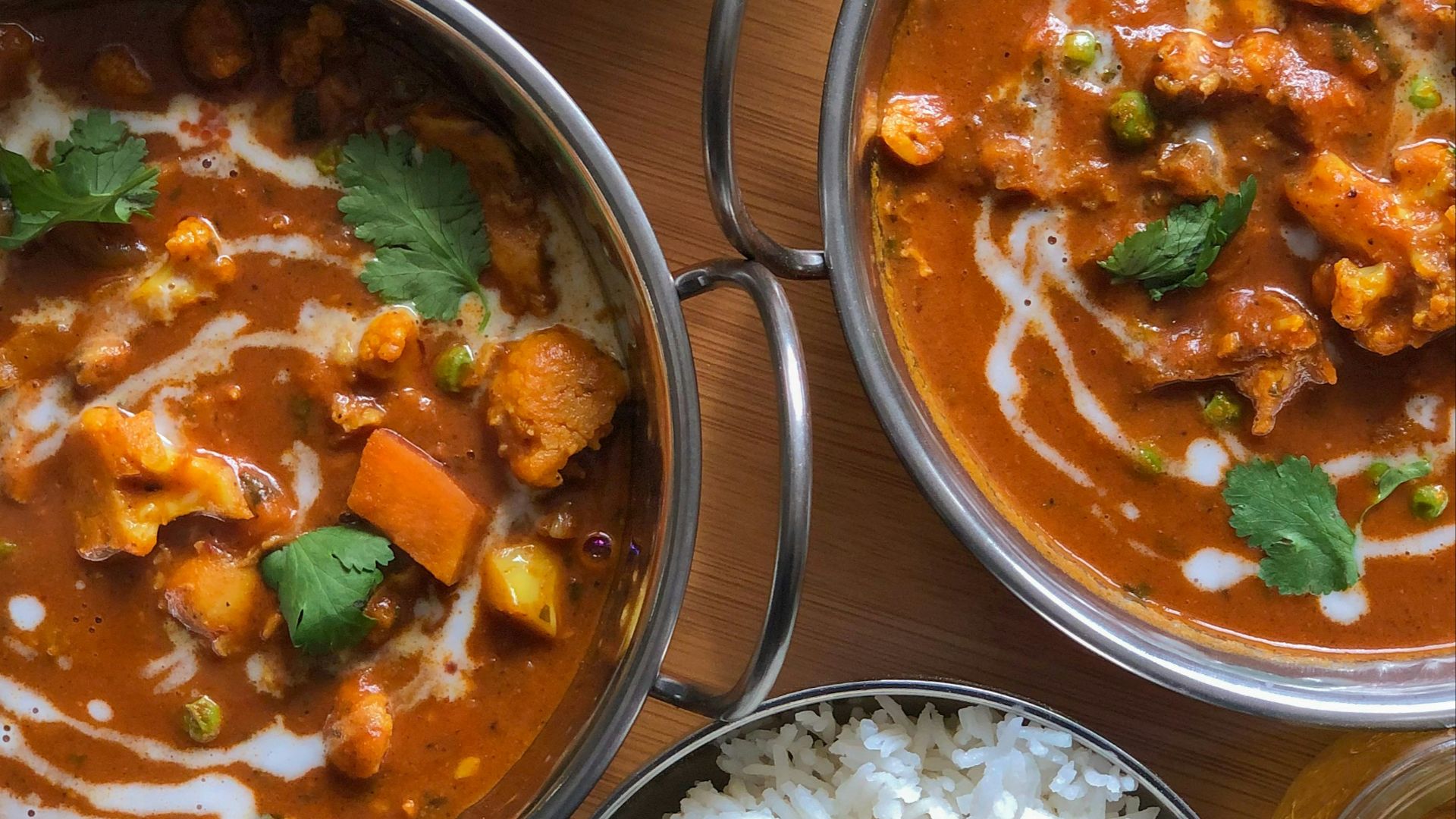
India’s spice reputation comes from both chili heat and layered spice blends. Vindaloo, chettinad-style dishes, and many regional curries can bring real fire, depending on where you are. “Indian spicy” also varies a lot by region and household style.
5. Sri Lankan
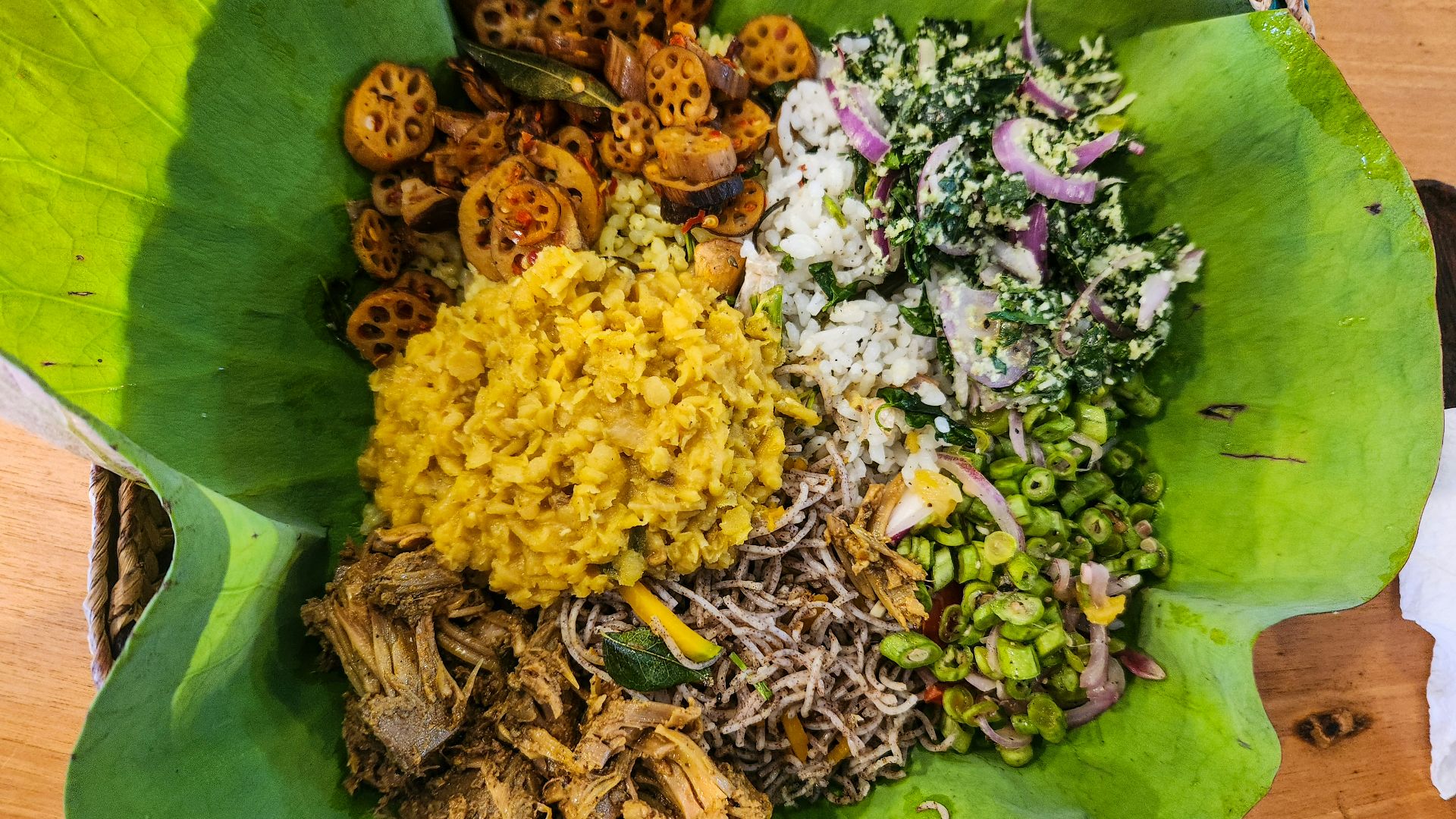
Sri Lankan food can be surprisingly spicy even in everyday meals. Coconut, curry leaves, and chili are often used together, which makes the heat feel both rich and relentless. Even dishes that wouldn't typically be are served spicy in Sri Lanka.
6. Korean
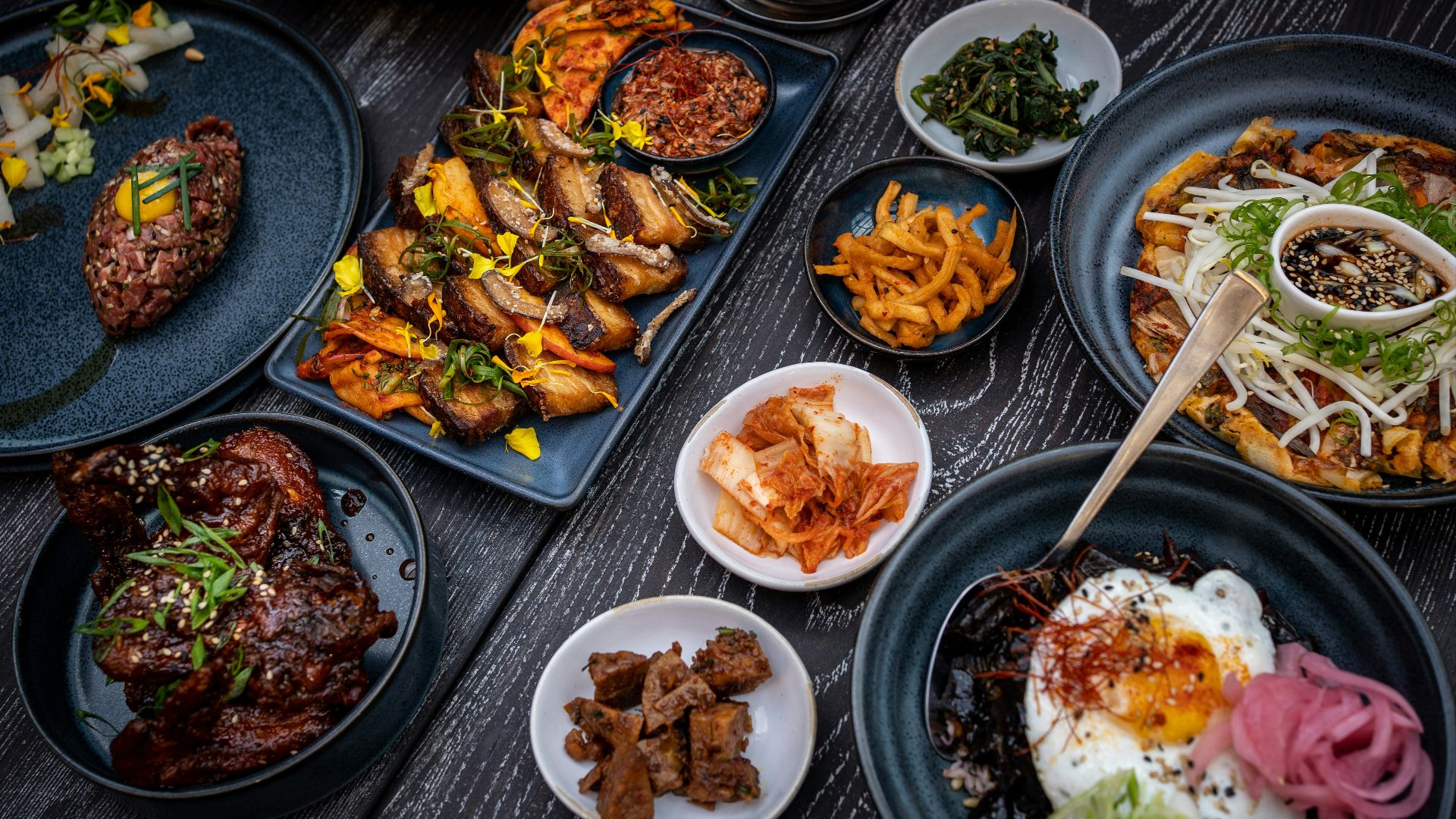
Korean spice often comes from gochugaru and gochujang, which give a deep, chili-forward heat. Dishes like tteokbokki, spicy stews, and certain fried chicken styles can be intense. If you like bold flavor with your burn, it’s a great match.
7. Mexican
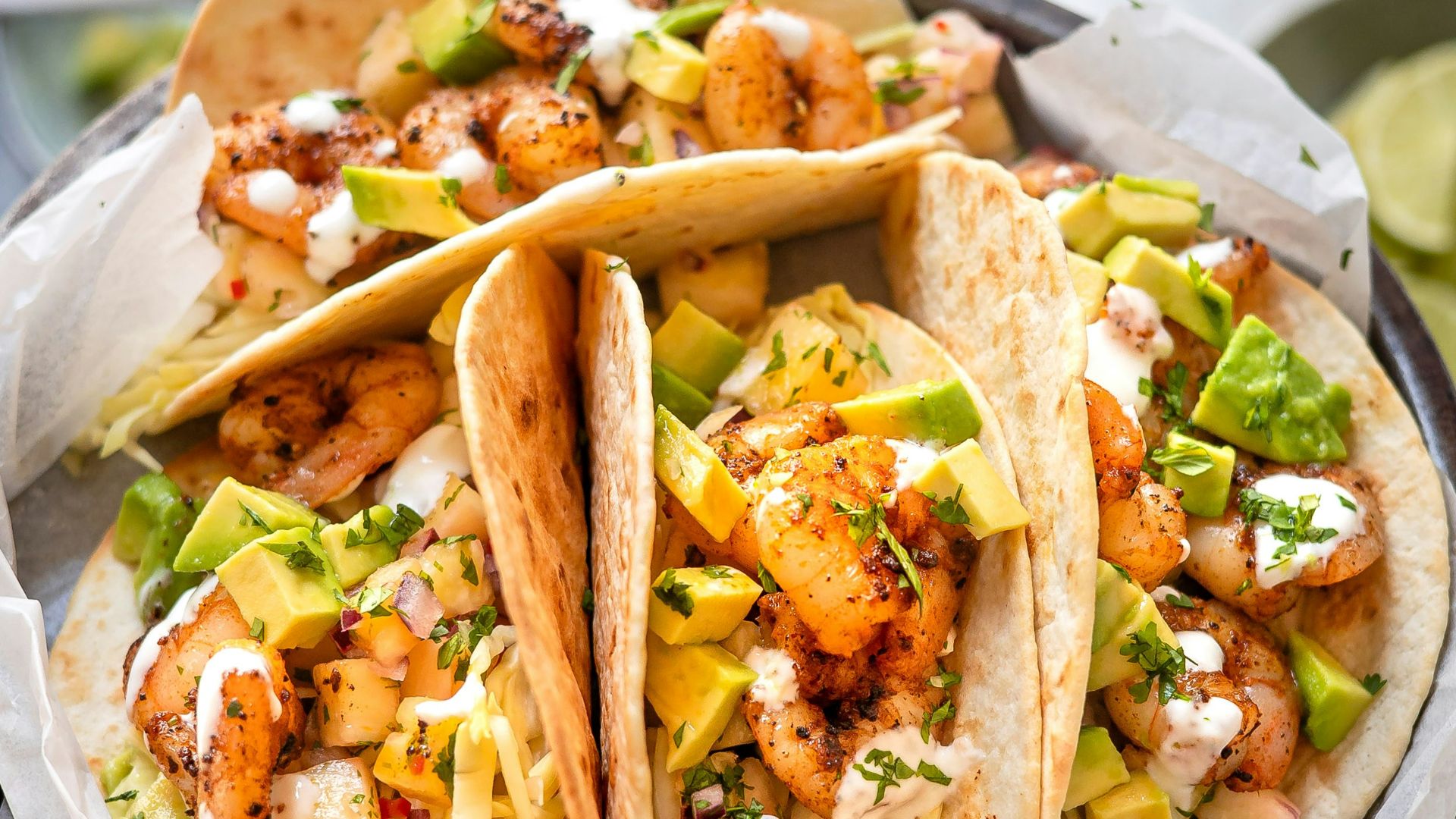
Mexican food isn’t always hot, but it has a huge chili culture, and certain regions and dishes absolutely bring the heat. Salsa levels can range from “pleasant” to “respectfully terrifying,” sometimes in the same meal. The burn can also be smoky and complex rather than purely sharp.
8. Ethiopian
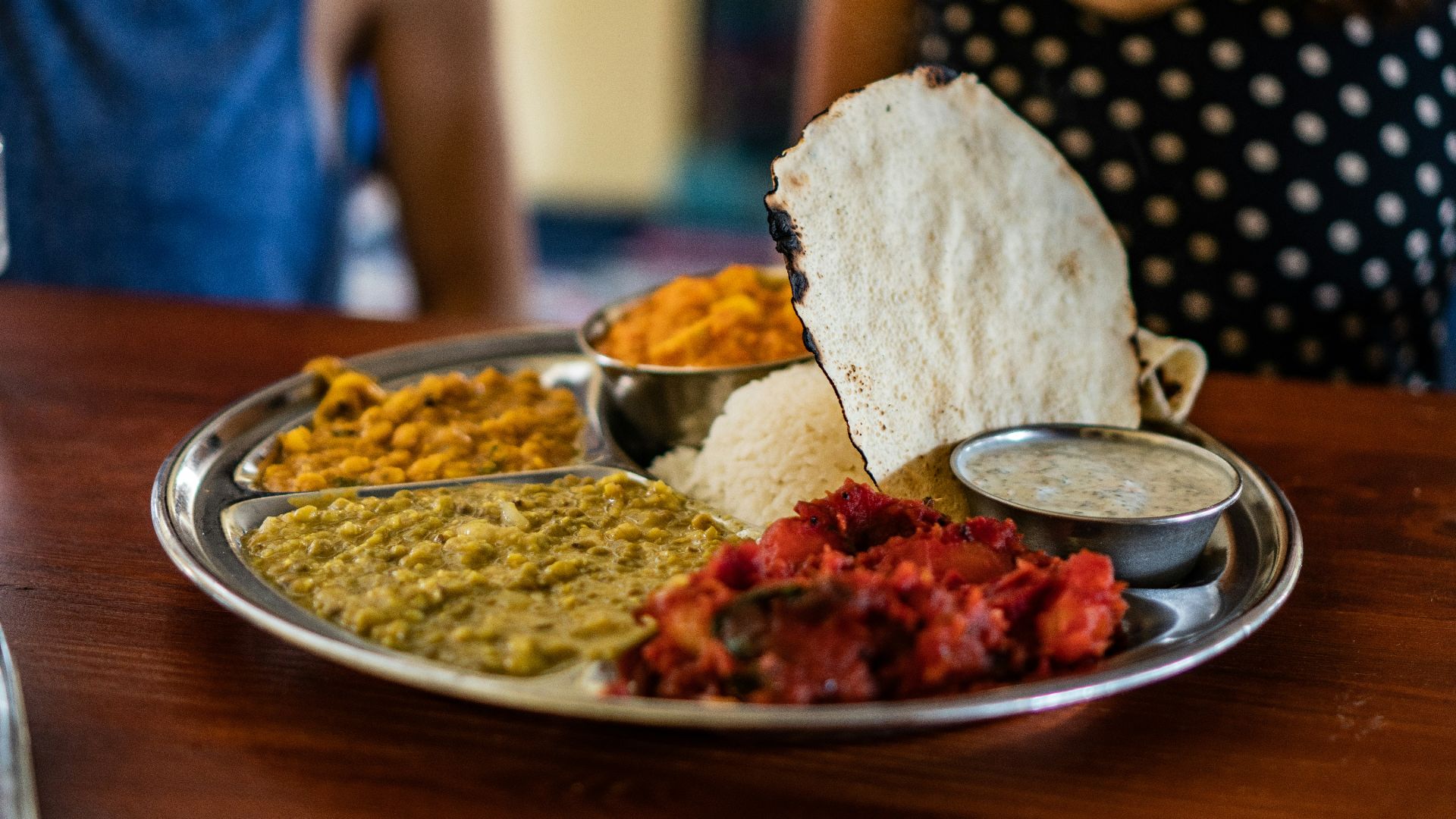
Ethiopian cuisine uses berbere, a spice blend that can get fiery depending on the cook. Stews like doro wat can deliver real heat while still feeling rich and aromatic. It’s one of those cuisines that makes you sweat while still tasting incredible.
9. Nigerian
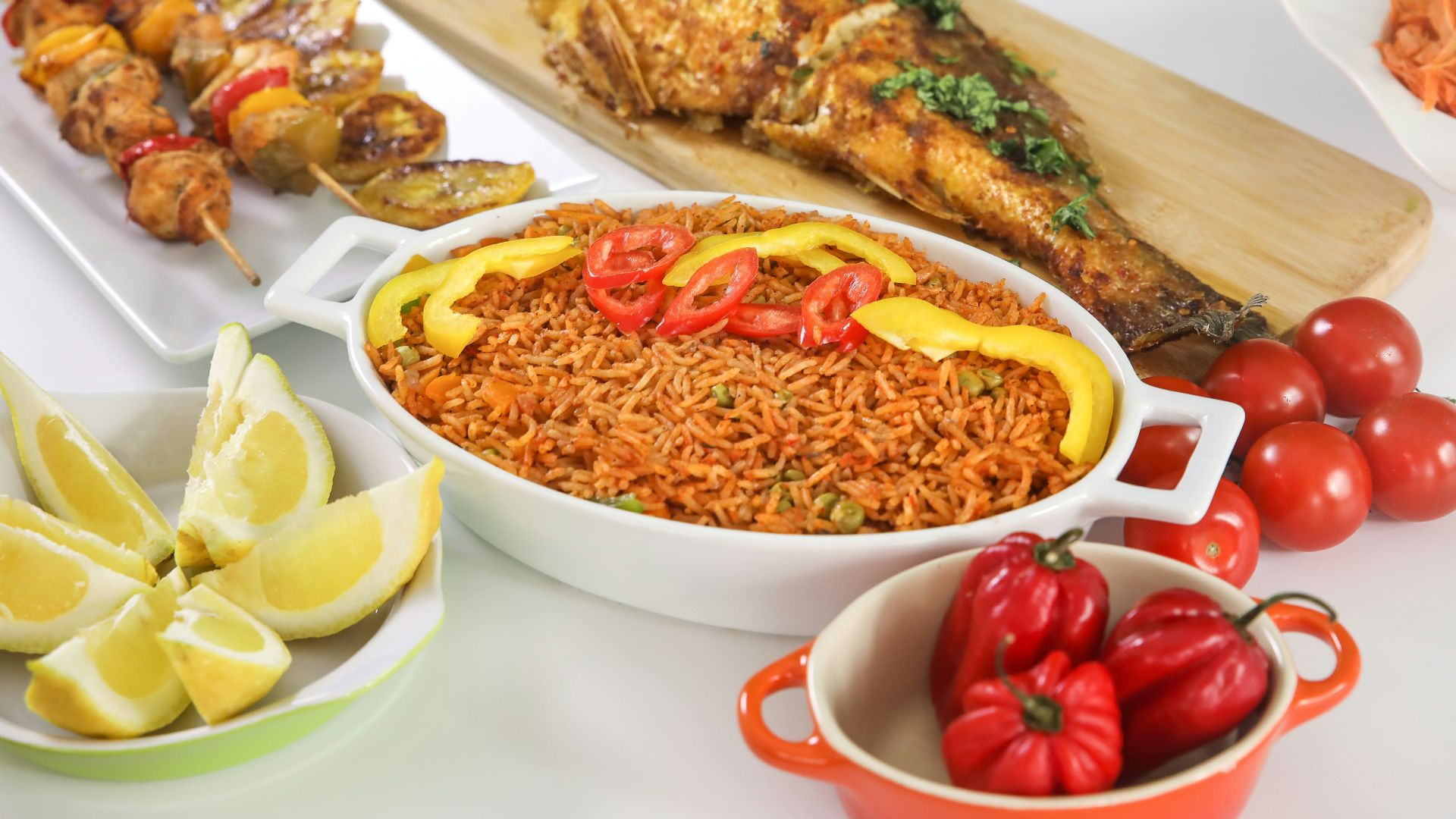
Nigerian food can be very spicy, especially with pepper soup, suya spice, and hot stews. Scotch bonnet–style heat shows up in a way that doesn’t apologize. If you’re not used to it, a small bowl can feel like a challenge round.
10. Jamaican
Jamaican spice gets its reputation from scotch bonnet peppers and bold seasoning. Jerk chicken can range from gently warm to aggressively hot, depending on who made it and how authentic they went. The heat often comes with smoky, savory flavor that keeps it from feeling one-note.
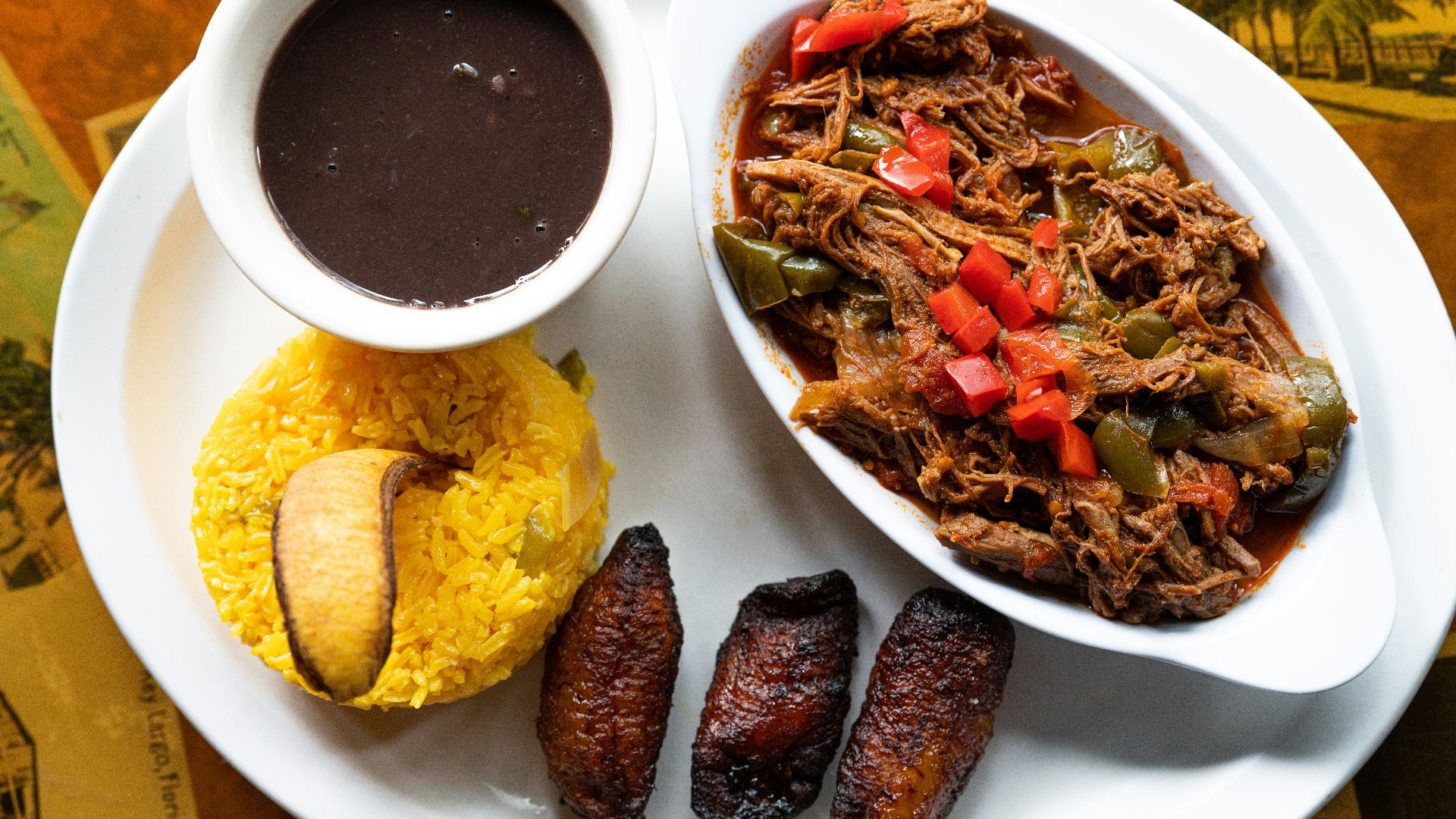
Now that we've talked about the cuisines known for using an amount of spice that will kick you in the face, let's cover the ones where that kind of heat is practically unheard of.
1. British
British food tends to lean on roasting, herbs, and rich comfort flavors rather than chili heat. You’ll see mustard and pepper, but not the kind of spice that makes you sweat. Even when flavors are bold, they’re usually not hot.
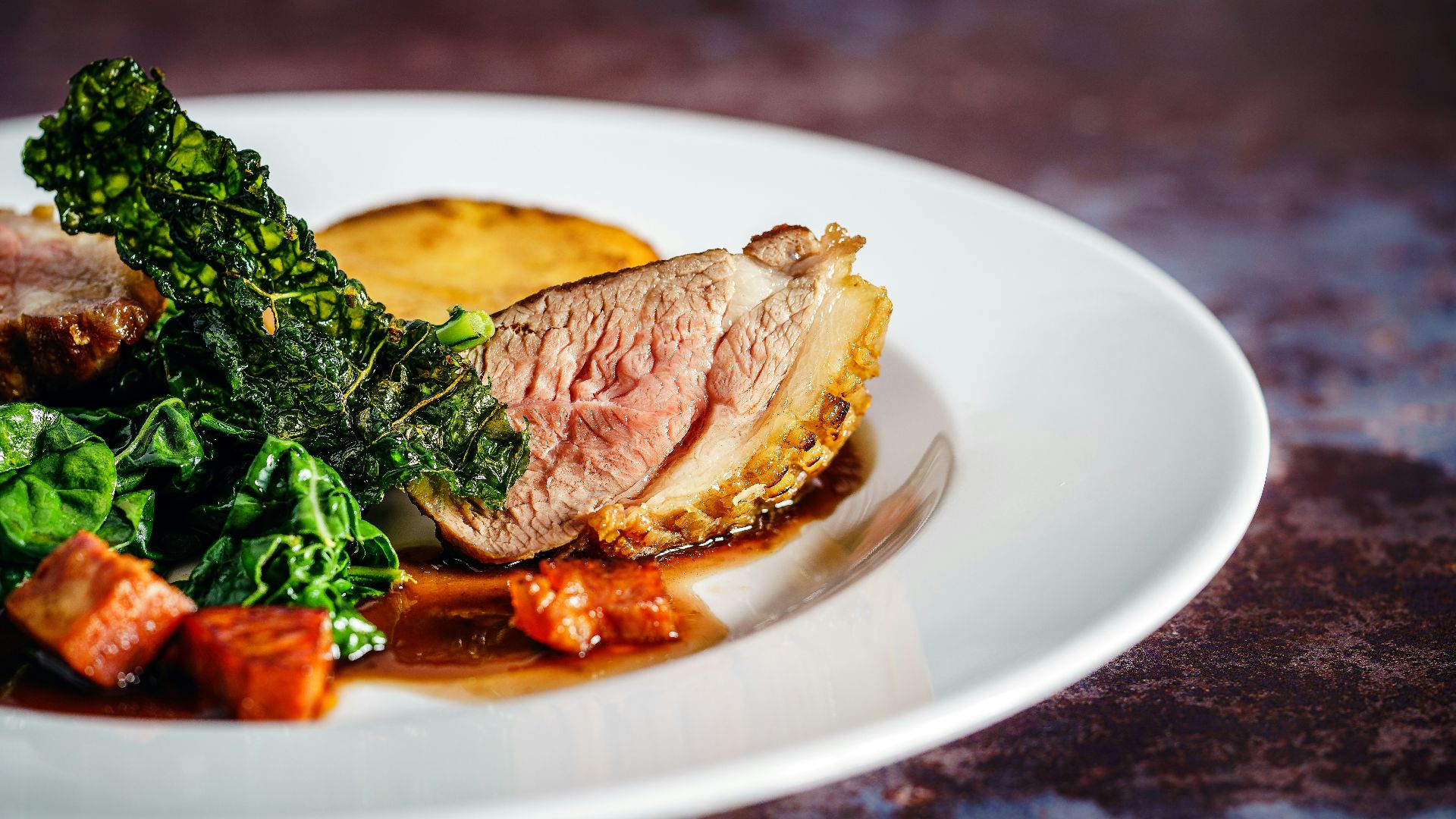 Sebastian Coman Photography on Unsplash
2. Irish
Irish cooking is hearty and straightforward, with emphasis on potatoes, meats, and simple seasoning. Spice in the chili sense isn’t a defining feature. Meals tend to be warming, but not spicy-hot.
3. German
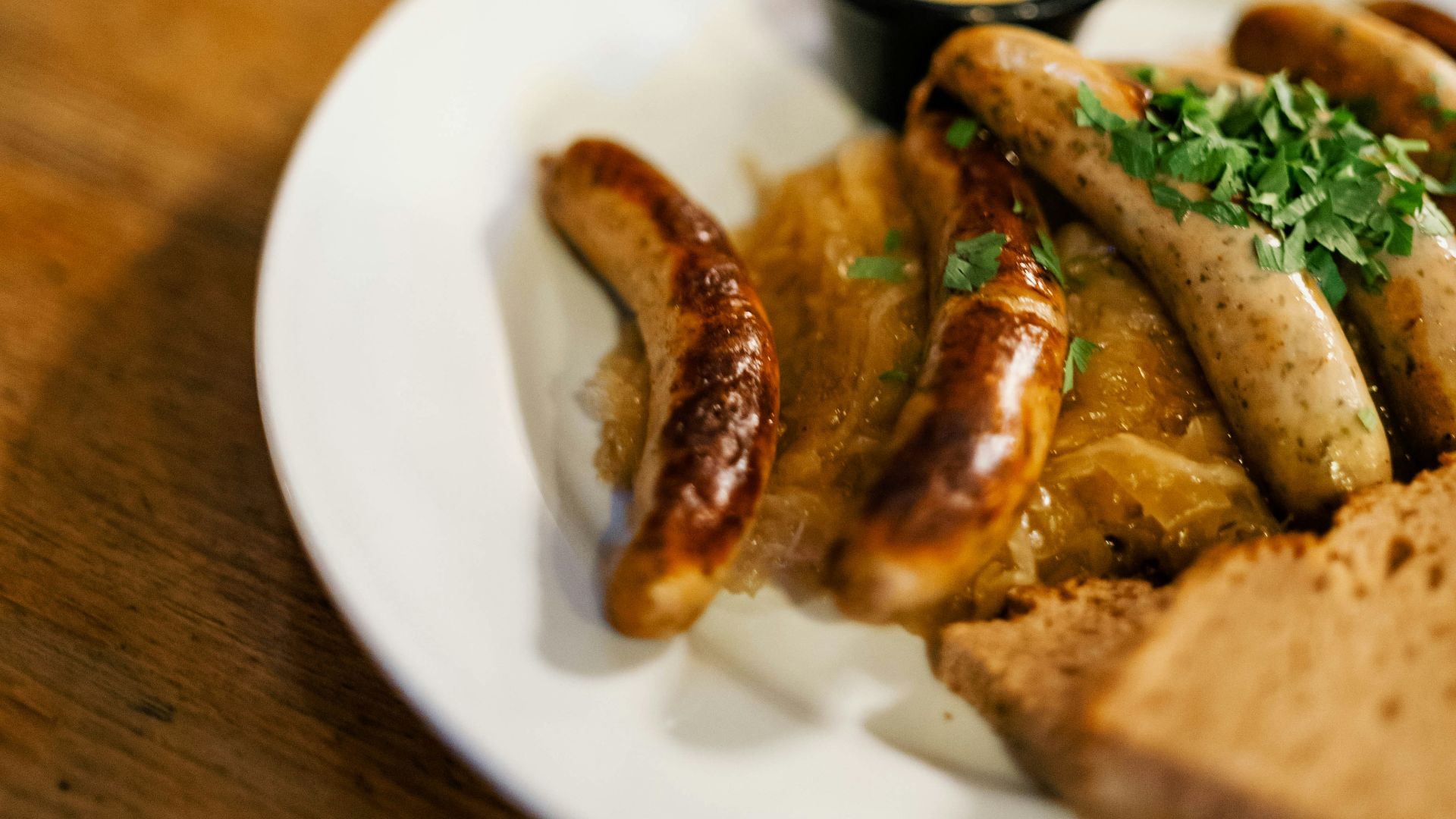
German dishes focus on savory depth from meats, sauces, and seasonings like caraway, mustard, and herbs. The flavor is strong, but it’s rarely chile-forward. You might get tang or sharpness, but not a pepper burn.
4. Scandinavian
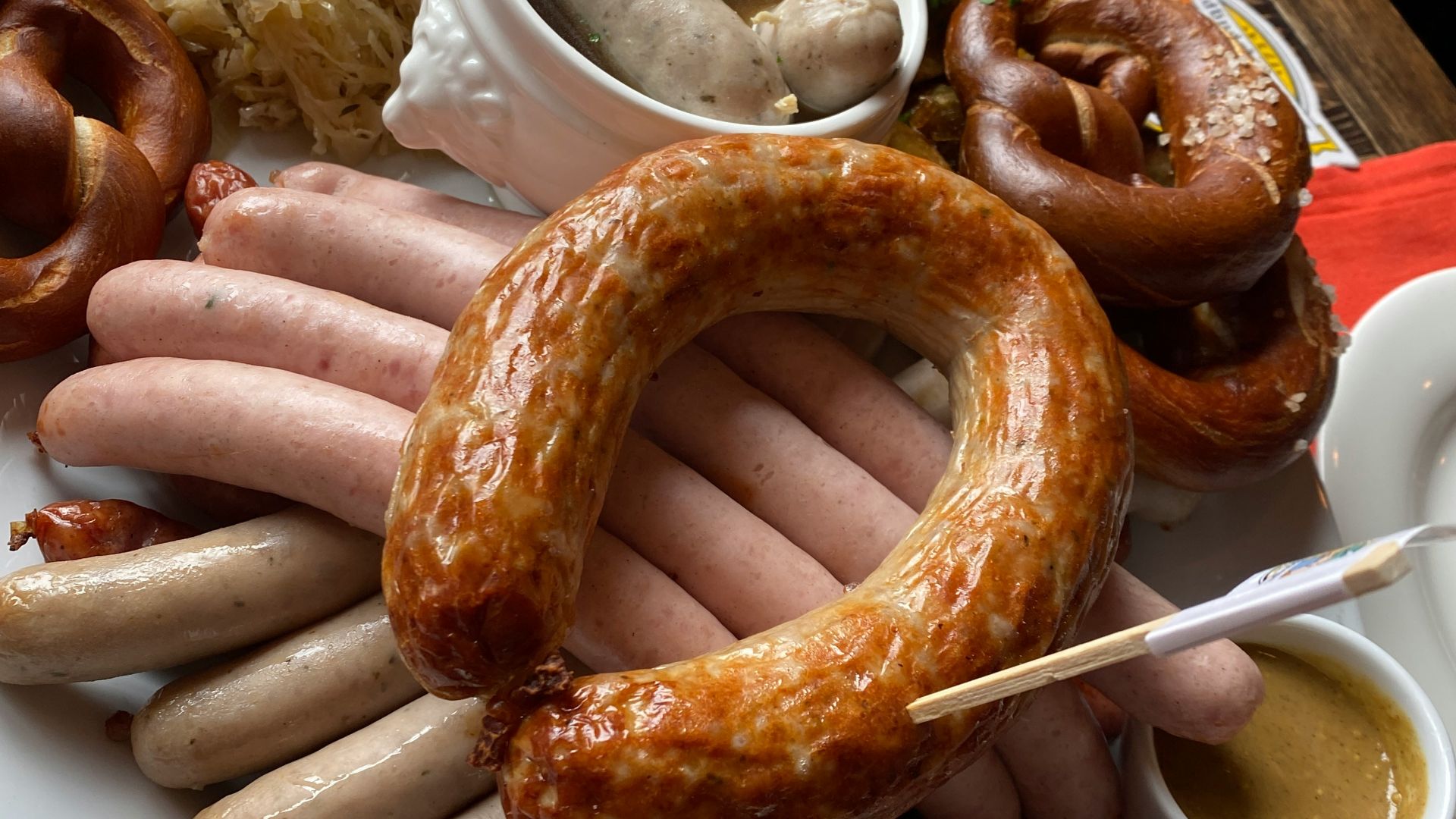
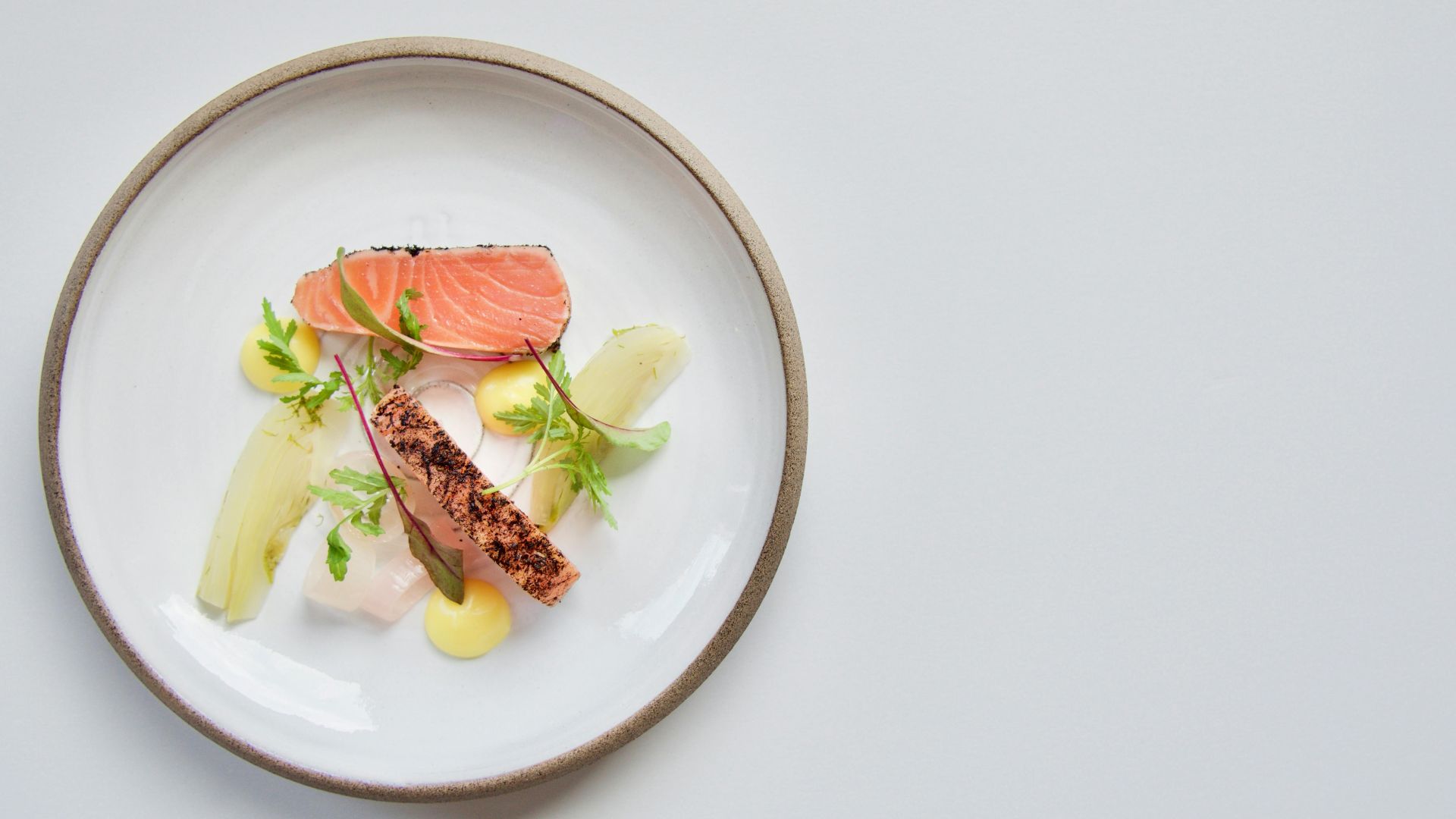
Nordic cooking often highlights clean flavors, fish, dairy, and subtle seasoning. Dill, mustard, and pickled tang show up more than chili. The palette is usually restrained rather than aggressive. Minus all the funky fermented stuff, it's the perfect cuisine for people who like milk food
5. Dutch
Dutch staples tend to be simple and comforting, often featuring potatoes, bread, cheese, and mild sauces. Heat isn’t the point, and chilies aren’t a common foundation. You may find spiced baked goods, but that’s “spice” in the cinnamon sense. For heat-avoidant eaters, it’s low risk.
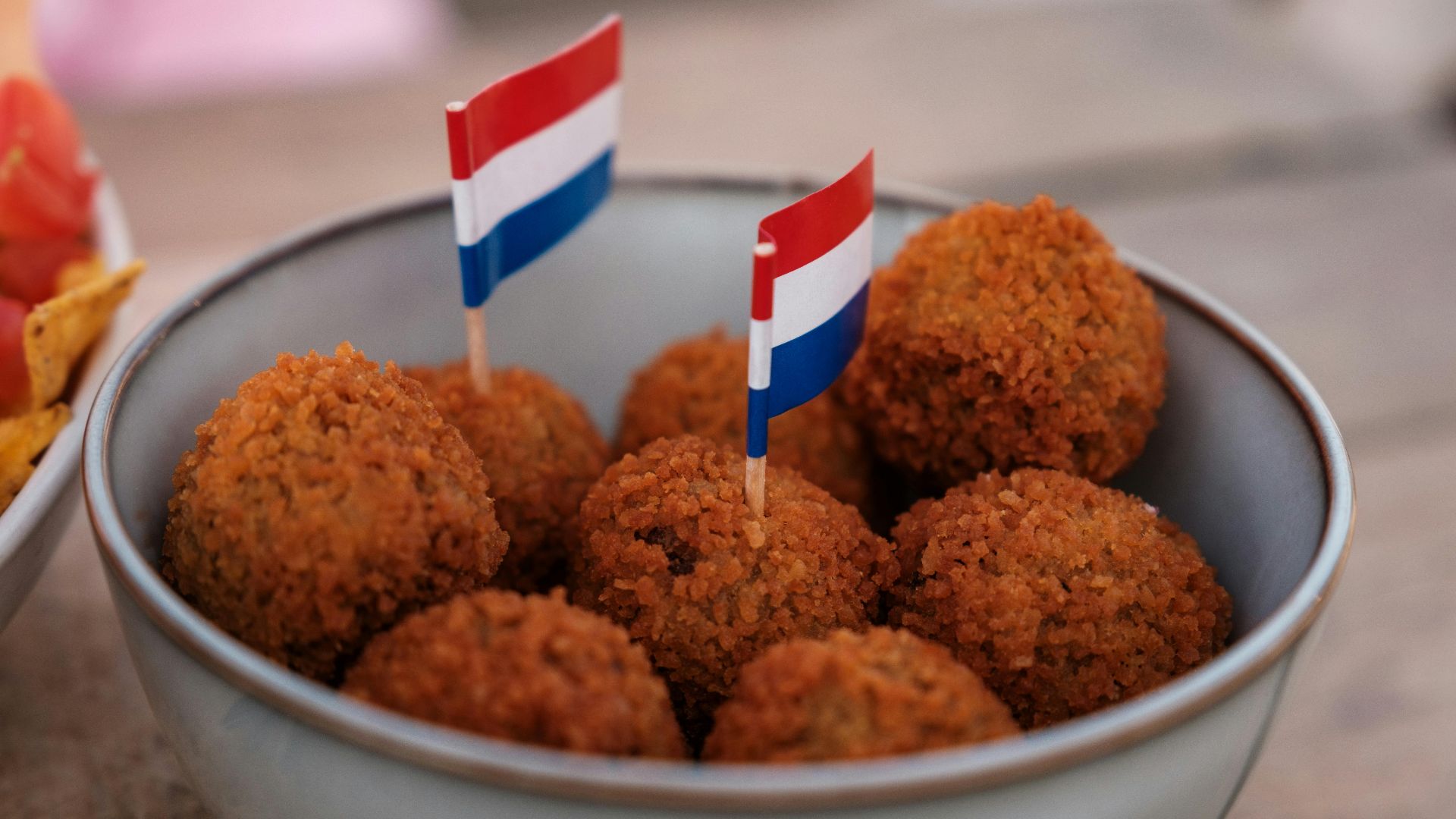 Haberdoedas Photography on Pexels
6. Swiss
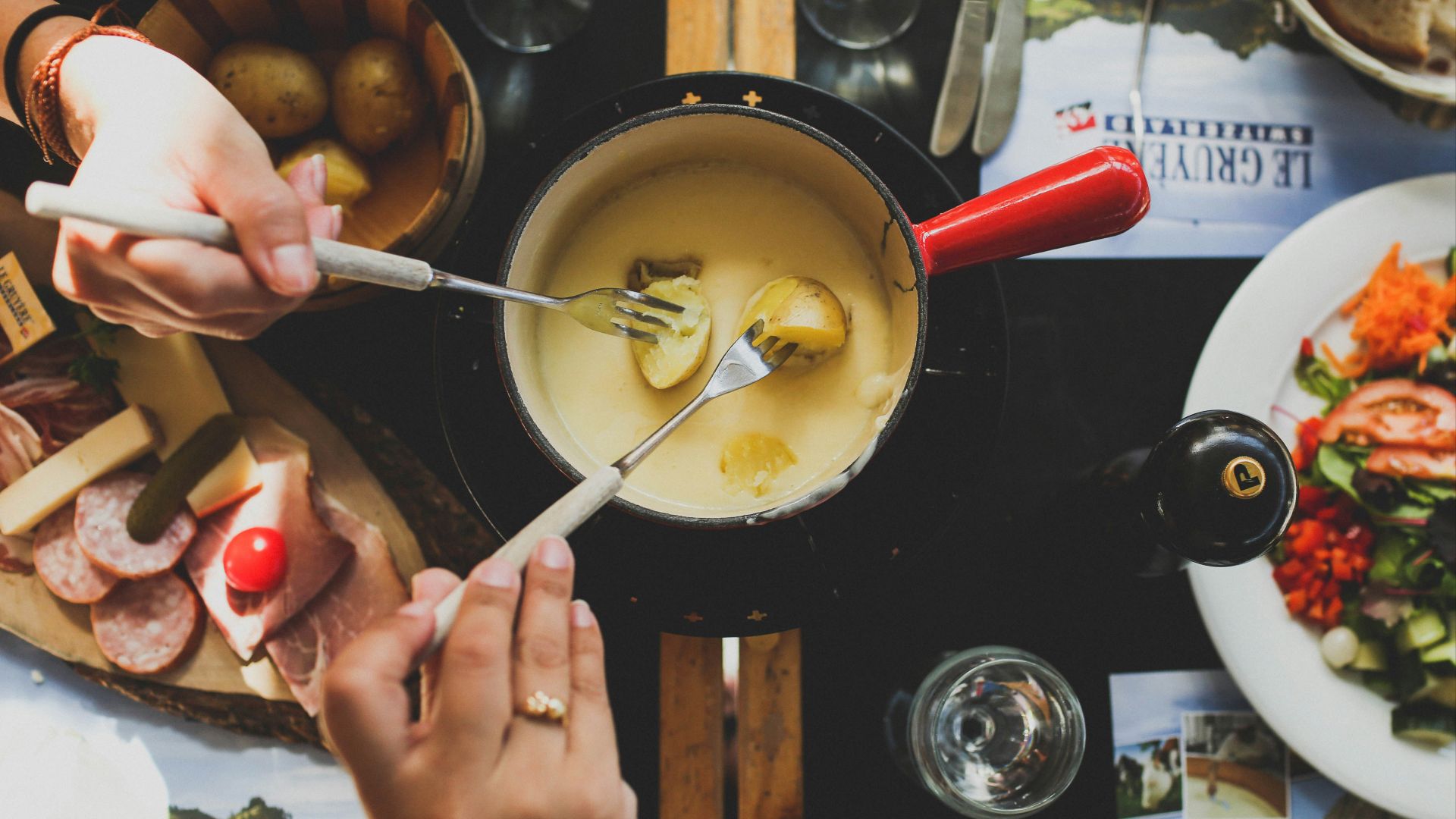
Swiss food is often rich and cozy, with cheese and hearty components doing most of the work. The focus is creamy, savory, and filling, not spicy-hot. Even when dishes are flavorful, they usually stay mild.
7. Austrian
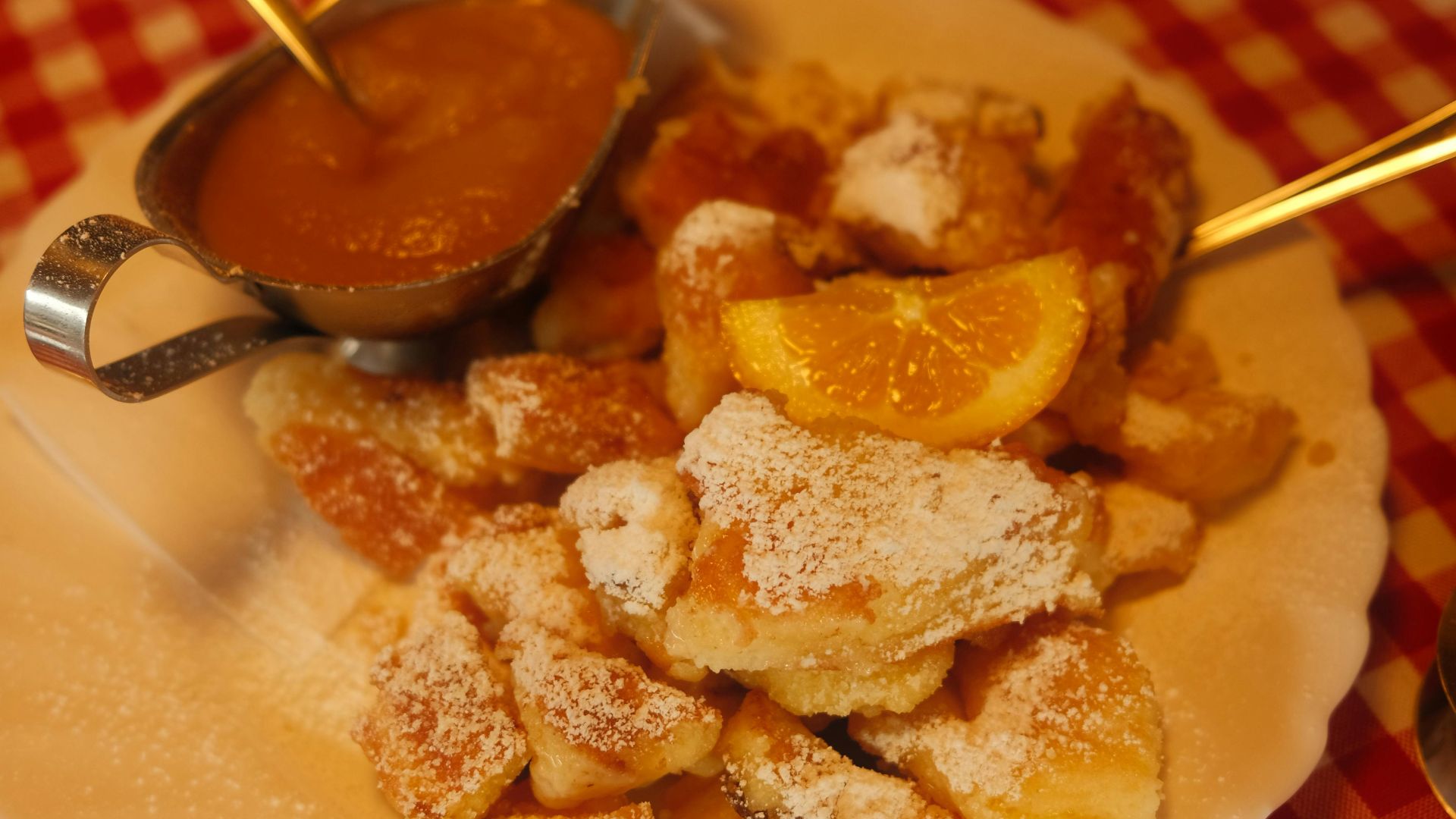
Austrian cooking is known for hearty comfort foods and pastries more than heat. Seasoning tends to be gentle, with an emphasis on richness and technique. Paprika may appear, but often in a mild, flavor-building way.
8. Japanese
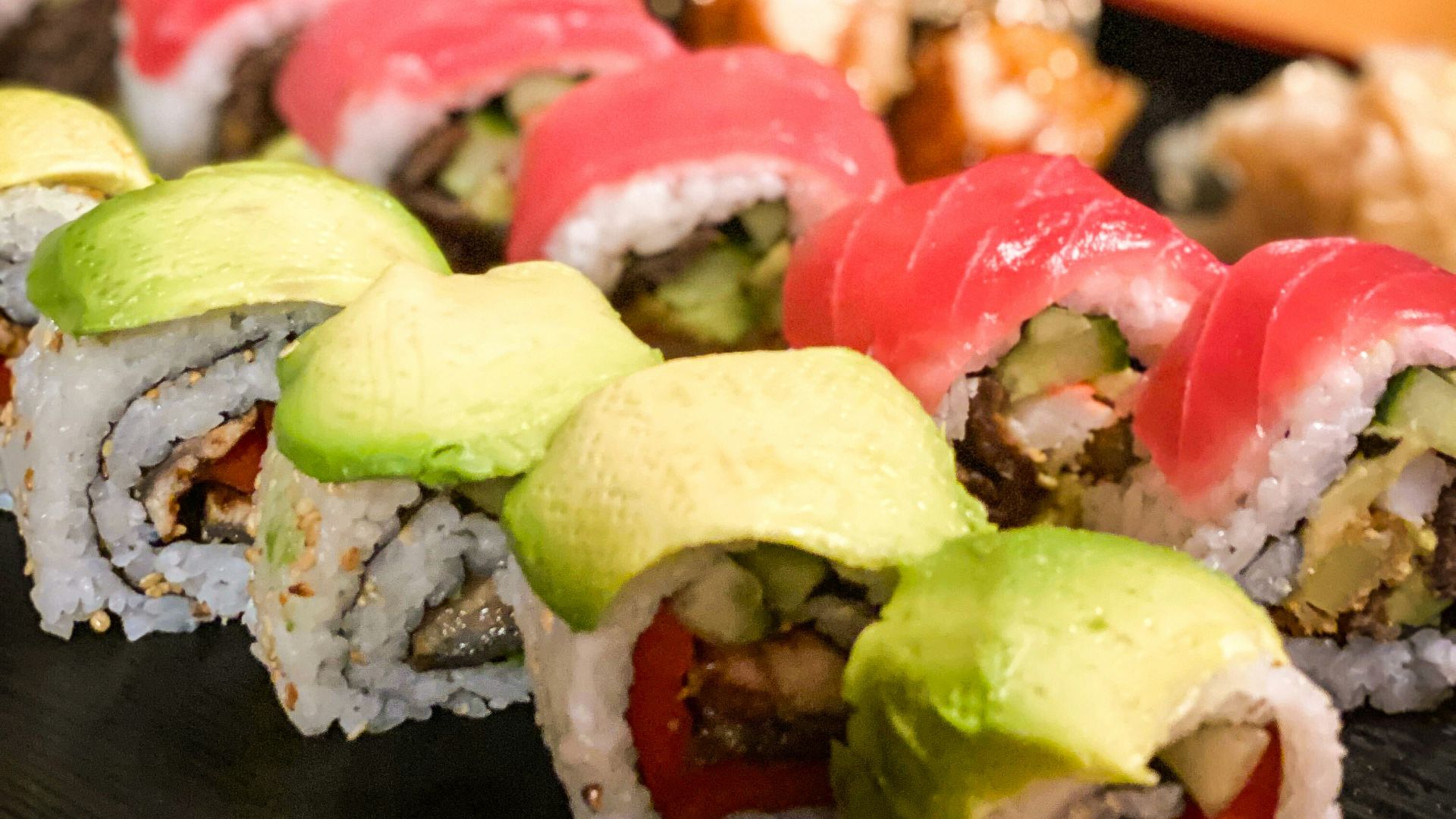
Japanese food can have wasabi heat, but it’s typically sharp and short-lived, not a lingering chili burn. Many traditional dishes focus on umami, broth, and clean balance. Chili-heavy dishes exist, but they’re not the default. It’s a great cuisine if you want flavor without fire.
 Jennifer Latuperisa-Andresen on Unsplash
9. French
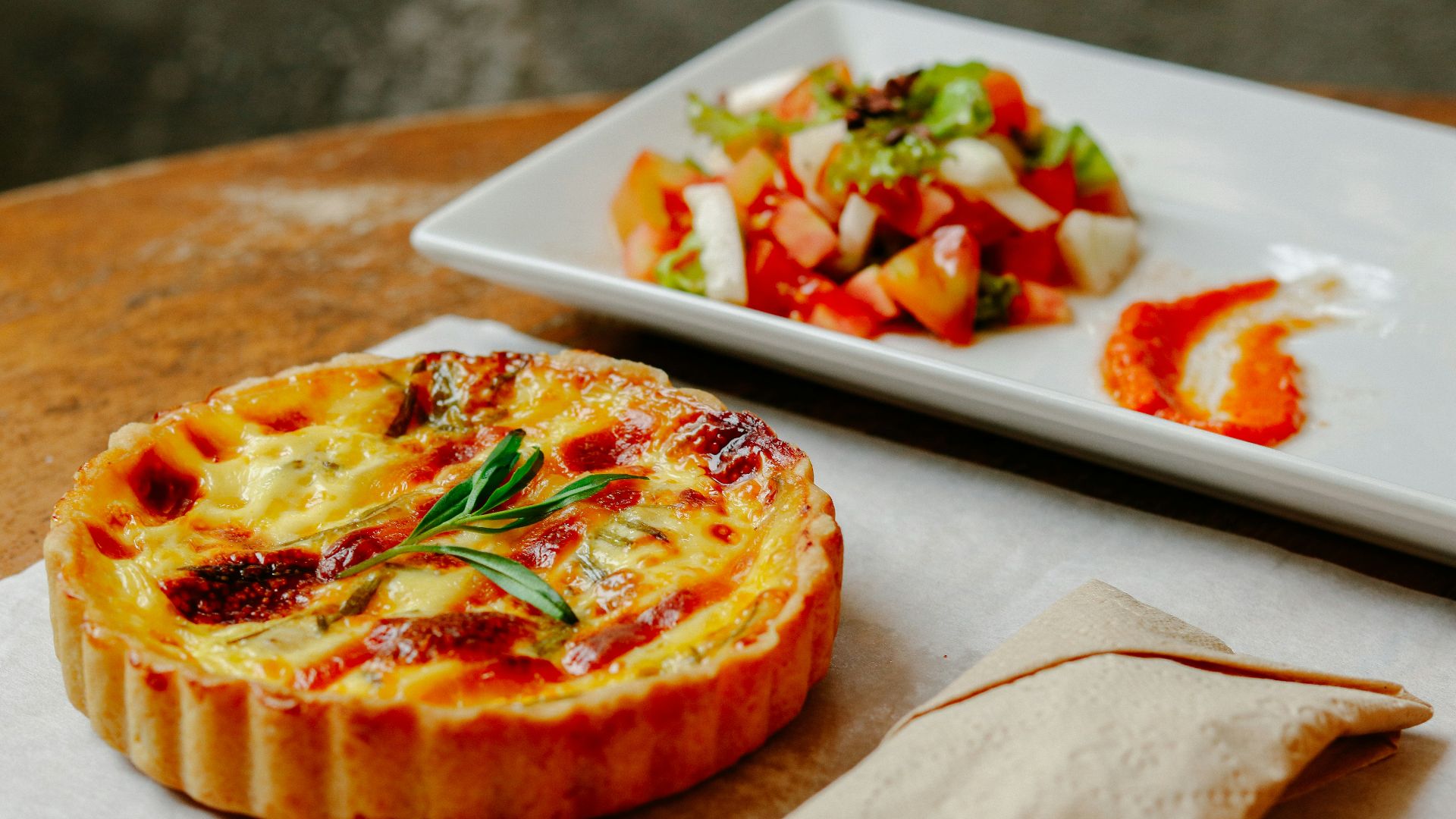
French cooking is built around sauces, butter, herbs, and technique, not heat levels. You might see pepper and mustard, but usually not spicy peppers as a main event. Most dishes stay mild enough that almost anyone can enjoy them. It’s rich and complex, just not hot.
10. American
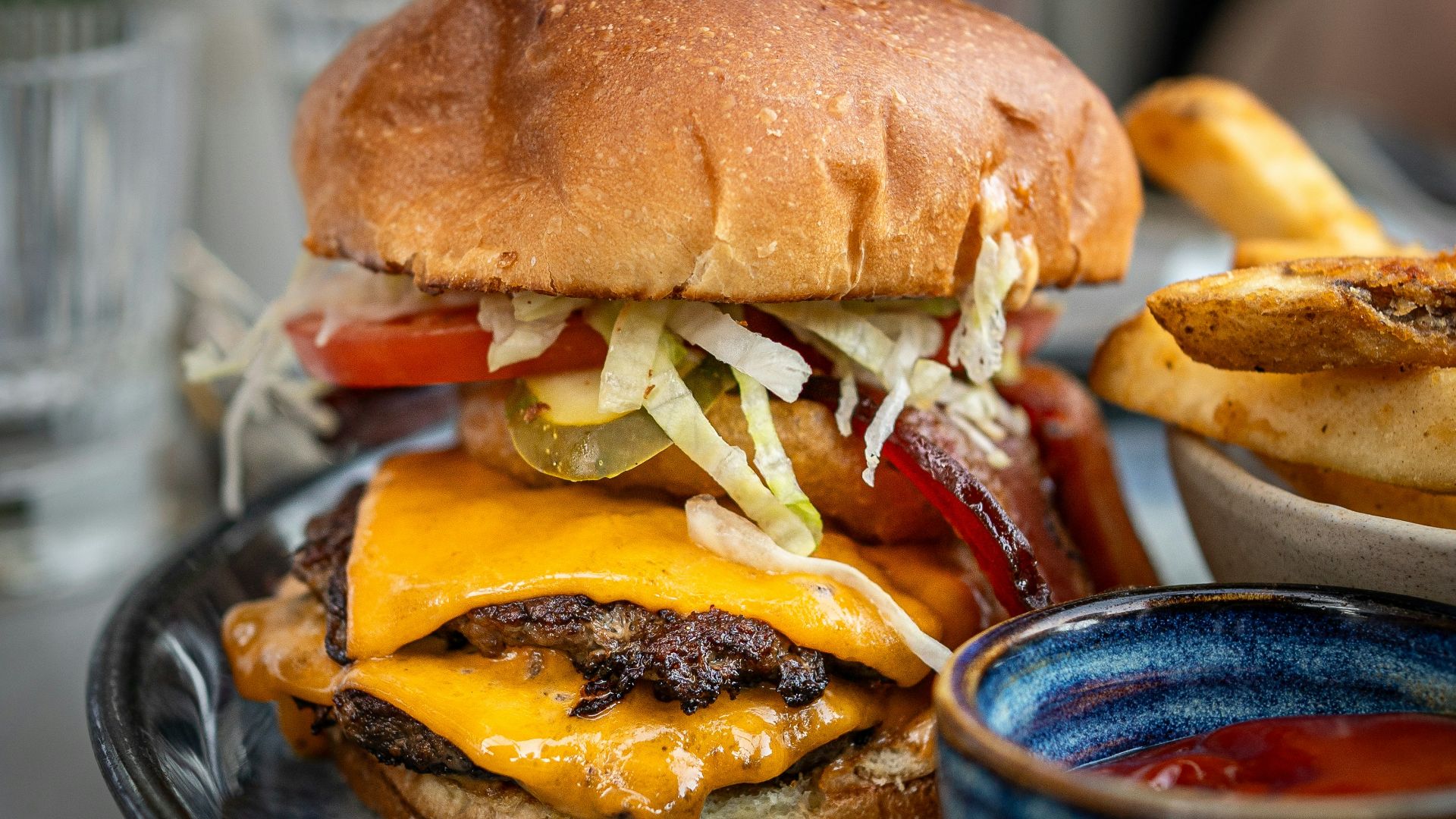
Traditional American comfort staples tend to favor salty, savory, and sweet flavors over chili heat. You can find spicy regional exceptions, but the baseline is usually mild. Think burgers, mac and cheese, meatloaf, and mashed potatoes, not scotch bonnets.
KEEP ON READING

The Most Popular Signature Dishes Around the World