
There's a moment every home cook experiences: watching a chef on TV effortlessly dice an onion in seconds while your own attempts look like a vegetable crime scene.
But here's the truth nobody tells you. Those impressive knife skills aren't about talent or expensive blades. They're about understanding a few fundamental techniques and practicing them until your hands move without thinking. Let's cut through the nonsense and get you slicing like you actually know what you're doing.
Master The Grip Before Anything Else
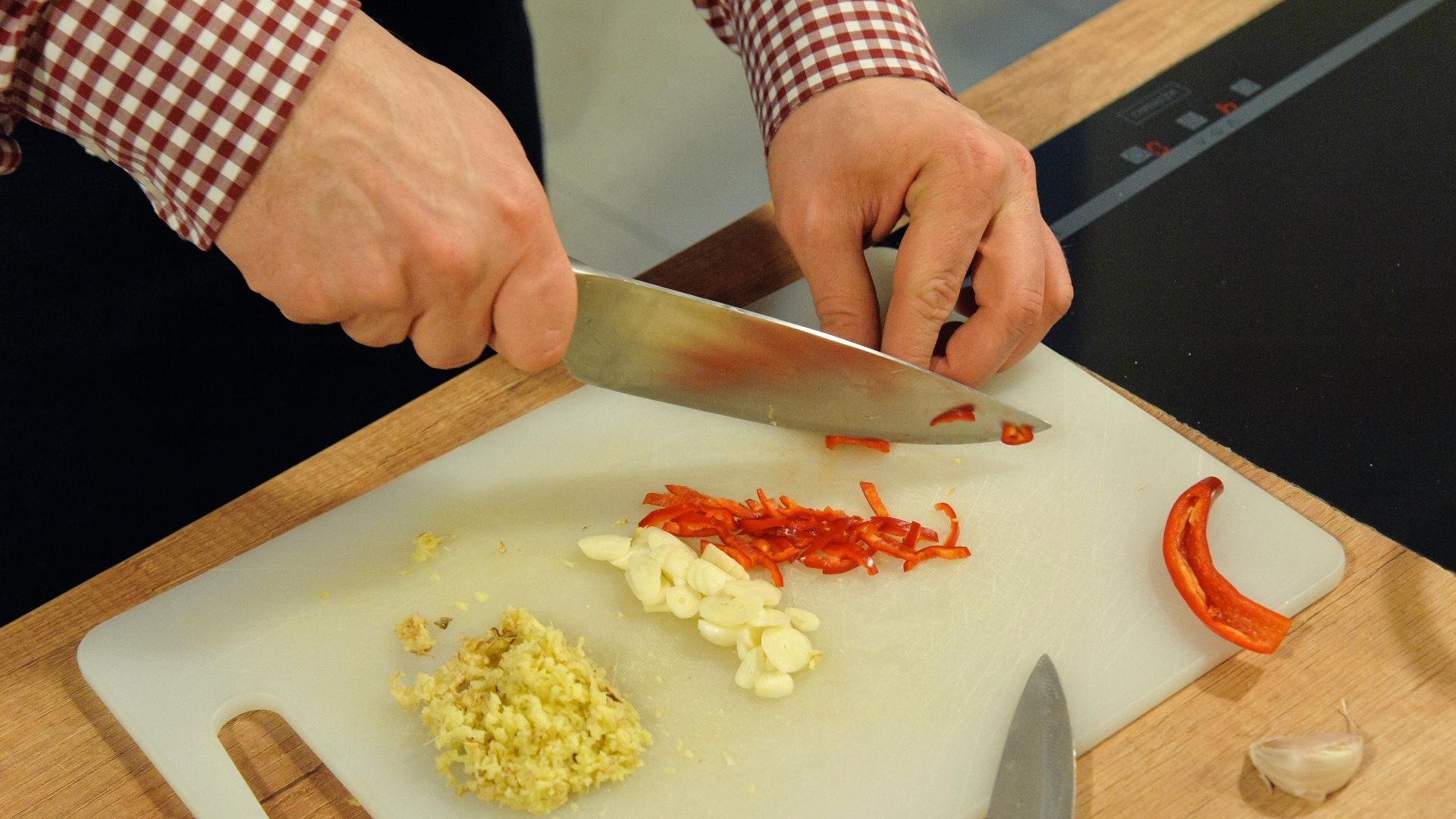
It may sound funny, but your relationship with your knife starts with how you hold it. Forget the hammer grip you've probably been using, as that's for stabbing, not cooking. The proper chef's grip involves pinching the blade itself just above the handle with your thumb and forefinger, while your remaining fingers wrap around the handle. It feels weird at first, almost like you're going to cut yourself, but this grip gives you actual control over the blade's movement.
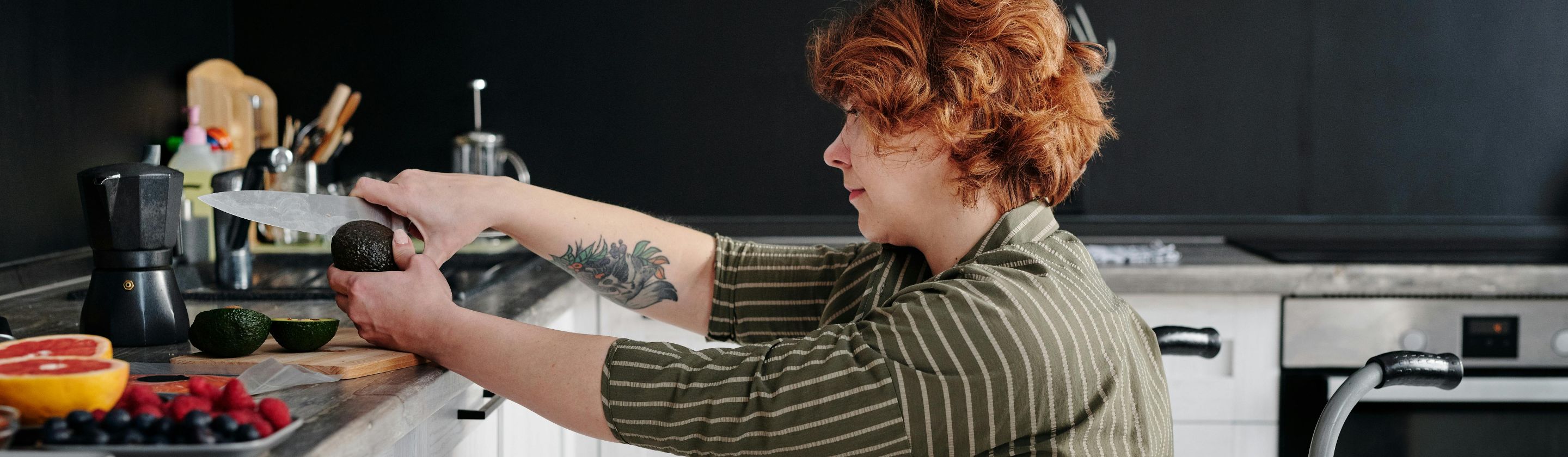
Equally important is your guide hand—the one holding the food. Curl your fingertips under and use your knuckles as a guide for the blade. This "claw" position protects your fingertips while creating a natural fence that keeps your knife at the right angle. Practice this grip while cutting something soft like a banana or cucumber. The goal isn't speed; it's building muscle memory so your hands automatically assume the correct position.
Learn The Three Cuts That Rule Them All
Professional chefs aren't performing culinary magic. They're repeating three basic cuts in different contexts. The rock chop is your bread and butter. Keep the tip of your knife on the cutting board and rock the blade up and down while moving across your ingredient. This works beautifully for herbs, garlic, and anything that needs a fine mince.
The slice is exactly what it sounds like, but the secret is the forward motion. Push the blade forward as you cut down, letting the knife do the work rather than pressing straight down like you're guillotining vegetables. For anything round that likes to roll away, use the cross chop—cut a flat side first to stabilize it, then proceed with your slicing.
Practice With Purpose, Not Just Repetition
Here's where most people waste their time: mindlessly chopping without paying attention to what they're doing. Set up a practice session once a week where you buy a bag of onions or carrots specifically for knife work. Focus on consistency, that is, making each piece the same size, matters more than speed. Time yourself cutting an onion, not to rush, but to track improvement over weeks.
Keep your knife sharp because a dull blade is genuinely more dangerous than a sharp one. It slips and requires more pressure, which means less control. Most importantly, slow down. Speed comes naturally after hundreds of cuts with proper technique. Rush the fundamentals, and you'll just get really good at cutting things badly.
KEEP ON READING

20 Worst Foods for Your Liver