The Common Mistake That Makes Frozen Vegetables Taste Terrible
Frozen vegetables are one of the most convenient ingredients to keep in your kitchen. They're typically picked and frozen at peak freshness, meaning they can retain plenty of nutrients while sitting in your freezer for months. However, despite their convenience, frozen vegetables have a reputation for being bland, mushy, and generally less appetizing than their fresh counterparts. Fortunately, the vegetables themselves usually aren't to blame.
If you've ever cooked frozen broccoli only to end up with a watery, disappointing mush, your cooking technique might be responsible. One particularly common mistake is thawing vegetables before cooking them, which can introduce unnecessary moisture and ruin their texture. Understanding why this happens, along with a few simple cooking tricks, can make frozen produce considerably more enjoyable.
Why Thawing Frozen Vegetables Can Ruin Their Texture
Although defrosting ingredients before cooking might seem like a sensible idea, frozen vegetables generally don't benefit from this extra step. Most commercially frozen vegetables are blanched before freezing, meaning they've already been briefly exposed to boiling water or steam. This process helps preserve their color, flavor, and quality during storage, but it also means they'll often need less cooking time than you might think.
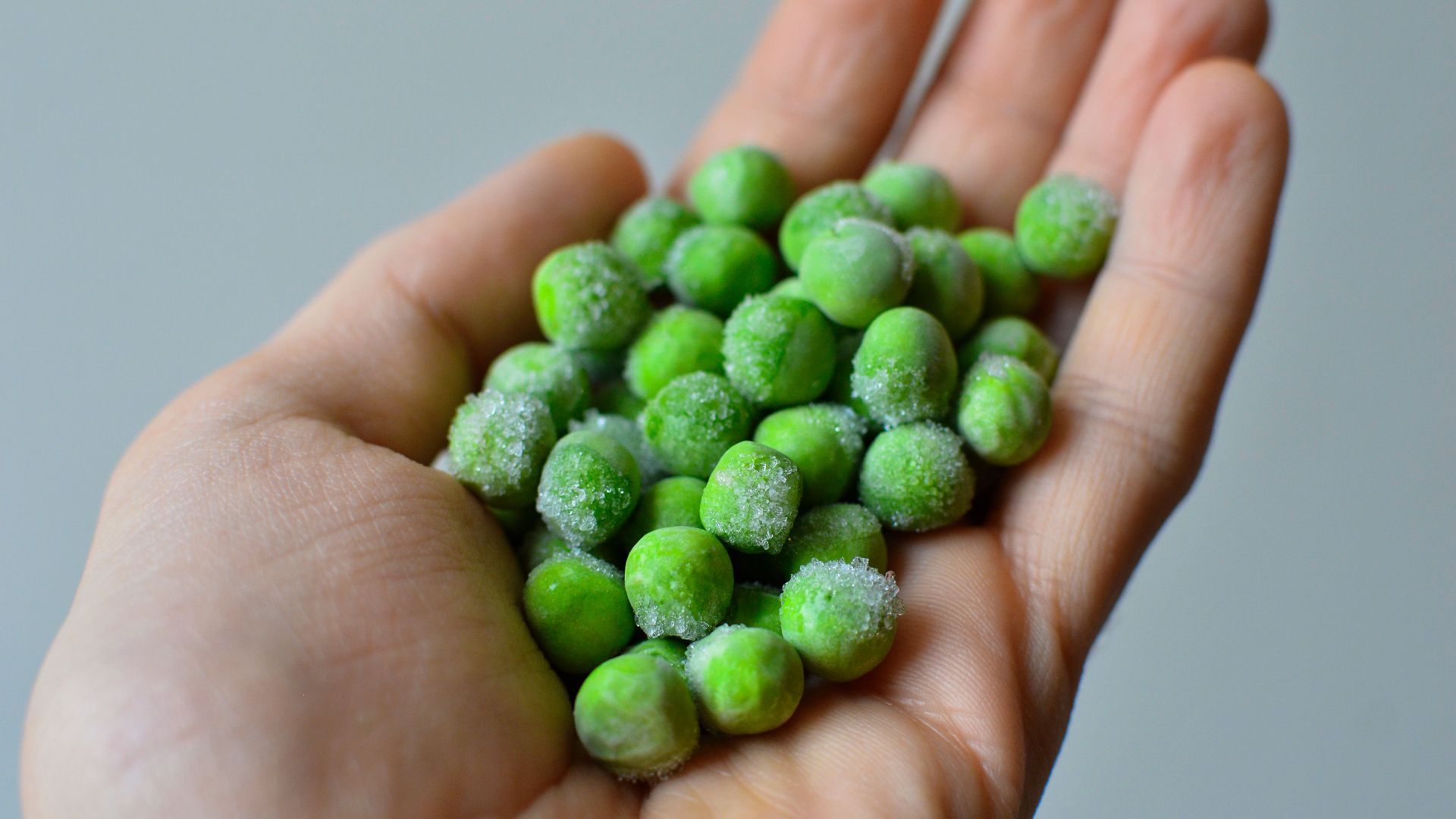
When vegetables freeze, the water inside their cells forms ice crystals that can damage their delicate cellular structures. Once those crystals melt, some of that moisture escapes, leaving vegetables softer than they were originally. Letting frozen produce thaw completely before cooking gives this excess liquid a chance to accumulate, especially if you don't drain the vegetables properly.
This becomes particularly noticeable with broccoli, cauliflower, green beans, and other vegetables that you'd normally want to keep somewhat firm. Adding previously thawed vegetables to a hot pan can introduce enough moisture to prevent browning, causing them to steam instead. Rather than developing those delicious caramelized edges, they may turn out limp and watery, no matter how much seasoning you've added.
Of course, that doesn't mean thawing is always a bad idea, since some recipes specifically call for defrosted vegetables. Frozen spinach, for example, often needs to be thawed and squeezed dry before being added to dips, fillings, or baked dishes.
However, when you're preparing a simple vegetable side dish, cooking directly from frozen is usually your best bet.
How to Cook Frozen Vegetables Without Making Them Soggy
For most frozen vegetables, the easiest improvement is to skip defrosting entirely and add them straight to your pan or baking sheet. Whether you're using a skillet, saucepan, or oven, starting with frozen produce helps you avoid the extra moisture that collects during thawing. You'll still need to deal with the water released during cooking, but managing that moisture becomes much easier.
If you're sautéing vegetables, start by heating a large skillet over medium-high heat and adding a little oil. Spread the frozen vegetables evenly across the pan without overcrowding them, giving excess moisture a chance to evaporate as they cook. Stir occasionally rather than constantly, since leaving them alone for a short time can encourage browning once the surface water disappears. A wider skillet is especially useful because it allows steam to escape more easily.
Roasting is another great option, especially if you want a firmer texture and more concentrated flavor. Preheat your oven to around 425 degrees Fahrenheit, then spread frozen broccoli, cauliflower, or Brussels sprouts in a single layer on a large baking sheet. Toss them with oil and seasonings, leaving enough space between the pieces for moisture to evaporate.
Cooking times will depend on the vegetable, but many benefit from approximately 20 to 30 minutes in the oven, with an occasional turn.
Boiling, on the other hand, is where many people run into trouble because frozen vegetables can become overcooked surprisingly quickly. If you're preparing peas, corn, or green beans in water, aim for the shortest cooking time that gives you your preferred tenderness. There's really no need to leave them simmering for ages, especially when you consider that they've already been blanched before freezing.
Other Simple Mistakes That Make Frozen Vegetables Taste Worse
Even if you've mastered the cooking technique, frozen vegetables can still be disappointing when they're not seasoned properly. Salt and pepper are a good starting point, but garlic, smoked paprika, lemon juice, and fresh herbs can bring out much more flavor. Adding a squeeze of lemon or some grated Parmesan after cooking works particularly well because these finishing touches won't get diluted by excess moisture.
Another common mistake is leaving vegetables in the freezer for too long or failing to store them properly. Although vegetables kept continuously frozen at 0 degrees Fahrenheit can remain safe indefinitely, their flavor and texture gradually decline over time. Bags that aren't sealed tightly can also develop freezer burn, which dries out the vegetables and may leave them tasting unpleasant.
For the best results, stick to the package's recommended storage period and make sure opened bags are properly resealed.
It also helps to choose the right vegetable for your cooking method, since different frozen varieties don't all behave the same way. Peas and corn make excellent additions to soups, stir-fries, and rice dishes, while broccoli and cauliflower often turn out better when roasted or sautéed. Leafy greens tend to work especially well in sauces and casseroles, where their softer texture isn't much of an issue.
Making frozen vegetables taste better doesn't require elaborate recipes or fancy ingredients. By skipping unnecessary thawing, keeping moisture under control, and choosing the right cooking method for each vegetable, you can noticeably improve their flavor and texture. With a little extra care, that forgotten bag of frozen broccoli might become something you actually look forward to eating.
KEEP ON READING