The Ingredients That Give Vietnamese Food Its Signature Flavors
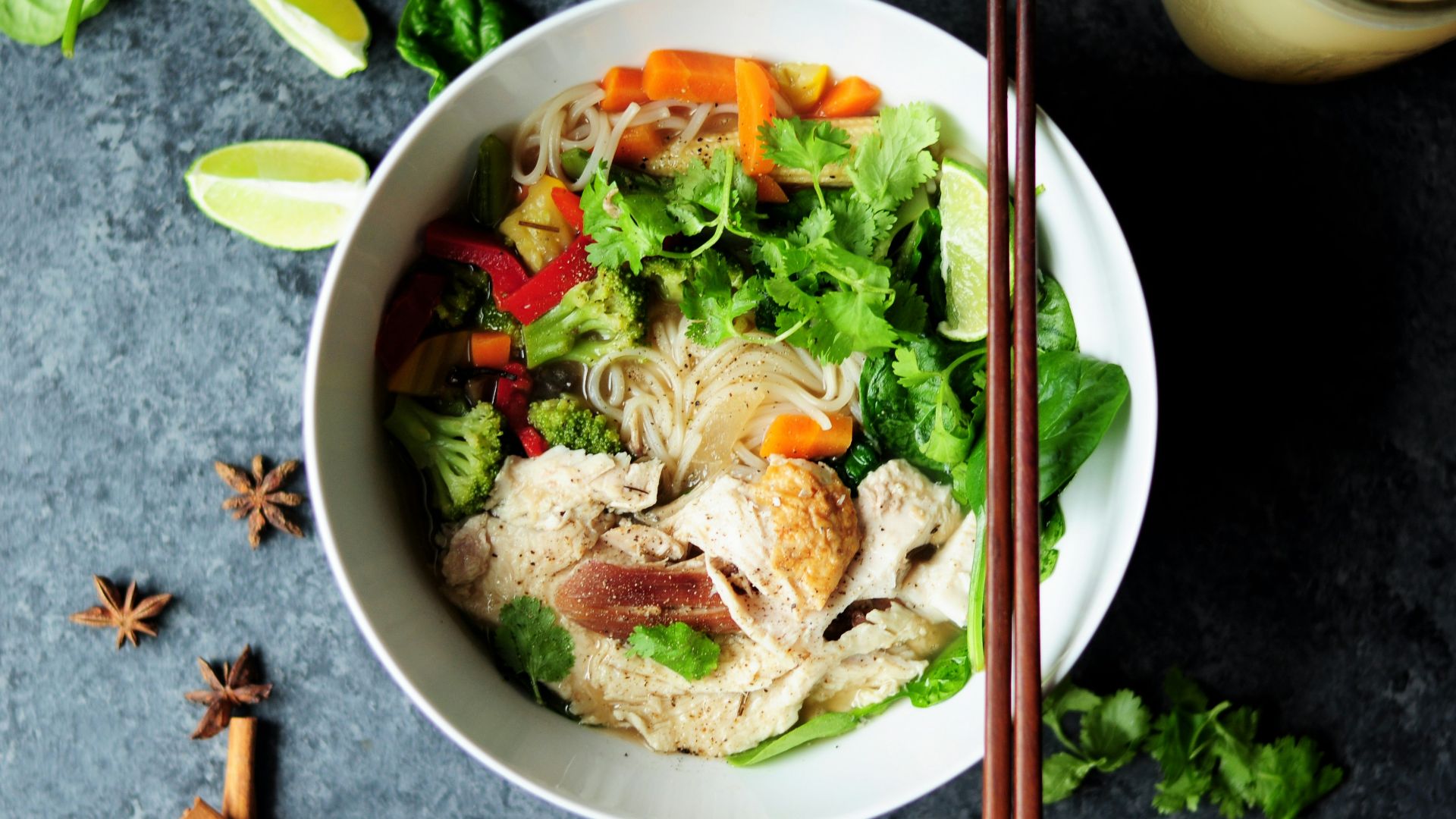
Vietnamese food has the unique ability to feel both comforting and exciting in the same bite. Meals are vibrant without being heavy. They're bold without overwhelming the palate. This balance often feels effortless, but it is the result of a carefully layered ingredient philosophy. Rather than relying on rich sauces or excess spice, Vietnamese cooking builds flavor through fresh ingredients, where carefully contrasting flavors and textures work together. The savors blend and complement one another harmoniously. These key ingredients are what give the cuisine its unmistakable identity.
Fresh Herbs and Greens: The Heart of Vietnamese Cooking
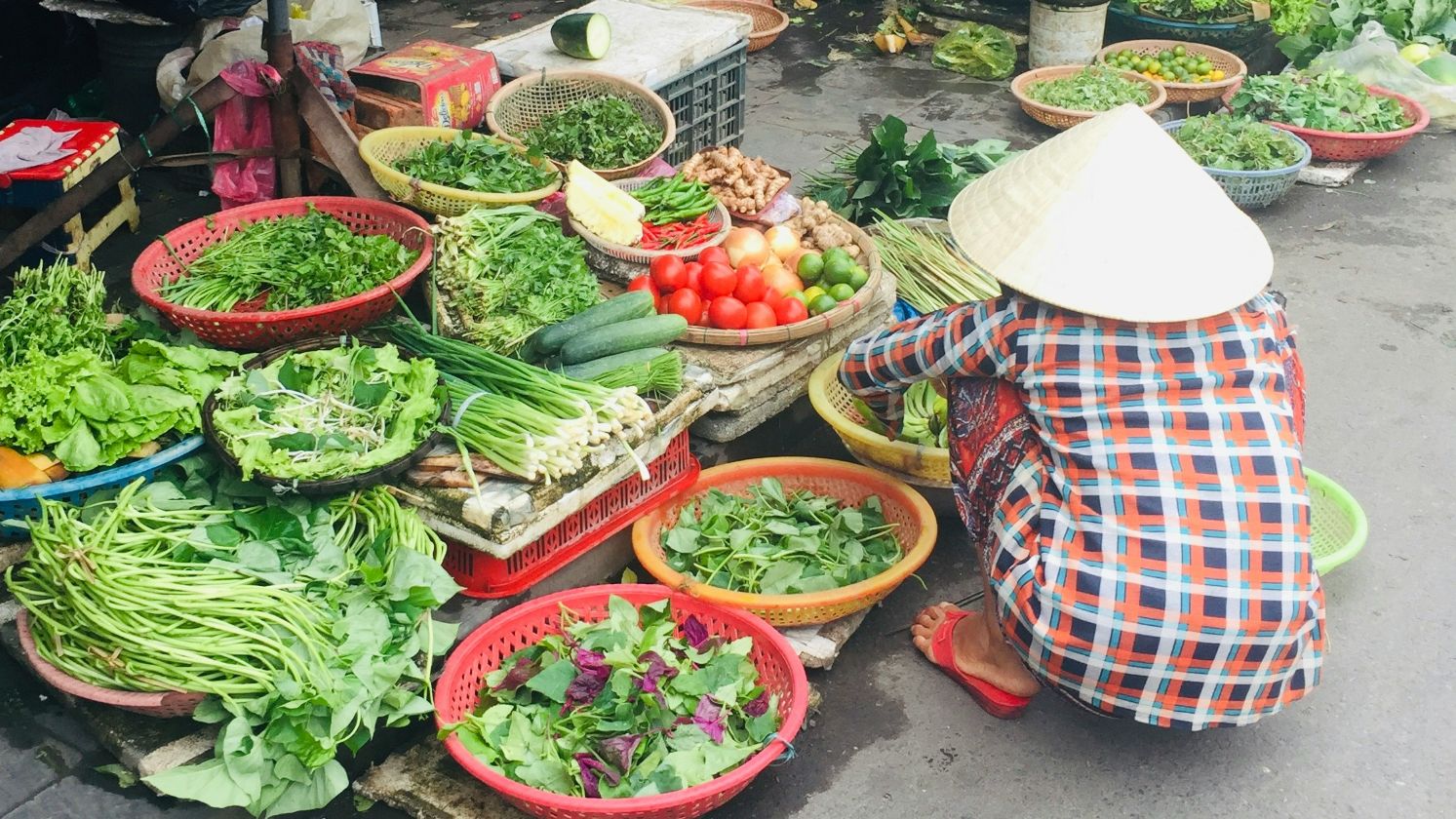
Fresh herbs are central to Vietnamese dishes in a way that surprises many first-time visitors. Cilantro, mint, Thai basil, sawtooth herb, and perilla are served generously. The herbs are often piled high alongside noodles, soups, and grilled meats. These are not decorative; they are essential.
Even in comforting bowls of pho or bún, fresh herbs add brightness and aroma, giving the dishes a surprisingly light feel. For families, this herb-forward style makes meals interactive and adaptable. Kids can add herbs gradually, while adults can layer flavors to taste. The result is food that feels clean, fresh, and energizing, ideal for long travel days or warm climates.
Fish Sauce and Fermented Staples: Depth Without Heaviness
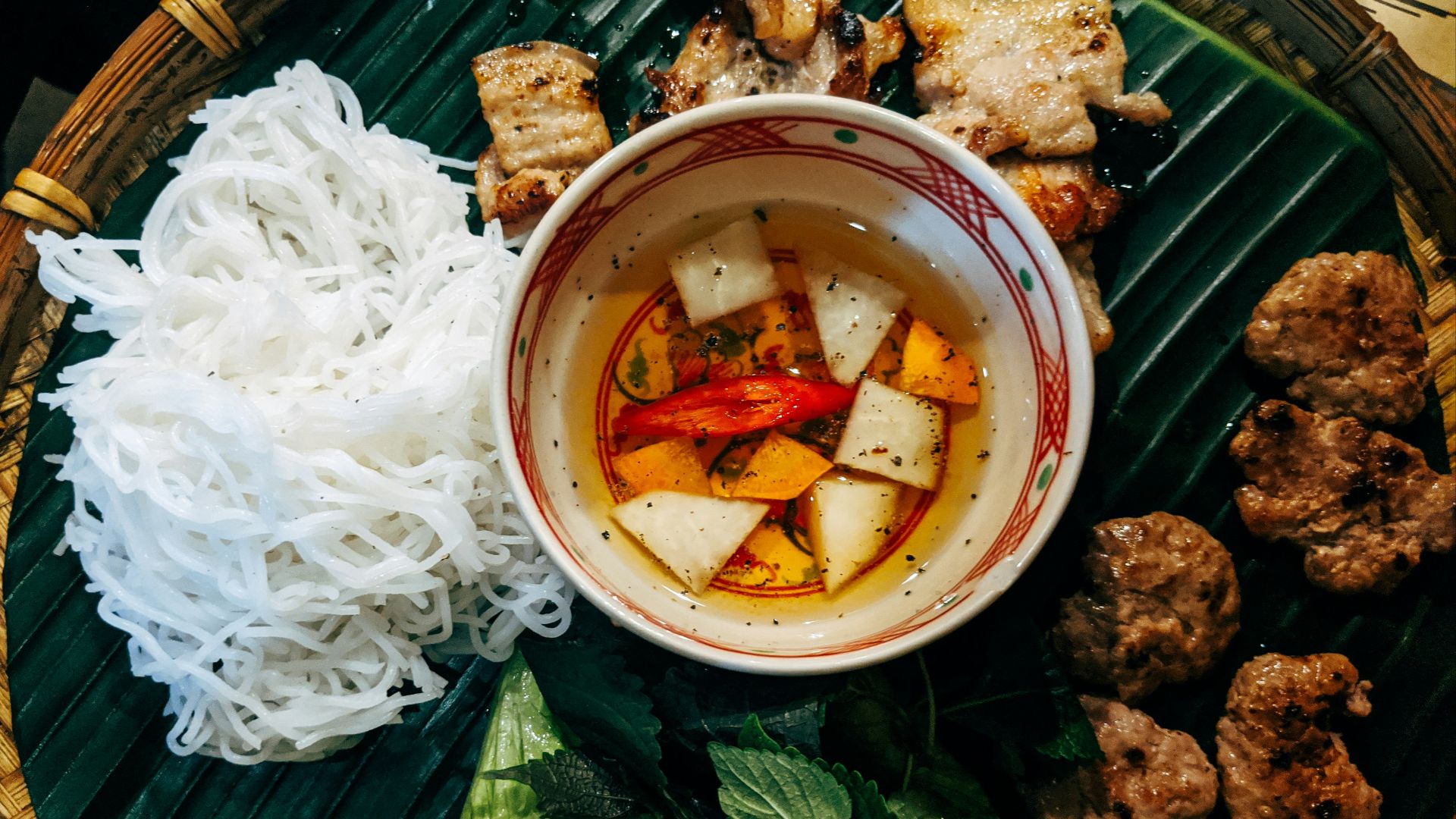
Fish sauce is known as nước mắm. This is the backbone of Vietnamese flavor. Used in small amounts, the sauce adds savory depth and complexity rather than a strong “fishy” taste. It quietly enhances soups and stir-fries, and is added to marinades and dipping sauces. This way, sweet, sour, and salty elements are tied perfectly together.
Other fermented ingredients, such as shrimp paste or pickled vegetables, play a similar role. They add richness without relying on oils or creams. This is why Vietnamese food often feels deeply satisfying yet easy to digest. For travelers sampling street food or home-style meals, this layered savoriness is what makes even simple dishes memorable.
Citrus, Spice, and Sweetness: A Culture of Balance
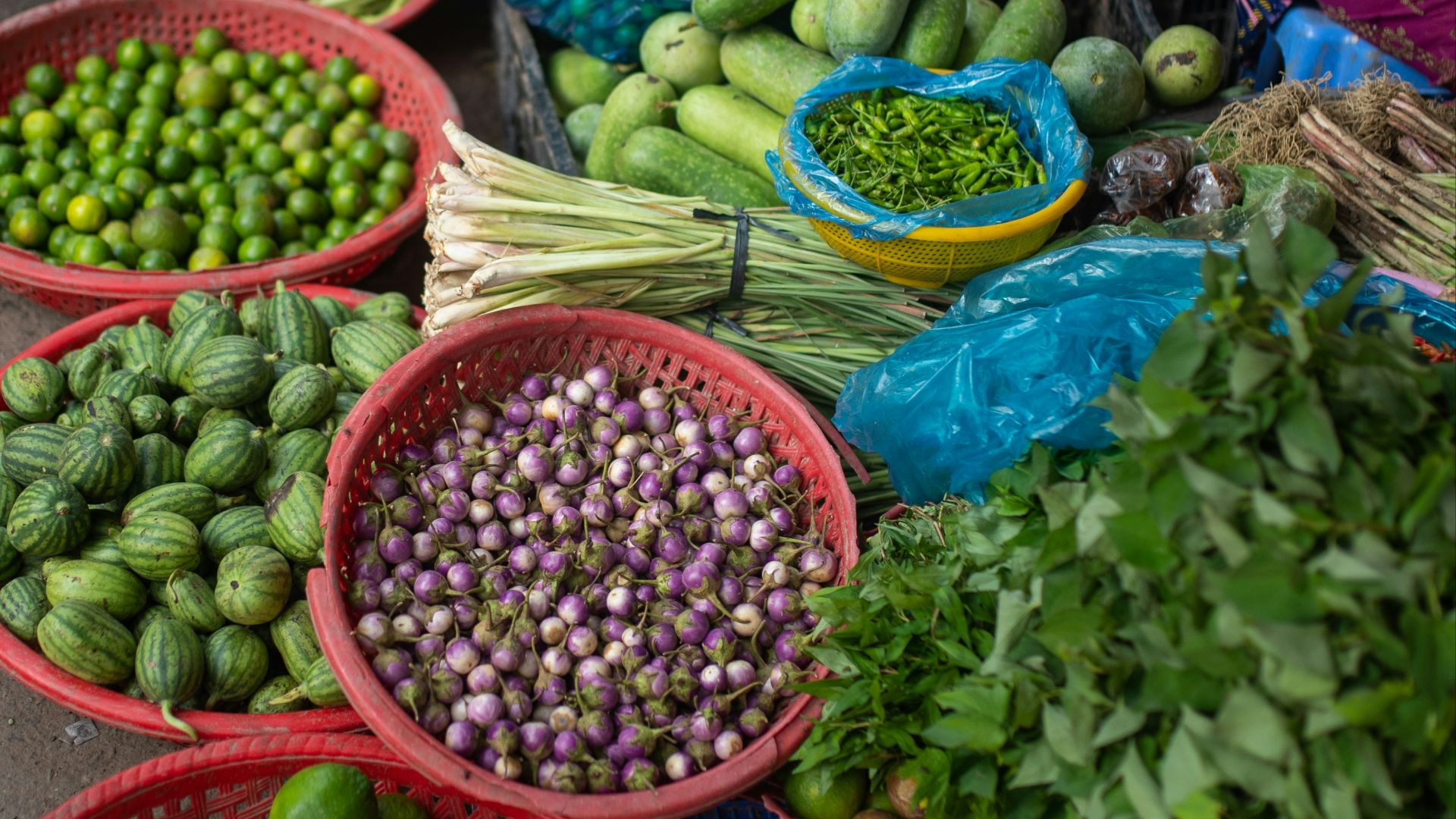
Vietnamese cuisine is guided by balance more than heat. Lime juice, tamarind, vinegar, chili, garlic, and ginger are used to create contrast rather than intensity. Sour notes brighten rich flavors. Gentle heat adds interest. And subtle sweetness from palm sugar or fruit smooths everything out.
This careful balance makes Vietnamese food especially appealing to families with varied taste preferences. Dishes can be customized at the table with extra lime, chili, or sauce. Everyone can easily find their own comfort zone. The result is food that feels lively and satisfying without ever feeling too much.
Vietnamese cuisine is not defined by a single bold ingredient but by how each element works in harmony. Fresh herbs bring lift. Fermented sauces add depth. Citrus and spice keep flavors in motion. Together, they create a cuisine that feels nourishing, flexible, and endlessly inviting, whether you are tasting it for the first time abroad or recreating it at home.