When “Healthy” Starts Feeling a Little Too Intense
Fiber doesn’t get much attention until something feels off, and then it suddenly becomes everyone’s favorite nutrition topic. If your digestion, energy, or appetite have been acting a little unpredictably, your daily intake might be the quiet culprit. The good news is that your body tends to send clear signals when it’s not getting enough—and when you’re getting too much.

1. You’re Not Going to the Bathroom Regularly
If you’re going days without a bowel movement, low fiber is a common factor. Fiber helps add bulk and encourages consistent movement through your digestive tract, so when it’s missing, things can slow down and become uncomfortable.

2. Your Stools Are Painful to Pass
Hard, dry stools often show up when your diet lacks enough fiber to hold onto water in the gut. That can lead to straining, which nobody enjoys, and your body definitely notices. If bathroom trips feel like work, it’s worth looking at your fiber habits.

3. You Feel Bloated More Often Than You’d Like
Bloating can happen for many reasons, but a lack of fiber can contribute by making digestion less efficient. When things aren’t moving along smoothly, pressure and fullness build up. If your stomach feels tight regularly, your meals may be missing fiber-rich choices.
4. You Get Hungry Again Soon After Eating
It’s never good when your meals don’t keep you satisfied. Believe it or not, a lack of fiber can slow digestion! Fiber helps meals feel more substantial without relying on extra calories, and when you don’t consume enough, you may find yourself prowling the kitchen sooner than planned.

5. Your Energy Feels Up and Down Throughout the Day
Low-fiber meals can lead to quicker digestion and more dramatic blood sugar swings for some people. That means bursts of energy followed by midday slumps. Keep an eye on whether you’re constantly chasing steady energy; fiber may be part of the fix.

6. You Rely on “Snacks” That Don’t Actually Help
Mostly refined carbs, they may taste good, but they won’t offer much fiber. Over time, that can leave you feeling unsatisfied even when you’ve eaten enough calories. Swapping in fiber-containing options can make snacking feel more purposeful and less random.

7. You Have More Cravings Than Usual
As mentioned, low fiber can make it harder to feel truly satisfied after meals. When meals digest quickly, your brain interprets that as needing more food, even if you’ve had plenty. Take note of whether you frequently need snacks immediately after eating.

8. Your Cholesterol Numbers Aren’t Where You Want Them
Certain types of fiber, especially soluble fiber, support heart health by helping manage cholesterol. If your overall diet is low in fiber, you’re missing that benefit entirely. While fiber isn’t the only factor, it’s a straightforward place to improve.
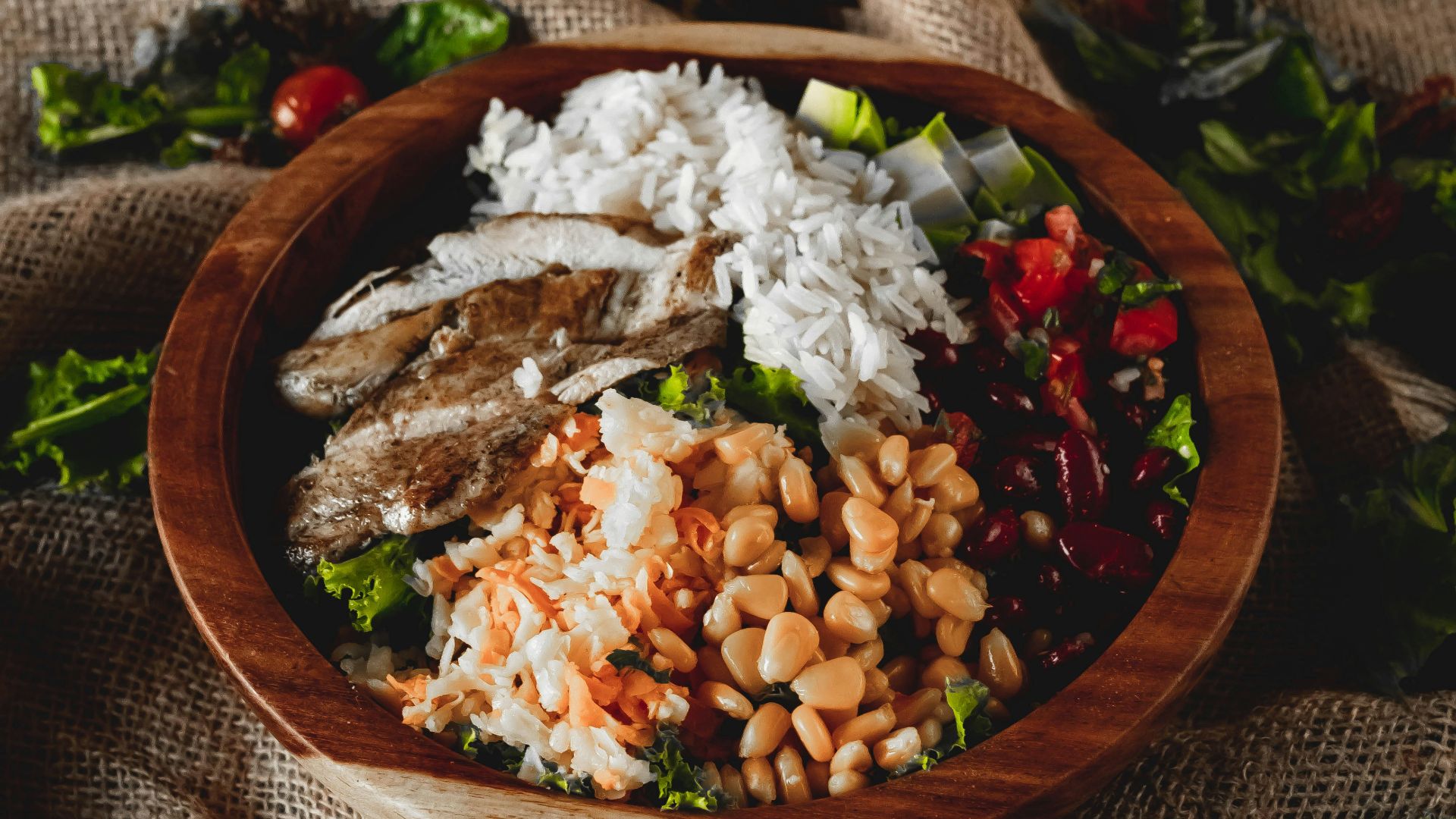
 Rodrigo Rodrigues | WOLF Λ R T on Unsplash
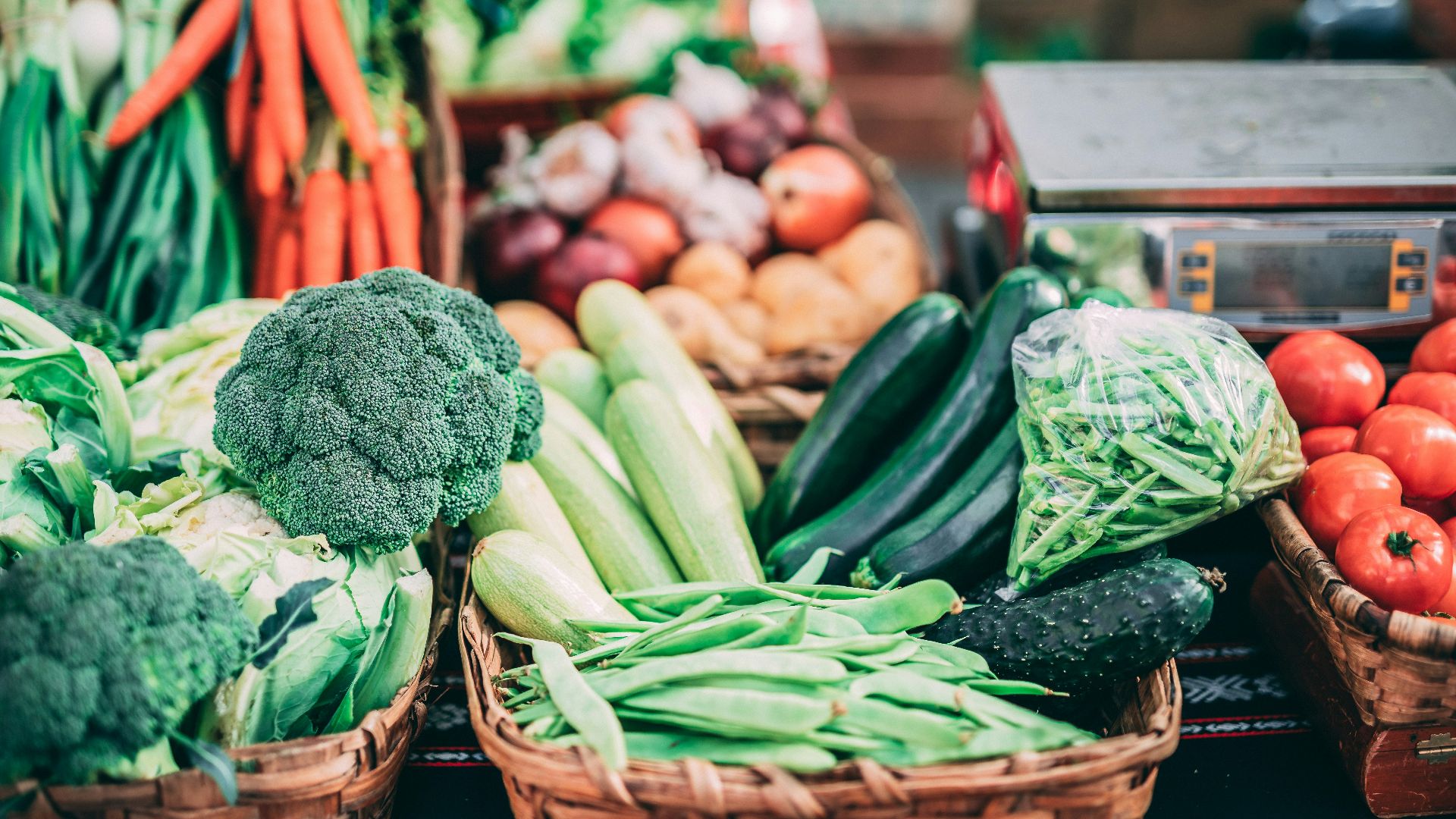
9. You’re Not Eating Many Fruits, Vegetables, Beans, or Whole Grains
There’s a reason doctors refer to these as the holy grail of foods! Many common meals rely heavily on refined grains and protein with very little plant variety. Once staple fiber sources go missing, your intake probably won’t be high enough.

10. Your Digestion Feels Unpredictable
Inconsistent fiber intake means irregular digestion—you might swing between constipation, discomfort, or general digestive unease without a clear trigger. Do things feel variable for no obvious reason? Boosting fiber can help create more stability!

Fiber is great for digestion and long-term health, but there’s a point where more isn’t better. Paying attention to how you feel can help you find a comfortable middle ground that supports health without making daily life awkward.
1. You’re Dealing With Frequent Gas
Have you noticed an increase in gas that doesn’t seem to let up? Your fiber intake may be overshooting your comfort zone. Certain high-fiber foods ferment in the gut, and that can create more gas than you’re used to.

2. Bloating Shows Up After Most Meals
Consistent bloating can happen when your digestive system struggles to process a high fiber load. It’s especially common if you increased fiber quickly instead of gradually. If your stomach feels uncomfortably full even when portions are reasonable, it may be time to reassess.
3. Your Stomach Cramps More Than Usual
Too much fiber, particularly from very rough or bulky sources, irritates the digestive tract in some people. That irritation may feel like cramps or abdominal discomfort that comes and goes throughout the day.

4. You’re Having Loose Stools
When too little fiber constipates you, too much can cause the opposite problem! Some forms of fiber actually speed up intestinal movement, leading to looser stools. If bathroom trips become urgent or unusually frequent, your intake may be higher than your body wants.

5. Constipation Happens Even Though You’re “Doing Everything Right”
It’s unfair, but excess fiber without enough fluid can also make stools harder to pass. Bulk builds up, yet the texture doesn’t cooperate, so the result can be stubborn constipation. Take stock of your intake. Depending on how your BMs look, fiber and hydration both deserve a closer look.

6. You Feel Uncomfortably Full for Hours
High fiber meals can be very filling, but they can also become unpleasant when they’re constant. If you feel heavy or stuffed long after you’ve eaten, your digestive system may be moving too slowly under the load.

7. Nausea Creeps In After High-Fiber Foods
When your gut’s overloaded, nausea shows up. Large amounts of fiber can delay stomach emptying, which may leave you feeling queasy, so keep an eye on whether you’re sick to your stomach more often.

8. Your Water Bottle Isn’t Keeping Up With Your Plate
Fiber needs fluid to do its job comfortably, and a high-fiber diet raises your hydration needs. If you’re not drinking enough, the digestive side effects can stack up quickly. Do symptoms improve on days you hydrate well? We thought so!

9. You’re Leaning Hard on Fiber Supplements
Fiber powders and capsules can be convenient, but they can also push your total intake higher than you realize. Supplements add concentrated fiber without the natural variety and water content that comes with food. Don’t just assume stocking up will keep you healthy.

10. Your Gut Feels Unpredictable
A sudden fiber increase can change bowel habits. You might bounce between discomfort, urgency, or irregularity without a clear pattern. More dramatic digestion should indicate it’s time to reduce your fiber intake.
KEEP ON READING

The Most Popular Chocolate Bars in the USA

The Most Popular Candies in the USA