
10 Things to Never Put in Your Water & 10 Smarter Ways to Hydrate (That Actually Help)
10 Things to Never Put in Your Water & 10 Smarter Ways to Hydrate (That Actually Help)
What You Add to Your Water Matters More Than You Think
Staying hydrated is one of the simplest things you can do for your health, but what you put in your water can either support that goal or do the complete opposite. If you're not careful, certain additions that seem harmless (or even healthy) can interfere with digestion, spike your blood sugar, or irritate your digestive tract over time. Before you reach for something to toss in your glass, it's worth knowing what actually helps and what's better left out.
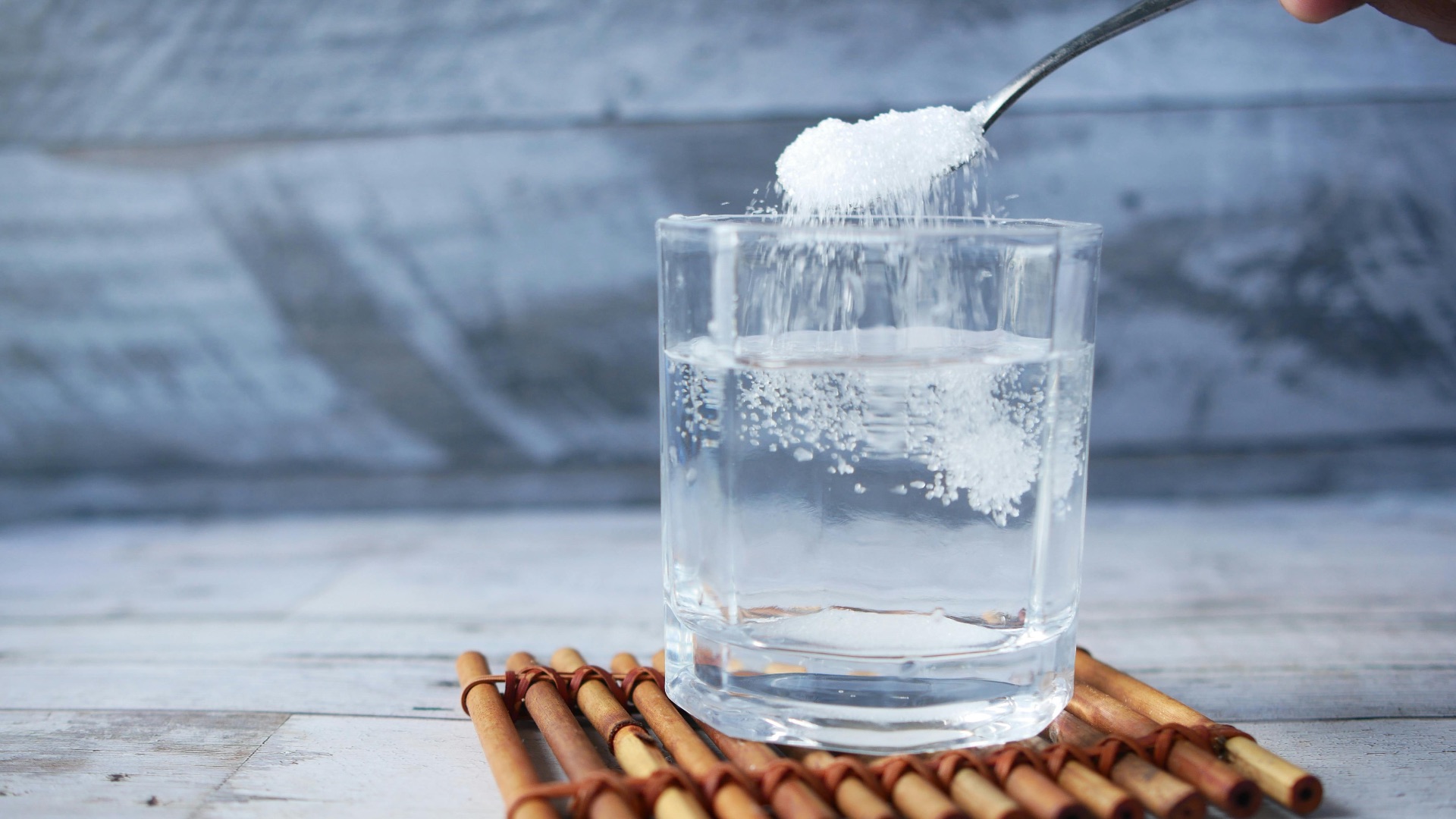
1. Artificial Sweeteners
Sugar-free flavor packets might seem like a smart way to make water more appealing, but artificial sweeteners like aspartame and sucralose come with their own concerns. Research suggests they can alter gut bacteria and may actually increase cravings for sweet foods over time. If plain water feels too boring, there are far better ways to add flavor without the potential downsides.
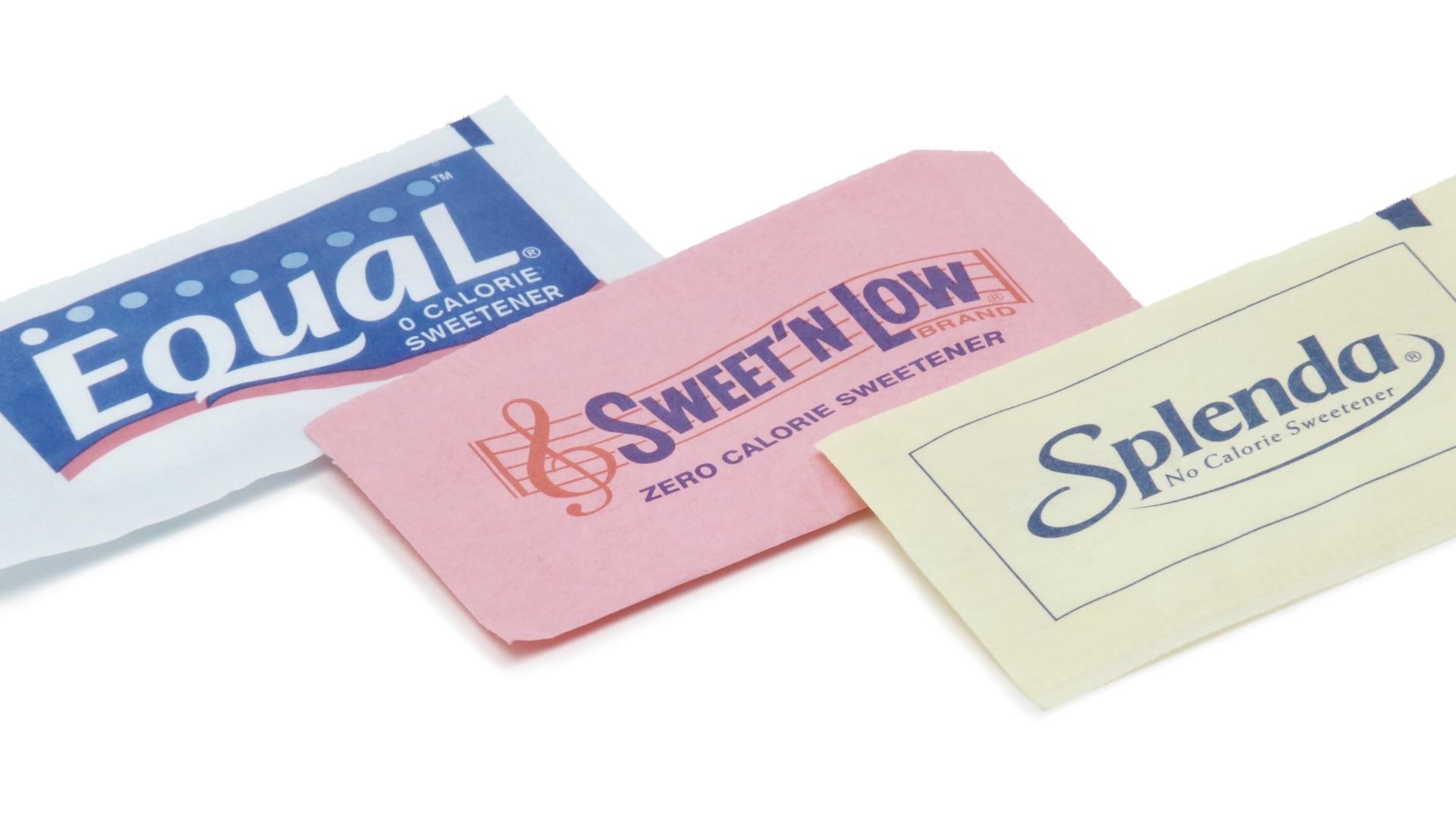
2. Undiluted Apple Cider Vinegar
Apple cider vinegar has a loyal following in the wellness community, but drinking it straight in your water without proper dilution can cause real damage. The high acidity can erode tooth enamel and irritate the esophagus, especially with repeated daily use. If you want to include it, stick to no more than one to two teaspoons in a full glass of water and rinse your mouth afterward.
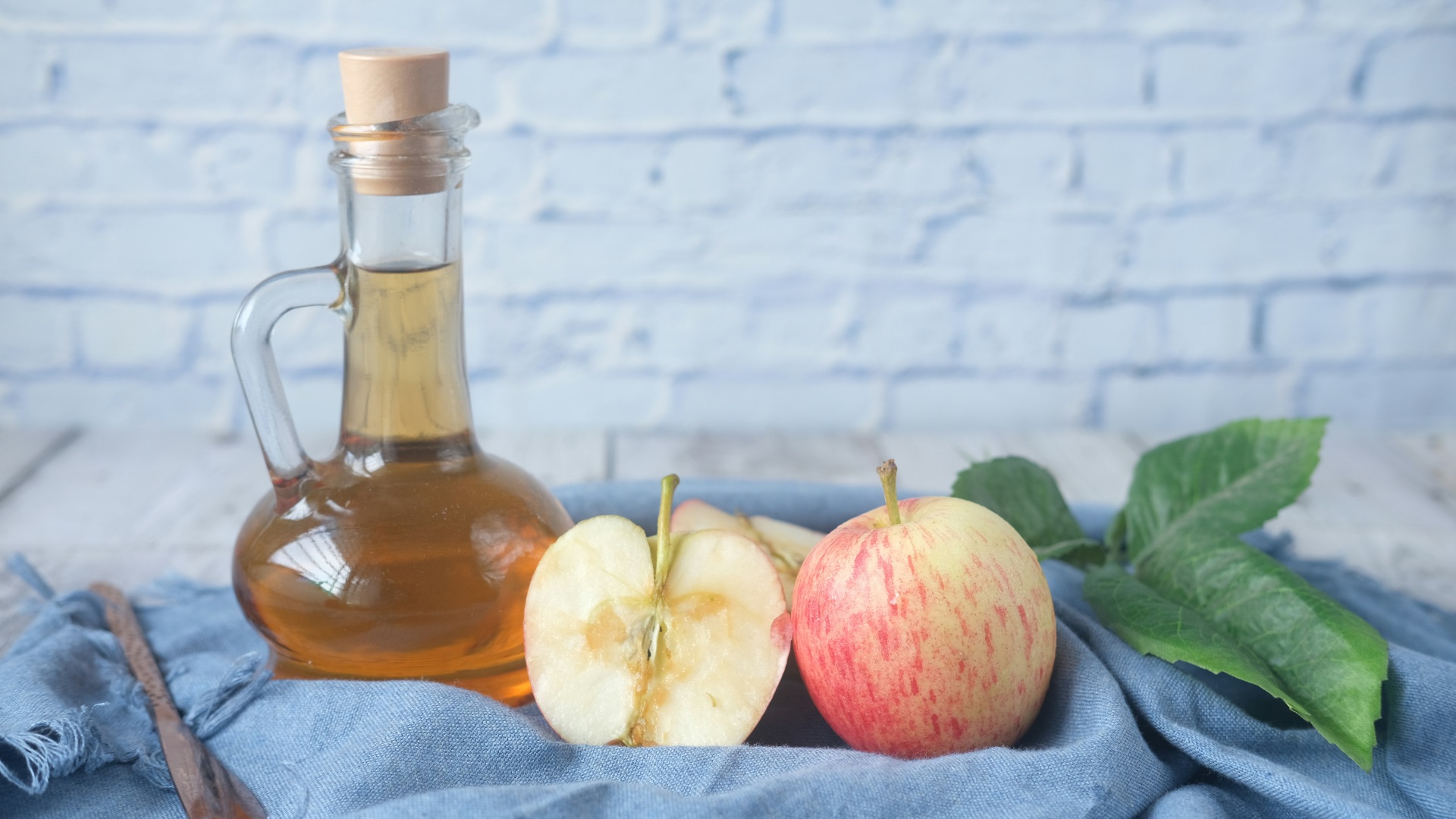
3. Excessive Lemon Juice
A squeeze of lemon is a refreshing addition, but going overboard with it isn't doing your teeth any favors. Citric acid is highly erosive to enamel, and sipping on heavily lemon-infused water throughout the day means prolonged acid exposure. Keep your portions modest and consider drinking it through a straw to limit contact with your teeth.
4. Sugary Drink Mixes
Powdered drink mixes can make water colorful and flavorful, but many are packed with added sugar. That can turn a healthy glass of water into something closer to a soft drink, especially if you use them multiple times a day. Save sweet mixes for an occasional treat rather than making them your main hydration method.
5. Raw Eggs
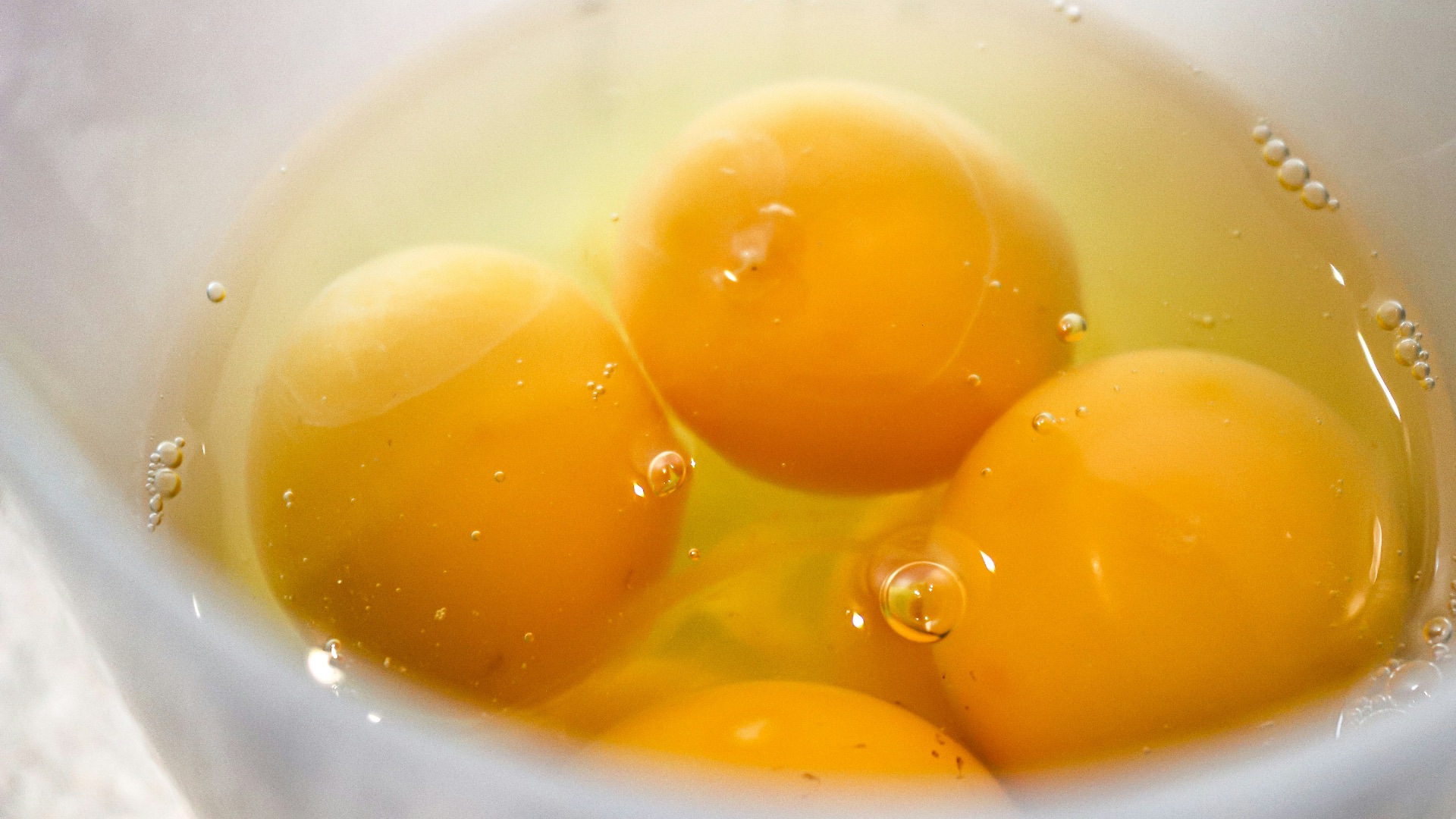
Adding raw eggs to water (or chugging them alone) is a trend that occasionally resurfaces in fitness circles, but it's not a safe or effective hydration strategy. Raw eggs carry a risk of Salmonella contamination, and the protein in raw egg whites actually binds to biotin, making it harder for your body to absorb that essential B vitamin. Cooked eggs remain one of the most nutrient-dense foods available; there's no reason to consume them raw.
6. Baking Soda Without Medical Guidance
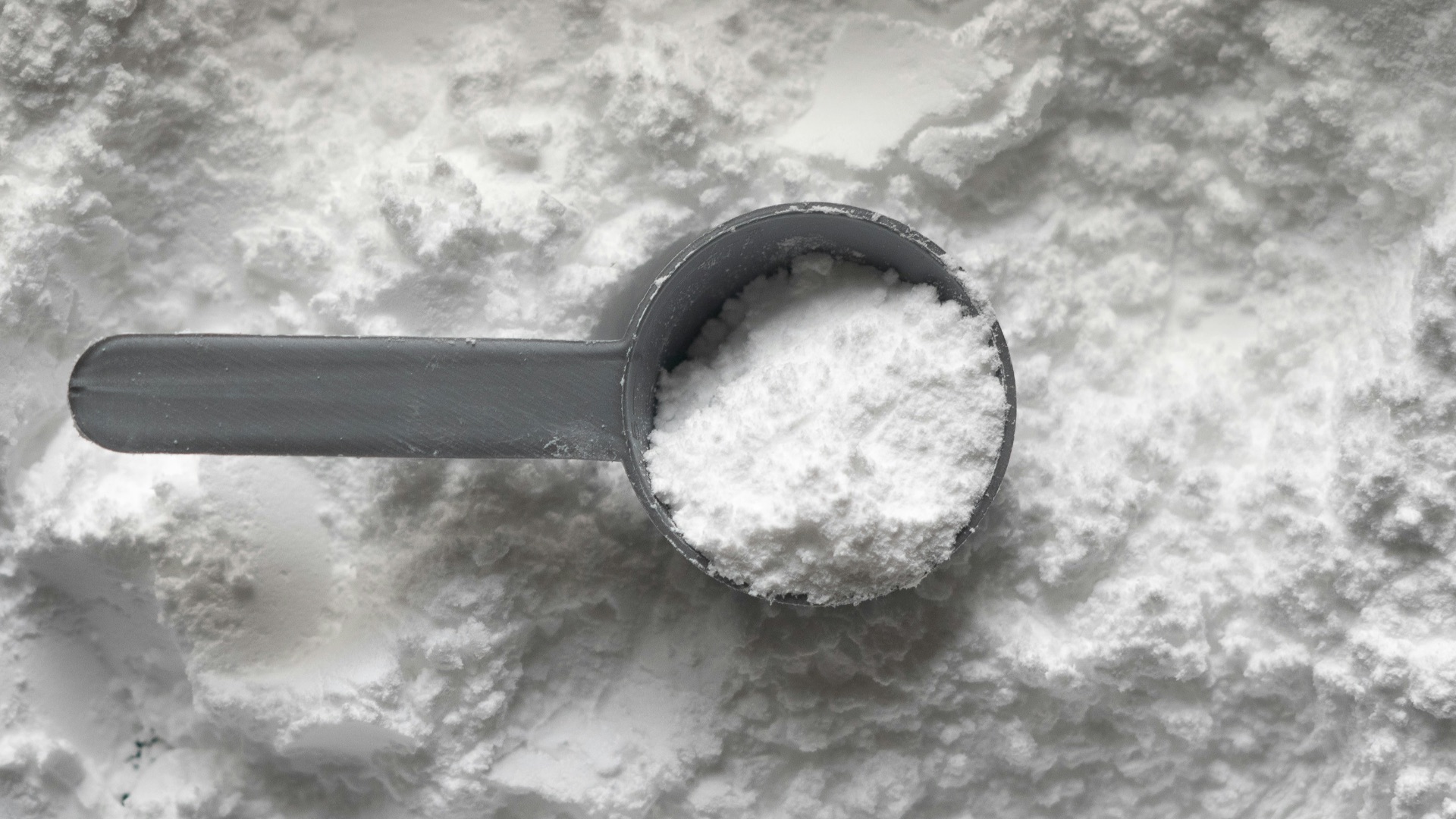
Some people add baking soda to water for heartburn or alkalinity, but it contains a lot of sodium. Drinking it too often can disrupt your sodium balance, raise concerns for blood pressure, and cause digestive discomfort. It’s best to use it only when a healthcare professional has specifically recommended it for your situation.
7. High-Sugar Flavor Syrups
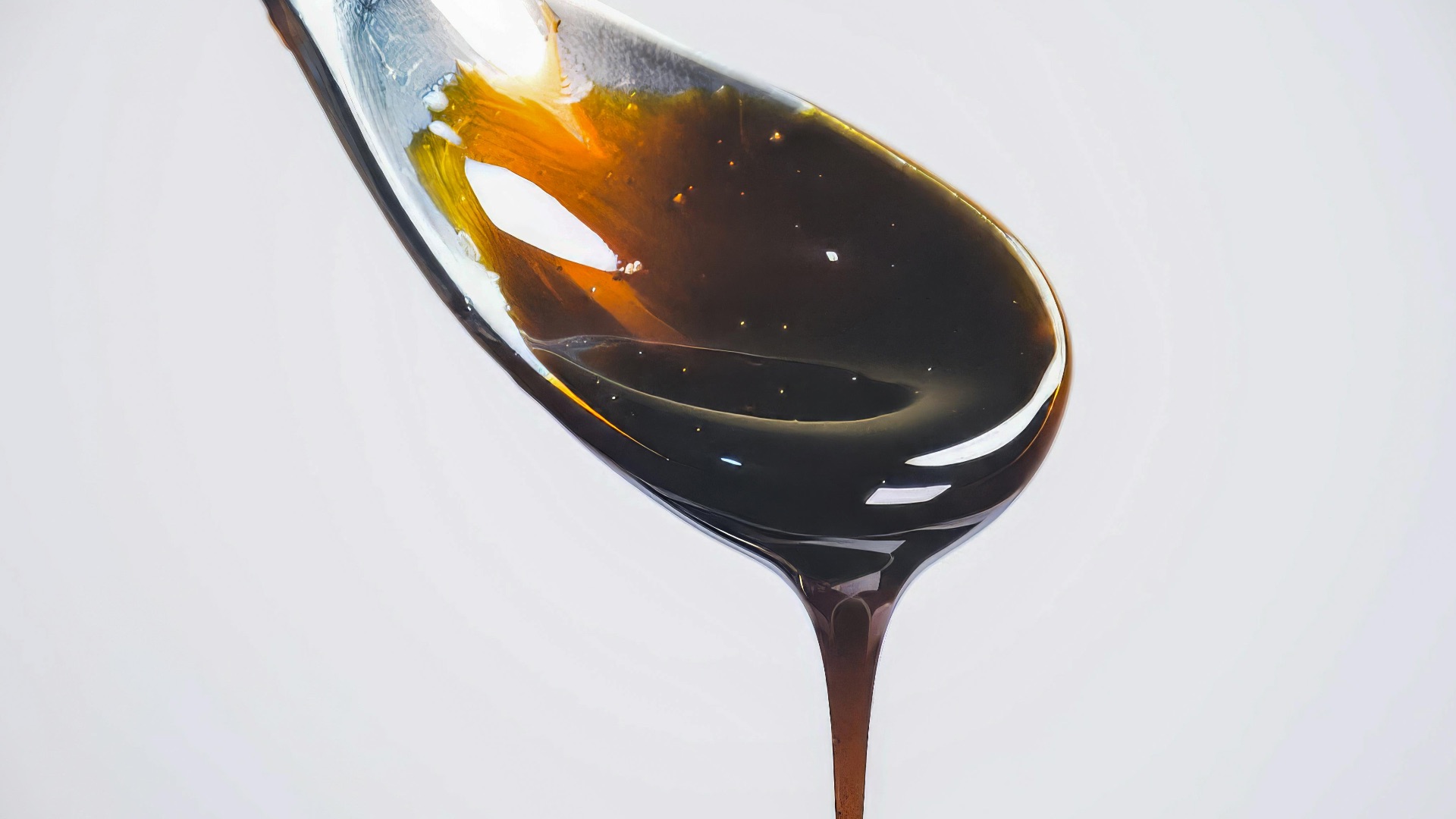
Flavored syrups marketed for beverages can make water taste great, but many of them are loaded with added sugars that spike blood glucose levels quickly. Regularly sweetening your water this way can contribute to excess calorie intake without providing any nutritional benefit. It also trains your palate to expect sweetness, making it harder to enjoy plain water over time.
 John Benedict Malong on Pexels
8. Essential Oils
Some wellness influencers recommend adding a drop of food-grade essential oils like peppermint or lemon to water, but this isn't as harmless as it sounds. Essential oils are highly concentrated and can irritate the mucous membranes of your mouth, throat, and stomach lining. They're formulated for aromatherapy and topical use, not internal consumption, and ingesting them regularly isn't recommended by health professionals.
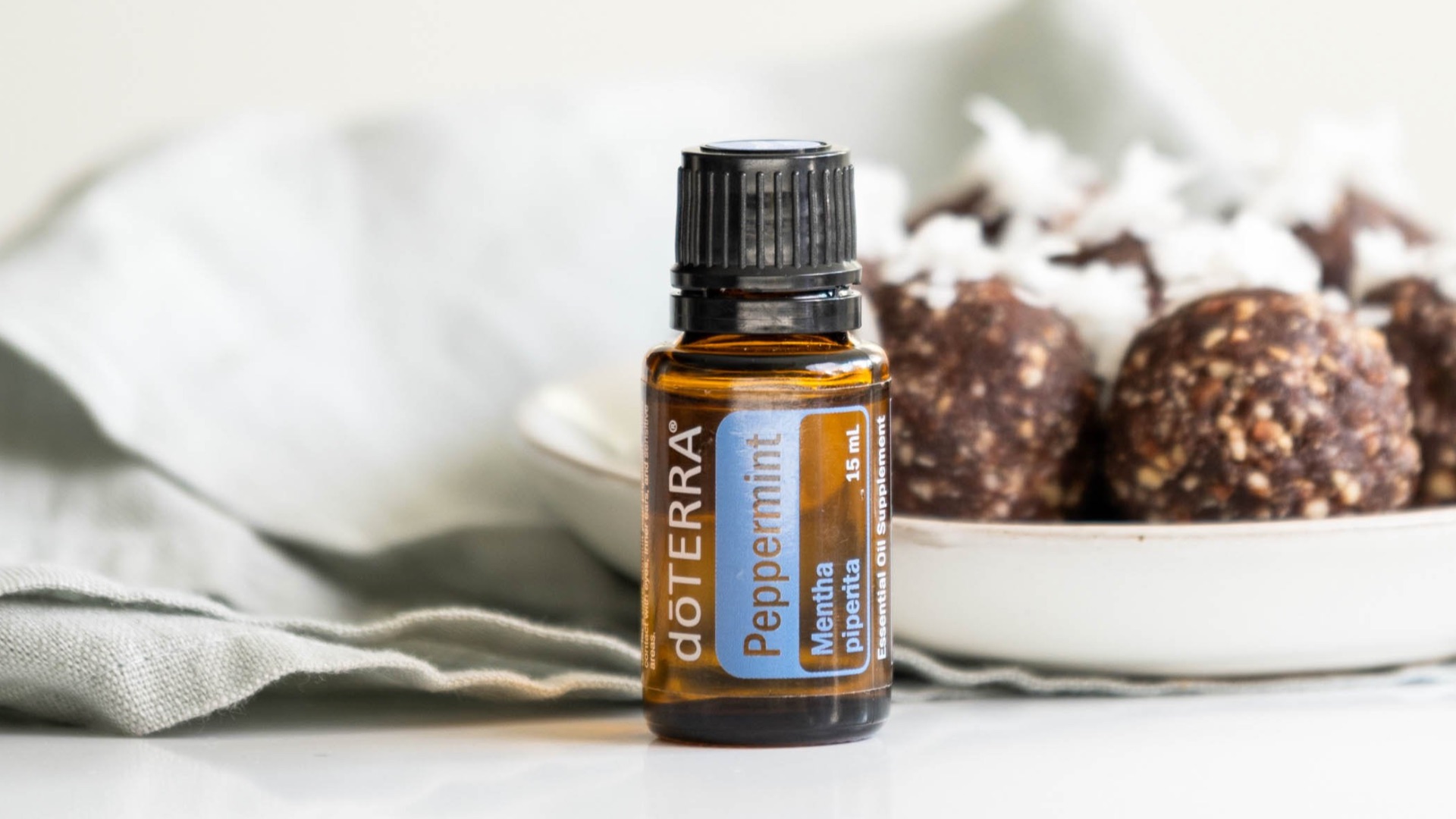 doTERRA International, LLC on Pexels
9. Tap Water Softener Residue
If your home uses a salt-based water softener, the treated water that comes out of your tap has elevated sodium levels, which may not be suitable for drinking in large amounts. People managing high blood pressure or heart conditions are often advised to avoid softened water as their primary drinking source. Checking with your local water utility or a health professional can help you determine whether your softened tap water is appropriate for daily hydration.
10. Herbal Supplements Not Intended for Beverages
Stirring loose herbal supplements or powders into your water without knowing their proper dosage or interaction risks can cause more harm than good. Some herbs, like licorice root or comfrey, have known toxicity concerns when consumed in unregulated amounts. Unless a supplement is specifically formulated and dosed for beverage use, it's best to take it the way the label directs rather than improvising.
Now that you know what to keep out of your glass, the better question is: what should actually be going in? There are plenty of evidence-backed ways to make hydration work harder for you, and most of them are surprisingly simple. Let's take a look at that next.

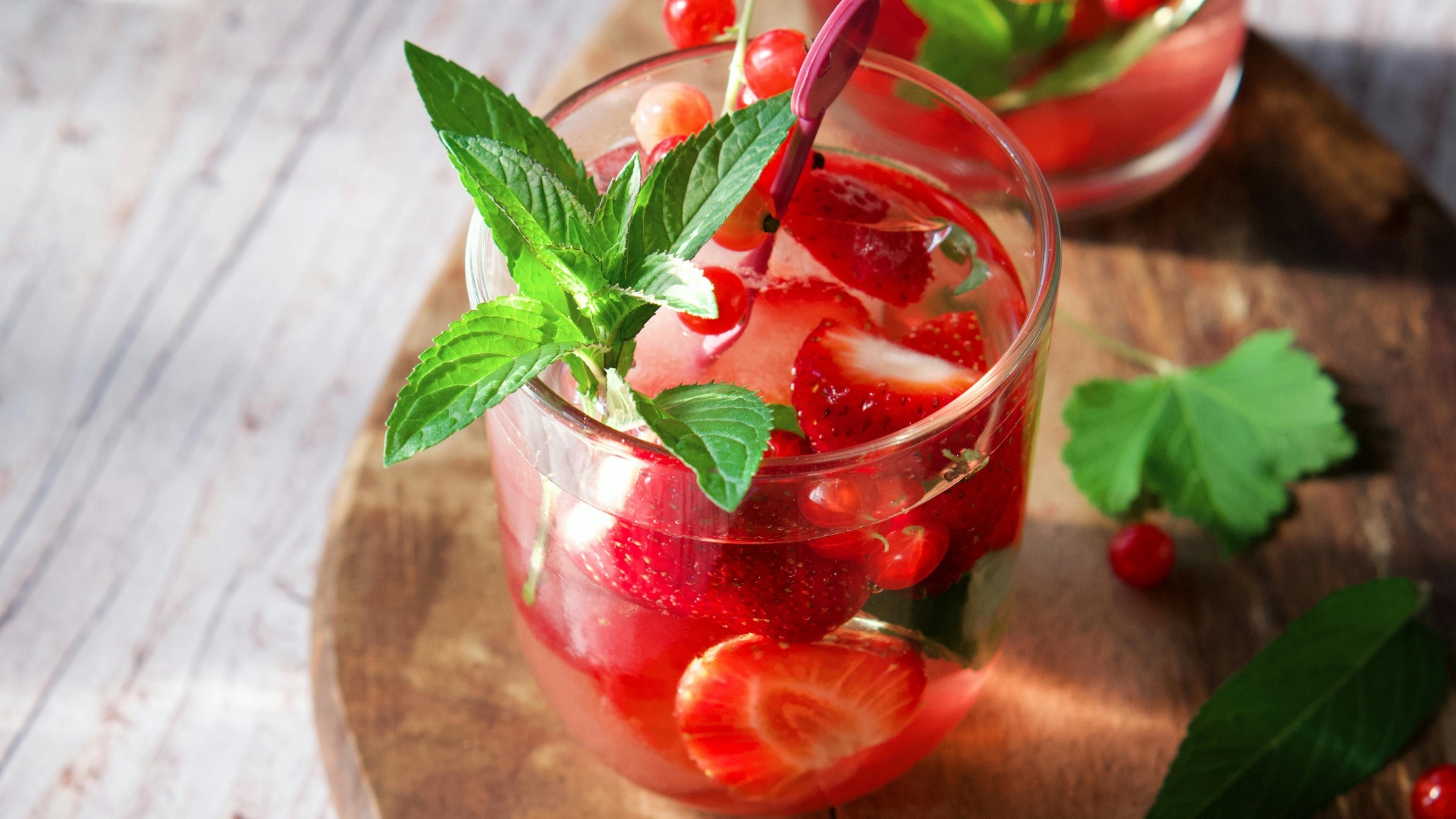
1. Add Fresh Fruit Slices
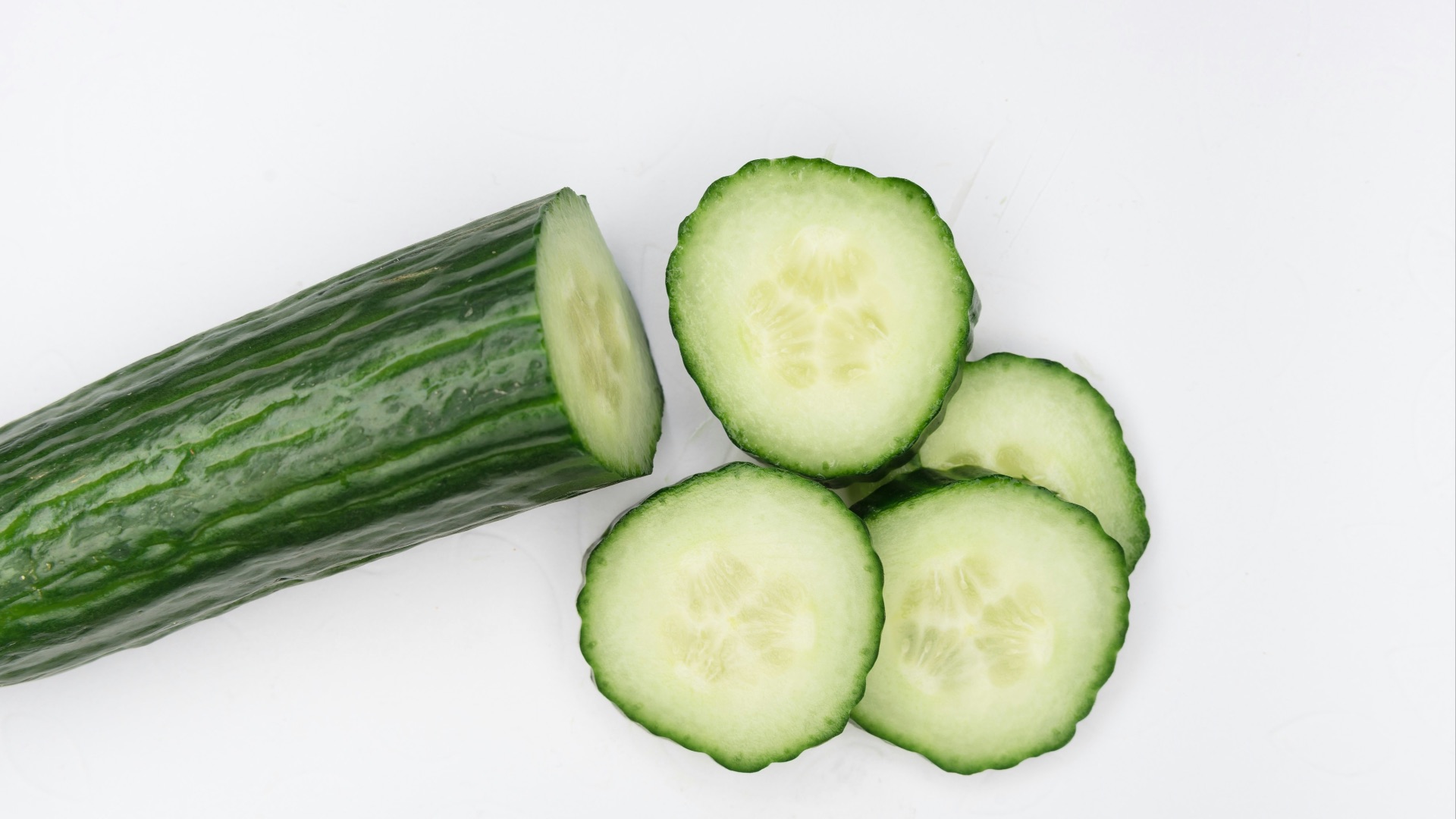
Dropping slices of cucumber, strawberry, orange, or watermelon into your water is one of the easiest ways to make plain water more enjoyable without adding sugar or artificial ingredients. The fruit releases a subtle flavor as it steeps, which can encourage you to drink more throughout the day. It also looks appealing, and sometimes that visual cue alone is enough to make you reach for your water bottle more often.
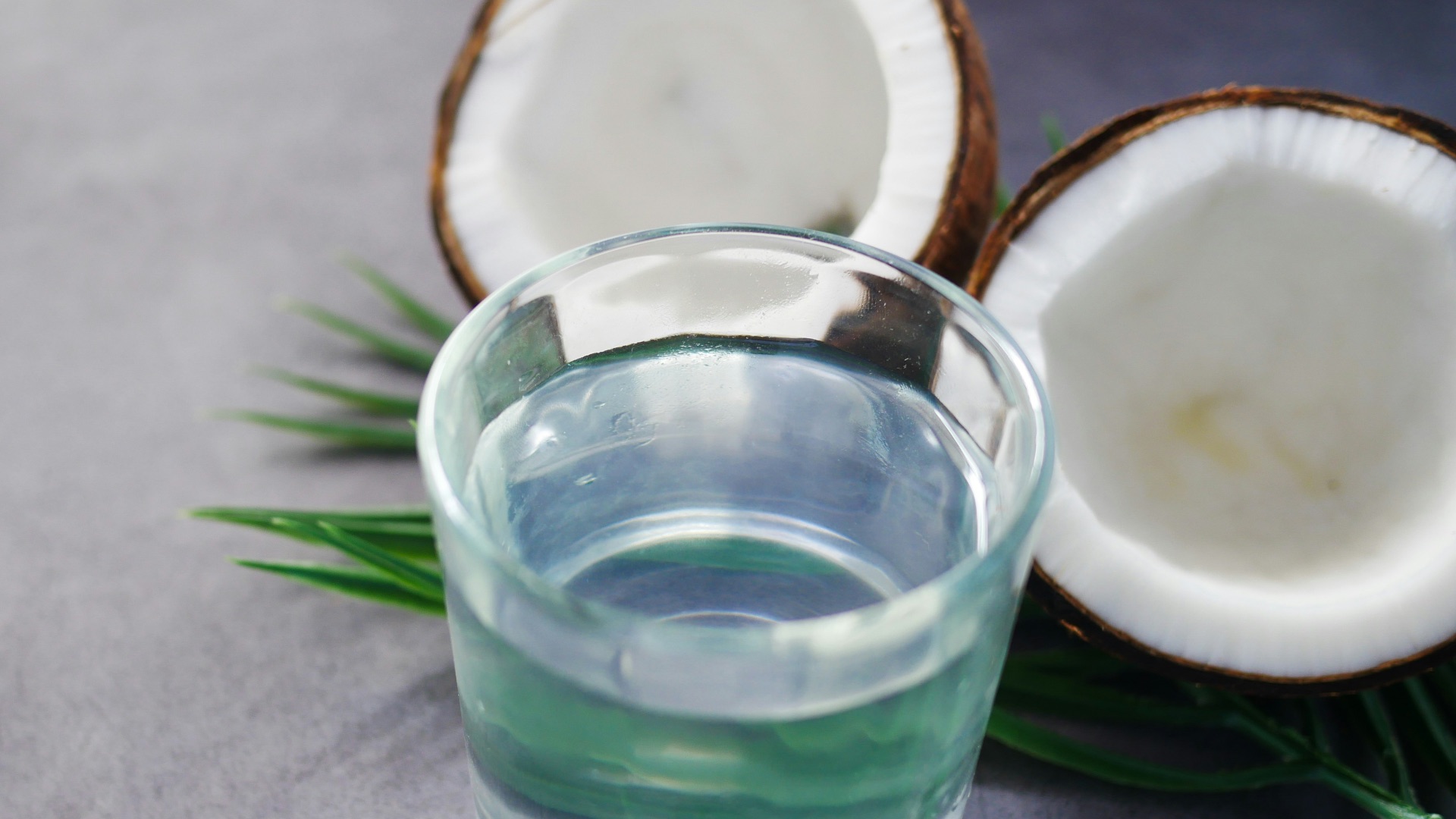
2. Drink Coconut Water
Coconut water is a naturally occurring source of electrolytes, including potassium and magnesium, making it a solid option for rehydrating after exercise or time spent in the heat. It's lower in sugar than most sports drinks while still providing the minerals your body needs to retain fluids properly. Look for unsweetened varieties to get the most benefit without unnecessary added sugars.
3. Try Herbal Teas (Hot or Iced)
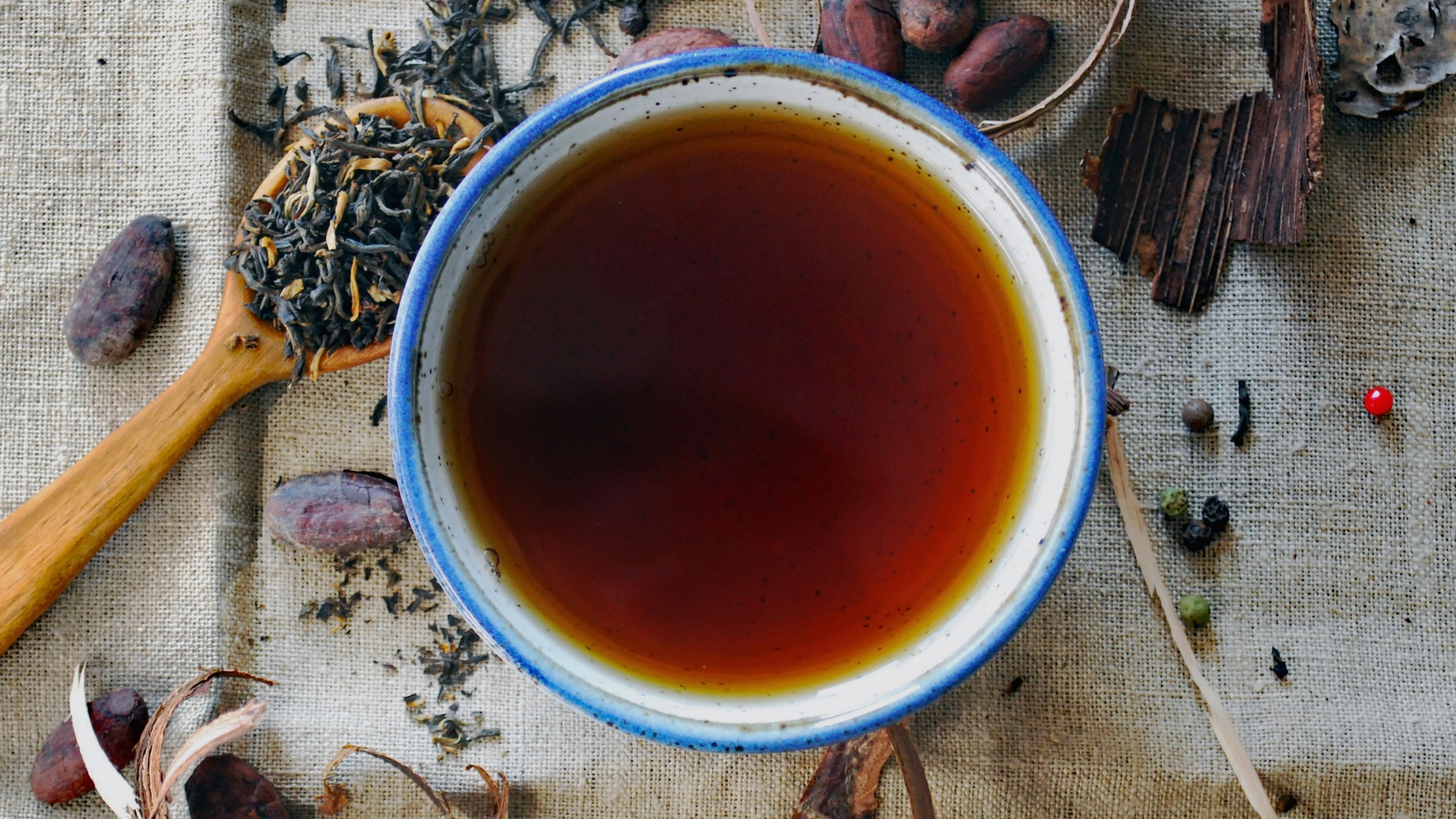
Herbal teas like chamomile, hibiscus, and peppermint count toward your daily fluid intake and come with their own nutritional benefits depending on the blend. They're caffeine-free, which means they won't contribute to fluid loss the way caffeinated drinks can. Brewing a batch and chilling it in the fridge gives you a flavorful, hydrating option that's ready whenever you need it.
4. Eat Water-Rich Foods
Hydration doesn't have to come exclusively from what you drink; foods like cucumber, celery, zucchini, and watermelon have water content above 90 percent and contribute meaningfully to your daily intake. Incorporating these into your meals and snacks is a practical way to stay hydrated without relying solely on beverages. It's especially useful on days when you struggle to hit your water goals through drinking alone.
5. Use a Pinch of Sea Salt
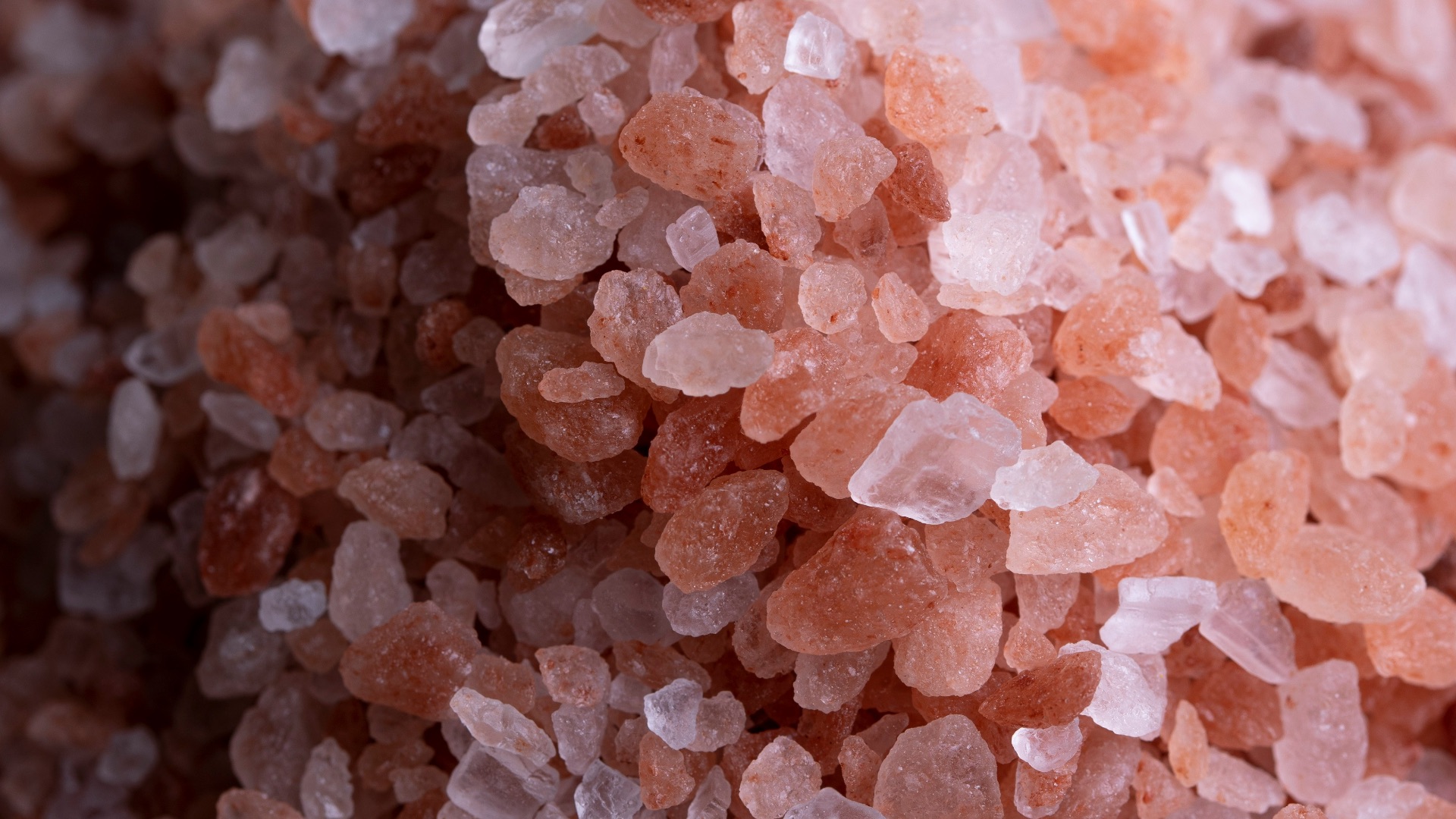
Adding a very small pinch of sea salt or Himalayan salt to your water can help your body absorb and retain fluids more effectively, particularly after sweating. Sodium plays a key role in regulating fluid balance, and a tiny amount added to your water won't make it taste salty. This is a simple trick that endurance athletes have used for years and one that everyday drinkers can benefit from, too. If you're watching your sodium intake, however, you might want to skip this tip.
6. Drink a Glass of Water Before Each Meal
Making it a habit to drink a full glass of water before each meal is a reliable way to consistently increase your daily intake without overthinking it. It also helps with digestion and can prevent you from mistaking thirst for hunger, which is more common than most people realize. Tying your water intake to an existing routine makes it far easier to stay consistent.

7. Infuse with Fresh Mint or Ginger
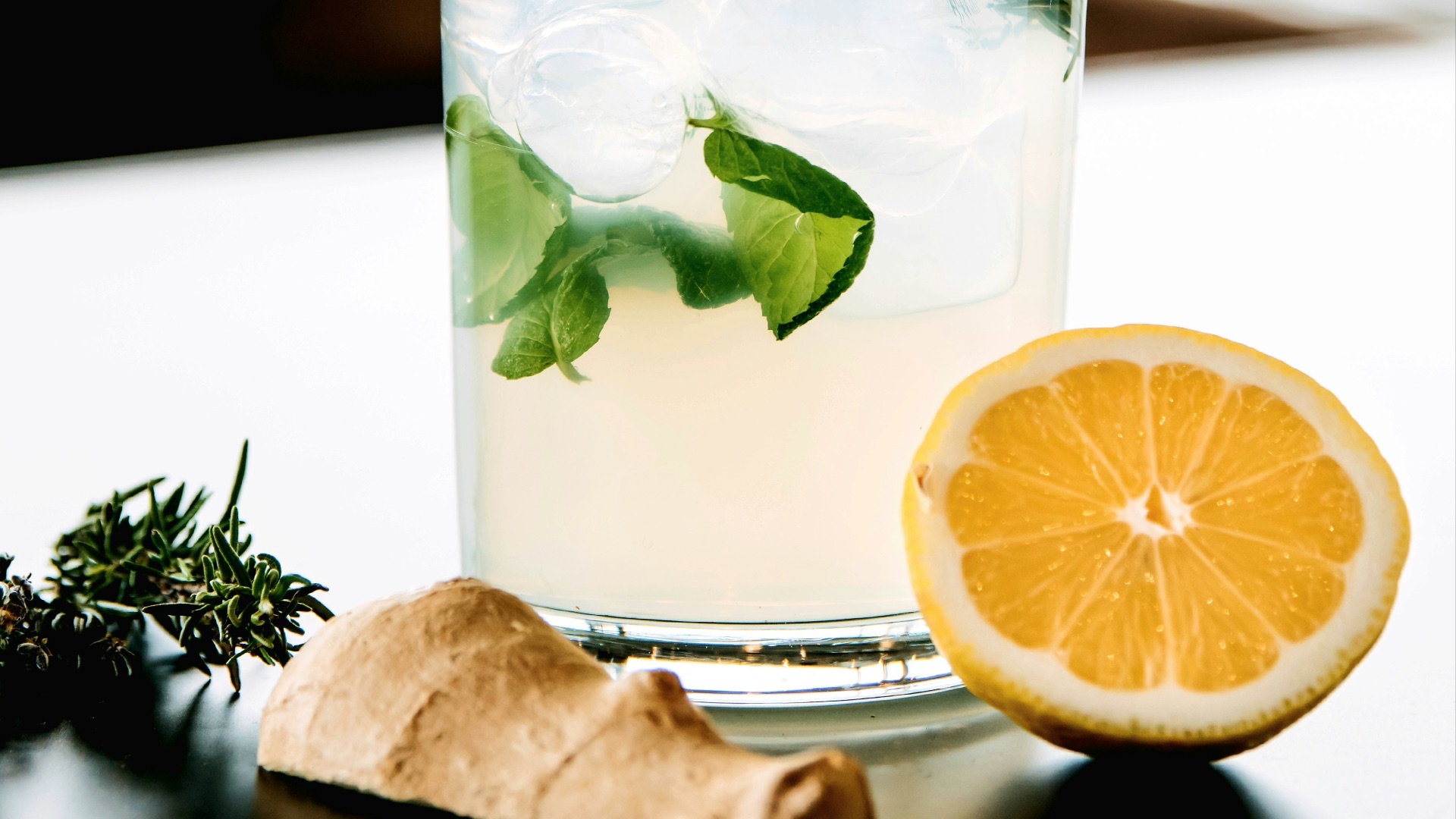
Muddling a few sprigs of fresh mint or a few thin slices of fresh ginger into your water adds a pleasant flavor while offering some functional benefits. Ginger has well-documented anti-inflammatory properties, and mint can support digestion and make drinking water feel more refreshing. Both are natural, additive-free options that enhance your water without compromising its quality.
 Snapium Photography on Unsplash
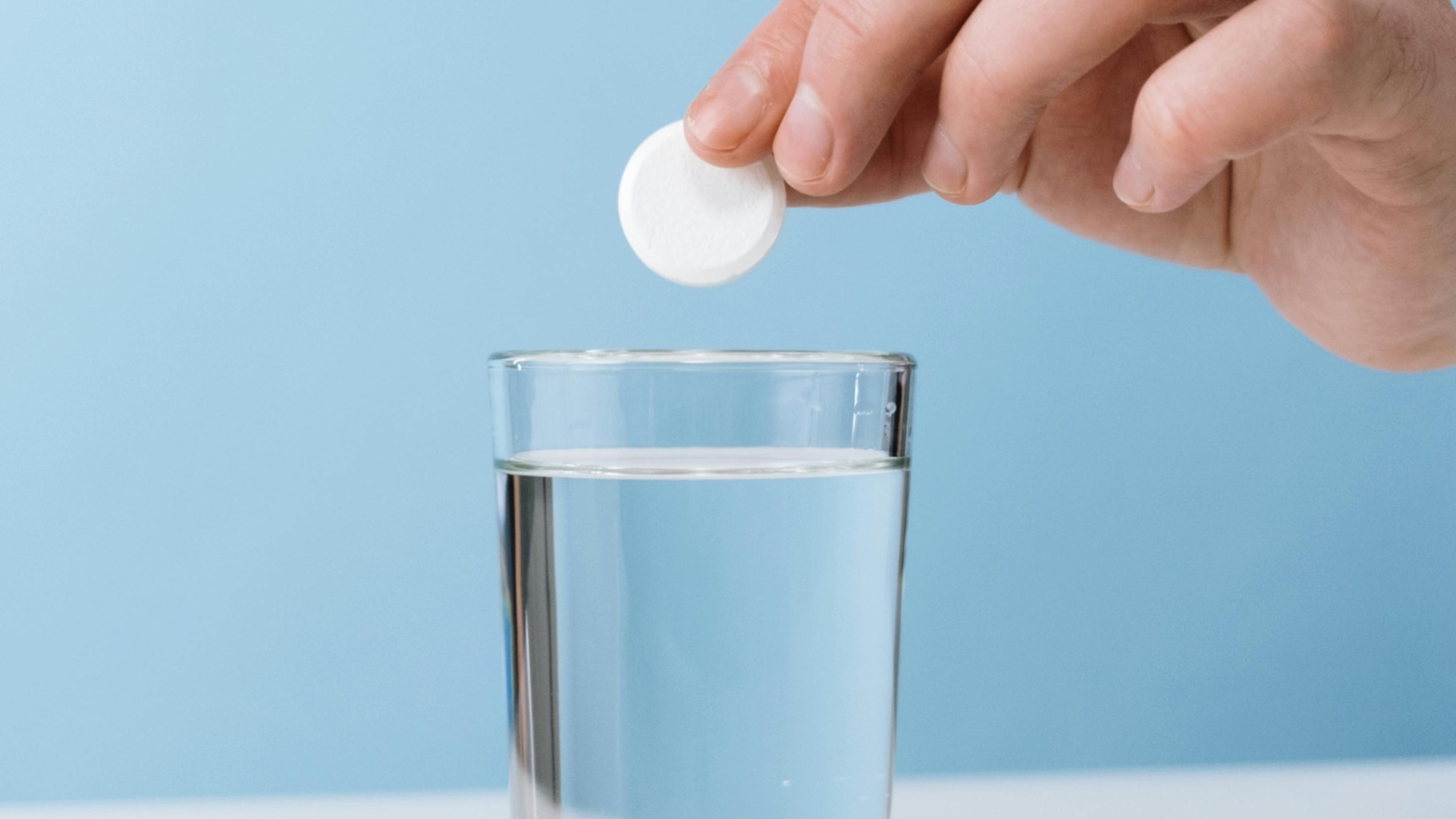
8. Try Electrolyte Tablets (Low-Sugar Varieties)
Electrolyte tablets designed for hydration can be a useful tool when you're exercising, recovering from illness, or spending time in hot weather. The best options are low in sugar and free from artificial dyes, so check the label before committing to a brand. They dissolve easily in water and help replace the sodium, potassium, and magnesium your body loses through sweat.
9. Drink Water at Room Temperature
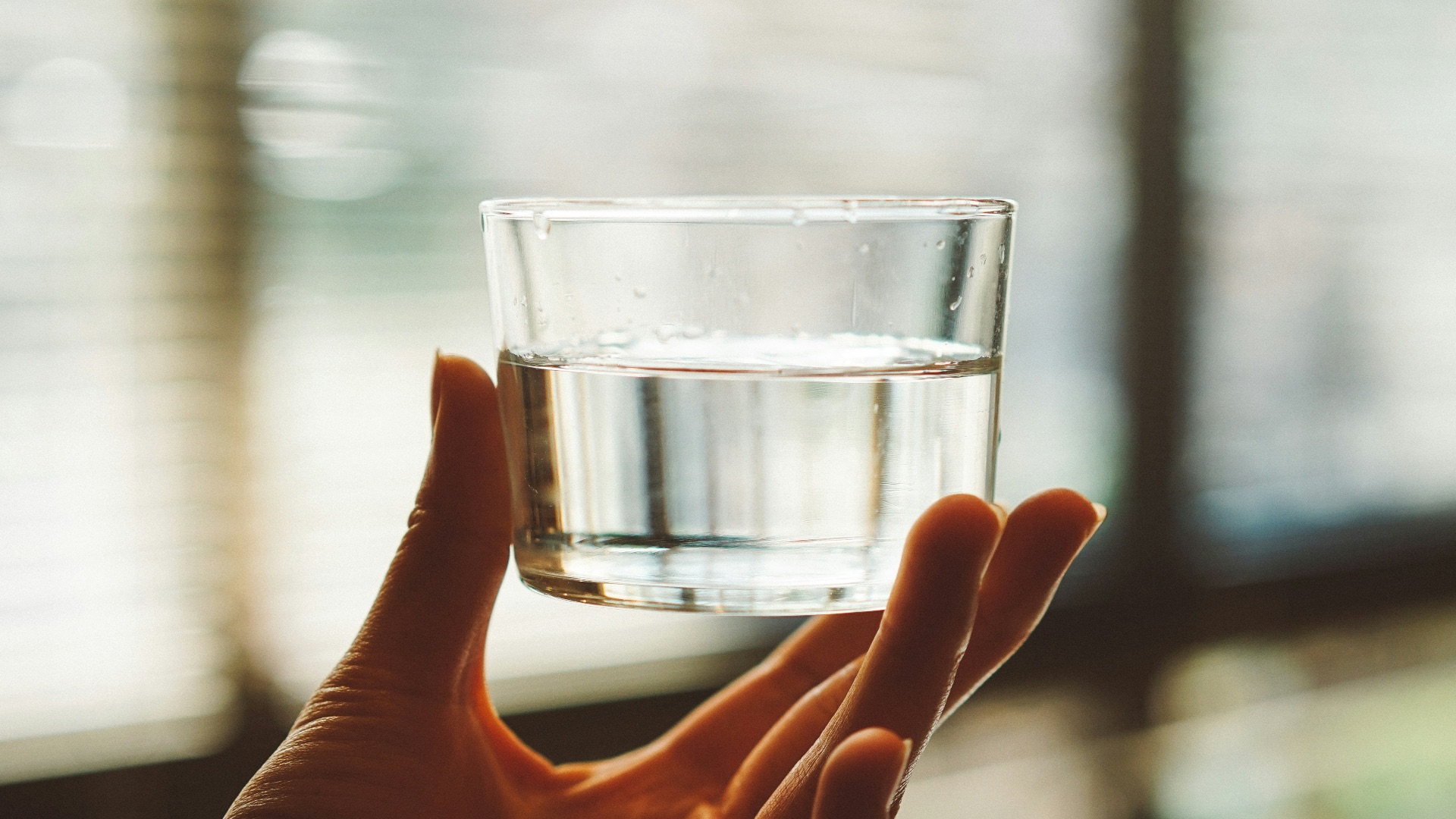
While cold water is refreshing, some research suggests that room temperature water is absorbed by the body more efficiently, particularly during and after exercise. Cold water can also cause minor digestive discomfort in some people, especially when consumed in large amounts on an empty stomach. Keeping a filled water bottle on your desk at room temperature makes it easier to sip consistently throughout the day.
10. Set Hydration Reminders
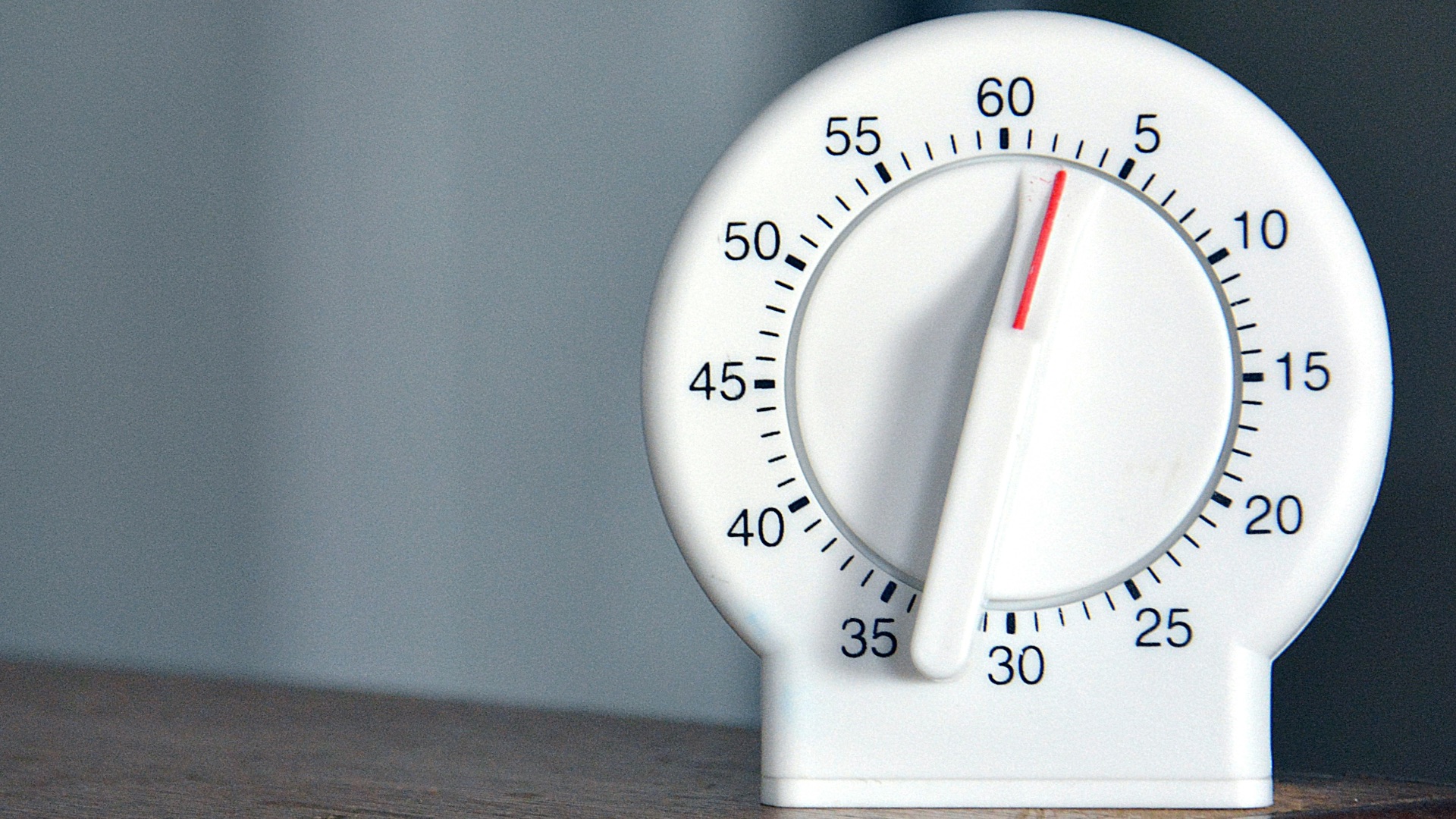
One of the most effective hydration strategies isn't about what's in your water at all; it's about making sure you're actually drinking it regularly. Setting hourly reminders on your phone or using a time-marked water bottle can help you stay on track, especially on busy days when hydration isn't top of mind. Consistency matters far more than perfection, and small, regular sips throughout the day are more effective than trying to catch up all at once.
KEEP ON READING