This is the Most Adulterated Food Product & Here's How To Spot Fakes
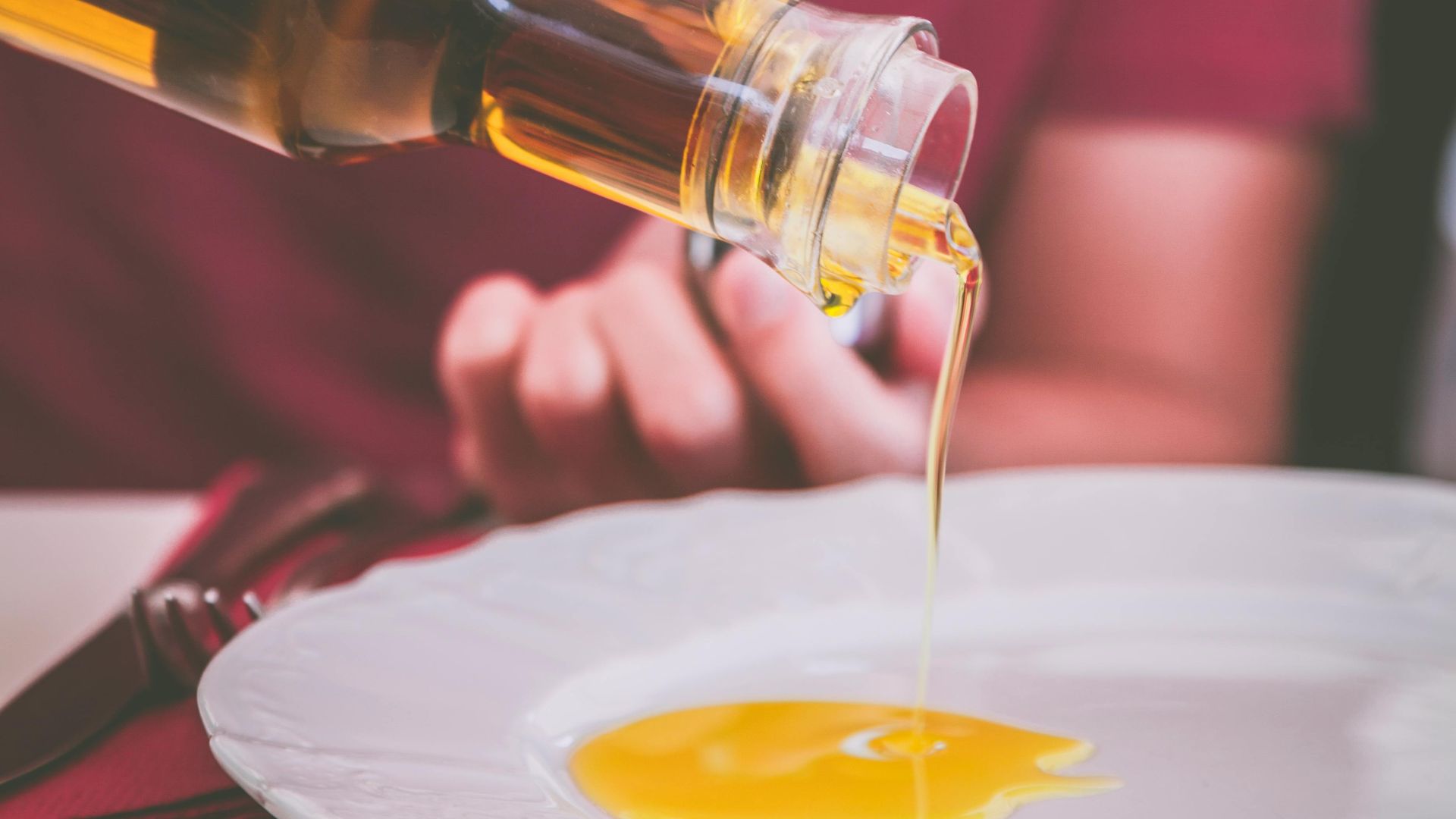
If you had to guess which food gets faked, diluted, downgraded, and relabeled the most, you might go with honey, saffron, or maybe seafood. Those are all common fraud targets, but olive oil, especially extra virgin olive oil, has one of the longest and best-documented histories of adulteration. In fact, one widely cited scientific review noted that olive oil was the single most commonly referenced adulterated food in scholarly articles from 1980 to 2010.
That doesn't mean every bottle on your shelf is a scam in a handsome dark-green costume, but it does mean olive oil is expensive enough, global enough, and varied enough in quality to make fraud very tempting.
Why Olive Oil Keeps Attracting Fraud
Olive oil keeps getting faked in part because the label categories sound simpler than they really are. “Extra virgin” is supposed to mean the oil is unrefined, meets strict quality standards, and has no major flavor defects, while lower grades can be more processed or less fresh. That creates an easy opening for fraud, because a bottle can be marketed in a way that sounds premium even when the oil inside is blended, lower-grade, or not truly extra virgin. For shoppers, the confusion starts when every bottle looks artisanal, but not every bottle is playing by the same rules.
The fraud itself isn't always dramatic in the movie-plot sense. Sometimes it's a bottle diluted with lower-cost vegetable oils, and sometimes it's simply ordinary or refined olive oil dressed up as extra virgin to command a higher price.
Price plays a huge role in all of this. Extra virgin olive oil is a high-value product, so even small changes in quality or authenticity can mean real money across a supply chain. That is why the USDA has an olive oil quality monitoring program and why researchers keep returning to the category when they study food fraud.
What You Can Actually Look For on the Bottle
The first useful clue is freshness, and that starts with the label. UC Davis advises shoppers to look for a harvest date rather than relying only on a best-by date, because producers who are serious about quality are more likely to tell you exactly when the olives were harvested. Additionally, you should choose the most recent harvest and use the oil within roughly 15 to 18 months of that date.
Next, pay attention to the kind of olive oil you're buying instead of assuming every bottle is basically the same thing. Products labeled simply “olive oil” are typically blends of refined and virgin or extra virgin oils, while "light" olive oil is mostly refined oil and milder in flavor. If you want the highest traditional grade, look specifically for "extra virgin olive oil."
It also helps to look for credible quality seals and third-party programs instead of putting all your faith in attractive packaging. Quality seals from groups such as the California Olive Oil Council or the USDA's QMP seal indicate that a producer has taken proactive steps to verify quality and authenticity. None of this makes fraud impossible, but it does improve your odds compared with buying a mystery bottle whose main selling point is a romantic font.
How to Avoid the Common Consumer Mistakes
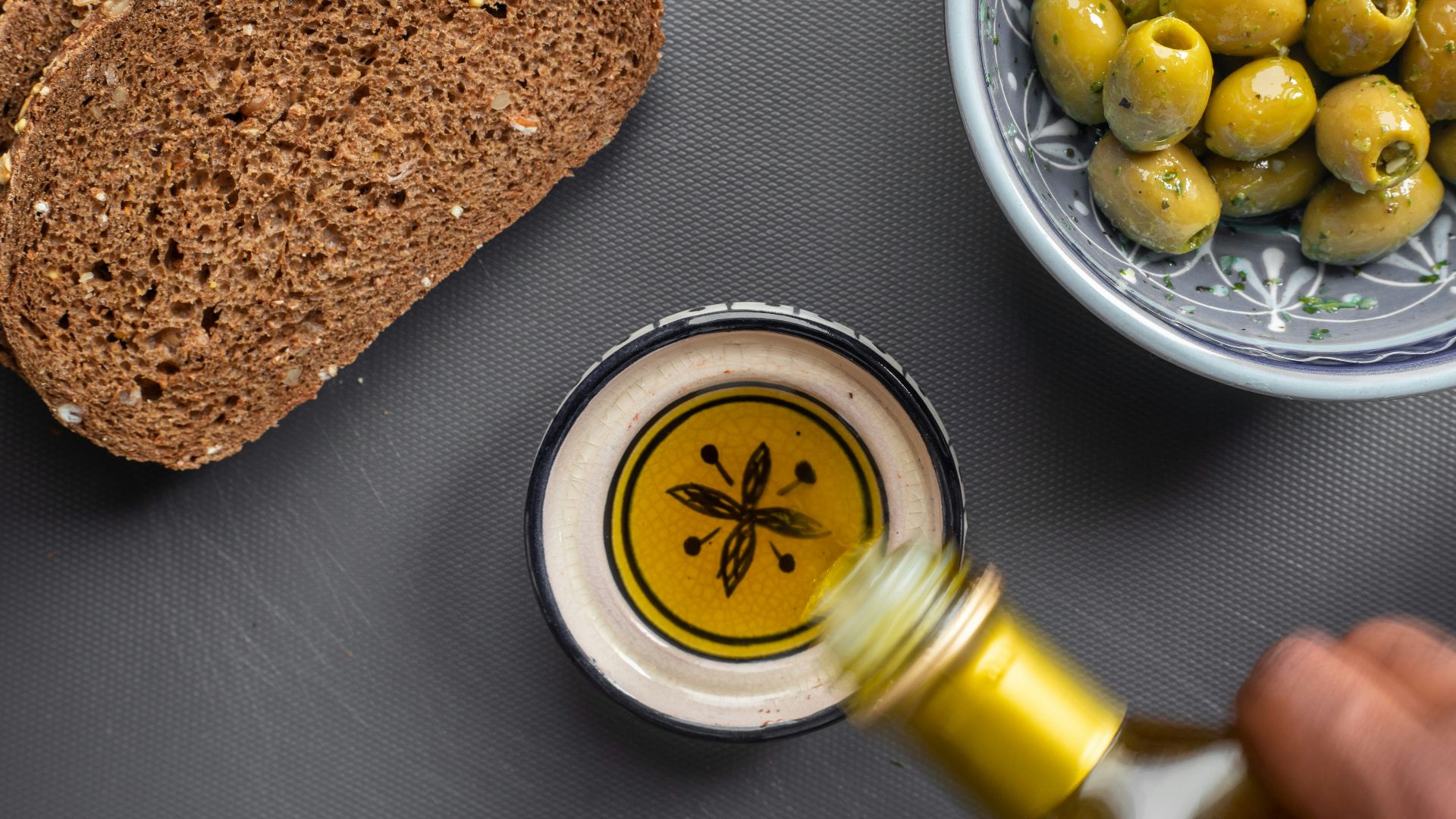
One of the biggest mistakes people make is believing in home tests that sound clever but aren't actually reliable. The famous refrigerator test, where you put your olive oil in the fridge and see how the texture changes, doesn't reliably detect fraud or quality. In other words, if your olive oil doesn't turn into sludge in your fridge, it's not proof of anything except that science enjoys ruining internet myths.
Another practical tip is to buy a size you will use reasonably soon after opening. UC Davis notes that freshness fades with time and that it's smarter to choose a container you can finish within weeks or a few months rather than buying a giant bargain jug that sits around becoming more disappointing and dull by the day. A huge bottle at a suspiciously low price may feel thrifty, but if the oil is poor quality, stale, or not truly extra virgin, you're not really winning.
The final rule is simple and a little annoying, which usually means it's correct: don't expect one trick to expose every fake. Real authentication depends on sensory and chemical testing, not folklore. Even professionals use multiple methods to judge quality and purity. For you as a shopper, the smartest approach is to combine label awareness, recent harvest dates, credible seals, sensible package sizes, and a healthy suspicion of deals that look too good to be true.
KEEP ON READING
20 Fast Food Items With Surprisingly Weird Origins

20 Foods Only Rich Kids Ate Growing Up