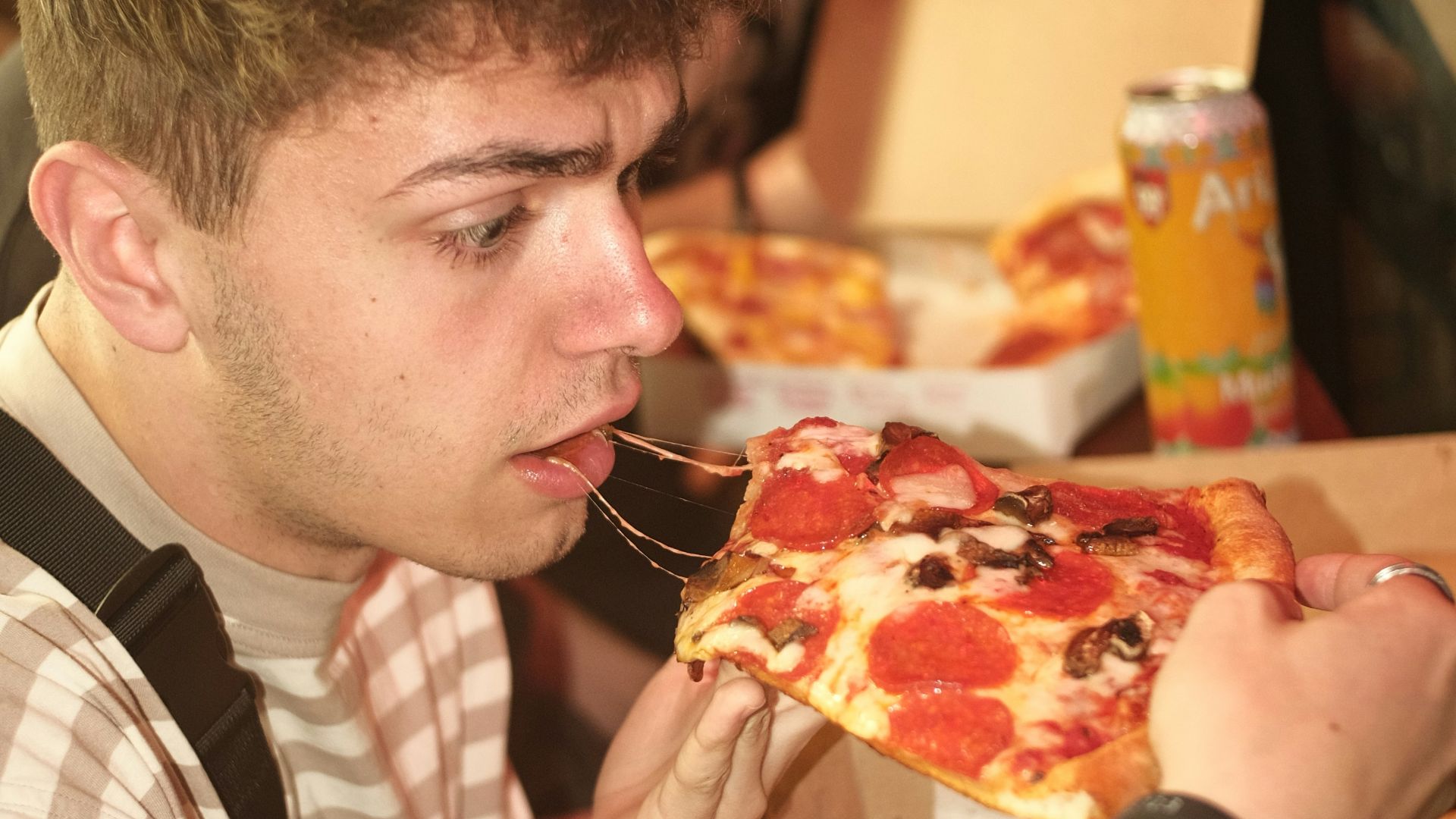
Pizza’s “perfect bite” doesn't come down to just one mystery ingredient or a secret brand of flour. It’s a combination of multiple small successes that all meet in your mouth at the same moment: heat, structure, moisture, salt, fat, and aroma. If even one of those falls out of line, we guarantee that you'll feel it immediately.
And with so many different types of pizza out there, it's important that you know you don’t need to chase a single “right” style to judge excellence. A great New York slice and a great Neapolitan round can both deliver satisfaction, just in different ways! What matters the most at the end of the day are these three things we're about to share with you all.
The Crust
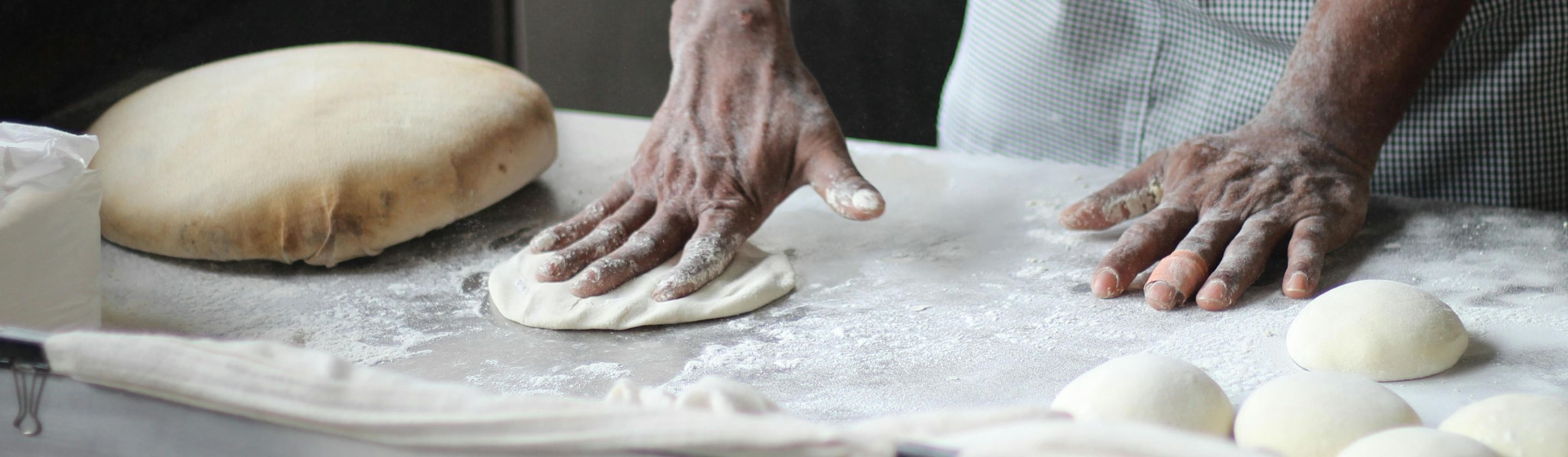
Never underestimate the importance of a solid foundation when it comes to pizza. It all comes down to science! At its base, the dough is a controlled transformation of flour and water, which is why mixing and rest time matter for strength and stretch. A dough that’s underdeveloped will tear and come out too dense, while one that’s overworked can turn tight and bready, neither of which you want in a good slice. The best crust should feel resilient, not rubbery, and will spring back instead of shattering.
Another important step in building the foundation is fermentation, which quietly does two jobs at once. It produces gas which helps lift the dough and also builds flavor. Longer, cooler fermentation typically creates a more complex crust profile than a rushed rise, creating that extra depth of flavor that keeps the slice tasty, thanks to the crust contributing its own savory sweetness.
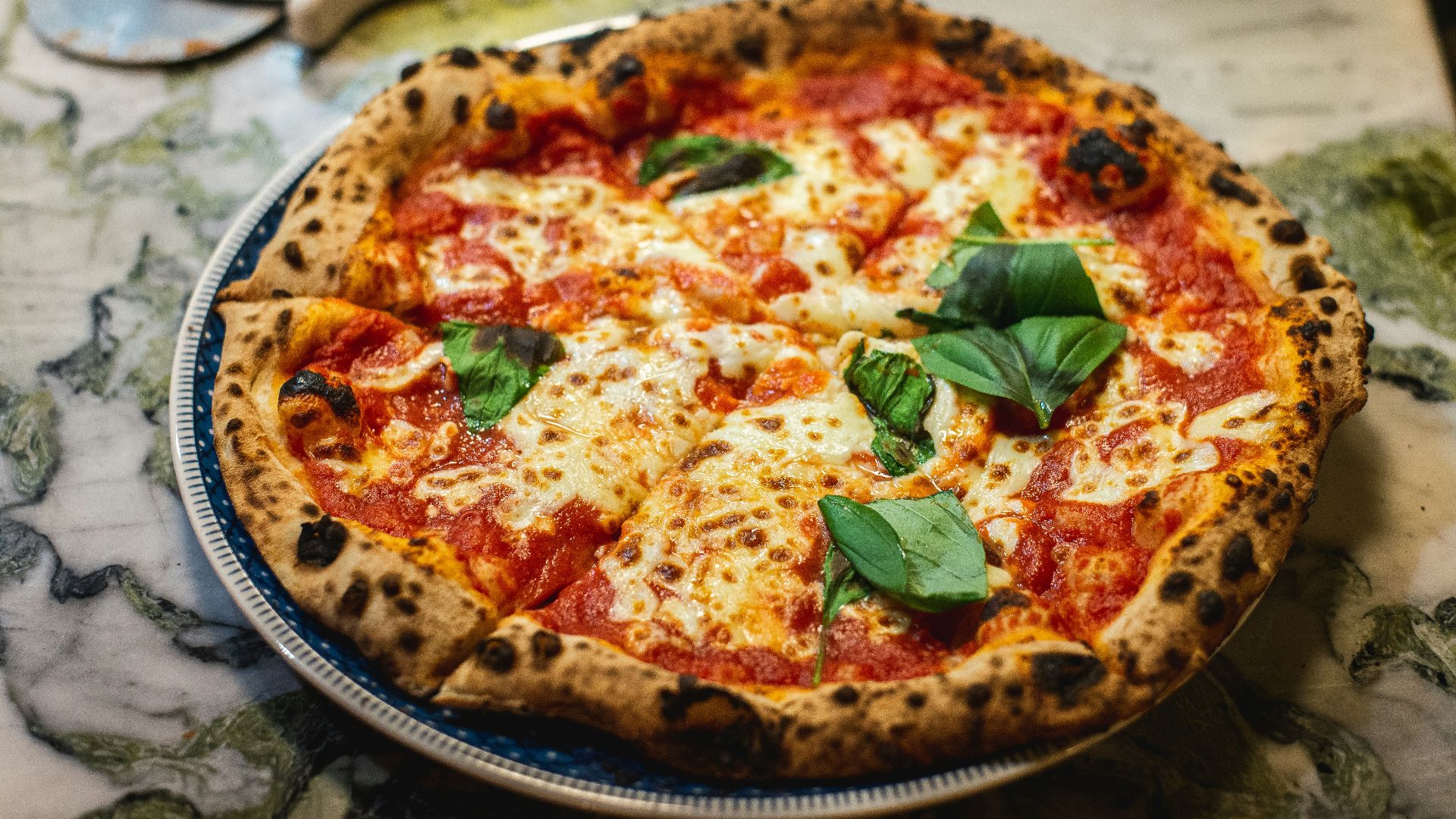
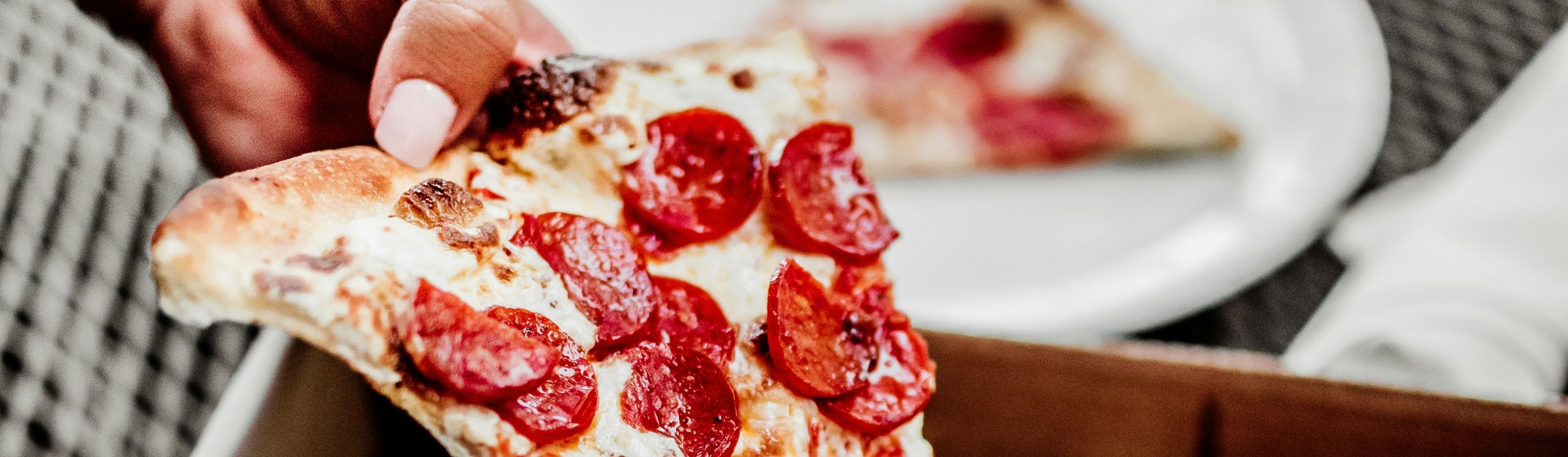
The final step all comes down to heat. We all know an underbaked or overbaked crust is no good! Too little will leave the exterior pale and soft, while too much will make it bitter or even worse, burnt. A great bake lands in the narrow zone where color signals flavor, not damage.
Getting the right amount of char is a lot harder than it looks!
Sauce And Cheese
 Aurélien Lemasson-Théobald on Unsplash
Every good pizza sauce should taste bright, but it also has to complement all the other components. If it's too watery, it floods the center, makes the dough soggy, and quickly turns your “bite” into a mushy one. Even if you want a generous tomato presence, it's all about restraint; you’re better off spreading thinly and letting the crust remain the main structure. A balanced sauce will always finish cleanly, with a nice amount of acidity that lifts the cheese instead of fighting it.
Because an important thing to remember is that while cheese is delicious, it also brings richness. Melted mozzarella forms a flexible layer that binds toppings and sauce together, but too much becomes a heavy blanket that isn't just hard to eat, but it also traps in steam. When that happens, the bottom softens and the top turns oily, ruining your perfect bite and making the slice harder to fold. You need a controlled amount if you want the perfect level of stretch and creaminess without muting the tomatoes.
To make sure you get the perfect bake and melt, temperature is very important, too. After all, temperature targets shape this balance, especially for styles built around extreme heat.
Choosing the right level of heat is what helps preserve tomato freshness and prevents the cheese from drying out. In other words, the oven isn’t just a tool—it’s part of the recipe.
Toppings
Last but definitely not least, toppings should add contrast, not chaos, which means thinking about weight, water, and timing. Vegetables with high moisture—mushrooms, zucchini, even fresh tomatoes—often need to be sliced thin or pre-cooked so they don’t leak extra moisture into the crust. Meats on the other hand, can carry spice and savory tones, but piling them high turns the slice into something far too heavy. A disciplined topping plan lets you taste layers instead of a single, loud note.
You should also think about what you're craving beforehand. Do you want something a bit more savory, something with a touch of sweetness, or something simple and classic? Depending on what you want, your toppings will change drastically. And that's the beauty of it all: toppings allow you to customize your pizza so that it's possible for you to build that perfect bite.
Don't forget that the “perfect bite” also depends on how the slice ends, not just how it begins. A little char can be pleasant, but a burnt edge is definitely not.
Fat should feel glossy, not slick, and herbs should smell fresh rather than cooked into invisibility. Those details separate a pizza that’s merely filling from one that feels composed and well thought-out. Even the extra bit of chili flakes or hot honey you toss on at the end matters!
KEEP ON READING
What Makes The Perfect Bite Of Pizza?
Why Do Grocery Stores Rearrange Their Layouts?

20 Comfort Foods From Around The World