American cheese has a funny reputation. People love to mock it for being processed, plasticky, or not quite respectable enough to sit at the grown-up cheese table. Then those same people make a burger, a breakfast sandwich, or a grilled cheese and quietly admit that it melts like a dream. That's not an accident, and it's not because American cheese is secretly pretending harder than cheddar. It's because it was designed to do exactly that.
The real answer is less dramatic than the debate around it. American cheese melts better because its ingredients and processing are meant to keep the fat, water, and proteins working together smoothly when heat shows up. A lot of natural cheeses taste more complex, but complexity isn't always what you want when the goal is a glossy, even melt instead of an oily puddle and a few stubborn clumps.
It's Built for Melting, Not Just for Flavor
American cheese isn't just one ordinary cheese in a slice-shaped disguise. Under U.S. standards, pasteurized process cheese is made by blending one or more cheeses with heat and approved emulsifying agents into a homogeneous mass. That legal definition sounds stiff, but it points to the key idea here: this is a product intentionally engineered for consistency.
Those emulsifying agents are doing the important work. Processed-cheese chemistry explains that emulsifying salts, often phosphate- or citrate-based, help create the smooth, stable structure that gives processed cheese its functional melt. Instead of letting the cheese split into separate oily and rubbery parts, those salts help keep the system unified.
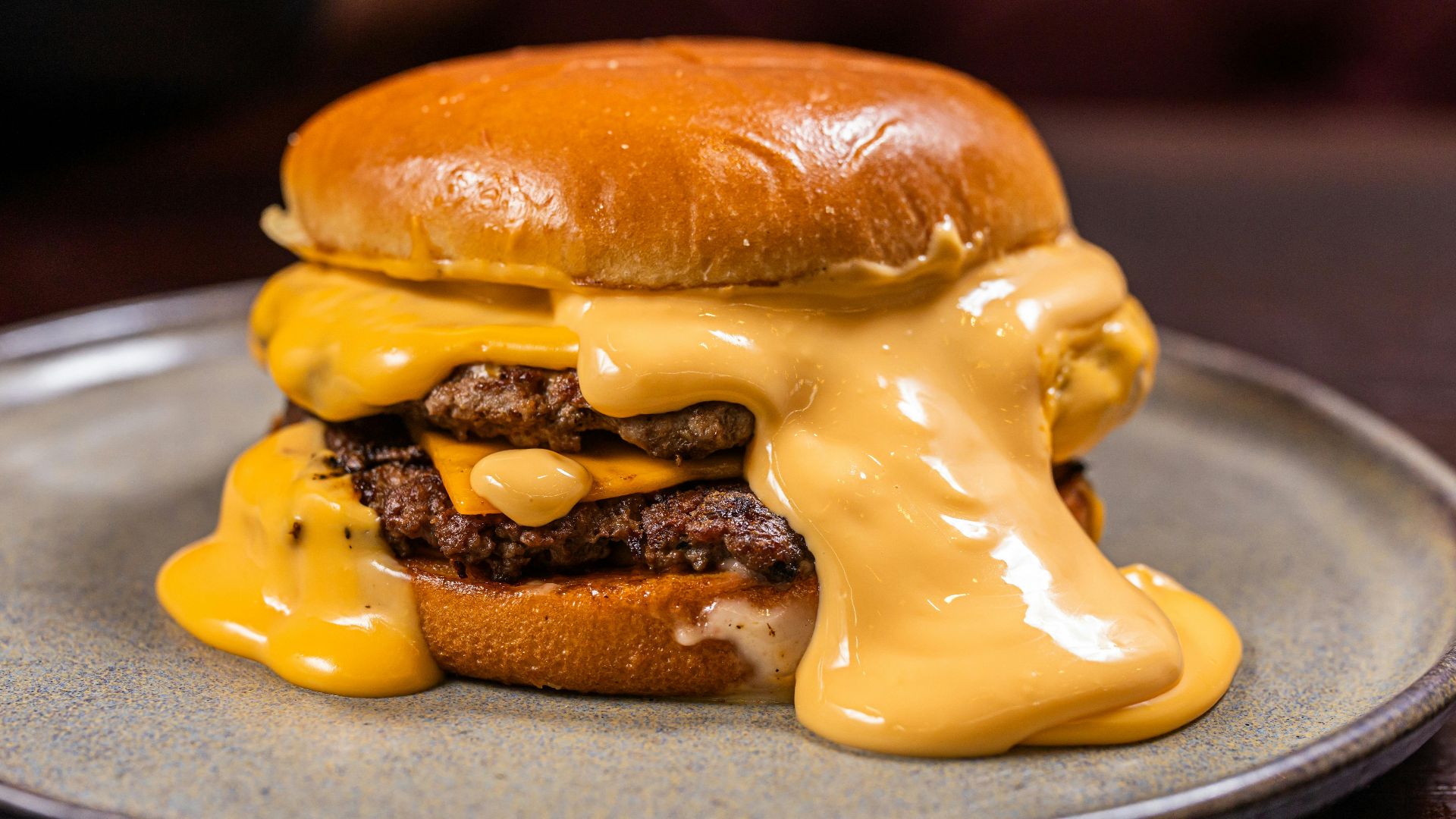
That's why American cheese tends to behave so well in hot applications. It melts quickly, stays smooth, and spreads evenly instead of turning stringy, greasy, or grainy. You're not watching accidental kitchen luck. You are seeing a food product do the exact job it was created to do.
You may be wondering, if American cheese is just several different cheeses mixed together, why does it taste so different? It's not just melted cheddar in a more convenient outfit. Processed cheese products are blended, heated, and reformulated in a way that smooths out some of the sharper, more complex flavor notes you get in aged natural cheeses, while salt, dairy solids, and a very uniform texture create that familiar mild, creamy taste.
In other words, part of the flavor difference comes from chemistry, and part of it comes from the fact that American cheese is designed to be consistent rather than expressive. That is why it often tastes less nuanced than cheddar or Swiss, but much more stable and recognizable from slice to slice.
Natural Cheese Has More Texture Drama
Natural cheese is built around a casein protein network that holds fat, water, and minerals together. The Cheese Science Toolkit from the Center for Dairy Research describes cheese as a kind of three-dimensional casein matrix, with calcium acting like glue in that structure. That's great for giving cheese identity and texture, but it also means melting can get messy and complicated, depending on the cheese.
When natural cheese is heated, several things start happening at once. The protein network softens, fat begins to flow, and the balance between moisture, acidity, calcium, and aging suddenly matters a lot. Reviews of natural cheese melting note that meltability depends on moisture, fat, pH, proteolysis, and casein interactions, which is a scientific way of saying natural cheese can be a little finicky once heat enters the conversation.
That's why a natural cheddar or provolone may taste great but still melt less neatly than American cheese.
If the protein network tightens too much, it can squeeze out fat and leave you with oil separation and a tougher texture. So when people say “real cheese” doesn't melt as nicely, they're usually noticing a genuine physical difference, not talking out of brand loyalty.
Smoothness Comes From Control
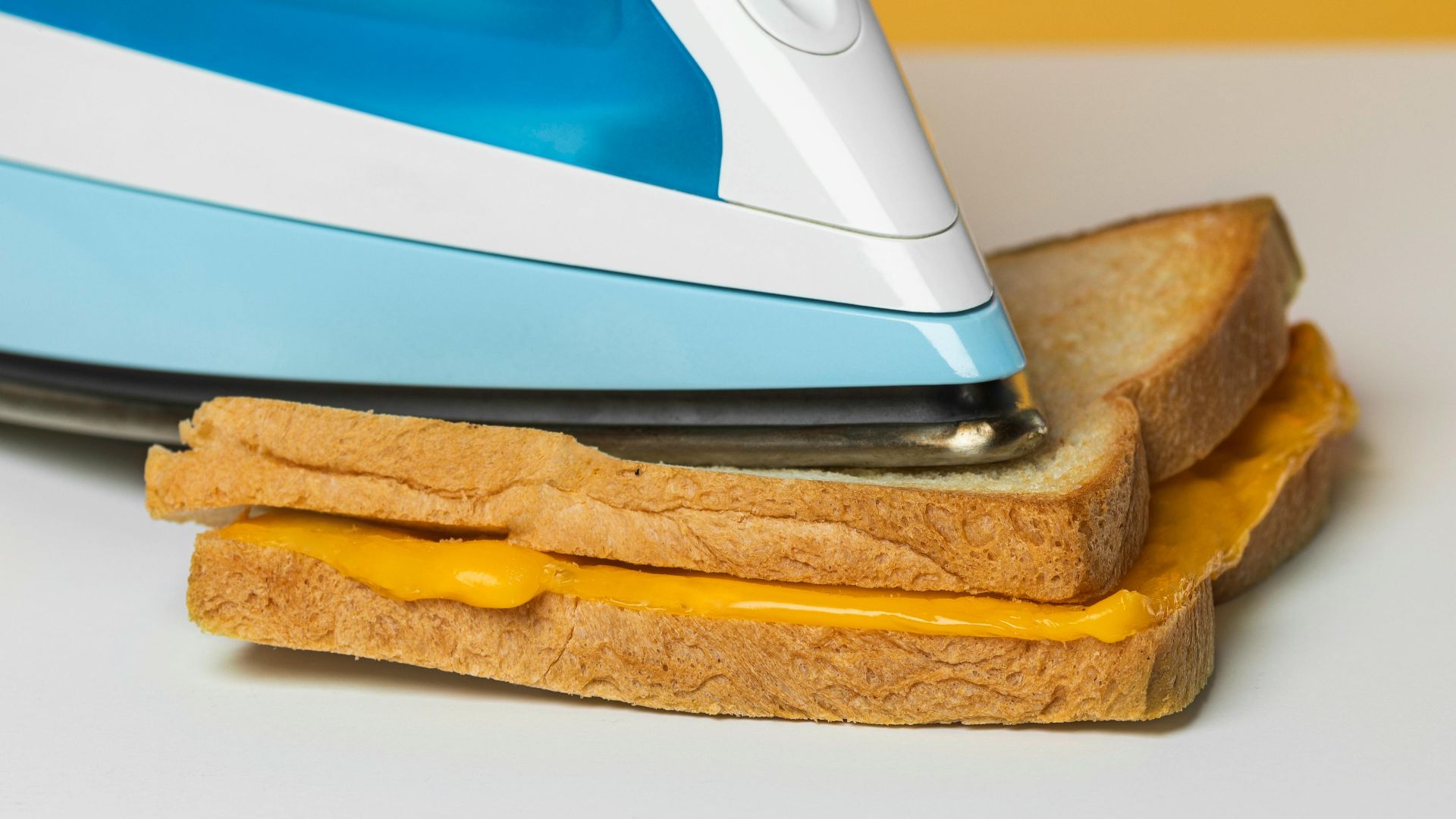
Processed cheese gets a major advantage because it gives manufacturers more control over the chemistry. Emulsifying salts interact with the casein system and alter how calcium is bound, which helps the proteins disperse more effectively and stabilize the fat-water mixture. Research on processed cheese repeatedly links these salts to better meltability, flowability, and reduced free-oil formation.
That extra control produces the melt people usually want on comfort food. On a cheeseburger or grilled cheese, most people aren't asking for sharp terroir, crystalline complexity, or a deeply expressive rind situation. They want even coverage, creamy texture, and a cheese layer that looks like it belongs there. American cheese is unusually good at giving you that result every time.
None of this means American cheese is “better”. It usually has a milder flavor and less character than many natural cheeses, and the trade-off for its melt is often a more processed, unhealthy profile. Still, if the question is why it melts better than so-called real cheese, the answer is very simple:
American cheese wins because it was designed to.
KEEP ON READING