Why Farmers Sometimes Destroy Crops They Could Have Sold
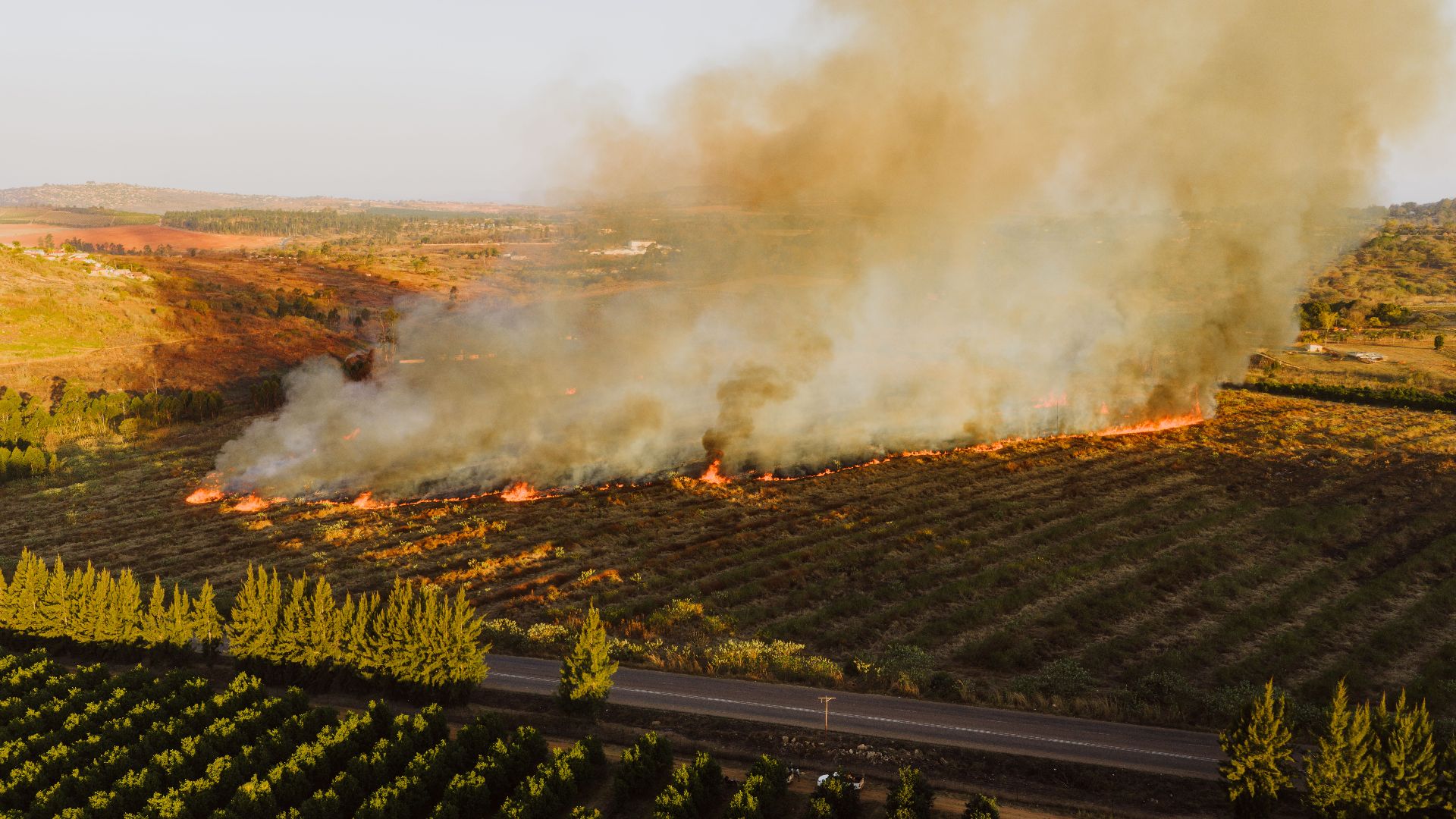
Farming looks simple from a grocery store aisle. You grow the food, pick the food, sell the food, and everyone goes home with tomatoes, corn, lettuce, or peaches. So when people hear that farmers sometimes plow under crops, dump milk, leave produce in fields, or destroy harvests that appear perfectly edible, it sounds wasteful and almost impossible to justify.
The reality is much more frustrating. Farmers usually don’t destroy crops because they want to waste food or because they enjoy making shoppers angry from a distance. They do it because farming sits inside a tough web of prices, contracts, labor, transportation, storage, weather, and buyer standards. Sometimes a crop can be edible and still be too expensive, too risky, or too difficult to sell.
The Math Can Turn Against the Harvest
The most basic reason is also the most brutal: harvesting can cost more than selling. If the market price drops too low, a farmer may lose money by paying workers, running equipment, packing produce, cooling it, and transporting it to buyers. That doesn’t mean the crop has no value as food, but it may have no value as a business decision.
Fresh produce is especially difficult because it has a short window of usefulness. Lettuce, berries, tomatoes, melons, and leafy greens can move from beautiful to unsellable very quickly. If buyers cancel orders or demand falls suddenly, the farmer may not have enough time to find another customer before the crop spoils. Strawberries don’t politely wait while everyone figures out the logistics.
Oversupply can create another problem that feels backward from the outside. A great growing season may produce more crops than the market can absorb, which pushes prices down. If everyone has the same bumper crop at the same time, selling becomes much harder. In that situation, destroying or leaving part of the crop may be the least damaging option for a farmer already facing losses.
Buyers Don’t Always Want What Farmers Grow
Not every edible crop meets the standards of grocery stores, restaurants, processors, or distributors. Produce may be rejected because it’s too small, too large, oddly shaped, bruised, sunburned, or not the exact color buyers expect. The food might still taste fine, but if a buyer won’t accept it, the farmer can’t simply wish it onto a shelf.
Contracts can also limit where a crop goes. Some farmers grow for specific buyers, processors, schools, restaurants, or food-service companies. If that customer suddenly needs less, changes specifications, or cancels an order, the farmer may not be able to redirect the crop quickly. Finding a new buyer sounds easy until you remember that the new buyer needs the right quantity, packaging, timing, price, and transportation.
Donation isn’t always as simple as people imagine, either. Many farmers would rather see food go to people than back into the soil, but recovering crops takes labor, fuel, bins, trucks, refrigeration, coordination, and liability planning. Food banks and gleaning groups do important work, yet they may not have the capacity to move thousands of pounds of perishable produce at the exact moment it needs to be moved.
Supply Chains Can Break in Strange Places
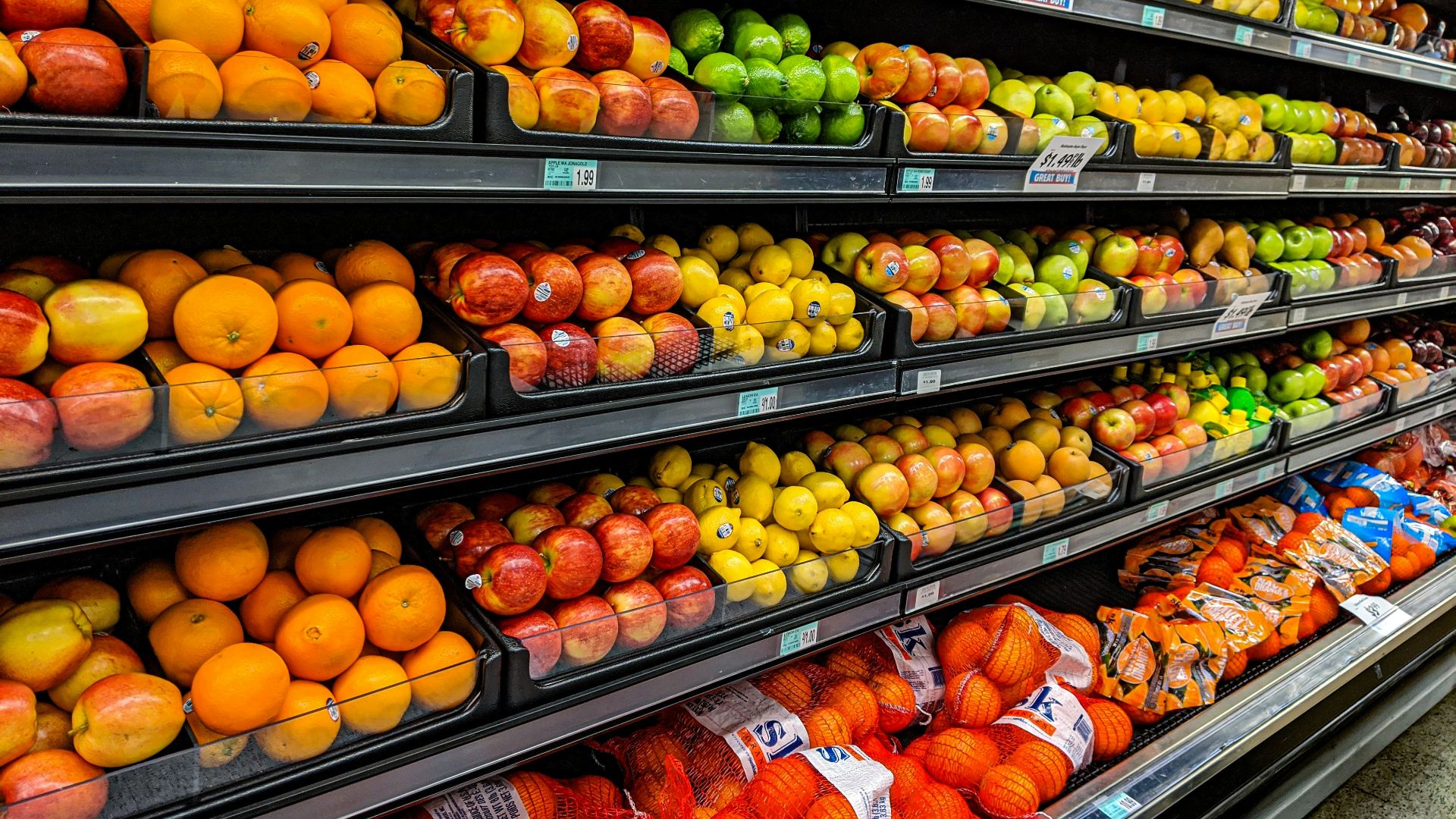
The food system is more specialized than it looks. A farmer growing lettuce for restaurant salad mixes may not be set up to sell directly to families. Milk meant for bulk food-service buyers can’t instantly become supermarket cartons without the right processing, packaging, and distribution. When one part of the chain breaks, perfectly usable food can get stuck in a form that the available market can’t easily use.
Labor shortages can make the problem even worse. Some crops must be picked by hand, and harvest timing can be extremely tight. If workers aren’t available or the cost of labor rises beyond what the crop will bring in, a farmer may leave food in the field. It’s painful, but paying more to harvest a crop than it can earn may create a bigger financial mess.
Weather can also force hard choices. Drought, flooding, heat, disease, smoke, pests, or a badly timed freeze can ruin a harvest. Sometimes farmers destroy crops to control disease, manage pests, protect future plantings, or conserve limited water for higher-value fields. From the outside, that can look like waste, but from the farm’s perspective, it may be damage control.
In some cases, destroying crops is tied to price stability or long-term survival. If too much supply floods the market, prices can crash so badly that growers lose money across the board. Historically, governments and farm programs have sometimes used acreage reduction or crop destruction to manage oversupply and support farm income. That may sound harsh, but the alternative can be farms going out of business and future food production becoming less stable.
The hardest part is that edible food and sellable food are not always the same thing. A crop may be nutritious, safe, and perfectly good, but still trapped by economics, timing, appearance standards, or missing infrastructure. If you feel uneasy about that, you’re not wrong. It’s a sign that the food system has more moving parts than most of us see.
Destroying crops is rarely the outcome farmers want. Most would rather sell what they grew, recover their costs, feed people, and avoid explaining why a field of food didn’t become dinner. The better solutions are usually practical ones: stronger local markets, more flexible buyers, better cold storage, more processing options, gleaning programs, and consumer acceptance of imperfect produce. Until those pieces line up more often, some farmers will keep facing a miserable choice between wasting food and losing even more money.
KEEP ON READING