Why Fast Food Combos Cost More Than a Sit-Down Diner Meal Now
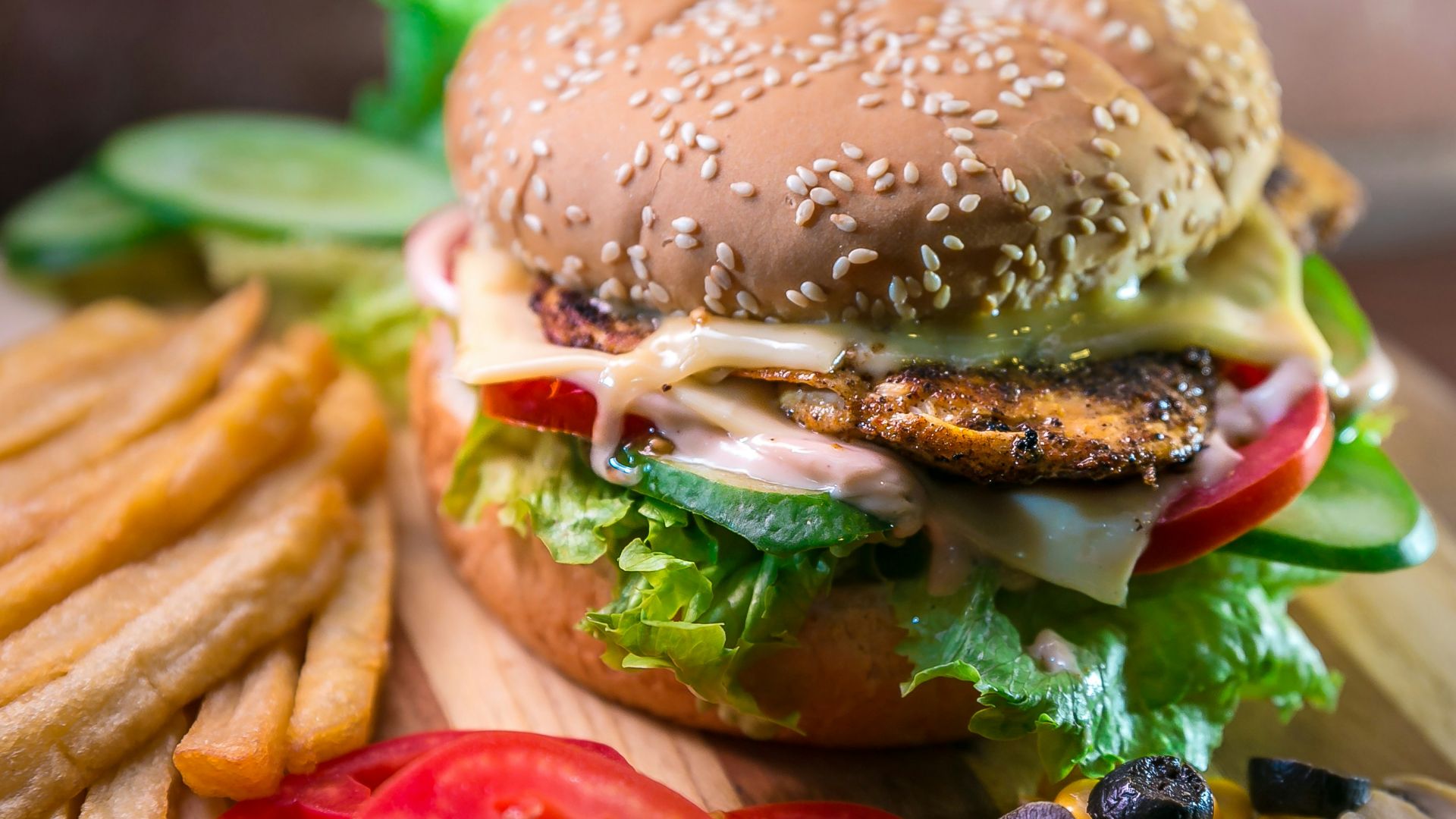
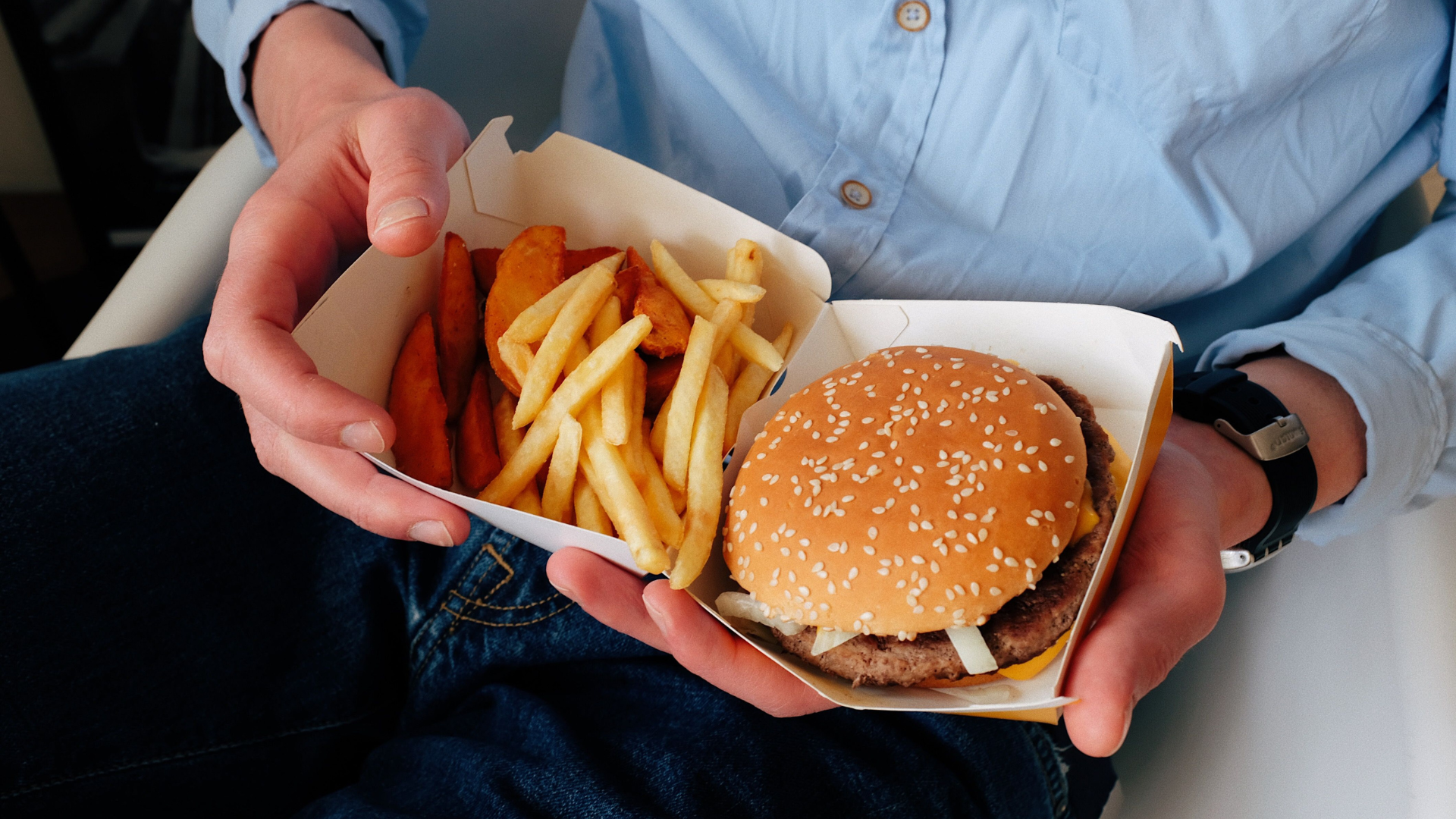
If you've pulled into a drive-thru lane recently, you might've experienced a severe case of sticker shock when looking at the menu board. What used to be a quick, five-dollar transaction for a burger, fries, and a drink has quietly transformed into an investment that easily pushes past the fifteen-dollar mark. This dramatic shift has left many hungry consumers wondering how a paper bag of processed food ended up costing more than a freshly cooked meal served on a ceramic plate.
Local diners, which were once considered a slightly pricier alternative to fast-food chains, are suddenly looking like the more economical choice for a casual lunch. While corporate drive-thrus continue to raise their prices at a staggering rate, your neighborhood diner has managed to keep its pricing relatively stable. Unraveling this bizarre economic flip-flop requires a closer look at corporate strategy, labor shifts, and the high cost of modern convenience.
The Corporate Appetite for Profit Margins
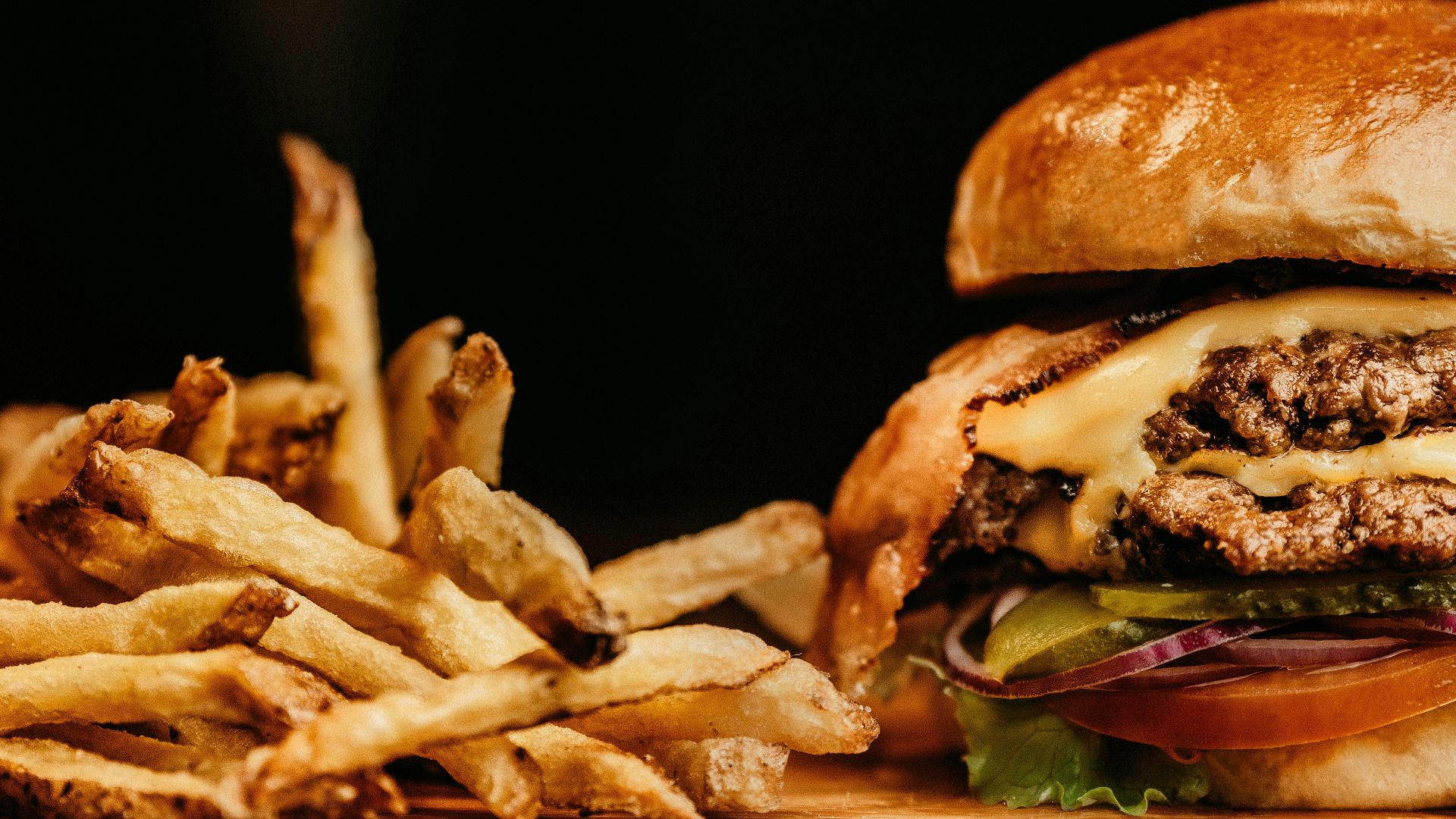
Major fast-food conglomerates have spent the last few years aggressively shifting their business models to maximize shareholder returns. Instead of relying on a high volume of low-cost sales as they did in the past, these multinational brands are now focusing on squeezing more revenue from every single transaction. They've realized that loyal customers are often willing to pay a premium for familiarity, which has emboldened executives to test the absolute upper limits of consumer spending power.
In contrast, independent diners are typically family-owned operations that prioritize community loyalty and consistent foot traffic over aggressive corporate growth targets. These local businesses understand that raising their prices too quickly will immediately alienate their most loyal neighborhood regulars, who visit multiple times a week. Consequently, diner owners are much more likely to absorb minor cost increases themselves rather than passing them directly on to their guests.
This divergence in financial philosophy explains why a standard combo meal at a chain restaurant has managed to outpace the rate of general food inflation. While the local greasy spoon is content with steady, modest profits that keep the lights on, corporate boardrooms are constantly chasing quarter-over-quarter growth. Ultimately, this leaves drive-thru customers paying extra to support massive corporate structures and expensive global marketing campaigns.
The Hidden Costs of Digital Convenience
Operating a modern fast-food franchise involves a massive amount of expensive technological infrastructure that consumers rarely think about while ordering. From digital menu boards and self-service kiosks to complex mobile applications with built-in loyalty programs, these systems require constant maintenance and costly software updates. Fast-food corporations pass these heavy development costs down to individual franchise owners, who must then adjust their menu pricing to stay afloat.
Furthermore, the explosive rise of third-party delivery apps has introduced a whole new set of high fees that eat directly into restaurant revenue. Since these delivery platforms take a significant cut of every transaction, fast-food chains have systematically raised their base prices across the board to compensate. You're essentially paying an invisible premium on your meal to subsidize the complex logistics of getting a warm burger delivered straight to your doorstep.
Your neighborhood diner, on the other hand, generally operates on a much simpler and more traditional business model that bypasses these expensive digital frills. They rely heavily on walk-in customers, simple paper menus, and classic face-to-face service that doesn't require a team of software developers to maintain. By keeping their operational technology basic, diners can focus their entire budget on purchasing ingredients and paying their staff without needing to inflate food prices.
Labor Dynamics and Supply Chain Realities
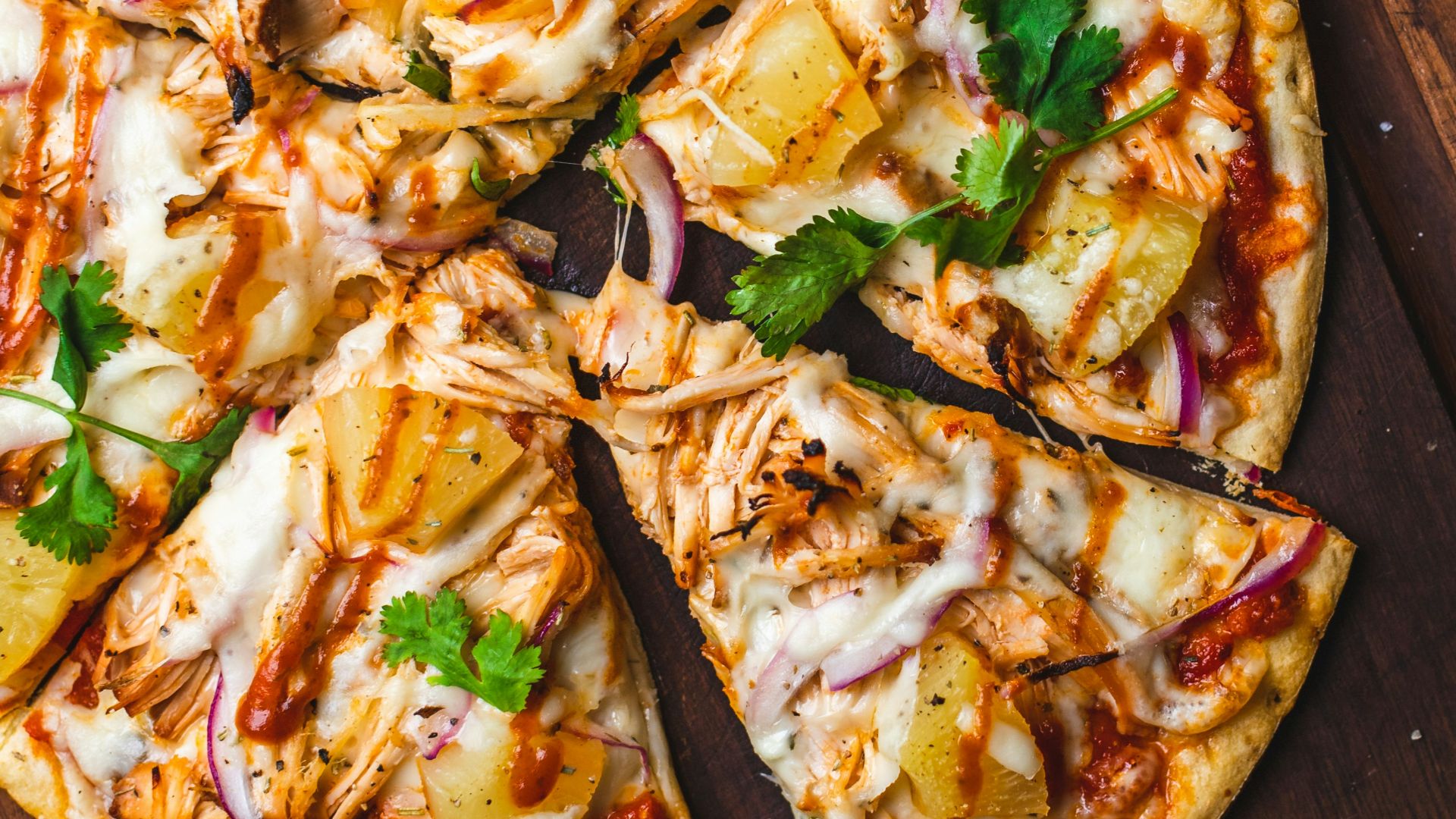
Recent legislative changes and shifting economic realities have rightfully forced fast-food companies to pay their employees more competitive wages in many regions. Because fast-food operations rely on a massive, highly coordinated labor force to maintain their lightning-fast service speeds, rising wages have a massive impact on their overall bottom line. To protect their profits, these corporations have quickly turned to menu price hikes as their primary tool for offsetting these increased labor costs.
Diners handle their staffing in a fundamentally different way that allows them to be much more flexible during turbulent economic times. They often employ smaller, cross-trained teams where servers, hosts, and kitchen staff can easily pitch in and cover multiple roles during a single shift. This organic efficiency helps diner owners manage their payroll expenses much more effectively than a rigid corporate franchise that requires specific personnel for every station.
Additionally, independent diners possess the unique ability to adapt their menus daily based on what is affordable at local ingredient markets. If beef prices spike unexpectedly, a diner chef can easily swap out a steak special for a more affordable chicken dish to keep costs reasonable for diners. Corporate fast-food chains simply don't have this flexibility, as they are locked into massive, rigid global supply contracts that offer very little room for sudden menu adjustments.
KEEP ON READING
You’re Storing Tomatoes Wrong in This Heat

You’re Storing Carrots Wrong in This Heat
You’re Storing Potatoes Wrong in This Heat
You’re Storing Peppers Wrong in This Heat