If the workout routine you perfected in your twenties hasn't been doing its job, you’re not imagining it. A lot of adults find that weight loss starts feeling less predictable in their mid-thirties and beyond. We promise, it's not your work ethic or a sudden stop in your metabolic capabilities. It usually comes down to shifts in body composition, daily movement, sleep, and hormones.
Maybe a better way to describe this change is to say that fat loss can get harder with age because people often lose muscle, carry more central fat, and burn fewer calories through everyday movement. The good news is that your food choices still play a role in your body composition. A proper diet helps you hold onto lean mass, stay full longer, and keep your appetite from going off the rails.
Your Body Composition Shifts
One of the biggest changes you'll start to notice is muscle loss. NIH says we naturally start losing muscle mass around age 30, at a rate of about 3 to 5 percent per decade. Since lean tissue drives how many calories your body uses each day, losing muscle often means we have to shift to other aspects of our health and wellness.
As we said before, that still doesn’t mean your metabolism crashes at 35. A large Science paper, available through PMC, found that adjusted total energy expenditure stays broadly stable from ages 20 to 60. That doesn't mean you won't notice a downward trend over time, but it can definitely make weight loss a little harder than it used to be.
Fat distribution changes, too. The Journal of Clinical Investigation review on aging and metabolism explains that older adults tend to carry more central, visceral fat relative to total body fat, and menopause research shows that women commonly see more abdominal fat accumulation during the transition. So even if your total weight hasn’t changed that much, your body composition still can, which is why you'll notice it when you look in the mirror.
Hormones And Habits
As always, hormones are part of the story, but they're not the be-all, end-all of this shift. In women, menopause changes body composition. This is why you'll notice more fat around the abdomen rather than the hips and thighs. In men, reductions in anabolic hormones and lean mass are also tied to aging, which can make it harder to hang onto muscle over time.
Insulin resistance gets mentioned a lot in midlife weight-loss advice, though it's not always as clear-cut as it seems. Insulin resistance relates to increased body fat, especially visceral fat, and to lower fitness than to age alone, which is the point made in that same JCI review. So this isn’t about hitting a birthday milestone and having your body betray you. It’s more than body composition, and activity patterns begin to matter a lot more than most people realize.
You also have to factor in sleep and movement patterns. The CDC’s sleep guidance says adults ages 18 to 60 need seven or more hours of sleep. Many reviews on sleep deprivation and appetite link short sleep with changes in appetite regulation and higher food intake. Daily movement also tends to drop with age, which means fewer calories are burned through ordinary daily movement.
Smarter Food Choices
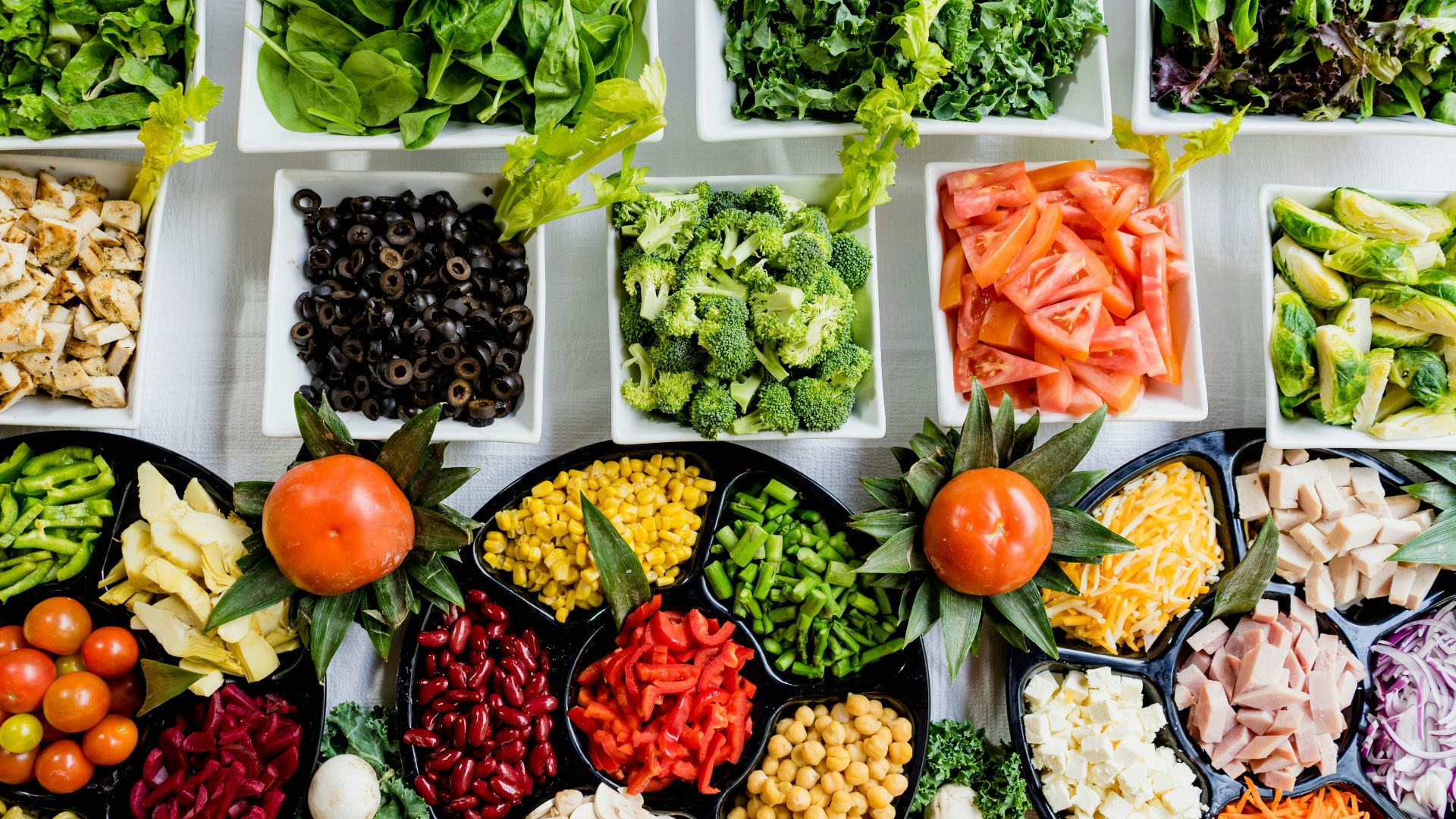
While this all sounds scary, you do have some control over this inevitable shift. Protein matters more as you get older because it helps preserve lean mass during weight loss, supports fullness, and has a higher thermic effect than the other macronutrients. Reviews on aging and protein, including this 2025 review in Nutrients, suggest that many healthy older adults may benefit from roughly 1.0 to 1.2 grams per kilogram of body weight per day. A practical target of around 25 to 30 grams per meal is often recommended.
Fiber is the other big lever. MedlinePlus lists the daily recommended fiber intake for adults ages 19 to 50 as 25 grams for women and 38 grams for men. The current Dietary Guidelines emphasize meals built around whole, nutrient-dense foods like vegetables, fruit, whole grains, beans, and other minimally processed staples. This natural plate slows digestion, steadies energy, and cuts down on the constant snack-hunting.
Eating during your mid-life years doesn't have to be confusing. A filling breakfast with eggs or Greek yogurt, a lunch built around beans, chicken, tofu, or fish, and a dinner with protein, vegetables, and a high-fiber carb will generally do more for satiety and body composition than chasing “fat-burning” ingredients. Pair with some proper movement, and you'll still feel like you're 21.
KEEP ON READING
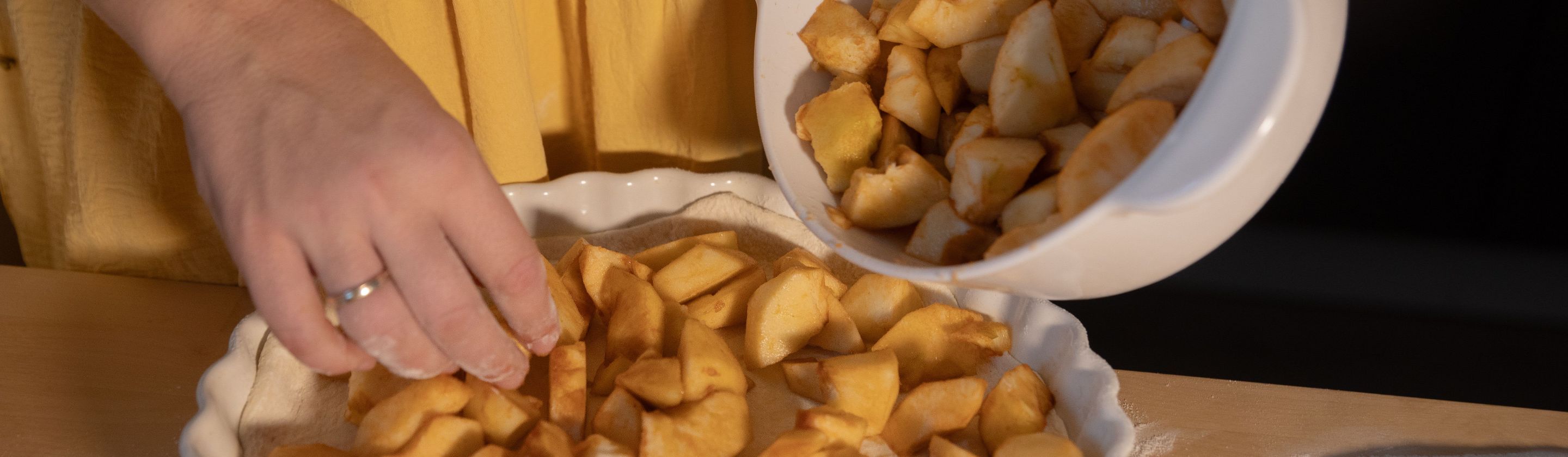
20 Apple Desserts Americans Should Serve This Fall
Why Americans Fell In Love With Frozen Meals