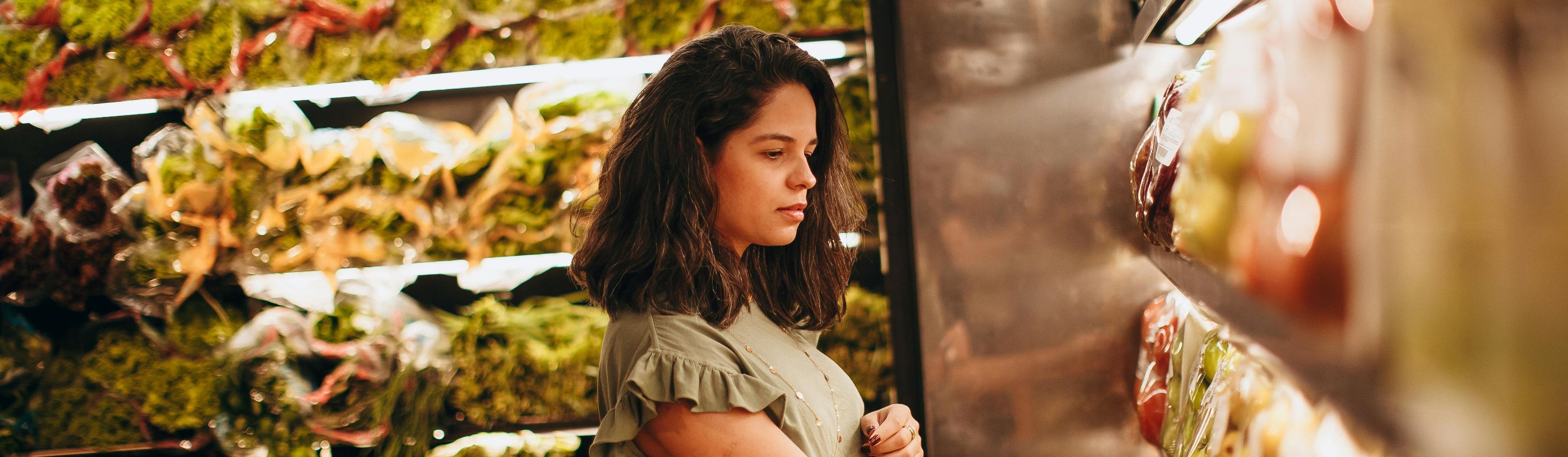
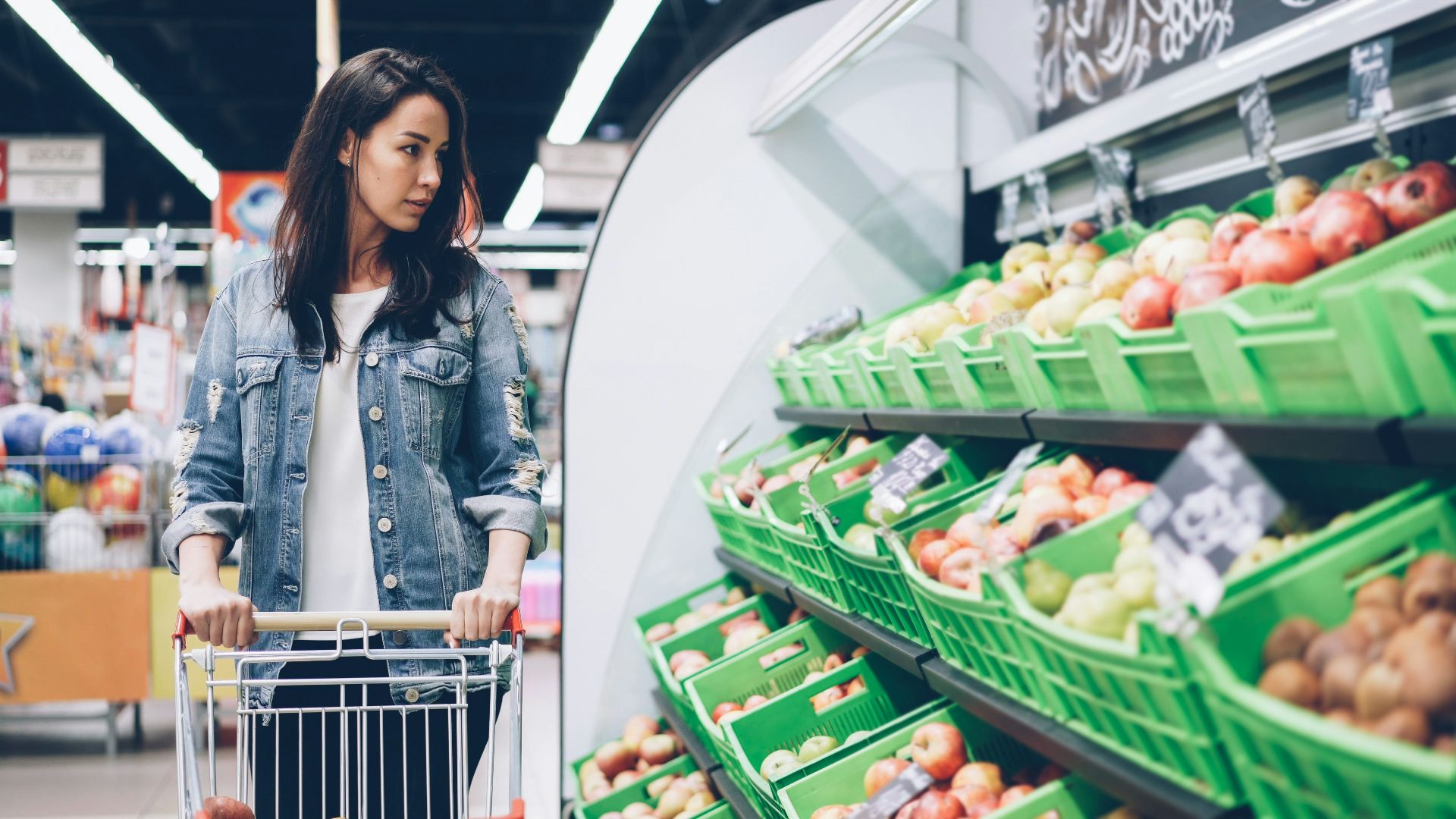
Walk through a grocery store checkout line and you can learn more about the person in front of you than you ever would from a LinkedIn profile. There are the collagen peptides next to the grass-fed butter, the tote bag packed with adaptogen powders, and one bag of Flamin' Hot Cheetos as a self-treat. The whole mix feels carefully assembled. If you know how to read it, it tells you exactly what kind of person they think they are, and what that says about their health, their politics, and the social world they move through.
This didn't happen by accident. Food has always carried cultural weight, but something shifted in the last decade that turned grocery shopping from a chore into a curation project. What you eat stopped being purely a matter of preference or budget and started functioning as a public declaration, even when the only audience is the cashier and the stranger behind you in line.
Food Has Always Been Political, but Now It's Personal
The idea that diet signals class and values predates the organic aisle by centuries. What changed is the granularity. The U.S. organic food market reached about $95.4 billion in 2025, according to industry analyses building on data from the Organic Trade Association. That growth isn't driven entirely by people who've read the pesticide research. A significant portion of it is driven by people for whom organic functions as shorthand for a certain kind of conscientiousness, a way of saying something about yourself without saying anything at all.
Whole Foods became the most efficient punchline in American retail precisely because it understood this early. The store didn't just sell food. It sold a version of a person you might want to be, complete with the checkout anxiety of whether your cart reflected that aspiration adequately. When Amazon acquired it in 2017 for $13.7 billion, analysts noted the purchase was as much about buying a customer demographic as it was about buying a grocery chain.
The political valence of food choices has grown more explicit, too. Research published in the journal Appetite has found that food choices are increasingly tied to moral identity, with consumers using dietary decisions to communicate values around environmentalism, animal welfare, and personal health. The grocery cart became a mood board before mood boards were even a cultural concept.
The Wellness Industry Handed Us a New Language
The global wellness industry was valued at $5.6 trillion in 2022 by the Global Wellness Institute, and a substantial portion of that figure lives in the functional food and beverage category. Adaptogens, nootropics, postbiotics, and seed oil avoidance became vocabulary that consumers deployed fluently in conversation and even more fluently with their purchasing behavior. The product category stopped being niche and started being a social signal of a very particular kind of informed, optimized person.
What drives this isn't always health outcomes. A 2023 NielsenIQ report found that 73 percent of global consumers said they would definitely or probably change their consumption habits to reduce environmental impact, but purchase data consistently shows a gap between stated values and actual behavior.. The aspiration to eat a certain way, and the identity that aspiration projects, often carries more weight in the shopping cart than the nutritional science behind any given product.
This created a market for legibility. Products got sharper at advertising their virtues on packaging because consumers wanted the cart to communicate something at a glance. A $12 bottle of mushroom coffee isn't primarily a caffeine delivery mechanism. It's a sentence about the kind of mornings you have, the kind of research you do before you spend money, and the particular subculture you've decided to belong to.
What We're Actually Shopping For
Sociologists have a term for the behavior underneath all of this: conspicuous consumption, originally coined by Thorstein Veblen in 1899 to describe how the leisure class used spending to signal status. The contemporary version is quieter and more layered. The signal isn't always wealth. Sometimes it's virtue, discipline, environmental awareness, or access to information the mainstream hasn't caught up to yet.
The problem with shopping as self-expression is that it can substitute for the thing it's meant to represent. Buying grass-fed beef and oat milk doesn't automatically make someone an environmentalist any more than buying running shoes makes someone a runner. Behavioral economists have studied the phenomenon of moral licensing extensively, finding that people who engage in what they perceive as virtuous consumption often feel unconsciously licensed to make less virtuous choices afterward. The halo from the kale can cover a lot of ground.
What the grocery cart actually reveals, then, isn't who you are. It's who you're in the process of convincing yourself, and anyone watching, that you might be. That isn't a criticism so much as an observation about how identity has always worked. We have used the objects around us, including the food we eat, to narrate ourselves to the world long before anyone thought to call it branding. The supermarket just gave us more characters to work with and a very long, fluorescent-lit stage to perform on.
KEEP ON READING
The Best Gifts to Give To Any Baking Lover



10 Iconic Australian Foods You Need to Try