Machine Wash or No?
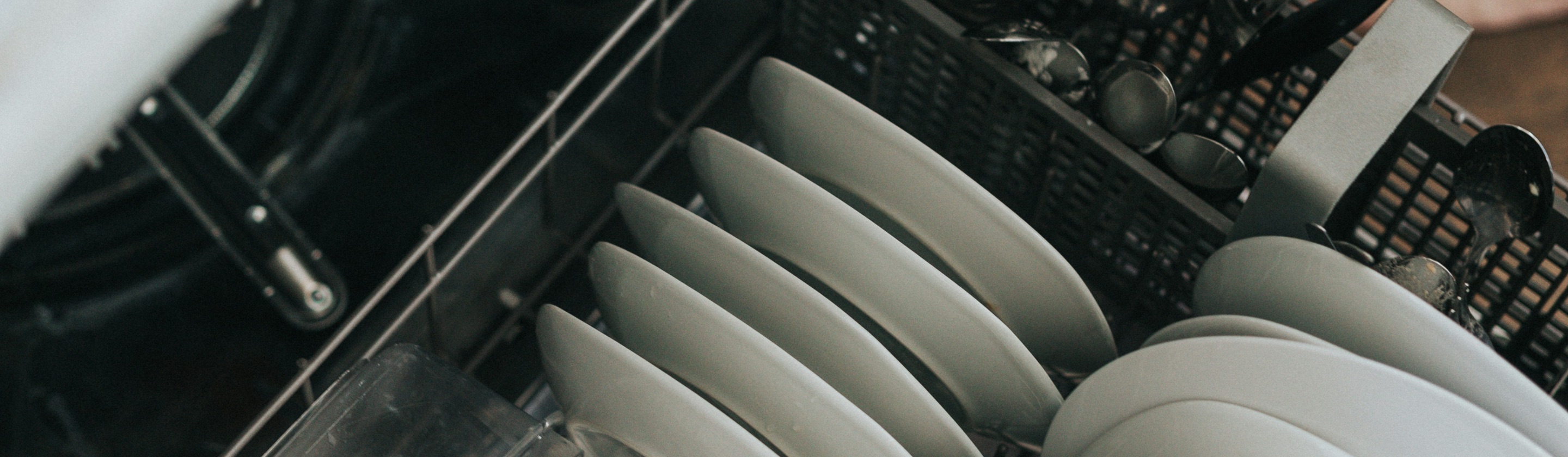
It's no surprise dishwashers are so popular: they save time, cut down the dirty work, and make kitchen life feel far more manageable. But alas, they aren’t right for everything in your cabinets. If you're the kind of person who likes to throw anything and everything into the machine, you might want to change your habits, or else you could end up with a ruined plate. From fine china to baby bottles and even refrigerator shelves, here are 10 items that should stay out of the dishwasher, and 10 that can usually go in no problemo.
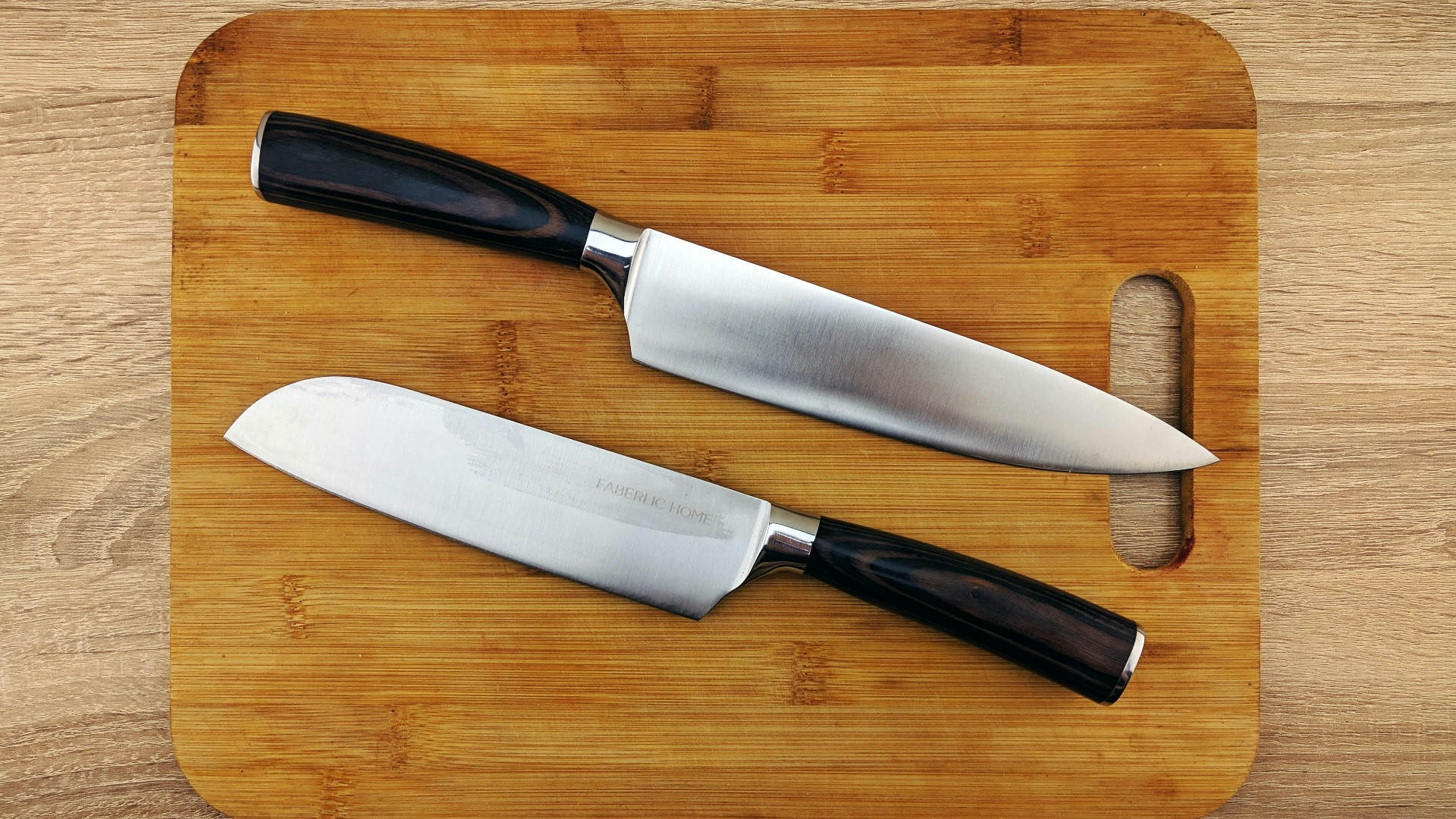
1. Sharp Chef’s Knives
Believe it or not, a dishwasher is one of the fastest ways to ruin a good knife: the heat, moisture, and constant jostling can dull the blade, while the detergent can wear down the finish over time. There’s also a safety issue, since reaching into a dishwasher with loose knives inside is never a great idea.
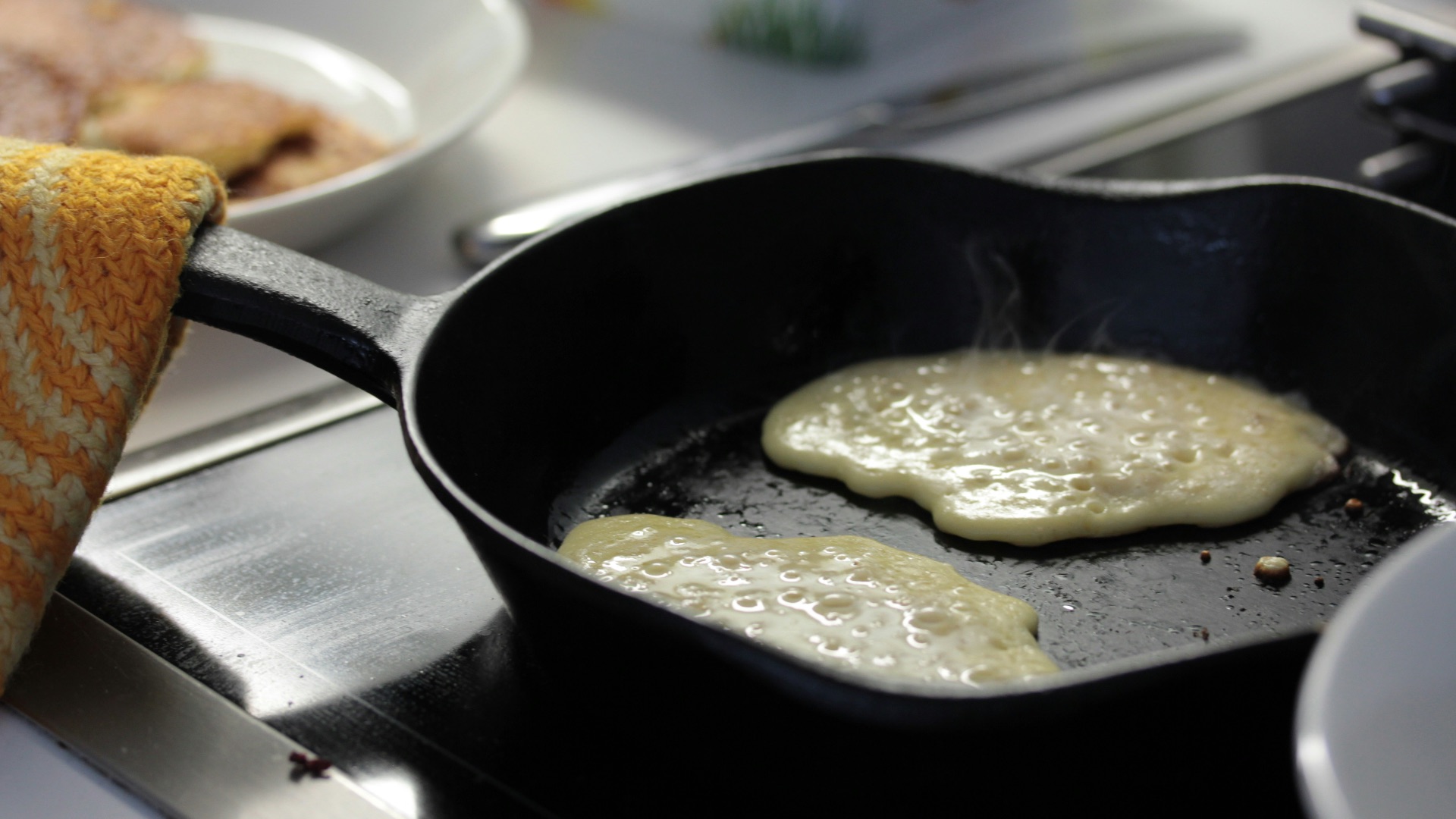
2. Cast Iron Skillets
Cast iron and dishwashers don’t mix well because the machine can strip away the seasoning that gives the pan its nonstick surface. Once that protective layer starts to break down, rust becomes much more likely. Even one dishwasher cycle can leave the skillet looking dry, rough, and in need of repair.
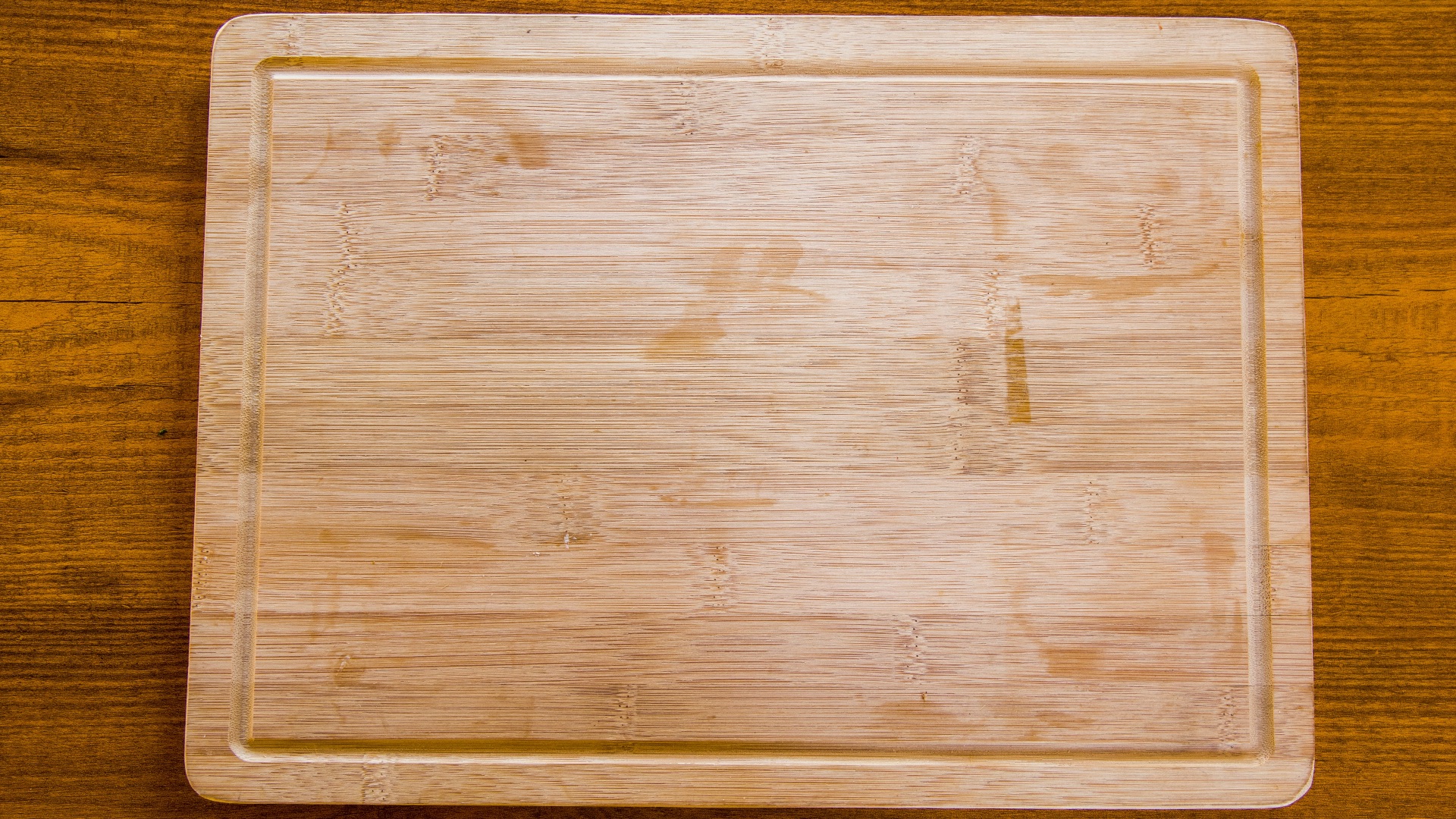
3. Wooden Cutting Boards
Wood absorbs water, and a dishwasher exposes it to both heavy moisture and high heat. That combination can lead to swelling, splitting, and warping, especially over time. You may also notice the surface becoming rougher and less pleasant to use, which means you'll need to replace it far more often.
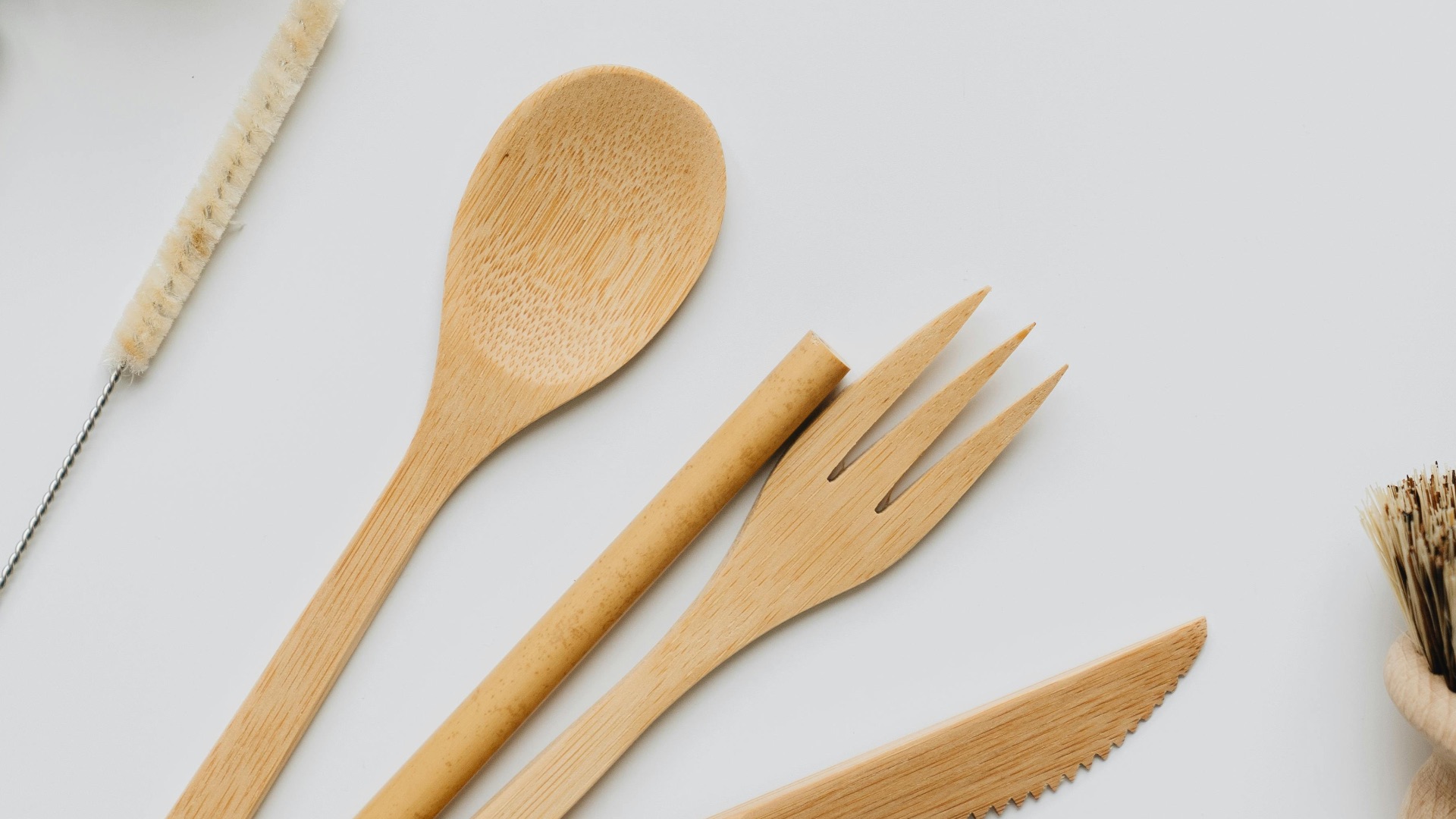
4. Wooden Spoons and Utensils
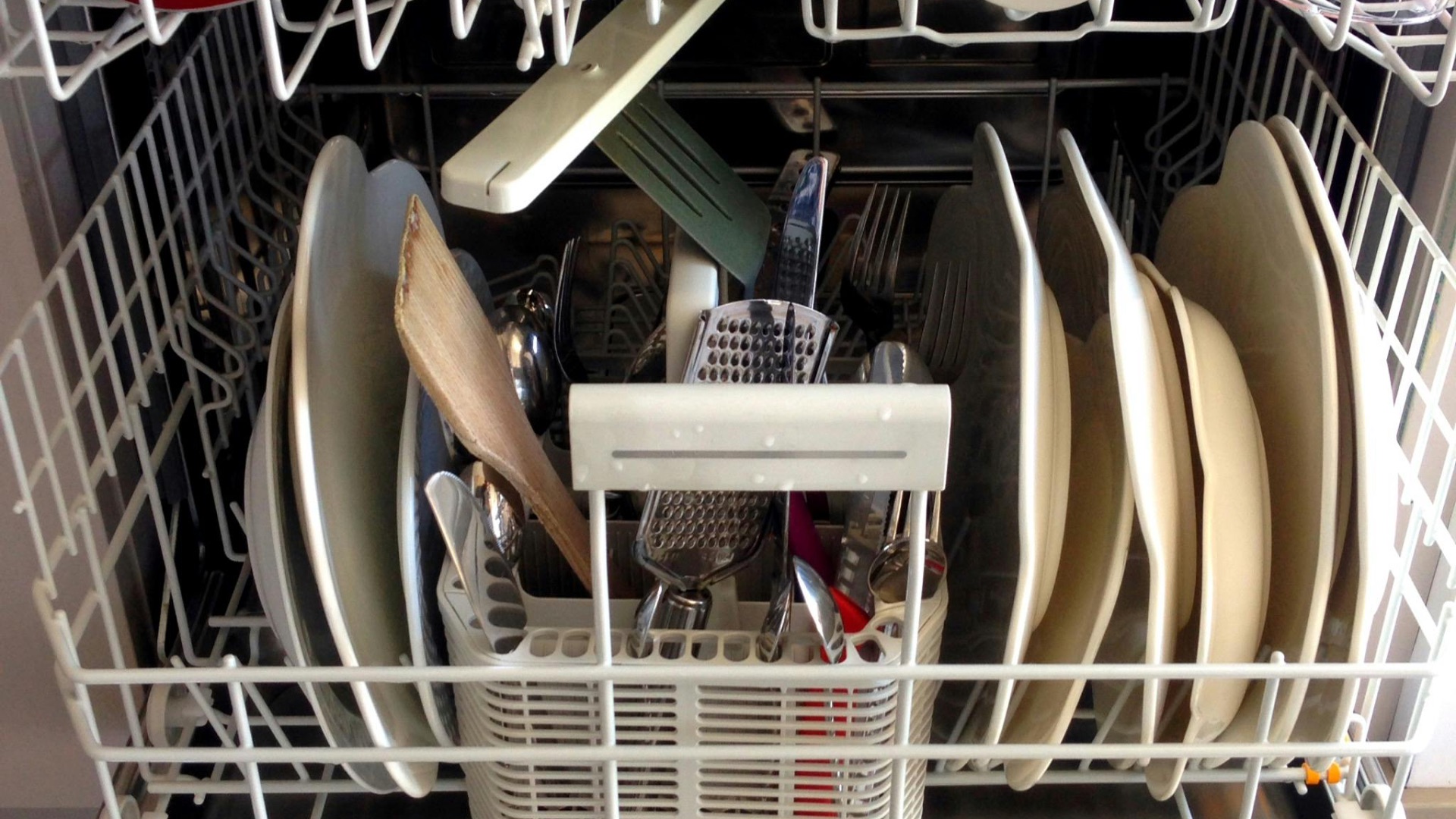
Wooden spoons might seem sturdy, but repeated dishwasher cycles can dry them out and cause cracking. The glue in any joined parts can also weaken, which shortens their lifespan. Over time, the wood may look faded, brittle, or even slightly misshapen.
5. Nonstick Pans
Sure, some nonstick cookware is labeled dishwasher-safe, but that doesn’t always mean the dishwasher is the best choice. Harsh detergents and repeated heat exposure can wear down the coating faster than hand washing would. And once the surface starts breaking down, the pan becomes less effective and often harder to clean, anyway.
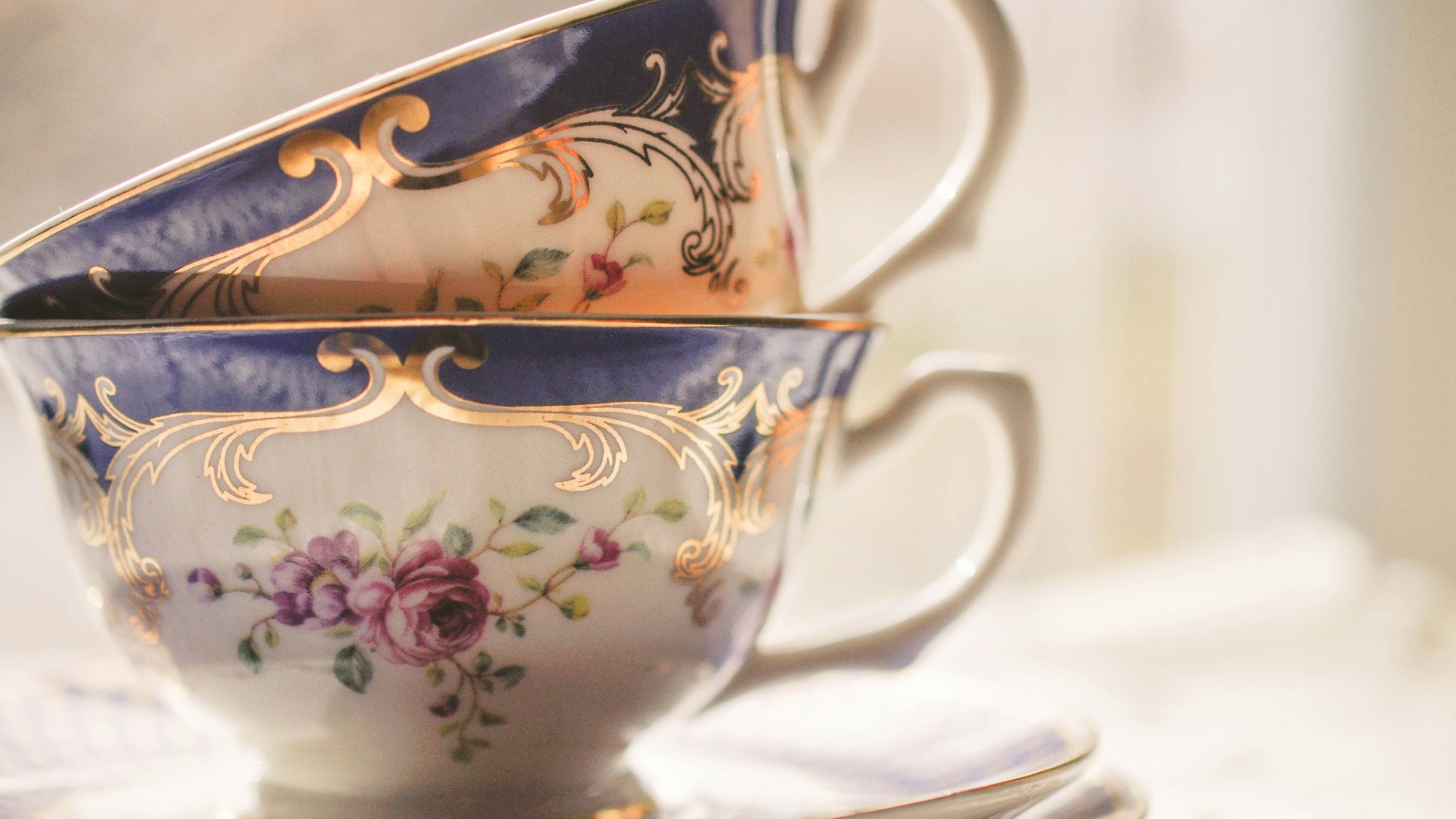
6. Fine China
Delicate china can chip, fade, or lose decorative detailing in the dishwasher; gold or metallic trim is especially vulnerable, since both heat and detergent can damage it. Even if the piece survives a few washes, repeated cycles can still take a toll on its finish and may eventually spit out a mangled mess.
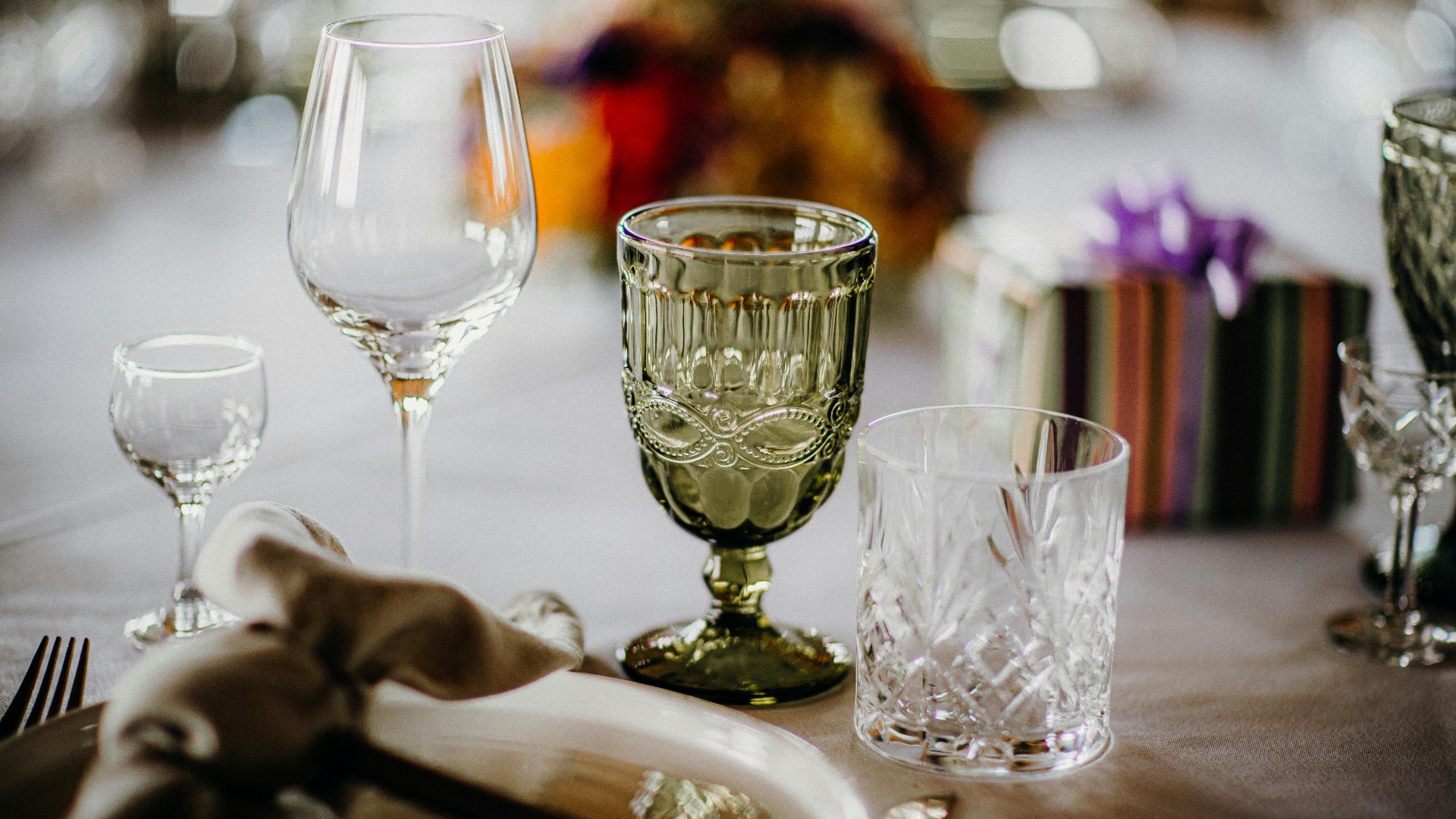
7. Crystal Glassware
Crystal is much more delicate than standard drinking glasses and may turn cloudy, lose its sparkle, or develop tiny cracks over time when exposed to dishwasher heat and detergent. Thin stems are also more likely to snap during a wash cycle, so you might want to keep your precious wine glasses away.
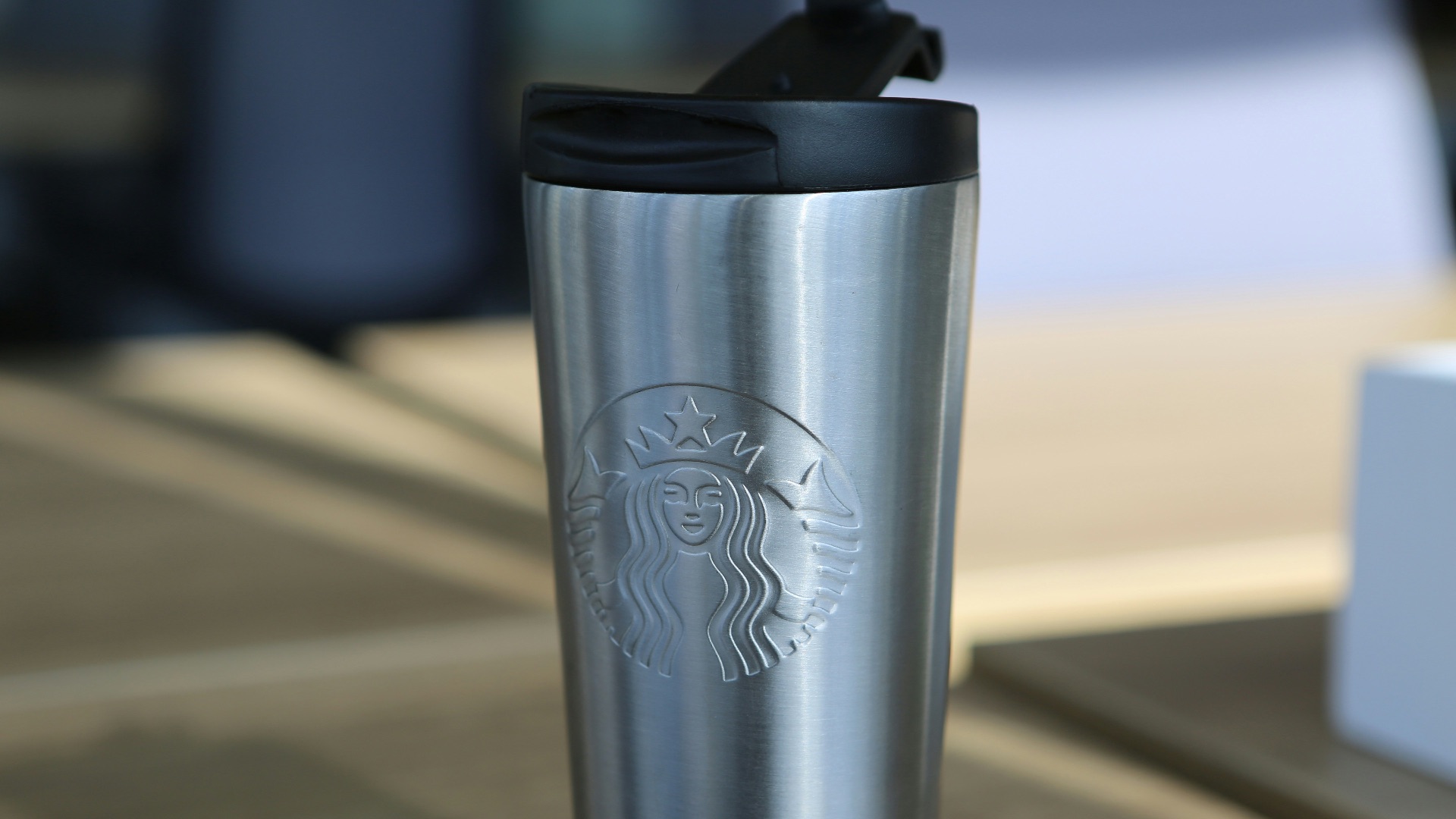
8. Insulated Travel Mugs
Many insulated mugs have a vacuum seal between layers, and dishwasher heat can damage that construction; this means once the seal is compromised, the mug may stop keeping drinks hot or cold the way it should. Some lids also have small parts that trap water and don’t dry properly in the machine. Unless the manufacturer says otherwise, hand washing is usually the safer bet.
9. Aluminum Cookware
Aluminum can discolor in the dishwasher, and worse yet, the surface may come out dull or blotchy after repeated cycles. In some cases, it can also react badly with detergent and leave behind dark residue, making the cookware feel more worn than it actually is.
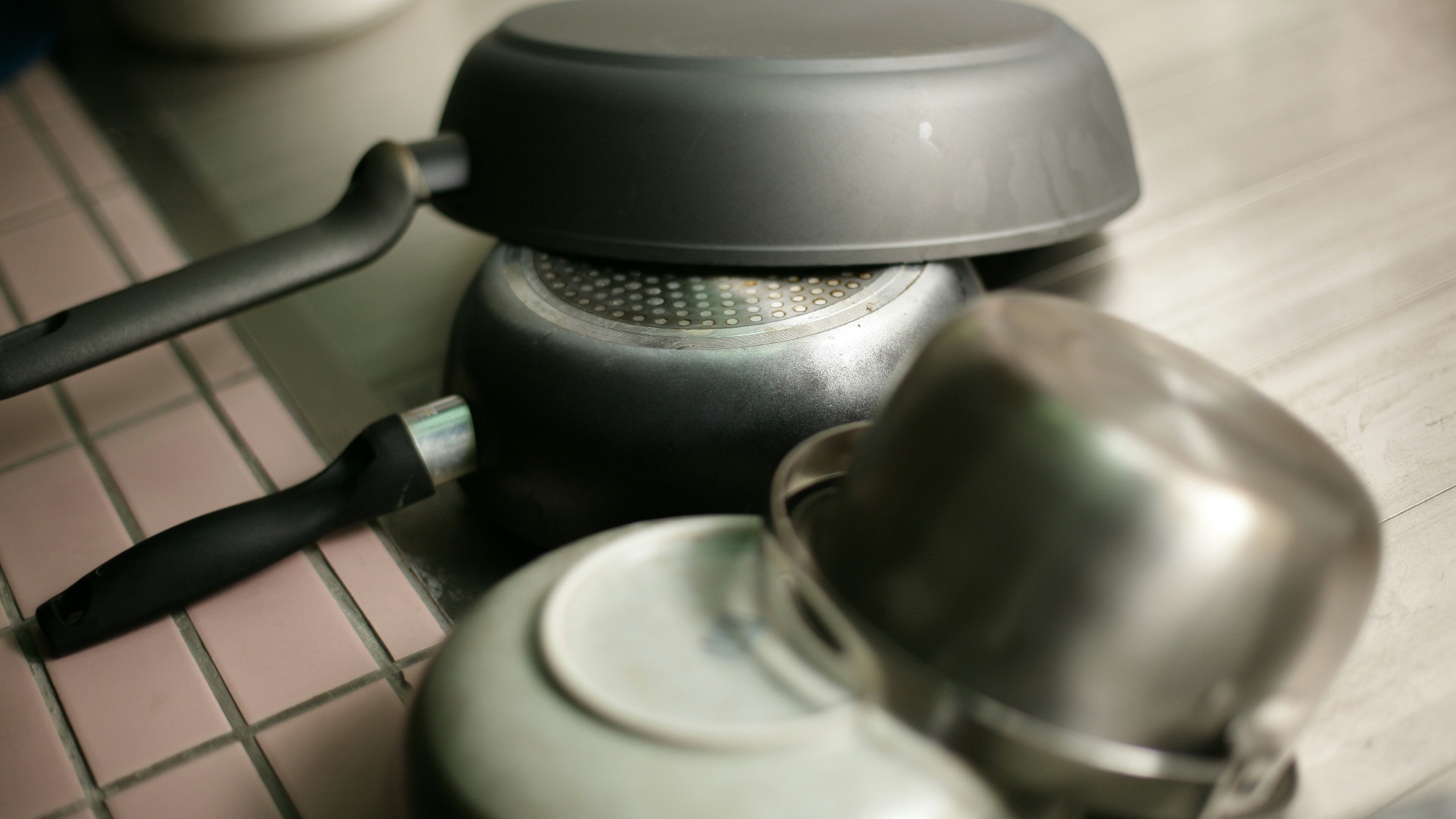
10. Cheese Graters and Fine Sieves
Anything with sharp edges, tiny holes, or mesh is a no-no in a dishwasher because food particles tend to get stuck, which ends up defeating the purpose of throwing it into the machine in the first place. Sure, it may wash the surface, but bits of cheese or pulp often remain lodged in place. Fine mesh can also bend or weaken if it’s handled roughly during loading and unloading.
Now that you know what shouldn't go in the dishwasher, let's jump into the good part: the items that are safe to machine-wash.
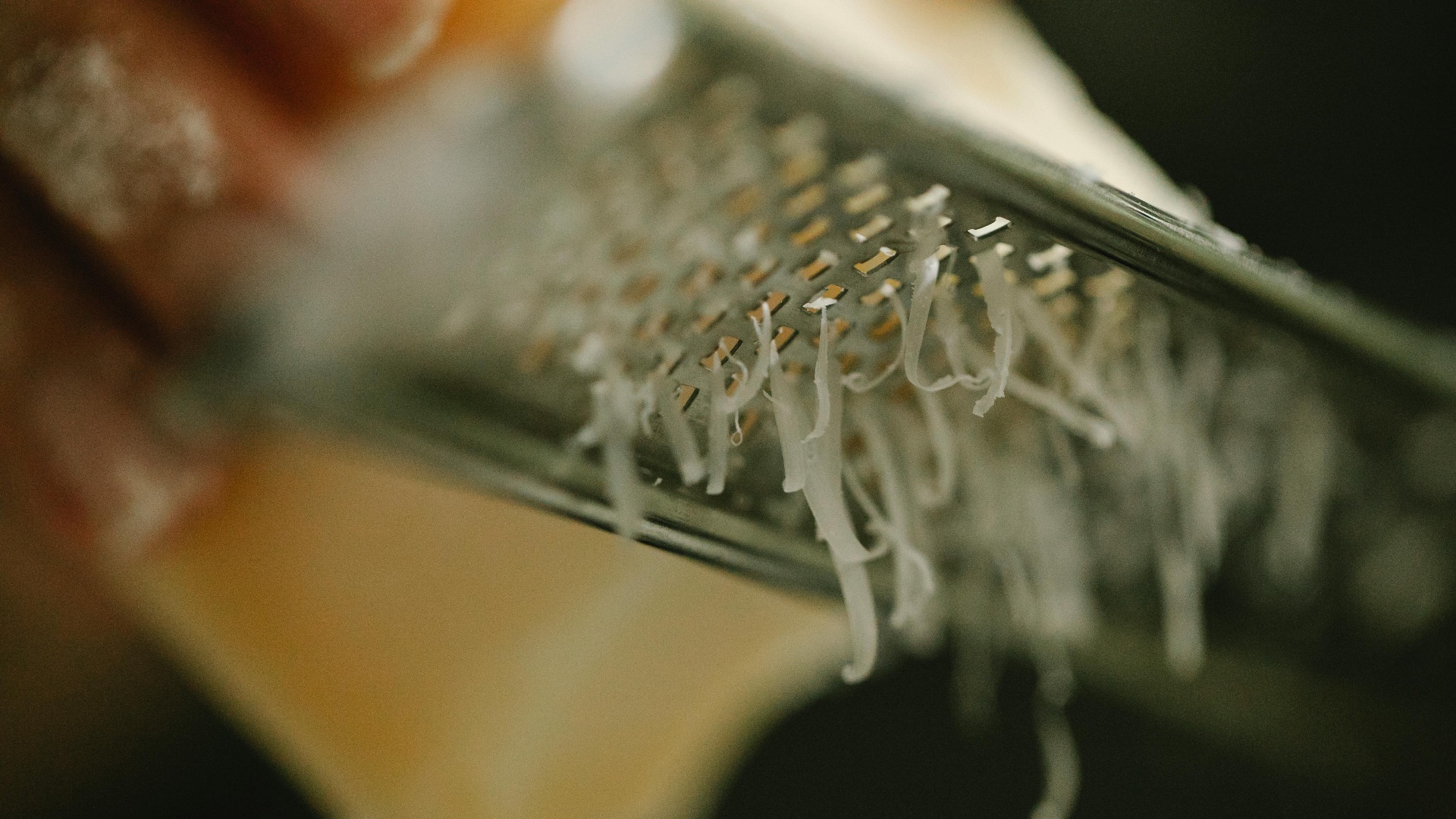
1. Everyday Ceramic Plates
Most standard ceramic dinner plates are made to handle dishwasher use with no issue, so breathe a sigh of relief. These discs are also durable and easy to stack, which makes them all the more suitable for the machine. Just make sure they don’t have delicate hand-painted details or metallic trim.
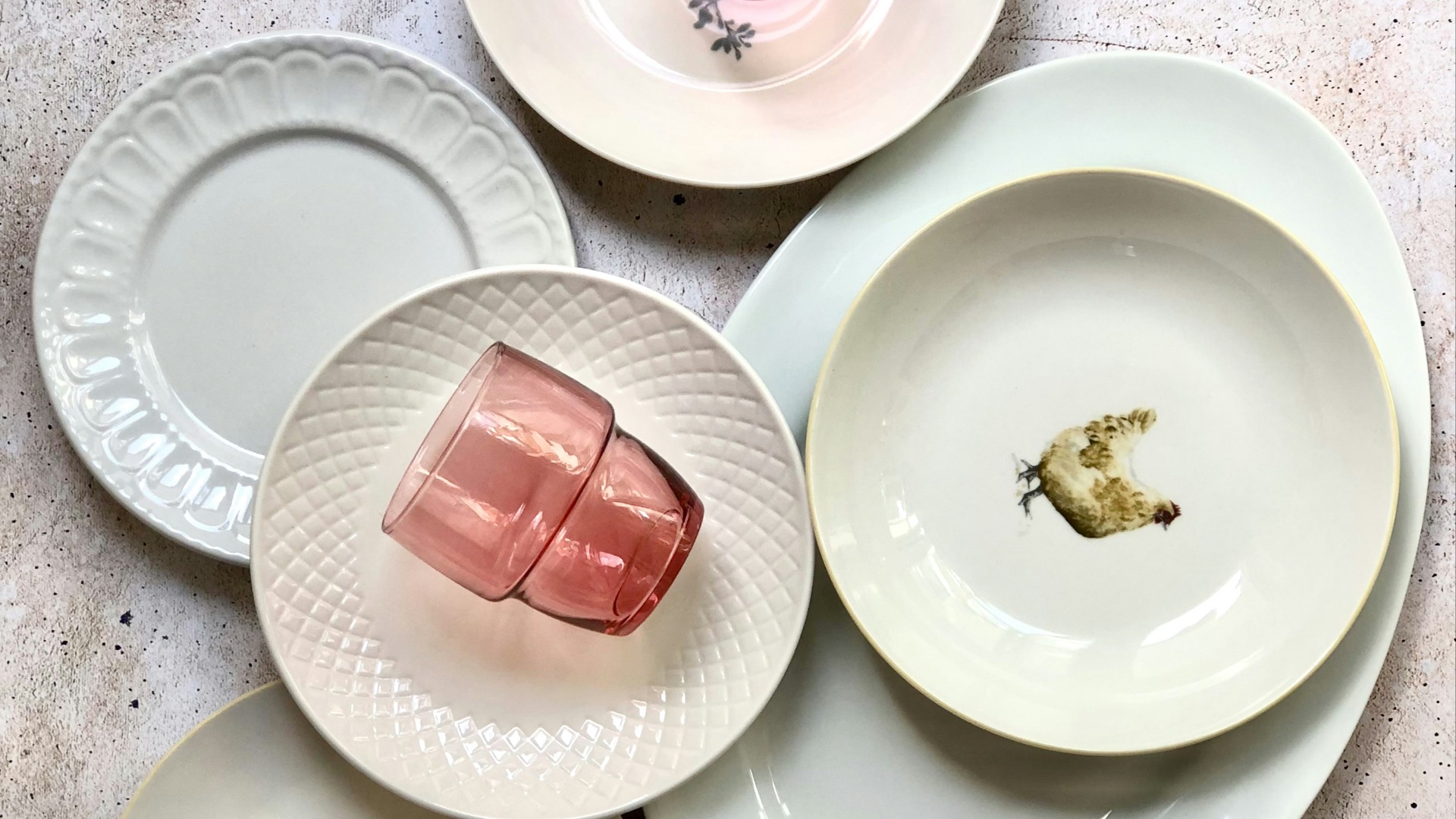
2. Stainless Steel Flatware
Stainless steel forks, spoons, and butter knives are usually dishwasher-friendly and hold up very well over time. They’re designed for frequent use, and the dishwasher cleans them thoroughly with minimal effort on your part. If there's one thing to note, it's that you'll want to avoid crowding them too tightly, since that can affect how well they rinse.
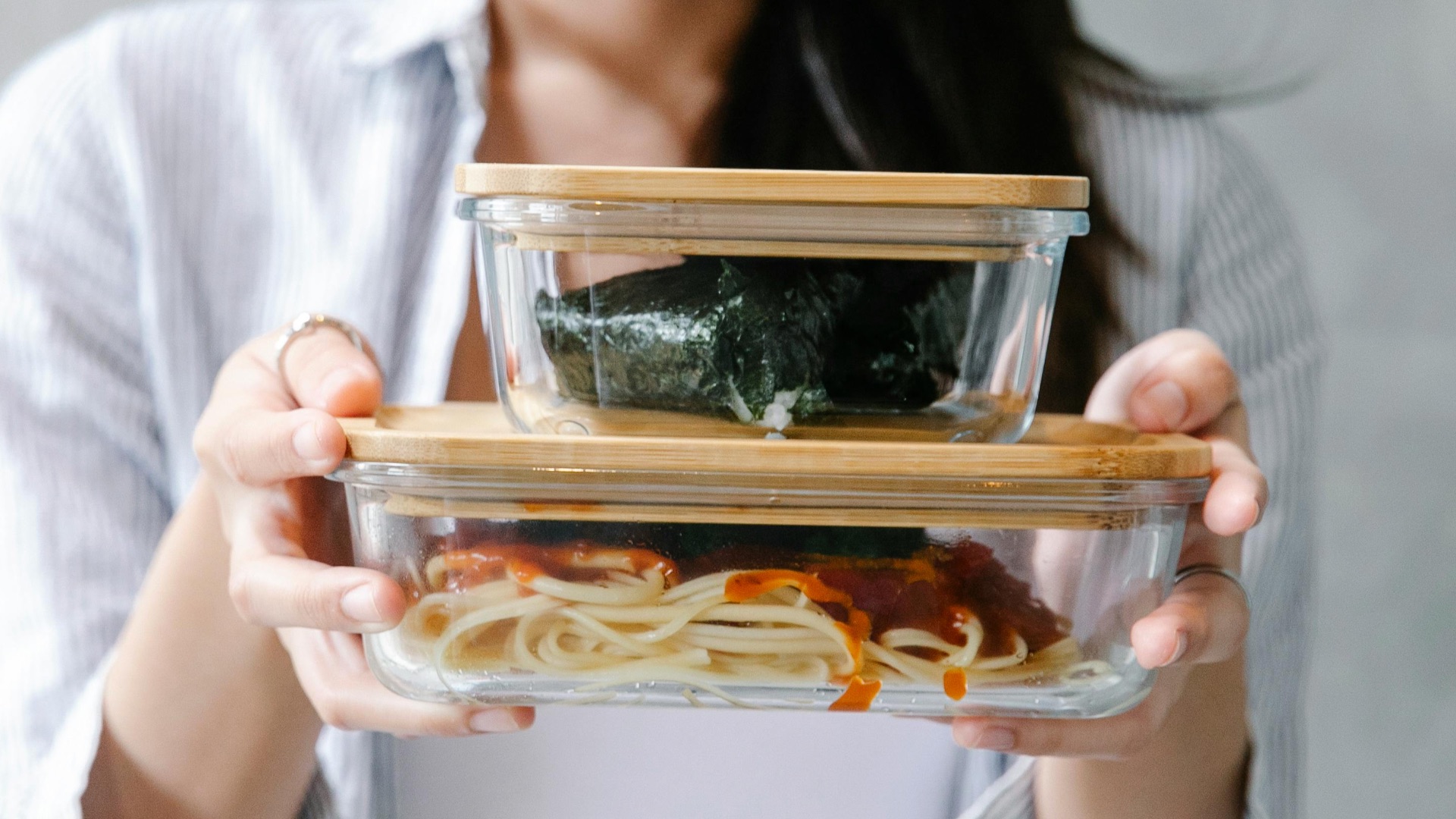
3. Glass Food Storage Containers
Got leftover greasy spaghetti tacked on your glass container? Throw it in the dishwasher! Thankfully, since these boxes are glass, they don’t stain as easily as plastic, and the machine helps remove lingering food residue with no problem. Lids can vary, though, so it’s worth checking those separately.
4. Dishwasher-Safe Plastic Containers
Don't worry: most plastic containers are specifically labeled as dishwasher-safe, and those can usually go on the top rack without a problem. You'll just want to make sure to keep them away from the hottest areas in the machine, and you might want to make sure your containers aren’t old, thin, and starting to soften.
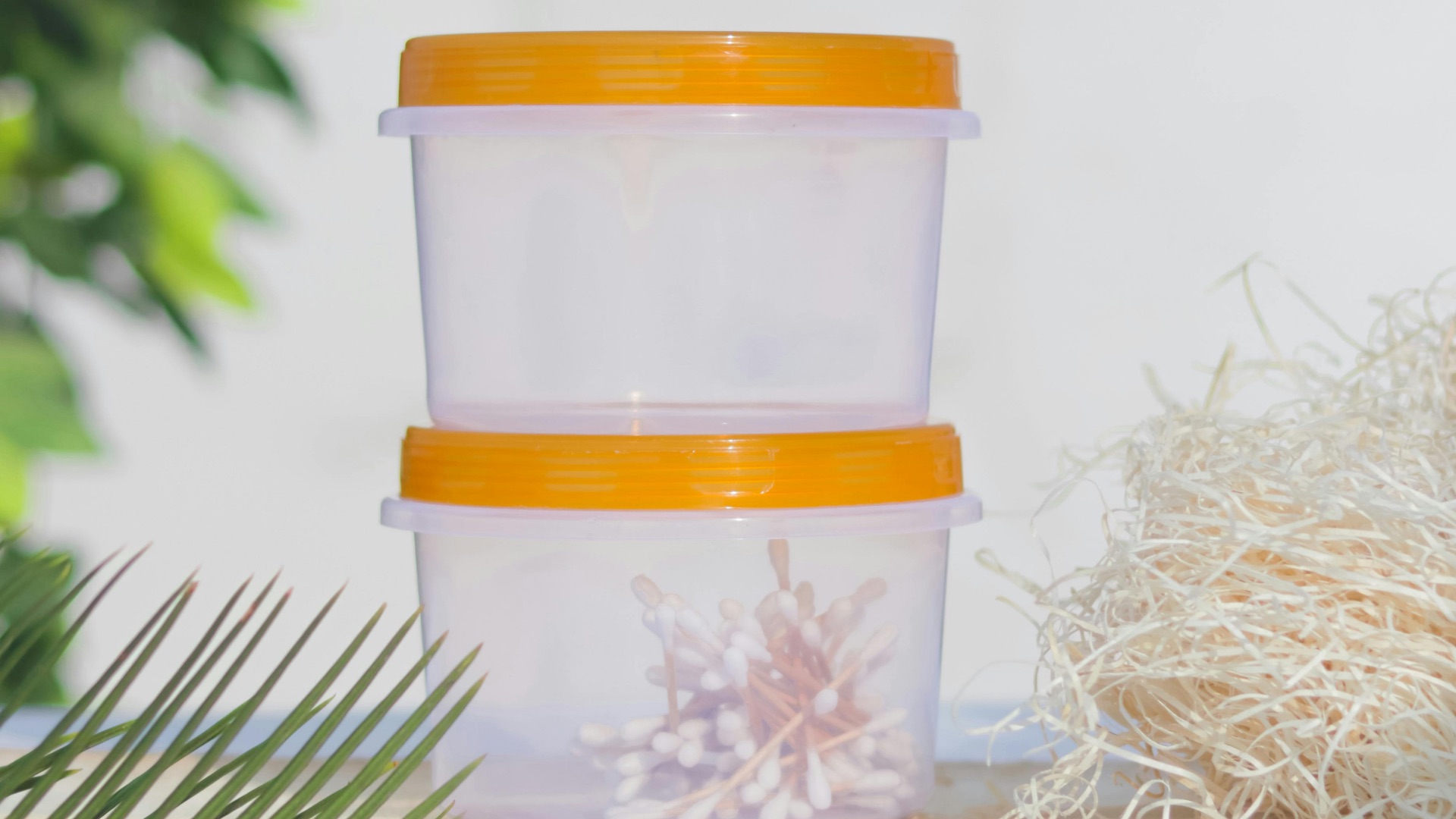 Ibrahim Plastic Industry ( IPI ) on Pexels
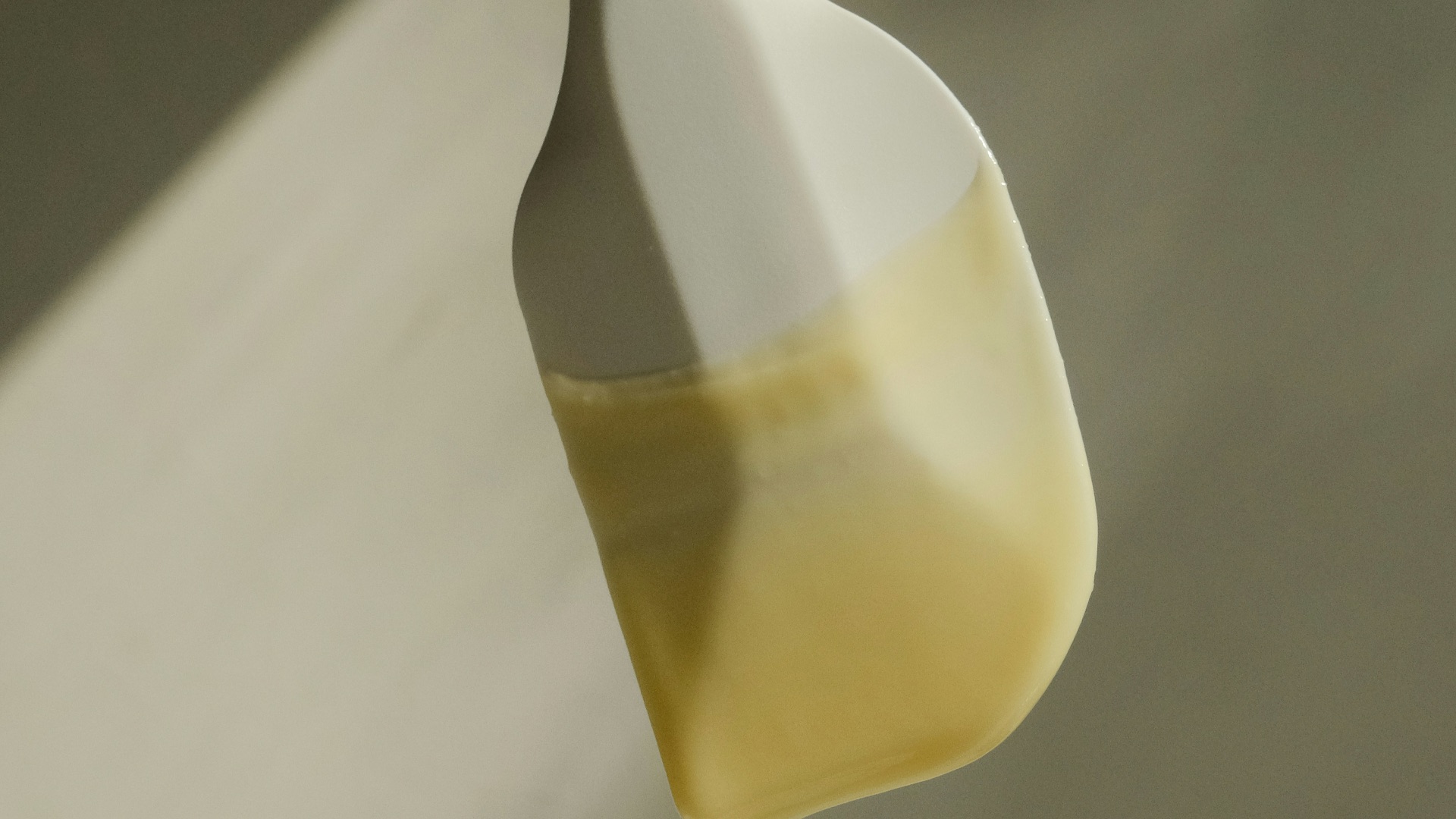
5. Silicone Spatulas and Baking Tools
Silicone holds up well against heat and moisture, which makes it a strong candidate for dishwasher cleaning; it also doesn’t absorb water the way wood does, so it’s less likely to crack or degrade from washing. That makes cleanup much easier after baking or cooking!
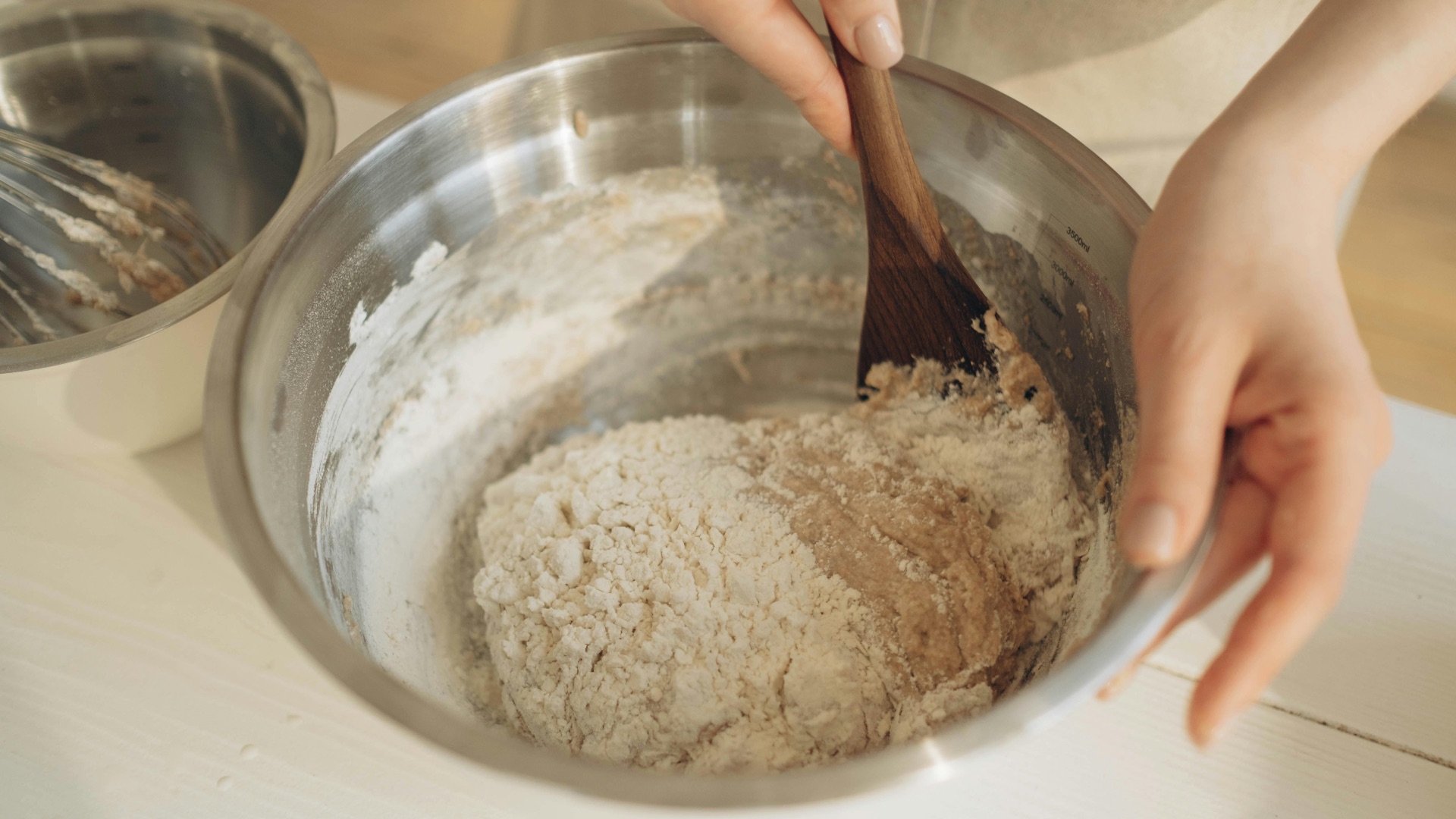
6. Stainless Steel Mixing Bowls
Stainless steel mixing bowls are durable, lightweight, and usually easy to clean in the dishwasher (or by hand, unless it has flour caked on the sides). If you use them for everything from batter to salad prep, don't worry about the clean-up process—just toss it in the machine!
7. Oven-Safe Glass Bakeware
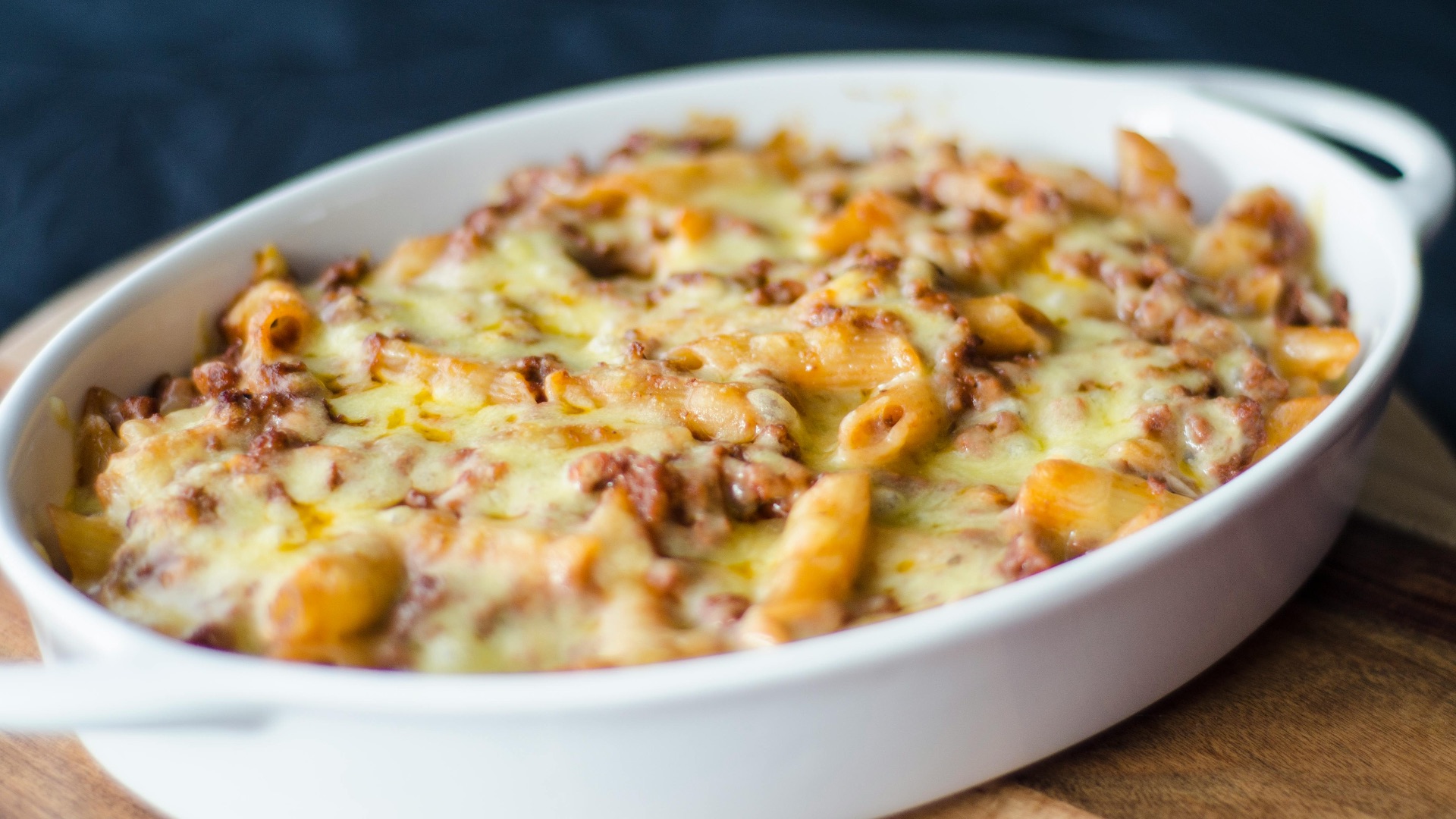
Glass baking dishes that are labeled dishwasher-safe can usually go straight into the machine after dinner. The biggest benefit is convenience, especially after casseroles or baked pasta, which tend to be a headache to clean. Letting baked-on residue soak first will usually give you better results, so keep that in mind!
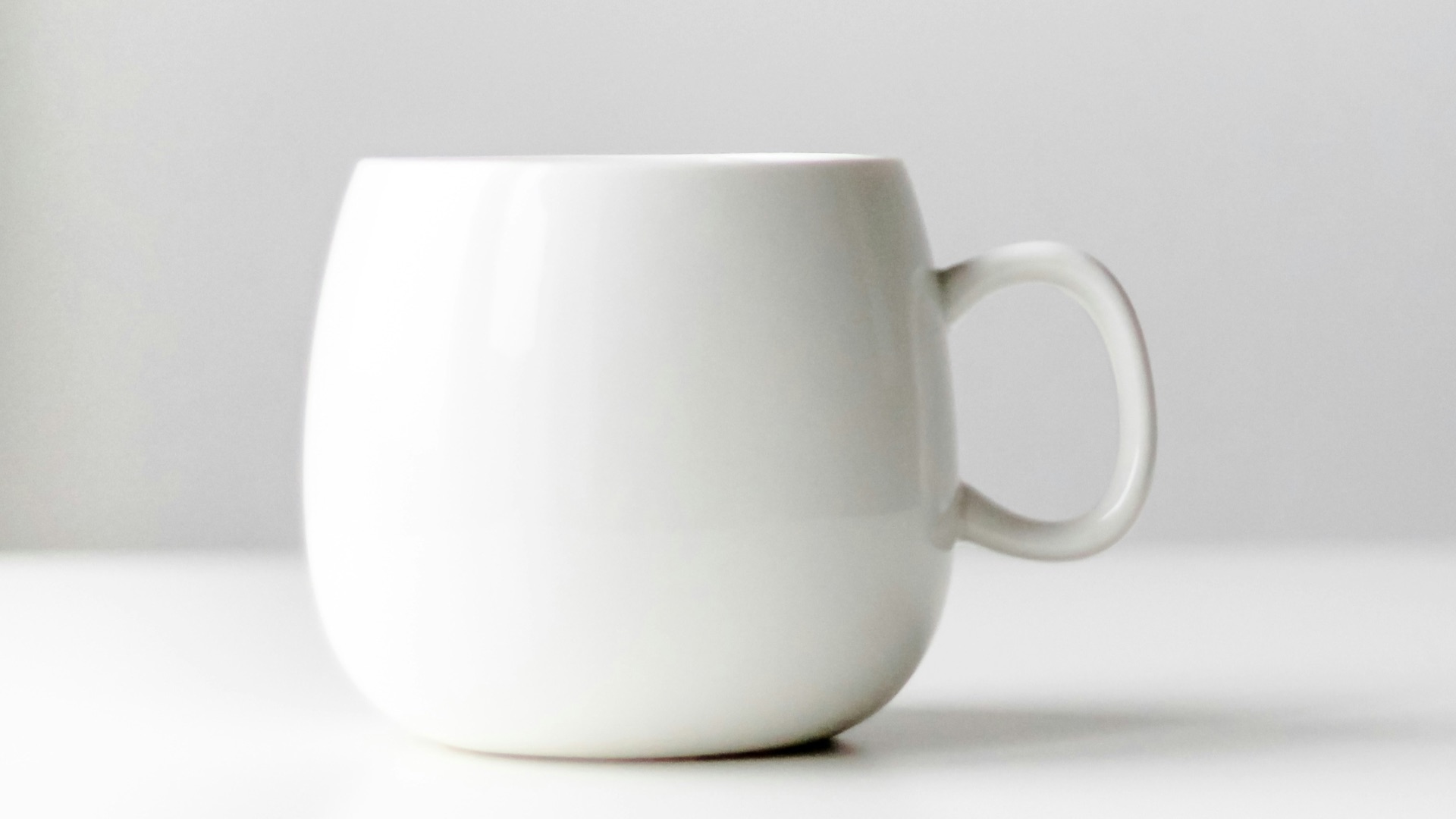
8. Non-Delicate Mugs
Plain ceramic mugs often survive perfectly fine in the machine, as long as they don’t have metallic accents or fragile decorative coatings. For daily coffee or tea drinkers, that’s welcome news because mugs can pile up pretty quickly. If the print looks decorative or textured, though, hand washing may still be the better call.
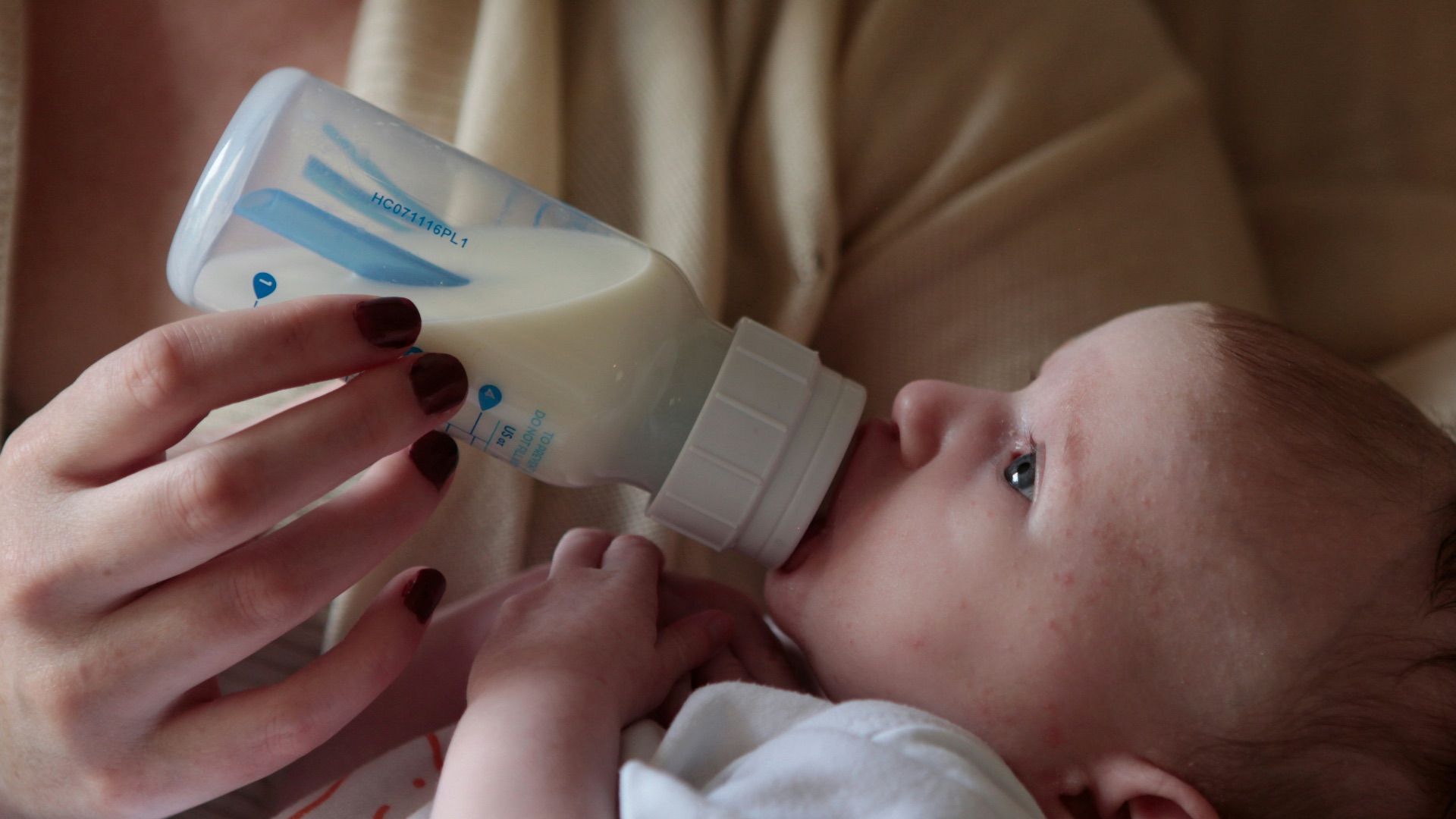
9. Dishwasher-Safe Baby Bottles and Accessories
A lot of baby bottles, bottle rings, and certain feeding accessories are made to go in the dishwasher, usually on the top rack; many brands are specifically designed with this kind of cleaning in mind (parents have enough to deal with as it is). Still, it’s best to place smaller parts in a secure basket so they don’t shift around.
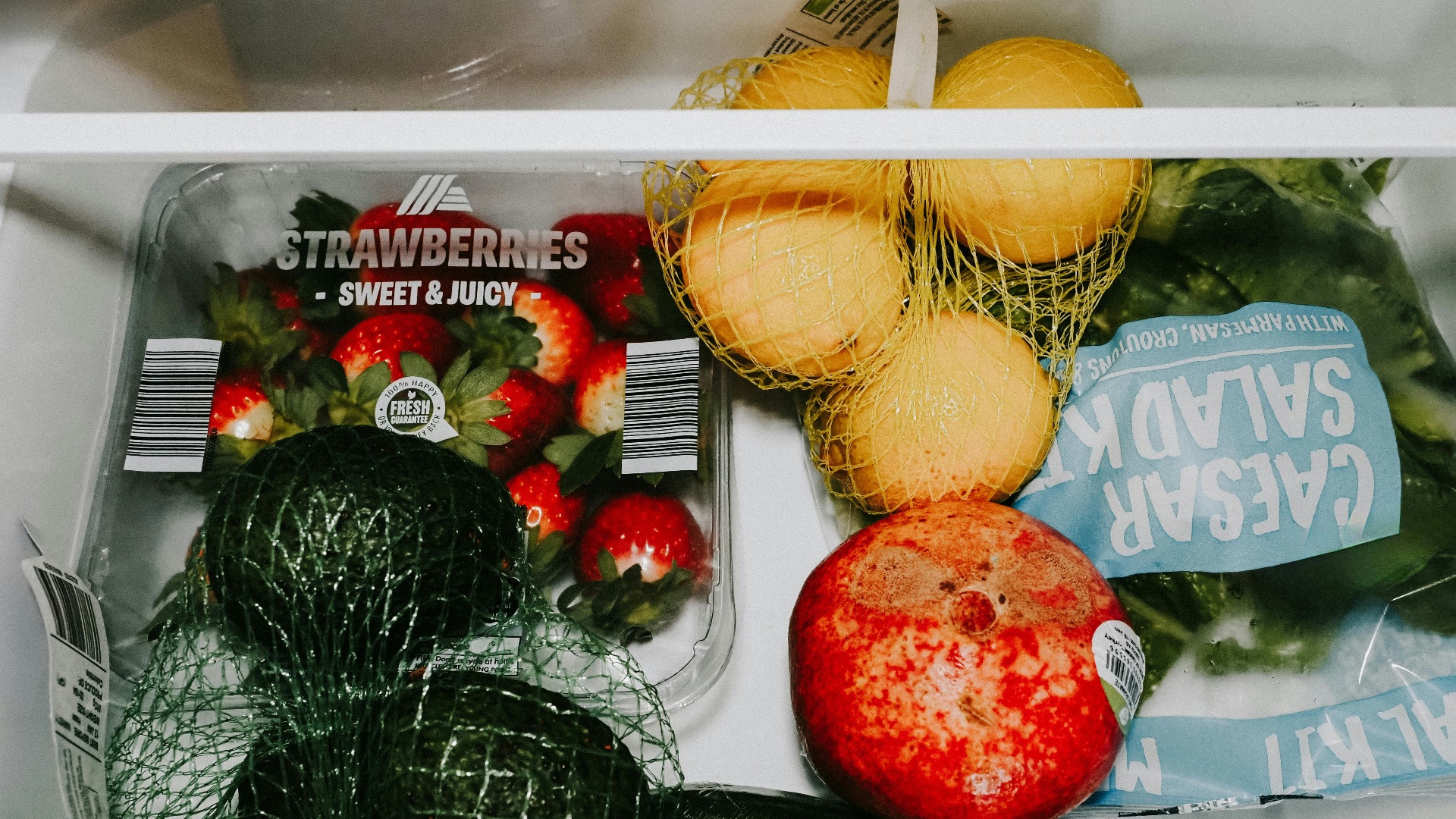
10. Refrigerator Shelving and Drawers
Is your refrigerator looking a little worn out? You're in luck: some removable bins, drawers, and shelves are actually dishwasher-safe, and using the machine can make deep cleaning much easier, collecting spills, crumbs, and sticky residue that are annoying to scrub by hand. You'll just want to make sure the parts have warmed to room temperature first, since sudden temperature changes can lead to cracking.
KEEP ON READING
20 Apple Desserts Americans Should Serve This Fall
These 3 Foods Will Immediately Make You Nostalgic