10 Surprising Benefits of Eating with Chopsticks & 10 Key Rules Beginners Need to Know
10 Surprising Benefits of Eating with Chopsticks & 10 Key Rules Beginners Need to Know
A Small Change That Can Improve How You Eat
Chopsticks aren’t just a different way to move food from plate to mouth; they can nudge your eating habits in subtle, helpful directions. Because they encourage smaller bites and a steadier pace, you may notice shifts in appetite cues, portion control, and even how thoughtfully you approach meals. Plus, it's a nifty skill to show off when you're traveling to places in the world where chopsticks are the default utensil. Ready to get started? Here are 10 surprising benefits of eating with chopsticks, and 10 key rules to know before you pick up your pair.
1. You’ll Naturally Slow Down While Eating
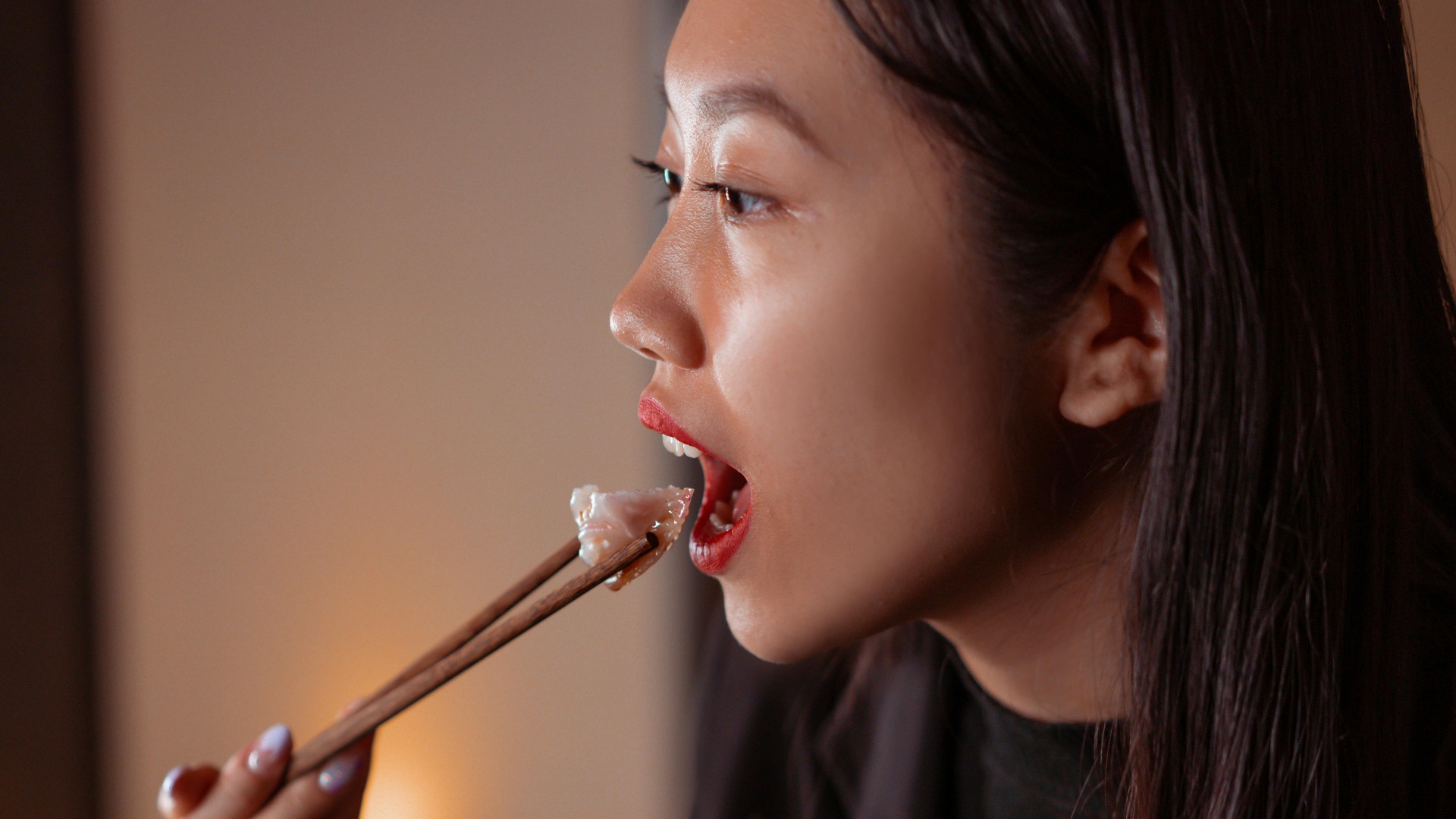
Chopsticks usually lead to smaller, more intentional bites, which can reduce the urge to rush through a meal. Eating more slowly gives your body a better chance to notice fullness signals before you’ve gone past comfortable. Over time, that pacing can make it easier to enjoy food without feeling like you need a recovery nap afterward.
2. Portion Sizes Can Feel Easier to Manage
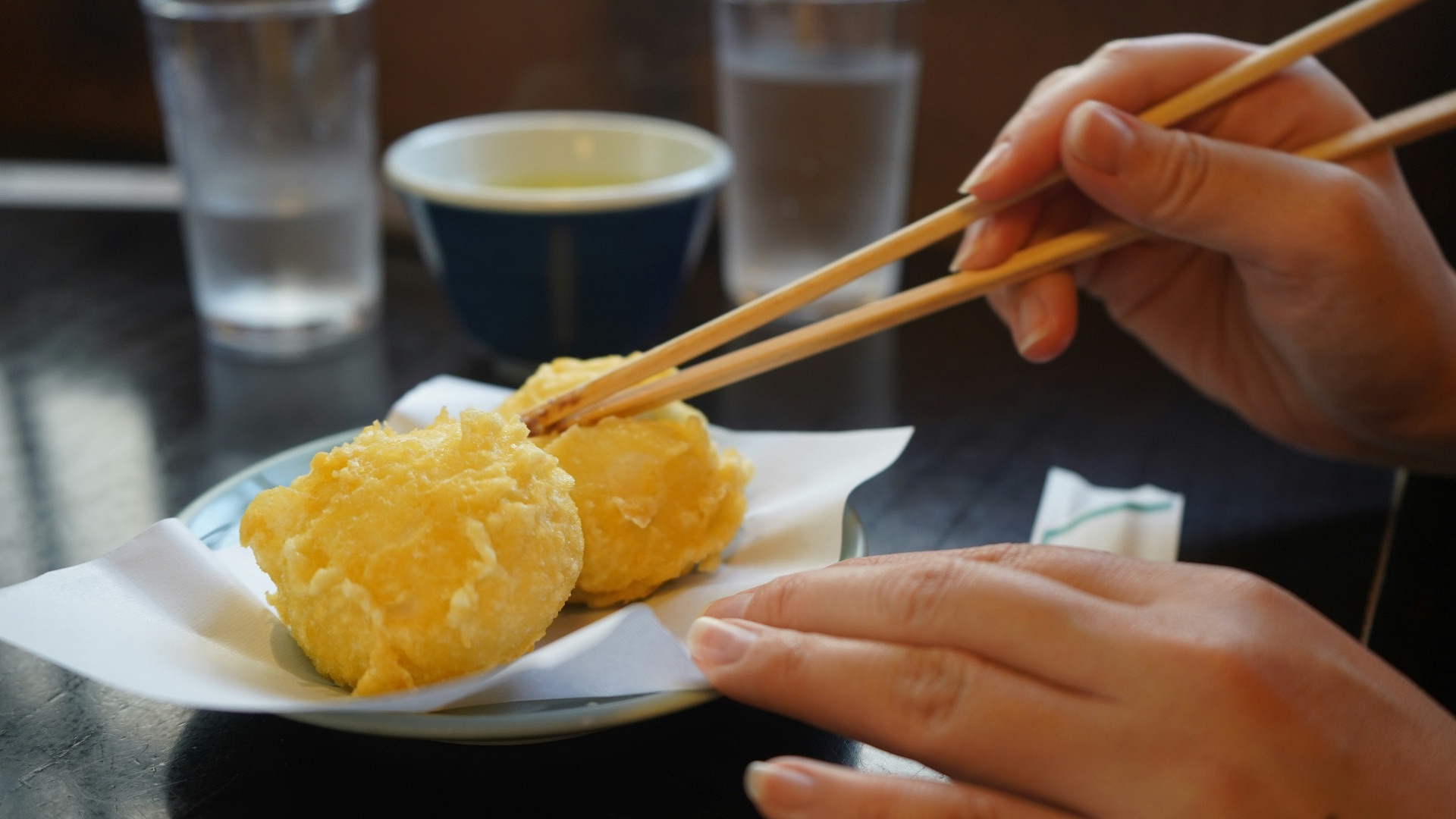
Because chopsticks typically pick up less food at once, you’re less likely to take oversized bites without realizing it. That can make “one more bite” a conscious choice rather than an automatic habit. If you’re trying to be more mindful about portions, chopsticks can help support that goal.
3. You May Pay Closer Attention to Flavors and Texture
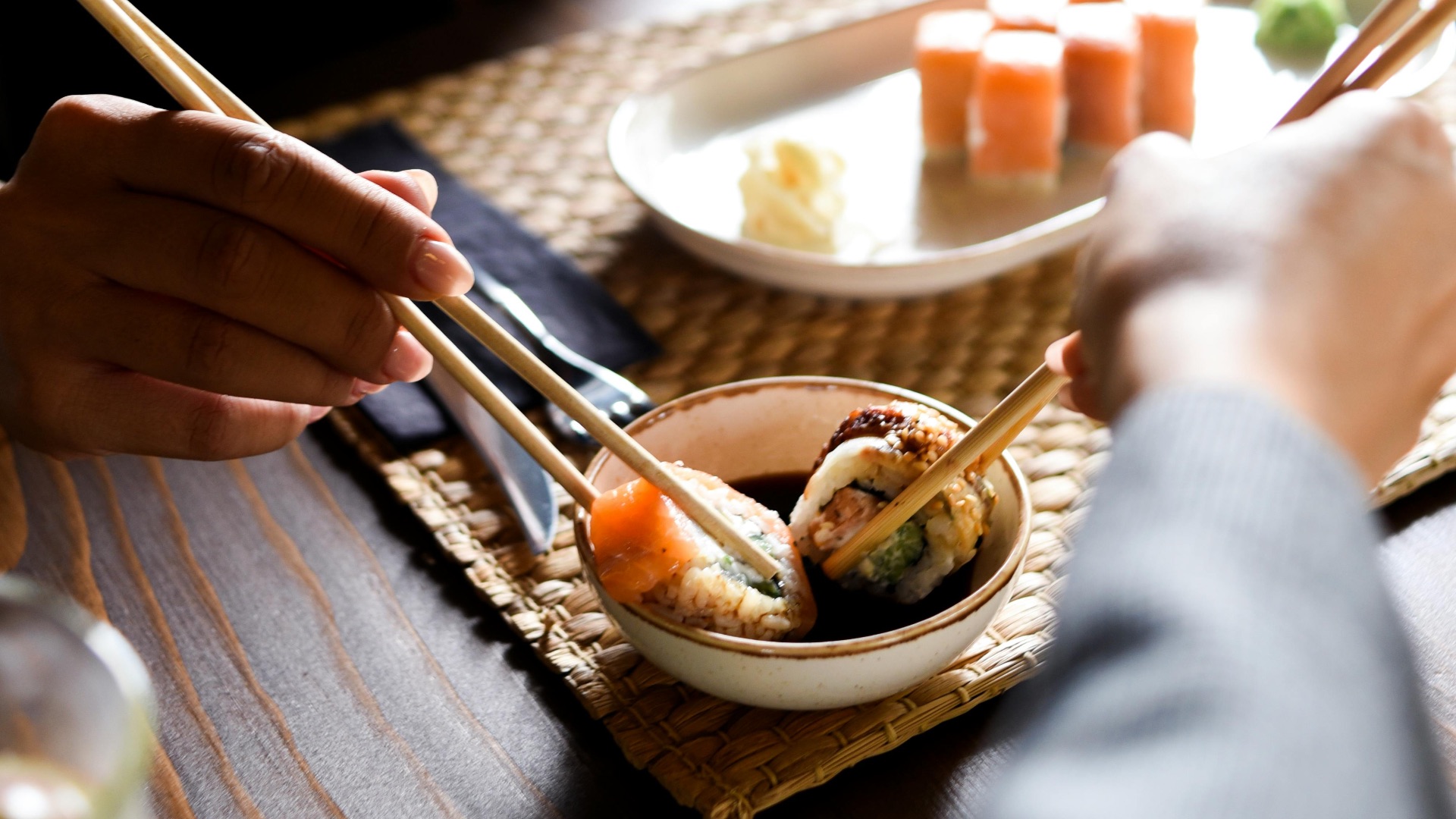
Chopsticks encourage you to choose a specific piece of food instead of scooping a mixed forkful every time. That small change often makes people notice seasoning and texture more clearly. When attention improves, satisfaction can rise too, which sometimes reduces the impulse to overeat.
4. You’ll Improve at Handling Slippery or Delicate Foods
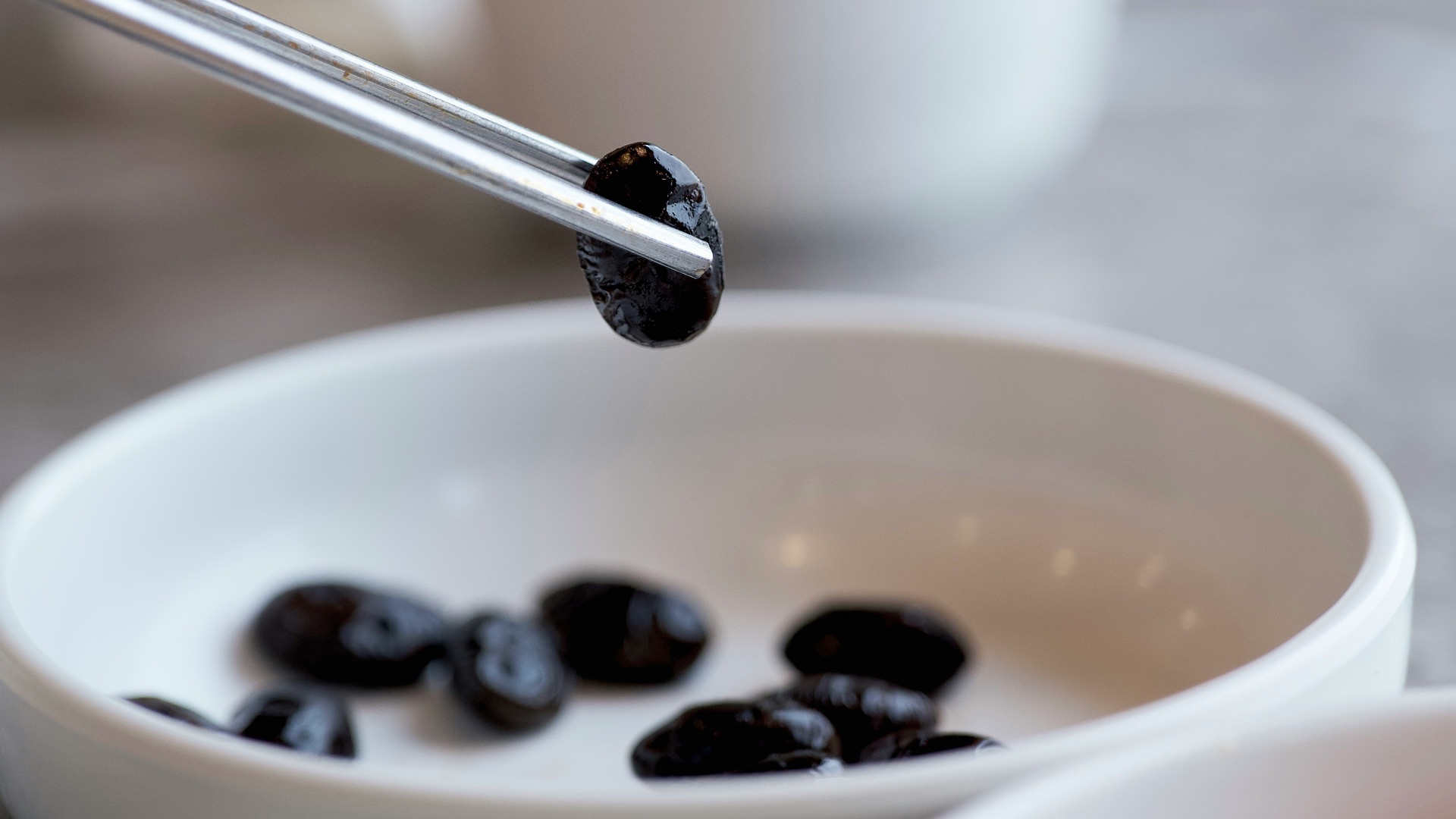
Foods like tofu, mushrooms, and thin slices of meat can feel unforgiving at first, but they’re excellent practice. As your coordination improves, you’ll learn how pressure and angle affect grip, which is the real skill behind chopstick control.
5. Shared Dishes Feel More Comfortable and Respectful
Family-style meals often involve reaching into shared plates, and chopsticks make this much easier. You can pick up what you want without stirring everything around, which helps keep the dish appealing for everyone.
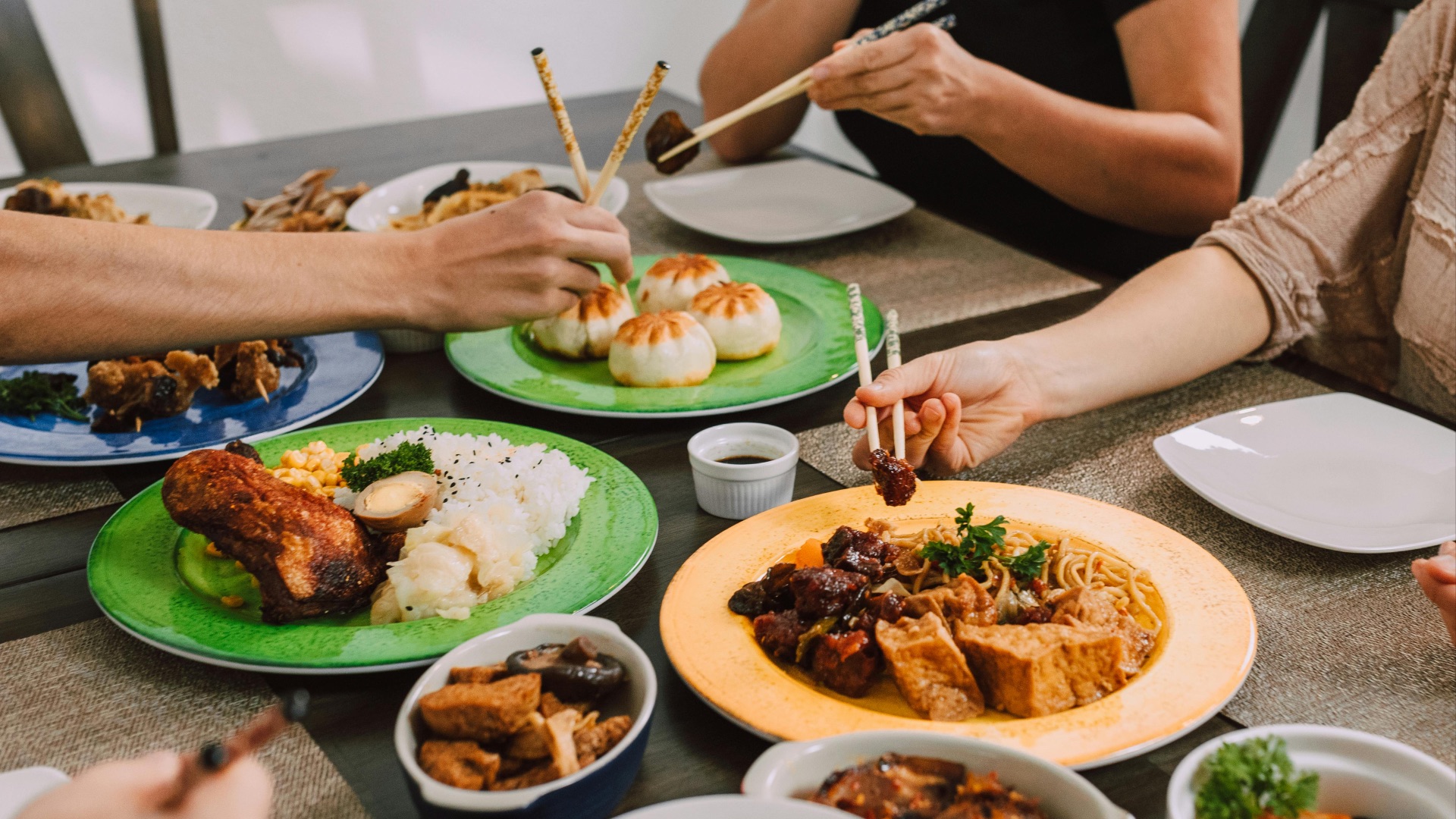
6. Your Hands Can Stay Cleaner at the Table
Chopsticks reduce the need to touch foods that are oily, saucy, or heavily seasoned. That matters more than you’d think, especially with foods like dumplings, fried items, sticky rice dishes, or even chips. Cleaner hands can also mean fewer interruptions for napkins, hand wipes, or finger-licking.
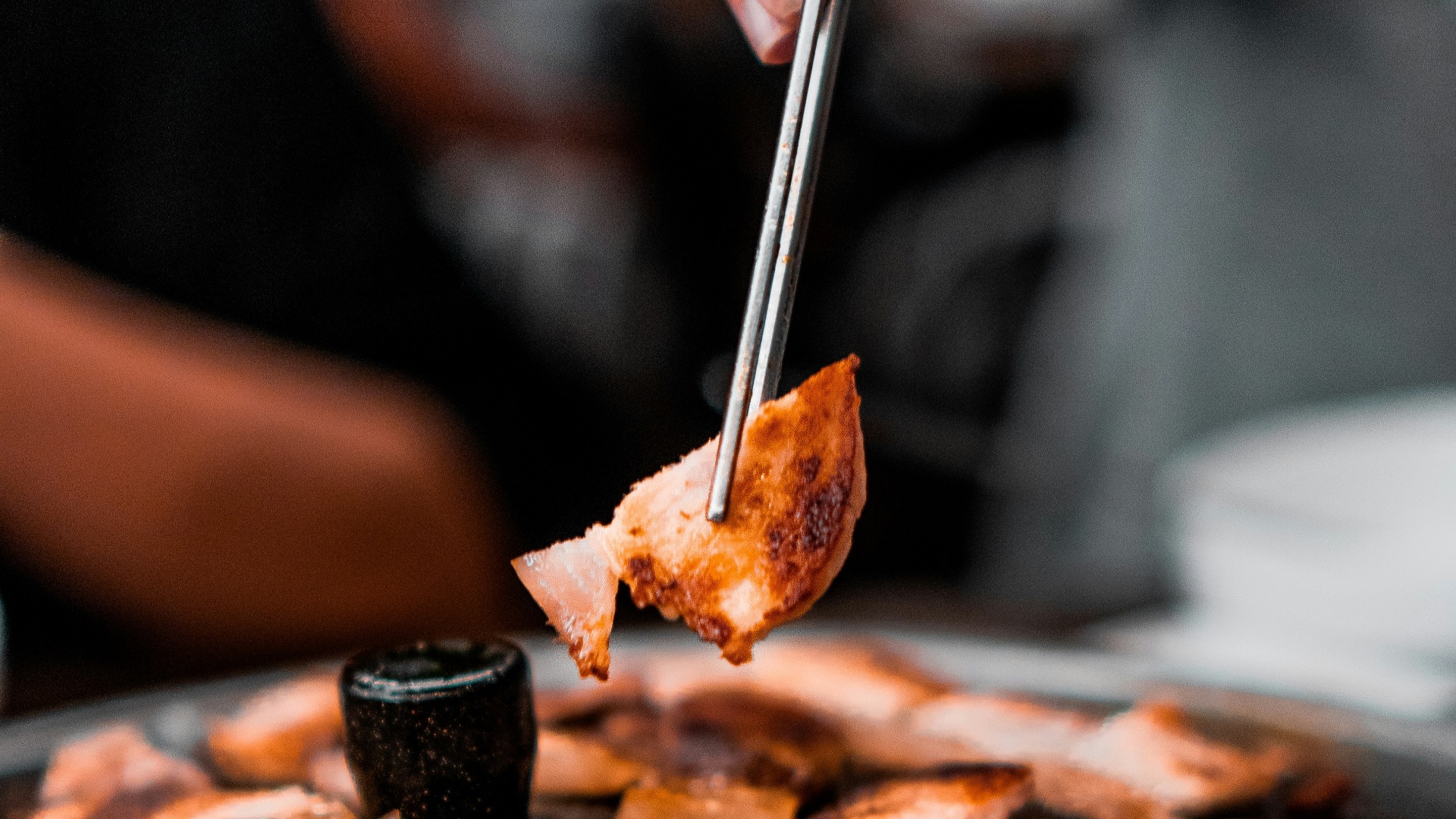
7. Snacking Might Become Less Automatic
If you tend to graze while working or watching something, chopsticks can create a small pause before each bite. That pause often makes you more aware of whether you’re actually hungry or just bored. Even when you do snack, you may find it easier to stop at a reasonable point because each bite takes a bit more intention.
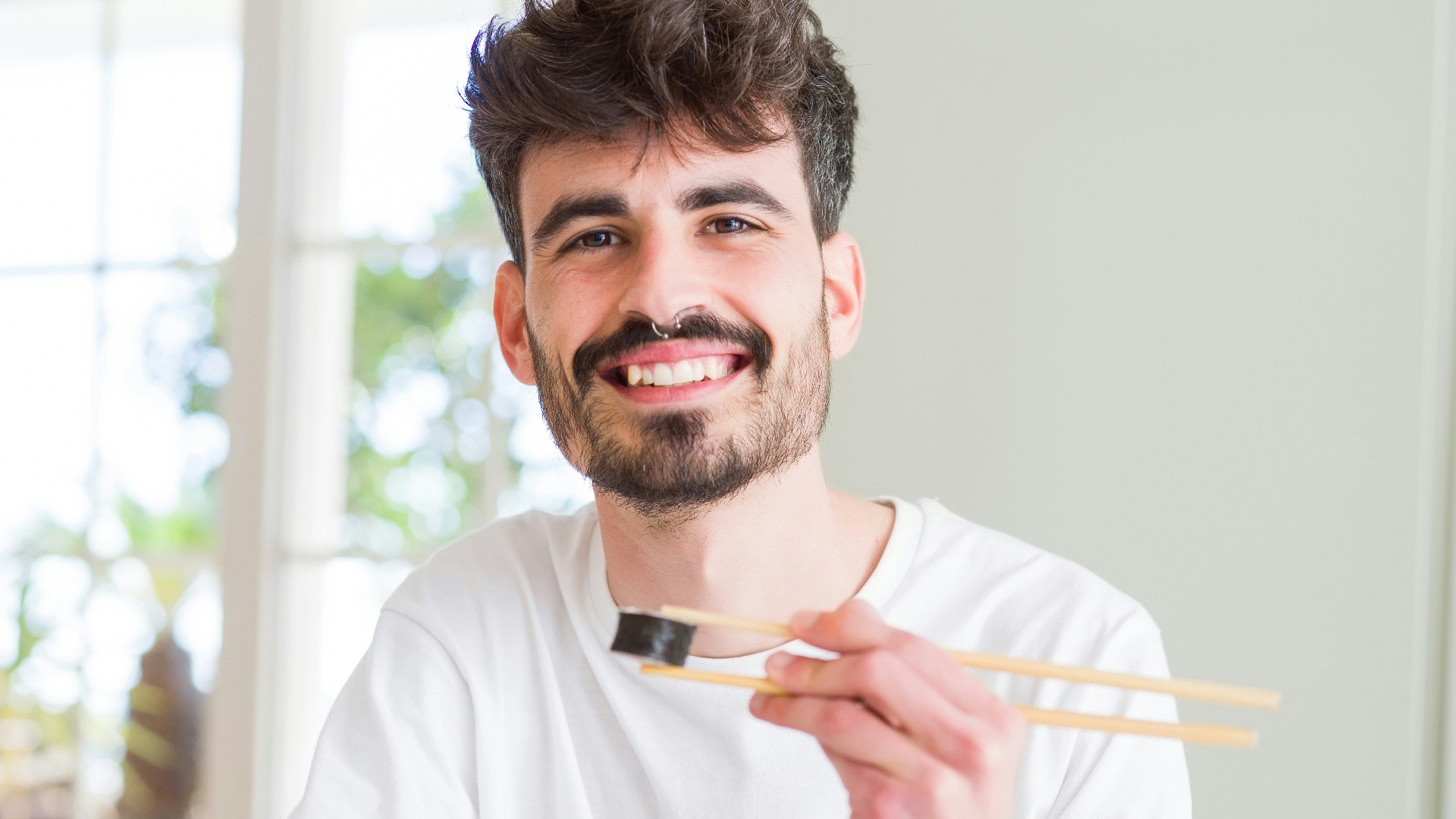
8. Chopsticks May Help Lower Your Blood Sugar
Because chopsticks often slow eating and encourage smaller bites, they may help reduce sharp post-meal blood sugar spikes for some people. Slower eating can support steadier digestion and can make it easier to stop when you’re satisfied, which also matters for glucose control.
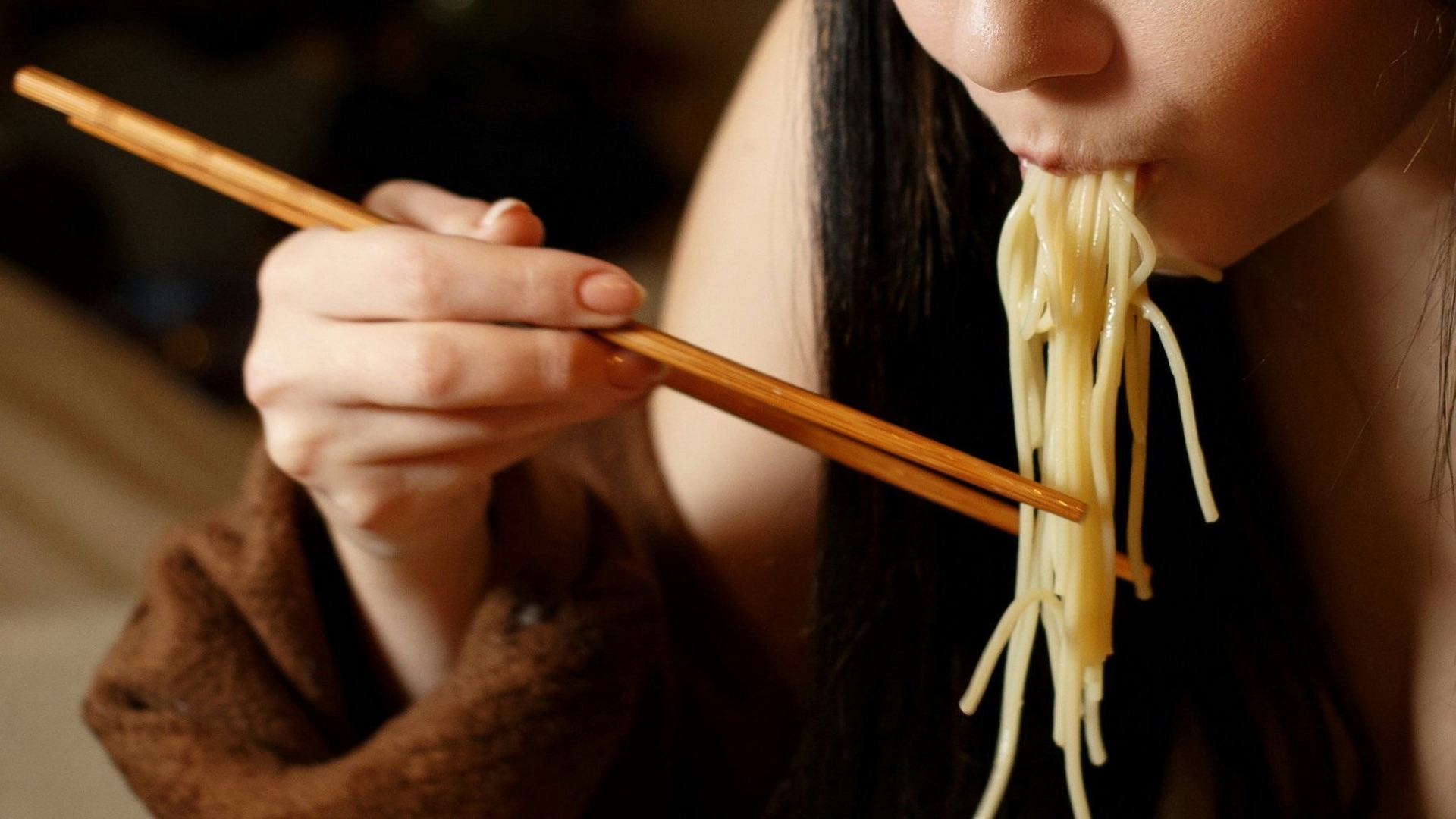
9. Travel and Social Meals Can Feel Less Intimidating
Knowing how to use chopsticks removes a common point of discomfort when dining in places where they’re the default utensil. You’ll be able to focus on ordering what sounds good instead of picking “safe” foods you can manage with a fork (for example, xiaolongbao, or Chinese soup dumplings). That confidence also helps in group settings, since you won’t feel singled out or embarrassed at the table.
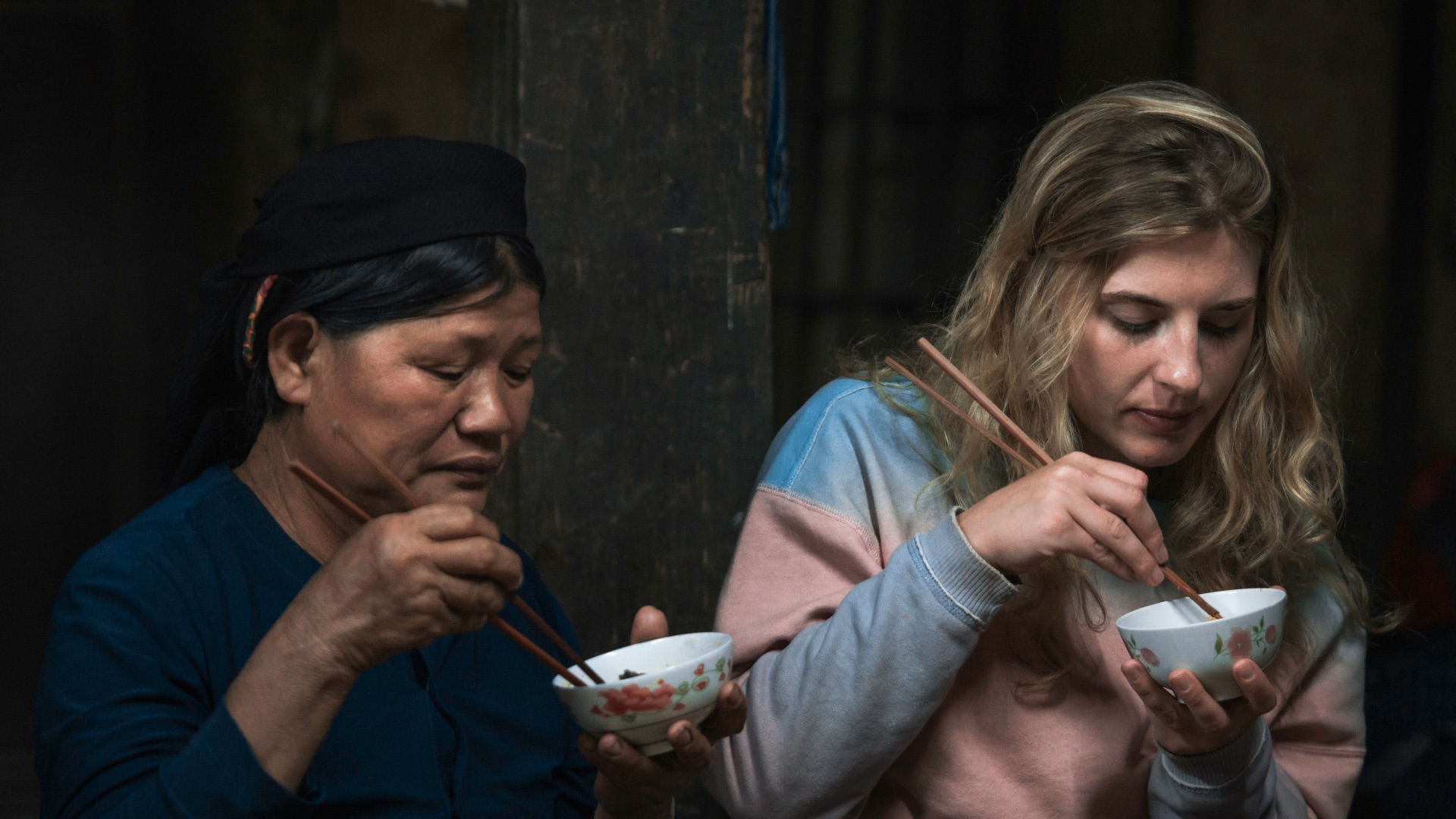
10. Some Foods Become Surprisingly Efficient to Eat
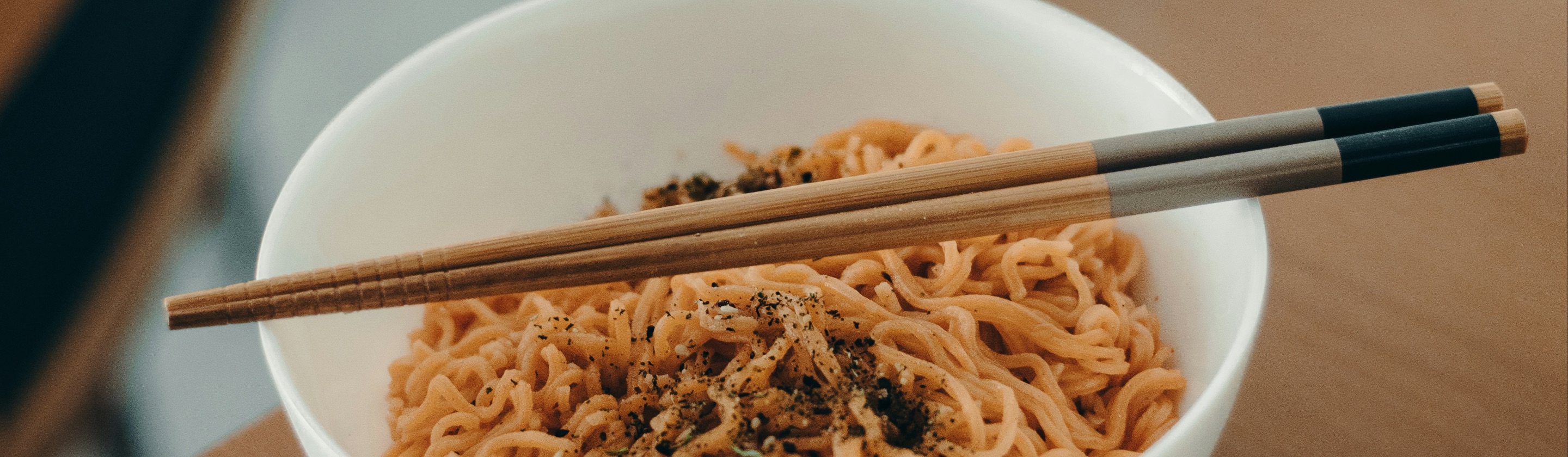
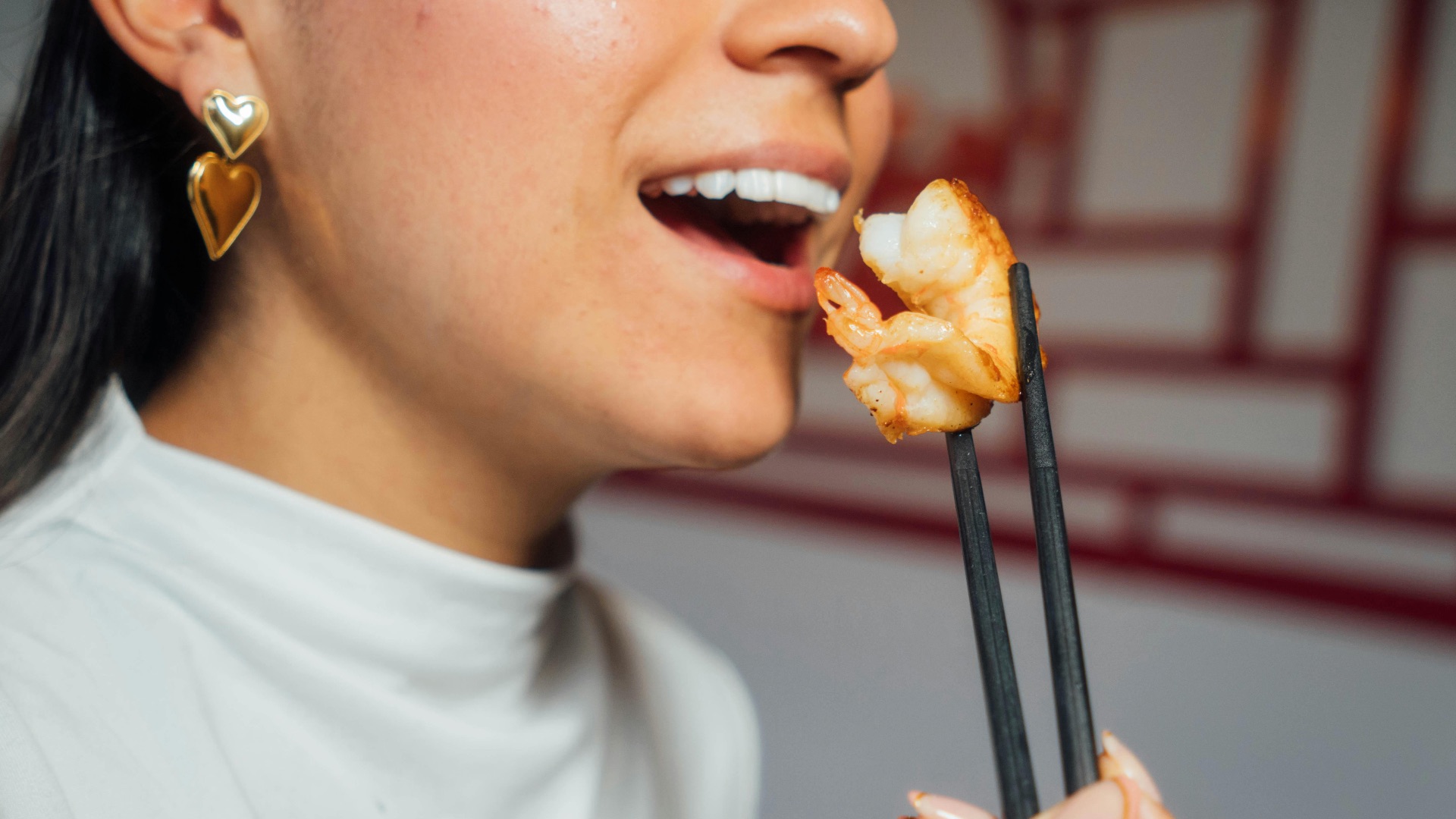
Once you’re comfortable, chopsticks can be quick and precise for bite-sized foods like edamame, kimchi, dumplings, and small pieces of grilled meat. They let you grab exactly what you want without shredding it or scooting it all over the plate. With a little practice, you may even find that certain noodle and rice bowls feel more controlled and less messy.
Ready to get started on using chopsticks? Let's jump into some rules you should know first before you pick up your pair!
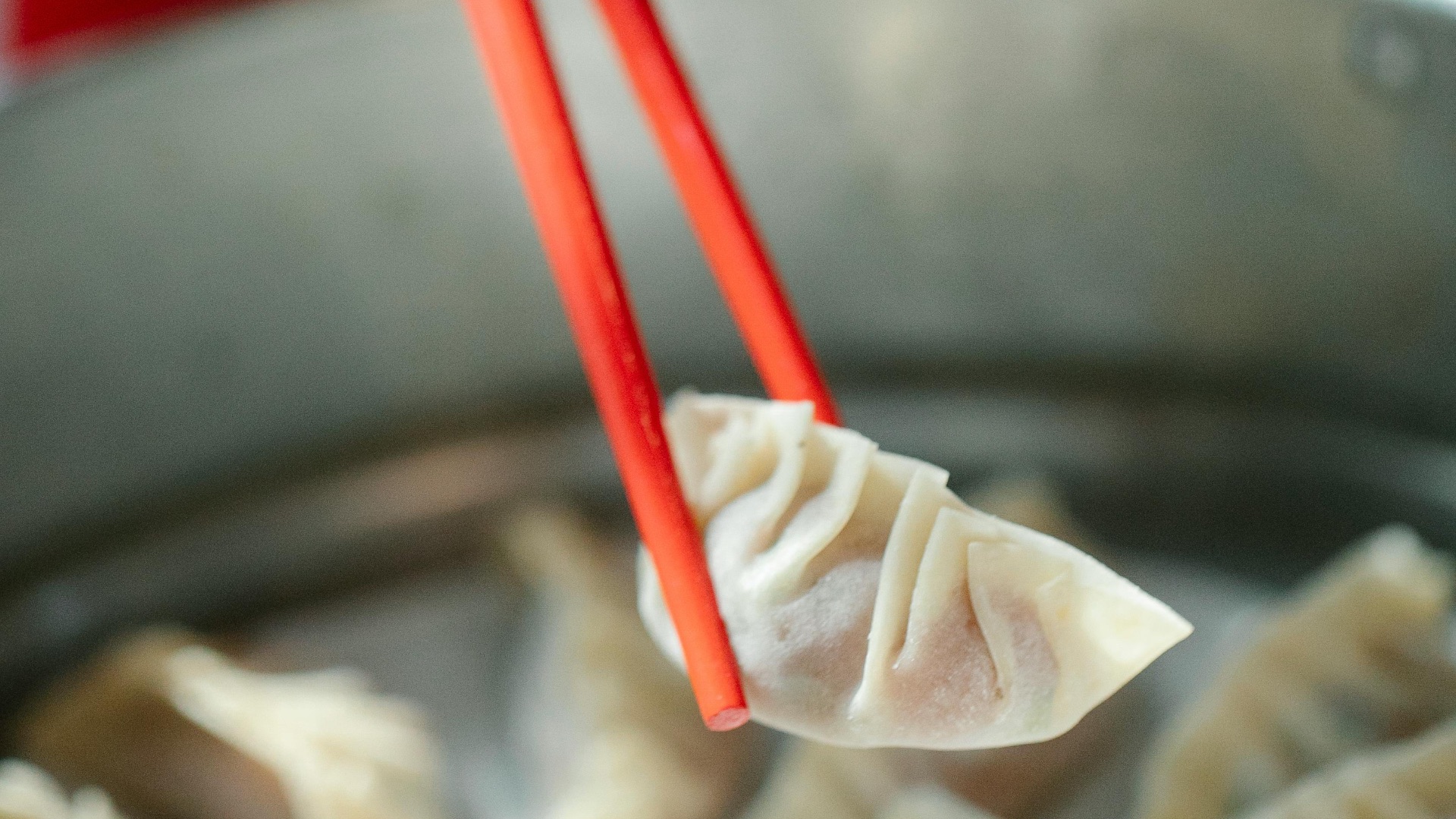
1. Choose Beginner-Friendly Chopsticks First
Start with chopsticks that have a slightly textured tip, since smooth tips can be difficult to control for beginners; a medium-length pair with a lighter weight is usually easier to control. If you’re struggling, training chopsticks or a grippy wooden pair can help you learn proper placement faster.
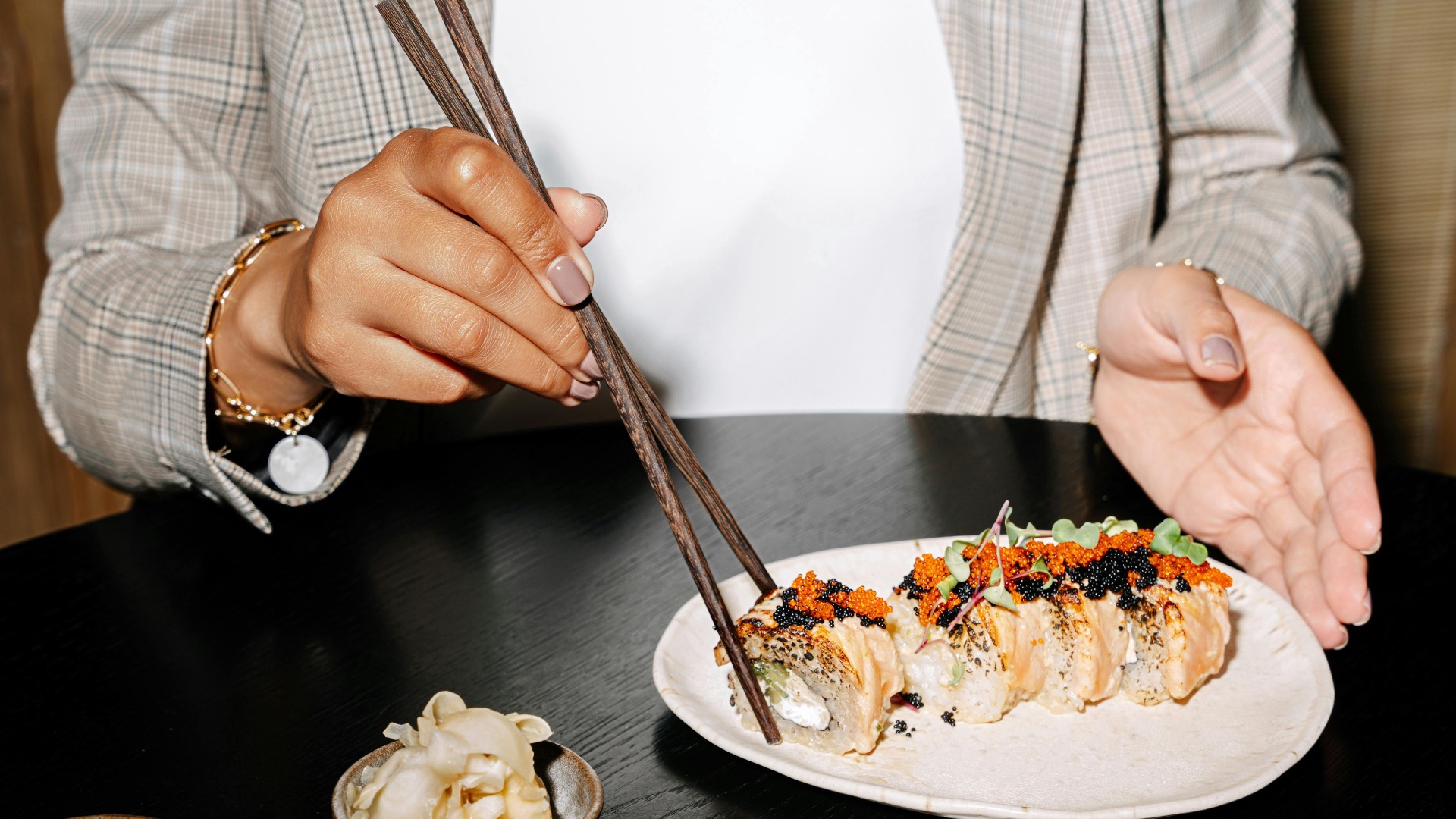
2. Nail the Finger Placement
The bottom chopstick should rest steadily against the base of your thumb and your ring finger, like a stable platform. The top chopstick is the one that moves, guided mostly by your thumb, index finger, and middle finger. When the bottom stick stays still, your grip becomes more reliable and your hands get less tired.
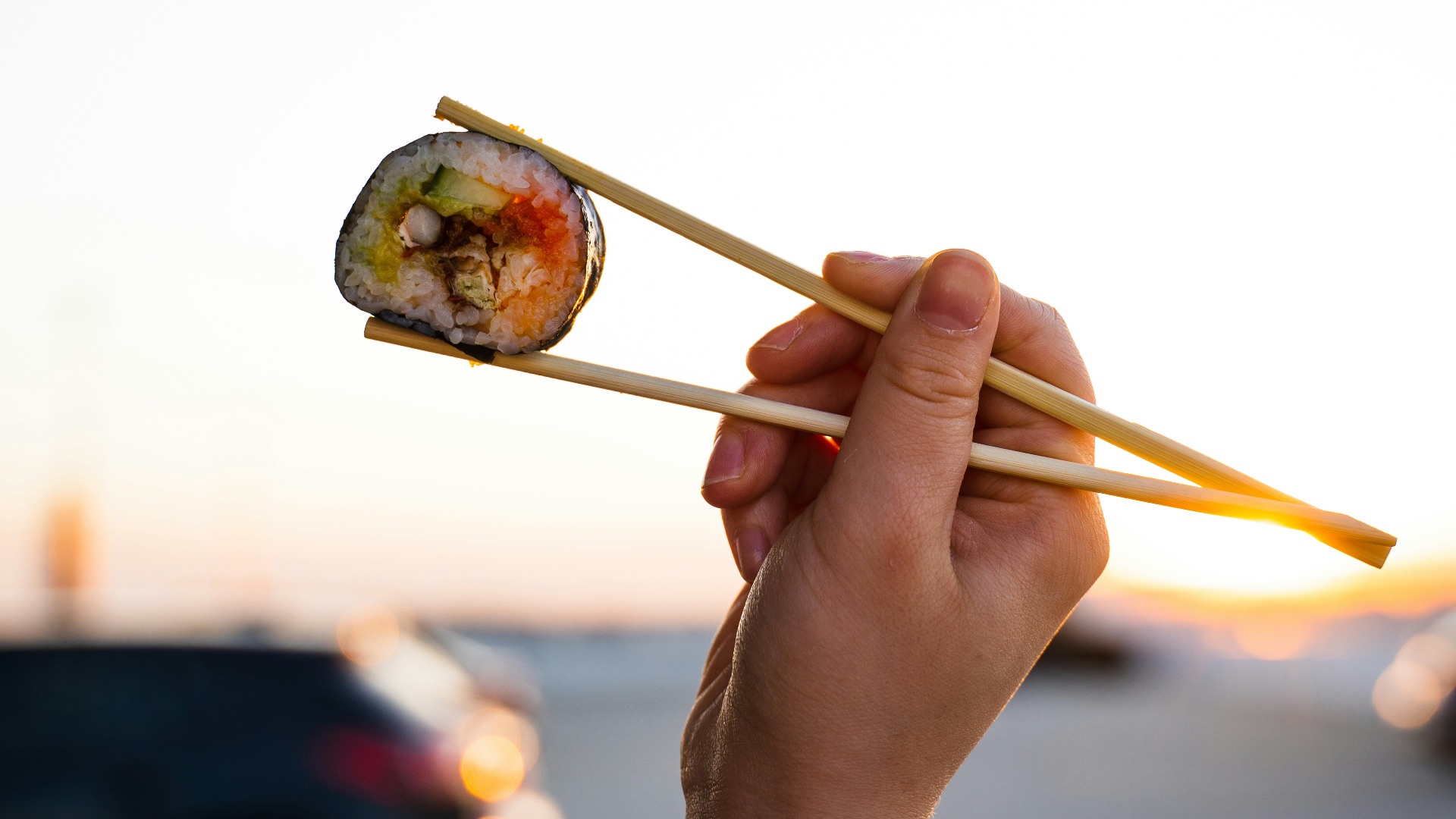
3. Keep the Tips Aligned
If the tips don’t meet evenly, food will slip no matter how “correct” your grip looks. Before you start eating, make sure the ends are lined up and adjust your hand position if needed. This will help prevent dropped bites and make practice feel far more rewarding.
4. Use Small, Controlled Movements
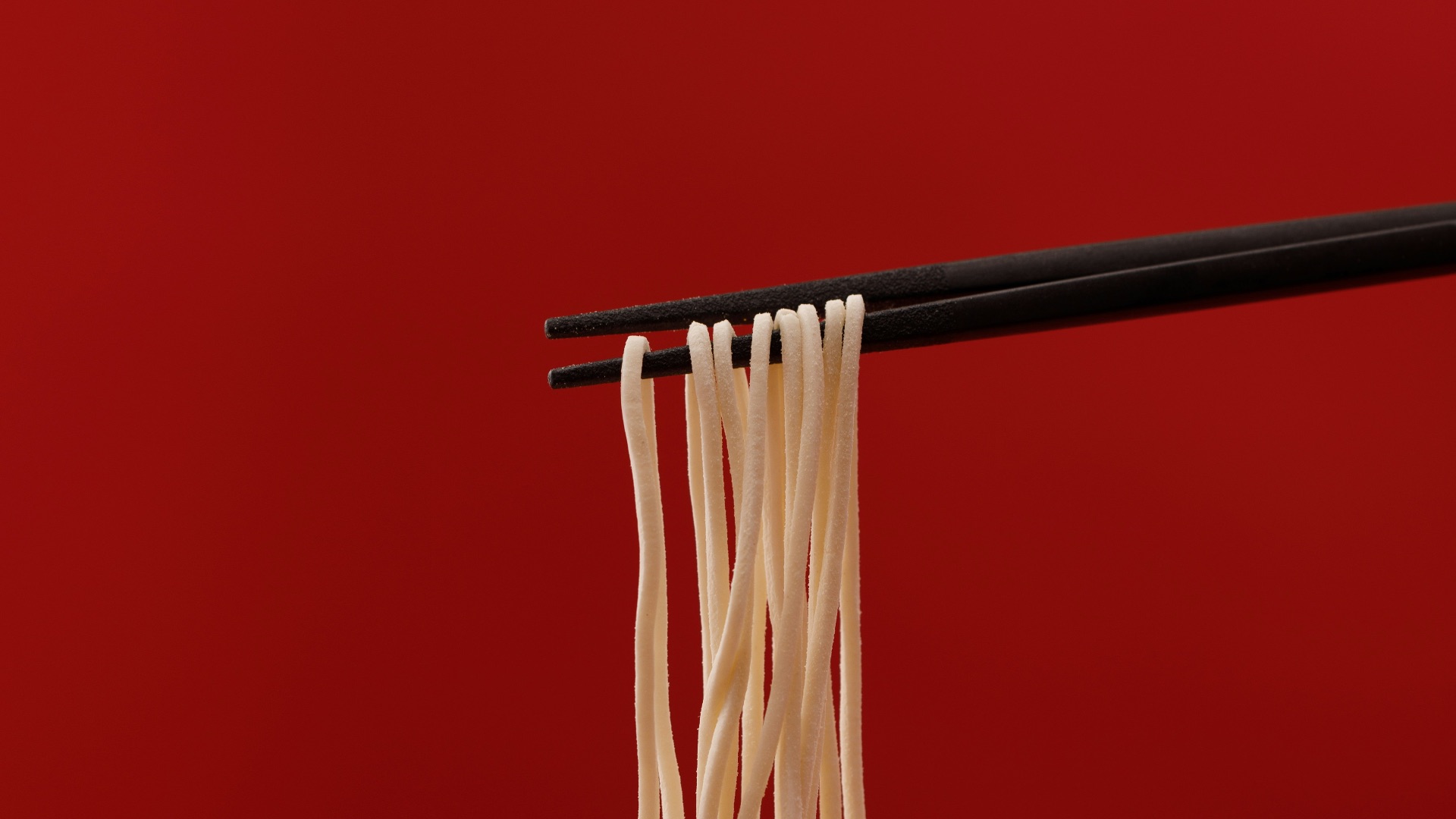
Big motions from the hand, wrist, or arm make chopsticks harder to control and can look awkward to people around you. Aim to open and close them with minimal movement, letting your fingers do most of the work. Don't worry; you’ll get better speed and accuracy the longer you use them.
5. Don’t Let the Chopsticks Cross
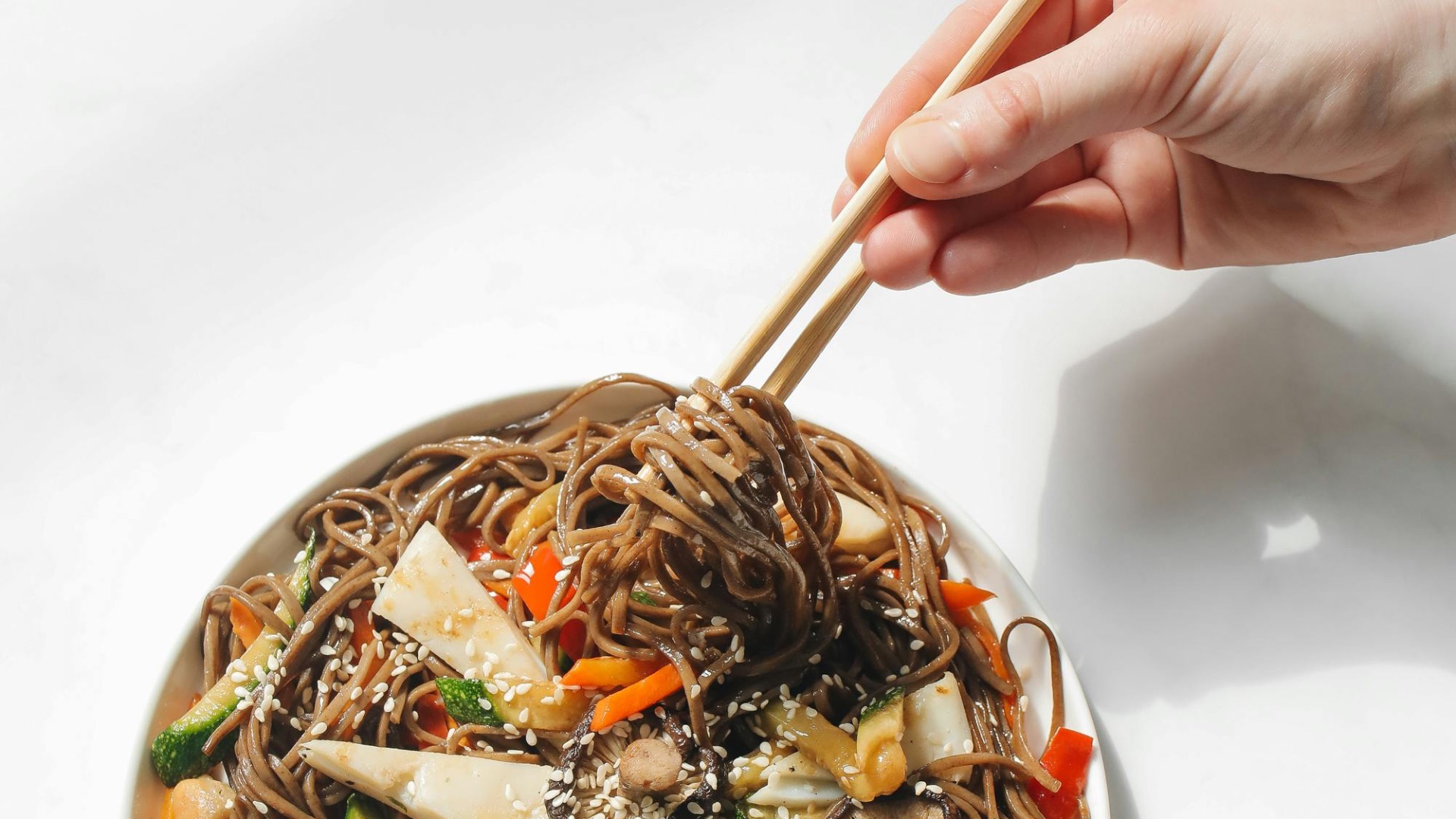
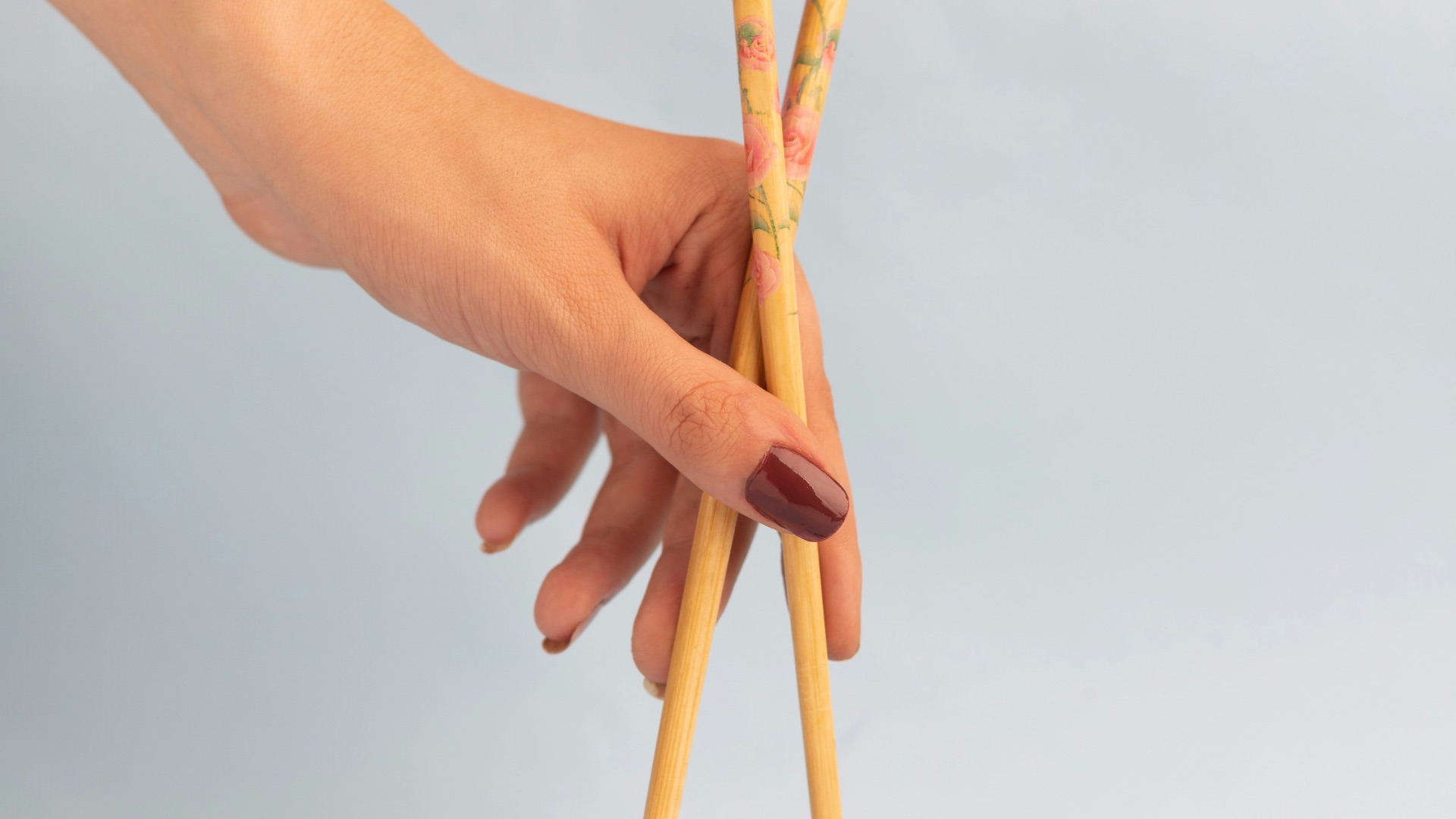
Crossing is a common beginner issue and usually means the top chopstick is drifting out of position or you're not holding it correctly. When you notice this happening, pause and reset your fingers to where they should be placed.
6. Never Stick Chopsticks Upright in Rice
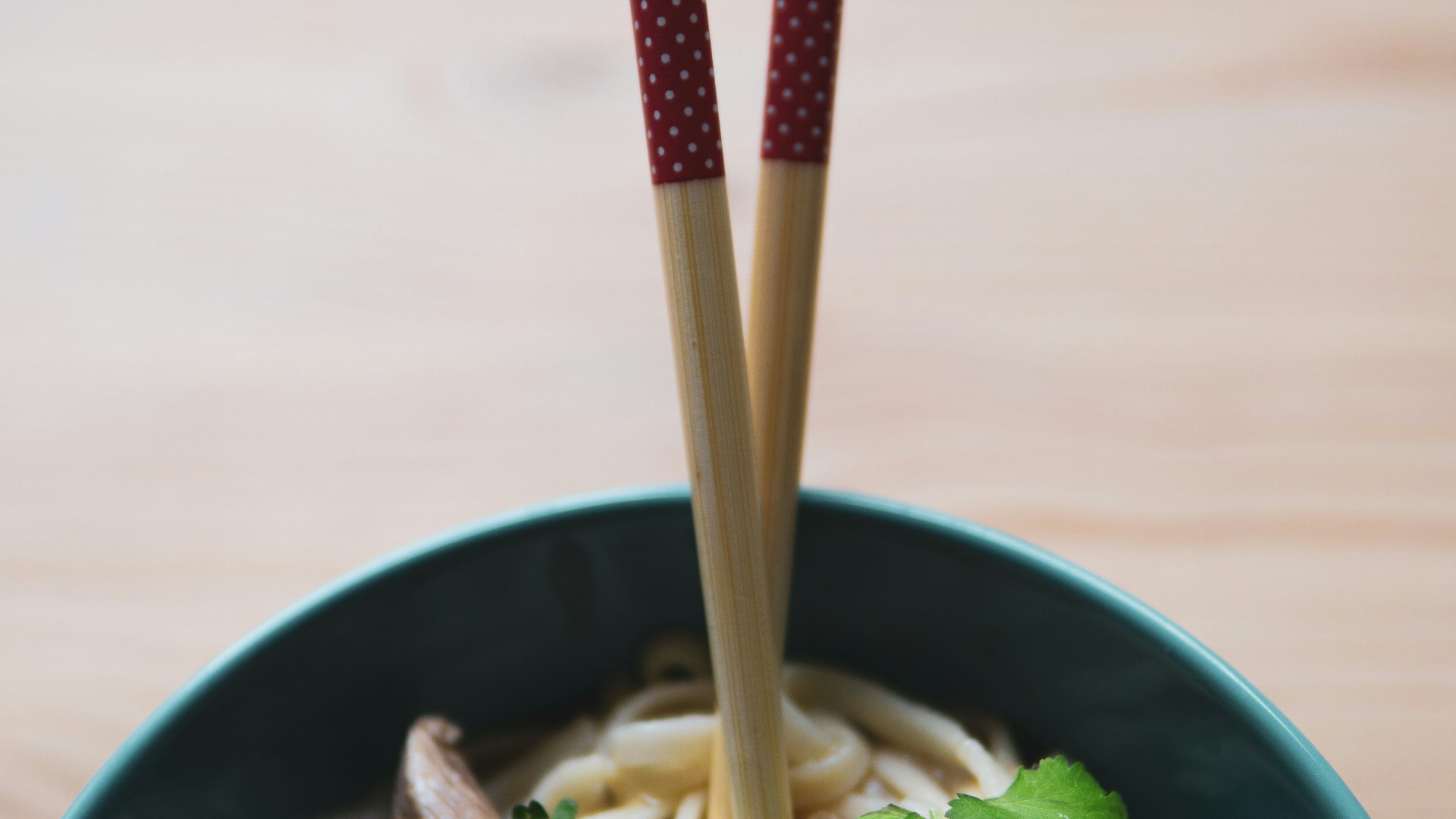
Tsukitate-bashi (or tate-bashi) is when you place your chopsticks vertically straight in a bowl of rice. It's considered extremely taboo and disrespectful in many cultures, especially Japanese culture, where the act of doing so is associated with funeral customs. If you need to set your chopsticks down or you're finished with your food, use a chopstick rest or place them neatly across the bowl or plate instead.
7. Avoid Spearing Food Unless It’s Truly Necessary
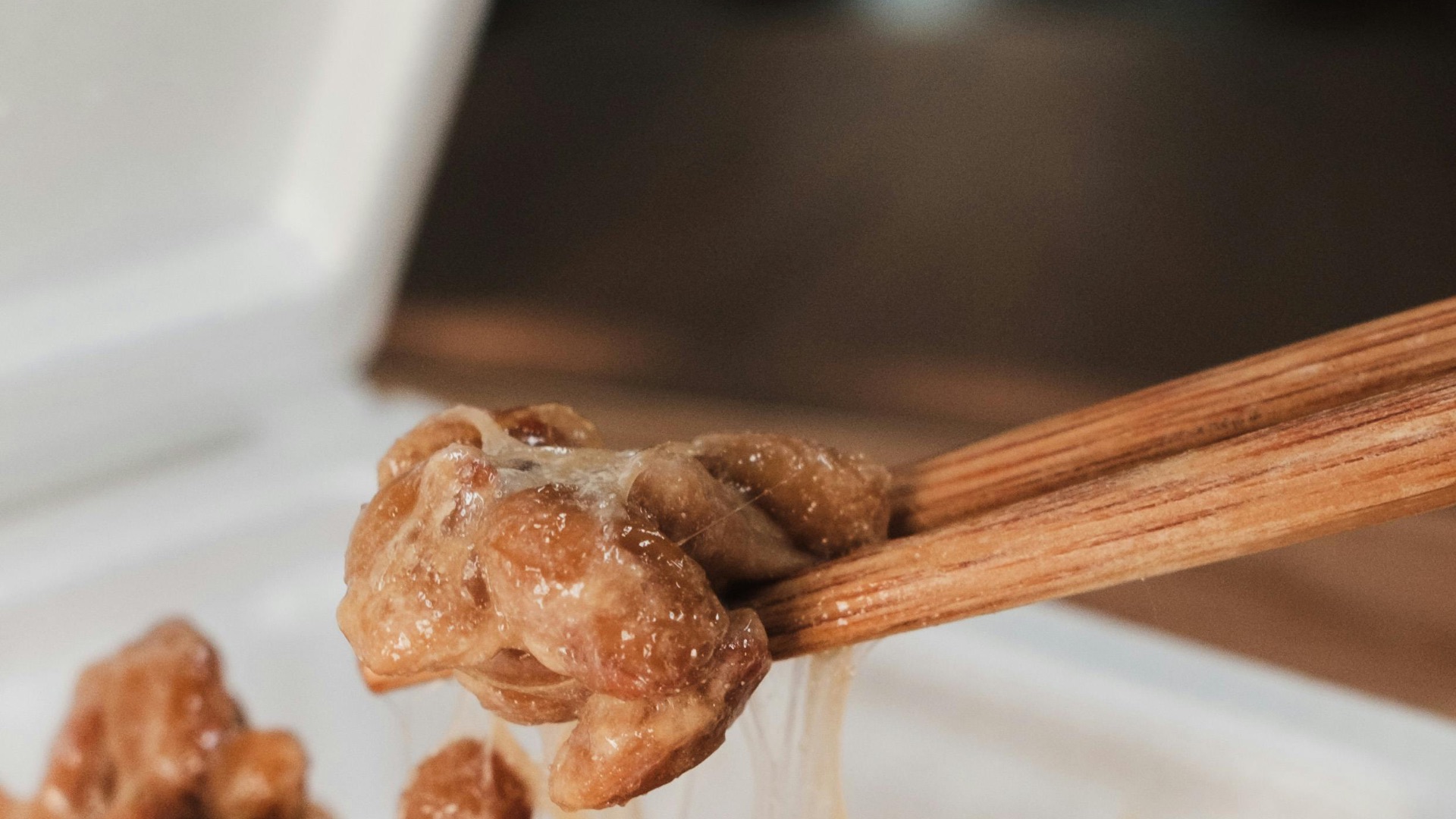
Stabbing food with chopsticks is generally seen as poor manners, and it doesn’t help you build real control. If something is slippery or hard to pick up, try turning it, separating it into smaller pieces, or adjusting your grip pressure. If the food is too soft, like tofu, use a spoon.
8. Don’t Gesture or Point With Chopsticks in Hand
Chopsticks are utensils, so waving them around can come off as disrespectful and can also be distracting at a shared table. If you’re talking and feel animated, it’s better to set them down before using your hands. This keeps the meal more relaxed and reduces the chance of accidental spills.
9. Rest Chopsticks Cleanly Between Bites
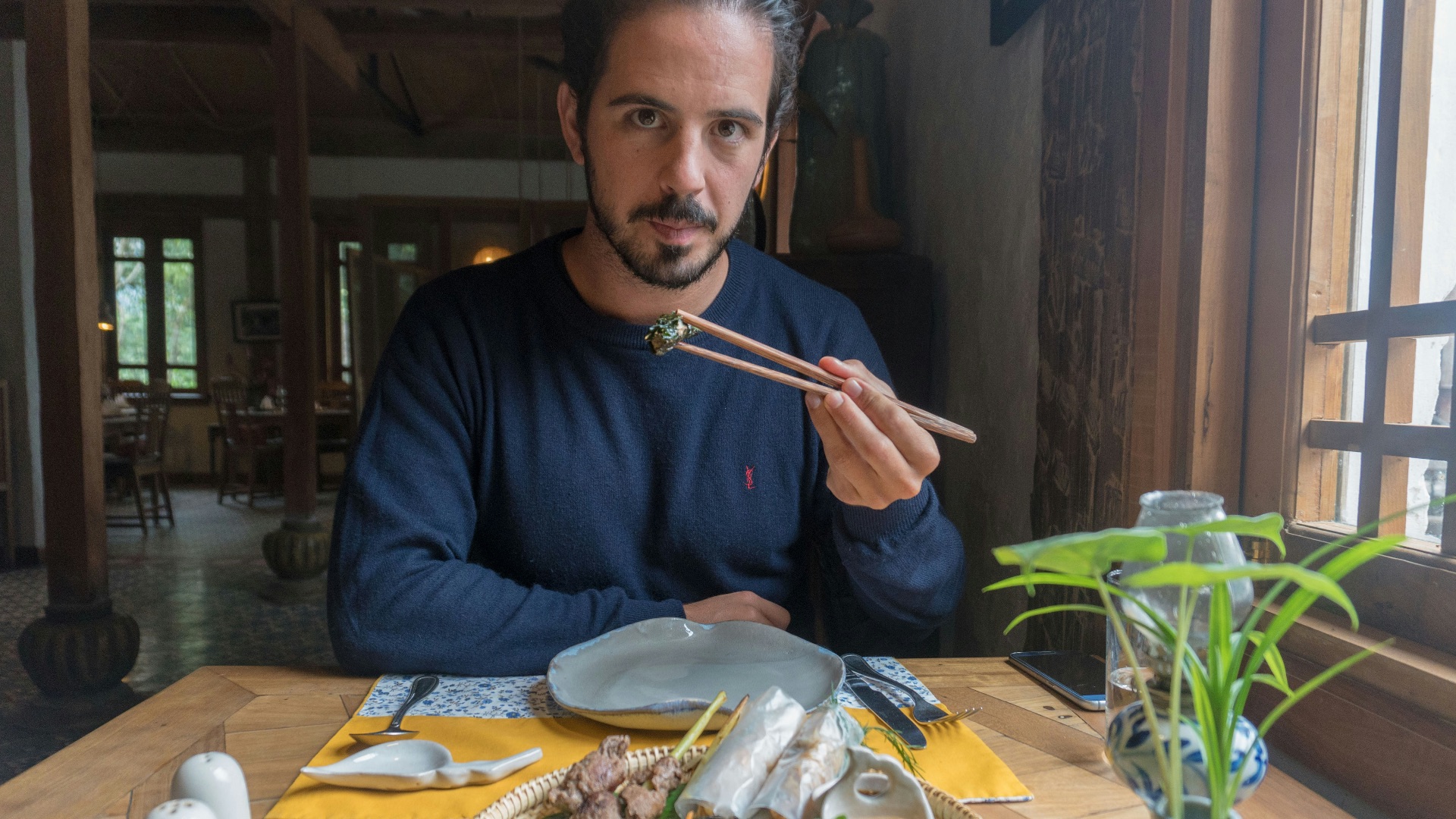
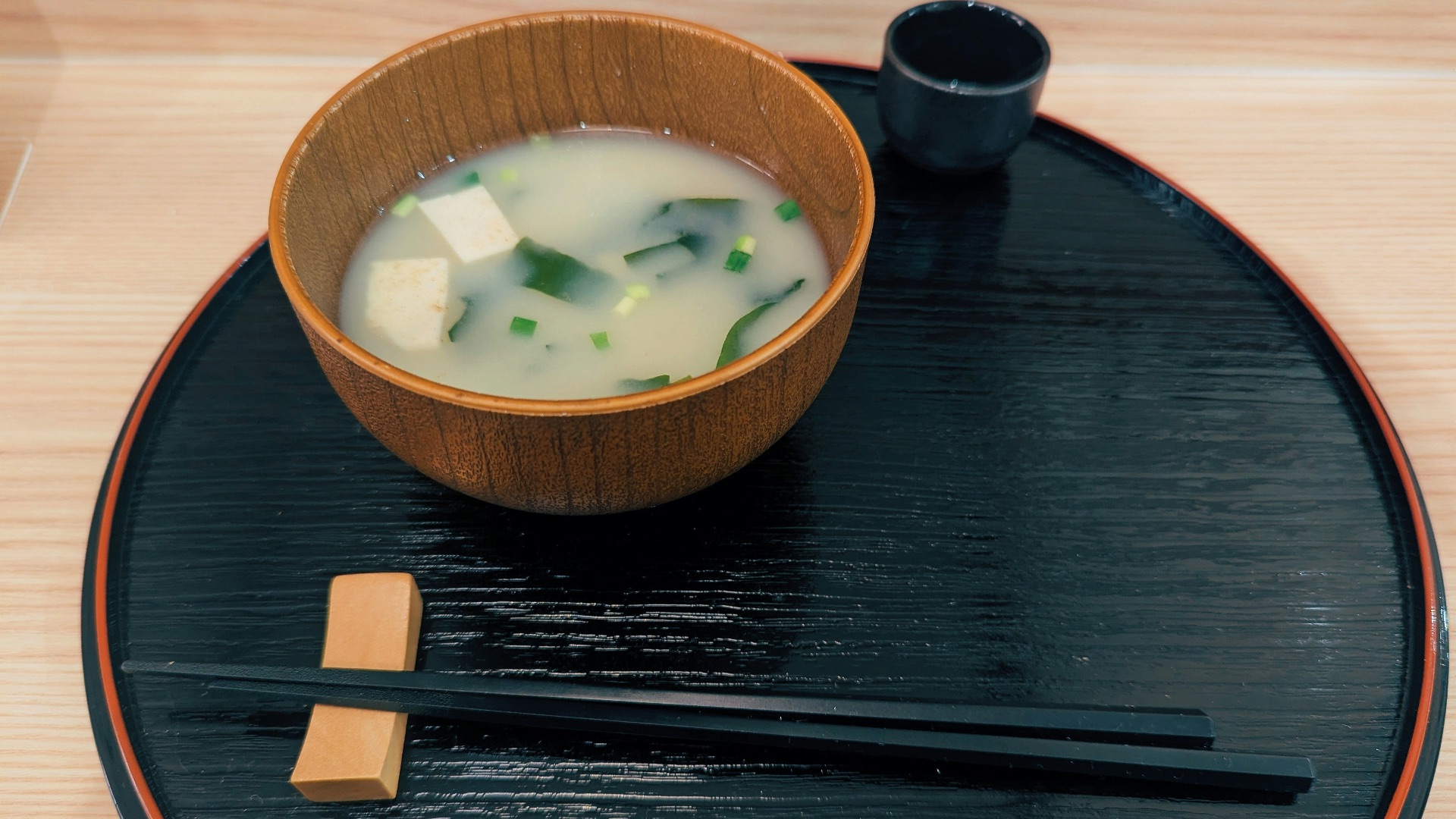
If there’s a chopstick rest, use it so the tips stay off the table. When there isn’t one, place them neatly across the edge of your bowl or on a clean section of your plate rather than leaving them scattered. Keeping them placed thoughtfully is both hygienic and a sign that you know what you’re doing.
10. Never Pass Food from Chopstick to Chopstick
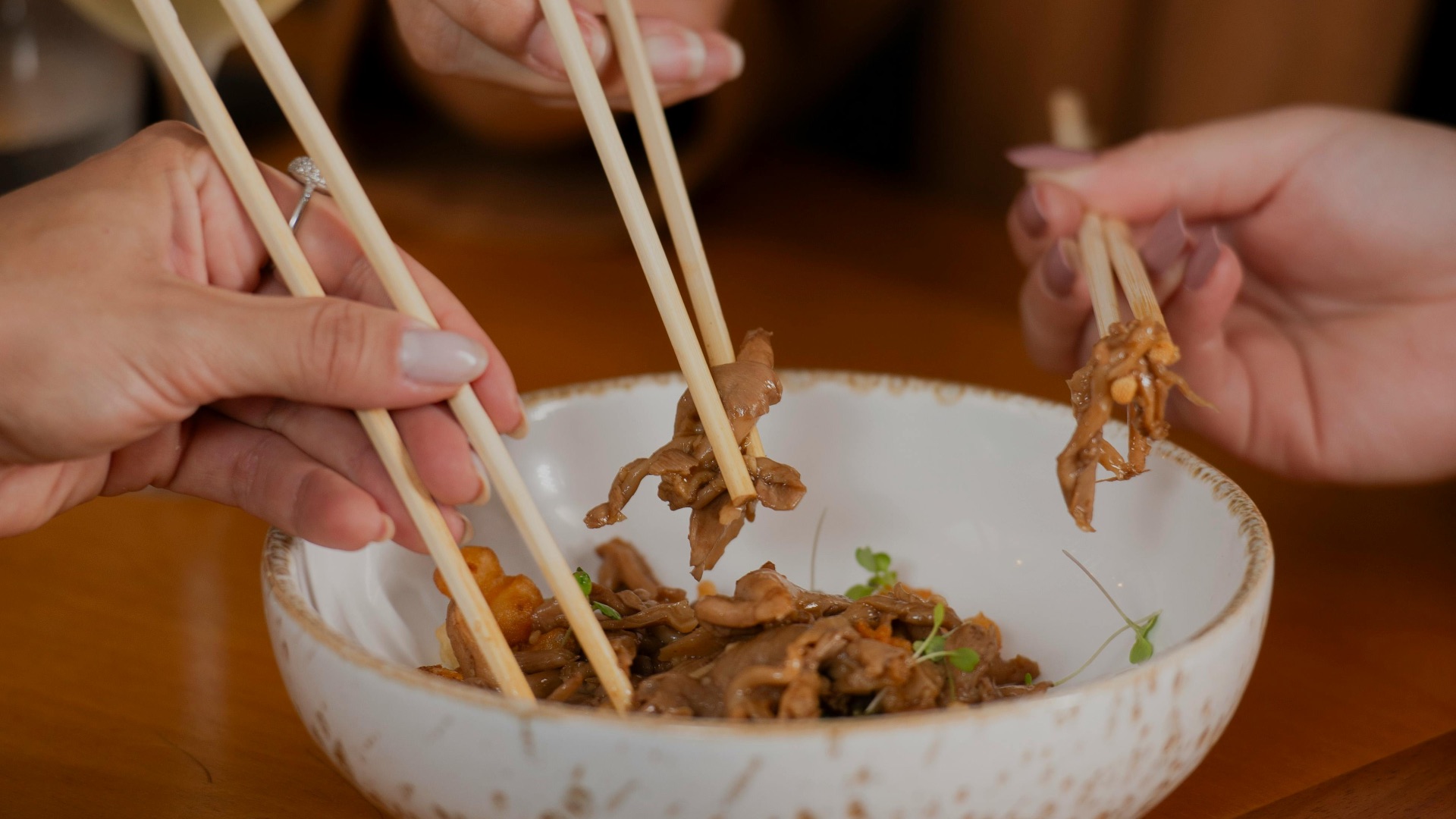
Passing food directly from one set of chopsticks to another, or hashi-watashi, is considered extremely inappropriate in Japanese culture. Not only is the act associated with funeral practices, but it mirrors how cremated bones are passed during the ritual. If you’re sharing food, place it on someone’s plate or let them pick it up from a shared dish instead.
KEEP ON READING