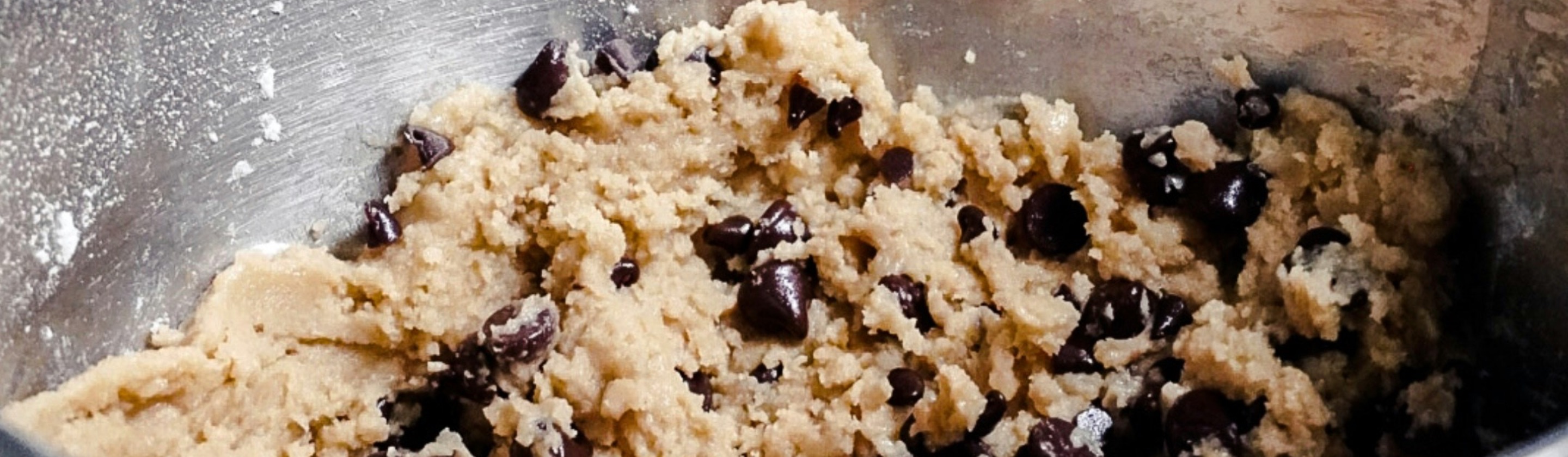

We know, we get it: you're making a batch of cookies and the raw, uncooked dough just looks so tempting. One bite wouldn't hurt, right? Your stomach acid is pretty tough... right? But while that urge to sneak a spoonful seems like a harmless habit, you probably already know that there are genuine health risks tied to eating your treat before it's baked.
The danger doesn't come from just one ingredient either, contrary to what you might think. It's not just the raw eggs that might make you incredibly sick. So before you dig your spoon into that gooey, tempting bowl that just seems so hard to resist, you might want to read this first.
The Hidden Dangers in Raw Eggs
First up, raw eggs. You probably already know this, but salmonella is the bacteria most commonly associated with raw eggs, and it's the reason older generations warned against licking the beaters. Here's a gross, fun fact: this bacteria can live inside an egg even when the shell looks perfectly clean and intact, which means there's no reliable way to spot a risky egg just by looking at it. Symptoms typically include diarrhea, fever, and stomach cramps, and while most people recover within a week, the illness can be miserable while it lasts.
What makes raw eggs particularly tricky is that contamination isn't limited to cracked or damaged shells. According to the CDC, raw and lightly cooked eggs can contain salmonella regardless of how fresh or clean they appear. This means that even eggs from a trusted grocery store carry some level of unavoidable risk when eaten uncooked.
Cooking is the only reliable way to eliminate this threat, since heat destroys the bacteria that raw eggs might carry. The FDA notes that baking is what actually kills any bacteria present in both flour and eggs, which is precisely the step you skip when you eat dough straight from the bowl. Until that heat is applied, there's simply no way to guarantee the eggs in your dough are safe.
But It's Not Just the Eggs...
As you can see, even if you eliminate eggs from your recipe, your raw dough is still dangerous. Surprisingly, most people in the US don't think of flour as a raw ingredient, which is probably why it seems so easy to take the risk. But don't be fooled: flour comes straight from milled grain, and it doesn't go through any process designed to kill bacteria before it reaches store shelves. This means it's not safe to consume as it is.
Grain can pick up harmful bacteria long before it's ever milled into flour, often while it's still growing in the field. The FDA has explained that grains can be exposed to bacteria either during harvesting or during the milling process itself, and neither grinding nor bleaching does anything to eliminate that contamination. This means a bag of flour sitting in your pantry could carry E. coli or salmonella without any visible sign of it.
The consequences of this contamination have played out in real outbreaks over the years. The CDC has tracked multiple E. coli outbreaks tied to raw flour and cake mix, including incidents in 2016, 2019, and 2021, several of which triggered nationwide recalls. Because flour has such a long shelf life, it's worth checking your pantry occasionally against the FDA's recall list to make sure you're not holding onto a contaminated batch.
Safer Ways to Satisfy Your Cravings
Does this mean you can never, ever eat cookie dough again? Well, despite the title of this article, there are safer methods, and you don't have to give it up entirely. Store-bought edible cookie dough has become widely available, for one, and these products are made specifically with ingredients that have already gone through a kill step. If you want to go this route, look for packaging that clearly states the dough is meant to be eaten without baking.
If you'd rather stick to your own creations, you can heat-treat your own flour at home. Spread flour on a baking sheet, heat it in the oven until it reaches a safe internal temperature, and voilà: you've killed off any harmful bacteria. Then all you need to do is pair that with pasteurized eggs (which have already been processed to eliminate salmonella), and you have yourself a delicious bowl of cookie batter that's actually safe to eat.
But you can enjoy cookie dough in other ways, too. If you're too lazy to make cookie dough yourself, why not enjoy a bucket of cookie-dough-flavored ice cream? Or cake? Or milkshake? (Pro tip: don't add raw cookie dough into a regular milkshake; you'll set yourself up for a bad time.)
Ultimately, cookie dough might be one of baking's most tempting side effects, but the risks tied to raw eggs and untreated flour are real enough to take seriously. The safest approach is to save your dough tasting for after it's been baked, or to turn to products specifically designed for raw consumption. A little precaution goes a long way toward making sure your next batch of cookies doesn't come with an unwanted trip to the doctor.
KEEP ON READING

The Most Popular Signature Dishes Around the World