Fast food has always been about convenience, but somewhere along the way, the transaction got a lot more complicated. Whether you're ordering at a counter, tapping through a self-serve kiosk, or speaking into a drive-through speaker, you've almost certainly been nudged toward spending more than you planned. In fact, upselling is now so deeply embedded in the fast-food experience that most people don't even notice it happening.
The practice itself isn't new, of course, but the tactics have grown increasingly sophisticated over the years. Chains are no longer relying solely on a cashier's verbal suggestion; they're using screen design, defaults, and behavioral psychology to steer your choices before you've even had a chance to consciously decide what you actually want. Sounds crazy, right? Well, this is why you might want to start paying attention.
The Psychology Behind the Push
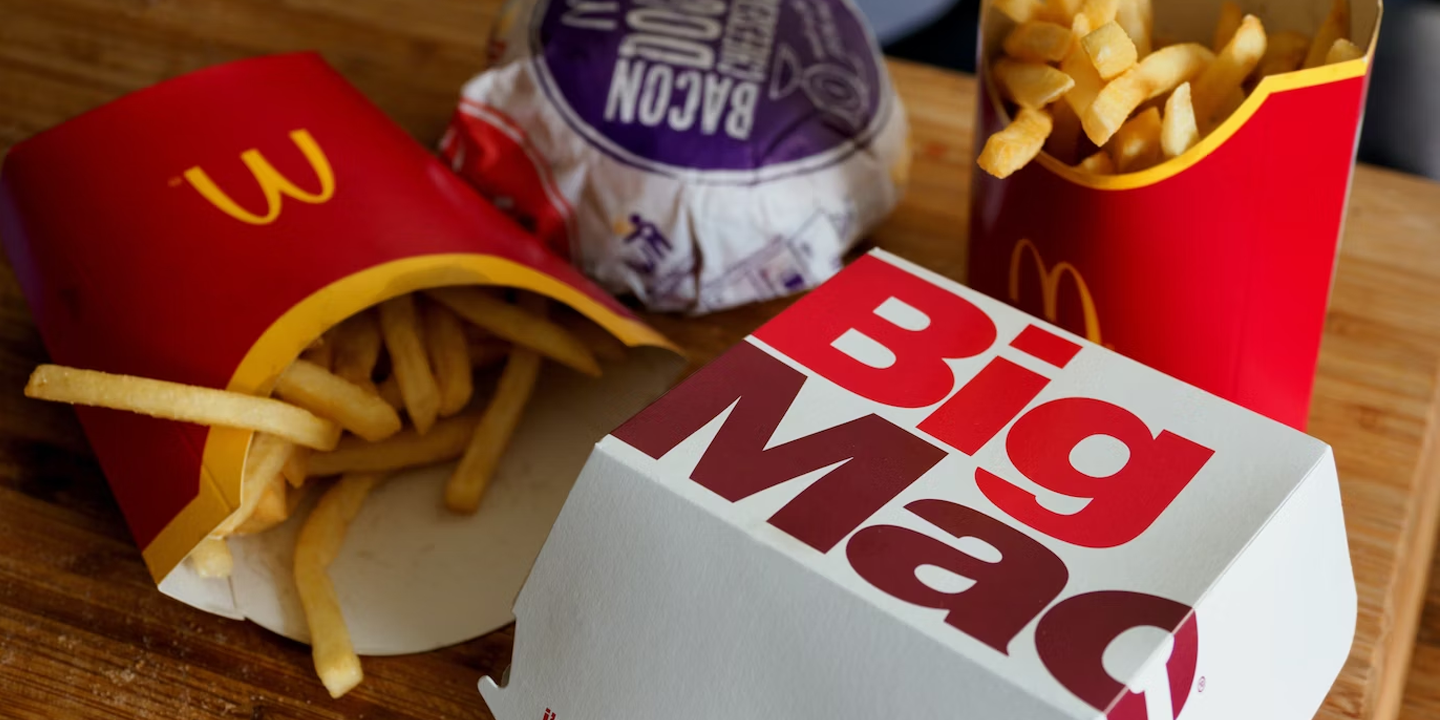
Fast-food companies invest heavily in understanding how customers make decisions, and upselling is built directly on those insights. You might not know it, but one of the most common tactics is anchoring, where a higher-priced item is presented first to make everything else seem more reasonable by comparison. For example, even if you hadn't intended to order a large combo, once you saw it framed as only a dollar more than the medium, the upgrade suddenly felt more logical. So, what do you do? You get the larger combo.
Menu placement also plays a significant role in steering customers toward certain items. Research on menu engineering shows that diners often scan a page following a Z-pattern, are more willing to spend more if the dollar sign is eliminated, and tend to choose items placed in the upper-right corner of a menu. It's no surprise, then, that fast-food chains design their menus with all of this in mind, positioning premium or higher-profit dishes exactly where your eyes naturally land.
Digital kiosks have taken these principles further by making upsell prompts unavoidable. Before you can complete your order, a screen may ask whether you'd like to add a dessert, upgrade your drink, or include a side, and the "yes" option is often made more visually prominent than "no thanks". Before you know it, the cookie-and-drink order you originally came in for now also includes a pastry, a donut, a burger, and yes, fries, too.
What It's Actually Costing You
The financial impact of upselling adds up faster than most people realize. You might think it's not that big of a deal; the combo is just a few dollars more than getting just a burger. But if you're frequenting the chain and falling for the same trick every time, those few dollars become a few hundred dollars. To put that into perspective, a survey by Capital One found that the average American consumer spends nearly $300 a month on impulse buys, racking up an annual total of roughly $3,400. And while clothing is the biggest culprit, food comes in second place at 50%.
Beyond the wallet, there's also the nutritional dimension to consider. Upsold items are almost always calorie-dense add-ons: larger fries, sugary drinks, extra sauces, or dessert items that weren't part of your original plan. The Centers for Disease Control and Prevention has consistently linked frequent fast-food consumption with higher rates of obesity and related conditions, and oversized portions driven by upselling contribute to that pattern. So, choosing a larger size might be the better deal for your wallet, but it certainly isn't a good choice for your health.
There's also a subtler cost: the erosion of consumer autonomy. When your choices are constantly being shaped by carefully designed prompts and visual hierarchies, you're not exactly browsing freely, even if you think you are.
Many customers leave fast-food transactions feeling like they spent more than intended without being able to pinpoint exactly why, which speaks to just how effective, and how invisible, these techniques can be.
Are Chains Being Transparent Enough?
Critics have argued that fast-food upselling crosses a line when it stops being a helpful suggestion and starts being a manipulative design. There's a meaningful difference between a cashier mentioning that a combo meal would save you money and a kiosk that buries the "no thanks" button in small text while making the upsell option impossible to miss. The former might be simply part of customer service, but the latter is an engineered nudge with a commercial motive.
Regulatory scrutiny around these practices has been growing, particularly in the context of digital ordering. The Federal Trade Commission has flagged so-called "dark patterns" (design choices that manipulate user behavior) as an area of concern across digital platforms, and some of the kiosk tactics used by fast-food chains fall squarely into that category. While enforcement in this specific sector remains limited, the broader conversation about consumer protection in digital environments is gaining traction.
Some chains have responded to public pressure by making their nutritional information and pricing more accessible, but transparency alone doesn't undo the structural incentives behind upselling.
As long as average transaction value remains a key performance metric, the pressure to upsell won't disappear. Being an informed customer—knowing what you want before you order, reading screens carefully, and recognizing when a prompt is designed to benefit the company more than you—is currently one of the smartest and most practical ways to push back.