10 Foods That Can Help With Iron Absorption & 10 That Can Interfere With It
10 Foods That Can Help With Iron Absorption & 10 That Can Interfere With It
Getting More Iron Out of Your Meals
Getting enough iron in your diet isn't just about eating iron-rich foods, as what you eat alongside them can influence how much of the mineral your body actually takes in. Certain foods contain nutrients that make iron easier to absorb, particularly non-heme iron, which is the type found in plant-based foods. Others contain naturally occurring compounds that can reduce absorption when eaten during the same meal, although that doesn't necessarily make them unhealthy. Here are 10 foods that can help your body absorb more iron and 10 that can interfere with the process.
1. Red Bell Peppers
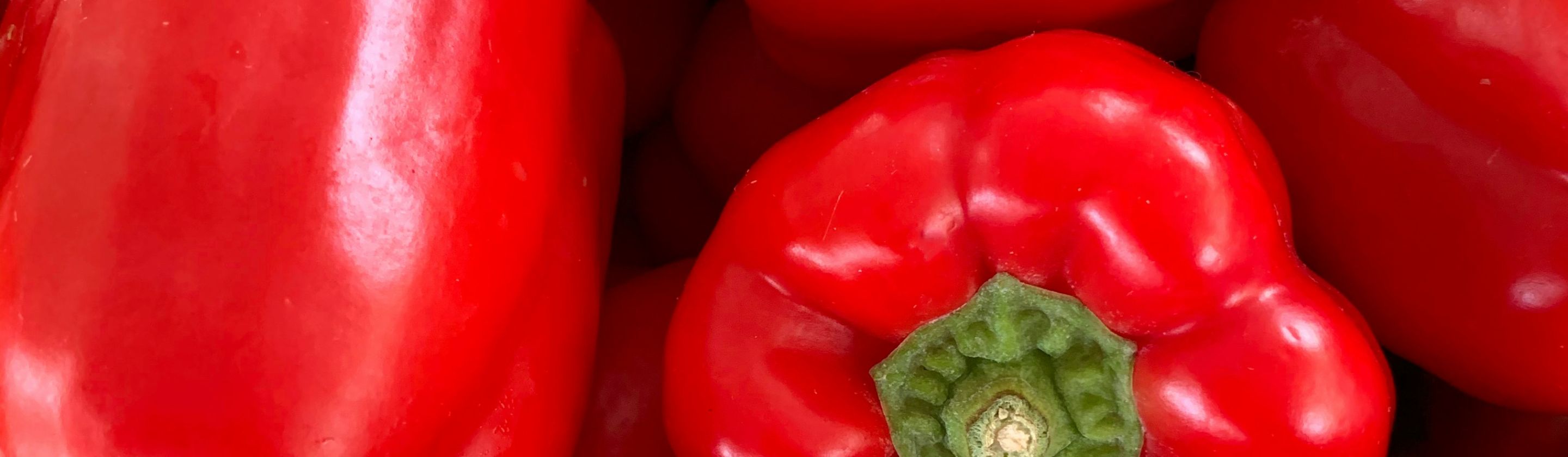
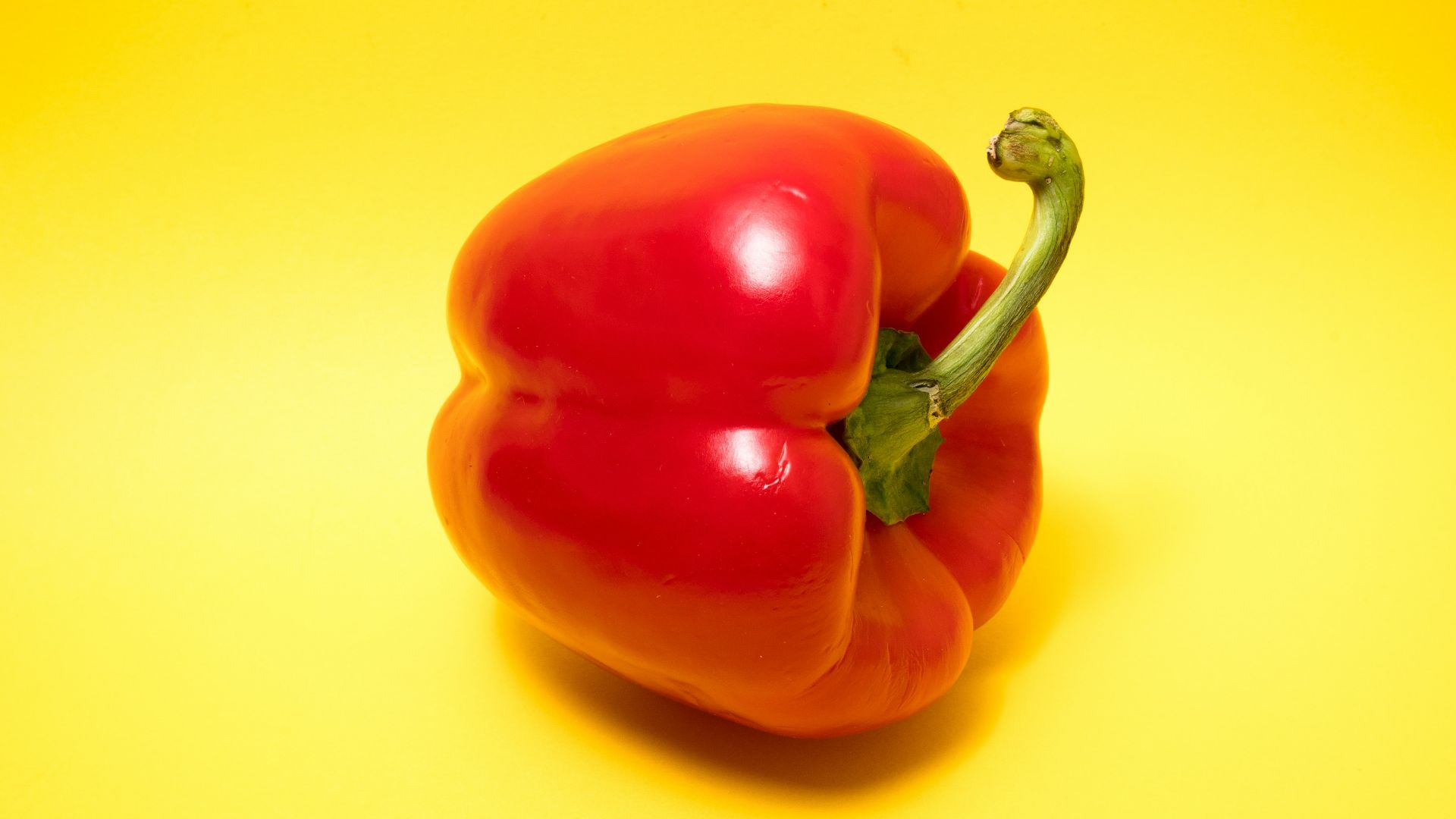
Raw red bell peppers are exceptionally rich in vitamin C, which helps convert non-heme iron into a form that's easier for your body to absorb. Adding a handful of chopped peppers to a bean salad or grain bowl can help you get more iron out of the meal. Eating them raw is particularly beneficial since cooking them for too long can reduce their vitamin C content.
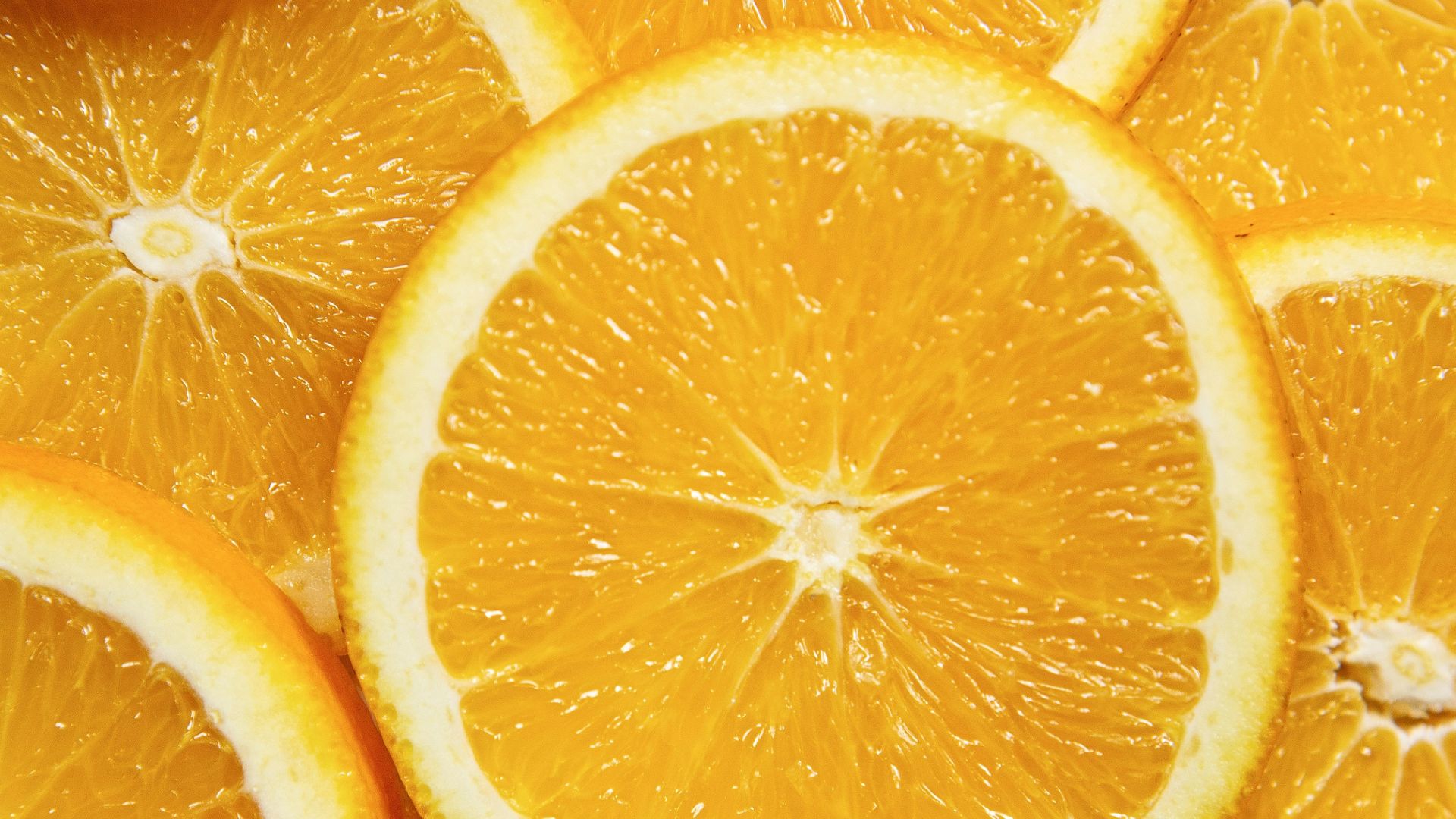
2. Oranges
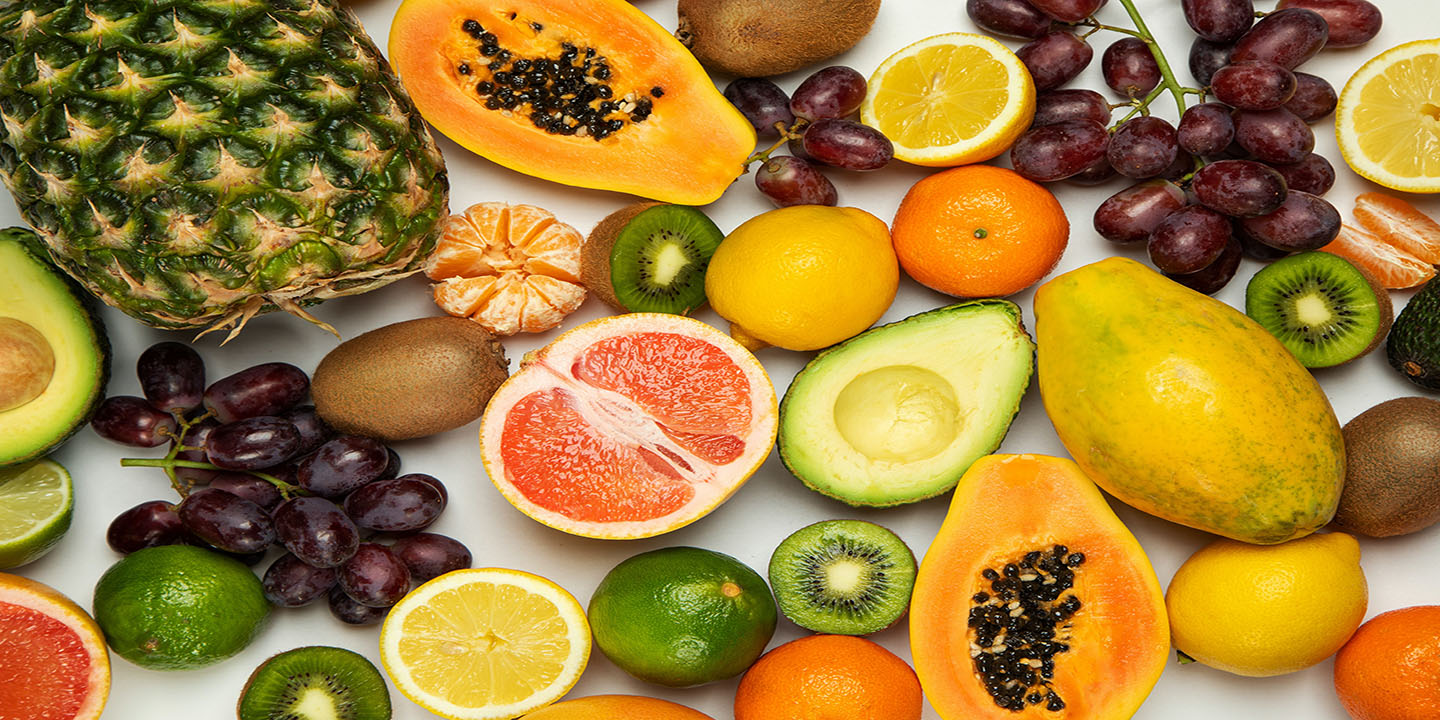
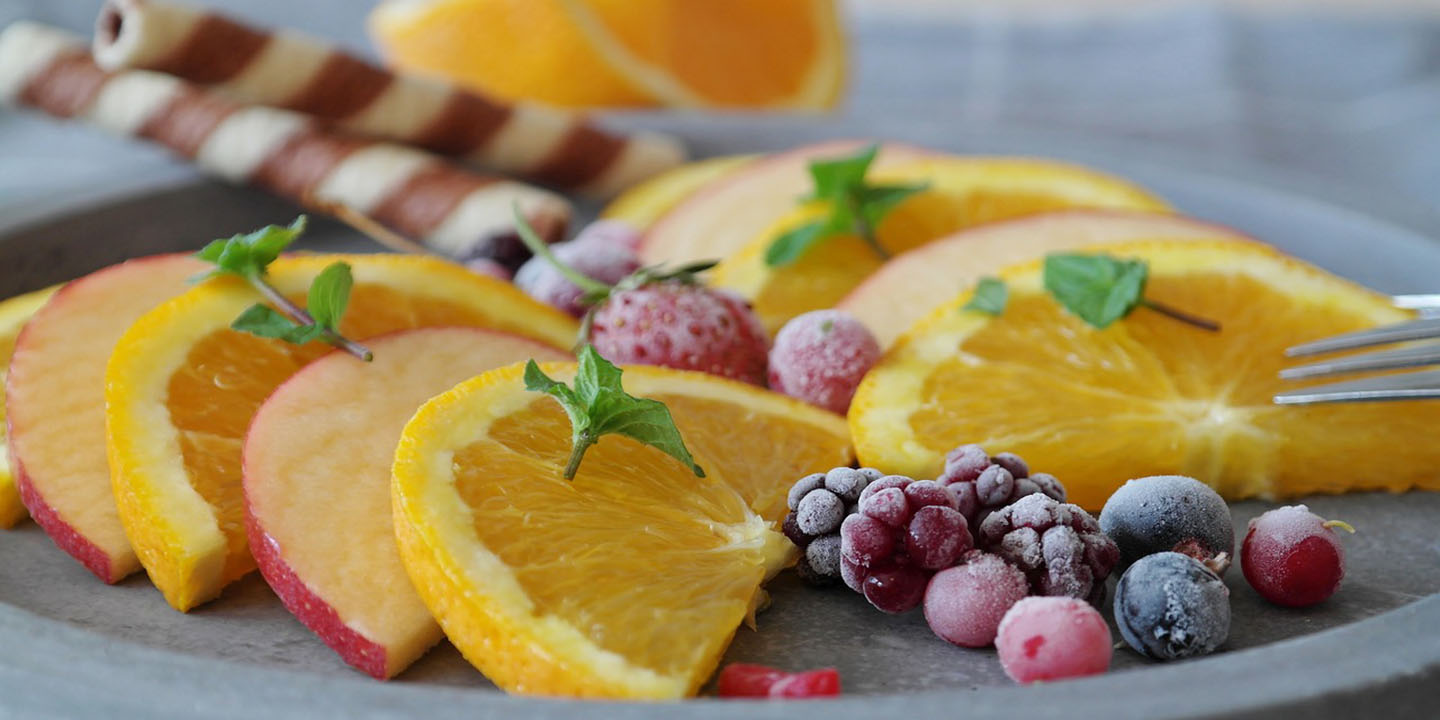
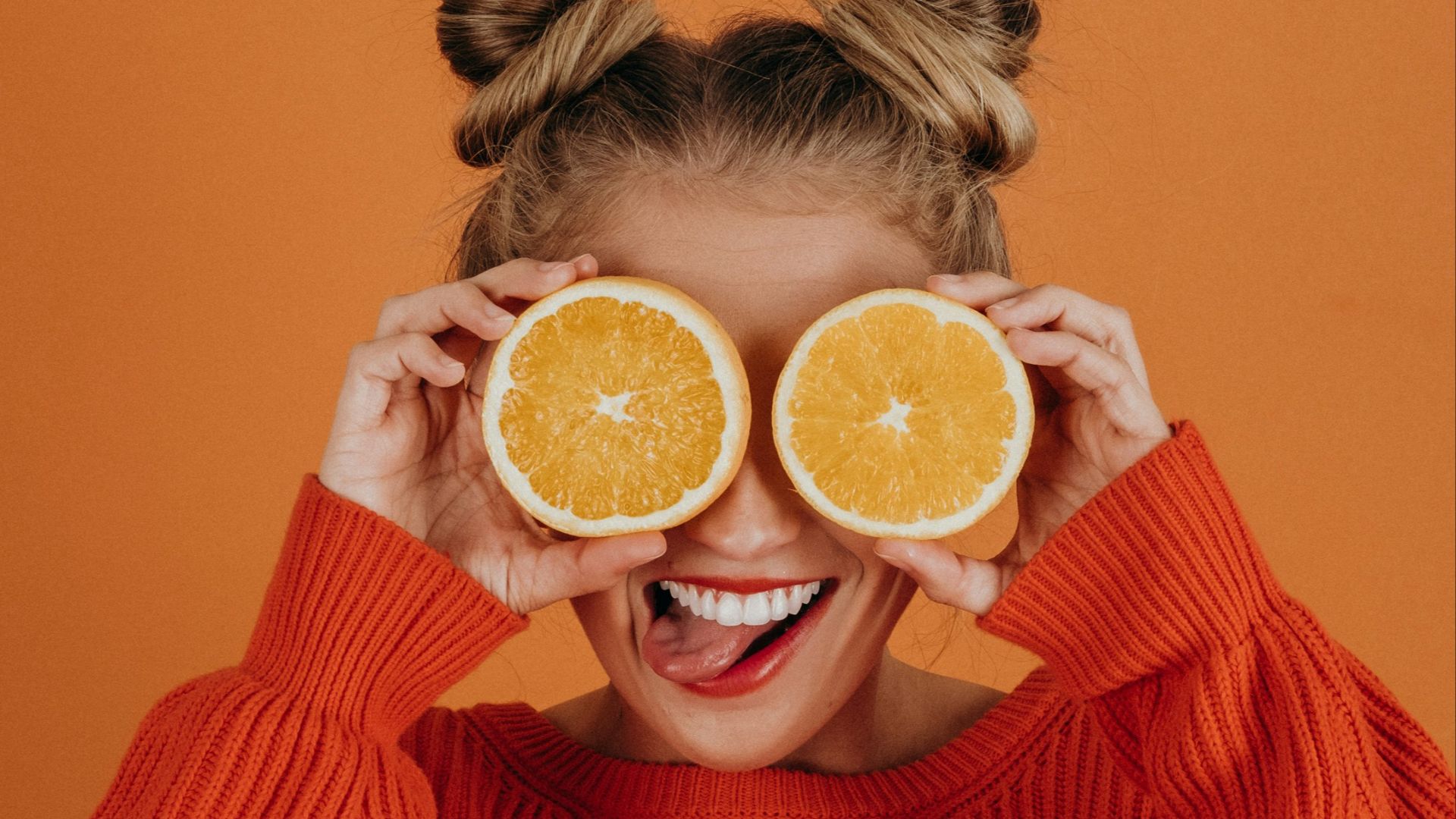
There's a good reason to enjoy an orange alongside your morning bowl of iron-fortified cereal. The fruit's naturally high vitamin C content can help counteract some of the compounds in grains that would otherwise limit iron absorption. A small glass of orange juice can offer similar benefits, although eating the whole fruit gives you the added benefit of fiber.
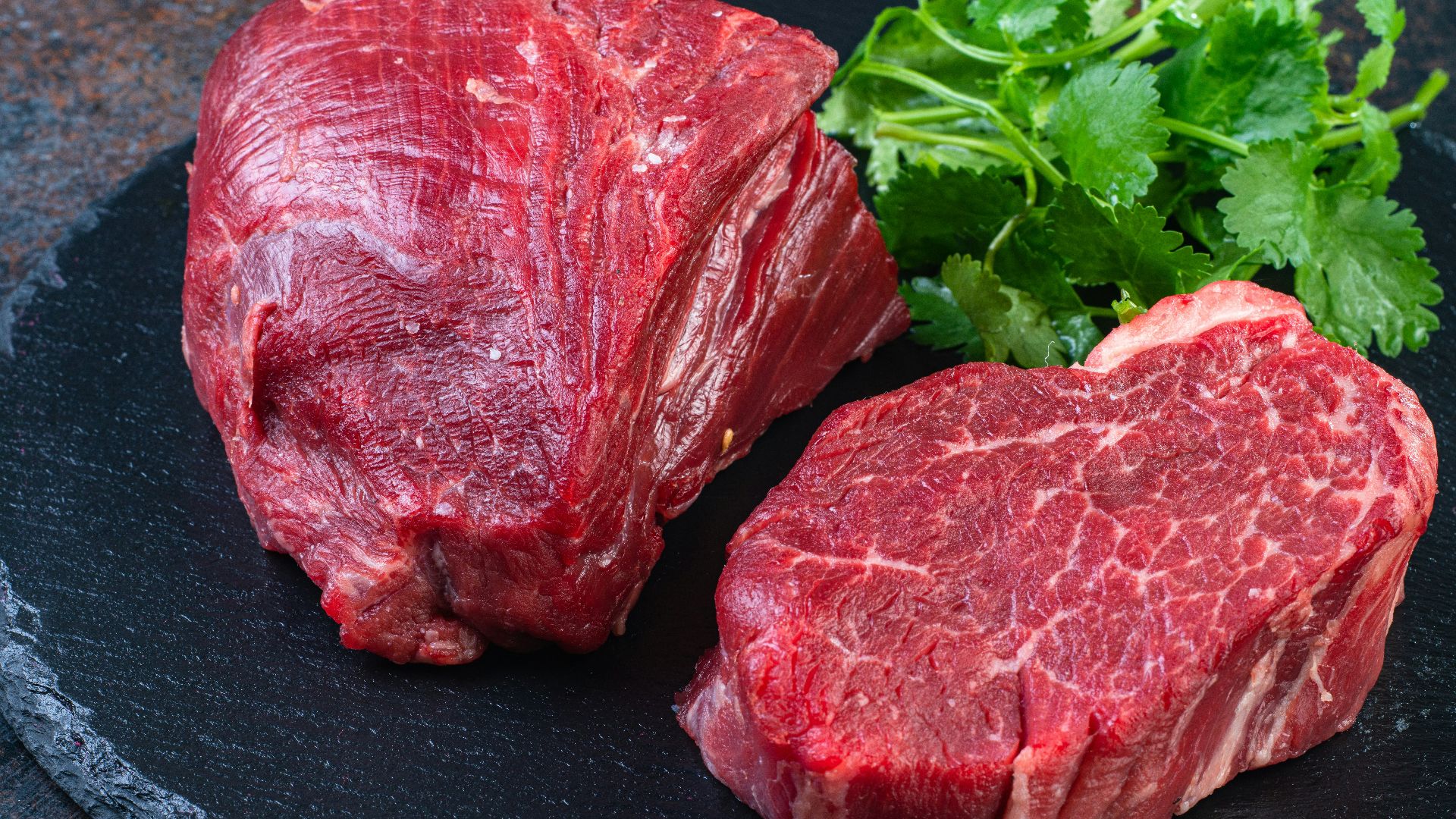
3. Beef
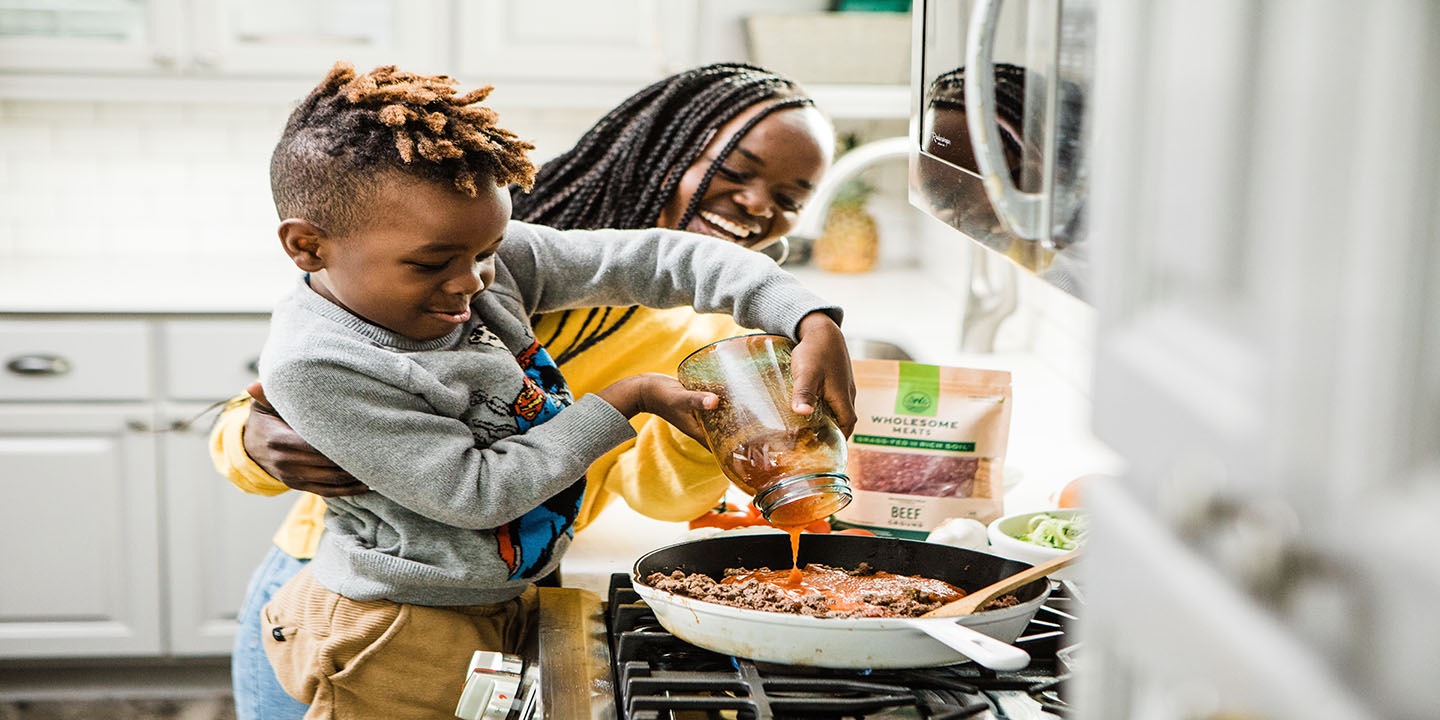
Not only does beef contain easily absorbed heme iron, but it can also improve the absorption of non-heme iron from other ingredients on your plate. Researchers sometimes refer to this phenomenon as the "meat factor," although exactly how it works isn't fully understood. A homemade beef and bean chili, for instance, is a particularly good meal for taking advantage of this effect.
 David Foodphototasty on Unsplash
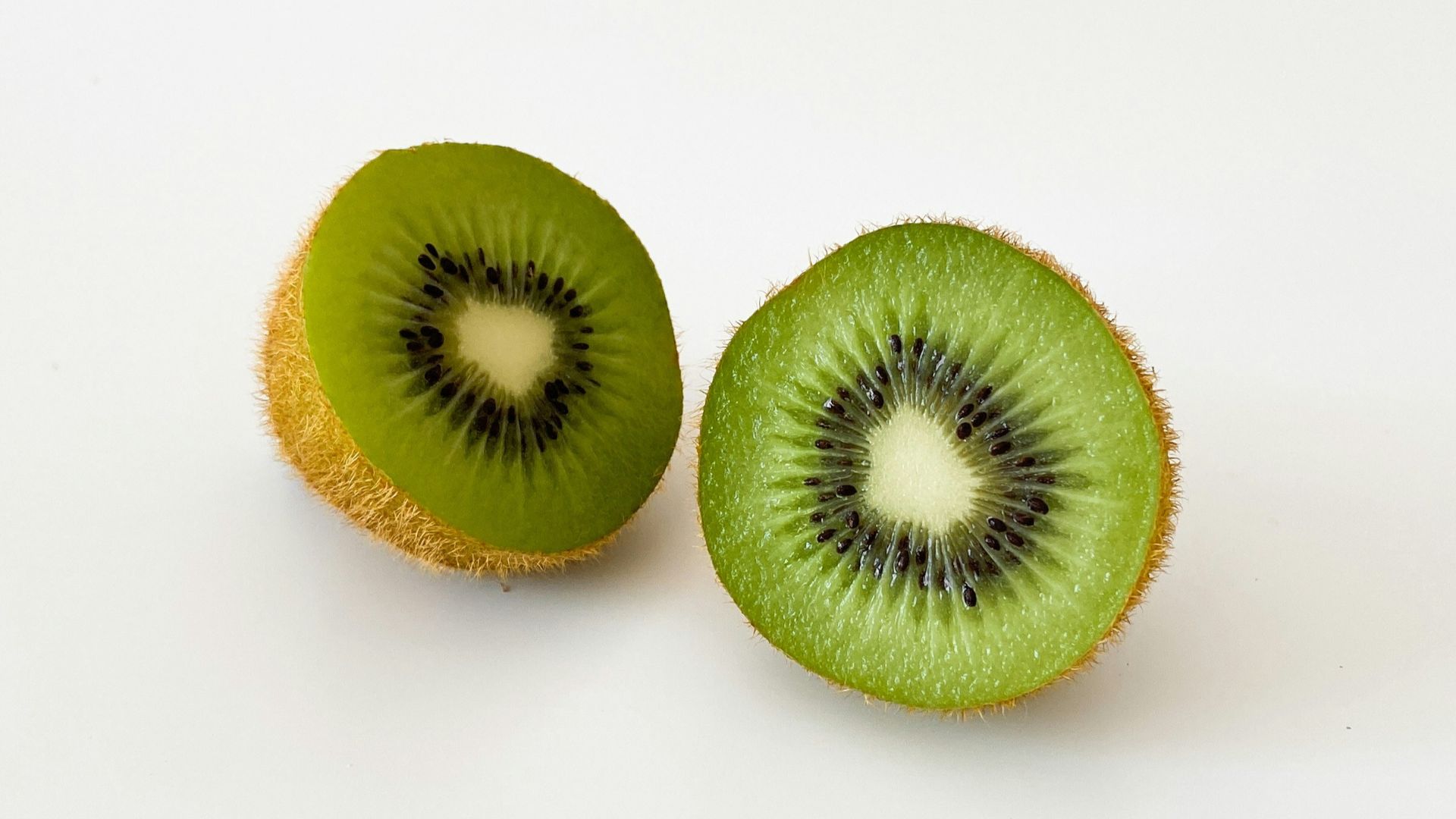
4. Kiwis
Despite their relatively small size, kiwis pack an impressive amount of vitamin C. Slicing one over a bowl of oatmeal can help your body absorb more of the iron naturally found in the oats. Golden kiwis are an especially good choice since they tend to contain even more vitamin C than the more familiar green variety.
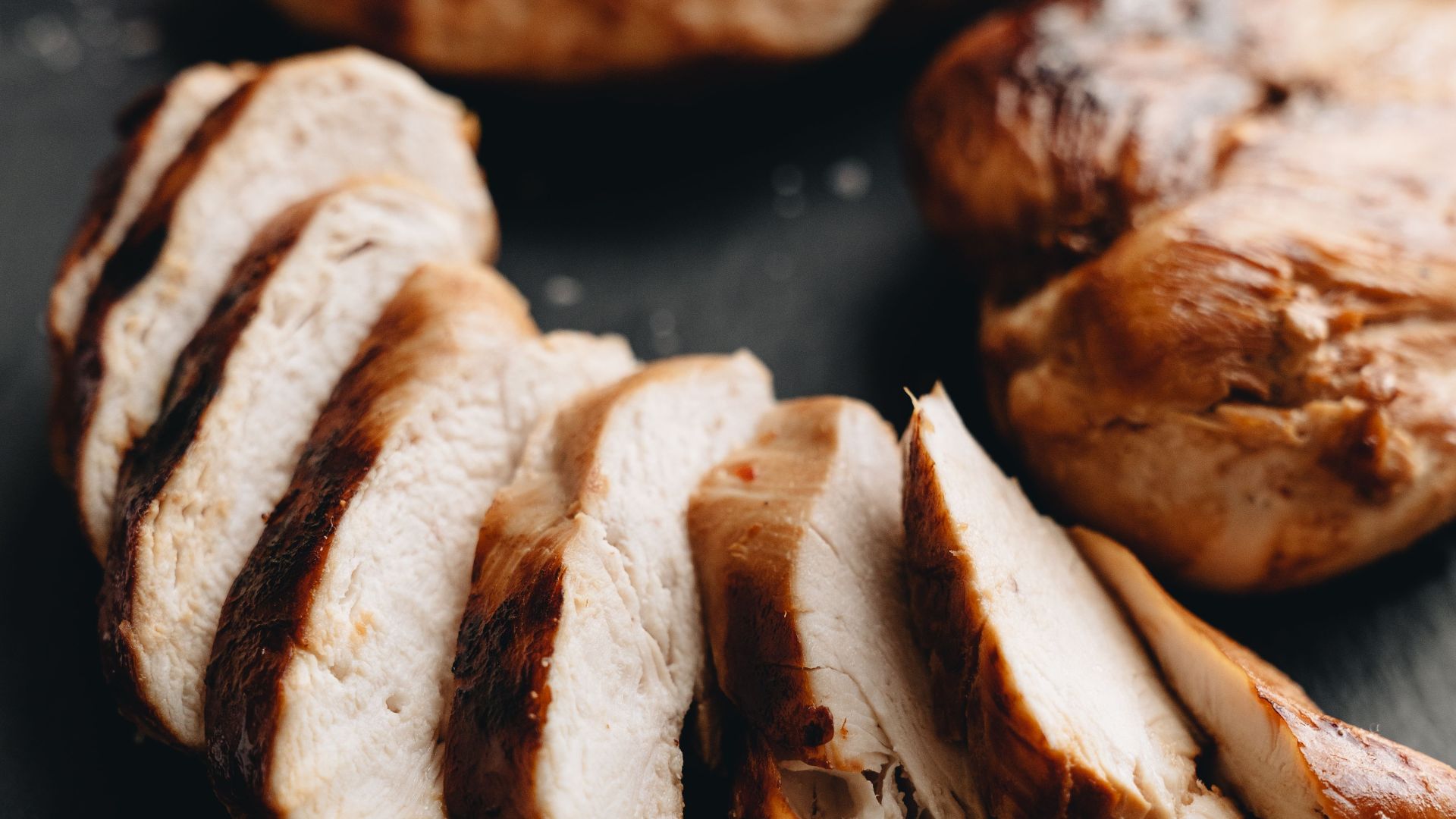
5. Chicken
Chicken may not contain as much iron as certain cuts of red meat, but it's still a worthwhile addition to an iron-rich diet. Like beef, poultry contains components that enhance the absorption of iron from plant-based ingredients eaten during the same meal. The next time you're making grilled chicken for dinner, consider serving it with lentils, quinoa, or leafy greens.
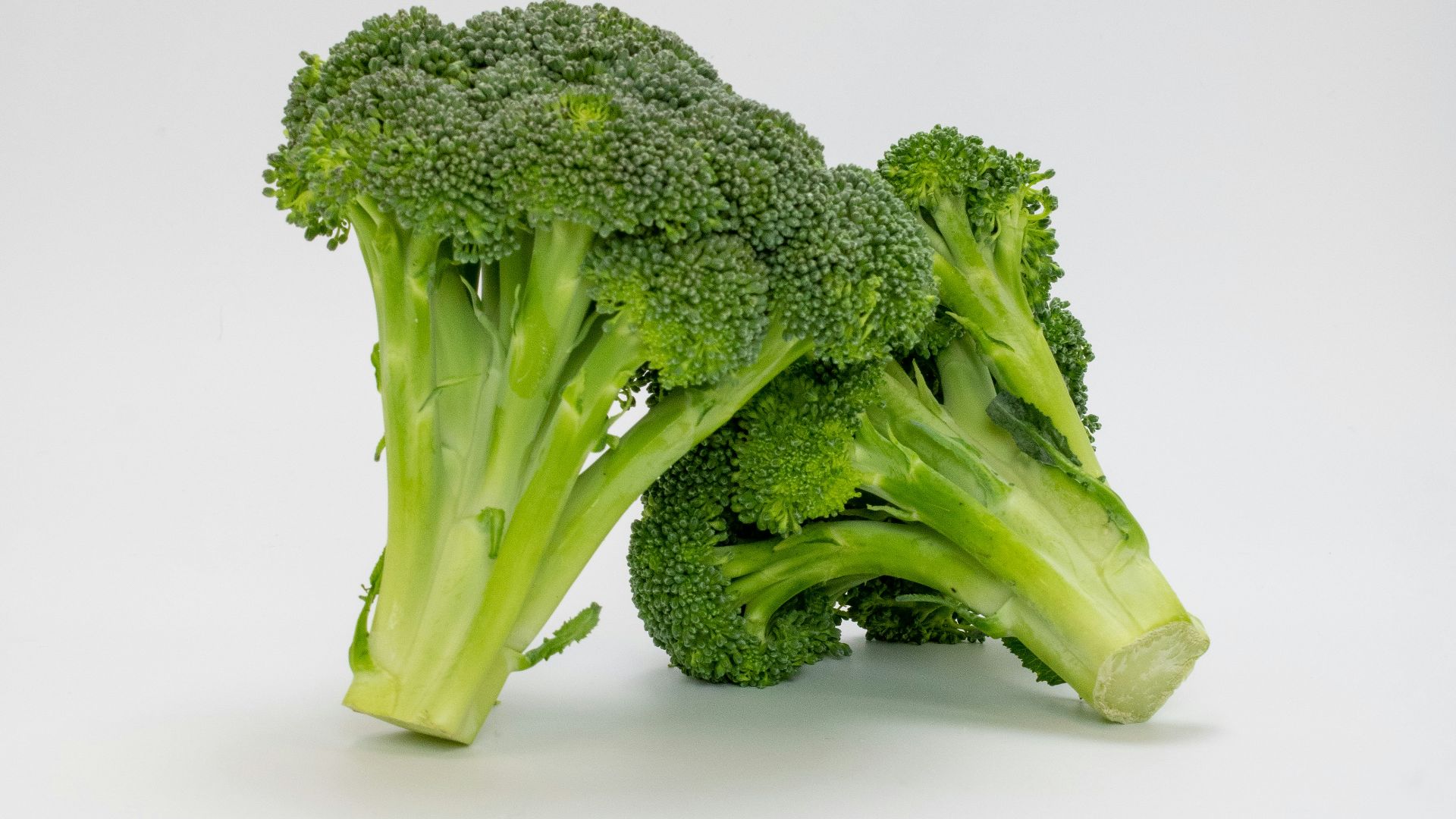
6. Broccoli
Broccoli offers the convenient combination of some dietary iron and a generous amount of vitamin C. The latter makes it a particularly useful vegetable to serve alongside foods such as chickpeas and brown rice. Lightly steaming your broccoli instead of boiling it for an extended period can help preserve more of its vitamin C.
 Katherine Jenswold on Unsplash
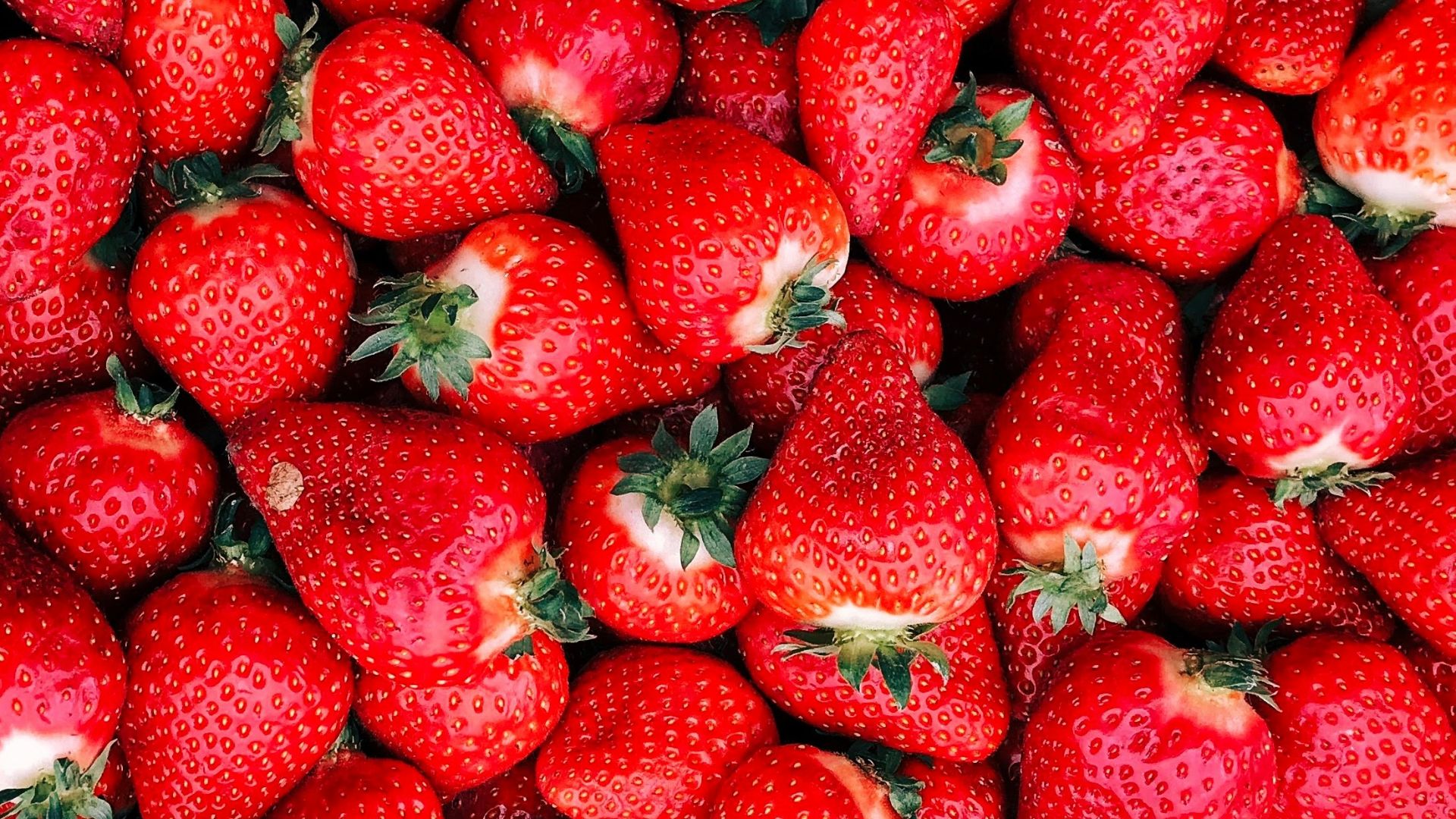
7. Strawberries
If you usually top your breakfast cereal with sliced bananas, occasionally switching to strawberries could help you absorb more iron. These berries are considerably richer in vitamin C, which helps keep non-heme iron available for absorption during digestion. They're also easy to incorporate into oatmeal, smoothies, and other breakfasts containing iron-rich ingredients.
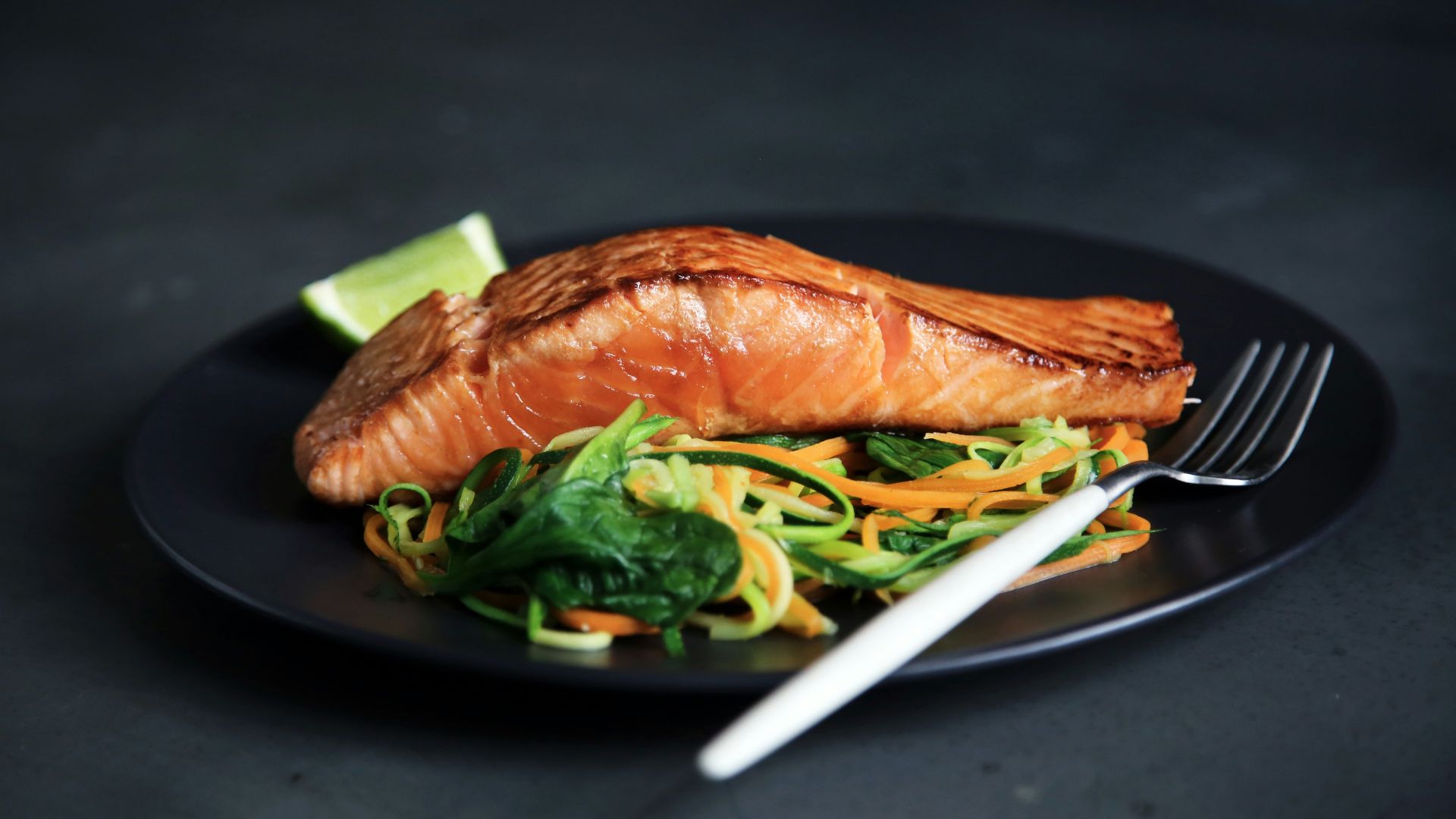
8. Salmon
Fish has a similar effect on iron absorption to meat and poultry, making salmon a useful addition to meals containing plant-based iron. Pairing a salmon fillet with a lentil salad or a serving of white beans could help your body absorb more iron from those side dishes. Of course, salmon also provides plenty of protein, omega-3 fatty acids, and some iron of its own.
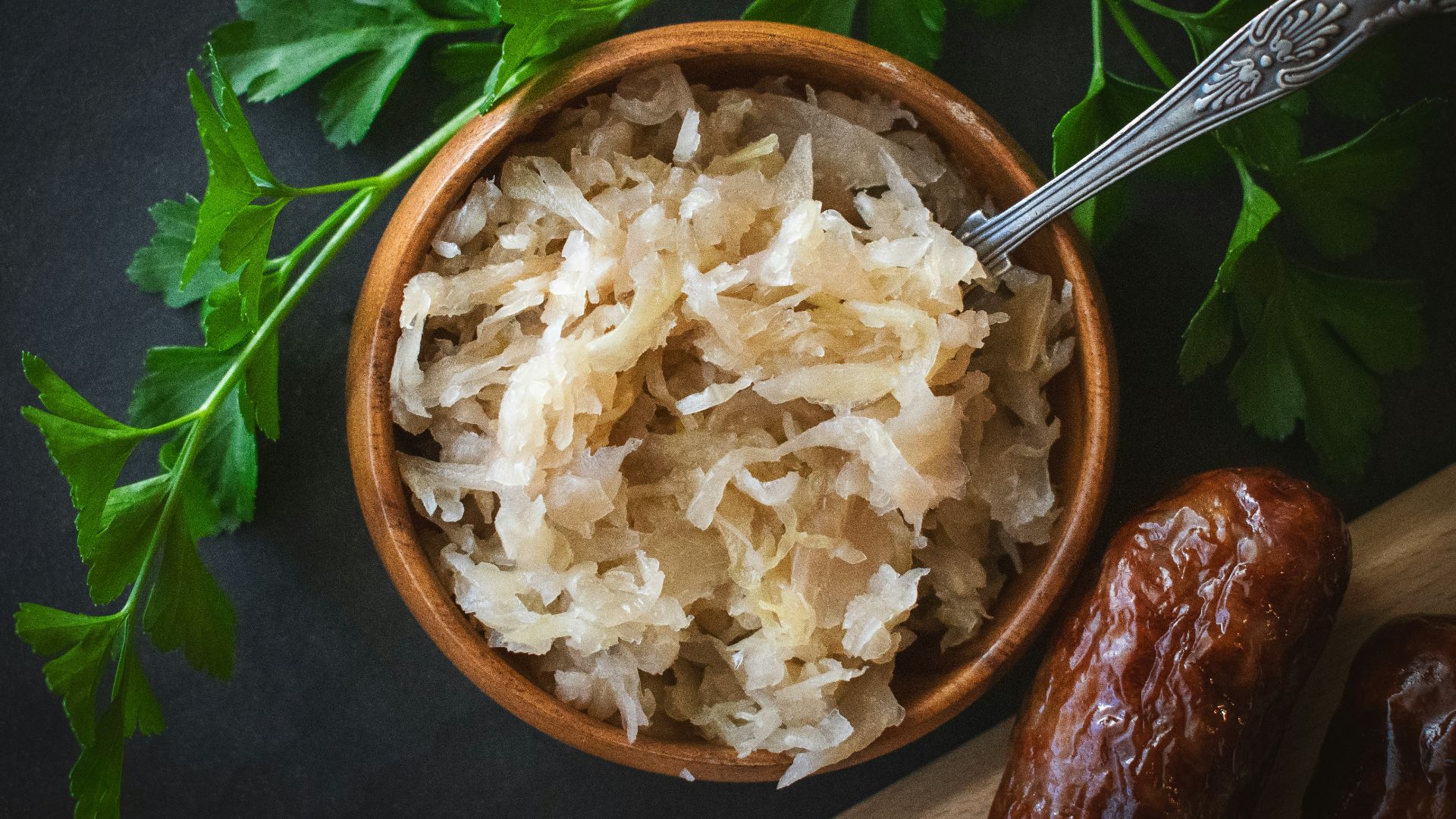
9. Sauerkraut
The same fermentation process that gives sauerkraut its distinctive sour flavor may also make iron more accessible during digestion. Research suggests that eating vegetables fermented with lactic acid bacteria can improve iron absorption compared with eating those same vegetables before fermentation. Adding a little sauerkraut to an iron-rich lunch or dinner could therefore offer some unexpected nutritional benefits.
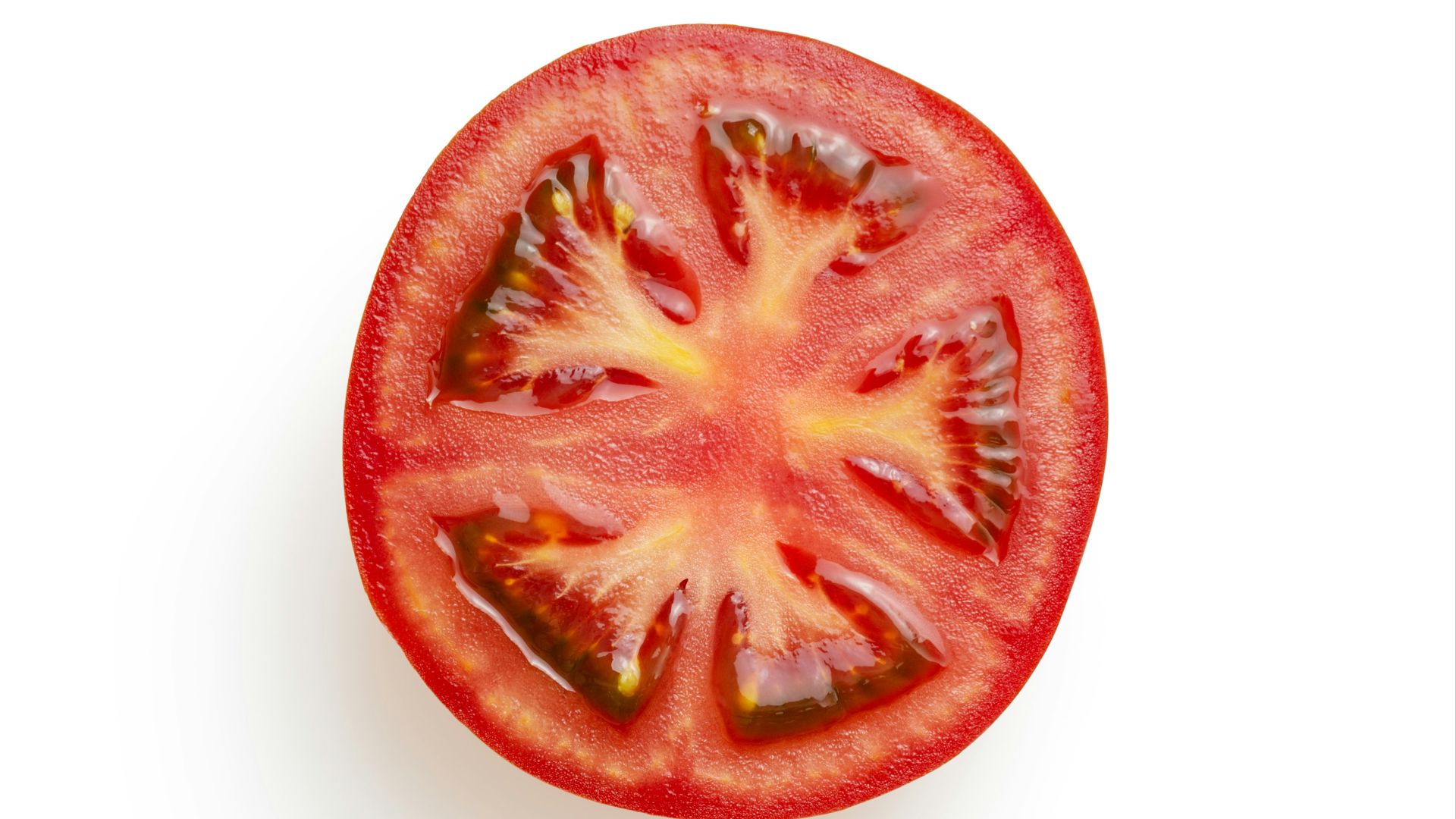
10. Tomatoes
Whether you're preparing a hearty lentil soup or a homemade bean stew, tomatoes are an easy ingredient to work into the recipe. They provide vitamin C and naturally occurring organic acids that can support non-heme iron absorption. Although cooking reduces some of their vitamin C content, adding fresh tomatoes toward the end of preparation can help preserve more of this nutrient.
Now that we've talked about the foods that aid with iron absorption, let's cover the ones that can actually inhibit it.
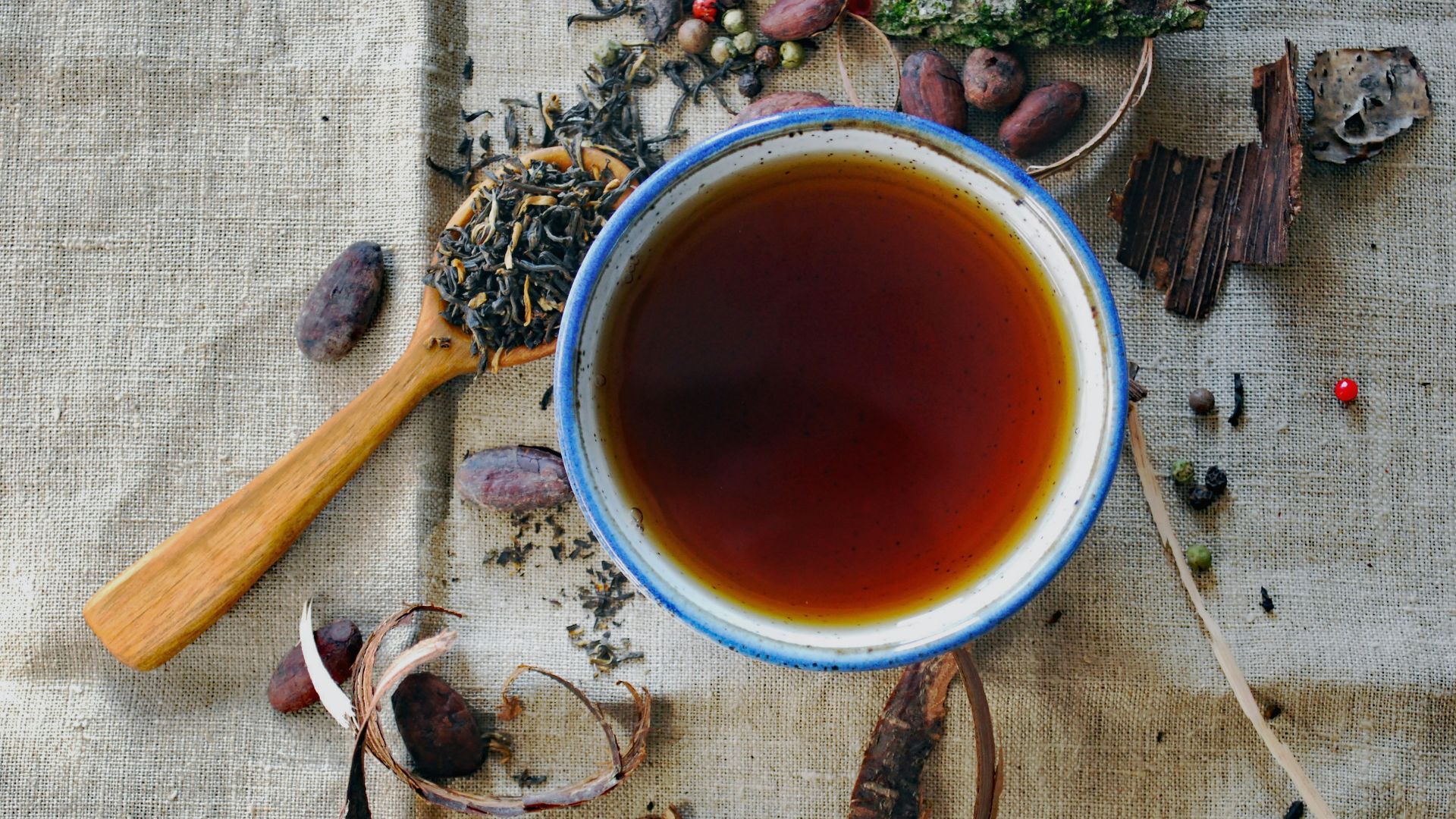
1. Black Tea
As comforting as a cup of black tea can be with dinner, drinking it alongside your meal may not be ideal if you're concerned about your iron levels. Black tea contains polyphenols, including tannins, that can bind to non-heme iron and make it harder for your body to absorb. Waiting at least an hour after eating before putting the kettle on can help minimize this effect.
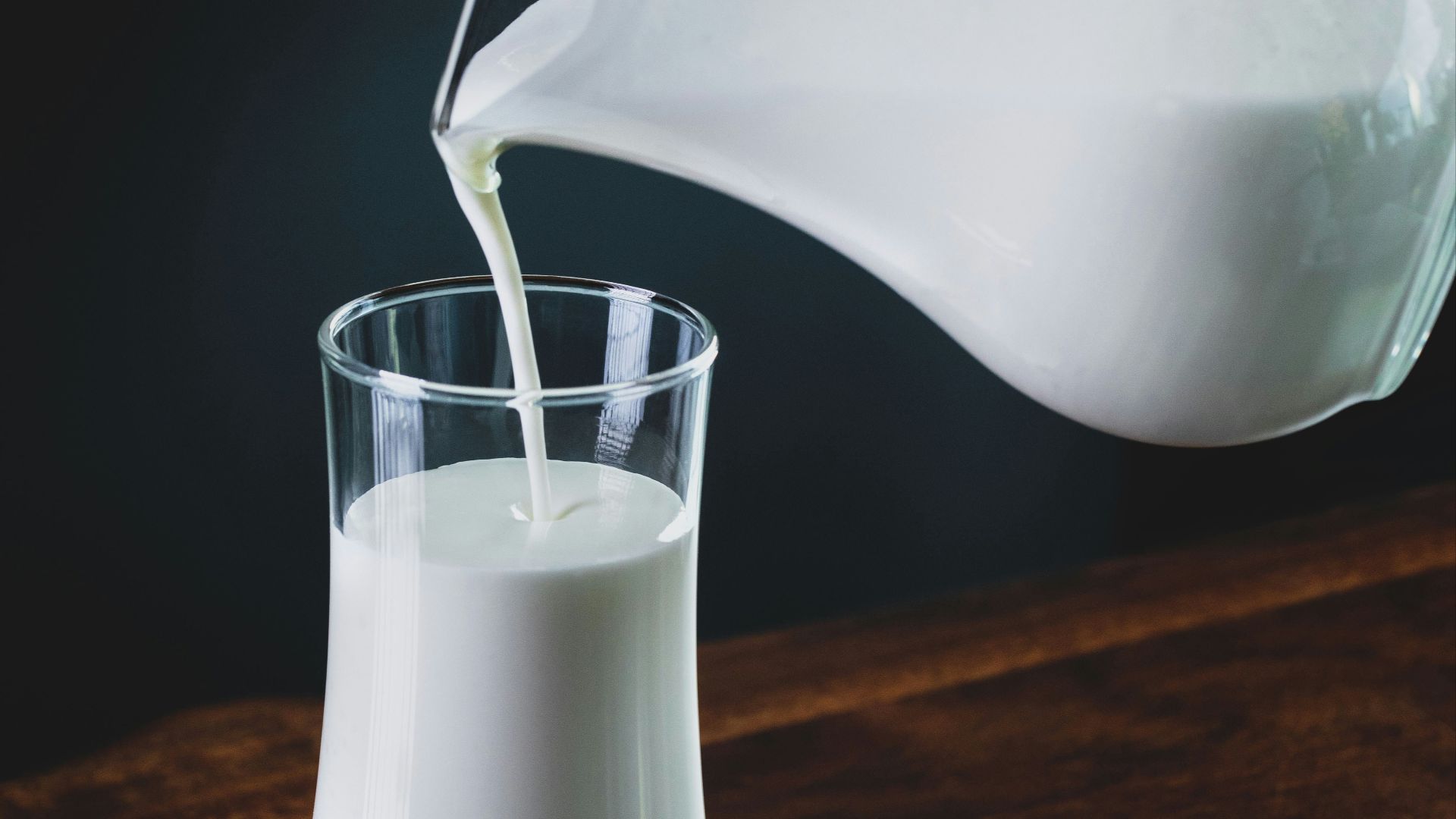
2. Milk
The considerable amount of calcium found in cow's milk can temporarily interfere with the absorption of both heme and non-heme iron. That doesn't mean drinking milk regularly will necessarily lead to an iron deficiency, as its long-term impact on iron levels appears to be relatively limited in most people. However, those struggling with low iron levels may benefit from enjoying calcium-rich foods separately from particularly iron-rich meals.
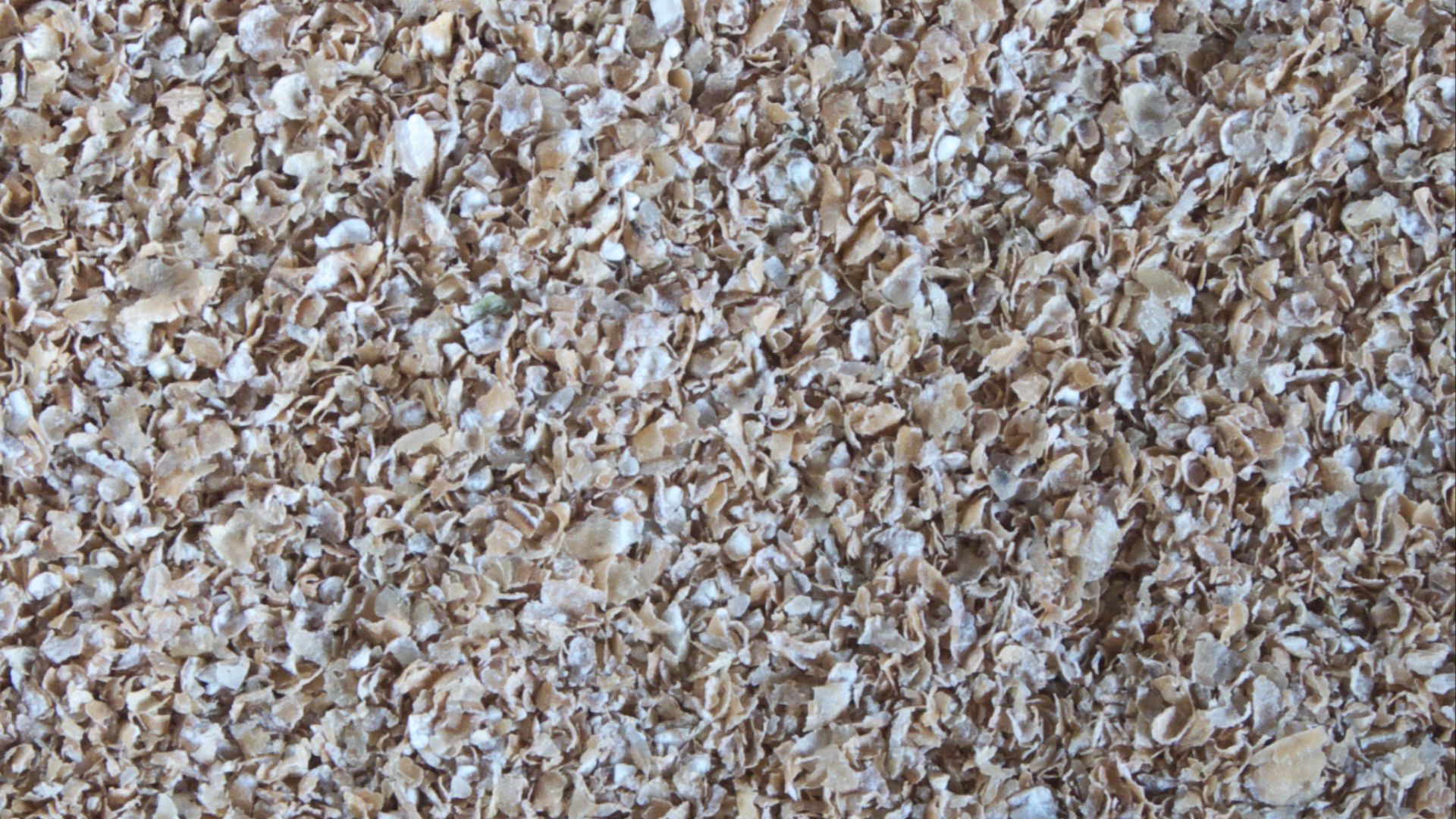
3. Wheat Bran
Although wheat bran is an excellent source of dietary fiber, it's also particularly rich in a compound called phytic acid. This naturally occurring substance binds to minerals such as iron in the digestive tract, leaving less of the mineral available for absorption. Fortunately, adding some vitamin C-rich fruit to your bowl of bran cereal can help offset this effect.
4. Coffee
Your morning cup of coffee could affect how much iron you're getting from breakfast, especially if you regularly sip it while eating. Certain polyphenols in coffee bind to non-heme iron, making it more difficult for your body to absorb the mineral. Since caffeine isn't primarily responsible for this effect, switching to decaffeinated coffee won't necessarily make much of a difference.

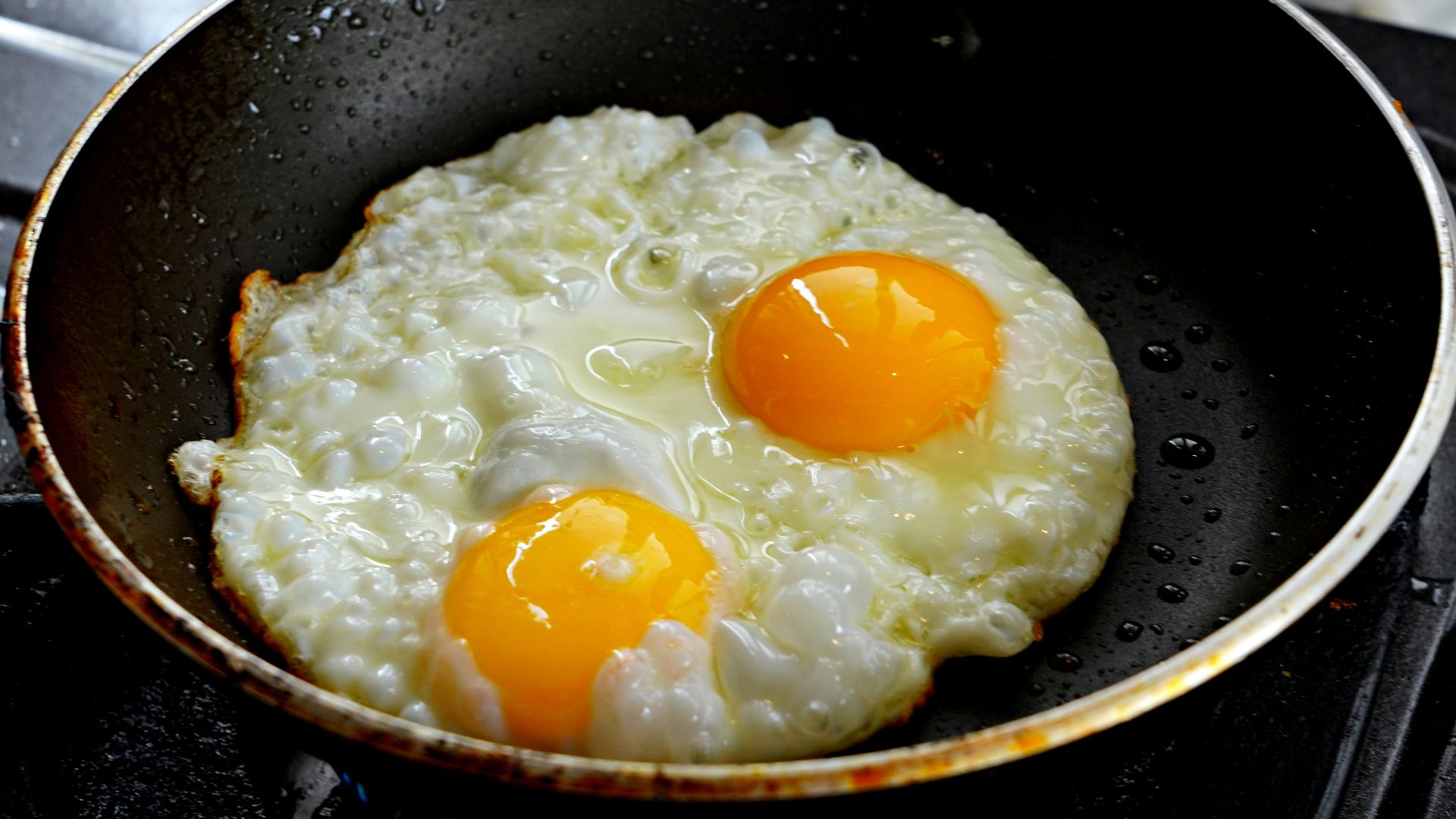
5. Eggs
Egg yolks contain a protein called phosvitin, which has a particularly strong ability to bind iron. This can limit the availability of the iron naturally present in eggs and potentially interfere with the absorption of iron from other breakfast ingredients. If eggs are a staple in your morning routine, incorporating vitamin C-rich foods into your meals throughout the day can help support iron absorption.
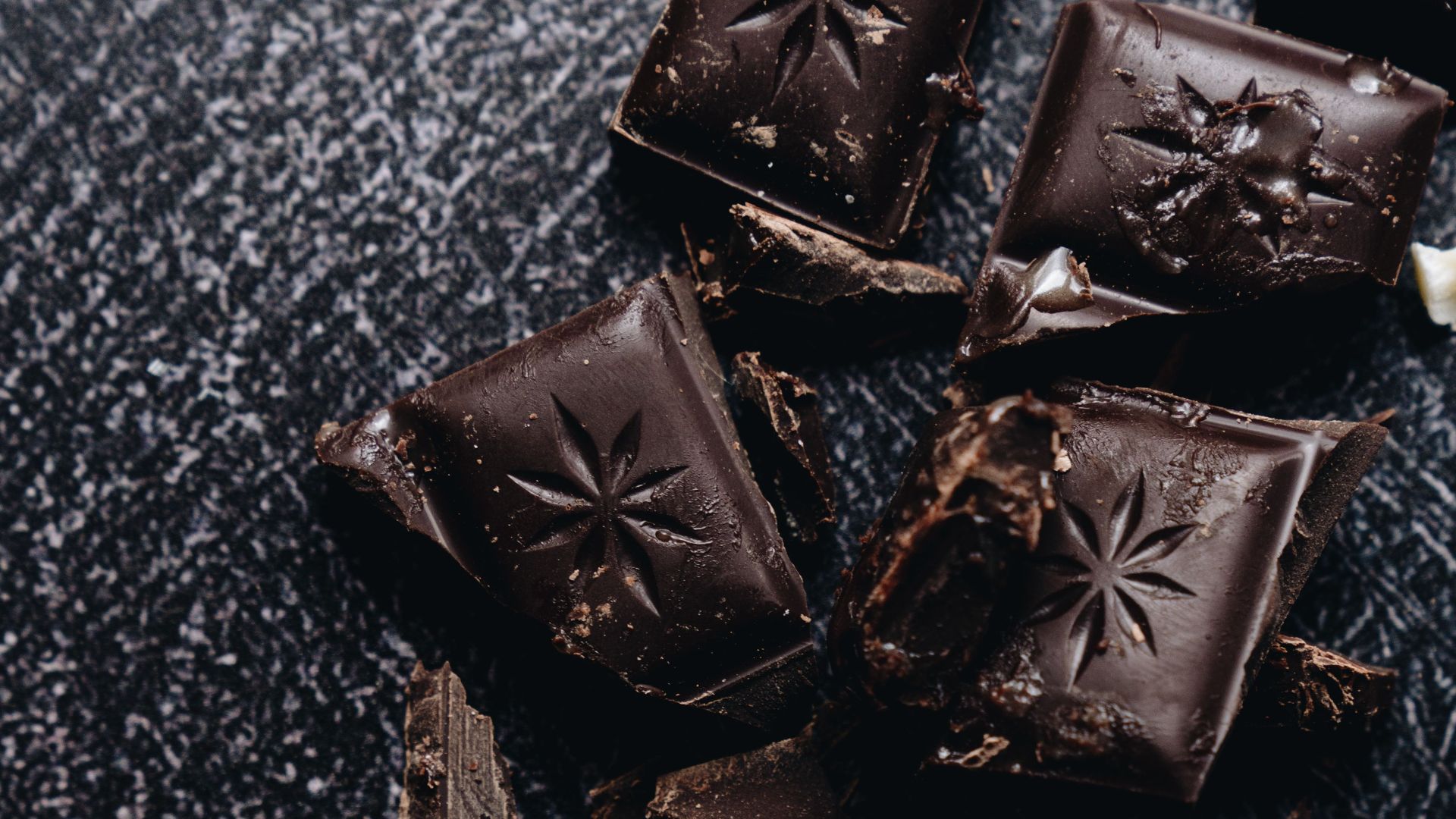
6. Dark Chocolate
Despite being a surprisingly good source of iron itself, dark chocolate contains compounds that can make the mineral harder to absorb. Cocoa is rich in iron-binding polyphenols, which may also affect the absorption of non-heme iron from foods eaten alongside it. For people with low iron levels, it may be worth saving those few squares of chocolate for a snack between meals rather than enjoying them immediately after an iron-rich dinner.
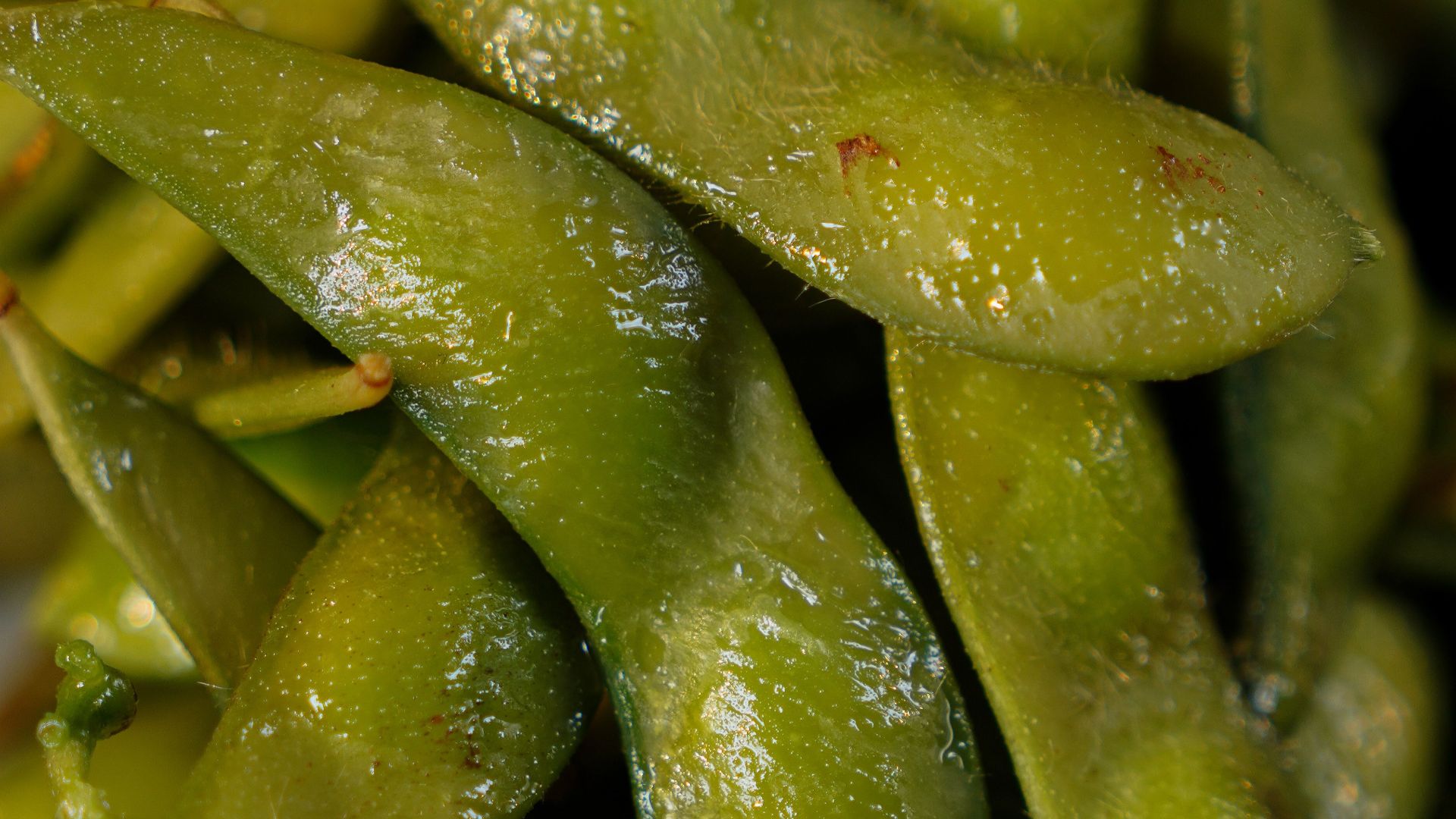
7. Soybeans
Soybeans are an interesting case because they're naturally rich in iron but also contain substances that interfere with its absorption. Both phytic acid and certain components of soy protein can reduce the amount of non-heme iron your body can absorb. Fermented soy products, such as tempeh, may offer better iron availability since the fermentation process helps break down some of the phytates.
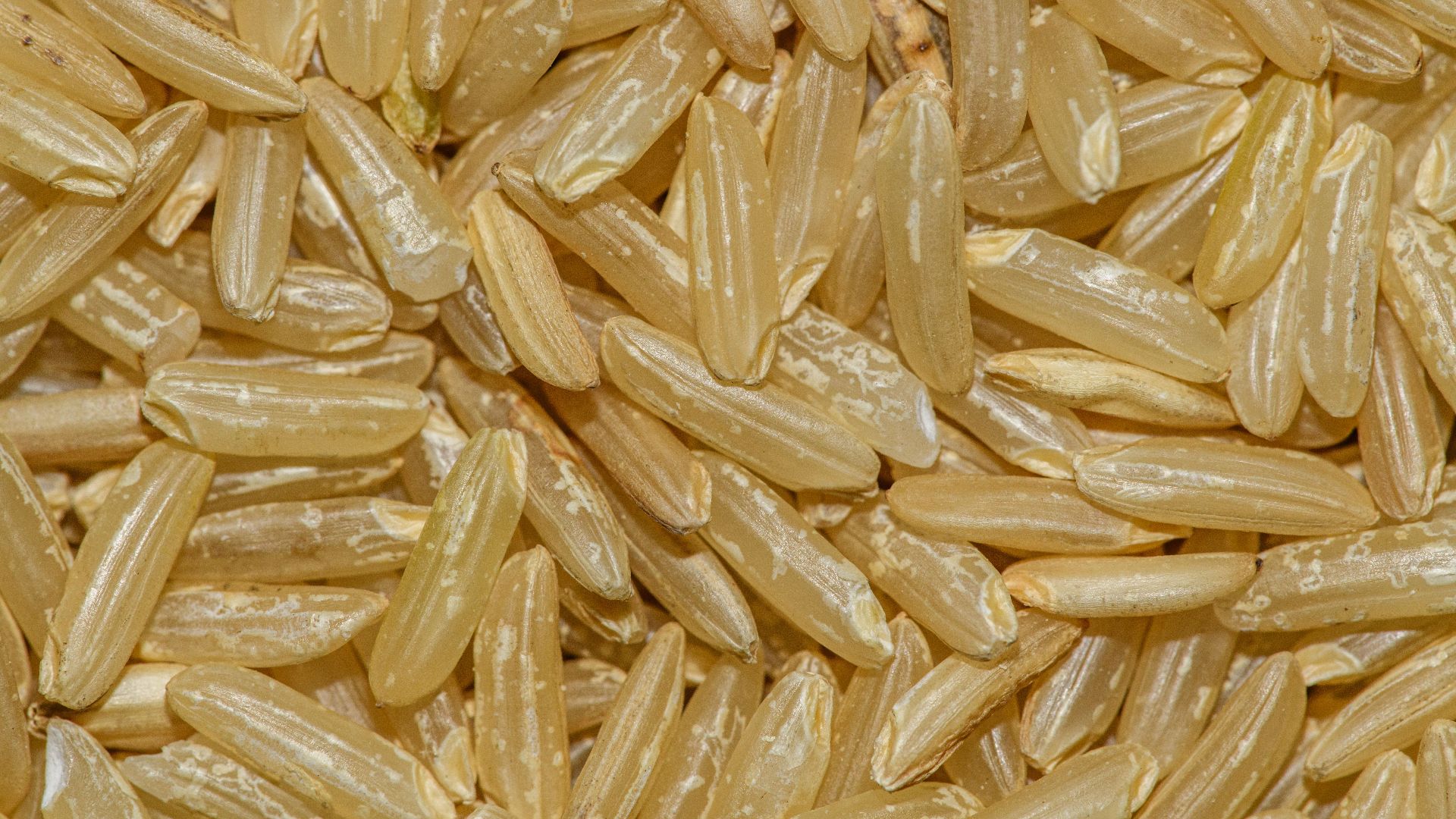
8. Brown Rice
One of the main nutritional differences between brown and white rice is that brown rice retains its outer bran layer. While this provides additional fiber and nutrients, it also means brown rice generally contains more phytic acid, which can interfere with mineral absorption. Pairing your rice with fish, chicken, or vegetables high in vitamin C can help compensate for this drawback.
9. Almonds
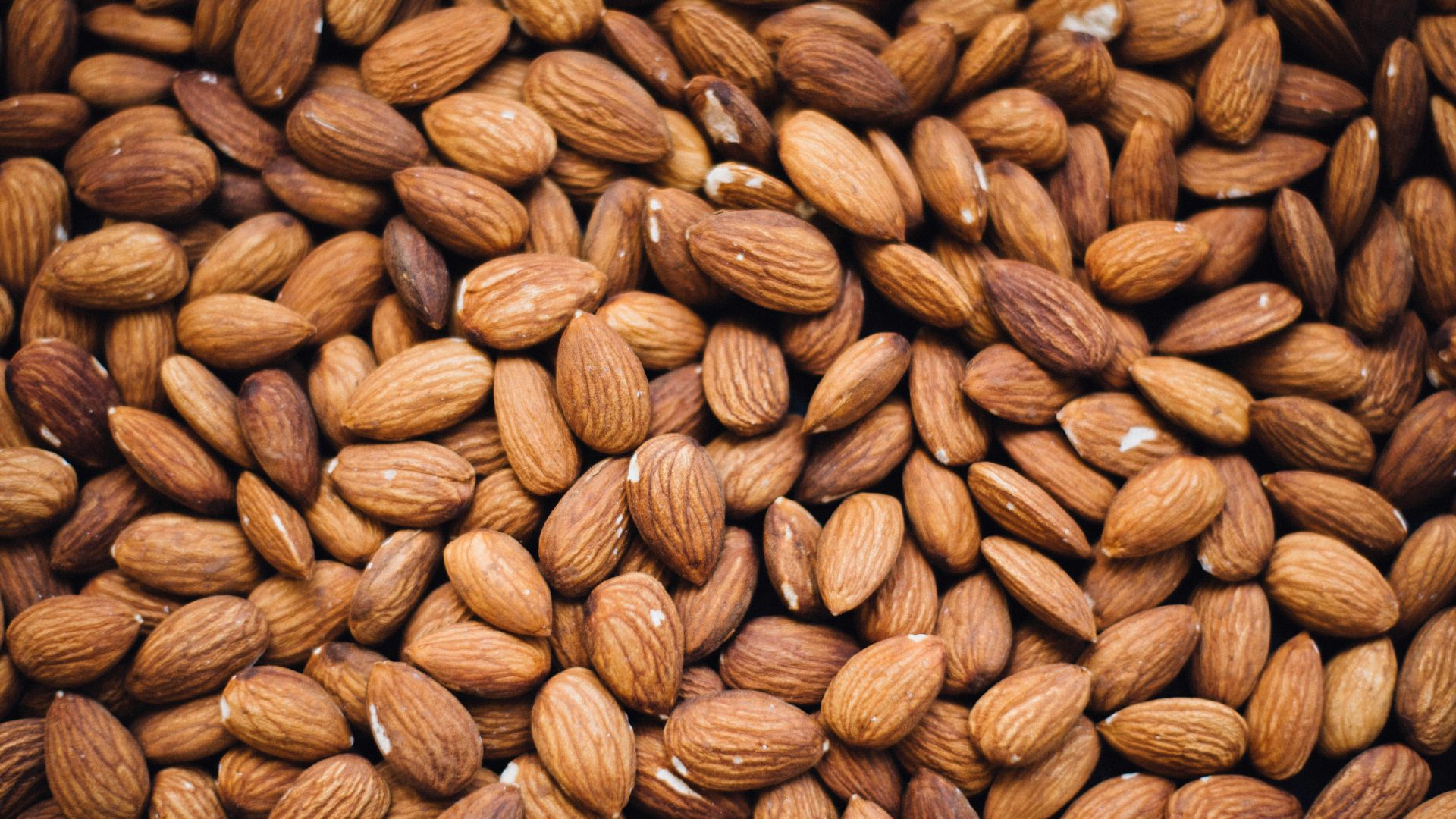
A handful of almonds provides healthy fats, protein, and several important minerals, but these nuts also contain phytates. Consuming large amounts of phytate-rich foods alongside plant-based sources of iron may reduce how much of the mineral your body absorbs from the meal. There's certainly no reason to stop snacking on almonds, particularly if you're eating a varied diet that includes foods that promote iron absorption.
10. Spinach
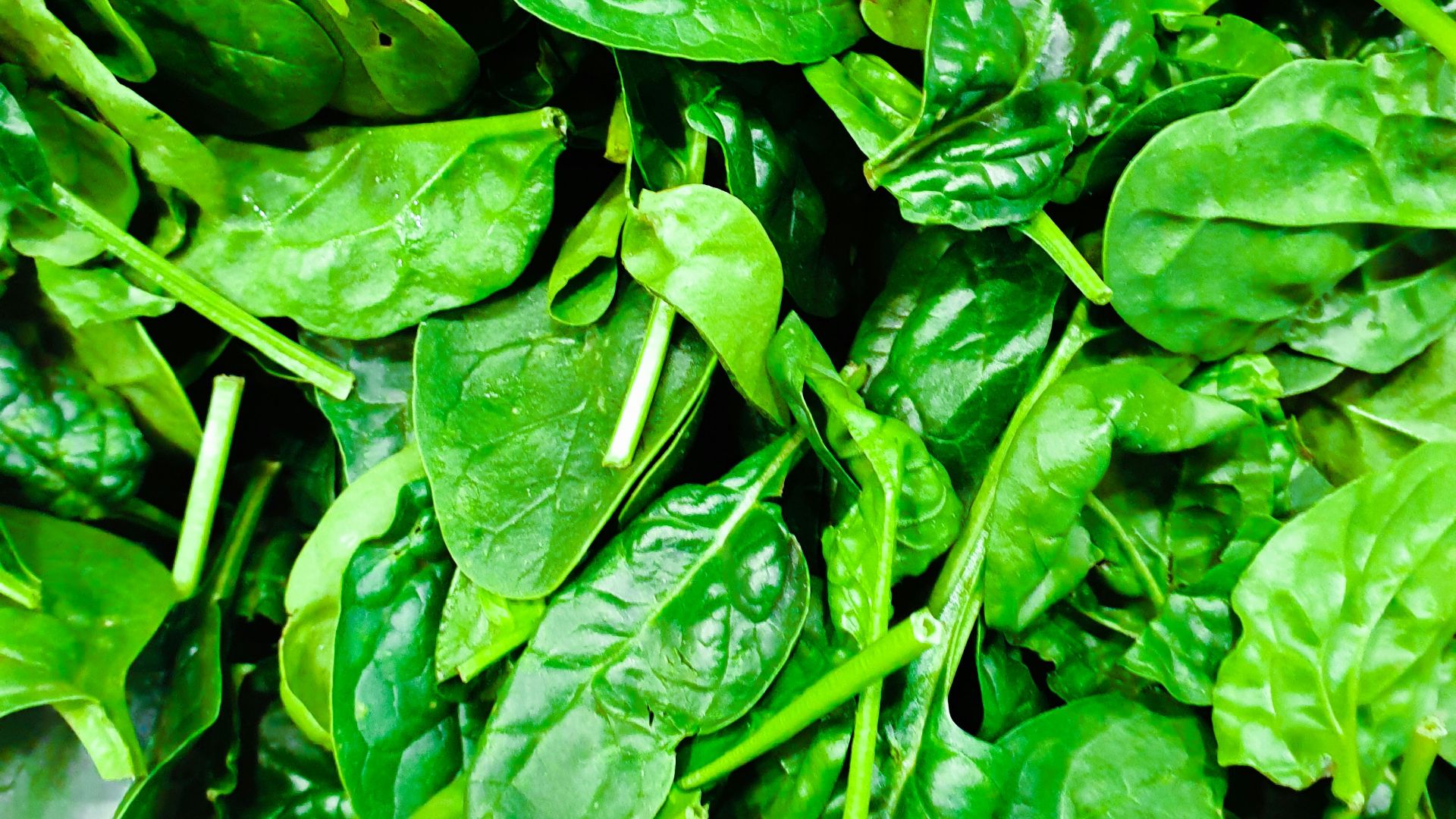
Perhaps the most surprising entry on this list is spinach, given its longstanding reputation as an excellent source of iron. Although the leafy green contains a respectable amount of the mineral, naturally occurring compounds, including certain polyphenols, can make some of that iron difficult to absorb. You can help your body make better use of spinach's iron content by tossing it with fresh lemon juice, chopped bell peppers, or other ingredients rich in vitamin C.
 Shutter Sphere Collective on Unsplash
KEEP ON READING

The Most Popular Signature Dishes Around the World