
The Three Greens That Are Even Healthier Than Spinach
 Maria Verkhoturtseva on Pexels
Spinach has long enjoyed a reputation as one of the healthiest vegetables you can put on your plate, and for good reason. It's packed with essential vitamins, minerals, and antioxidants that support everything from healthy eyesight to strong immunity.
However, as nutritious as spinach is, it doesn't necessarily outperform every other leafy green. Some vegetables boast higher concentrations of certain nutrients, while others contain beneficial plant compounds or minerals that the body can absorb more easily. Although there's no single vegetable that's superior in every nutritional category, the following three greens deserve a little more attention for giving spinach some surprisingly tough competition.
1. Watercress
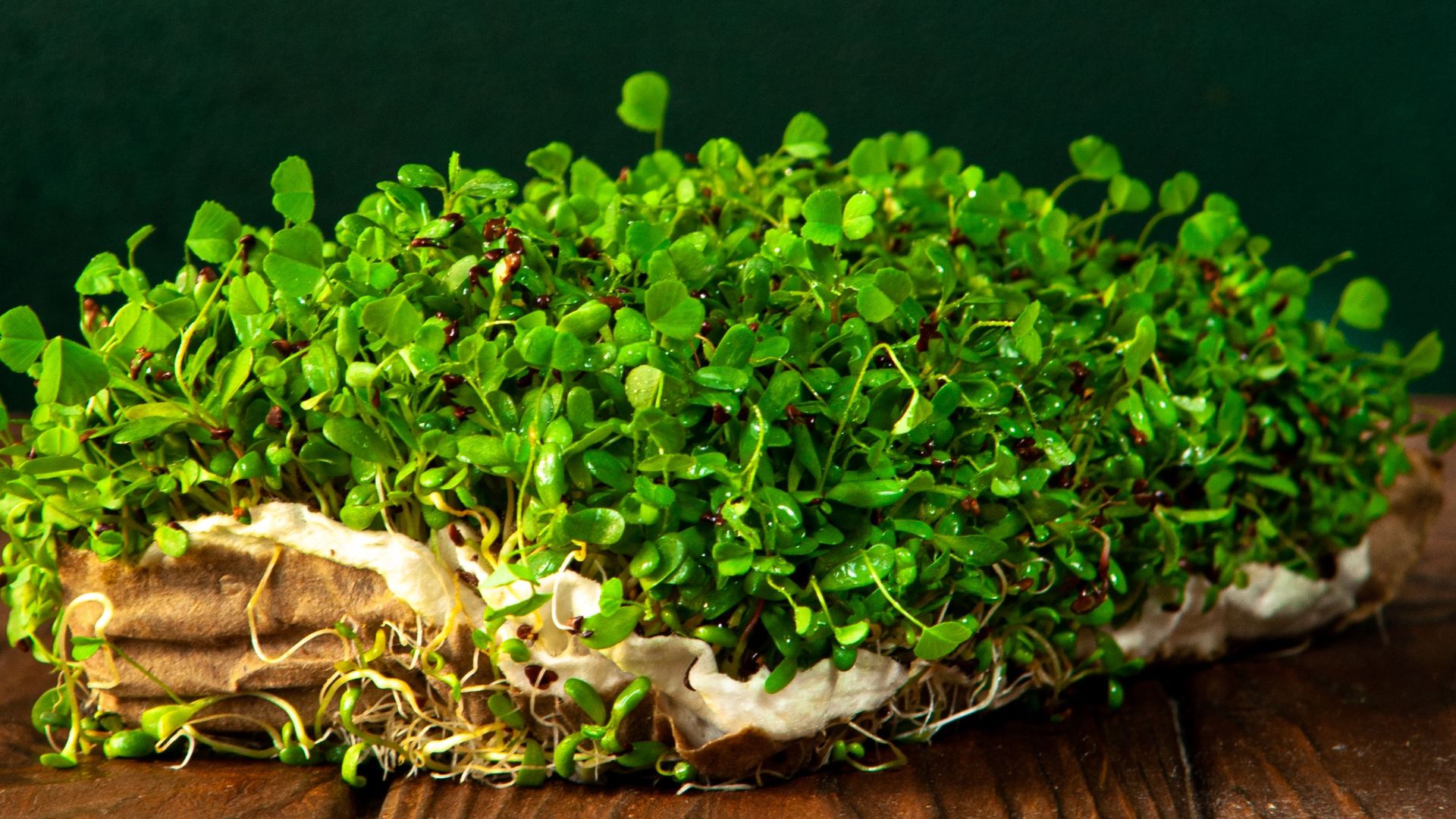
Though it's often overlooked in American kitchens, watercress has an impressive nutritional profile that's earned it recognition among researchers. In 2014, a study published in the CDC's journal Preventing Chronic Disease ranked 41 fruits and vegetables according to their nutrient density, taking 17 important nutrients into consideration. Watercress claimed the top spot with a perfect score of 100 on the study's scale, while spinach came in fifth.
One of the biggest advantages of watercress is its vitamin C content, which is considerably higher than spinach's when comparing equal weights of the two raw vegetables. Vitamin C plays an important role in collagen production, helping maintain healthy skin, blood vessels, and connective tissues throughout the body. It also helps the body absorb iron from plant-based foods, making watercress an especially valuable addition to vegetarian meals.
As a member of the cruciferous vegetable family, watercress contains naturally occurring compounds called glucosinolates. When the leaves are chopped or chewed, these compounds can be converted into substances called isothiocyanates, which researchers have studied for their potential protective effects against certain diseases. While eating watercress alone won't prevent cancer, the presence of these compounds gives you another good reason to eat more cruciferous vegetables.
If you've never bought watercress before, you might be struck by its peppery flavor. The delicate leaves work beautifully in egg salad sandwiches, alongside roasted potatoes, or tossed with a simple lemon dressing. There's no need to give up your beloved spinach salad, either, as combining the two vegetables is an easy way to get a wider variety of nutrients.
2. Chinese Cabbage
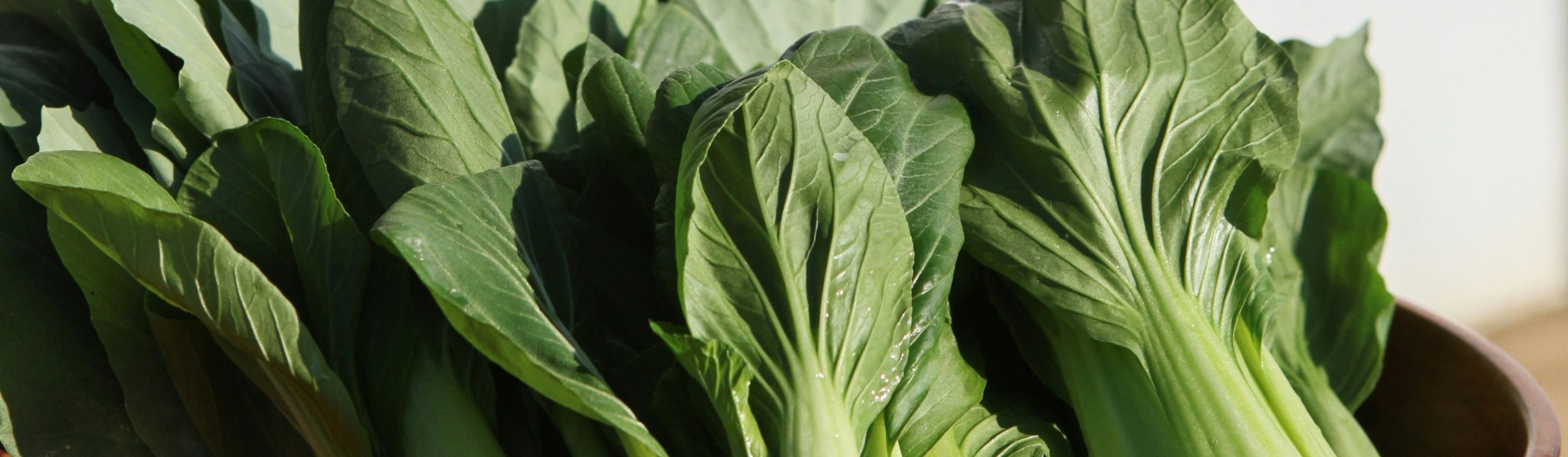
Chinese cabbage, which includes familiar varieties such as bok choy and napa cabbage, also performed exceptionally well in the 2014 nutrient density study. It received a score of 91.99, placing it second among all the fruits and vegetables evaluated. Its pale stalks might not look quite as nutritious as spinach's dark green leaves, but color alone doesn't tell you everything about a vegetable's nutritional value.
Bok choy is particularly noteworthy for its easily absorbed calcium, an important mineral for maintaining strong bones and supporting normal muscle function. While spinach contains considerable amounts of calcium, it's also naturally high in oxalates, which bind to calcium and make it difficult for the body to absorb. Since bok choy contains substantially fewer oxalates, your body can make better use of the calcium it provides.
Chinese cabbage also has plenty to offer when it comes to supporting cardiovascular health. It provides potassium, which helps regulate blood pressure, alongside vitamin C and various antioxidant compounds that help protect cells against oxidative damage. Thanks to its high water content and low calorie count, you can enjoy generous portions without adding many calories to your meal.
Another appealing quality of Chinese cabbage is how well its texture holds up during cooking, particularly compared to spinach, which wilts almost immediately when exposed to heat. The crunchy stalks of bok choy are especially delicious when quickly sautéed with garlic, ginger, and a little sesame oil. Napa cabbage, meanwhile, is equally versatile and makes an excellent addition to soups, dumplings, and homemade slaws.
3. Swiss Chard
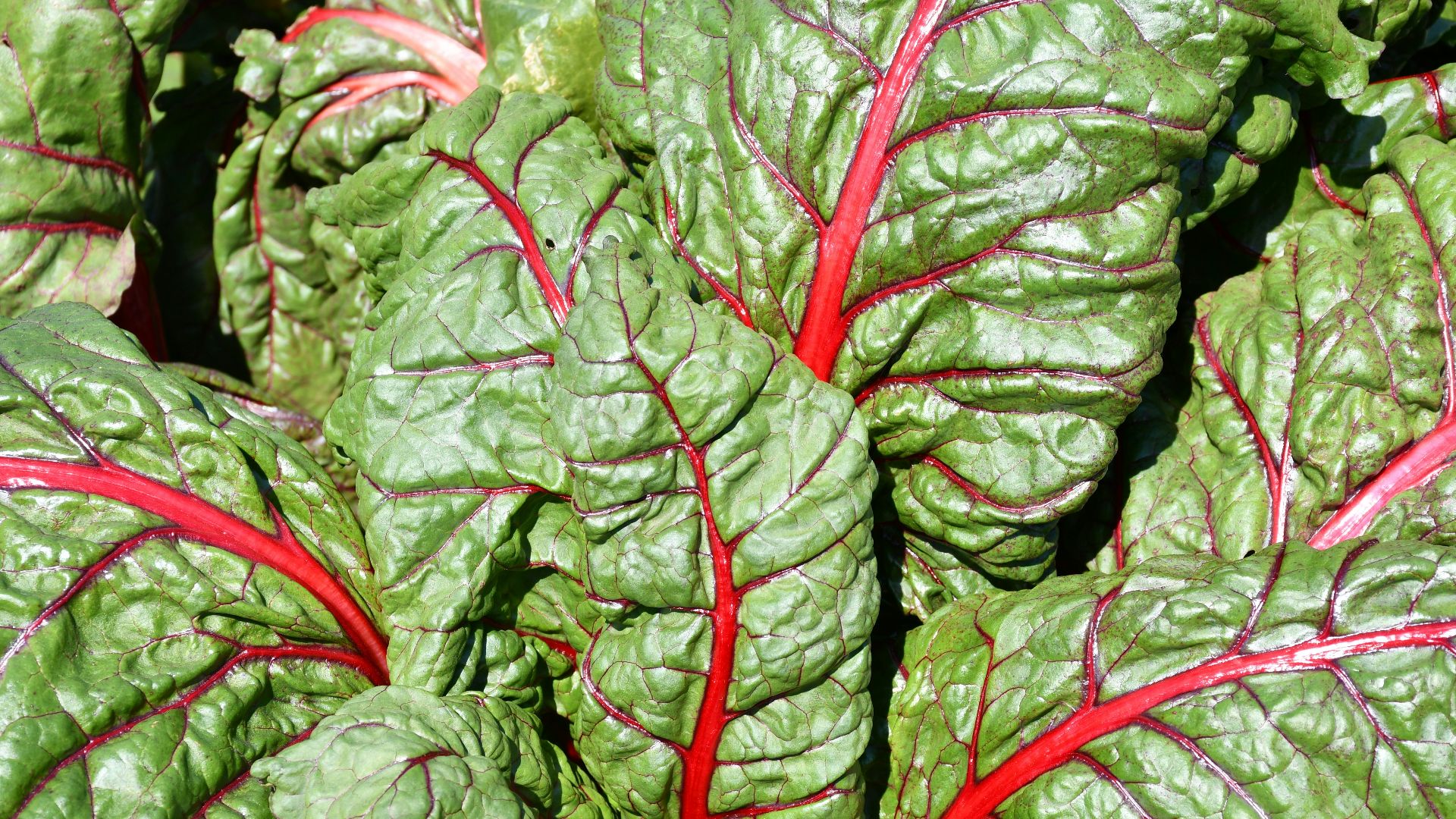
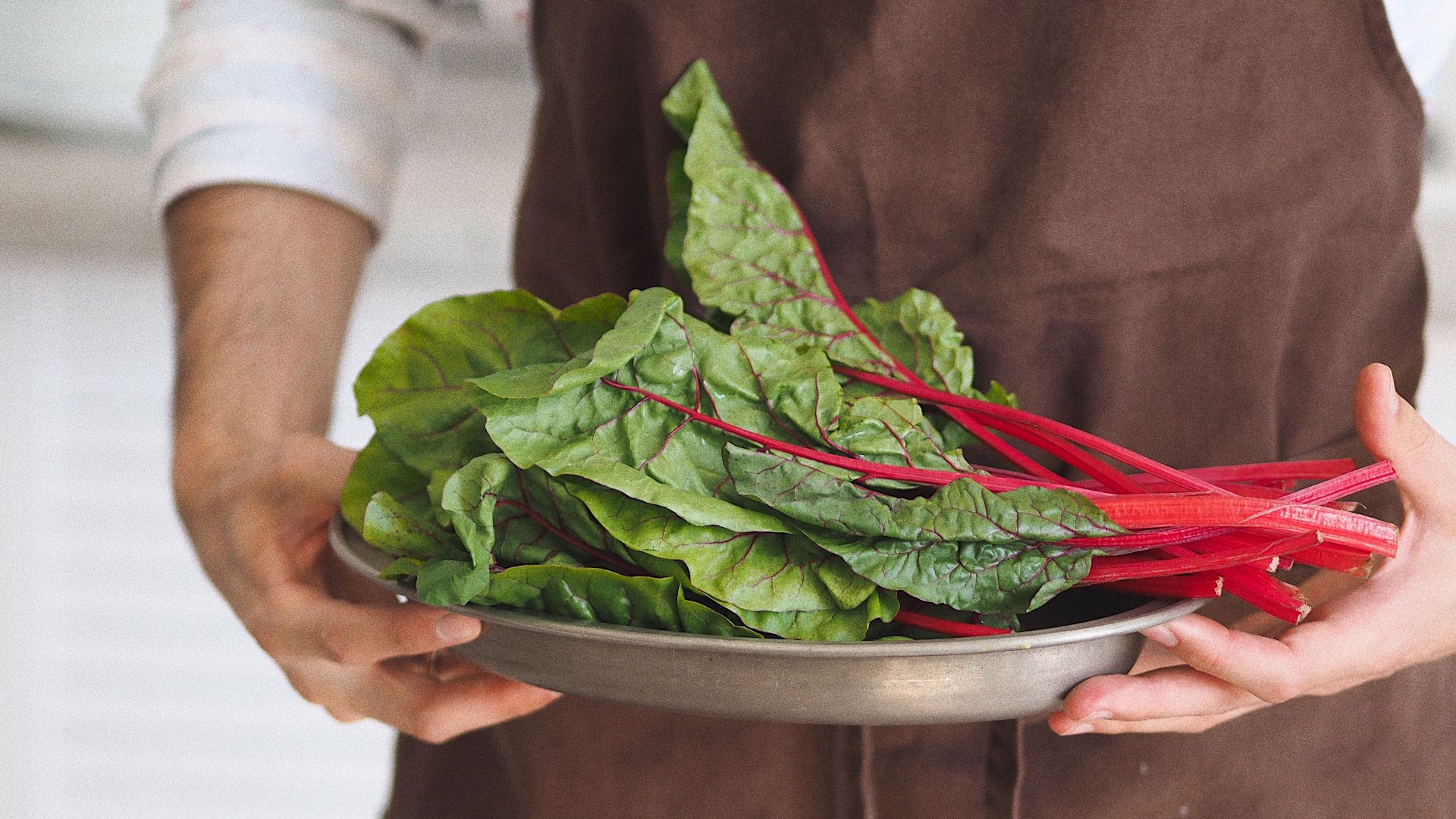
With its enormous green leaves and colorful stalks, Swiss chard is arguably one of the most attractive vegetables in the produce aisle. It earned a nutrient density score of 89.27 in the 2014 study, narrowly outperforming spinach and securing third place overall. Although the two vegetables belong to the same botanical family, Swiss chard has several nutritional advantages that make it worth adding to your grocery list.
Perhaps its most impressive quality is its exceptionally high vitamin K content, which exceeds that of spinach when comparing equal weights of the raw vegetables. This nutrient is essential for normal blood clotting and helps maintain healthy bones by supporting proteins involved in bone mineralization. Swiss chard is also a source of magnesium, a mineral that contributes to normal nerve function, muscle contraction, and energy production.
The brightly colored stalks of certain Swiss chard varieties get their distinctive appearance from pigments called betalains, which possess antioxidant properties. These naturally occurring compounds are also responsible for the rich red and purple coloring of beets, a close relative of Swiss chard. While researchers are still exploring their specific health benefits, their presence is another good reason to incorporate vegetables of different colors into your diet.
Cooking Swiss chard is fairly straightforward, although its thick stalks generally need a little more time in the pan than its leaves. Instead of throwing the stems away, chop them into small pieces and sauté them for a few minutes before adding the leaves. Of course, spinach remains an outstanding source of nutrients in its own right, and regularly rotating between these four vegetables may ultimately serve your health better than sticking exclusively to whichever one ranks highest.
KEEP ON READING