10 Signs You Aren't Eating Enough Protein & 10 Signs You're Eating Way Too Much
10 Signs You Aren't Eating Enough Protein & 10 Signs You're Eating Way Too Much
A Practical Way to Spot a Possible Gap
Protein supports everyday functions like maintaining muscle, helping you feel satisfied after meals, and repairing tissue. When your intake is consistently low, your body can send subtle signals that are easy to blame on common stressors—but it’s just as dangerous when your intake is too high. Protein is essential, but more isn’t automatically better, so let’s explore a few signs your levels are a bit off.
1. Your Meals Don’t Keep You Satisfied
Feeling hungry soon after eating can happen when meals are light on protein. Protein tends to slow digestion and helps you feel full longer compared with a carb-heavy snack.

2. Strength Slips Even Though You’re Staying Active
A noticeable drop in strength can be a clue that your body isn’t getting enough amino acids to maintain muscle. When dietary protein is too low for your needs, the body may break down muscle tissue to support more essential functions.

3. Recovery Feels Unusually Slow
Soreness that lingers longer than expected can reflect that your muscles are struggling to rebuild. Exercise creates small amounts of muscle damage, and repair relies on adequate protein intake, so without it, your process will slow down significantly.

4. Small Cuts Seem to Heal More Slowly
If a small scrape hangs around longer than expected, nutrition can be part of the story. Wound healing is a resource-intensive process, and protein is a key input for rebuilding tissue. Protein deficiency has been associated with delayed healing in both acute and chronic wounds.
 Brian Patrick Tagalog on Unsplash
5. Hair Looks Thinner
Your body prioritizes survival needs first, so hair and other “non-essential” tissues can show changes when nutrition falls short. Severe undernutrition, including inadequate protein, is linked to hair changes and hair loss—so keep an eye on what’s left in your brush.

6. Nails Break More Easily
Brittle nails can have many causes, but inadequate protein intake is one factor worth considering. As mentioned, your body prioritizes essentials first, and strong nails aren’t at the top of its emergency list. Structural proteins are part of what gives nails their strength, and low intake can contribute to fragility.

7. You Feel Puffy in Your Feet, Ankles, or Hands
Swelling has many possible explanations, some of which require prompt medical attention. However, an extreme, long-term lack of protein can contribute to edema in severe cases, so if you notice anything, it’s always worth calling your physician.

8. You Catch Colds More Often
No one can “out-protein” every germ, but your immune system still needs raw materials to function well. Immune defenses rely on adequate nutrition; protein-energy malnutrition is associated with impaired immune function and greater susceptibility to infections.

9. Fatigue
That classic 3 p.m. slump can be normal, but it can also be a sign your meals aren’t balanced. Protein helps steady how you feel after eating because it slows digestion and supports more stable energy. Without enough of it, you may feel like you’re running on fumes between meals.

10. Your Mood and Focus Feel Less Steady
If you’re snapping at minor inconveniences or feeling mentally foggy, food balance can play a role. Protein supports neurotransmitters and helps you feel steadier, especially when paired with fiber and healthy fats. When meals are mostly quick carbs, your mood can end up on a roller coaster you didn’t sign up for.

There isn’t a single official cutoff that defines “too much” protein for everyone, so the most useful approach is to watch for patterns in how you feel and what your overall diet looks like. With that, let’s look into some common signs.
1. You’re Constantly Thirsty
When your protein intake is high, your body has to process more nitrogen-containing waste from protein metabolism. Processing lots of protein creates more waste for your body to clear, which can make hydration feel more urgent. When you’re drinking nonstop and still feel dry, it’s worth checking whether your protein is doing the most.

2. Uncomfortable Bathroom Trips
A protein-heavy diet can become low in fiber if it displaces fruits, vegetables, beans, and whole grains. Without enough fiber, your digestion can slow down, and bathroom trips become frustrating—you’re looking at constipation, harder stools, and general digestive problems.

3. Your Breath Gets Worse
High-protein plans are also low in carbohydrates; you may drift into ketosis, which can change breath odor. If you notice a different smell, it’s often less of a dental issue and more of a diet signal.

4. You Feel Bloated After Protein-Heavy Meals
Large protein portions, especially from shakes, bars, or highly concentrated sources, can be harder for some people to tolerate. That discomfort isn’t proof that protein is “bad,” but it can indicate that the amount isn’t working for your digestion.

5. Your Weight is Creeping Up
Protein still contains calories, and calorie-dense protein choices can quietly push you into a surplus. It’s actually pretty easy to overshoot your needs when meals are built around large servings of meat, cheese, or protein snacks. If the scale trend doesn’t match your goals, the simplest explanation may be total intake rather than willpower.
6. Your Plate’s a One-Trick Pony
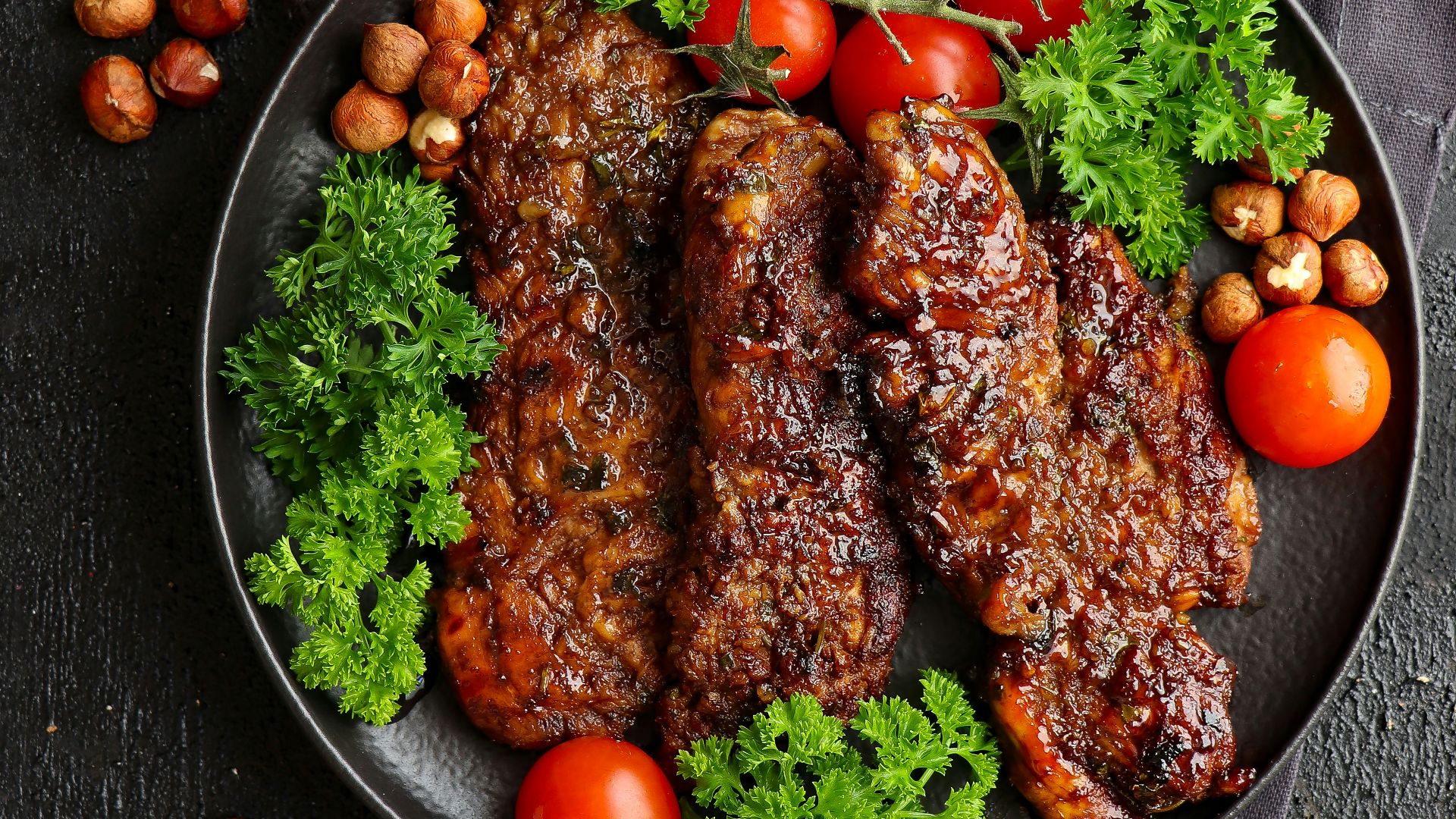
When nearly every meal is centered on protein, other essentials often get squeezed out, especially fiber and certain micronutrients found in plant foods. Over time, that imbalance can affect digestion, cholesterol levels, and overall diet quality. A “high protein” routine that lacks variety is usually a sign the pendulum has swung too far.
7. You Rely on Protein Powders and Bars
Supplements can be convenient, but they’re easy to overuse because they aren’t as filling. If you stack shakes, bars, and high-protein snacks on top of protein-rich meals, your total intake can climb faster than you realize. A good rule of thumb is that supplements should support your diet, not replace balance within it.
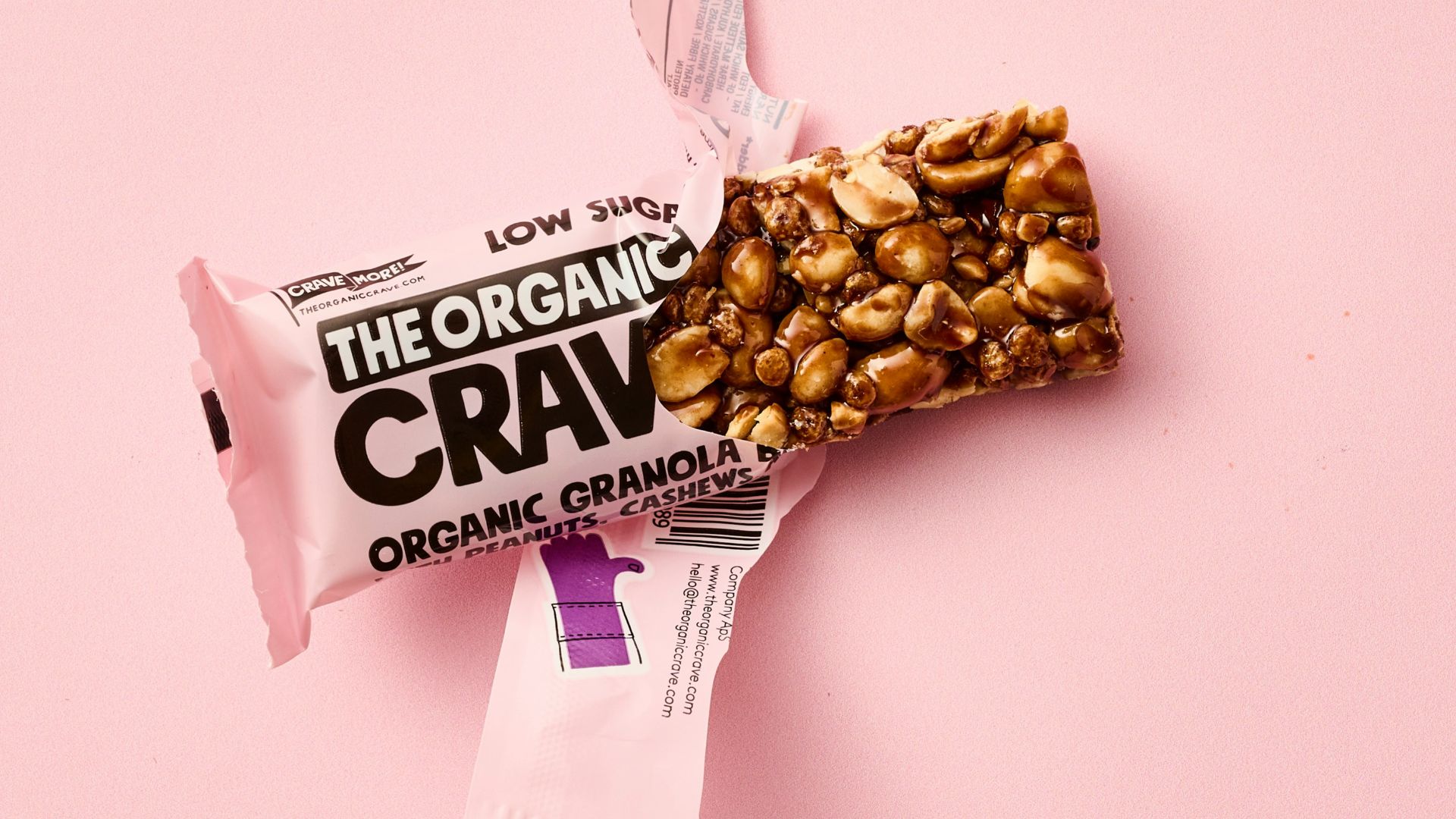 THE ORGANIC CRAVE Ⓡ on Unsplash
8. You Have Kidney Concerns
High-protein diets can worsen kidney function in people with kidney disease because the body may struggle to clear the byproducts of protein metabolism. Even in people without known kidney disease, high protein intake can increase kidney workload, though the long-term significance is still debated in the research.
 National Cancer Institute on Unsplash
9. You’re Dealing With Kidney Stones
Higher intakes of animal protein are associated with changes that can raise kidney stone risk in susceptible individuals. Thankfully, this doesn’t mean everyone will develop stones, but it’s still a meaningful signal if stones are already part of your medical history.
10. Joint Flare-Ups
Some high-protein patterns are also high in purine-rich foods, particularly certain meats and seafood. What you’re left with is increased uric acid in anyone prone to gout. Studies have found associations between higher intake of purine-rich animal foods and gout risk, so if you spot a connection between your protein choices and joint symptoms, the issue may be the protein source rather than protein itself.

KEEP ON READING