We keep talking about America's obesity crisis like willpower is the issue and people just need to choose the salad over the burger. That misses the point entirely. The problem isn't that we're all sitting around craving junk food every minute. The problem is that preparing actual food from ingredients we can pronounce now competes with a convenience infrastructure so powerful and cheap that cooking dinner feels like an actual luxury.
We've Engineered Friction Out of Everything Except Cooking
You can get a package delivered to your door in two hours. Stream 10,000 movies instantly. Deposit checks by taking a photo. Every aspect of modern life has been optimized for minimal effort. Then there's dinner, which still requires planning meals, buying ingredients, chopping vegetables, managing cook times, and washing dishes afterward.
The friction gap is enormous. A frozen pizza takes three minutes of effort. A home-cooked meal takes forty-five minutes minimum, plus the mental load of figuring out what to make. When you've spent all day jumping between Slack messages and Zoom calls, that cognitive burden feels impossible.
The Time Cost Became Unreasonable for Dual-Income Families
In 1975, roughly 47% of mothers with children under 18 worked outside the home, according to Bureau of Labor Statistics data. Now it's about 70%. Household structures changed completely, yet the expectation that someone has time to cook dinner from scratch never adjusted.
Nobody's home at 3pm to start marinating chicken or chopping onions. Both parents get home at 6:30, the kids are starving and melting down, and the drive-through offers a fully prepared meal in four minutes. The home-cooked dinner would take an hour, assuming you already shopped for ingredients, which you probably didn't.
Fast Food Got Cheaper While Produce Got More Expensive
A McDonald's cheeseburger costs roughly $2.50. A pound of organic strawberries costs $6. Ground beef is affordable, but the grass-fed kind is triple the price. Fresh vegetables spoil if you don't use them within a matter of days, which means either constant grocery runs or throwing money in the garbage when the spinach turns to slime.
The economic math favors convenience food. Especially when you factor in that fast food never goes bad, requires no preparation, and comes in portion sizes large enough that one meal can feed multiple people. Fast food is specifically engineered for maximum caloric delivery at minimum cost.
Restaurant Delivery Apps Removed the Last Barrier

DoorDash, Uber Eats, and Grubhub eliminated the need to even leave your house. Before these apps, getting takeout meant putting on pants, getting in the car, and making the drive. That tiny bit of friction probably prevented some percentage of takeout meals. Now you press three buttons on your phone.
The average American household spends $1,566 annually on food delivery, according to market research data. That's not even counting the restaurants where we actually sit down. We've created a system where home cooking is the hard way.
Cooking Became a Hobby Instead of a Default
Open Instagram and cooking is presented as an aesthetic lifestyle choice. Influencers frolic through beautiful kitchens, using artisanal ingredients and fresh produce from backyard gardens. They’ve transformed cooking from something ordinary people did out of necessity into something leisure-class people do for fun and content.
The message is clear: cooking is for people with time and money to waste on hobbies. For everyone else grinding through 50-hour work weeks, it's completely reasonable to outsource dinner to whoever can get it done fastest.
KEEP ON READING
You’re Storing Tomatoes Wrong in This Heat
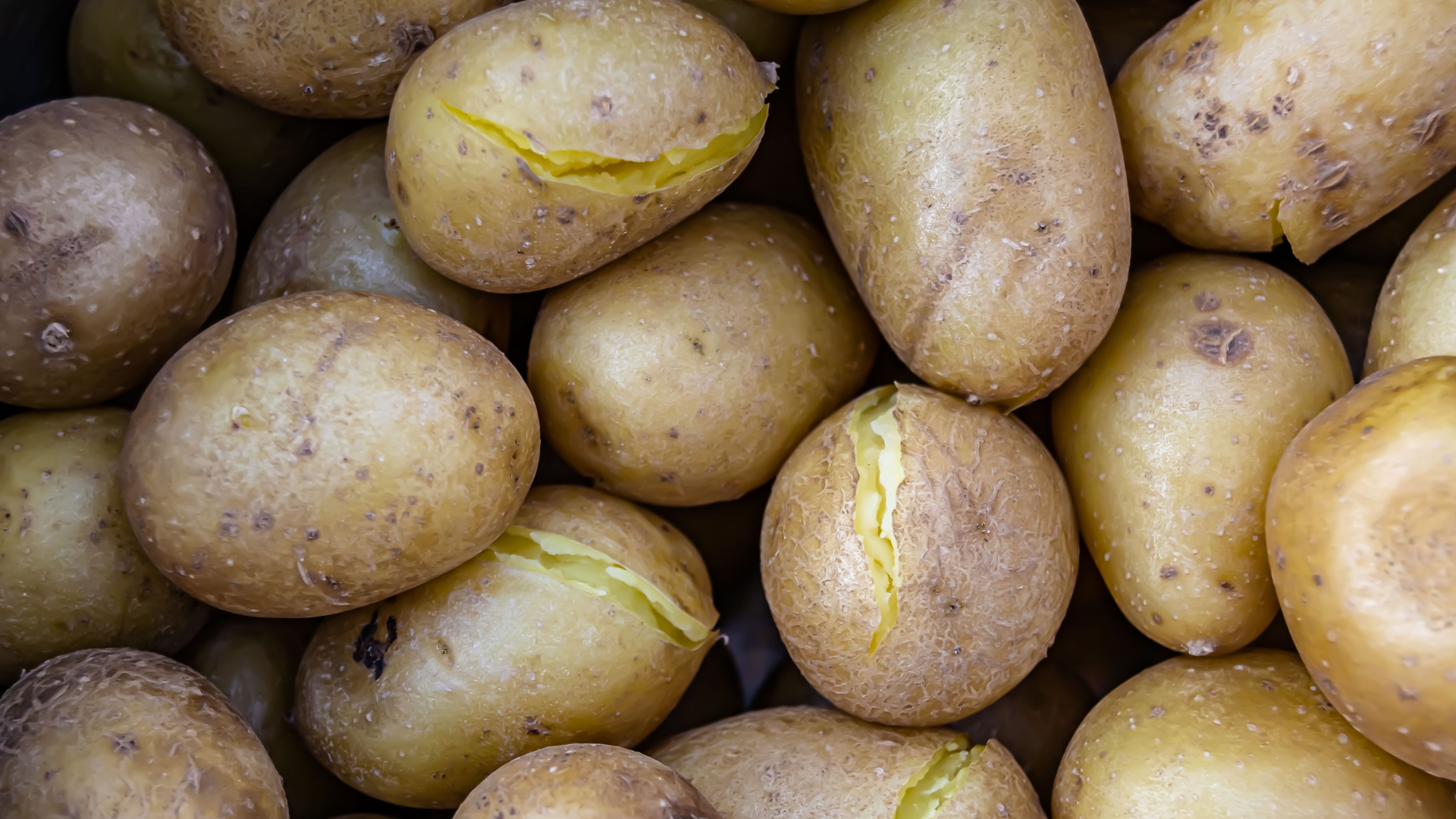
You’re Storing Potatoes Wrong in This Heat
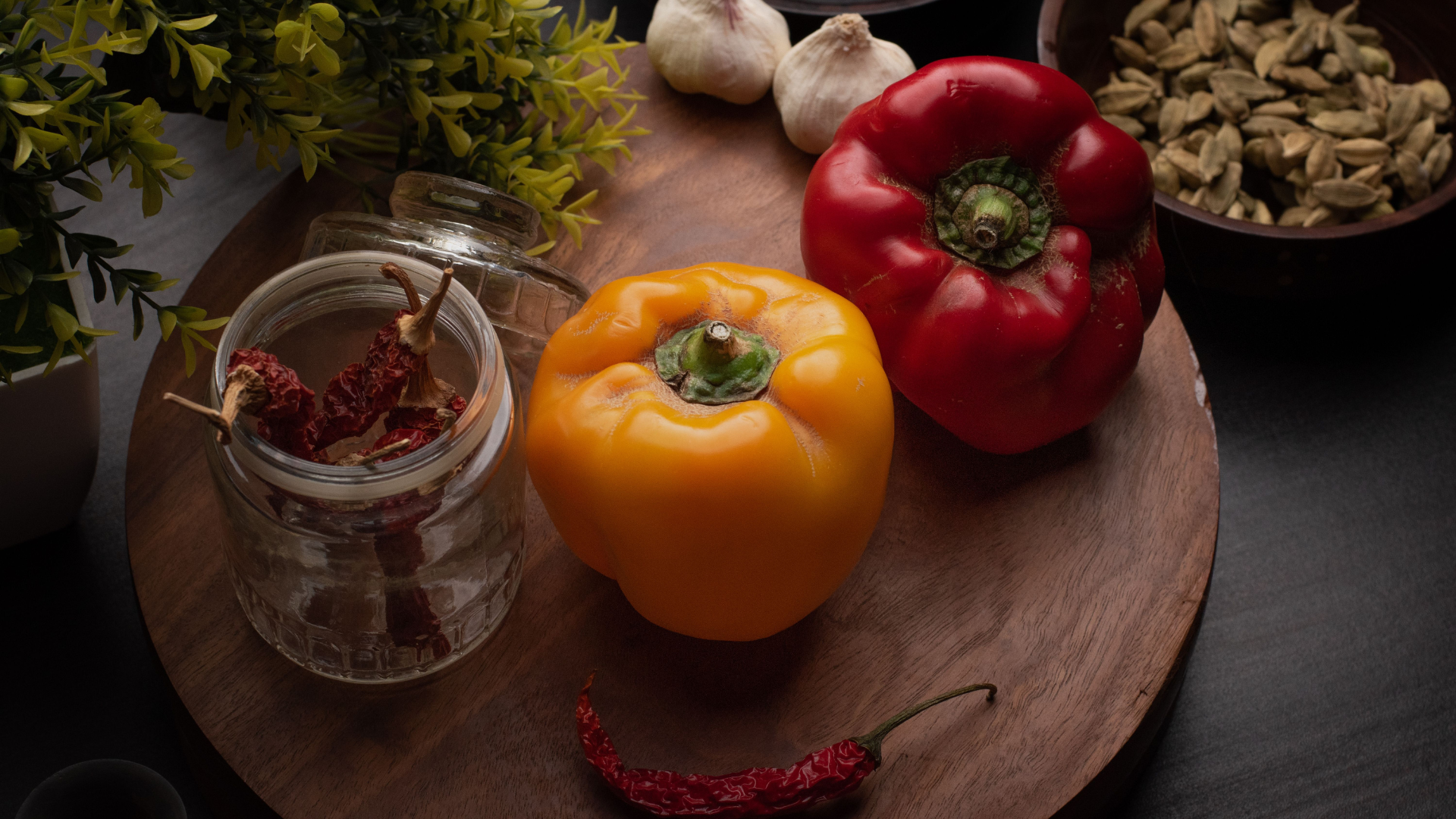
You’re Storing Peppers Wrong in This Heat
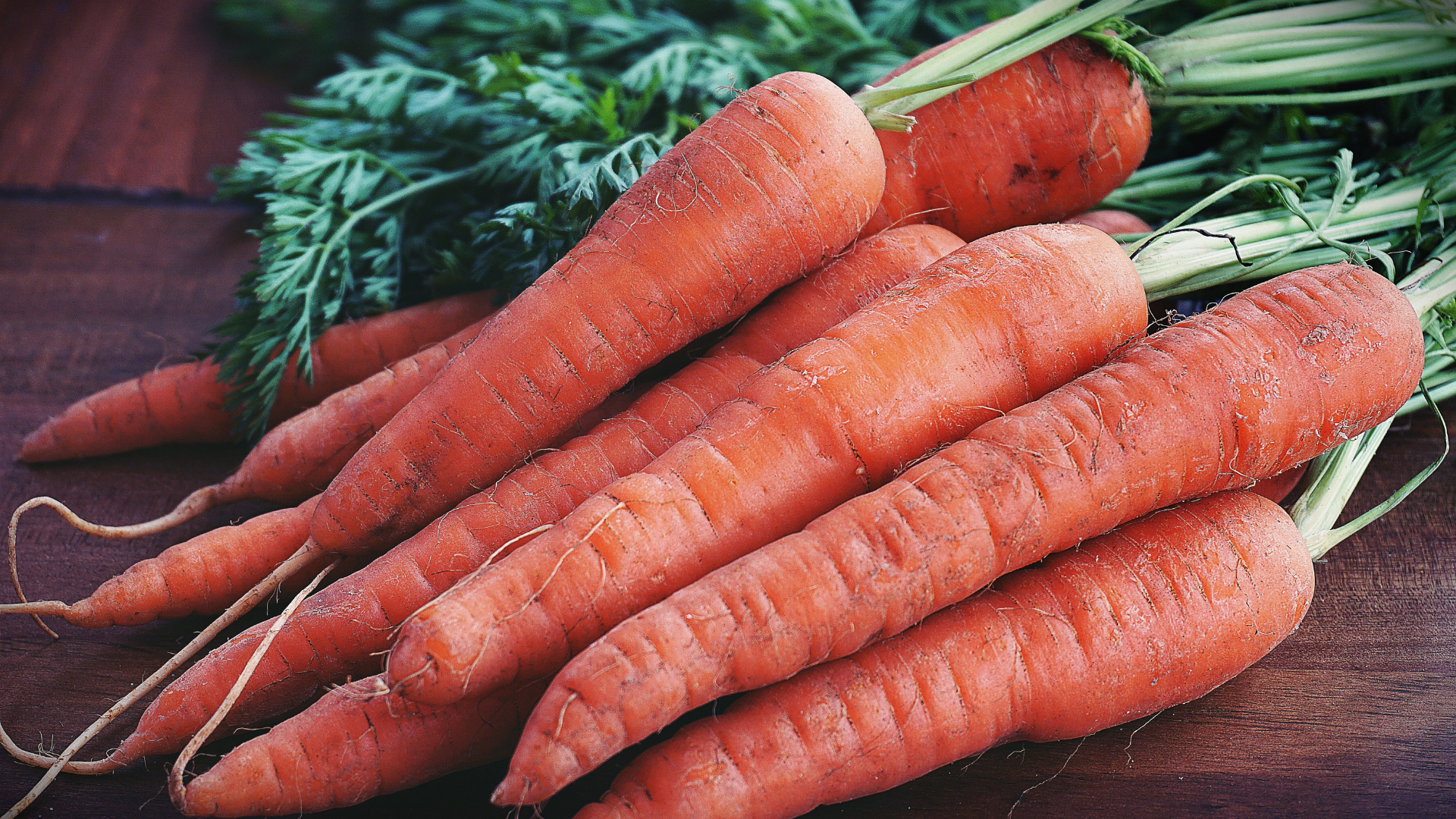
You’re Storing Carrots Wrong in This Heat