20 Extremely Specific Food Phobias That Sound Fake But Aren’t
Real Conditions With Narrow Triggers
Food-related phobias often sound exaggerated because the trigger can be extremely specific. A single texture, smell, or eating situation can provoke anxiety that feels immediate and hard to control. Clinical definitions of specific phobias focus on intensity, persistence, and avoidance that interferes with daily life, not on how unusual the fear appears to others. These fears can affect what people eat, where they eat, and who they eat with. Here are twenty documented food-related phobias that are real, named, and recognized in psychological and medical contexts.

1. Arachibutyrophobia: Fear Of Peanut Butter Sticking To The Roof Of Your Mouth
This phobia centers on the sensation of peanut butter adhering to the palate and feeling difficult to clear. The discomfort can trigger anxiety related to gagging or choking. People with this fear often avoid peanut butter and other foods with similar thickness.
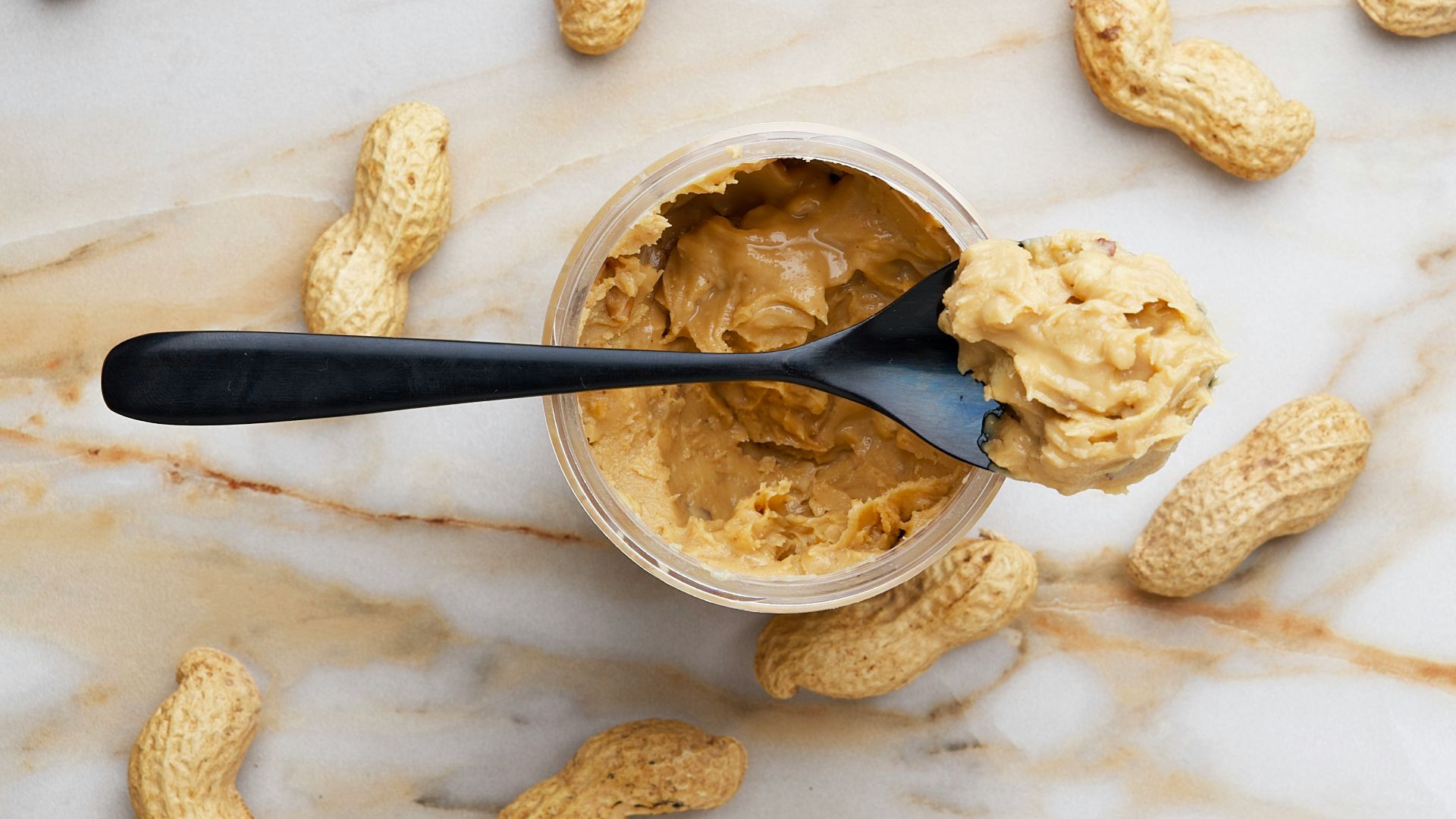 Corleto Peanut butter on Unsplash
2. Cibophobia: Fear Of Food Itself
Cibophobia involves fear associated with food as a general category. The concern is often focused on contamination, spoilage, or illness after eating. People may restrict themselves to a very small range of foods they consider safe.

3. Sitophobia: Fear Of Eating
This fear is about the act of eating rather than any particular food. Eating can cause anxiety symptoms such as nausea or a sense of loss of control. As a result, meals may be delayed or skipped entirely.
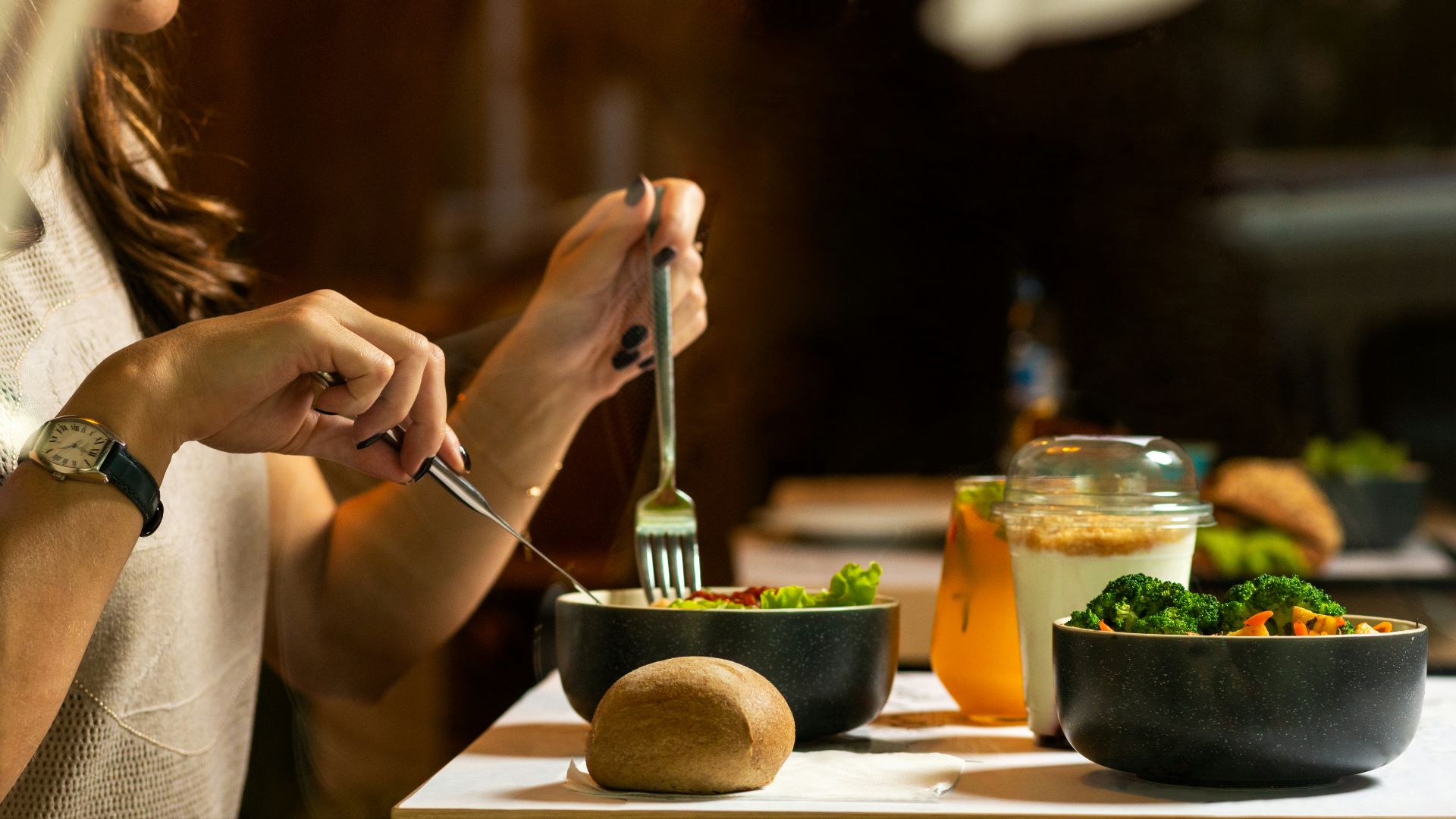 Farhad Ibrahimzade on Unsplash
4. Phagophobia: Fear Of Swallowing
Phagophobia is centered on swallowing and the belief that swallowing could fail. People may chew excessively or avoid solid foods. Soft or liquid diets are common coping strategies.

5. Pseudodysphagia: Fear Of Choking
This fear often develops after a choking incident or a vivid account of one. Certain textures may be avoided entirely. Eating may only feel possible in specific environments perceived as safer.

6. Emetophobia: Fear Of Vomiting Triggered By Food
Emetophobia involves intense fear of vomiting and of situations associated with it. Food becomes a major trigger because of its perceived link to nausea. People may avoid restaurants, travel, or foods prepared by others.

7. Mageirocophobia: Fear Of Cooking
This phobia focuses on anxiety related to preparing food. Concerns may include undercooking, causing illness, or making dangerous mistakes. People may rely heavily on packaged foods or avoid cooking for others.

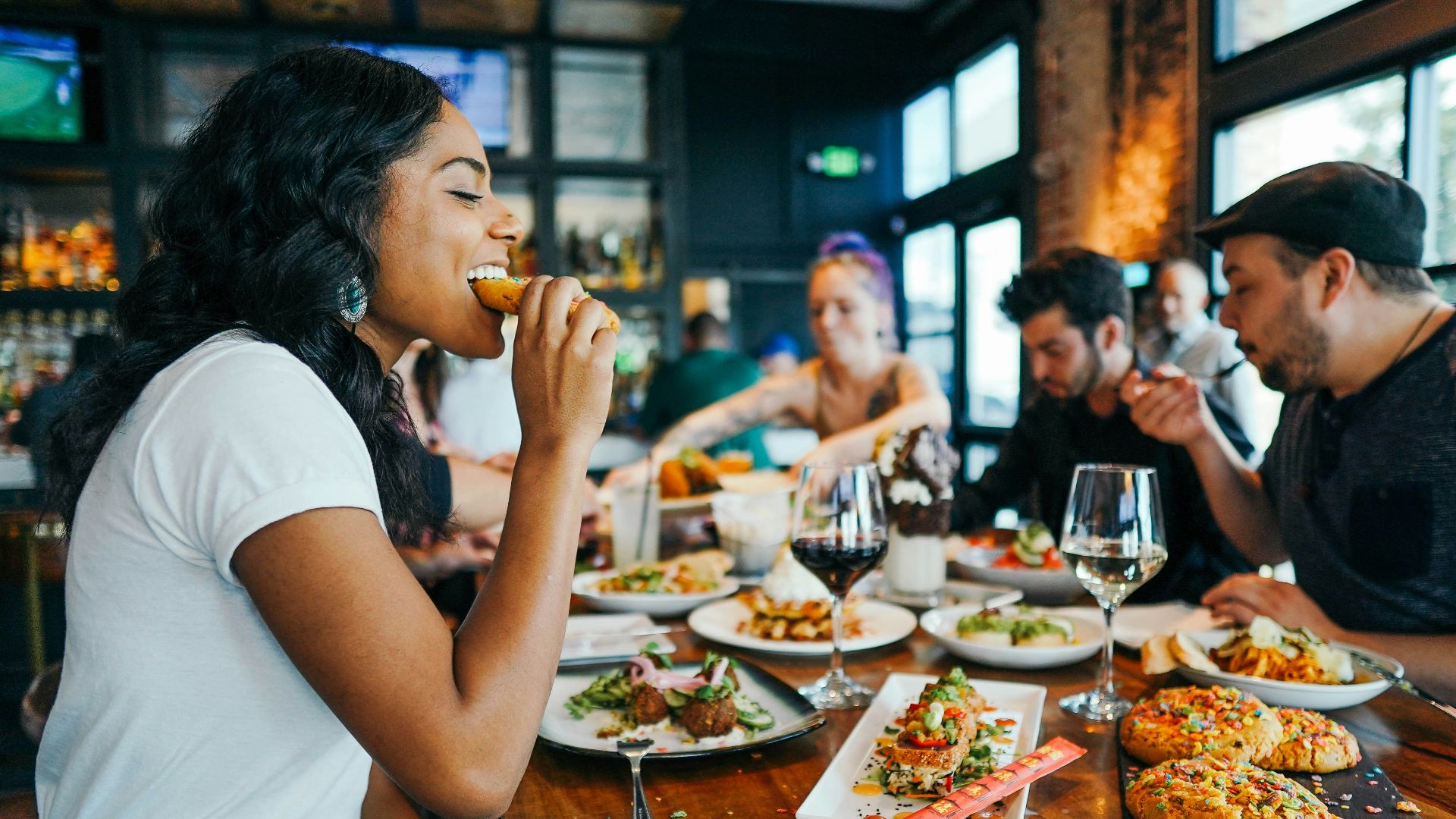
8. Deipnophobia: Fear Of Dining With Others
Deipnophobia involves fear of eating in social settings. Anxiety may be related to being observed while eating or to possible embarrassment. This can interfere with work events, celebrations, and relationships.
9. Food Neophobia: Fear Of Trying New Foods
Food neophobia refers to strong fear or refusal of unfamiliar foods. It is commonly studied in children but can persist into adulthood. New dishes can cause anxiety even when similar foods are already tolerated.
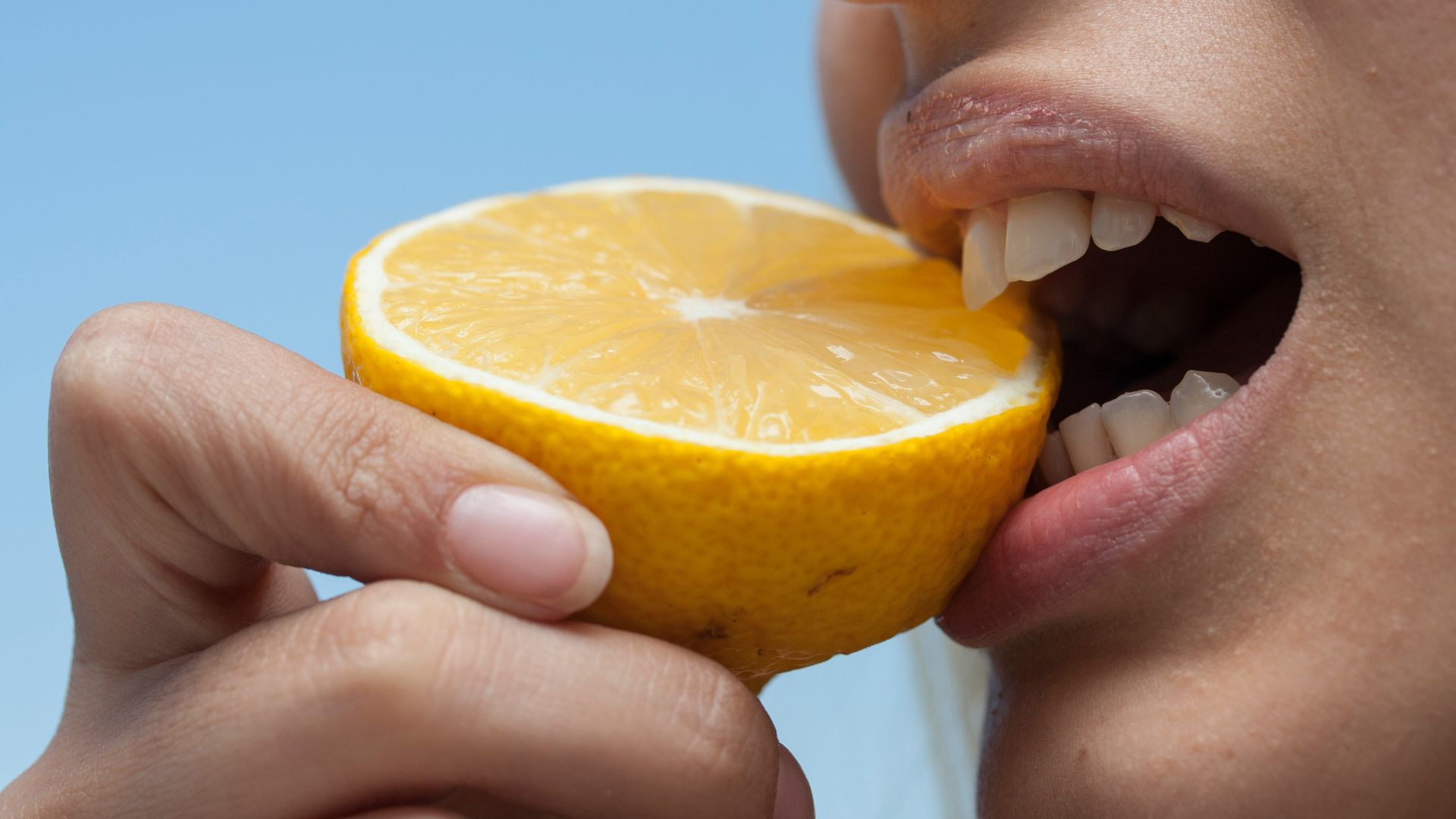
10. Acerophobia: Fear Of Sour Foods
This fear is triggered by sour tastes and the anticipation of them. The physical sensations associated with sourness can provoke distress. People may avoid citrus fruits and fermented foods.
11. Lachanophobia: Fear Of Vegetables
Lachanophobia involves fear or aversion toward vegetables. Texture, smell, or appearance often plays a role. This fear can significantly limit dietary variety.

12. Mycophobia: Fear Of Mushrooms
This phobia centers on mushrooms and concerns about toxicity or contamination. Even edible mushrooms can trigger anxiety. People may avoid dishes where mushrooms might be hidden.

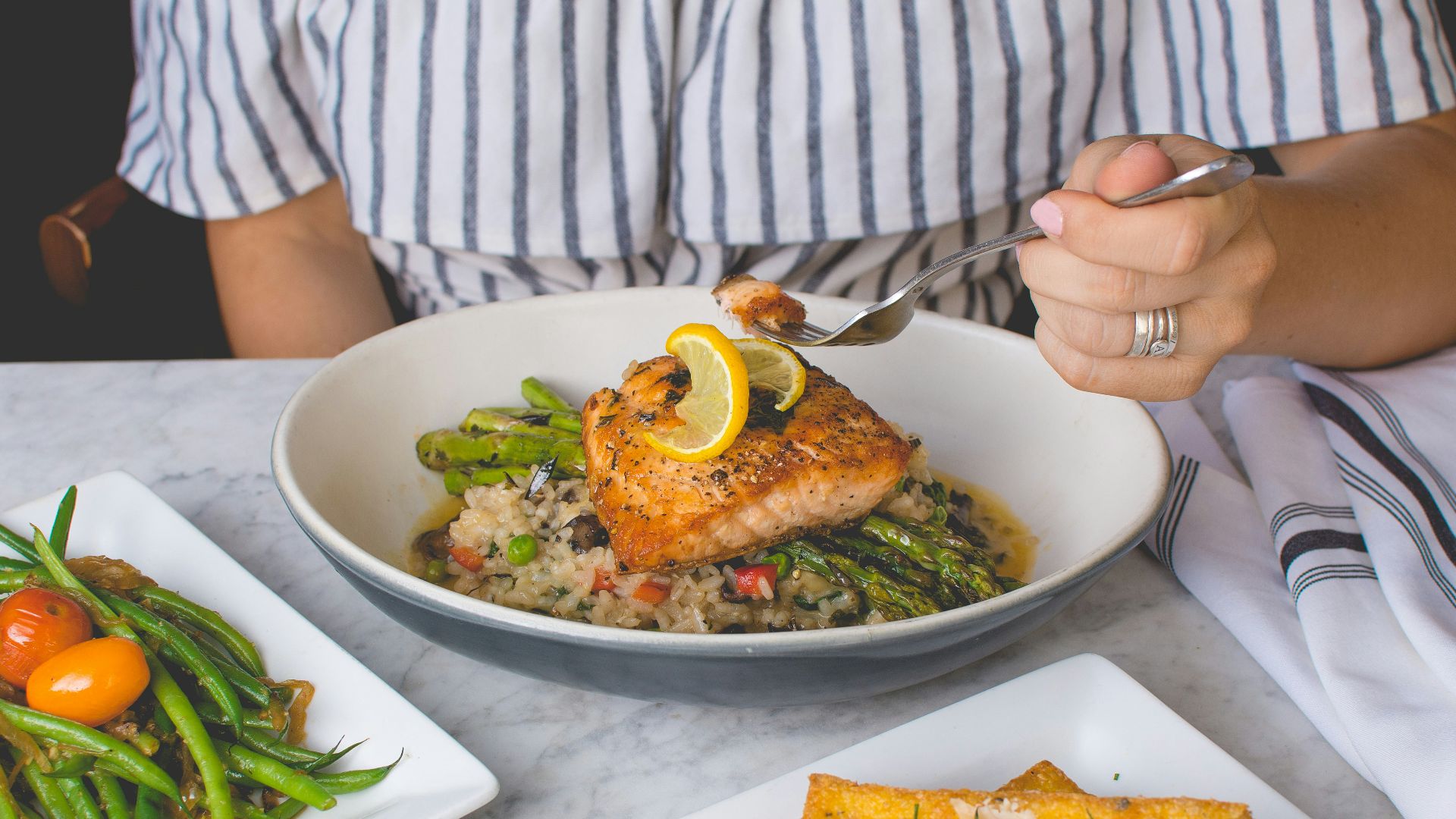
13. Ichthyophobia: Fear Of Fish
Ichthyophobia can involve fear of fish as food rather than as animals. Concerns may include bones, smell, or texture. Seafood restaurants are often avoided entirely.
14. Carnophobia: Fear Of Meat
Carnophobia involves anxiety related to eating meat. The fear may be linked to concerns about contamination or physical reactions to raw meat. This differs from dietary choices based on ethics or health.
 Sebastian Coman Photography on Unsplash
15. Alliumphobia: Fear Of Garlic And Related Foods
This fear centers on garlic and similar ingredients. The strong smell is often a primary trigger. Avoidance can be difficult because these foods are common in prepared meals.

16. Xocolatophobia: Fear Of Chocolate
Xocolatophobia involves fear or strong aversion to chocolate. Texture, bitterness, or past negative reactions may be involved. Social situations can be challenging when chocolate is widely present.

17. Galactophobia: Fear Of Milk
This phobia involves fear related to milk and dairy products. Concerns often involve spoilage or digestive reactions. Smell and appearance can trigger anxiety even without consumption.
 Andrey Zvyagintsev on Unsplash
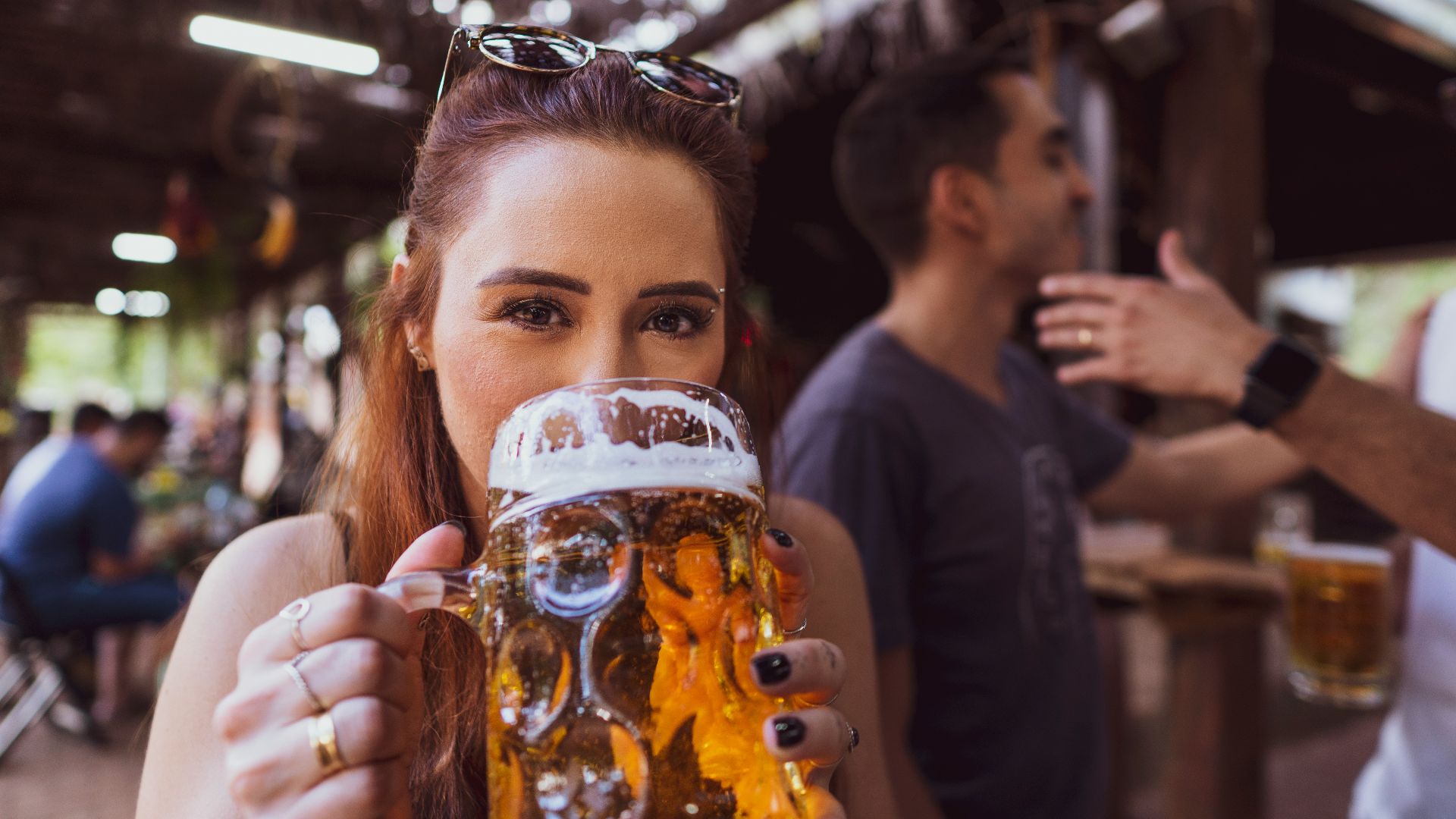
18. Oenophobia: Fear Of Wine
Oenophobia refers specifically to fear of wine. The anxiety may be linked to alcohol effects or social expectations around drinking. Wine-centered events can be avoided as a result.

19. Methyphobia: Fear Of Alcohol
Methyphobia is a broader fear of alcohol in all forms. The fear may involve loss of control or past negative experiences. This can affect both eating and social participation.
20. Eating Sound–Related Food Phobia
Some people experience intense fear or distress related to eating sounds. Crunching or slurping can make eating difficult in shared spaces. This often leads to avoiding certain foods or eating only in private.
KEEP ON READING

Happy Hour: The 20 Best Foods For Social Snacking