20 Reasons Diet Matters More Than Exercise For Weight Loss
Why What You Eat Usually Does the Heavy Lifting
When people think about weight loss, exercise often gets all the credit. However, it's your diet that makes most of the impact. Working out is great for your health, mood, and strength, but food choices tend to have a bigger impact on the scale. If weight loss is your goal, paying attention to what you eat (and how much) can save you time, frustration, and a lot of sweaty effort. Here are 20 reasons diet is more effective than exercise for weight loss.

1. Calories Add Up Faster Than You Burn Them
It’s surprisingly easy to eat hundreds of calories in just a few minutes. Burning those same calories through exercise takes much longer and requires serious effort. That imbalance is why diet plays such a major role.

2. You Can’t Outrun Your Fork
No amount of workouts can fully cancel out constant overeating. Even intense exercise sessions don’t offset poor eating habits day after day. What you put on your plate sets the foundation.

3. Appetite Often Increases With Exercise
Working out can make you feel hungrier than usual. If you’re not mindful, you may eat back more calories than you burned. Diet awareness helps keep that cycle in check.

4. Portion Sizes Count More Than Step Count
Large portions can derail progress without you noticing, and even one oversized meal can stretch your stomach. Exercise doesn’t automatically teach portion control. Learning how much you actually need makes a bigger difference.

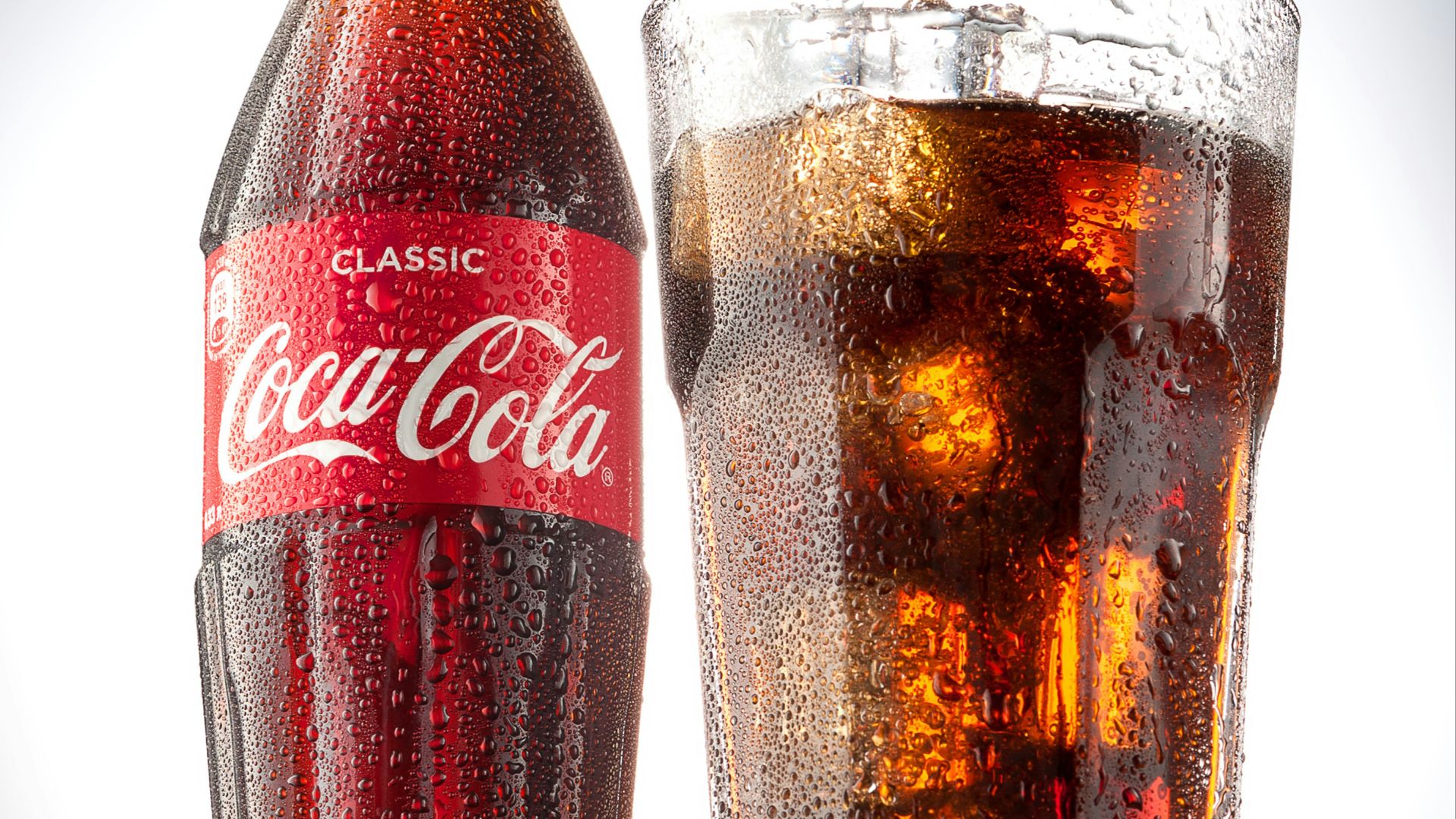
5. Liquid Calories Are Sneaky
Drinks like soda, juice, alcohol, and fancy coffee can pack in calories fast. You don’t feel as full from liquids, so it’s easy to overconsume them. Cutting back shows results shockingly quickly.
6. Food Choices Affect Hormones
What you eat influences hormones tied to hunger and fullness. Highly processed foods can make it harder to feel satisfied. Balanced meals help your body regulate itself better.
7. Exercise Burns Fewer Calories Than You Think
Many workouts burn fewer calories than fitness trackers suggest. It's easy to let yourself go after a hard workout; after all, you deserve a treat. However, one snack can undo an entire session without much effort.
8. Consistency Is Easier With Food
Eating well every day is often more realistic than exercising intensely every day. Life gets busy, and workouts get skipped. Meals happen daily, giving you more control.

9. Protein Intake Shapes Results
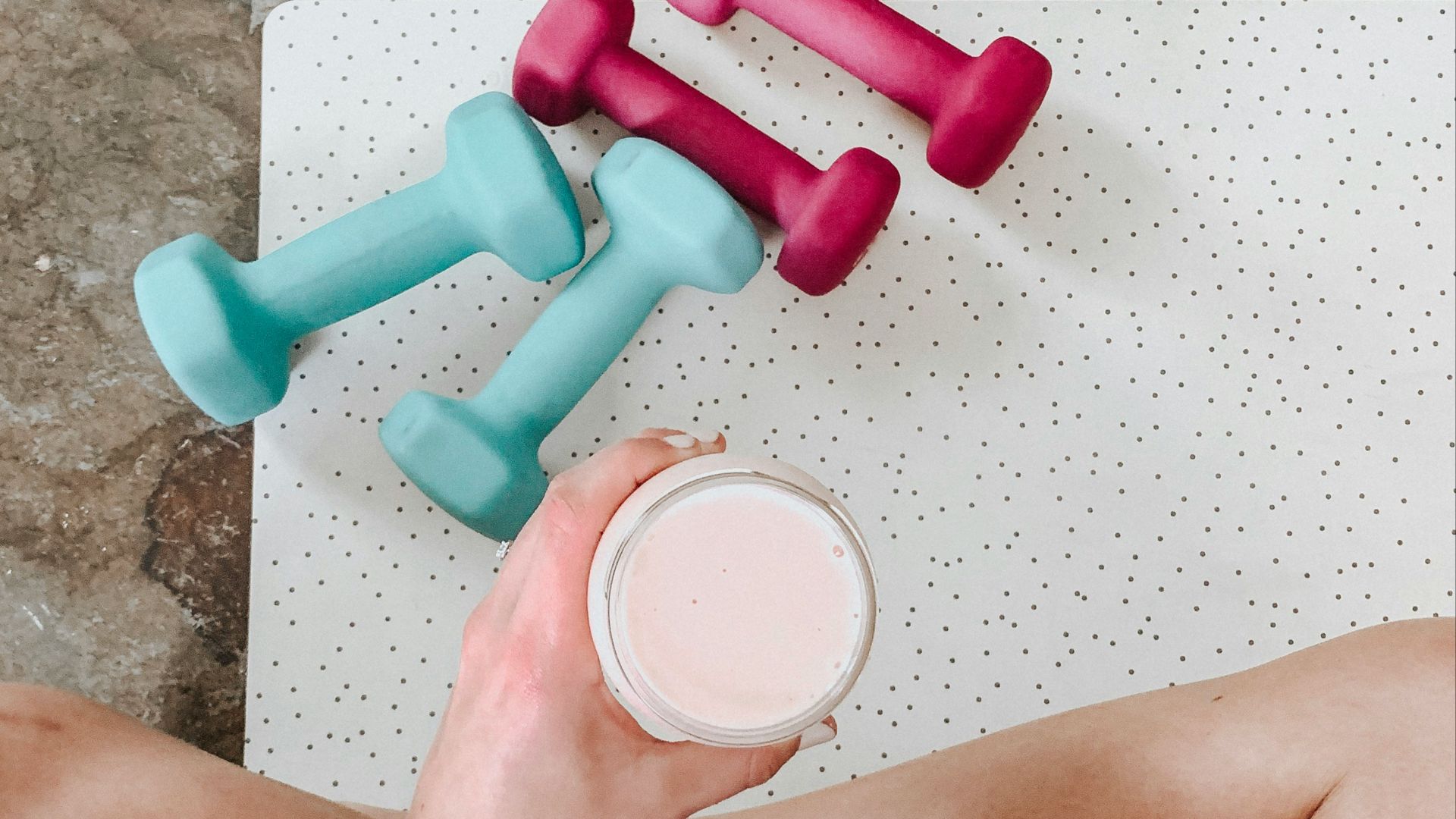
Protein helps you feel full and protects muscle during weight loss, and replacing some of your carbs with protein has been shown to promote weight loss. You can’t get that benefit from exercise alone. Diet choices decide how much protein you're getting.
10. Late-Night Eating Adds Extra Calories
Let's be honest: no one makes wise food choices past 9 P.M. Evening snacking can sneakily push calories higher. Exercise earlier in the day doesn’t erase those choices.

11. Sugar Triggers Overeating
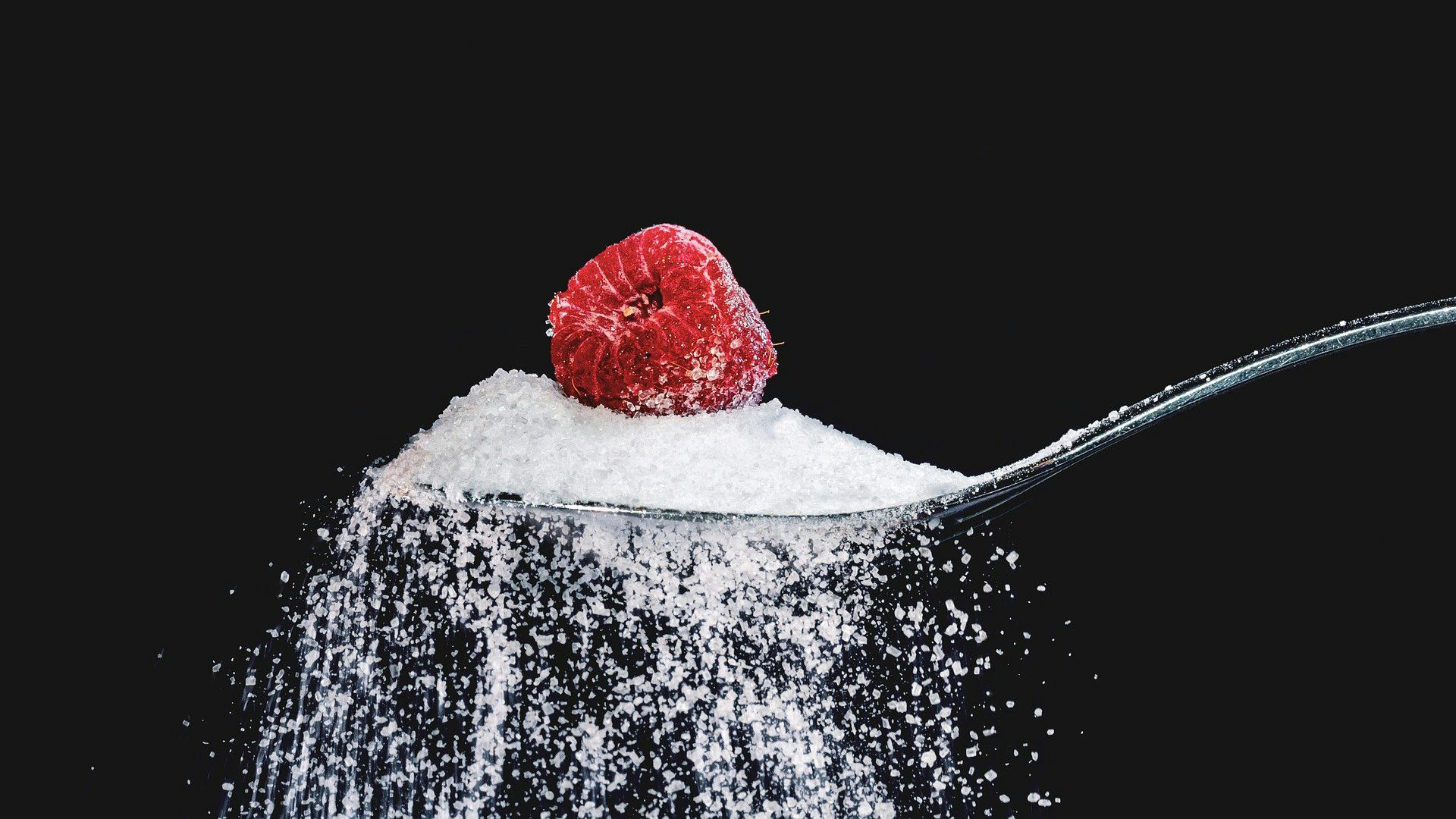
Sugar is a source of empty calories that transforms into fat. Sugary foods can spike blood sugar and crash it later, leading to an addictive cycle. Adjusting your diet breaks that pattern more effectively than exercise.
12. Restaurant Meals Are Calorie-Dense
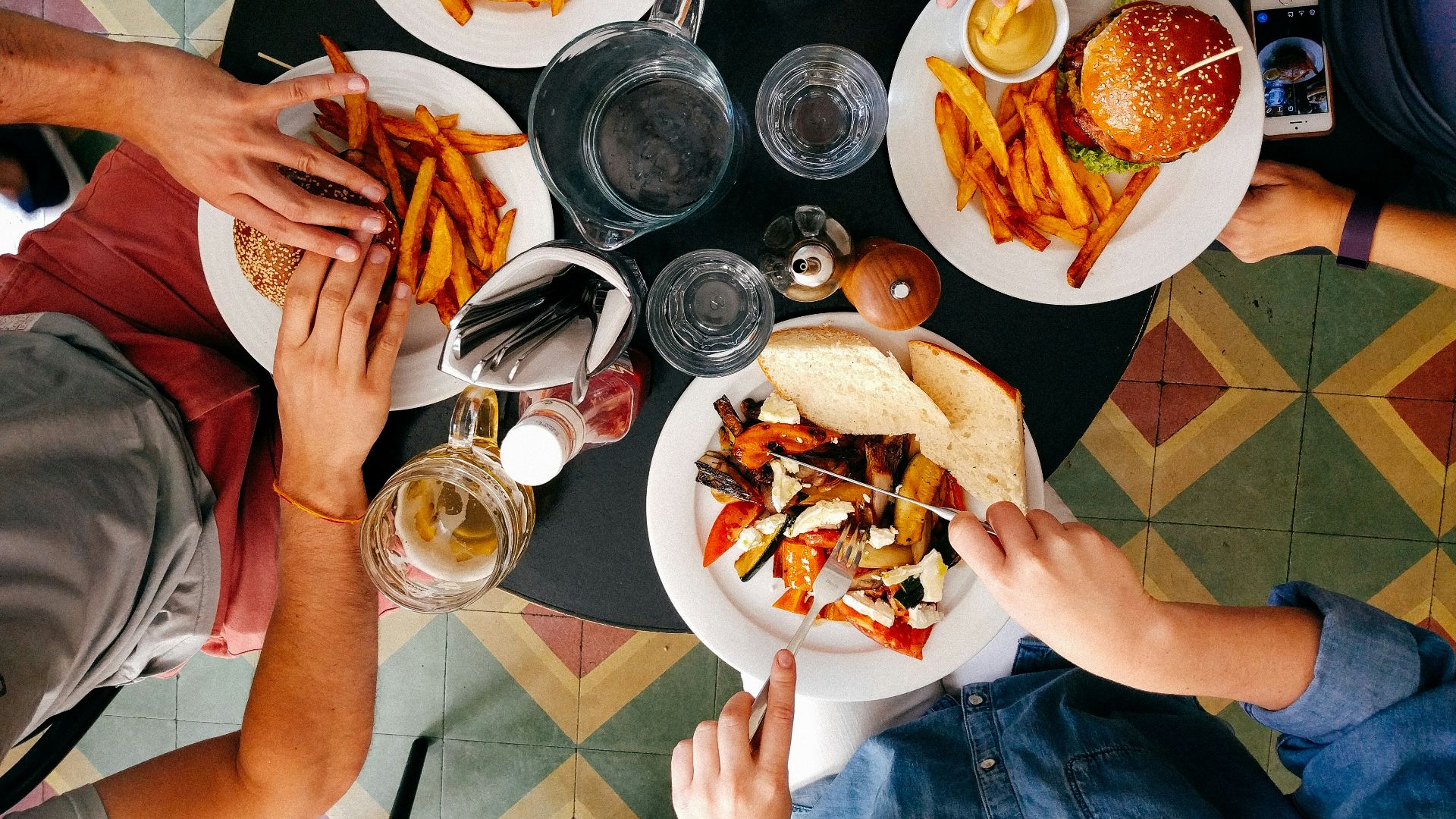
Dining out often means larger portions and hidden fats. You might still work out regularly and struggle to lose weight. Knowing how to balance restaurant meals helps more than adding cardio.
13. Working Out Builds Muscle
Working out a lot builds muscle, which weighs about as much as fat. This is why, even when you're working out vigorously for months, it might not show up on the scale. This can be frustrating, even though your body is, in fact, changing.

14. Stress Eating Cancels Workouts
Stress can push people toward comfort foods. Even a solid exercise routine can’t fully offset emotional eating. Diet awareness helps you recognize those patterns.
15. Weekends Can Undo Progress
Many people eat differently on weekends, allowing themselves more leeway, but this is a slippery slope. A couple of high-calorie days can outweigh weekday workouts. Paying attention to diet all week matters.
16. Sleep and Diet Are Closely Linked
Poor sleep increases cravings and appetite. Exercise helps sleep, but diet still drives food decisions the next day. Managing both starts with what you eat.

17. Exercise Builds Hunger Signals
Regular workouts can increase how much food your body asks for. Without dietary structure, that hunger leads to overeating. Planning meals and staying disciplined with your diet needs to happen in addition to your gym time.

18. Food Environment Shapes Behavior
What’s in your fridge matters more than your gym membership. Easy access to high-calorie foods makes restraint harder. Diet changes your environment in your favor.

19. Weight Loss Is Mostly a Math Problem
Calories in versus calories out still matters. Exercise affects the equation, but diet controls the largest variable. Adjusting intake gives clearer results.
20. Diet Changes Show Results Faster
Small diet tweaks often lead to noticeable changes quickly. Exercise benefits build more gradually over time. Seeing progress sooner helps you stay motivated.
KEEP ON READING
The Most Popular Chocolate Bars in the USA
The Most Popular Candies in the USA

20 Annoying Foods That Get Stuck In Your Teeth