The Best Breakfast For Seniors Worried About Triggering Sugar Spikes

Navigating the morning meal as a senior can feel a bit like a balancing act, especially when you’re trying to keep your blood sugar from going on a roller coaster ride. As we age, our bodies often become more sensitive to carbohydrate loads, making that traditional bowl of sugary cereal or a giant glass of orange juice a recipe for a mid-morning crash. You don't have to sacrifice flavor or satisfaction to maintain your health, though, as the right combination of nutrients can keep you feeling full and focused until lunch. By choosing foods that digest slowly, you’re providing your system with a steady stream of fuel rather than a sudden, overwhelming flood of glucose.
Focusing on a balanced plate is the most effective way to ensure you're supporting your metabolic health throughout the golden years. Modern nutritional science emphasizes the importance of pairing "slow" carbohydrates with high-quality proteins and healthy fats to buffer the impact on your insulin levels. You’ll find that when you prioritize fiber and lean proteins, your body handles the natural sugars in food much more efficiently, preventing those uncomfortable spikes. It’s all about working with your physiology to create a breakfast routine that feels like a treat while acting like medicine for your heart and endocrine system.
The Power of Protein and Healthy Fats
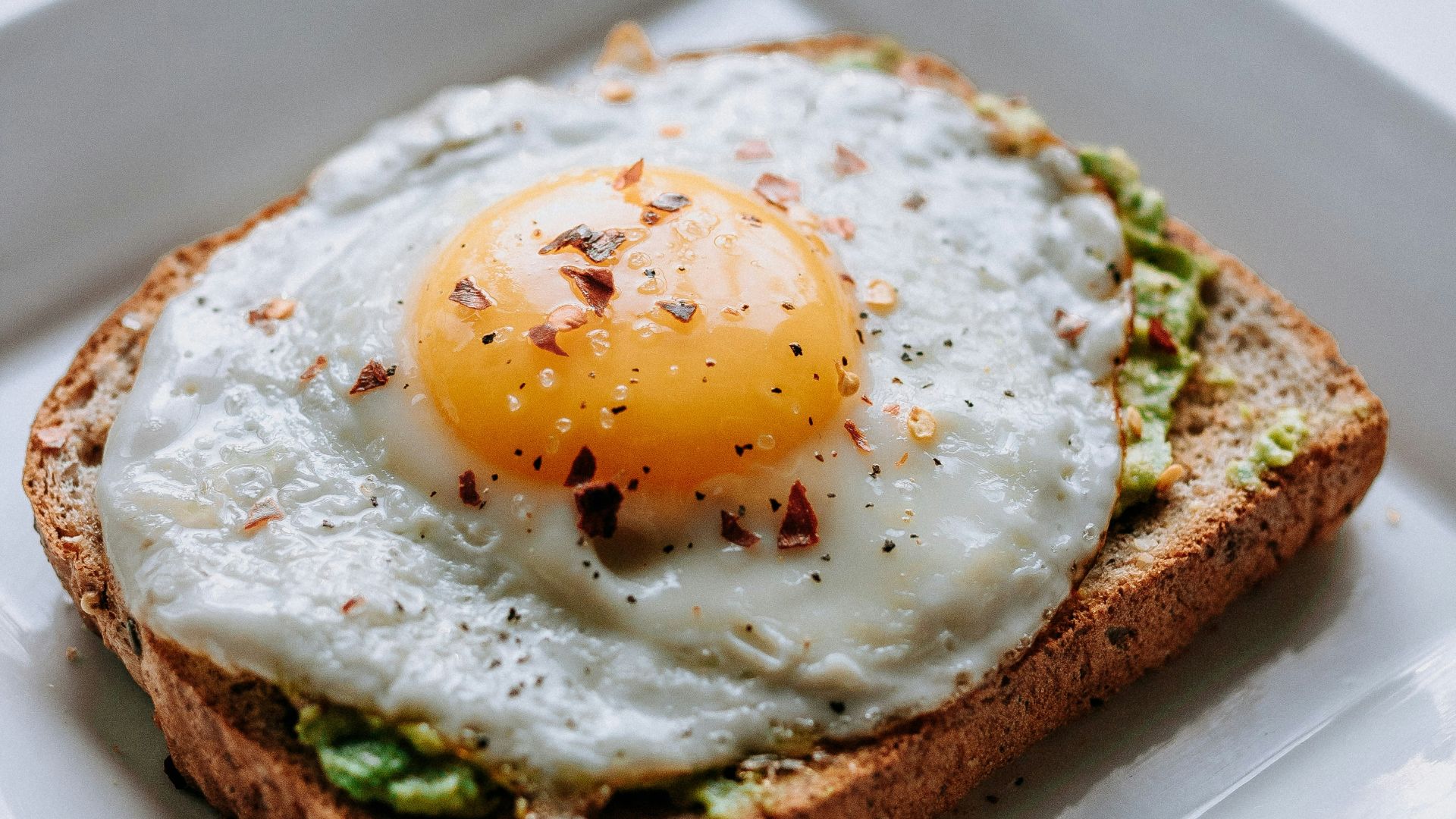
Don’t skip breakfast, and when you do eat breakfast, focus on protein. One of the easiest ways to gain control of your glucose levels is by eating a protein-packed breakfast. Eggs are a strong option because they’re versatile, contain almost no carbs, and are packed with protein and vitamins such as B12. You can scramble eggs with spinach or whip up an omelet with mushrooms and peppers. When you fill up on protein in the morning, you’ll feel fuller for longer and be less likely to crave that mid-morning chocolate bar.
Including healthy fats in your breakfast will also help slow the absorption of sugar into your bloodstream. Make sure to include avocado on your breakfast plate. They’ll fill you up with healthy monounsaturated fats and help keep your energy levels stable throughout the morning. Spread avocado on toast (sprouted grain bread works well) or cut one in half and enjoy it on the side of your eggs. Nuts and seeds are full of the “good” fats your body needs, so don’t hesitate to sprinkle walnuts or chia seeds on your breakfast either.
Greek yogurt is a strong breakfast option for those who enjoy dairy. Just make sure you’re buying plain, unsweetened Greek yogurt, as the flavored ones are often packed with hidden sugars. Add a few blueberries or raspberries to sweeten it up naturally and enjoy.
Embracing Fibre-Rich Whole Grains
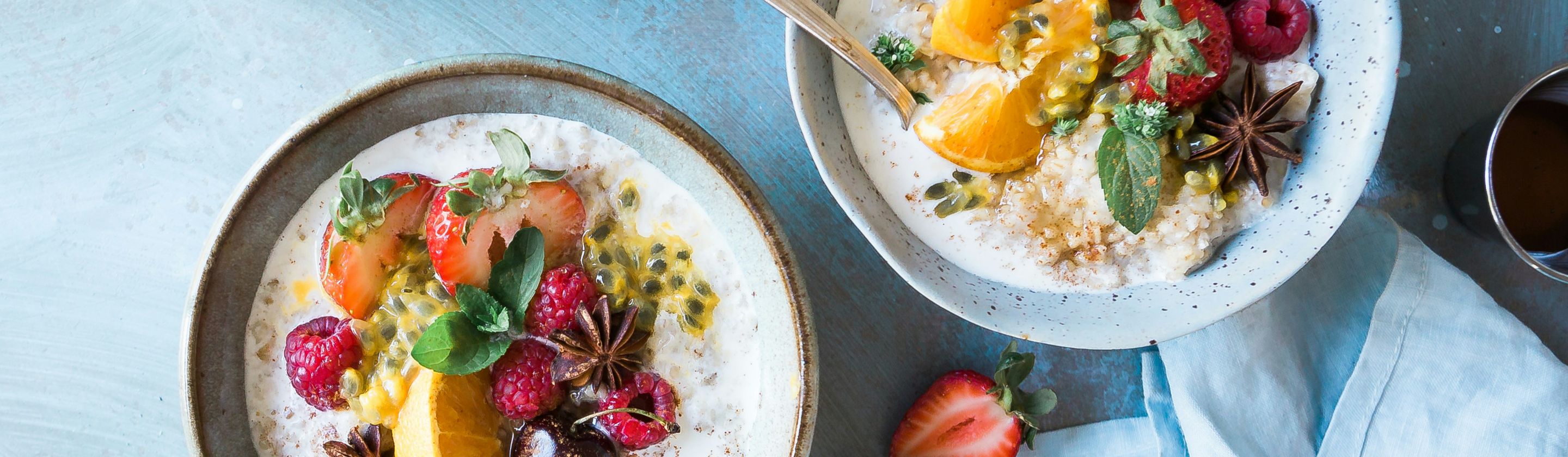
When it comes to grains, the key for seniors is to look for options that haven't been stripped of their natural fiber content. Steel-cut or rolled oats are a far superior choice compared to instant oatmeal packets, which often contain added sugars and digest far too quickly. Because the body takes longer to break down these less-processed grains, you’ll experience a much more gradual rise in blood sugar rather than a sharp peak. You can cook your oats with water or unsweetened almond milk and top them with a dash of cinnamon, which some studies suggest may further help with insulin sensitivity.
Sprouted grain bread and multi-seed loaves are much better alternatives to white or even standard whole-wheat bread for your morning toast. These breads are often made from grains that have been allowed to germinate, a process that can lower the carbohydrate content and increase available nutrients. You’ll notice the texture is heartier and more filling, which helps you feel satisfied with just one slice instead of several. It’s a simple swap that allows you to keep enjoying your favorite morning rituals while being much kinder to your pancreas.
Chia seeds and flaxseeds are small but mighty additions that can transform a standard breakfast into a fiber-filled masterpiece. These seeds are known for their high soluble fiber content, which forms a gel-like substance in the digestive tract that slows sugar absorption significantly. You might consider making chia seed pudding the night before by soaking the seeds in a little milk and vanilla extract for an easy, grab-and-go morning meal. Adding these into your routine is an effortless way to support digestion and ensure that your breakfast is working for you, not against you.
Vegetables shouldn't just be reserved for lunch and dinner, especially since they add volume and fiber to your breakfast without many calories or sugar. Tossing diced bell peppers, onions, or kale into your morning eggs is a simple way to bulk up your meal and add a pop of color to your plate. You’re getting a wealth of vitamins and minerals that support your immune system while the fiber helps keep your glucose levels on an even keel. It’s a savory approach to breakfast that can actually be quite refreshing once you move away from the traditional "sweet" morning mindset.
KEEP ON READING

The Most Popular Signature Dishes Around the World