
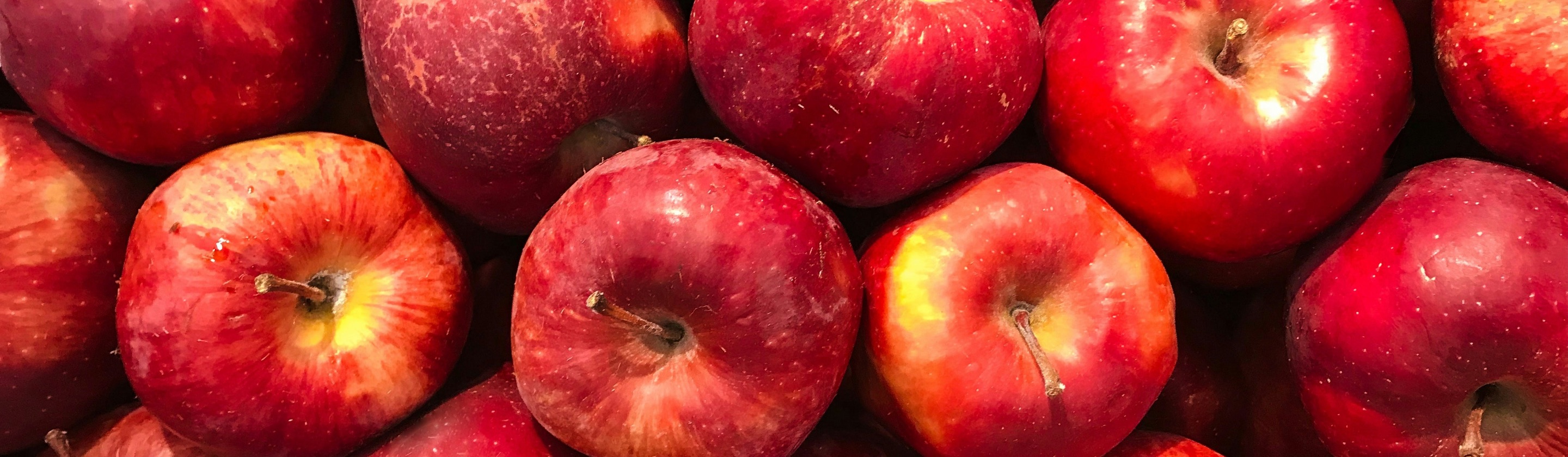

We're all familiar with the old saying: "An apple a day keeps the doctor away." With roots going back to 19th-century Wales, the expression has been repeated so many times it's practically become part of everyday wisdom, but does it actually hold up to scientific scrutiny? The reality, as you'll see, is a little more layered than a single piece of fruit can capture.
That said, apples are far from nutritional lightweights. They're packed with vitamins, fiber, and antioxidants that contribute to overall health in meaningful ways, and broad research does support the idea that eating them regularly is good for you, even if one apple per day won't magically melt away all your problems, per se. Whether the saying deserves its reputation depends on how you interpret it and what you're comparing it to.
The Nutritional Profile of Apples
Before we look at whether eating apples can boost our health, we should first look at their nutritional profile. One medium apple, for example, contains about 95 calories and delivers a solid 3-4 grams of dietary fiber, including a type called pectin, which supports digestive health and helps regulate cholesterol. Apples also provide vitamin C, potassium, and a range of polyphenols, which are plant compounds that act as antioxidants and help protect your cells from oxidative damage. It's worth noting that much of the fiber and many of the polyphenols are concentrated in the skin, so peeling your apple means leaving a significant portion of the nutritional value behind. If you're eating apples with health in mind, keeping the skin on is the better call.
Beyond the basics, apples contain quercetin, catechin, and chlorogenic acid—antioxidants that have been linked to reduced inflammation and improved heart health. These compounds have been studied for their potential role in lowering the risk of chronic diseases, including type 2 diabetes and certain types of cancer. While no single food can prevent disease on its own, the combination of nutrients in apples makes them a particularly well-rounded option compared to many other fruits. The variety of antioxidants they contain also means their benefits extend across multiple systems in the body rather than targeting just one area.
Apples are also a low-glycemic food, meaning they cause a slower and more gradual rise in blood sugar compared to processed snacks or high-sugar alternatives; this makes them a smart option for people managing blood sugar levels or simply trying to avoid the energy crashes that come with heavily refined foods. Their high water and fiber content contribute to a feeling of fullness as well, which can support weight management when they're part of a balanced diet. All in all, for a whole food that requires zero preparation (except a rinse beforehand), that's a lot of functional value packed into one piece of fruit.
What the Research Actually Says
So, given how nutritious apples are, can they really keep the doctor away? Studies have actually explored the link between apple consumption and reduced doctor visits, and while the results are encouraging, they're also nuanced. One 2015 study, for example, found that daily apple eaters were slightly less likely to have used prescription medications, though the difference in avoiding doctor visits wasn't statistically significant. The researchers also noted that apple eaters tended to have higher levels of education and were more health-conscious overall, which goes to suggest that the relationship is more indirect than the saying implies.
But that's not to say that regularly eating the fruit doesn't reap any benefits; where the evidence is considerably stronger is in the connection between apple consumption and cardiovascular health. Research indicates that the flavonoids and soluble fiber in apples can help lower LDL cholesterol levels and reduce blood pressure, both of which are significant risk factors for heart disease. A plethora of studies have also found that higher fruit consumption—apples included—was associated with a reduced risk of coronary heart disease. Those are meaningful findings, even if it applies to a broader pattern of fruit-eating rather than apples in isolation.
There's also emerging research on the gut microbiome suggesting that the pectin in apples acts as a prebiotic, feeding beneficial bacteria in the digestive tract. A healthy gut microbiome has been linked to improved immune function, better mental health outcomes, and lower levels of systemic inflammation. The prebiotic effect alone gives you a solid reason to include them in your regular rotation.
Apples as Part of a Broader Healthy Diet
While apples offer an impressive nutritional profile, they, of course, work best as one component of a varied, balanced diet rather than a standalone health solution. No single food can compensate for poor lifestyle habits, and that includes apples, regardless of how many you eat per day. The broader dietary context matters just as much as the individual foods you choose; apples pair well with other fruits, vegetables, whole grains, and lean proteins as part of a well-rounded eating plan.
It's also worth considering how you're consuming your apples. Whole apples offer far more nutritional value than apple juice or even applesauce, both of which tend to have significantly less fiber and higher sugar concentrations. Choosing fresh whole fruit over processed versions is one of the simplest switches you can make to get more out of what you're eating. After all, the closer a food is to its natural state, the more of its original nutritional content tends to remain intact.
At the end of the day, the saying has more truth to it than skeptics might expect, just not in a literal, doctor-appointment-canceling sense. Apples are a nutritious, accessible, and versatile food that supports long-term health in several well-documented ways. Making them a regular part of your diet is a small, low-effort habit that adds up meaningfully over time. You might not cancel your next check-up because of it, but you'd certainly be doing your body a solid favor regardless. So, eat up!
KEEP ON READING




20 Dishes That Built Modern American Cuisine