Fast food often gets a bad reputation when it comes to healthy eating. Burgers, fries, and sugary drinks dominate menus, making it easy to feel like there’s no way to eat well on the go. Many people assume that choosing fast food automatically means giving up on nutrition. That belief can make healthy eating feel all-or-nothing, which isn’t realistic for busy lives.
However, with a few simple strategies, you can enjoy fast food without completely derailing your nutrition goals. Fast food exists because it’s quick, affordable, and convenient, and those things matter in real life. The good news is that convenience and nutrition don’t have to cancel each other out. Small, smart choices can shift a meal from heavy to reasonably balanced.
Opt For Smaller Portions
One of the easiest ways to eat healthier at fast food restaurants is to control your portion sizes. Many meals are designed to be larger than what one person actually needs in a single sitting. Restaurants do this because bigger portions feel like a better deal, even if they exceed your hunger. Simply choosing a smaller size can make a meaningful difference.
For example, ordering a junior burger instead of a double or a regular sandwich instead of a footlong significantly cuts down on calories and fat. You still get the flavors you enjoy, just in a more reasonable amount. This approach helps you avoid feeling overly full or sluggish afterward. It also allows you to enjoy fast food more often without going overboard.
Portion control applies to sides and drinks as well. Instead of a large fries or soda, choose a smaller size or swap for a side salad, fruit, or yogurt. These substitutions reduce sugar and unhealthy fats while still providing a satisfying meal experience. You may find that the smaller size is actually enough.
You can also split meals with a friend or save half for later. Many people eat the full portion just because it’s there, not because they’re still hungry. Being comfortable stopping when you’re satisfied is a powerful habit. Sharing or saving leftovers turns one oversized meal into two reasonable ones.
Customize Your Order
Another simple strategy is customizing your order to fit healthier choices. Most chains allow swaps and adjustments, so you don’t have to stick with the default menu items. You have more control than you might think. A few tweaks can noticeably improve a meal.
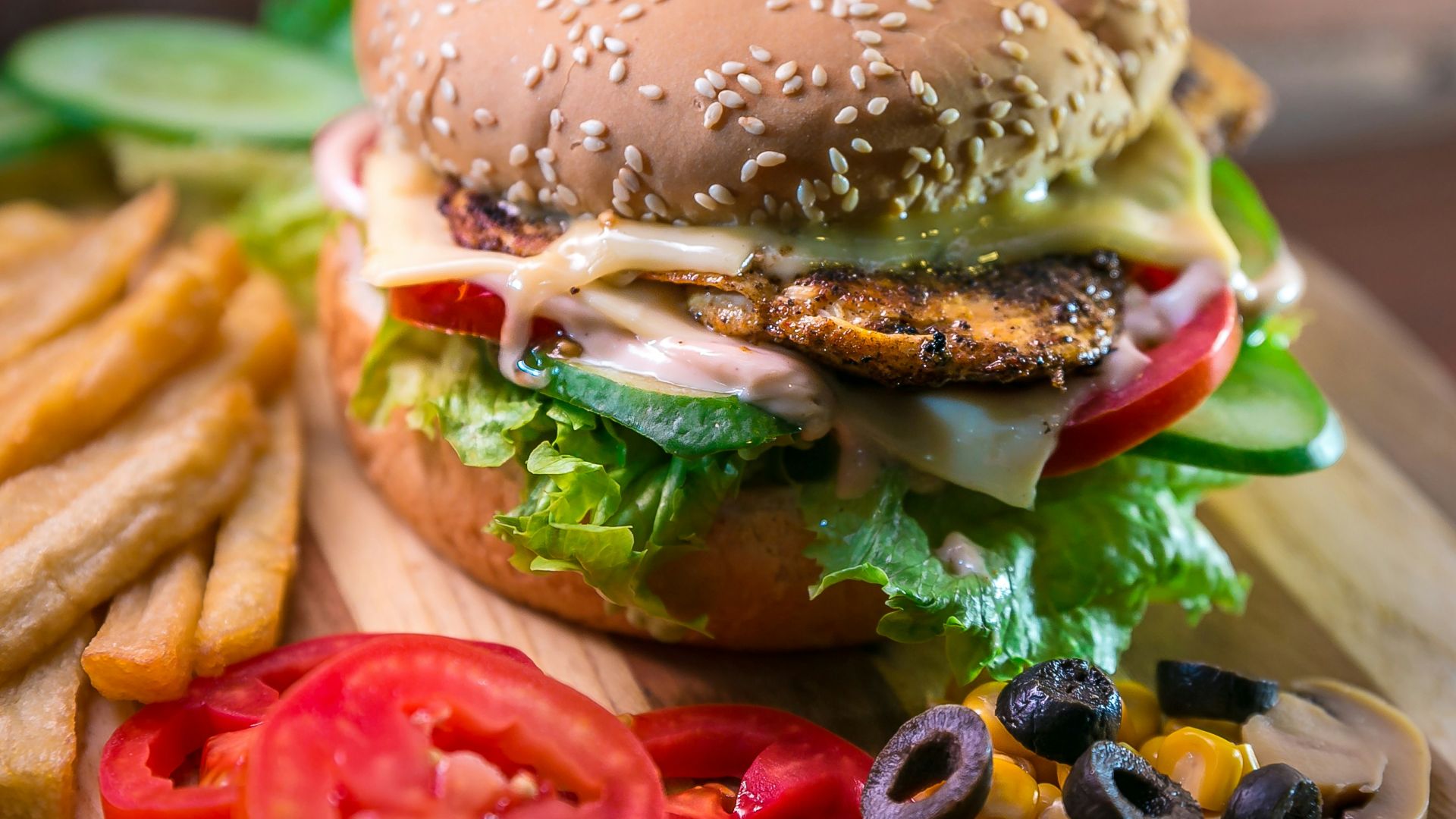
For example, you can ask for grilled chicken instead of fried, remove high-calorie sauces, or skip cheese to reduce saturated fat and calories. These changes don’t remove the core of the meal. They just lighten it up. You still get a tasty sandwich or wrap.
Adding vegetables is also a smart move. Many restaurants provide extra lettuce, tomato, onions, or peppers at no additional cost. This boosts fiber, vitamins, and minerals. Vegetables also add crunch and freshness, making meals more satisfying.
Pay attention to sauces and dressings, as these often sneak in hidden calories. Creamy sauces, mayo, and sugary dressings can add a lot without you noticing. Requesting them on the side or using less can make a big difference. You still get flavor, just with more balance.
You can also look at how items are prepared. Words like “crispy,” “breaded,” or “loaded” often signal extra fats or calories. Options labeled “grilled,” “roasted,” or “fresh” are often lighter. Learning these cues helps you choose quickly, even when you’re in a rush.
Choose Wisely From Healthier Menu Options
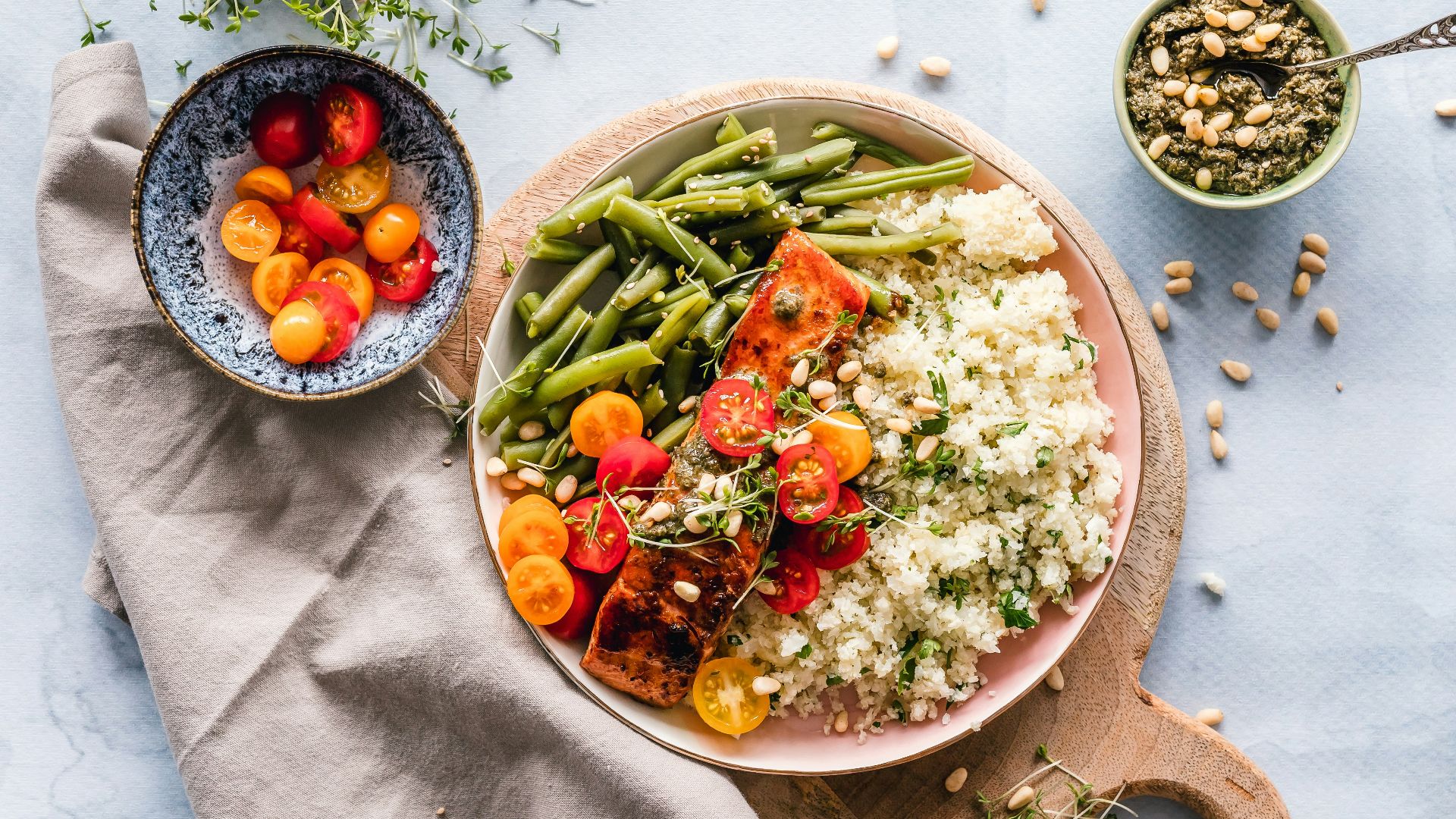
Most fast food chains now offer options specifically marketed as lighter or healthier. Salads, grain bowls, yogurt parfaits, or wraps often provide more nutrients than traditional burgers and fries. They can be good choices when you want something filling but not too heavy. Still, it’s smart to check what’s in them.
Some salads, for example, become high in calories once fried toppings and heavy dressings are added. Choosing grilled protein and lighter dressing keeps them balanced. A simple salad with chicken and vegetables can be both tasty and satisfying. It doesn’t have to be plain.
Mindful selections also include protein-packed options like grilled chicken, beans, tofu, or eggs. Protein helps you feel full and steady. That can reduce the urge to snack on less nutritious foods later. Pairing protein with fiber-rich foods like vegetables or whole grains improves balance.
Drinks matter too. Sugary sodas, shakes, and sweet teas can add a lot of extra sugar. Opting for water, unsweetened tea, or sparkling water is a simple switch. It keeps you hydrated without piling on sugar. This one change alone can make a noticeable difference.
Ultimately, it’s about balance and realistic choices. Fast food can fit into a healthy lifestyle when approached with a strategy. You don’t need to avoid it completely to eat well. Thoughtful decisions let you enjoy your favorites while taking care of yourself. Eating well doesn’t have to mean skipping convenience, it’s about making practical, everyday choices that support how you want to feel.
KEEP ON READING