How the Reusable Water Bottle Became a Portable Personality
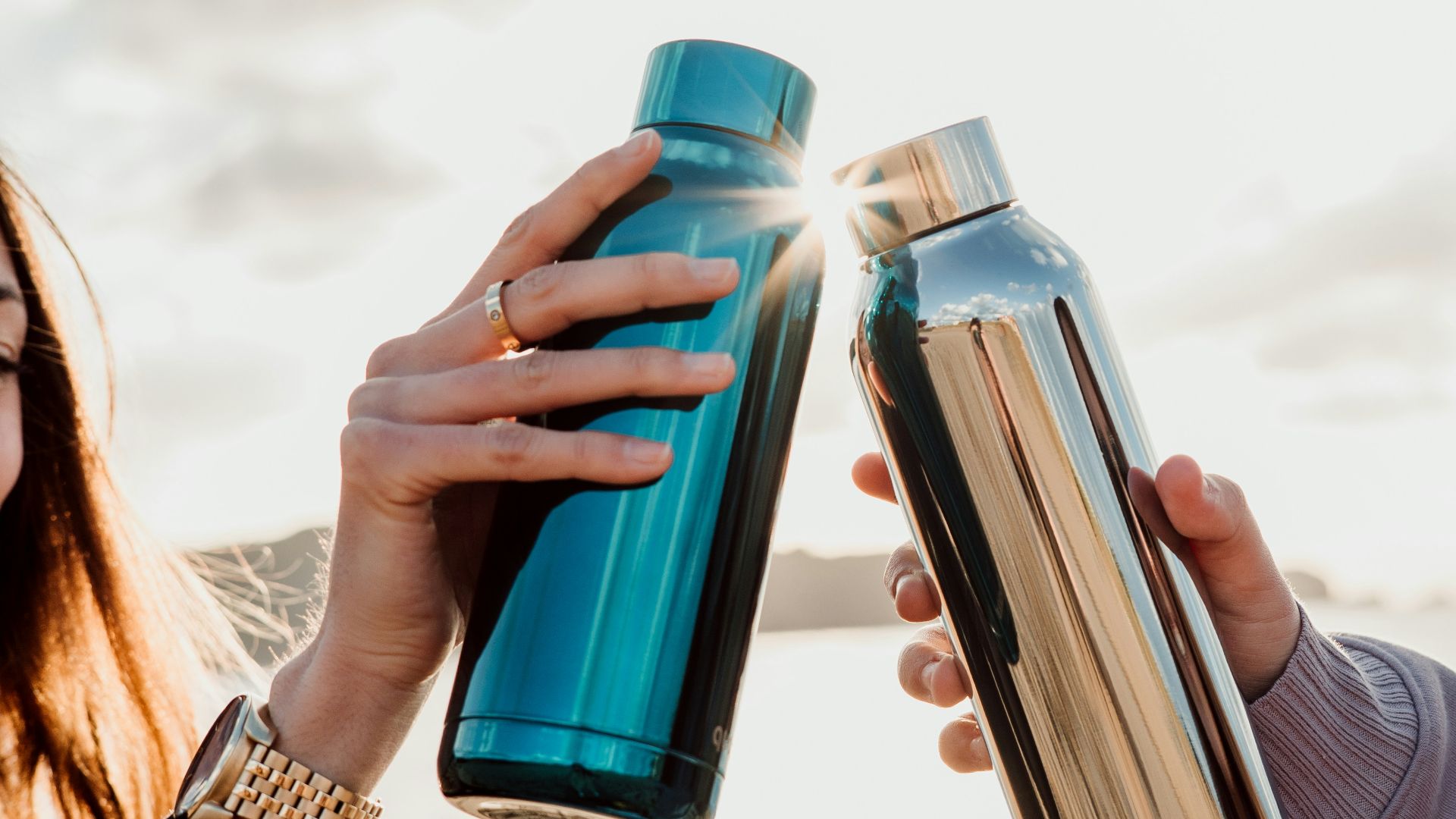
There was a time, not that long ago, when a water bottle was just a water bottle. You grabbed whatever plastic vessel survived the dishwasher, refilled it at the sink, and carried on with your day without a single thought about what it communicated to anyone else. Function came first, and nobody assumed your hydration habits said anything about your values, your income, or your taste.
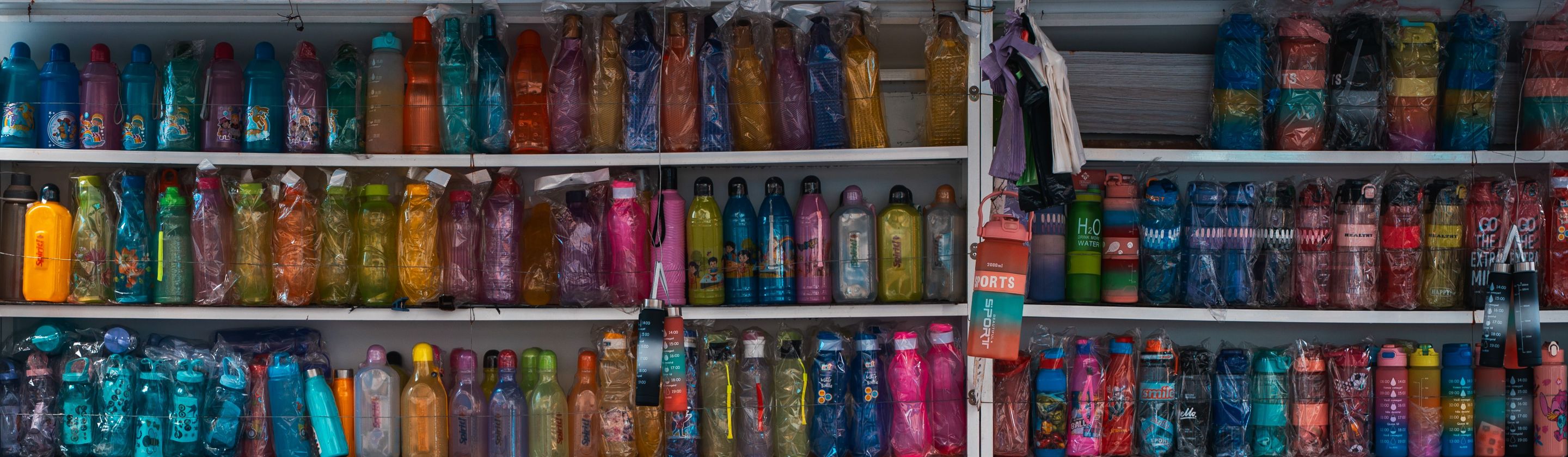
That era is over. Somewhere between the rise of Instagram aesthetics and the explosion of wellness culture, the water bottle stopped being an accessory and started being a statement. Walk into any office, gym, or college classroom now, and you can read a small biography off the object sitting next to someone's laptop, from the brand stamped on the side to the stickers layered across it to the exact shade of sage green or dusty rose they picked out of forty available colors.
From Container To Costume
Nowhere is this shift more obvious than in the Stanley Quencher phenomenon. Stanley had been making the same durable, unremarkable steel tumbler for over a century when its fortunes changed almost overnight. Company revenue jumped from roughly seventy three million dollars in 2019 to about seven hundred fifty million dollars in 2023, a tenfold increase that CNBC traced back to a single decision, retargeting the product from outdoorsmen toward women, then letting influencers and social media do the rest, with revenue doubling to $194 million in 2021 before the success of the Quencher helped the brand grow to more than $750 million in four years.
What actually changed was not the bottle. The steel, the insulation, and the basic engineering stayed nearly identical to what Stanley had been selling since long before any of this began. What changed was the framing, from a workhorse for job sites to a lifestyle object that could sit on a desk, in a cup holder, or in a curated flat lay and say something about the person who owned it.
Other brands noticed and followed the same script. Hydro Flask, Yeti, and a wave of smaller competitors all began releasing seasonal colorways, limited collaborations, and collector's editions timed to sell out within minutes. A product category that used to compete on insulation performance and lid durability now competes on drop schedules and color exclusivity, which tells you plainly that people are no longer just buying a way to drink water.
The Stickers, The Colors, The Tribes
Once a bottle becomes a canvas, decoration follows fast, and the sticker has become the clearest evidence of that shift. A Nalgene wrapped in national park logos and band names has signaled a certain outdoorsy, low-key identity since at least the 2000s, while a Hydro Flask covered in trendy pastel decals has come to mark a different, more curated aesthetic entirely. Neither bottle is doing anything different functionally. Both are doing an enormous amount of identity work.
Color choice carries its own weight, too. The muted, neutral palette so common in millennial branding, sold to anyone who follows minimalist decor accounts, reads differently than the neon or glitter finishes marketed toward a younger, louder crowd. None of this is accidental on the brand side, since companies now release colors in seasonal drops specifically because customers treat new hues as collectible, and social feeds reward the reveal of a fresh one.
The tribal element becomes obvious once you notice how quickly people can identify a stranger's subculture from their bottle alone. A specific brand and color combination can flag someone as a marathon runner, a plant mom, a corporate wellness convert, or a college sorority member almost instantly, long before a single word gets exchanged. Objects have always carried social signals, but rarely has one category become this efficient at broadcasting a whole persona in a single glance.
What The Bottle Is Really Saying
Consumer researchers have argued for decades that possessions function as an extension of the self, a way people build and express identity through the objects they choose to surround themselves with. A water bottle fits that theory almost perfectly, since it travels everywhere, sits in plain view all day, and gets refreshed often enough to double as a small, ongoing identity update.
Part of the appeal is simply belonging. Owning the right bottle, in the right color, from the right brand, offers an easy shortcut into a recognizable group, whether that group is defined by wellness culture, outdoor identity, or plain aesthetic taste. It costs far less than a wardrobe overhaul and delivers a similar sense of visible affiliation.
The cost shows up quietly, in how much meaning gets loaded onto an object built to do something much simpler. When identity gets outsourced to a tumbler, the tumbler eventually needs replacing the moment the trend shifts, and the cycle starts again with a new color, a new brand, and a new version of the same basic need to be seen as someone in particular.
KEEP ON READING
20 Theme Park Snacks People Fly In Just to Eat
20 American Restaurants Your Grandparents Loved

20 Foods You Can't Eat Without Teeth