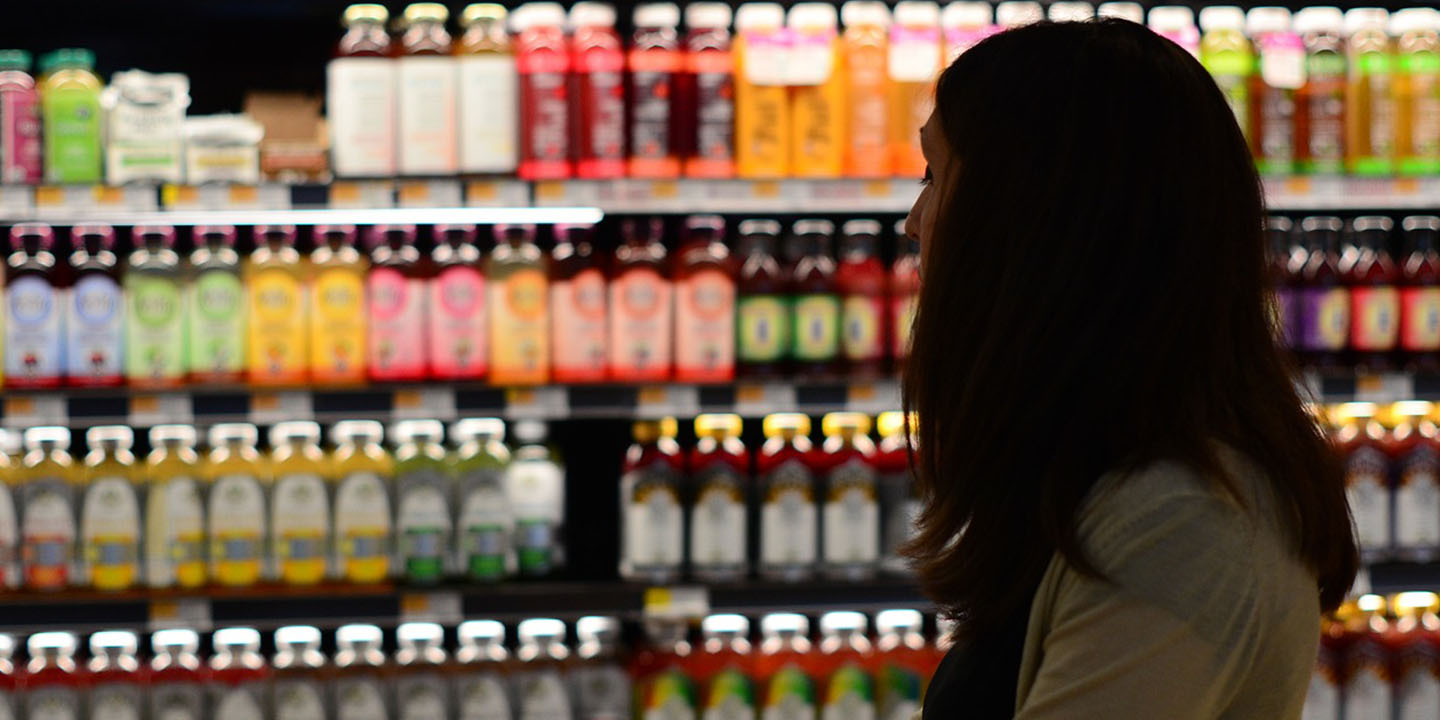
Walk into any Whole Foods on a weekend morning and you'll witness a particular theater of consumption. Shoppers carefully select heirloom tomatoes at $6.99 per pound, scrutinize labels for obscure certifications, and load their carts with grass-fed butter and biodynamic wine. The organic food movement started as a response to industrial agriculture's environmental and health costs, rooted in legitimate concerns about pesticides, soil degradation, and sustainability. Somewhere along the way, we transformed it into another way to perform class identity.
The shift didn't happen overnight, and organic food hasn't completely abandoned its original mission. Yet the gap between who organic food was supposed to serve and who it actually serves has grown wide enough to drive a Tesla through. We've turned sustainable eating into an exclusive club where membership costs significantly more than most families can afford.
The Price of Purity
The numbers tell an uncomfortable story about access. According to Consumer Reports analysis of 100 different products, organic foods cost an average of 47% more than their conventional counterparts, with some items showing price differences exceeding 100%. A gallon of organic milk runs about $7.50 compared to $3.50 for conventional. Organic chicken breasts can cost twice as much per pound. These aren't trivial differences for households operating on tight grocery budgets.
The usual justification claims that organic farming costs more, and those costs get passed to consumers. Fair enough. Organic certification requires extensive documentation, transition periods where farmers bear costs without commanding premium prices, and often lower yields per acre. These are real economic factors. Yet they don't fully explain why organic food has become concentrated in upscale grocery stores and affluent neighborhoods while remaining scarce in communities that arguably face greater exposure to environmental toxins.
The USDA reports that organic food sales exceeded $60 billion in 2022, representing roughly 6% of total food sales. That market share has grown steadily, but it hasn't broadened demographically. Research from the Hartman Group found that household income remains the strongest predictor of organic food purchases. We've created a two-tiered food system where the ability to avoid pesticides correlates directly with socioeconomic status, transforming a health choice into a wealth marker.
Virtue Signaling in the Produce Aisle
Organic food purchases have become a way to communicate values and identity, often more loudly than necessary. The reusable tote bag stuffed with organic kale and artisanal sourdough broadcasts a message: I care about health, the environment, and making thoughtful consumer choices. Nothing wrong with those values, except when performing them takes priority over actually living them.
The organic label has gotten crowded with competitors in the status signaling game. Now we have regenerative, biodynamic, beyond organic, and a constellation of private certifications that require insider knowledge to decode. Food writer Michael Pollan has noted how these proliferating labels create a kind of dietary literacy test, where navigating the grocery store becomes an exercise in cultural capital. Knowing which certifications matter and which are marketing gimmicks marks you as sophisticated, educated, and in-the-know.
This competition for moral superiority has real consequences beyond eye-rolling. When organic eating becomes primarily about identity rather than impact, we lose sight of more effective interventions. Studies show that washing conventional produce removes most pesticide residues. Buying local conventional food from small farms often has less environmental impact than organic food shipped across continents. Reducing meat consumption matters more for climate than whether your vegetables are organic. These facts get buried under the appeal of the organic label as a simple shorthand for being a good person.
The Communities Left Behind
Food apartheid operates along clear geographic lines, and organic food deepens those divisions. The neighborhoods with abundant organic options tend to be overwhelmingly white and affluent. A 2007 Public Health Nutrition paper analyzed food availability in New York City neighborhoods and noted organic produce was available exclusively in predominantly white areas, absent in Black and mixed-race areas even after adjusting for density and wealth. The communities facing higher rates of diet-related disease and greater exposure to environmental pollution have the least access to supposedly healthier alternatives.
This pattern reveals how organic food functions as an amenity that follows wealth and privilege rather than need. Grocery stores make strategic decisions about what to stock based on anticipated demand and profit margins. Organic products require different supply chains, storage conditions, and faster turnover due to shorter shelf life. Stores in lower-income areas often lack the infrastructure or customer base to justify these investments, creating a self-perpetuating cycle.
Meanwhile, farmers' markets, once seen as a democratic alternative to industrial food systems, have also skewed upscale. Research from the University of California found that farmers' markets increasingly locate in affluent neighborhoods and offer prices that exceed conventional grocery stores. The movement that promised to reconnect people with food sources and support local farmers has become another exclusive space where organic heirloom tomatoes cost more than many families spend on produce in a week.
We've built a food system where caring about sustainability has become a luxury good, affordable only to those who least need the help.
KEEP ON READING
The 5 Most Consumed Foods in the Entire World