Stop Eating This Low-Cal Sugar Substitute If You Want A Healthy Liver
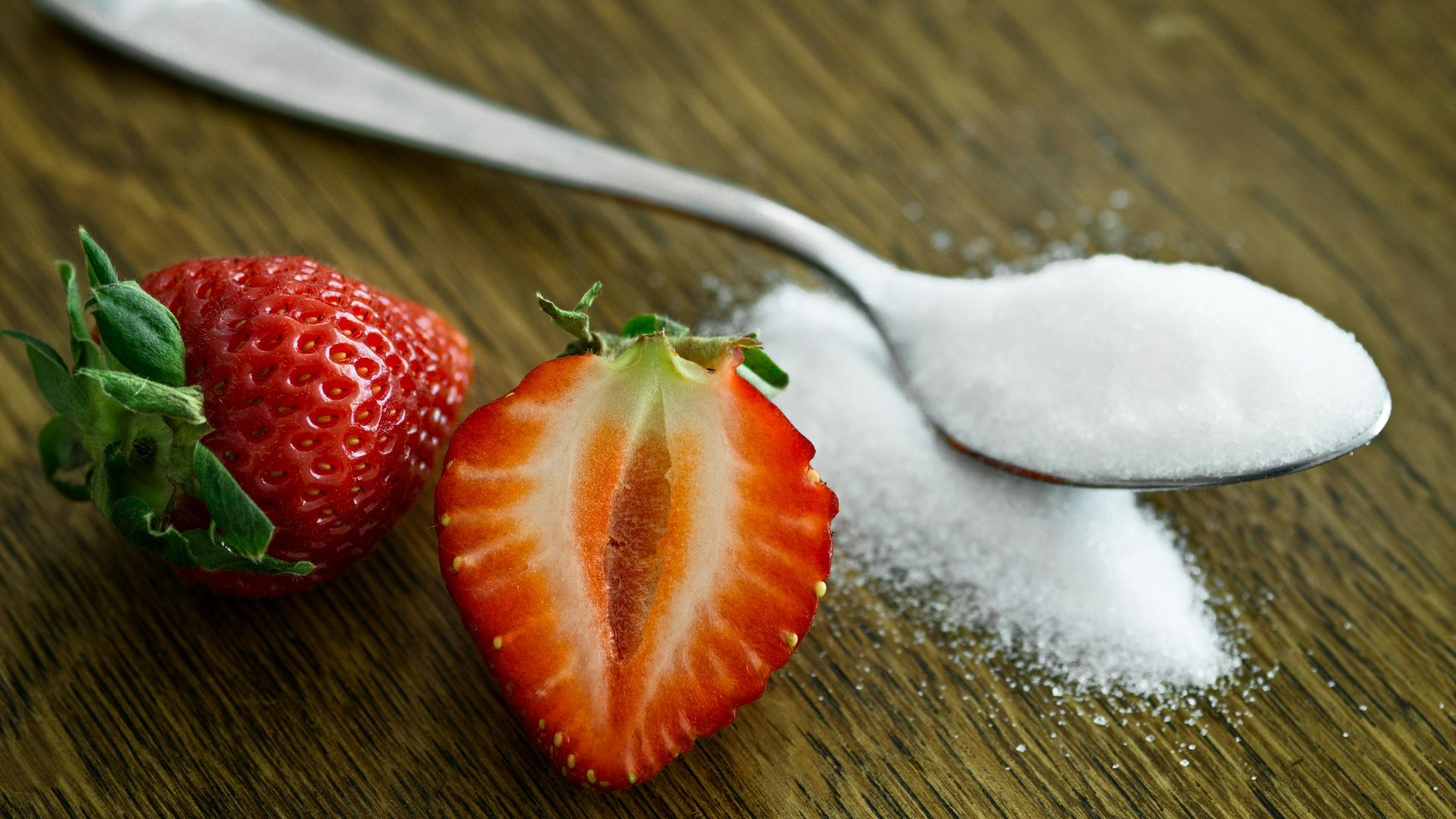
Low-cal sugar substitutes are widely celebrated because they're, well, low in calories. What's more, they aren't really sugar, and we all know how bad that stuff is for us. They're considered generally safer for people with diabetes and can help you lose weight, but they also come with some hidden dangers. One in particular, sorbitol, is increasingly raising eyebrows among health experts and researchers for its potential impact on liver health.
What is sorbitol?
Sorbitol is a type of sugar alcohol that occurs naturally in some fruits, but is also commercially made from glucose. It's widely used in "sugar-free" and "low-cal" products, including gum, candy, protein bars, baked goods, and some medications. It has about two-thirds of the calories of sugar and is 40 percent less sweet. It's often used in diabetic-friendly foods because it barely affects blood sugar levels compared to actual sugar.
What are the dangers?
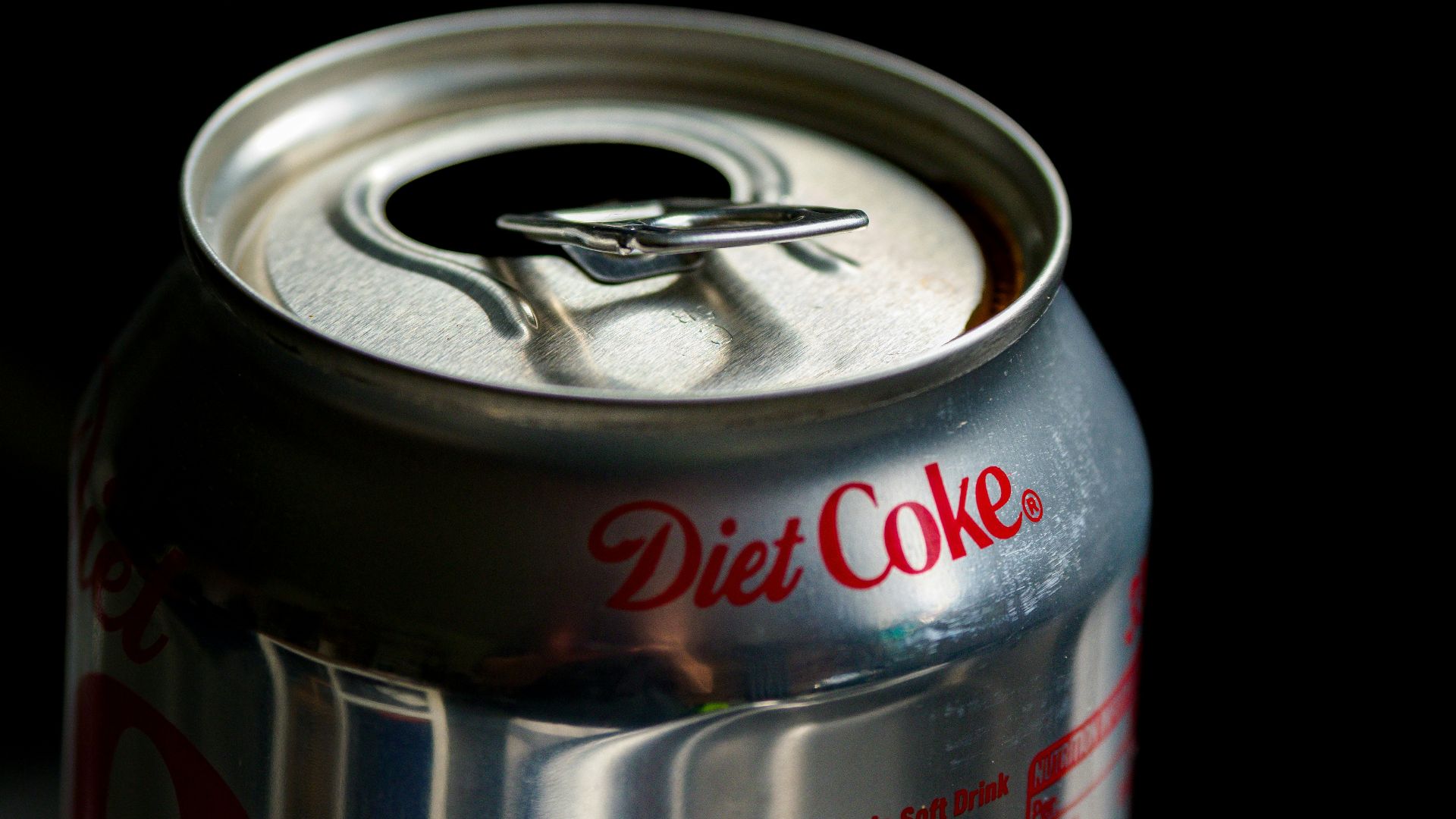
Recent research using zebrafish as models found that excessive sorbitol consumption may increase the risk of metabolic dysfunction-associated steatotic liver disease (MASLD), a type of fatty liver disease. The study found that excessive sorbitol consumption may contribute to MASLD when the gut microbiome can't properly break it down because gut bacteria are either absent or overwhelmed.
In this case, sorbitol travels to the liver, where it's converted into fructose-1-phosphate, a sugar derivative that promotes fat buildup and metabolic dysfunction in the liver. Certain gut microbes can combat this, but many people don't have enough of the right type due to diet and lifestyle habits, which have disrupted the bacterial balance.
“If you don’t have the right bacteria, that’s when it becomes problematic,” Gary Patti, one of the study's main authors, told Washington University. “Because in those conditions, sorbitol doesn’t get degraded and as a result, it is passed on to the liver.”
What this means is that eating multiple sugar-free products containing sorbitol every day could do more harm than good, especially if your diet includes or has historically included other factors linked to liver strain (like excessive sugar, alcohol, or ultra-processed foods). Sorbitol itself isn’t inherently toxic, but when consumed in large quantities and combined with an unoptimal gut microbiome, it can contribute to fat buildup in the liver.
No free pass
It's worth noting that other studies show even low amounts of both sugar-sweetened and artificially sweetened (diet) beverages are linked with MASLD risk. For diabetics and people who rely on sugar-free products, this acts as an important reminder that these items are not automatically neutral. It highlights that there is no free pass when it comes to sugar substitutes. You can't have your cake and eat it too.
That doesn’t mean you need to fear every product with a sugar substitute, but it does suggest that relying on sorbitol-laden “sugar-free” foods and drinks as a long-term health strategy isn’t wise. A safer approach is to reduce your overall intake of processed sweeteners, focus on whole foods, and support a healthy gut microbiome through fiber, fermented foods, and balanced nutrition.
KEEP ON READING

10 Best Finds at Costco & 10 Worth Skipping

20 American Foods That Are Best When They're Simple