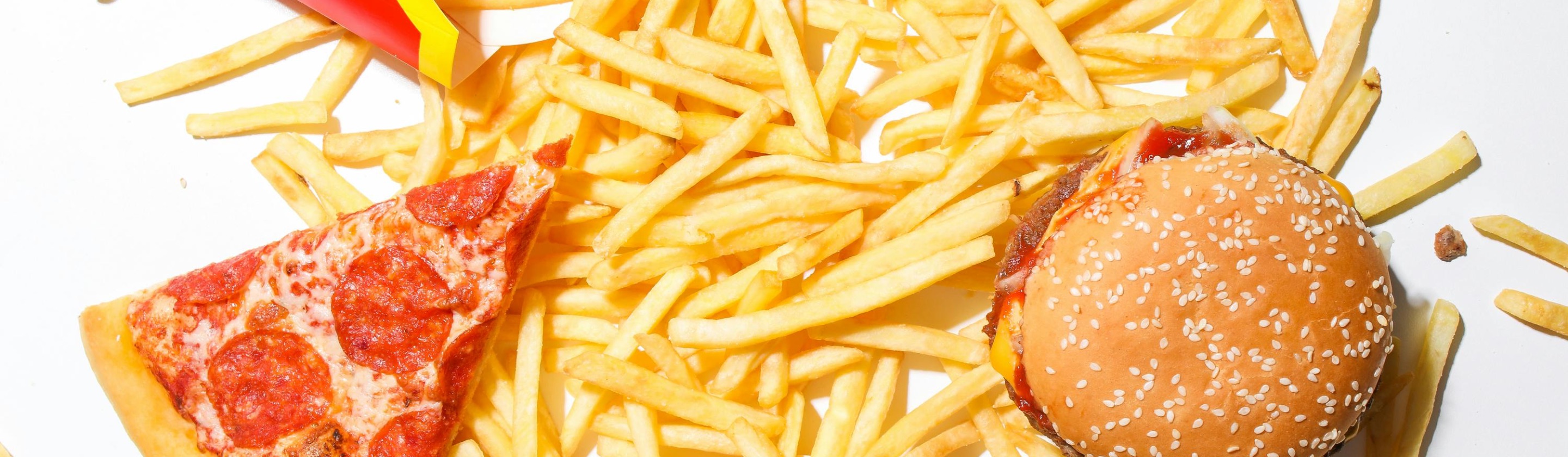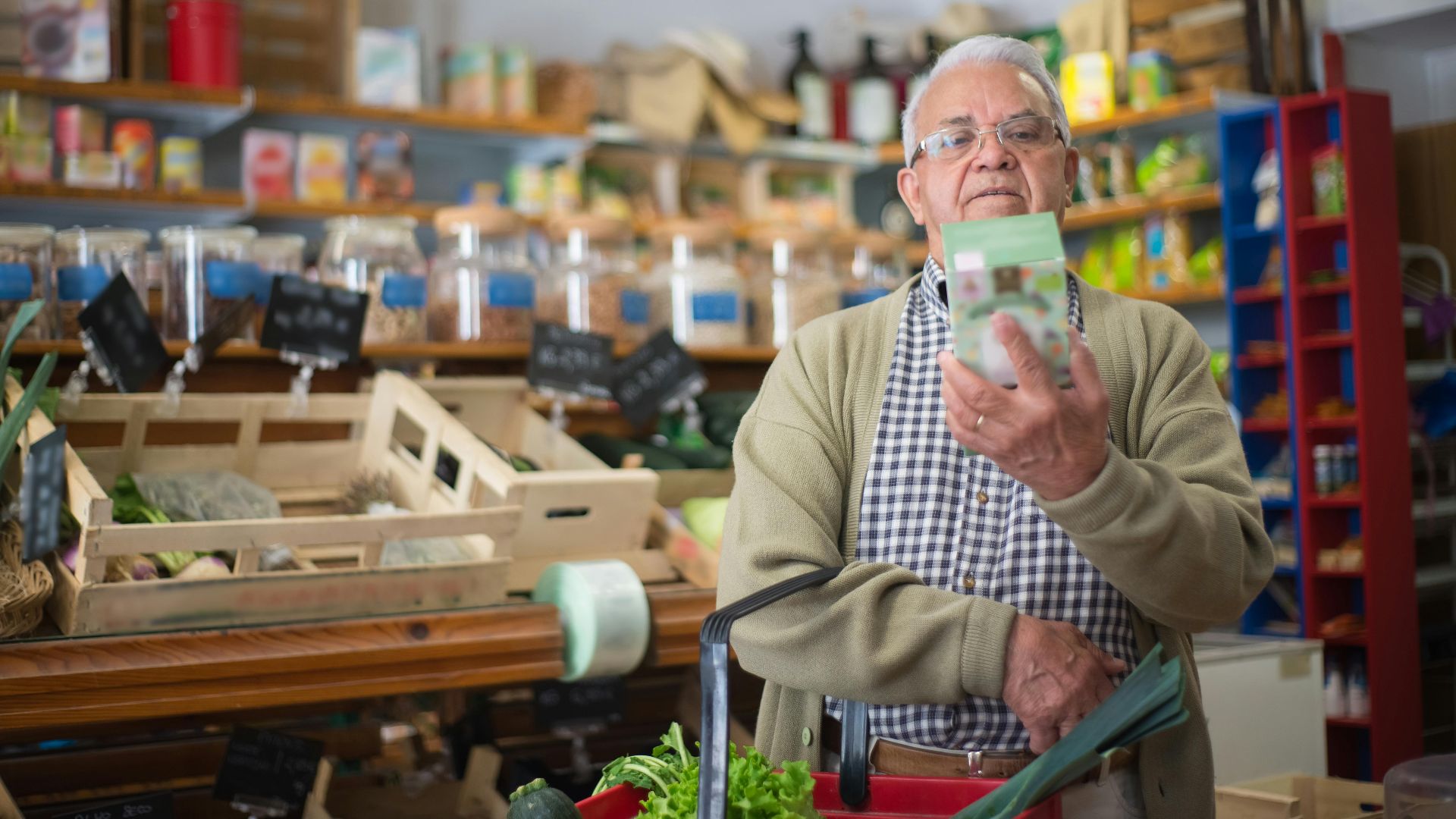
Walk through any grocery store right now and you'll notice something is shifting. The snack aisle, long a cheerful no-man's-land of cheese crackers and Oreos, has started to feel politically charged. Seed oils are villains. Dyes are suspects. Ingredient lists have become the kind of thing people photograph and share online the way they used to share restaurant menus.
Food panics have a pattern. They begin with a legitimate scientific concern, get amplified through media and social platforms, morph into something bigger and more ideological than the original evidence supports, and then either fade or calcify into permanent dietary orthodoxy. We are somewhere in the middle of a new one, and the snack aisle is where it's most visible.
How Ultra-Processed Foods Became the New Villain
The scientific foundation for worrying about ultra-processed foods is more solid than most moral panics admit. The NOVA classification system, developed by nutritional epidemiologist Carlos Monteiro and his colleagues at the University of São Paulo, separates foods not by nutrient content but by degree of industrial processing. NOVA Group 4 foods, the ultra-processed category, include things formulated with ingredients rarely found in home kitchens: emulsifiers, flavor enhancers, artificial colorings, and stabilizers used primarily to extend shelf life or increase palatability.
A landmark 2019 randomized controlled trial by Kevin Hall and his team at the National Institutes of Health gave participants either an ultra-processed or unprocessed diet for two weeks and then switched them. People on the ultra-processed diet consumed an average of 508 more calories per day and gained weight; those on the unprocessed diet lost weight. Crucially, the diets were matched for presented calories, sugar, fat, and fiber, suggesting something about the ultra-processed foods themselves, beyond their nutritional profile, was driving the overconsumption.
The problem is that the category is enormous. NOVA Group 4 technically includes mass-produced whole-grain bread, flavored yogurt, and plant-based protein bars marketed as health foods. When the science gets translated for public consumption, those nuances tend to disappear. What's left is a useful but blunt instrument that feeds a very human desire to have a clean list of bad things to avoid.
The Ingredient Panic That Was Actually Warranted
Not every alarm about snack ingredients is overblown. In January 2025, the FDA revoked authorization for Red Dye No. 3, a synthetic food coloring used in maraschino cherries, certain candies, and some snack foods, based on evidence that it causes cancer in male rats. The FDA had actually known about this evidence since 1990, when it banned the dye in cosmetics, but a legal quirk known as the Delaney Clause, which prohibits approval of additives shown to cause cancer in animals, took decades to result in action for food use.
Emulsifiers have also drawn legitimate scrutiny. Research published in Nature in 2015 by Benoit Chassaing and Andrew Gewirtz found that two common food emulsifiers, carboxymethylcellulose and polysorbate 80, disrupted gut microbiota and promoted inflammation in mice. Follow-up human studies have been smaller and less conclusive, but the signal was enough to prompt ongoing research and public concern.
The issue is that warranted concern and full-blown panic operate on different logic. One leads to regulatory review, label reading, and gradual industry reformulation. The other leads to the kind of viral misinformation that treats a Goldfish cracker as roughly equivalent to a cigarette, which is not a useful frame for anyone trying to make real decisions about what to eat.
What Happens When Snack Culture Meets Moral Certainty
Food anxiety is not evenly distributed. Industry and consumer‑behavior analyses indicate that higher‑income households are significantly more likely to read ingredient labels and seek out so‑called clean‑label products. The market for these products has grown substantially, with clean-label food and beverage sales in the United States projected to surpass $64 billion by 2026 according to market research firm Mordor Intelligence.
What this creates is a bifurcated food culture where people with more purchasing power can opt into an ingredient-scrutinizing lifestyle, while those with less access to time and money continue eating the products that the scrutinizers have decided to fear. Food panics rarely touch everyone equally, and the snack aisle version is no different.
We tend to get the food panics we deserve, which is to say the ones shaped by the anxieties, economic conditions, and information ecosystems of the moment. The current one contains real science, real regulatory failures, real industry malfeasance, and a heavy overlay of social identity and political tribalism. Sorting those layers out is worth the effort, and the snack aisle is as good a place to start as any.
KEEP ON READING
Why American Cheese Melts Better Than “Real” Cheese

20 Historical Dishes From Turtle Island