

Why Canned Fish Deserves a Place in Your Weekly Diet

Canned fish hasn't always had the most glamorous reputation, with many people associating it with boring lunches or emergency pantry supplies. However, there's a good reason why nutritionists frequently recommend keeping a few cans of sardines, salmon, or tuna on hand. These inexpensive pantry staples are packed with nutrients, require virtually no preparation, and can be incorporated into far more dishes than you might realize.
Although fresh fish is often considered the superior option, the canning process preserves much of the nutritional value that makes seafood so beneficial in the first place. In some cases, canned varieties even offer nutritional advantages over their fresh counterparts. Whether you're looking to eat healthier, cut down on your grocery bill, or spend less time preparing meals during the week, canned fish deserves a little more appreciation.
Canned Fish Offers an Impressive Range of Health Benefits
One of the biggest nutritional advantages of canned fish is its high protein content, which helps support muscle maintenance, tissue repair, and healthy immune function. Depending on its size, a small can of tuna can easily provide more than 20 grams of protein. Since protein also helps you feel satisfied after eating, adding canned fish to your lunch could keep you fuller for longer than a meal consisting primarily of carbs.
Perhaps even more impressive is the omega-3 fatty acid content of oily fish like sardines, salmon, herring, and mackerel. These essential fats play an important role in brain function and cardiovascular health, and consuming them regularly can help support healthy triglyceride levels. Fortunately, canned fish retains much of its omega-3 content, so you don't need to splurge on fresh salmon fillets to enjoy these benefits.
Certain varieties of canned fish are also excellent sources of calcium because they're packaged with their bones intact. The heat and pressure involved in canning make the bones soft enough to eat, meaning canned sardines and bone-in salmon can be particularly beneficial for maintaining strong bones. Many varieties also contain vitamin D, vitamin B12, and selenium, all of which support important bodily functions.
It's an Affordable Way to Eat Healthier
Anyone who's browsed the seafood counter at their local supermarket knows how expensive it can be to eat fresh fish regularly. Even a relatively modest portion of fresh salmon can take up a sizable chunk of your grocery budget, and it's even worse if you're feeding an entire family. Canned alternatives generally make enjoying seafood more affordable without requiring you to sacrifice much, or at all, in the way of nutrition.
There's also something to be said for the exceptionally long shelf life of canned fish, especially if you're frequently throwing away groceries that have gone bad. Unlike fresh seafood, which typically needs to be cooked within a couple of days of purchasing it, unopened canned fish can last for years in your pantry when properly stored. That means you won't have to worry about wasting money on fish just because your dinner plans changed at the last minute.
Convenience is another factor that shouldn't be overlooked when it comes to healthy eating. After a particularly exhausting day at work, spending an hour in the kitchen preparing a nutritious dinner isn't exactly appealing, which is when many people resort to ordering takeout. Keeping a few cans of fish on hand means you can put together a protein-rich meal in minutes, whether you're making salmon patties, adding sardines to pasta, or throwing together a Mediterranean-inspired tuna and white bean salad.
Choosing the Right Canned Fish Makes a Difference
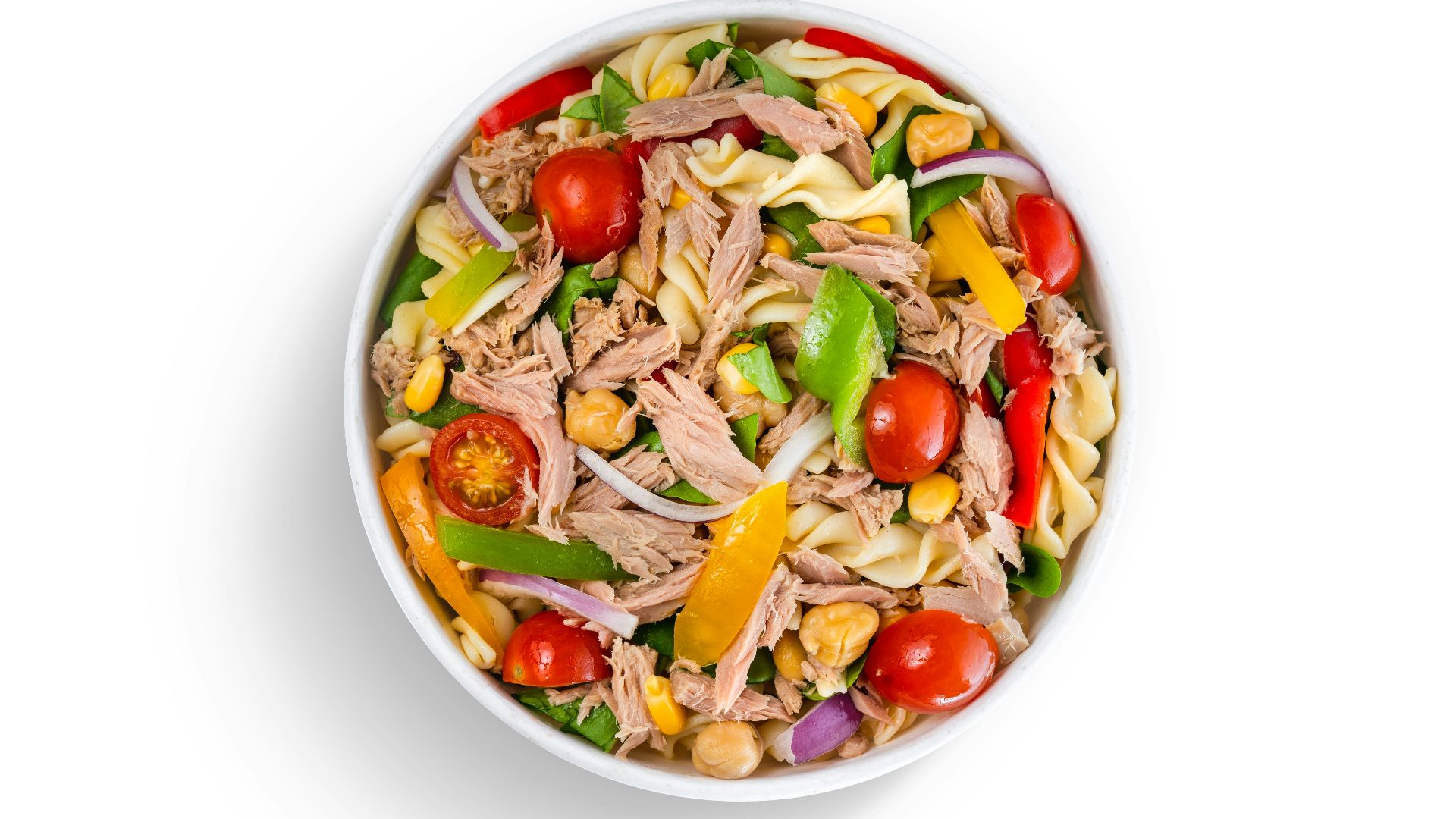
While canned fish is generally a nutritious addition to your diet, it's worth paying attention to what you're buying rather than grabbing whichever product happens to be on sale. Some varieties contain surprisingly high amounts of added sodium, particularly those packaged in heavily seasoned sauces or brine. Taking a moment to compare nutrition labels and choosing products with little or no added salt can be beneficial, especially if you're trying to manage your blood pressure.
Mercury content is another consideration, as certain fish naturally accumulate much more of this element than others. Sardines, salmon, Atlantic mackerel, and canned light tuna are generally lower-mercury choices, whereas albacore tuna typically contains more mercury than its canned light counterpart. The FDA recommends eating a variety of lower-mercury seafood and provides specific consumption guidelines for pregnant women, breastfeeding mothers, and young children.
If you're interested in making canned fish a regular part of your diet, don't limit yourself to tuna. Smoked trout, sardines in olive oil, canned sockeye salmon, and mackerel all have distinctive flavors and textures that work well in different dishes. Once you've experimented with a few varieties and found ways to incorporate them into meals you already enjoy, you might discover that eating enough seafood each week is easier, cheaper, and far more enjoyable than you expected.
KEEP ON READING