
Worried About Dementia? If So, Green Tea Should Be Your New Obsession
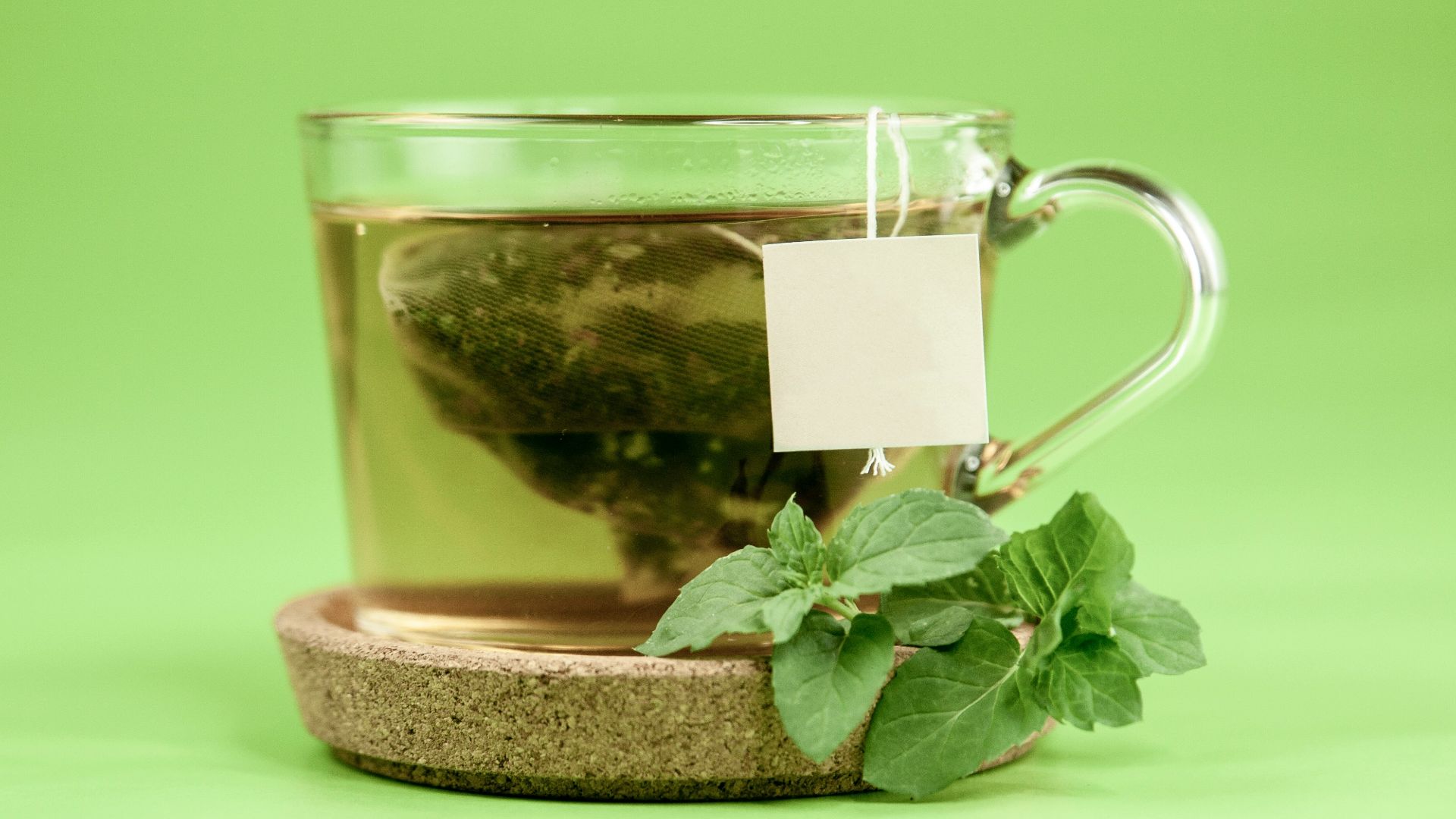
It’s completely natural to feel a bit uneasy when you think about the long-term health of your brain as you age. Many of us find ourselves searching for that magic pill or a secret superfood that can keep our cognitive gears turning smoothly for decades. While there is no single cure-all for neurodegenerative conditions, a humble beverage sitting in your pantry might be one of your strongest allies. Green tea isn't just a comforting drink for a rainy afternoon; it is a biological powerhouse packed with compounds that specifically target the health of your neurons.
By making this vibrant brew a regular part of your daily routine, you are doing more than just staying hydrated. You are essentially bathing your brain cells in a protective shield of antioxidants that work tirelessly to ward off the damage caused by time and the environment. It is one of the easiest and most affordable lifestyle changes you can implement right now without needing a prescription or a fancy gym membership. Once you understand the fascinating science behind how these leaves interact with your mind, you will likely find yourself reaching for a mug much more often.
The Power of Plant-Based Neuroprotection
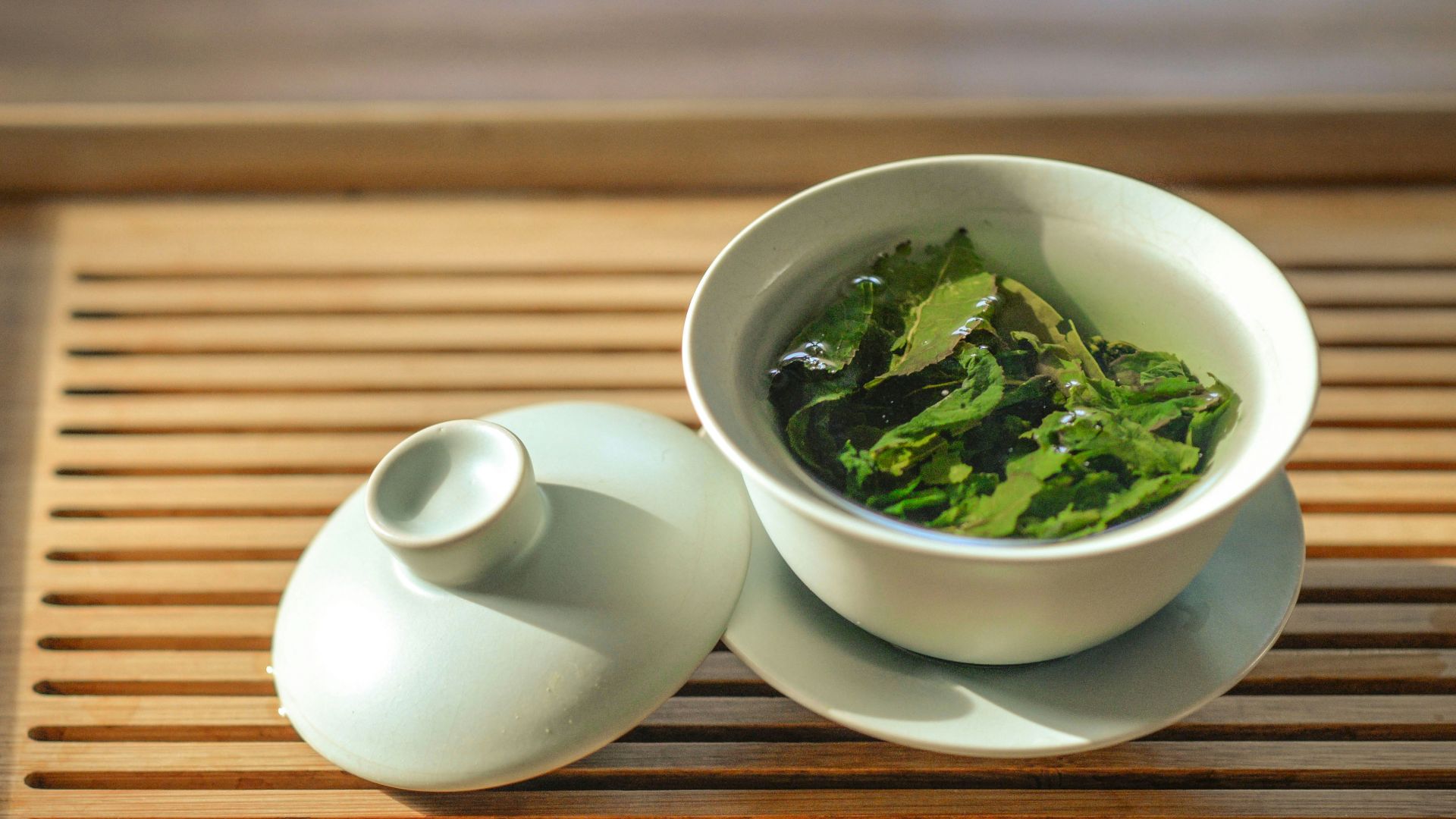
Green tea is packed with polyphenols, and the most prominent of these are catechins. EGCG, in particular, is a superstar at combating free radicals. Think of EGCG as a personal brain-guarding bodyguard. Less oxidative stress allows the brain to run more efficiently and helps brain matter resist premature aging. Green tea helps maintain the body’s natural defenses to keep the mind in working order.
When it is said that green tea can protect the brain from aging, it also refers to potential protection against plaque build-up that contributes to memory decline. Studies have shown green tea extract may inhibit the accumulation of proteins that clump together in the brain. These clumps are associated with memory-related problems. Instead of waiting for damage to occur, green tea compounds may help slow the formation of these protein clusters. Researchers believe this may be one reason regular tea drinkers show stronger brain health later in life.
It is also thought to increase blood flow to the brain and encourage the production of new brain cells. The old belief that humans are born with all the brain cells they will ever have is not accurate. One of the benefits of green tea may include supporting the production of new neurons in the hippocampus. The hippocampus is responsible for creating and retaining new memories. New brain cells can support better memory function and improved spatial awareness.
Enhancing Your Focus and Calm
Perhaps green tea's most unusual superpower is the way it energizes the body and mind. Not in a jittery, overstimulated way, but in a steady and balanced way. Thanks to an amino acid called L-theanine, green tea provides a state of “relaxed focus.” The brain receives a moderate dose of caffeine from green tea leaves, but not enough to cause overstimulation. L-theanine also increases alpha brain wave activity, allowing focus without heightened anxiety.
Working memory and short-term cognitive function may be improved throughout the day. Complex tasks do not feel as overwhelming, and forgetfulness may be reduced. Research has found that green tea drinkers often score higher on tests measuring multitasking and processing speed. This is another way drinking green tea may support both present performance and long-term cognitive health.
L-theanine also contributes to the body’s ability to manage stress and anxiety. Chronic stress can negatively affect brain health, and supporting a calmer nervous system may help reduce long-term cognitive strain. Drinking green tea can feel like a form of mental reset, helping the mind respond to daily pressures with greater balance. Lower stress levels allow more mental energy to be directed toward meaningful tasks.
Building a Simple Habit for Life
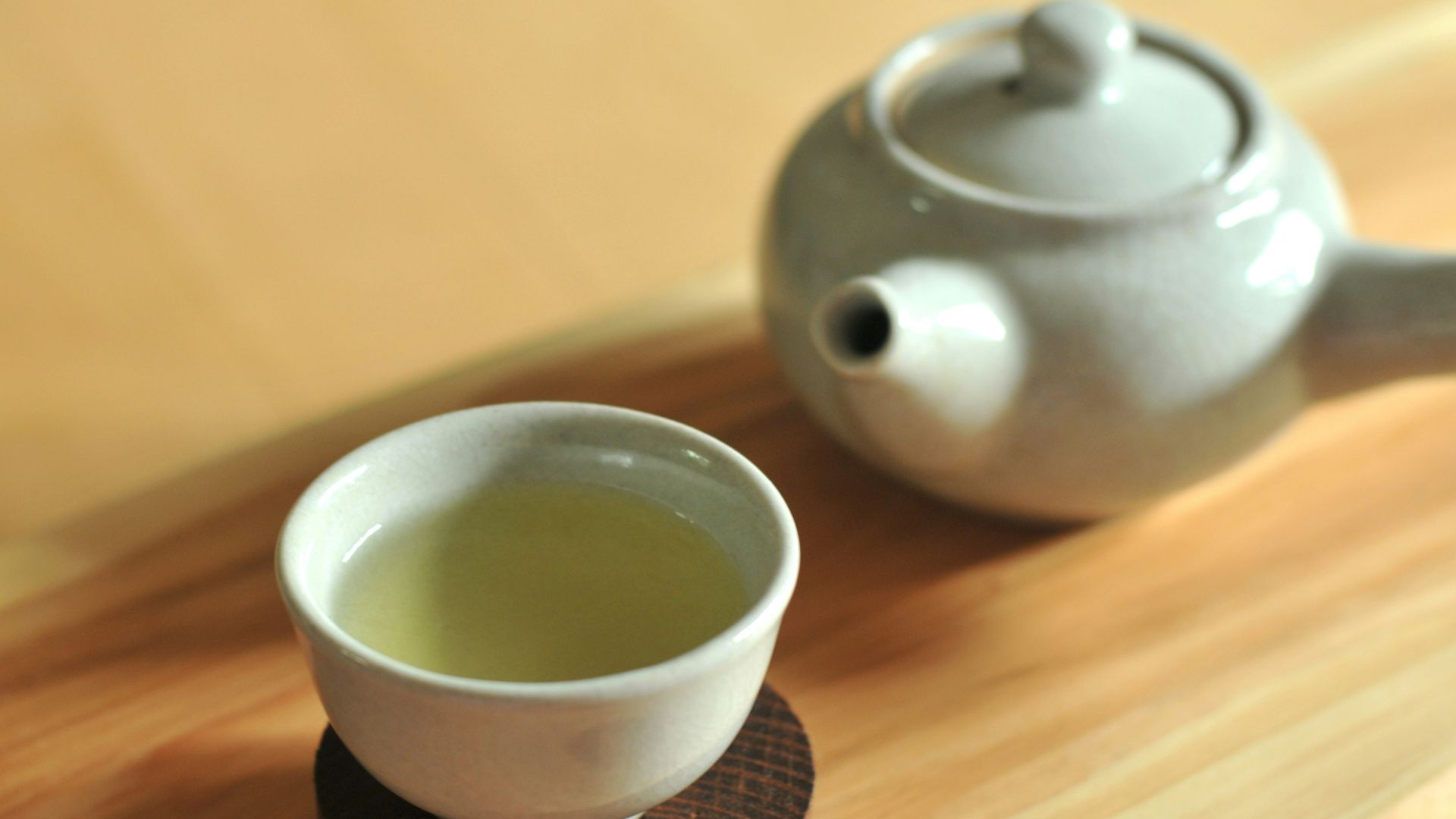
Incorporating this traditional beverage into a modern schedule does not have to feel like a chore or a medical treatment. One simple approach is replacing a sugary soda or extra coffee with a cup of green tea. To get the most out of the leaves, boiling water should be avoided, as slightly cooler temperatures help preserve delicate antioxidants. Exploring varieties like Sencha, Matcha, or Jasmine can keep the experience enjoyable while maintaining consistency.
Ultimately, brain health is influenced by small, daily choices made over the course of a lifetime. While green tea alone cannot guarantee prevention of all health issues, evidence supporting its role in cognitive longevity is compelling. Choosing a drink supported by both ancient tradition and modern research gives the mind a meaningful advantage. So, the next time there is concern about the future, the solution may be as simple as putting the kettle on.
KEEP ON READING

20 Theme Park Snacks People Fly In Just to Eat


20 American Restaurants Your Grandparents Loved

20 Foods You Can't Eat Without Teeth