You're Probably Not Drinking Enough Water—But How Do You Up Your Intake?
Most people know they should be drinking more water, yet a surprising number still fall short of their daily needs. It's one of those habits that feels simple in theory but tends to slip through the cracks when life gets busy, routines shift, or you just forget to refill your glass (or you're reaching for sugary options instead). The consequences of chronic low-level dehydration aren't always a big deal in the short-term, but they do add up over time in ways that affect how you feel and function each day.
What makes this trickier is that thirst isn't always a reliable signal. By the time you actually feel thirsty, your body may already be mildly dehydrated, which means relying on that cue alone isn't enough to keep your hydration on track. Building a more intentional approach to water intake (one that works with your schedule and habits) is really the key to making a lasting change.
How Much Water You Actually Need?
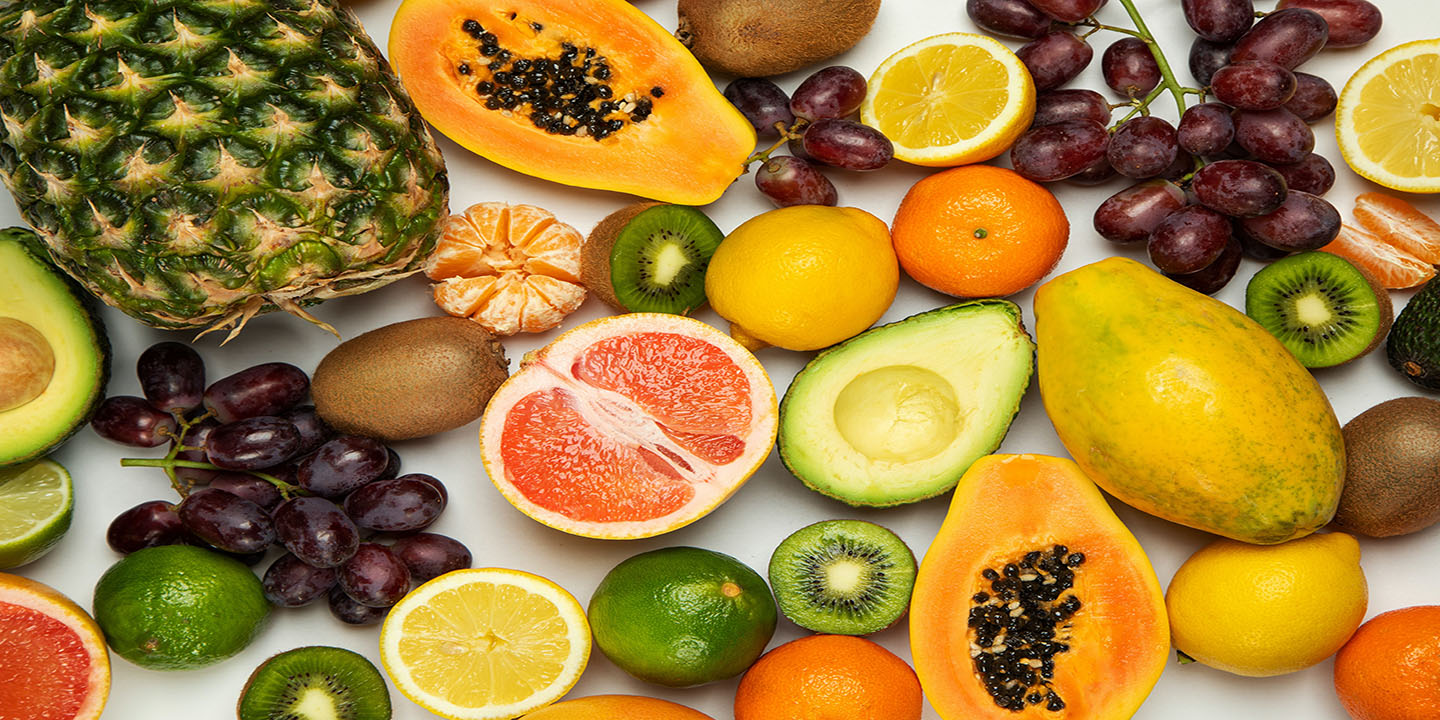
The oft-cited "eight glasses a day" rule is a decent starting point, but it's more of a rough estimate than a hard standard. Experts, as highlighted by the American Heart Association, generally recommend around 3.7 liters (about 125 ounces, or 15.5 cups) of total water per day for men and 2.7 liters (about 91 ounces, or 11.5 cups) for women, though these figures often include water from all sources, including food. Fruits and vegetables, for instance, contribute meaningfully to your daily fluid intake, so your pure water needs may be somewhat lower depending on what you eat.
Your individual requirements also shift based on factors like body size, activity level, climate, and overall health. If you exercise regularly, live somewhere hot, or spend a lot of time outdoors, your body loses more water through sweat and breathing, which means you'll need to compensate accordingly. Pregnant or breastfeeding individuals also have elevated hydration needs that go beyond the average daily recommendations.
A practical way to gauge whether you're drinking enough is to pay attention to the color of your urine. Pale yellow is generally a good sign of adequate hydration, while dark yellow or amber suggests you need to drink more; clear urine, on the other hand, might be a positive but can sometimes indicate you're overdoing it.
Smart Tips for Drinking More Throughout the Day
One of the most effective approaches is to tie your water intake to existing habits rather than trying to build an entirely new routine from scratch. Drinking a glass of water first thing in the morning, before your coffee, and before each meal are easy anchor points that don't require much mental effort once they become automatic. Over time, these small consistent actions add up to a noticeably higher daily intake without requiring constant reminders.
Keeping water visible and accessible throughout your day also makes a real difference. Research suggests that when a healthy option is more convenient and visible, people are more likely to choose it; placing a water bottle on your desk, by your bed, or on the kitchen counter removes the friction of having to seek it out. The less effort it takes, the more likely you are to reach for it consistently.
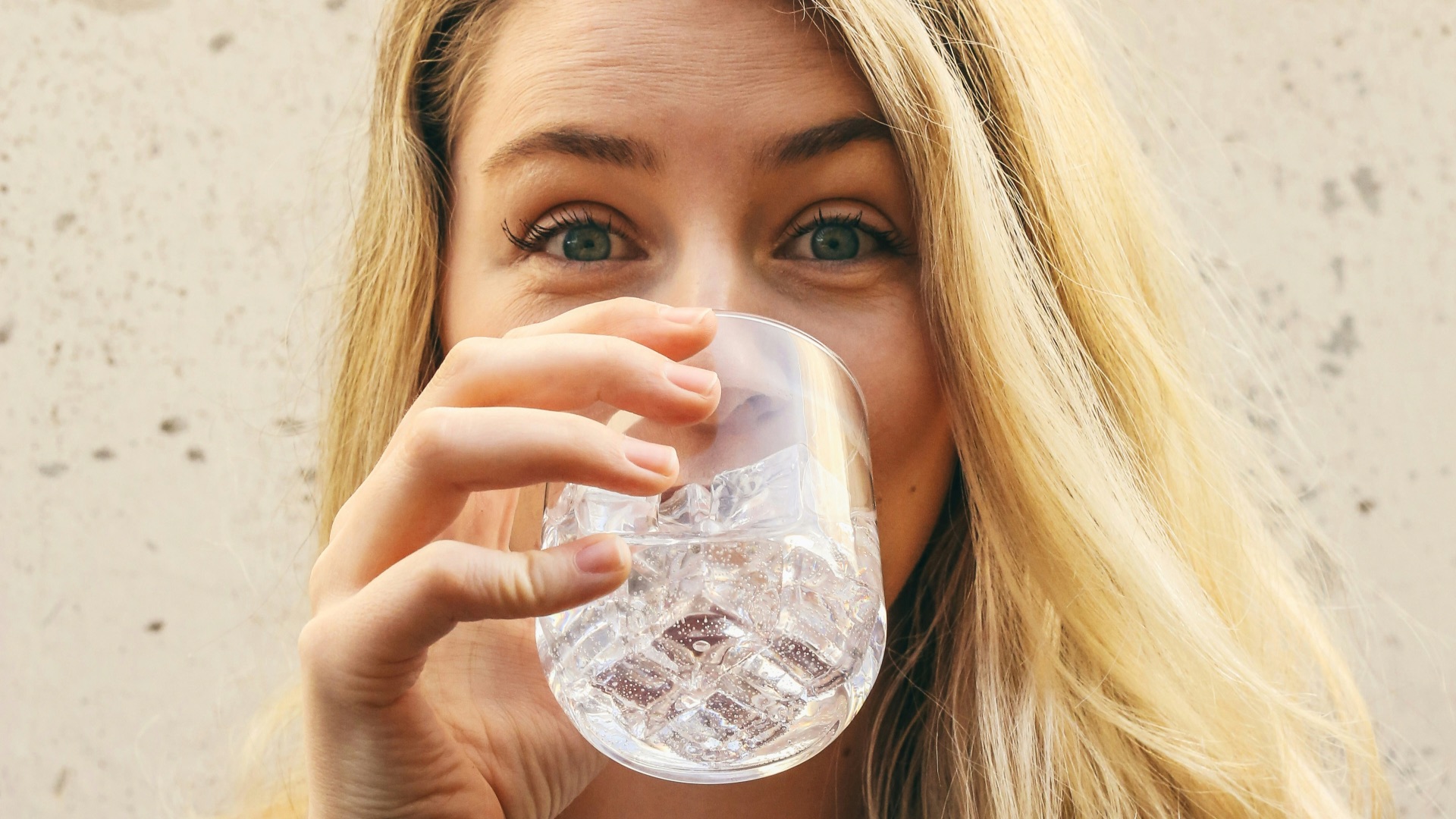
If plain water feels boring, spice it up! Adding sliced fruit, cucumber, or fresh herbs like mint can make water more enjoyable without introducing sugar or artificial flavoring. Sparkling water is another option for those who find still water unappealing, since it delivers the same hydration benefits with a bit more sensory interest.
The Benefits You'll Actually Notice
Adequate hydration supports a wide range of bodily functions, many of which you'll start noticing when your intake improves. Even mild dehydration—as little as 1–2% of body weight in fluid loss—has been shown to impair cognitive performance, reduce concentration, and increase fatigue. If you've ever felt a mid-afternoon slump that didn't improve much with caffeine, low fluid intake could be a contributing factor.
Your digestive system also benefits considerably from consistent hydration. Water helps move food through the digestive tract efficiently, and insufficient fluid intake is one of the most common contributing factors to constipation. Staying well-hydrated supports kidney function as well, helping your body flush out waste products more effectively and reducing the risk of kidney stones over time.
Skin health is another area where improved hydration tends to show up in ways people appreciate. While drinking more water isn't a treatment for skin conditions, proper hydration helps maintain skin elasticity and supports its barrier function. The results won't be immediate, but steady, long-term hydration is one of the simplest and most accessible things you can do for your overall skin health without spending money on products.
Ultimately, drinking more water doesn’t have to be complicated. The goal is to make it feel more like a natural part of your lifestyle. By understanding your body’s needs, keeping water within easy reach, and building a few simple cues into your routine, you can turn better hydration into a habit that supports your energy, focus, digestion, and overall well-being in small but meaningful ways.
KEEP ON READING

The Most Popular Signature Dishes Around the World