10 Ridiculous Fast Food Myths People Still Believe & 10 That Are Actually True
Separating the Drive-Thru Facts From Fiction
Fast food has accumulated an impressive collection of rumors over the years, and some of them sound so strange that you'd think they'd disappear after five minutes of common sense. Yet stories about secret ingredients, mysterious preparation methods, and bizarre restaurant policies continue to circulate, often because they're entertaining enough to repeat. The funny thing is that a few claims that sound completely ridiculous do have some truth behind them, while others are simply myths that refuse to fade.
1. Fast Food Burgers Contain Worm Meat
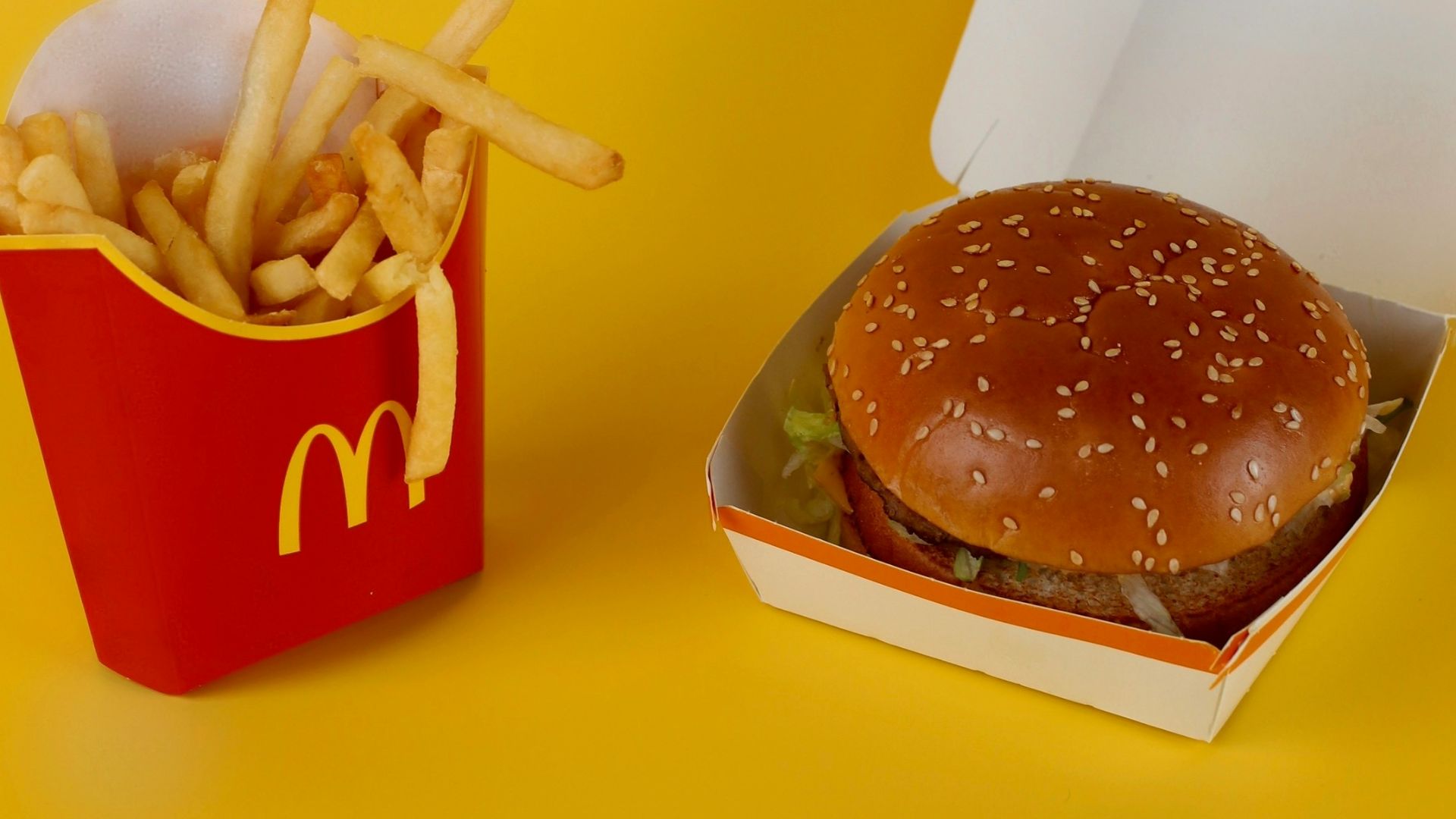
People have been claiming restaurants secretly mix mysterious ingredients like worms into ground beef for decades. Major fast food brands don't use worms as an unlisted burger ingredient. Prepackaged foods are regulated by ingredient and food-safety standards.
2. McDonald's Burgers Never Rot
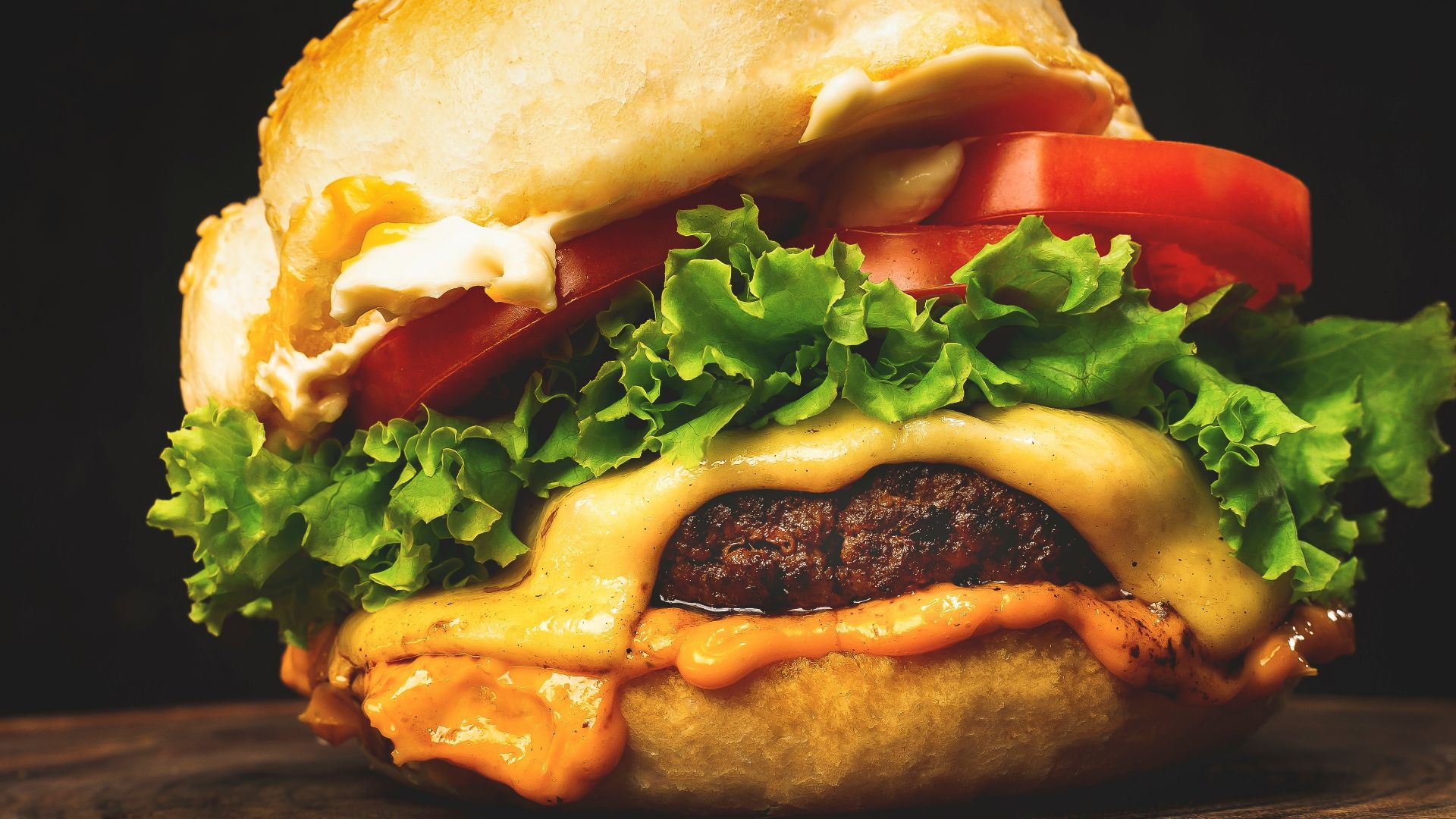
One of the most famous fast food rumors is about McDonald's burgers supposedly lasting for years. It's less mysterious than you might think. A small, dry burger can become dehydrated and look remarkably preserved under certain conditions, but that doesn't mean it contains some magical anti-decay ingredient.
3. Fast Food Chicken Is Made From Mystery Parts
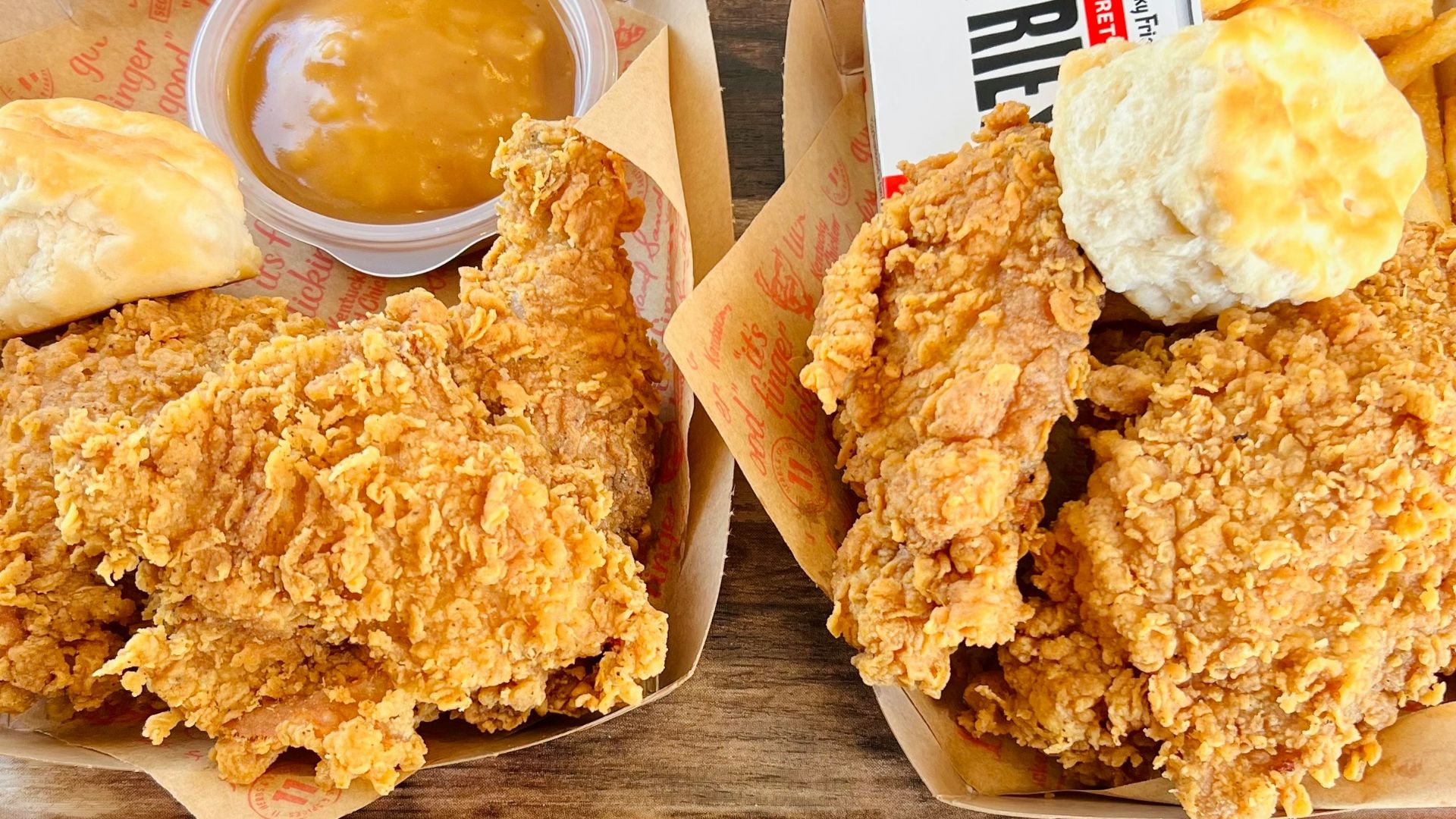
Lots of jokes about restaurants grinding up all the leftover parts of a chicken into nuggets. While ingredients vary between products and chains, many contain primarily chicken meat. Depending on the recipe, processed chicken products can include a number of additional ingredients.
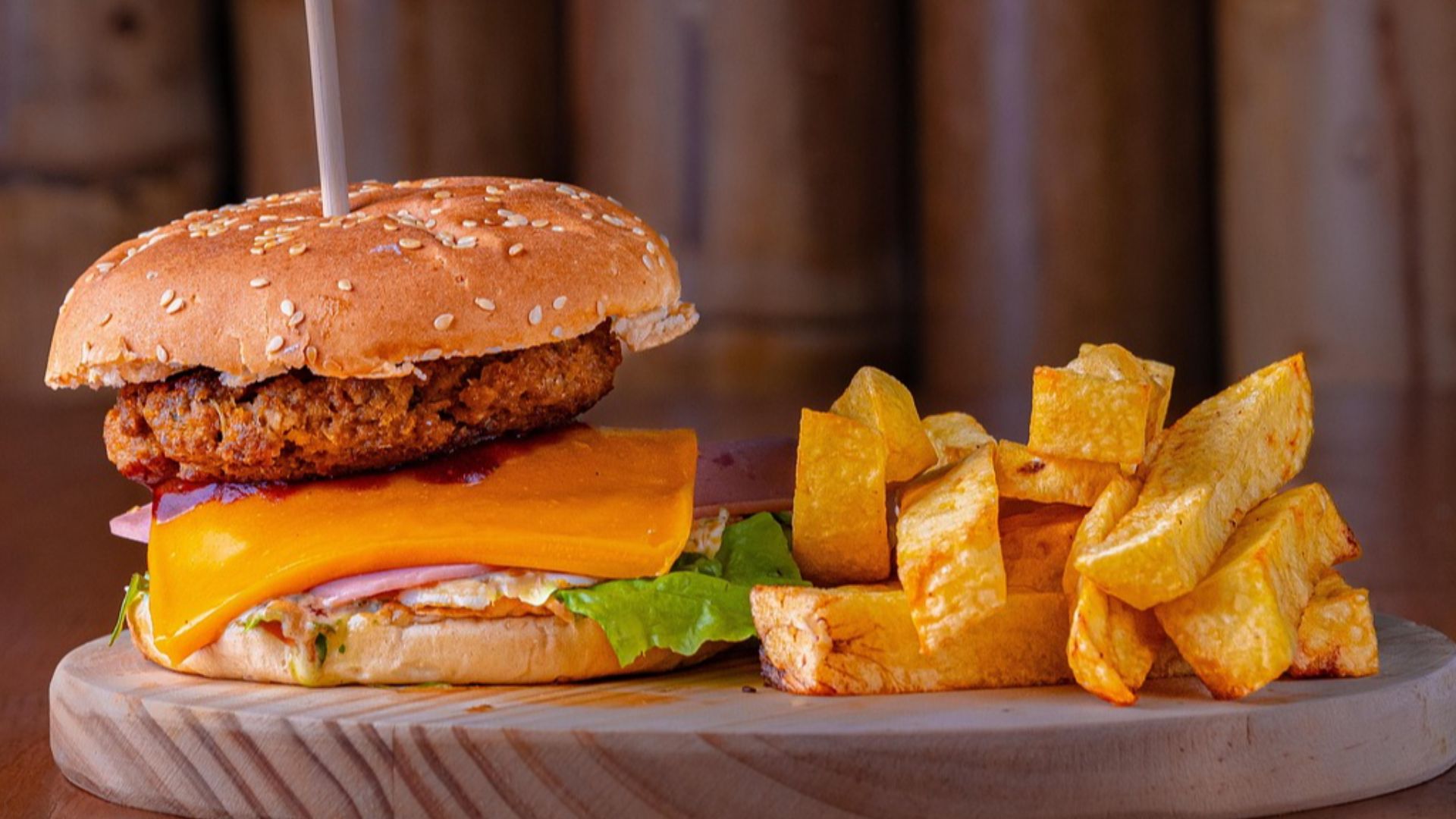
4. Fast Food Fries Are Made From Plastic
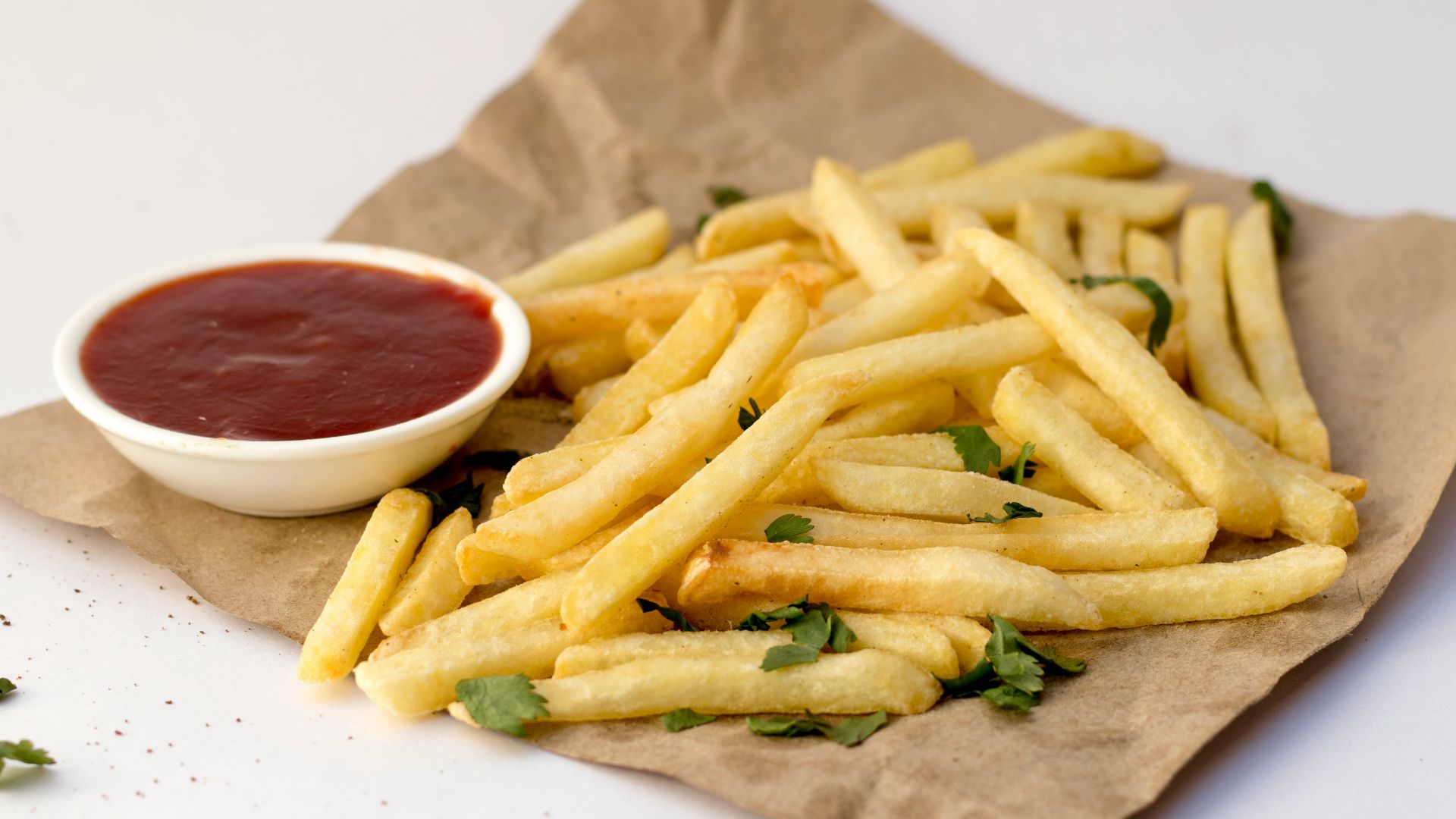
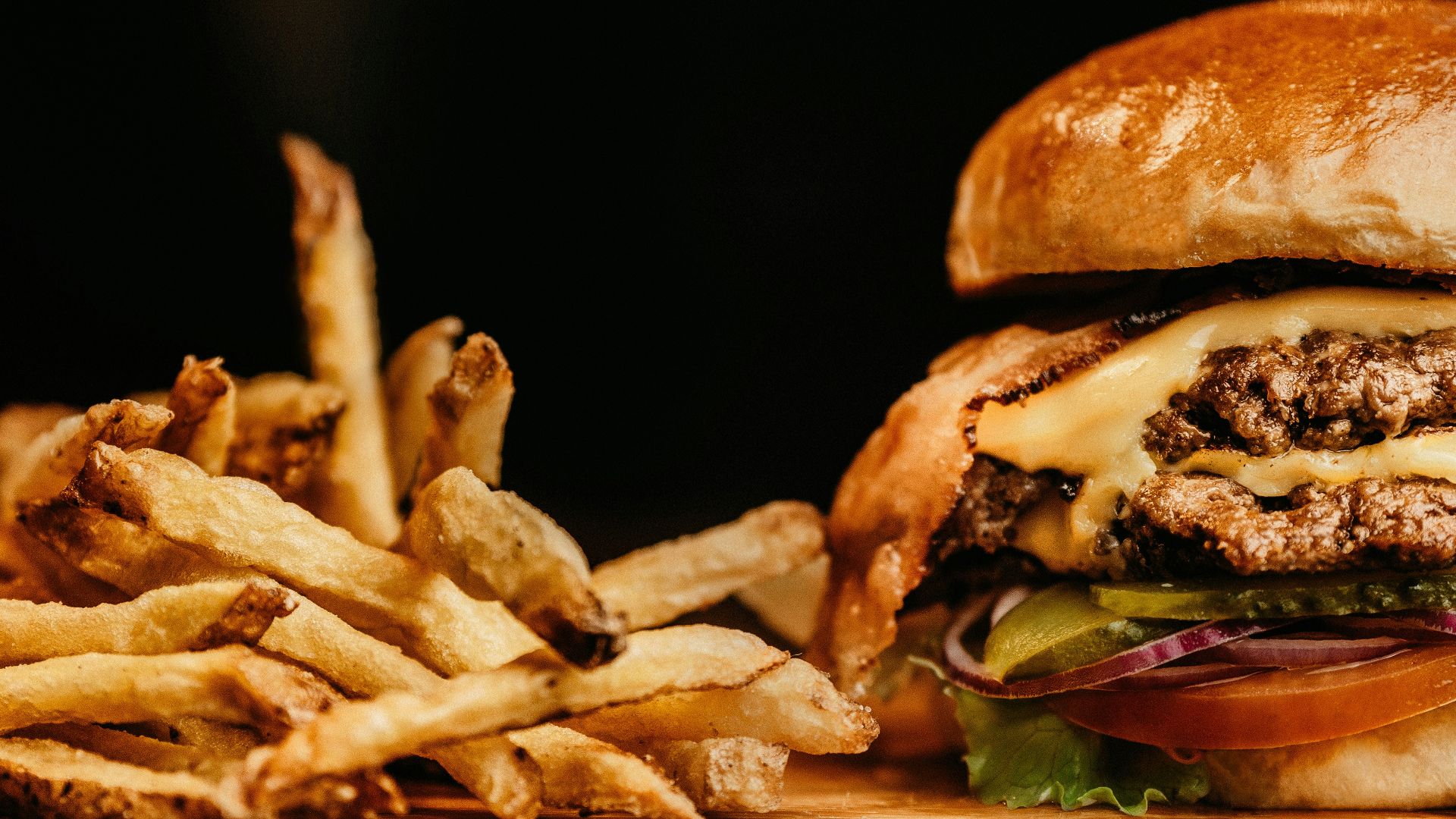
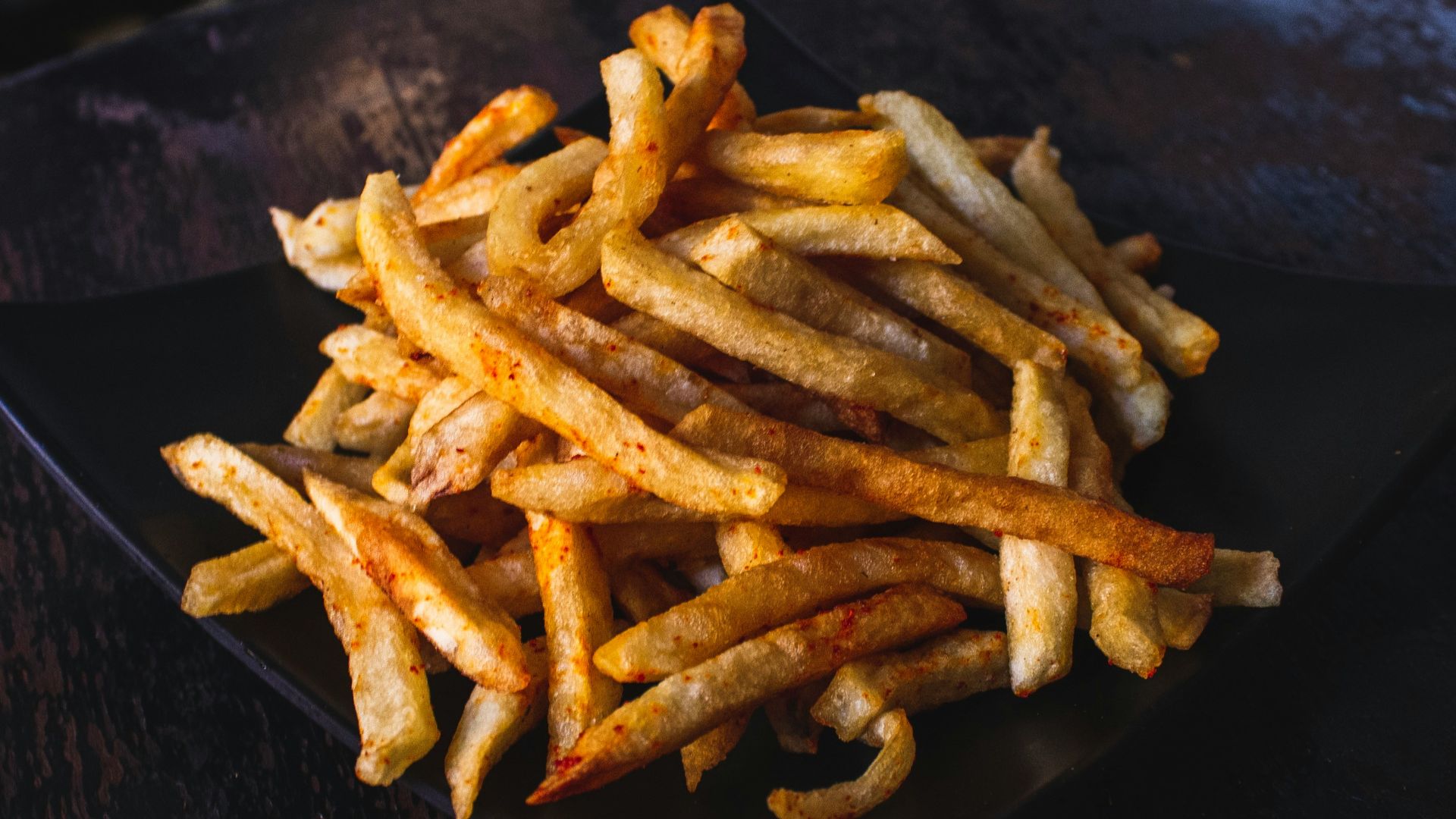
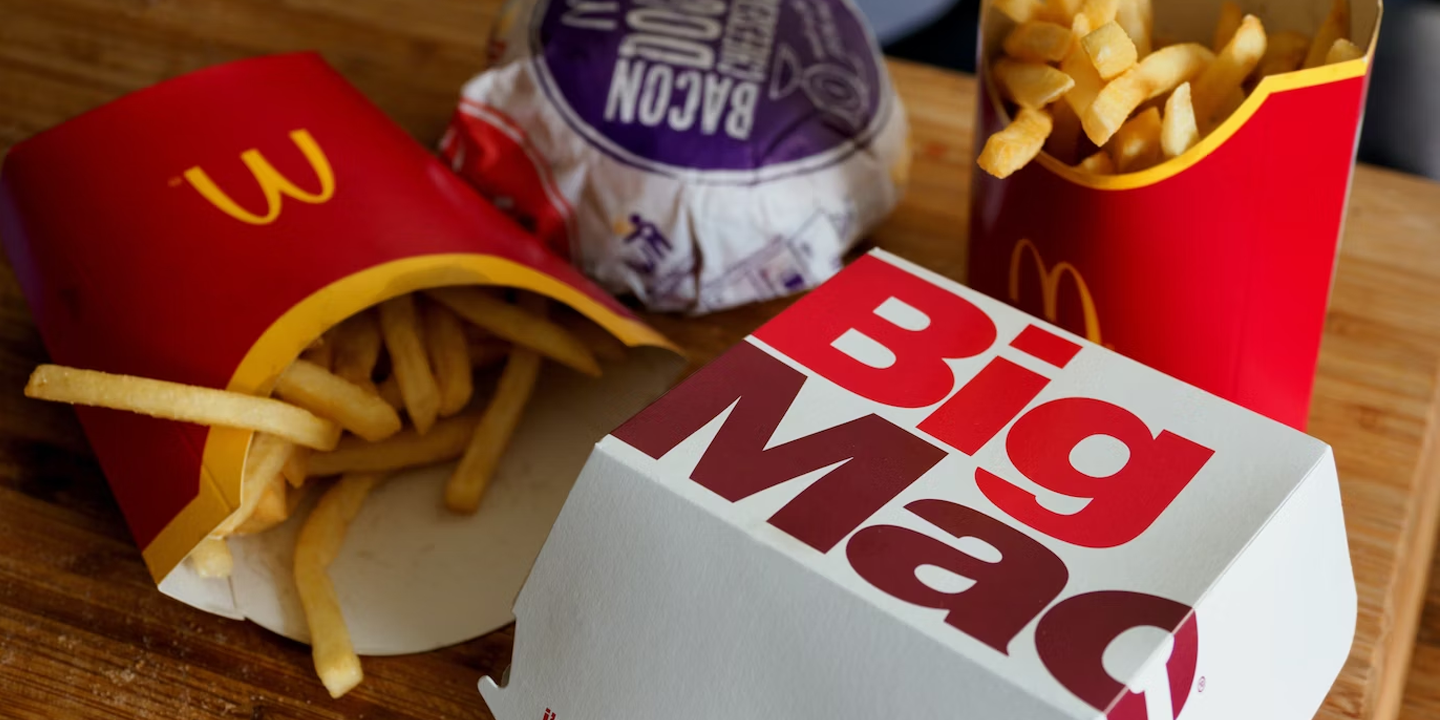
The idea that French fries contain plastic or some synthetic substance designed to make them look or feel a certain way has circulated online for years. There's no good evidence that major chains use plastic as a secret ingredient in their fries. Some fries are very processed compared to a baked potato you slice at home, but that doesn't mean they contain plastic.
 Pixzolo Photography on Unsplash
5. McDonald's Uses Kangaroo Meat
Every so often, another bizarre claim appears suggesting that McDonald's burgers contain kangaroo meat or another unconventional animal. The idea has no basis as a secret ingredient in the chain's standard U.S. burgers. McDonald's publishes information about its ingredients and suppliers, and there isn't some hidden kangaroo component lurking in the beef patties.
6. Fast Food Restaurants Reuse Unsold Food the Next Day
Many people believe unsold food from one day is saved and served the next day again. Restaurants typically have strict guidelines for how long prepared food can be held, and they use established methods for dealing with foods that pass their holding time. Holding times and procedures vary by restaurant and food type.
7. The Secret Menu Is a Completely Separate Menu
The term secret menu makes it sound like restaurants have an unlisted catalog of alternative items. Secret menus aren't all they're cracked up to be either. Many supposed secret menu items are customer-created dishes from available ingredients.
8. Fast Food Coffee Is Always Made From the Same Beans
There's a common belief that restaurants all use the same cheap coffee bean and slap their logo on the cup. Fast food coffee actually comes from many different places. Restaurants can change their coffee supplier, blend, and roasting methods at any time.

9. Fast Food Restaurants Put Things in the Food to Make You Addicted
Restaurant conspiracy theories don't get much more outrageous than this idea. Fast food isn't deliberately laced with addictive substances to create customer dependence. Ingredients like salt, sugar, and fat can be very palatable when combined, but food companies aren't secretly using addictive substances either.
10. Restaurant Ice Is Automatically Dirtier Than Toilet Water
This claim has been repeated so many times that it sounds almost official, but there's no universal rule saying fast food ice is dirtier than toilet water. Ice machines and other food-contact equipment can become contaminated if they're poorly maintained, which is why cleaning and sanitation procedures matter. Food safety investigations have occasionally found problems at individual establishments, but that doesn't mean it's always a biological hazard.
Now that we talked about 10 fast food myths, here are truths!

1. Some Fast Food Chains Have Changed Their Ingredients
It should come as no surprise that ingredients have changed over the years at major restaurant chains. Some companies reformulate ingredients and recipes due to customer feedback, availability, regulations, costs, nutritional concerns, or other reasons. While most restaurants strive for consistency, your old favorite may not taste the same as you remember.
2. Fast Food Fries Can Contain More Than Potatoes
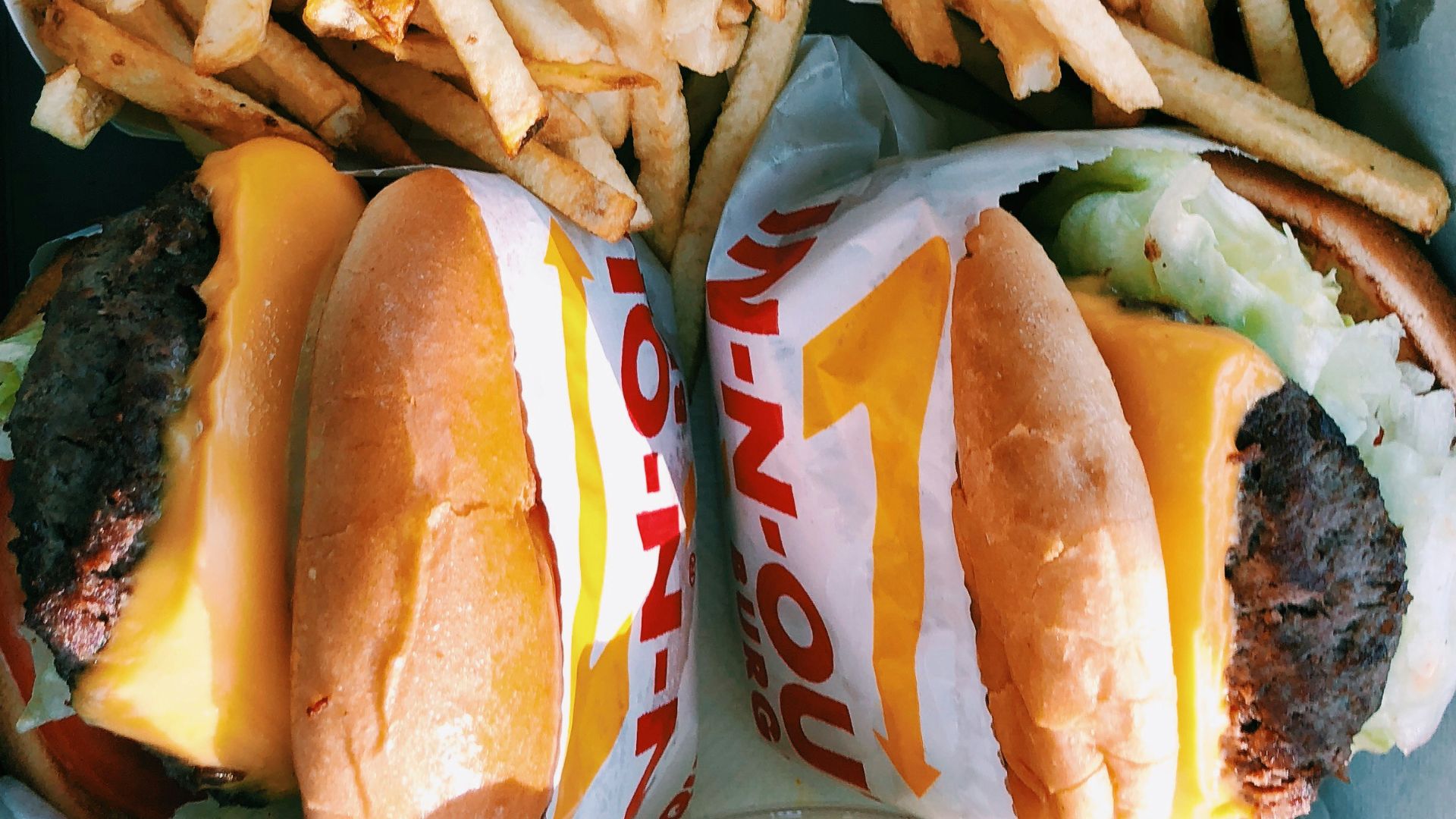
Your fast food fry doesn't just magically appear out of thin air. Depending on where you get your fries, they may include ingredients beyond potatoes. Restaurant fries can contain oil, starches, seasonings, sugars like dextrose, and other processing ingredients.
3. Restaurants Use Strict Holding Times
Just because kitchens are designed to get food to customers quickly doesn't mean restaurants let food sit out all day. Most restaurants have holding procedures and limits for prepared food, which are intended to keep food from being held too long. If a product reaches its time limit, it may be discarded rather than served.
4. Menu Photos Don't Always Show Exactly What You Receive
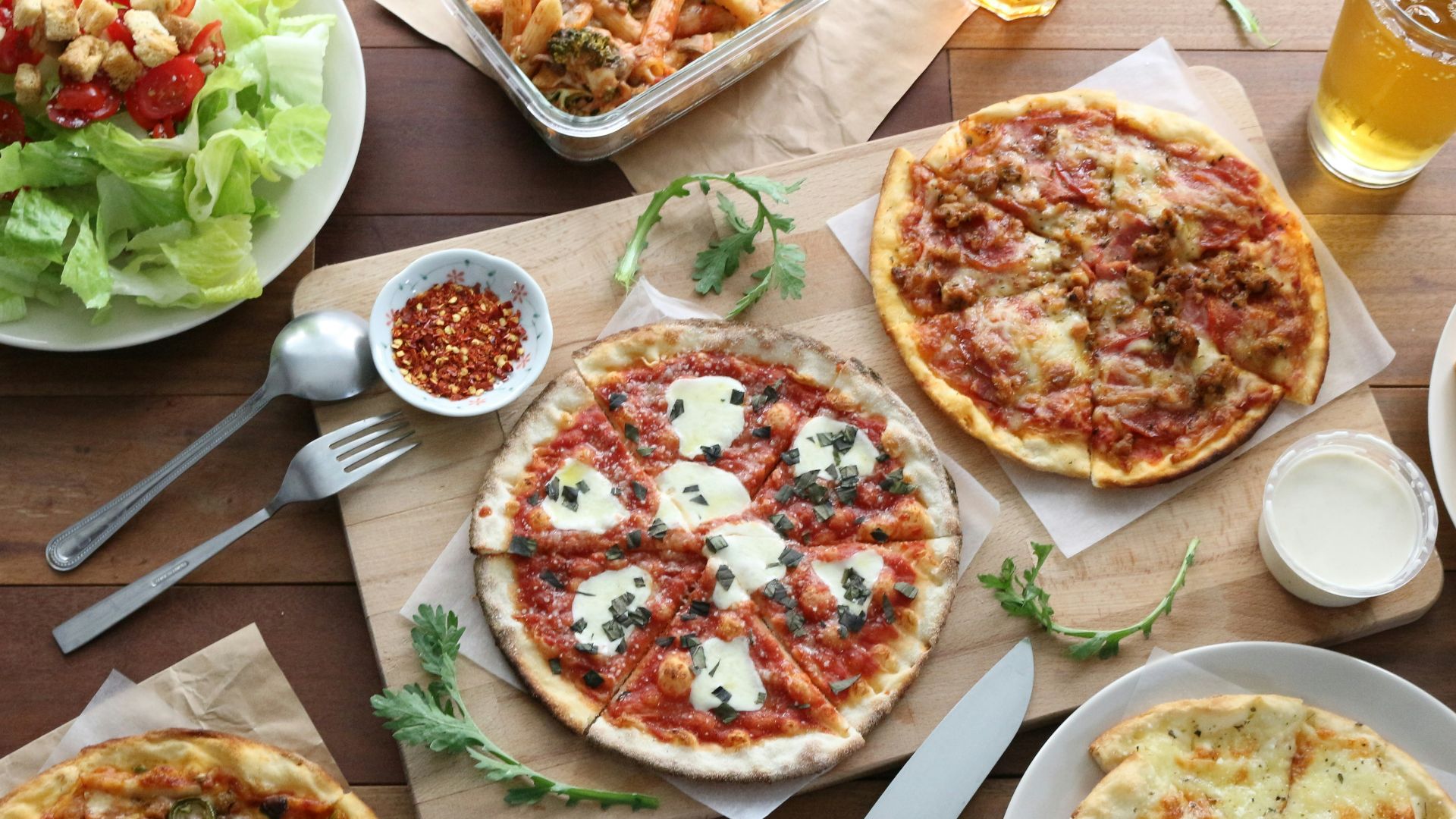
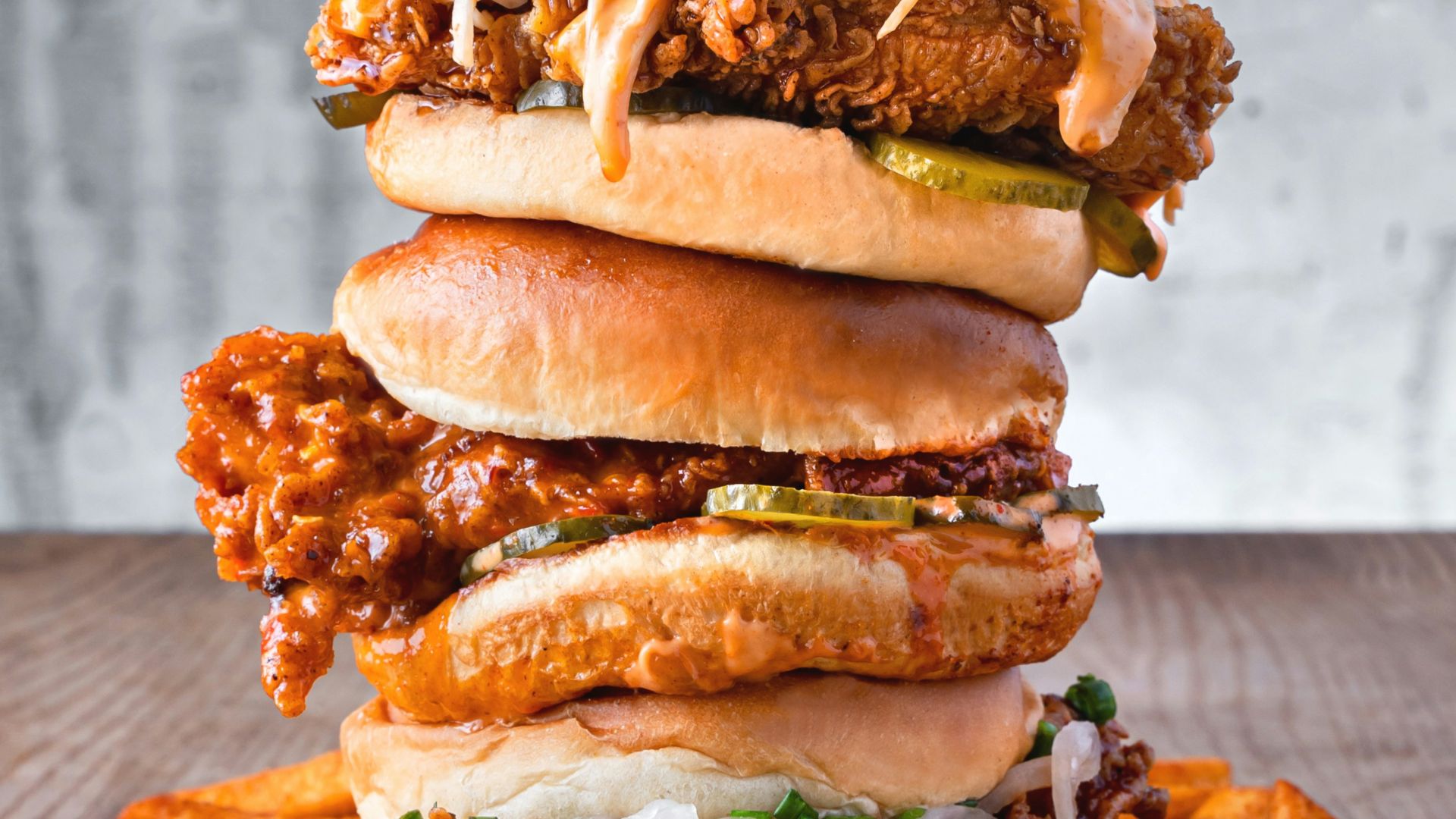
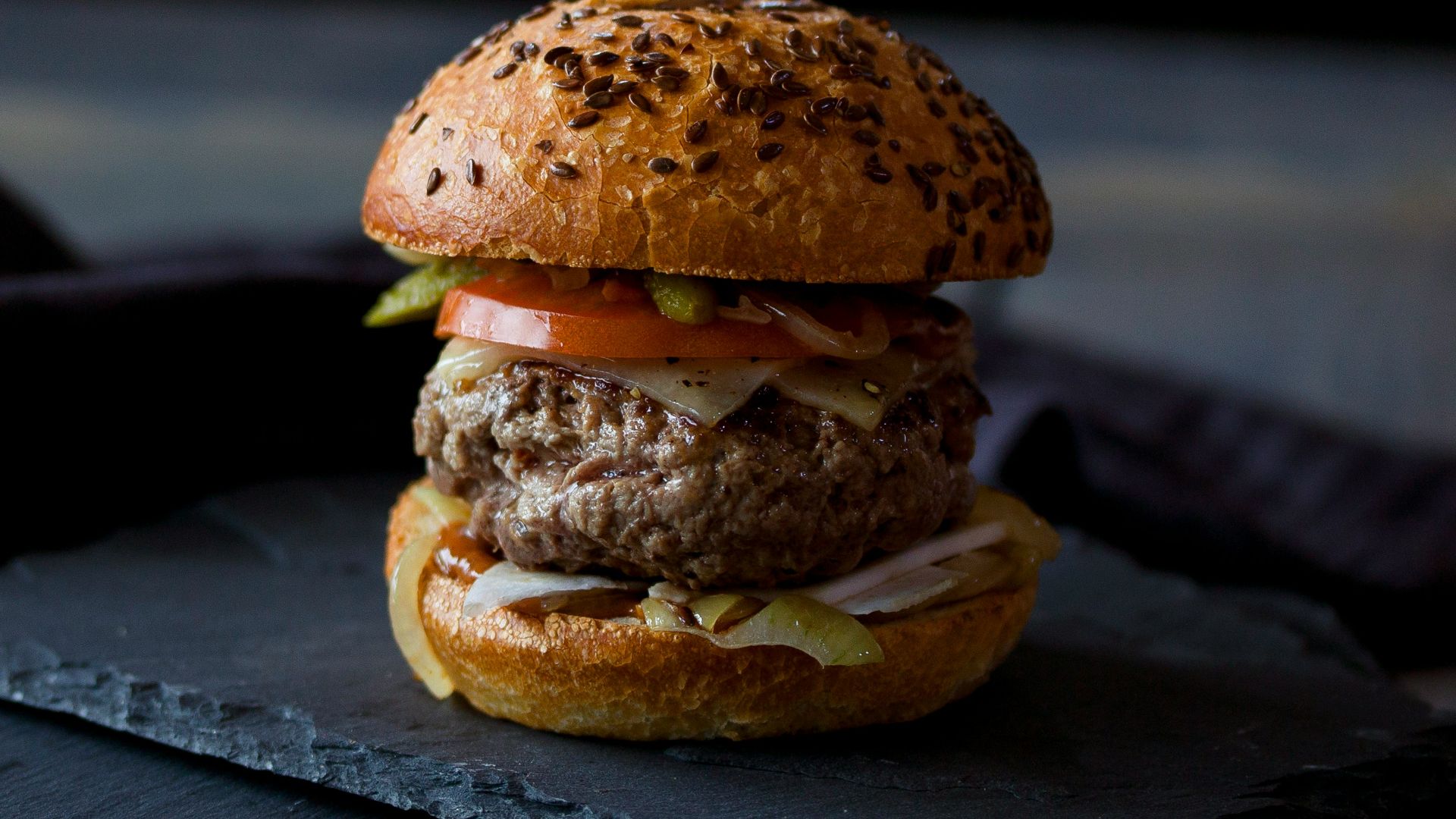
Have you ever noticed how fast food advertising photos look amazing? It's because someone sat there and carefully arranged that burger and fries for the perfect photo op. The food served in restaurants isn't always photographed by professionals in calm conditions.
5. Drive-Thru Design Can Influence What You Order
Fast food restaurants don't put their menus together randomly. Presentation can play a part in what customers buy. How menu boards, items, descriptions, and promotions are presented all factor into customer decisions. Fast food chains study consumer habits to learn how people interact with menus.
6. Some Fast Food Menus Are Different in Other Countries
Plan on visiting a popular fast food chain abroad? You may not get the same menu you're used to back home. Restaurants frequently adapt their menus to local tastes, available ingredients, culture, or market conditions.
7. Limited-Time Items Can Actually Be Limited
Sure, restaurant marketers like gimmicks as much as the next person. But some food companies do actually mean those limited-time labels. Fast food restaurants use limited-time products for seasonal specials, promotions, testing demand, or creating urgency.
8. Fast Food Chains Test New Menu Items
Restaurants sometimes test potential menu items in select locations. Food companies can use these tests to gauge consumer demand, test pricing, and evaluate operational considerations. If an item does show up at your local restaurant but not anywhere else, it could be in testing.
9. Some Fast Food Items Are Extremely High in Sodium
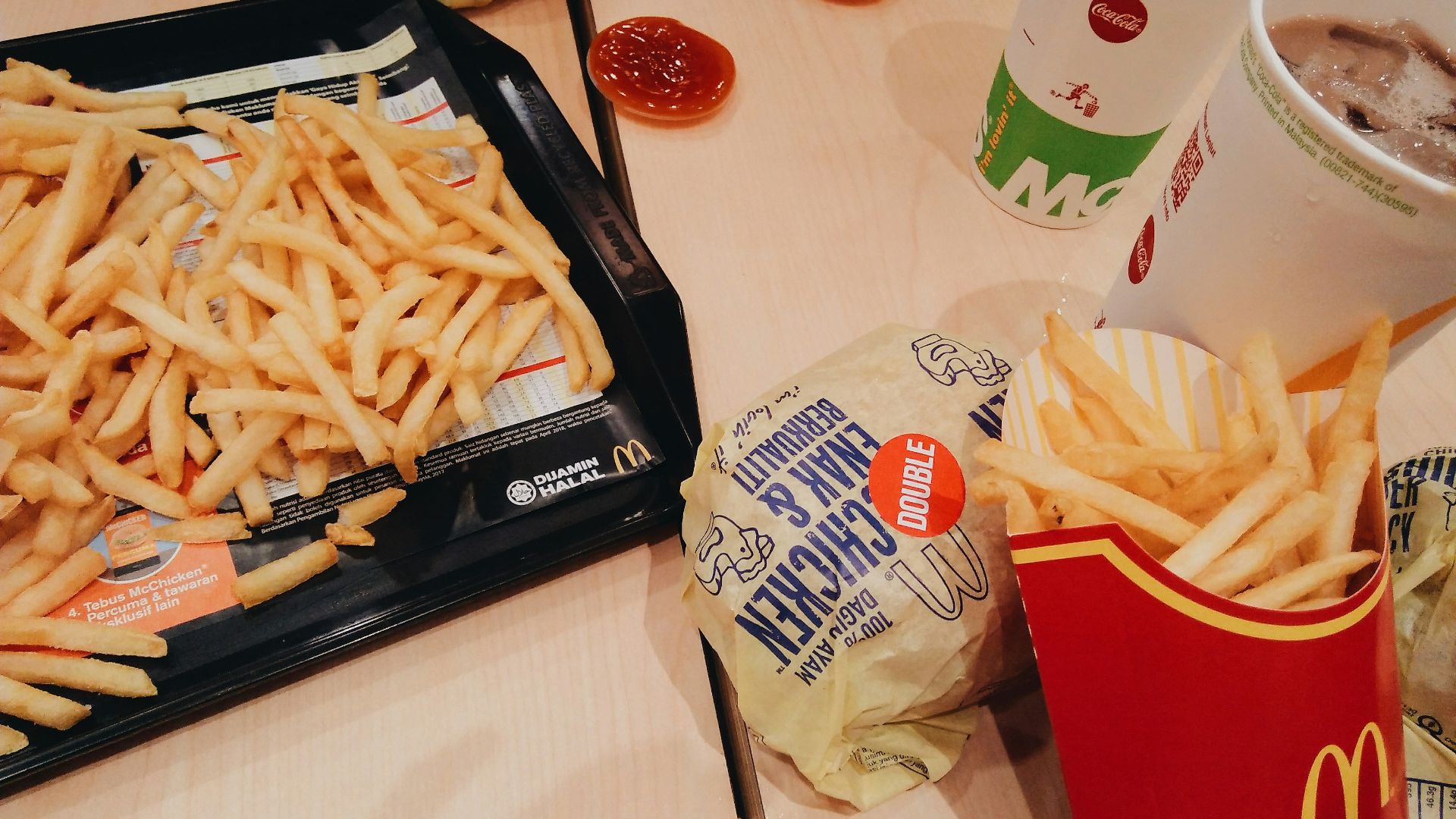
You're not imagining it if you feel like certain fast food meals are packed with sodium. Processed meats, sauces, cheeses, fries, and other ingredients can add up quickly. Restaurant sodium levels vary between chains and menu items, so you may want to check a nutrition guide if you're watching your sodium.

10. Fast Food Companies Really Do Spend Time Studying Customers
Restaurant companies carefully analyze what customers buy, when they buy it, and how they react to promotions. That information can help decide what menu items to change, promote, add, or remove. This isn’t new, as companies have been collecting customer data for decades.
KEEP ON READING
The Most Popular Chocolate Bars in the USA
The Most Popular Candies in the USA

20 Annoying Foods That Get Stuck In Your Teeth