Is Food Better with Company?
Eating with other people is one of the more rewarding parts of life, because food brings us together. And yet, social dining can strongly affect what and how much you eat, pulling your attention away from hunger, fullness, and the reasons behind your choices, which may end up negatively influencing your relationship with food. When you understand how group settings shape your habits, enjoying shared meals may get easier without feeling like you’ve lost your sense of control.

1. You Often Eat More Than You Planned
When you're eating with other people, the meal usually lasts longer, and that extra time can lead to extra bites. You may keep pecking away at food simply because it's still in front of you and the conversation is still going. In many cases, you don't notice how much you've had until the meal is over.
2. Other People’s Choices Start Influencing Yours
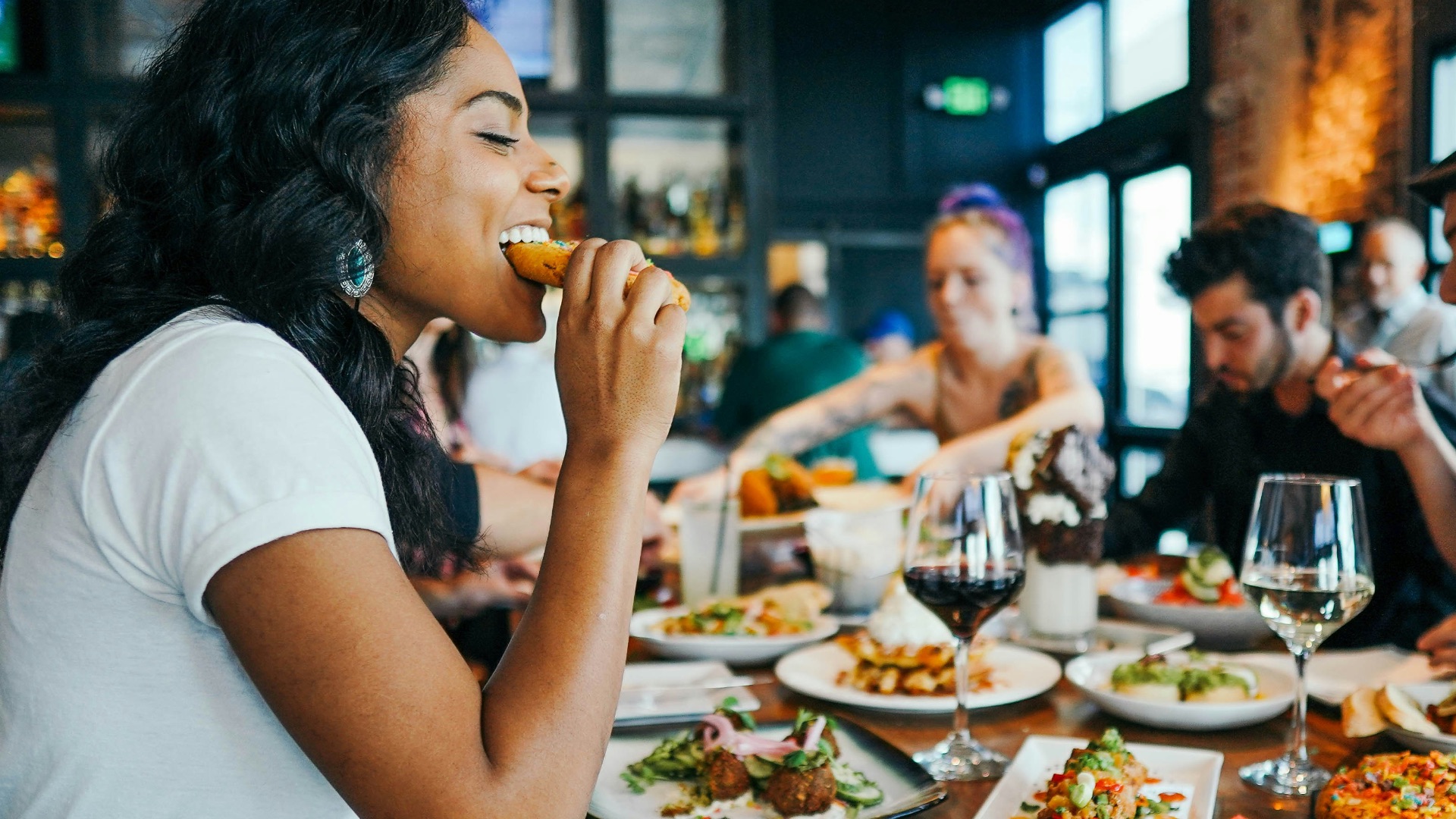
It’s common to look at what everyone else is ordering before deciding what you want. Even if you had a different plan in mind, seeing other dishes or desserts on the table can shift your decision, and you may end up choosing based on what everyone else is having rather than what sounds best to you.
3. You May Eat Faster Without Knowing
Group meals often move at a shared pace, and that can change the speed of your eating.
If the table is lively and everyone is actively eating, you may start matching that rhythm without thinking much about it. Scarfing down your food, however, can make it harder to notice fullness at the right time, and you might leave the meal feeling more stuffed than satisfied.

4. You Become Less Tuned in to Hunger Signals
Conversation, laughter, restaurant atmosphere, and the overall energy of a shared meal can all pull your attention away from your body. Instead of checking whether you're still hungry, you may keep eating simply because everyone else at the table is still going.
5. You’re More Likely to Treat Social Meals as Cheat Meals
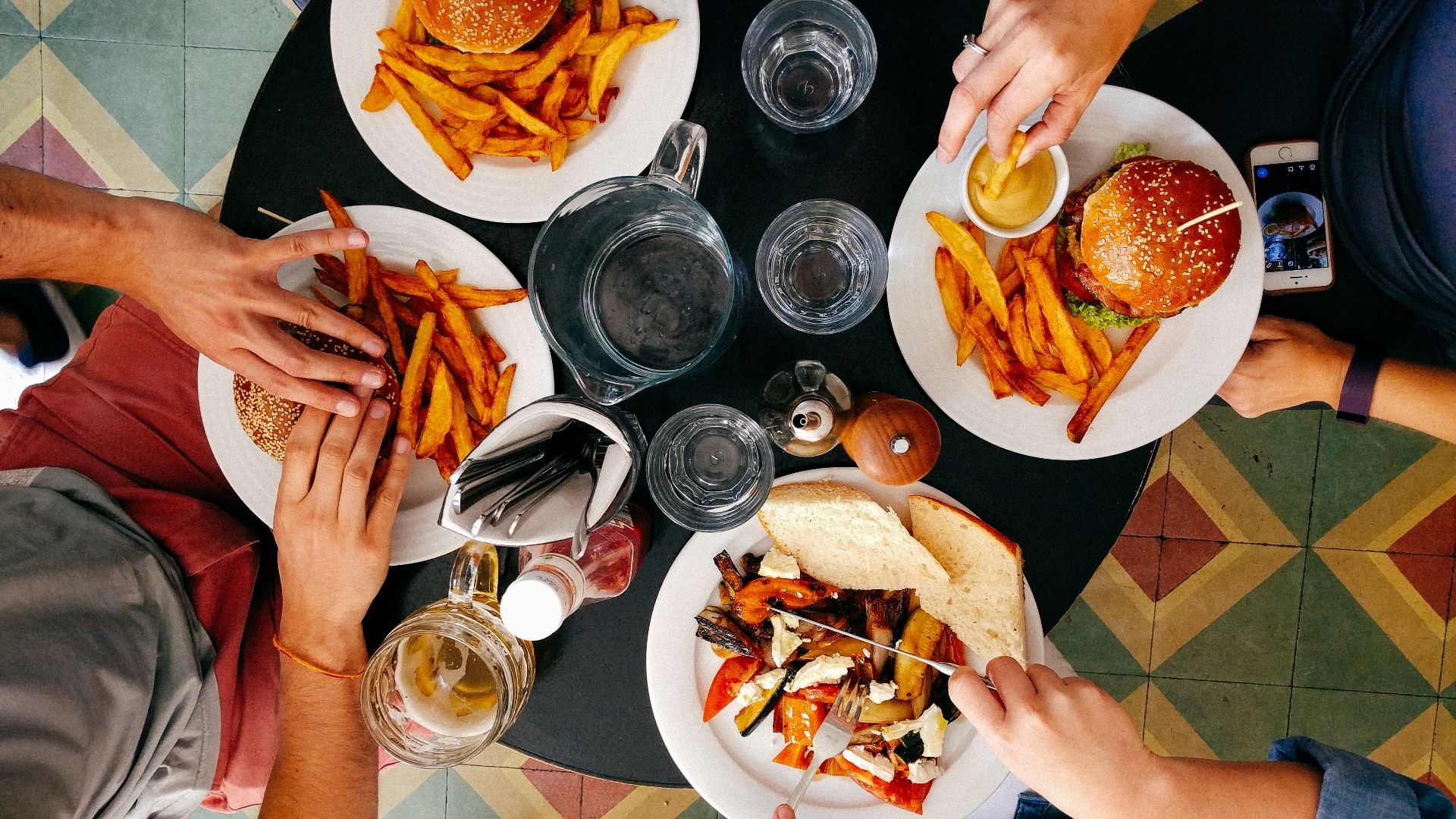
When food is part of a celebration, or you're catching up with someone you haven't seen in a while, the meal often carries more meaning—and that can influence what you end up ordering. You may come to associate social eating with indulgence and reward, or the idea that your normal routines don’t apply. This can lead to a pattern where eating out or eating with others feels like a free pass to a cheat meal every time.
6. Shared Plates Can Blur Portion Awareness
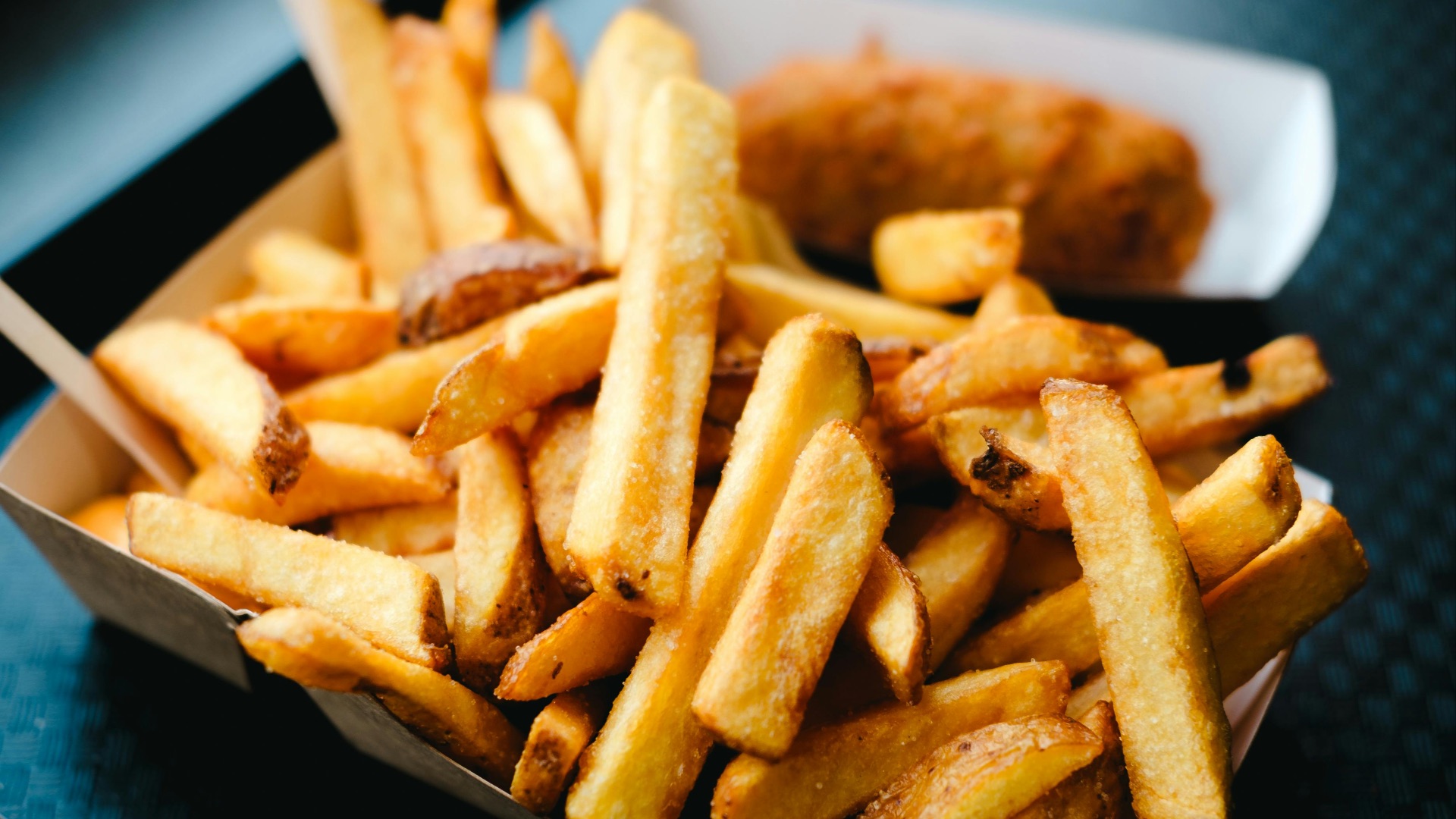
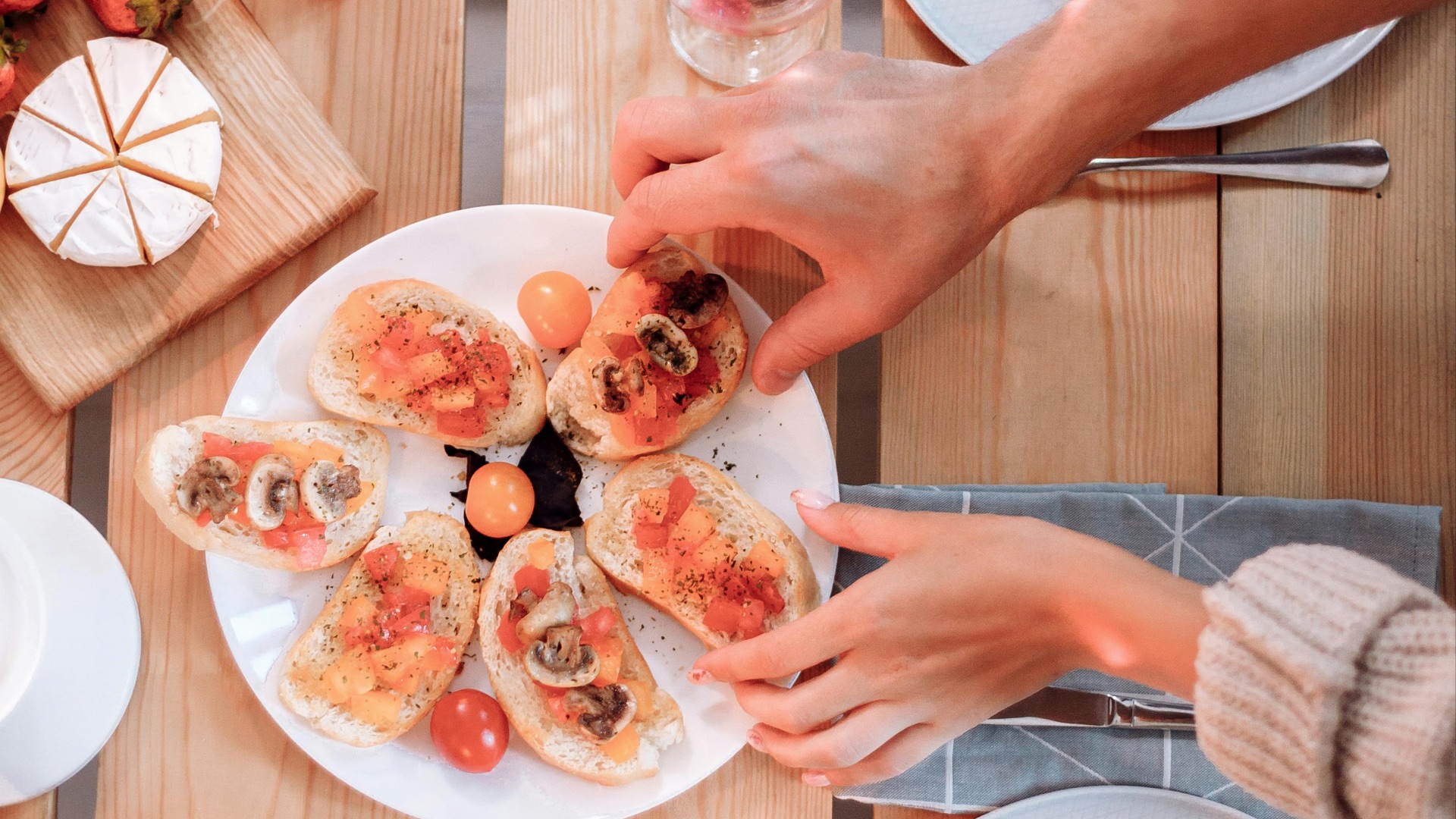
When appetizers, snacks, or desserts are placed in the center of the table, it becomes harder to track what you've eaten. Since you’re not dealing with one clearly defined serving, the boundaries around quantity are less obvious, and you may end up taking a little here and there without paying attention to how much you're actually eating.
7. Social Pressure Can Affect What You Eat
Eating with your friends doesn't just influence what you order; sometimes, you might even skip mentioning a preference simply because you don’t want to overcomplicate things. You may, for example, accept food you didn’t want because refusing feels impolite and awkward, but all this does is leave you feeling disconnected from your own needs.

8. Drinking Often Changes the Way You Eat
In many social settings, drinks are part of the meal and can change your level of awareness.
Alcohol, in particular, can lower inhibition and make it easier to ignore fullness or reach for extra food without much thought. Even beyond that, the casual rhythm of sipping and snacking tends to stretch how long your meal lasts, which can make your usual boundaries feel less important in the moment.

9. Routine Meals Can Turn Into Habitual Overindulgence
If certain social situations always involve oversized portions and constant grazing, your brain starts to expect that pattern again and again. You may begin to associate specific people, places, or occasions where it's "okay" to overindulge or eat past the point of comfort, and eventually, each time you meet together, that mindset comes automatically.
10. You May Prioritize Mood Over Everything Else
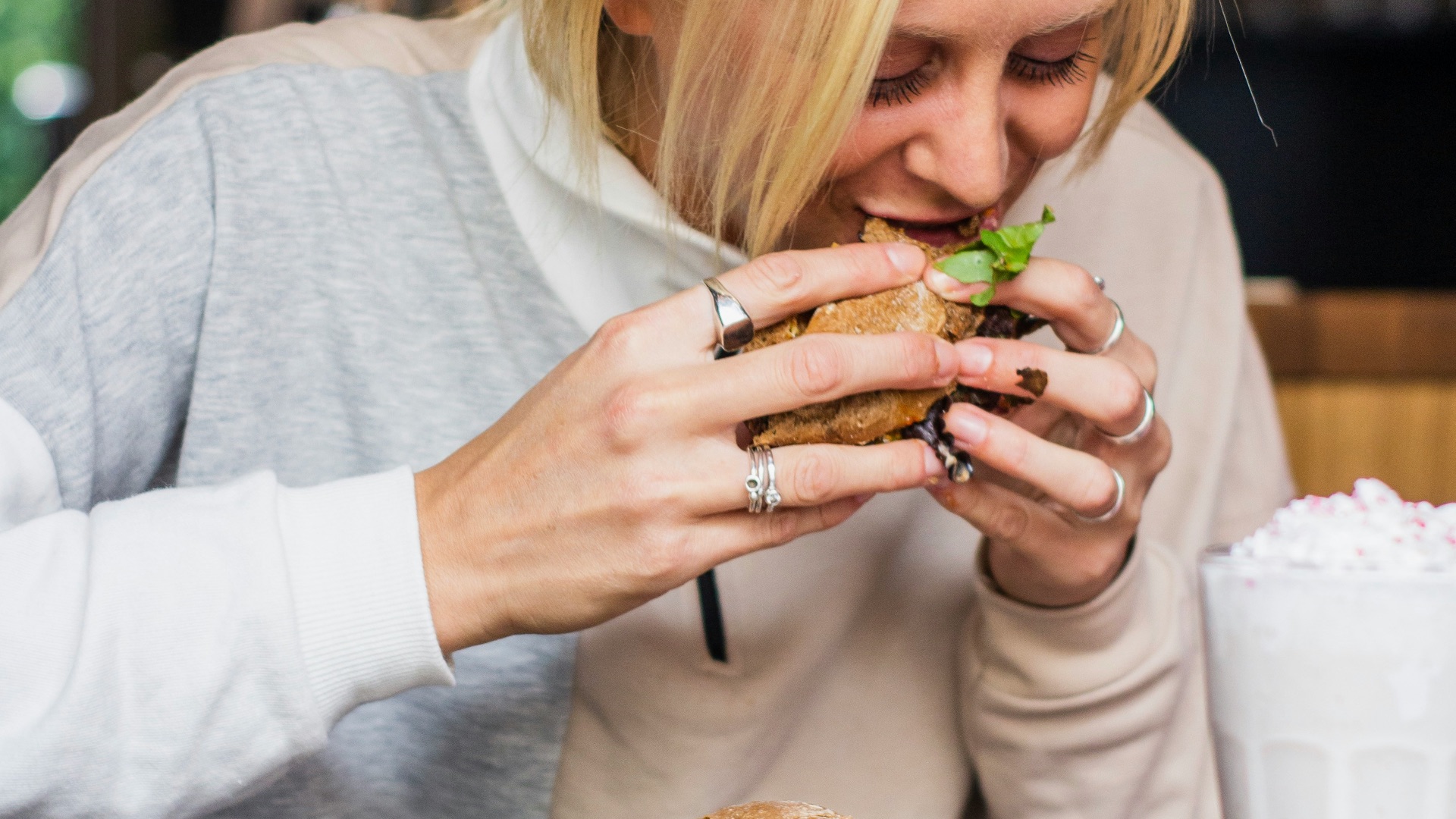
There’s nothing wrong with enjoying the mood of a meal, but getting lost in it can inevitably shift your eating habits, meaning your body’s signals often slip into the background. That doesn’t mean eating with other people is harmful by definition, but it does mean that if you're not careful, your awareness tends to slip. There's a reason why health experts recommend eating without distractions, after all.
All that said, social eating isn’t something you need to avoid. In fact, shared meals can be one of the most enjoyable parts of daily life.
The next time you're out with your friends for a meal, keep the following 10 tips in mind to help you stay grounded.

1. Check In with Yourself Before the Meal
Before you sit down or take your first bite, take a moment to notice how hungry you actually are. Having a clearer sense of where you’re starting may help you make better choices that match what you need, so you don't accidentally consume more than you intend.

2. Decide on a Loose Intention Instead of Strict Rules
It helps to enter a social meal with a simple goal, such as eating until satisfied or making sure you enjoy your food slowly. A flexible plan is often more realistic than rigid rules (like telling yourself you absolutely won't eat X or Y), especially in group settings where you often can’t control every detail. Setting this balance, at the very least, means you'll at least have control over one thing.
3. Slow Your Pace
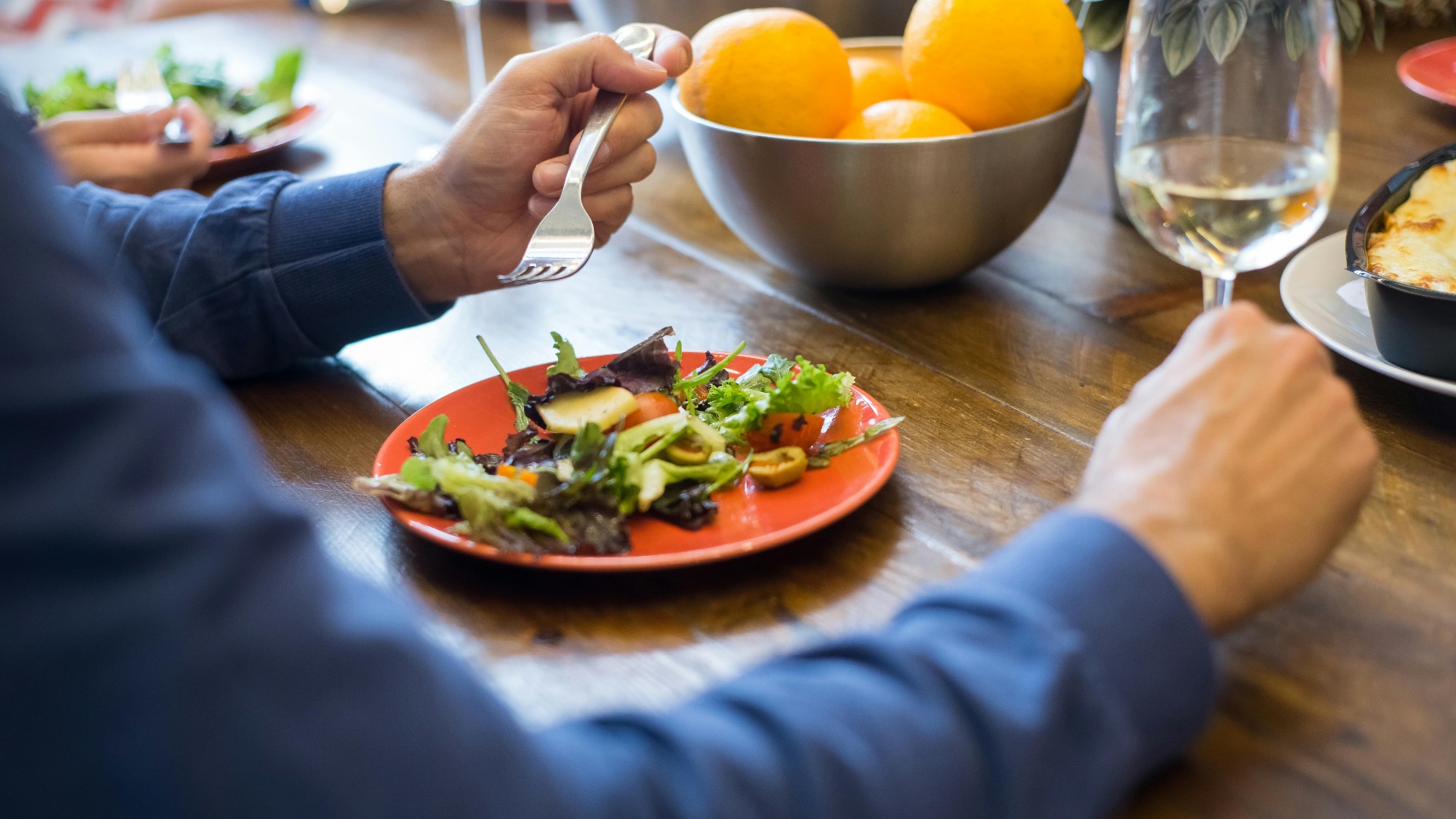
You don’t need to eat at the same speed as everyone else at the table. Slow down, chew thoroughly, and make sure to savor each bite you're taking; that way, you give your body a better chance to register fullness, and you'll stay engaged with the experience of eating. You can pause between bites, sip water, or just let conversation naturally create breaks.
 Pablo Merchán Montes on Unsplash
4. Pay Attention to the First Signs of Fullness
Mindful eating doesn't just mean savoring each bite, but it also means paying attention to your body's cues. When food starts becoming less satisfying or your appetite softens, put your utensils down and take a pause. Try making it a habit to check in on yourself every few minutes.
5. Don't Graze, Put Food on Your Plate
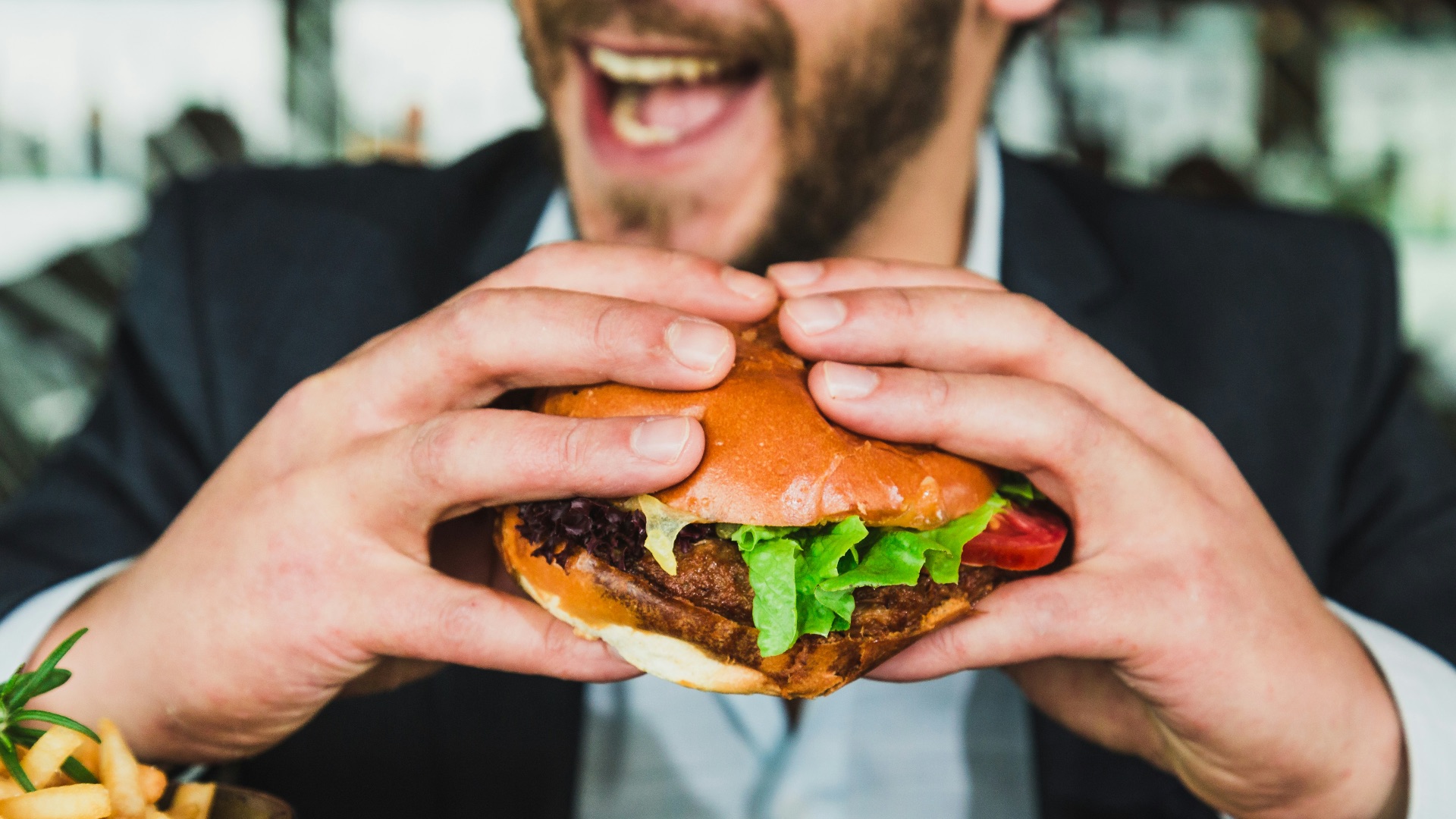
If food is being shared, it can help to serve yourself a portion rather than repeatedly reaching into the center of the table. Seeing your food in one place makes the meal feel more concrete and easier to track, and helps you stay aware of what you’re eating.
6. Let Enjoyment Be Intentional
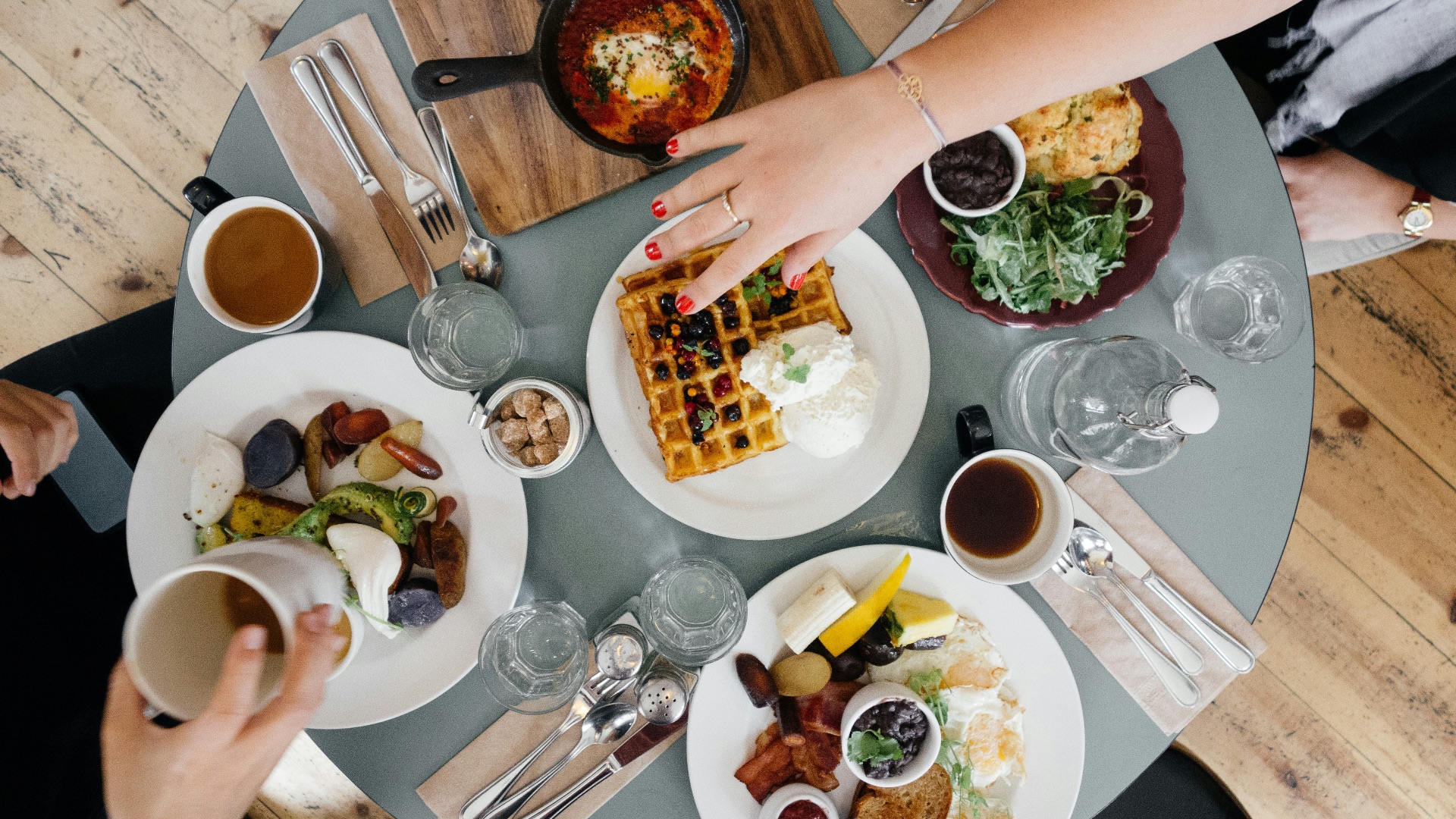
Mindful eating also doesn’t mean choosing the healthiest option every time or refusing foods you like. Instead, you should let yourself enjoy what you want and what you end up choosing. If you want dessert or a richer entrée, go ahead!

7. Keep Your Attention on the People and the Food
While experts technically recommend eating meals without distractions, that doesn't mean you should never eat with other people or that you should focus only on your plate when you do have company. Take breaks between bites, engage in the conversation around you, and let yourself enjoy the atmosphere. Just remember to also check in on how full or satisfied you are every moment or so.

8. Practice Saying No
If you don't want it, say it. Skip an extra helping or pass on food you don’t really want, especially if you're already full. The more you prioritize your comfort over what feels polite, the less pressure you might feel in social outings.

9. Avoid Arriving Extremely Hungry
When you show up overly hungry, it becomes much harder to stay mindful in a stimulating environment. You’re more likely to eat quickly, reach for whatever is available first, and overshoot fullness before you notice it. Having a small snack beforehand can help take the edge off without spoiling the meal.
10. Reflect Briefly Afterward
After the meal, it can be helpful to think about how you felt physically and what influenced your choices. You might realize you were distracted, ate more than usual, or ignored your body's signals. Checking in on yourself post-meal may allow you to notice patterns so you can shift your habits next time.

KEEP ON READING