He Thought Celery Could Cure Everything
Some historical geniuses believed certain vegetables gave them a mental edge, while others survived on surprisingly simple comfort foods that kept their brains firing on all cylinders. Many of their favorite snacks are things already found in pantries, though a few choices are definitely more eccentric.
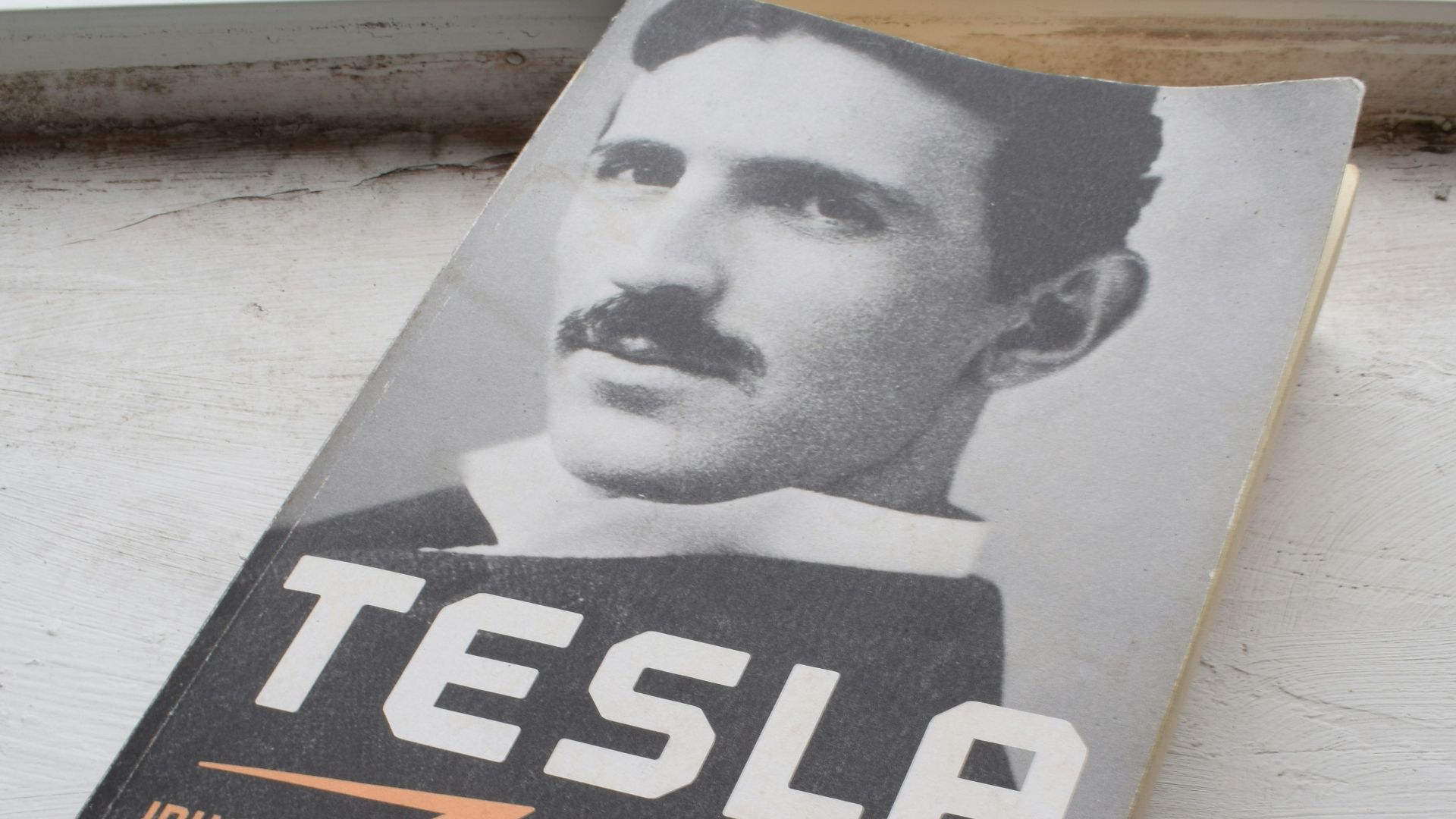
1. Nikola Tesla’s Celery Obsession
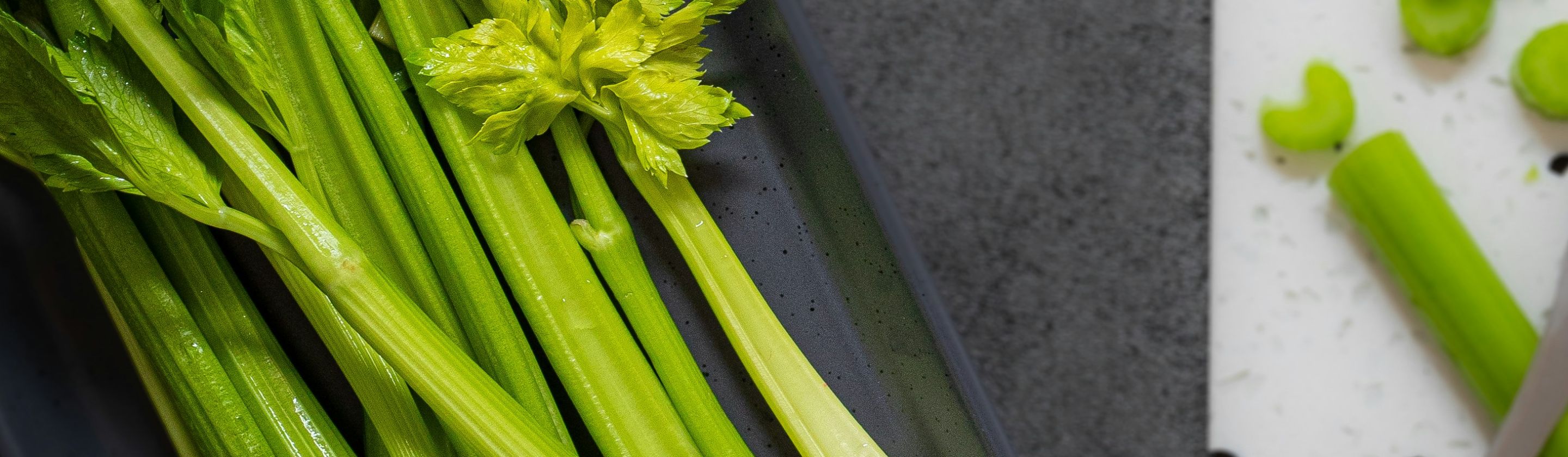
Tesla kept extremely regimented schedules and believed that his diet directly impacted his creativity and productivity. He became obsessed with celery because he felt it gave him unusual energy and focus. He would snack on raw celery sticks all day to maintain steady energy levels.
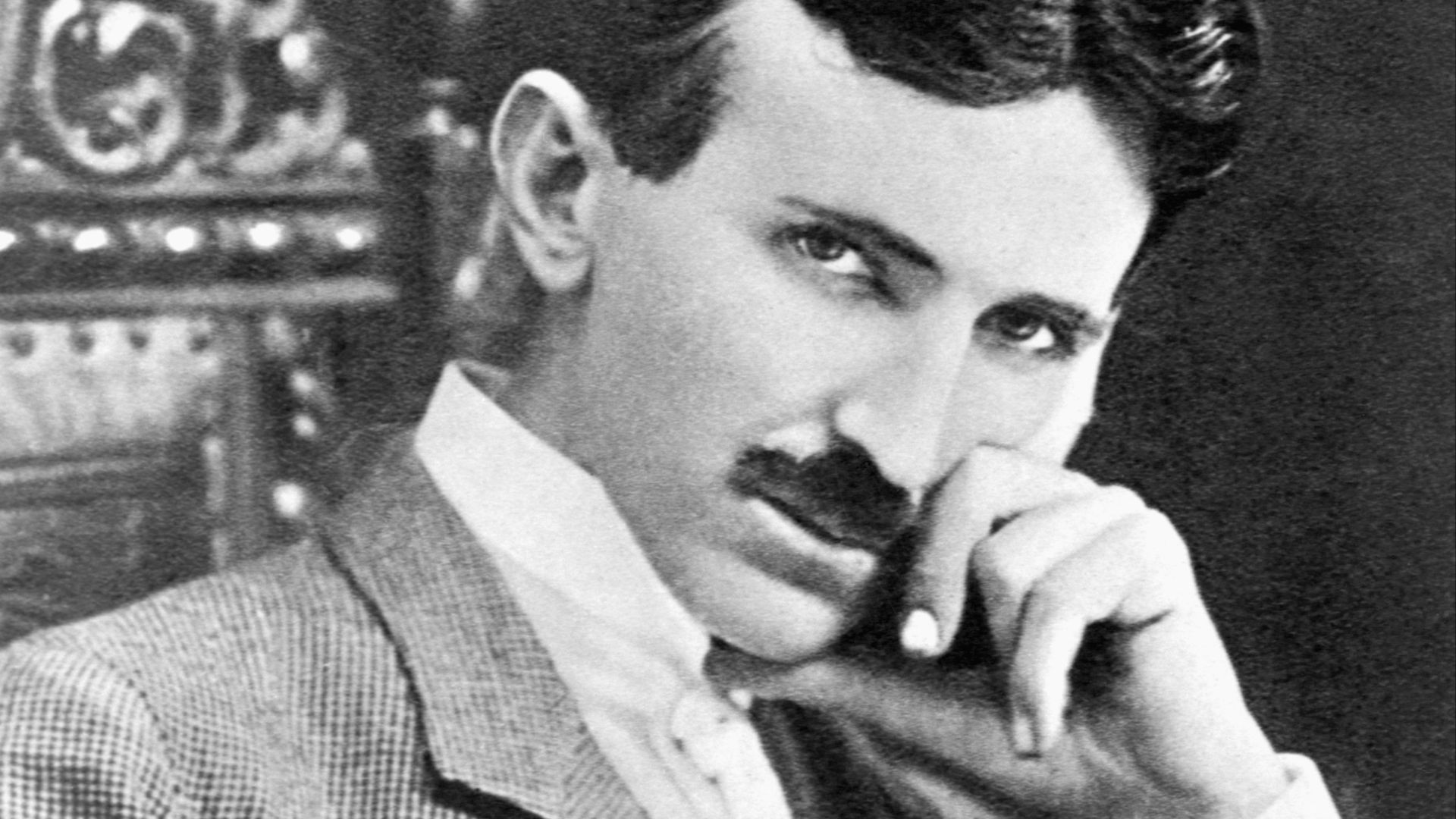 Unknown authorUnknown author on Wikimedia
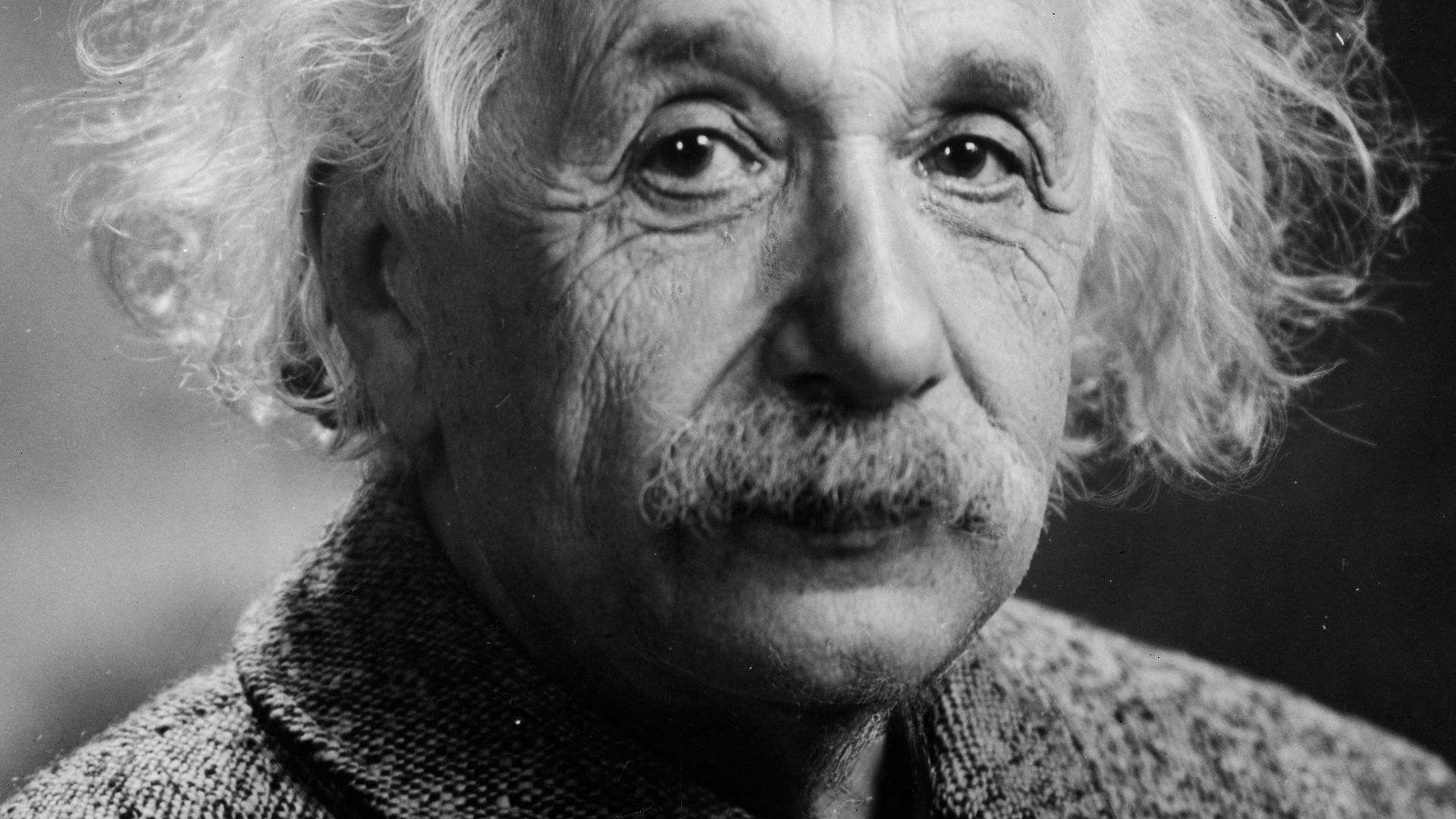
2. Albert Einstein’s Love for Pasta
Einstein loved pasta more than almost anything else besides physics. He once joked that the two things he loved most were “women and pasta,” but he always had room for more spaghetti. It’s easy to imagine him slurping noodles onto a fork while contemplating quantum theory.
3. Charles Darwin’s Exotic Samples
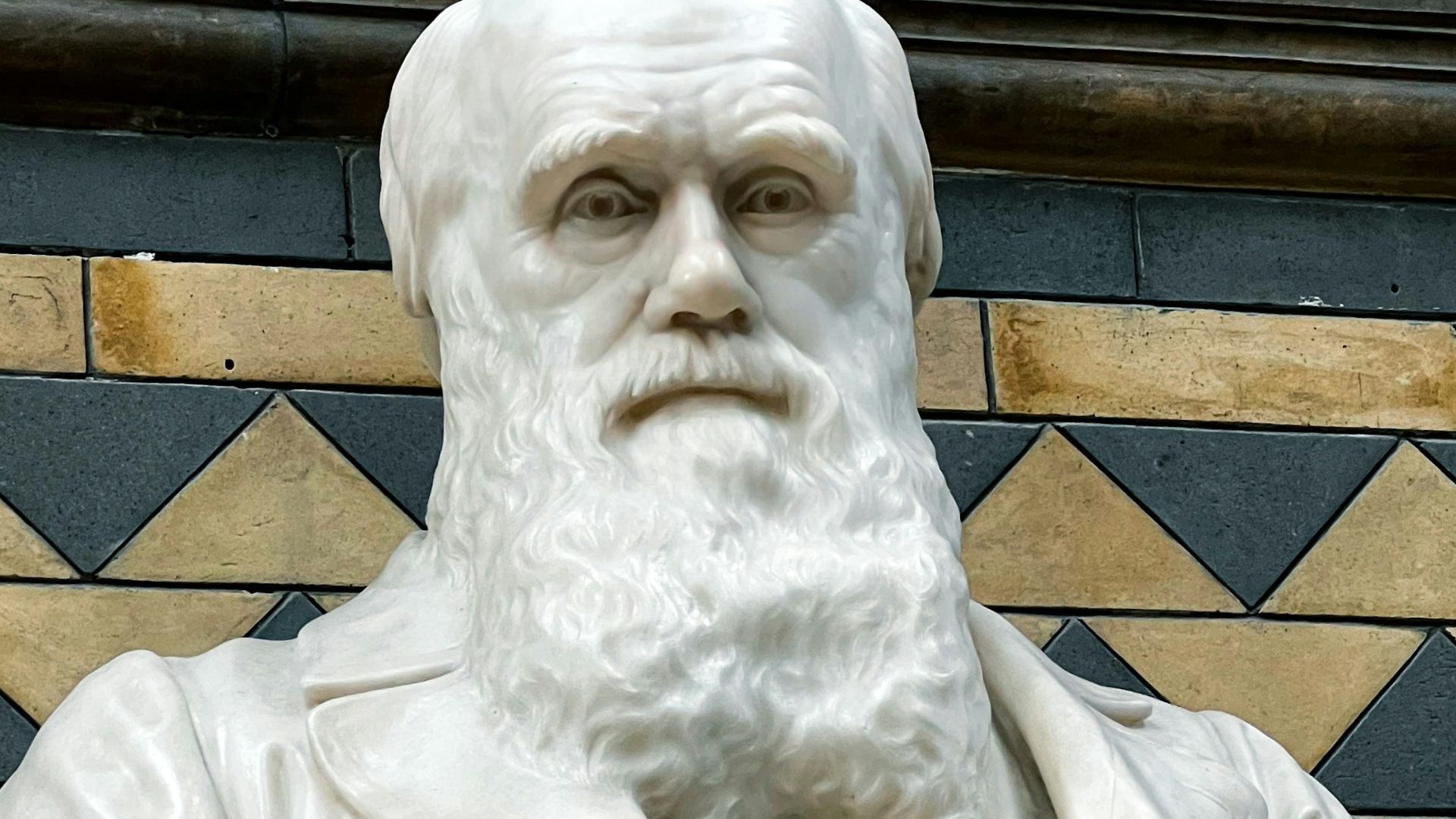
Darwin began his fascination with tasting strange animals while attending university. He joined a group called the “Glutton Club,” whose members ate roadkill such as owls, insects, and even hawks. Darwin is said to have consumed giant turtles and rodents while aboard the HMS Beagle.
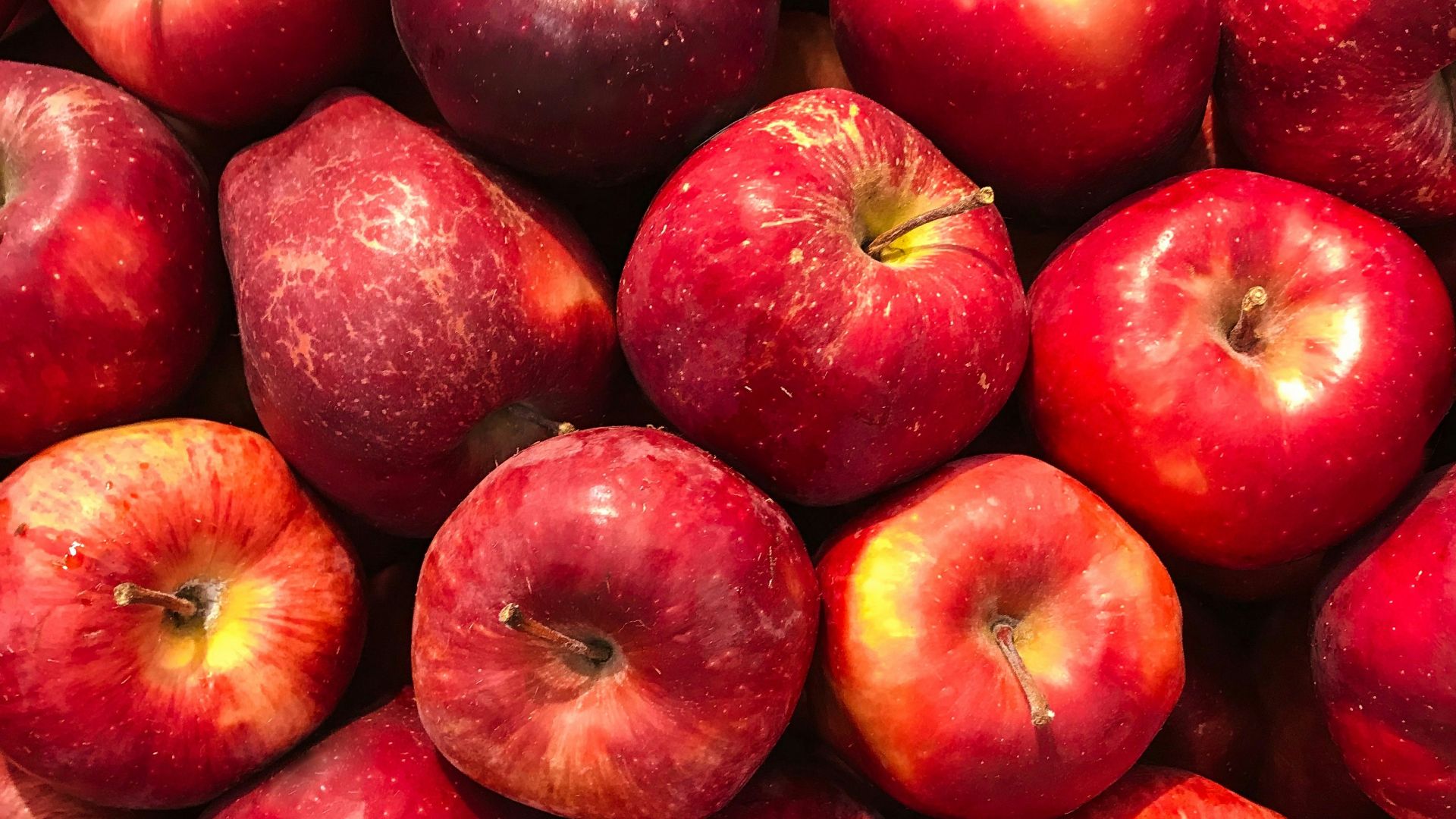
4. Steve Jobs and the Apple Diet
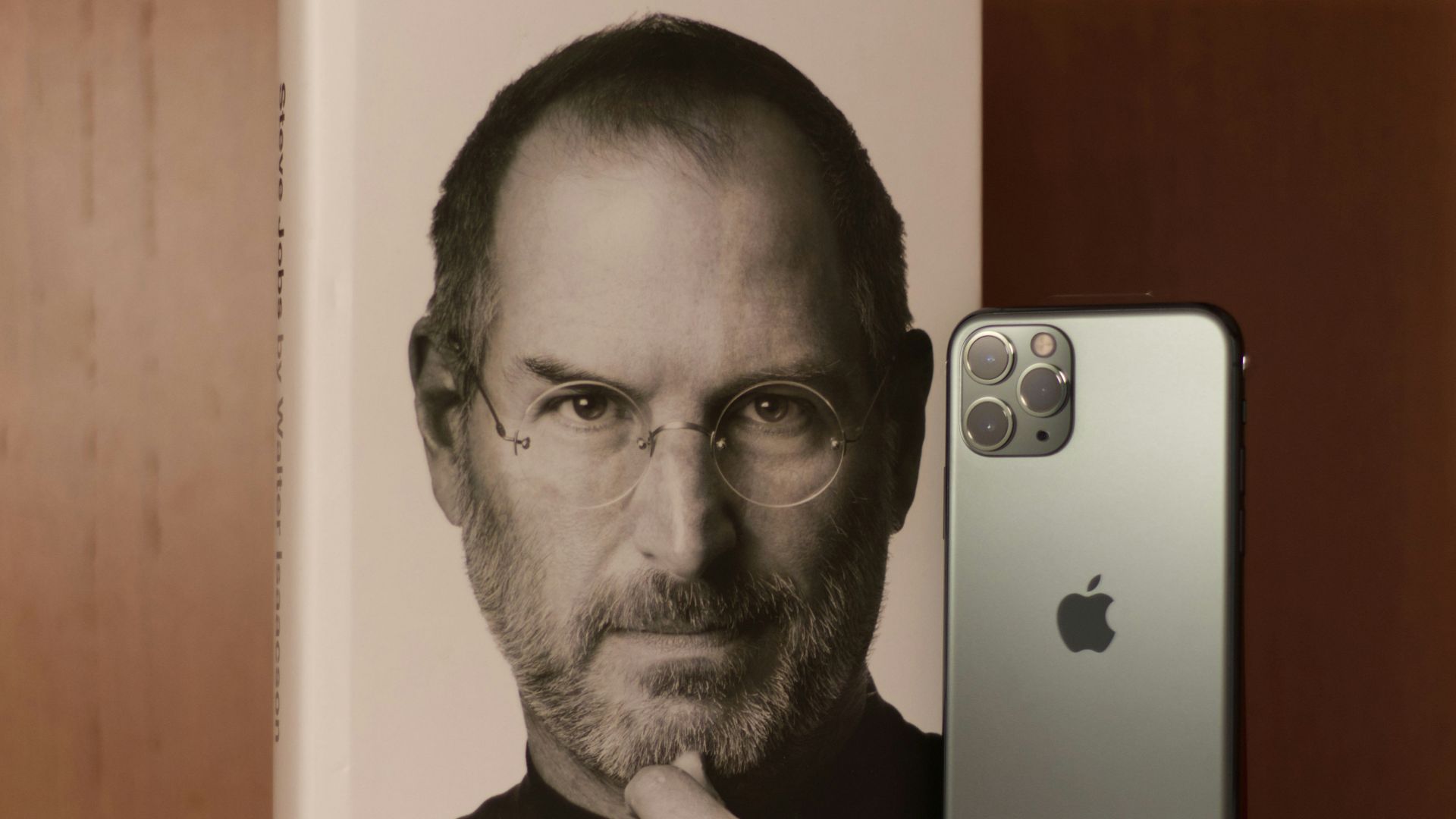
Jobs frequently went on juice fasts where he consumed nothing but apples for weeks at a time. He believed these cleanses would purge his body and unlock his creative genius. Many coworkers claimed that he would turn slightly orange or yellow during these phases.
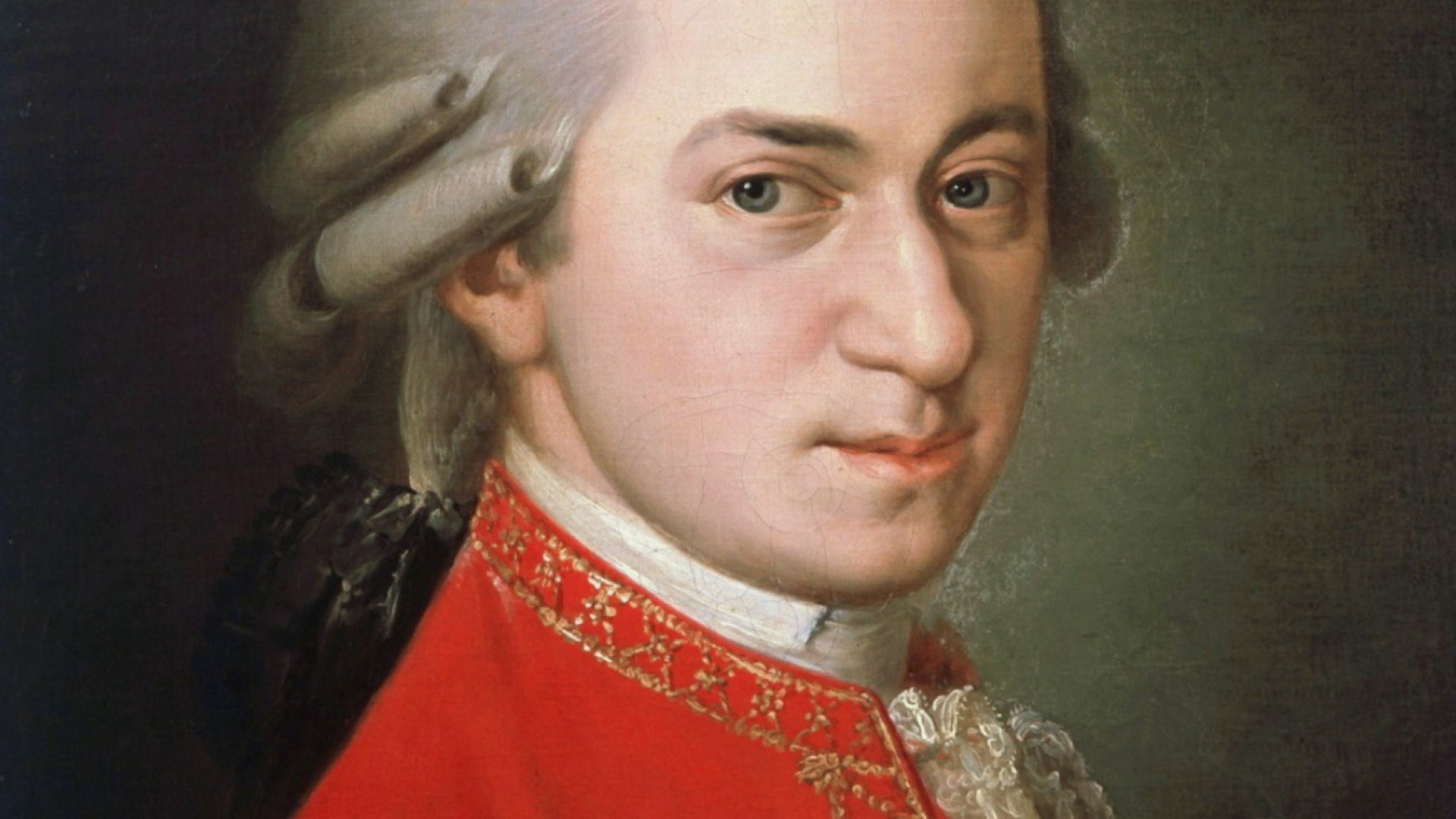
5. Wolfgang Amadeus Mozart’s Liver Dumplings
While Mozart was extremely expressive, his stomach seemed to yearn for greasy Austrian foods. He wrote about his love for dumplings and sauerkraut many times over the years. Mozart never appeared to enjoy light or delicate foods if he could have savory heaviness.
6. Benjamin Franklin’s Vegetarian Experiment
Franklin vowed never to eat meat again early in his career as a printer. He said abstaining from meat made his thinking clearer and gave him more money to spend on books. Instead of going to bars like his coworkers, Franklin spent evenings eating potatoes and rice alone.
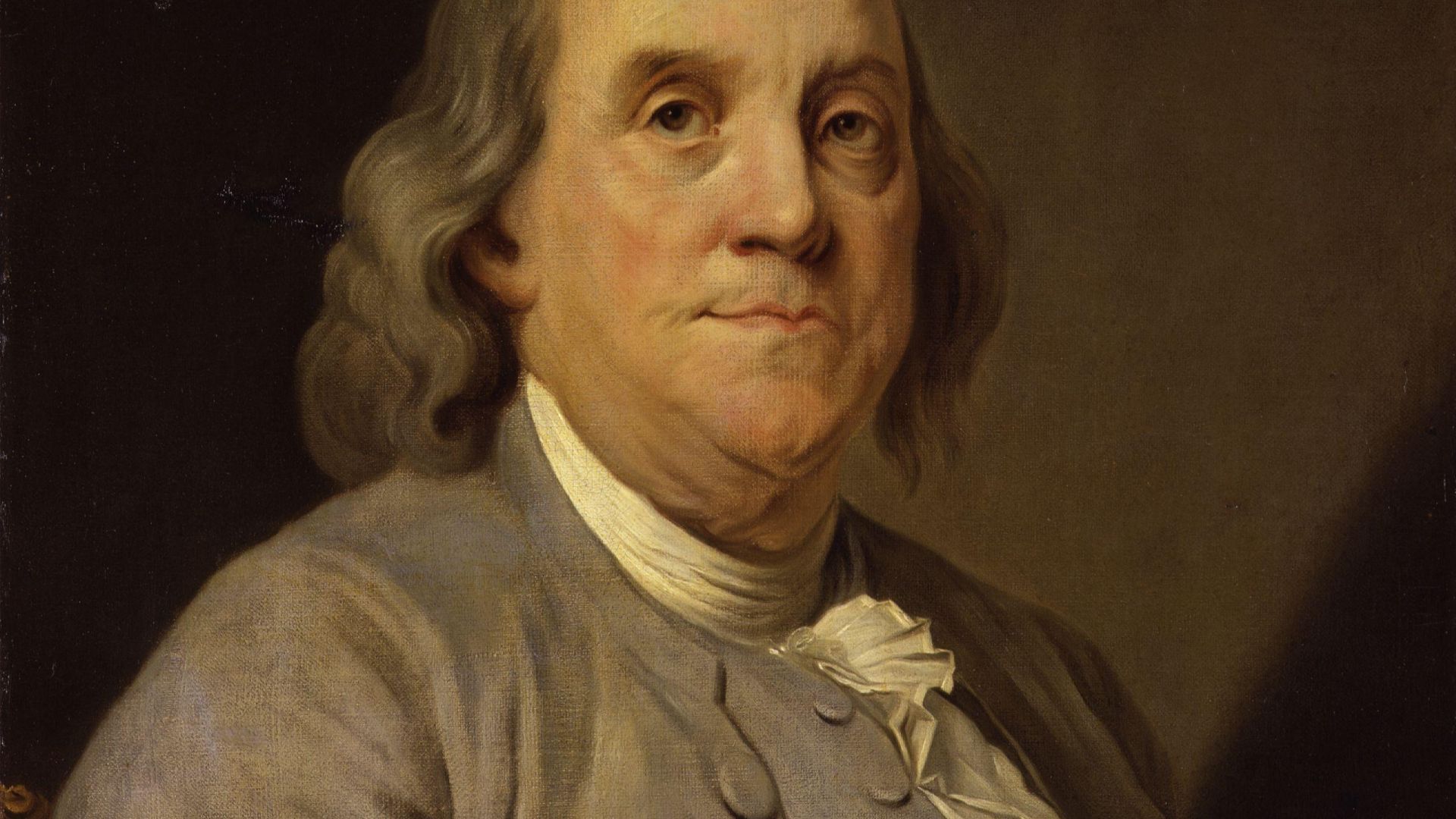 After Joseph-Siffred Duplessis on Wikimedia
7. Thomas Edison’s Tiny Portions
Edison believed most people ate far more food than their bodies needed. He never ate anything that wasn’t on a stick of toast and preferred milk to other beverages. Heavy foods made people tired, which was something Edison could not afford.
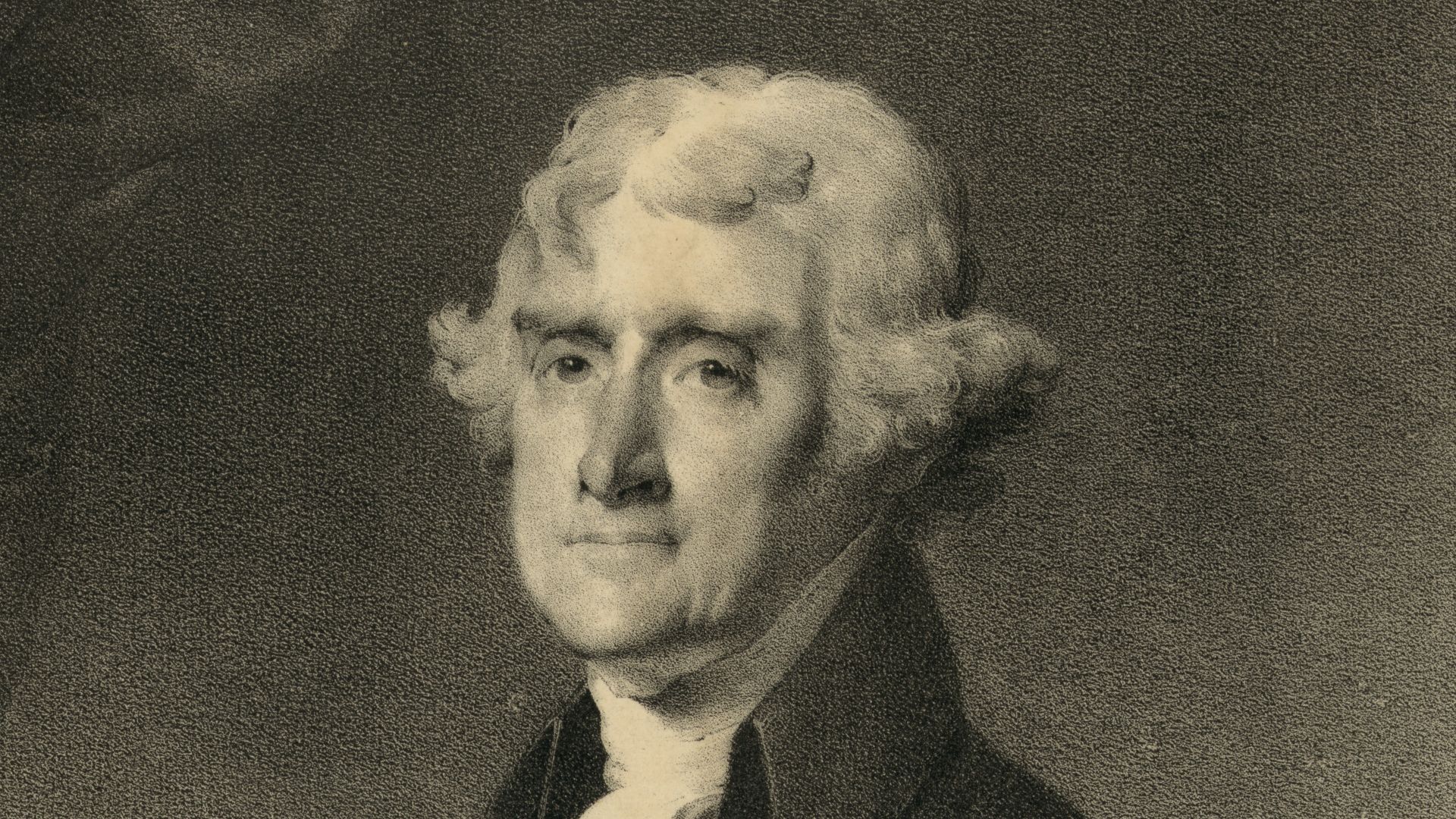 Library of Congress on Unsplash
8. Agatha Christie’s Cream and Apples
Christie enjoyed drinking whole milk straight from a bowl while working on her detective novels. She would typically keep a bowl of apples nearby to crunch on while thinking. Cream and apples seemed to be the ideal source of energy to keep her readers intrigued.
9. Michelangelo’s Simple Bread and Wine
Michelangelo was so focused while painting the ceiling of the Sistine Chapel that he often skipped meals. He would sometimes nibble on a few pieces of bread and gulp down some wine while working. Many times, he ate so quickly that he didn’t even take the time to sit down.
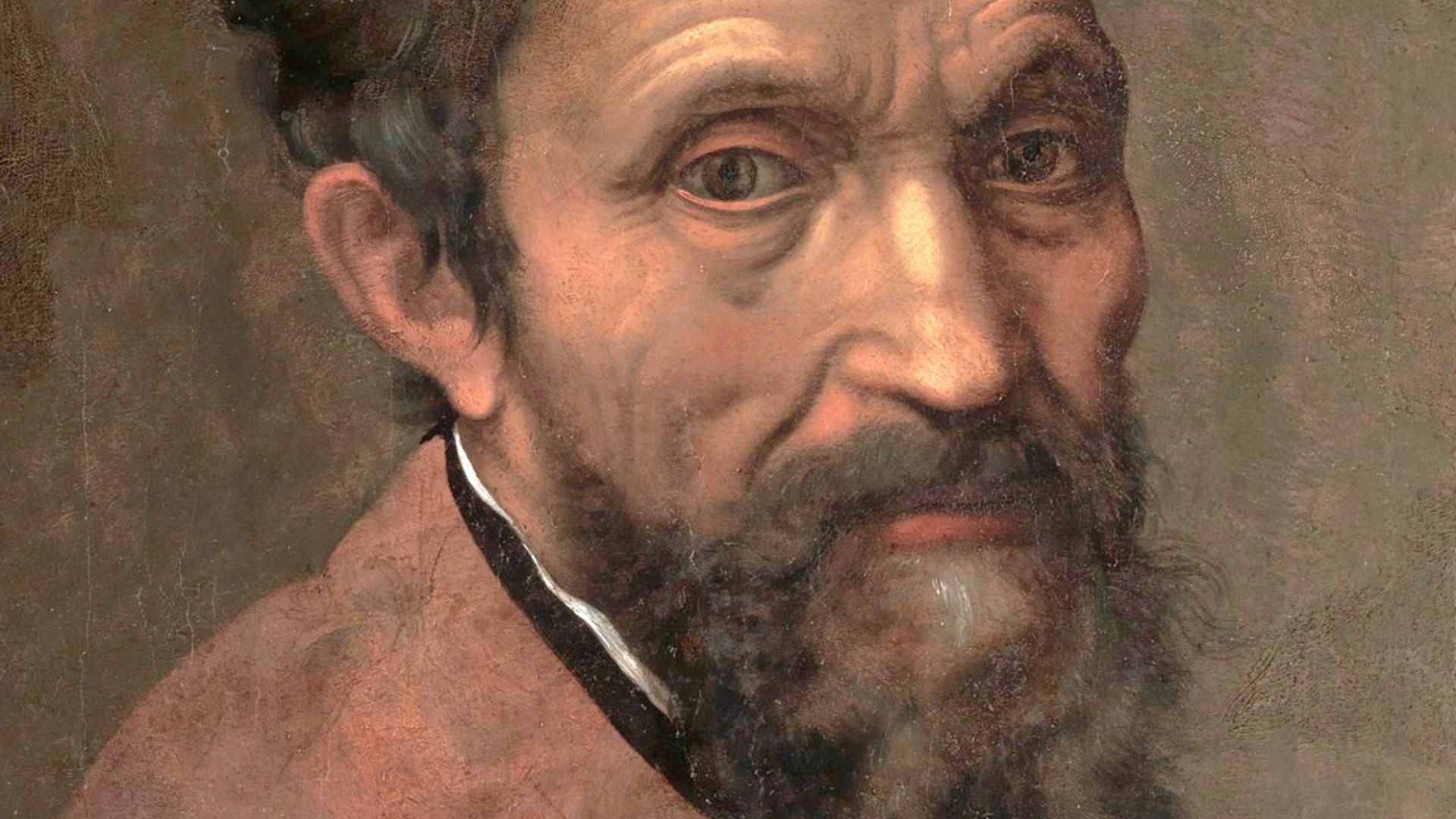 Attributed to Daniele da Volterra on Wikimedia
10. Ludwig van Beethoven’s Bread Soup
Beethoven was notoriously particular about his food and had a very specific way he liked his bread soup prepared every Thursday. He insisted that ten large eggs be cracked into the mixture and would personally inspect each one to ensure freshness. If a single egg didn't meet his standards, he reportedly threw it at his cook in a fit of rage.
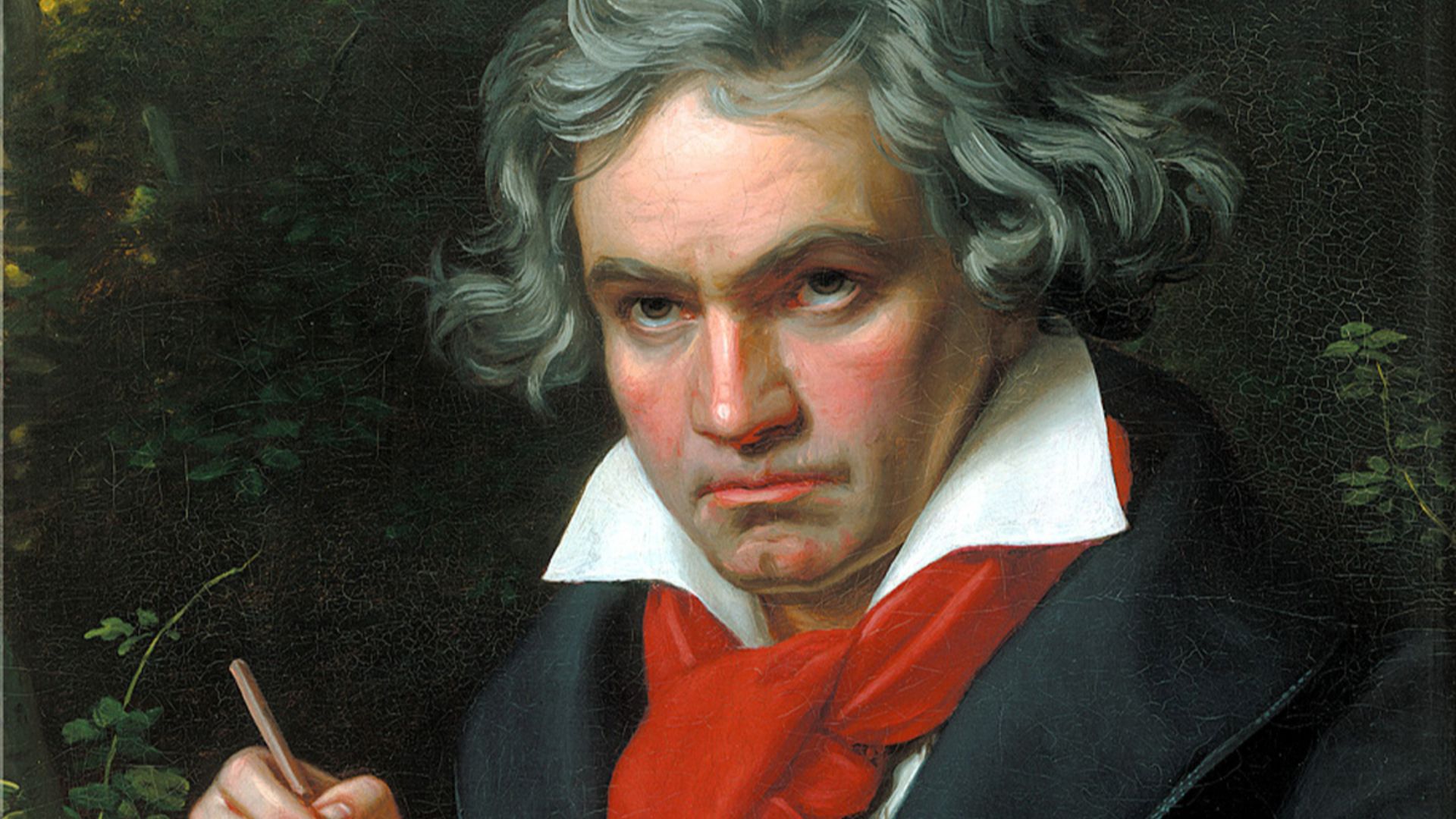 Joseph Karl Stieler on Wikimedia
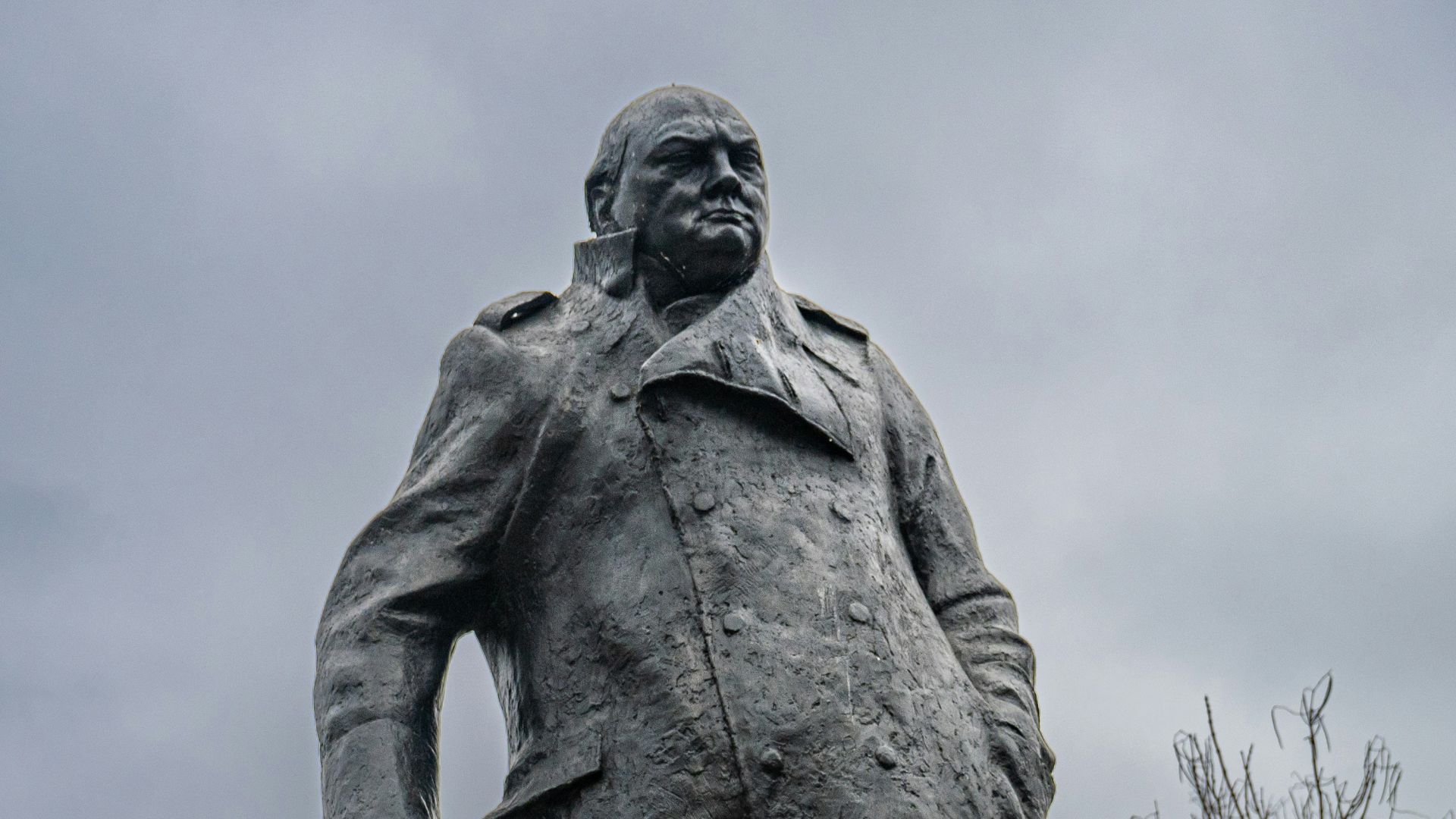
11. Winston Churchill’s Roast Beef
Churchill loved food so much that he wanted to enjoy a good meal before making major decisions. He believed eating fancy food distracted him from leading Britain through World War II. Roast beef was his favorite, and he made sure no meal went by without it.
12. Emily Dickinson’s Gingerbread
Dickinson was a prolific baker who was more famous locally for her delicious gingerbread than for her secretive poetry. She often lowered baskets of freshly baked treats from her window to neighborhood children waiting below. Her recipe included plenty of ginger and molasses, creating a spicy-sweet snack.
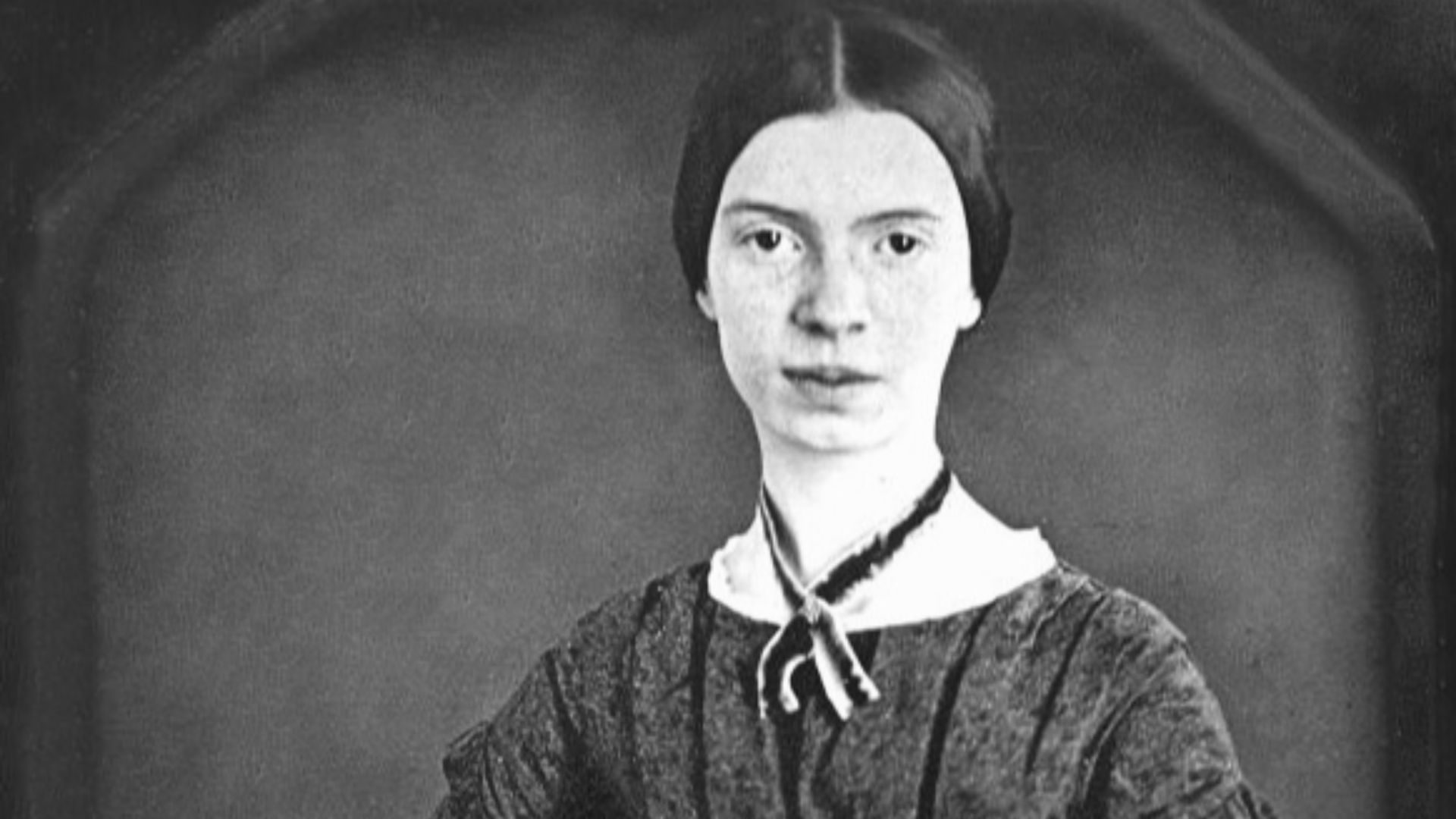 Original image: unknown derivative work: deerstop. on Wikimedia
13. Isaac Newton’s Forgotten Meals
Newton would become so absorbed in his equations that he often went days without eating. His students would regularly find him seated in the same chair, scribbling away. He believed food disturbed his train of thought and could be omitted.
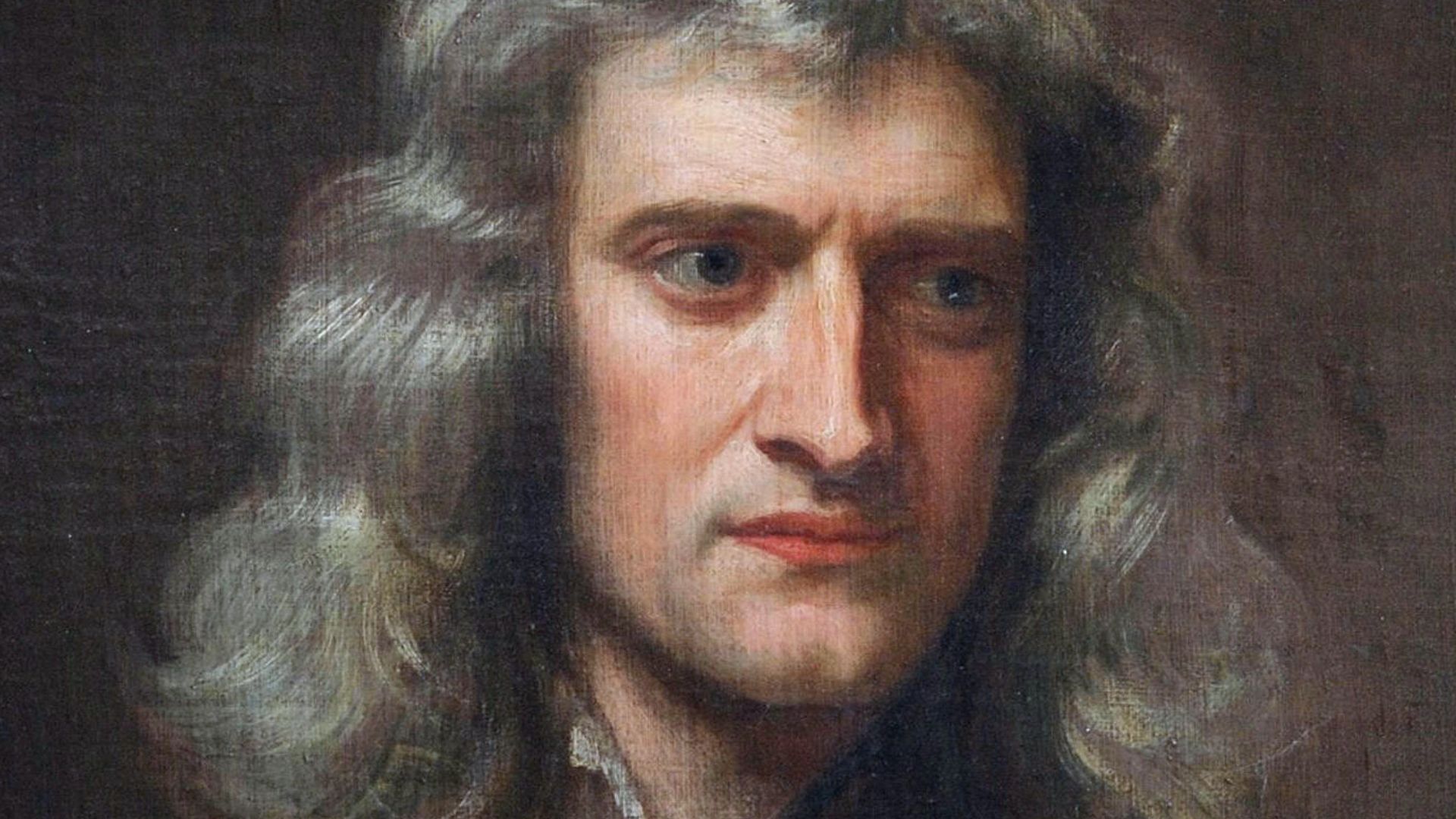 James Thronill after Sir Godfrey Kneller on Wikimedia
14. Mark Twain’s Cornbread and Oysters
Twain carried a notebook everywhere to jot down his thoughts. He often filled pages with descriptions of his favorite Southern meals and sometimes criticized European food for being too bland and boring.
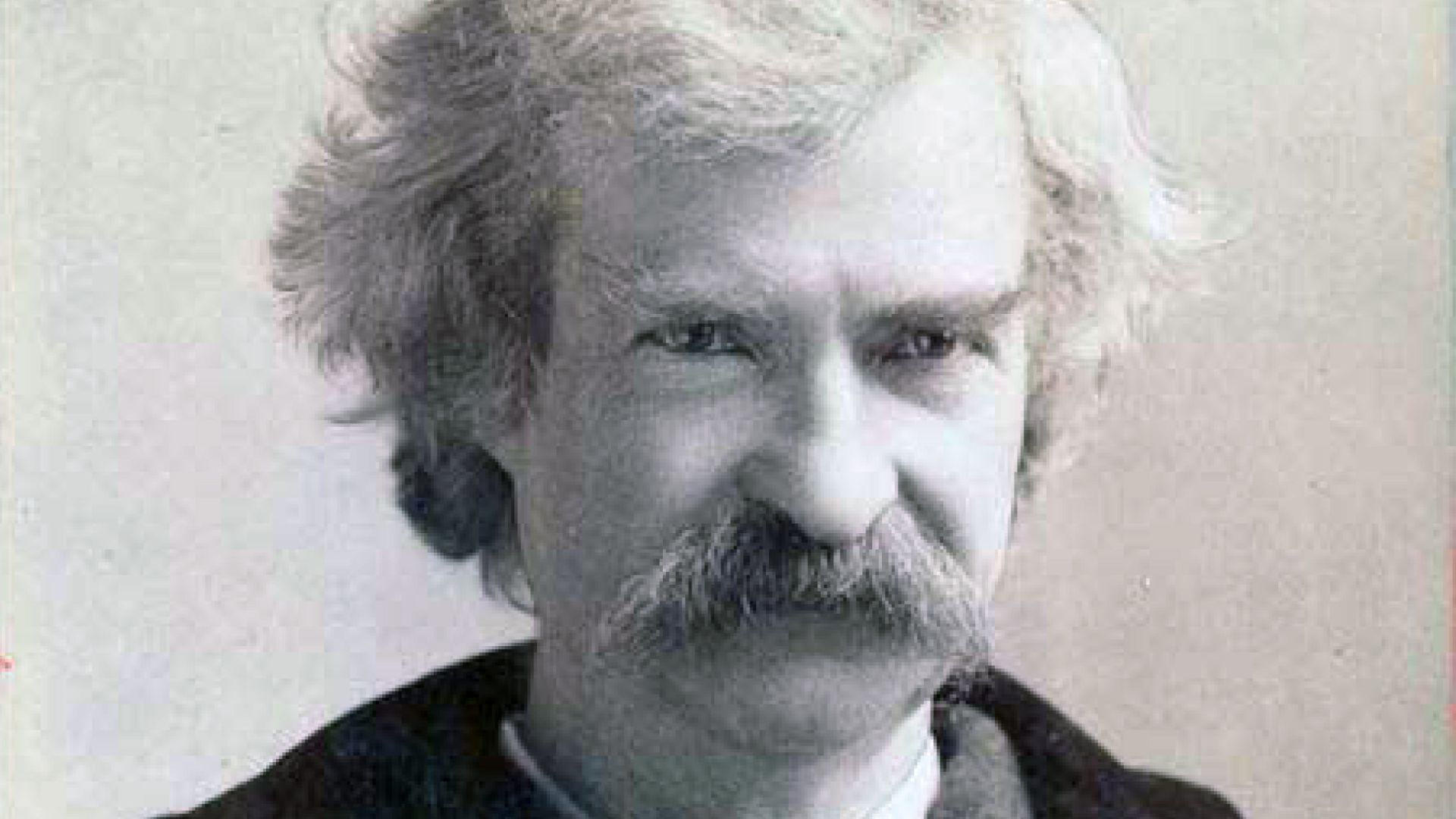
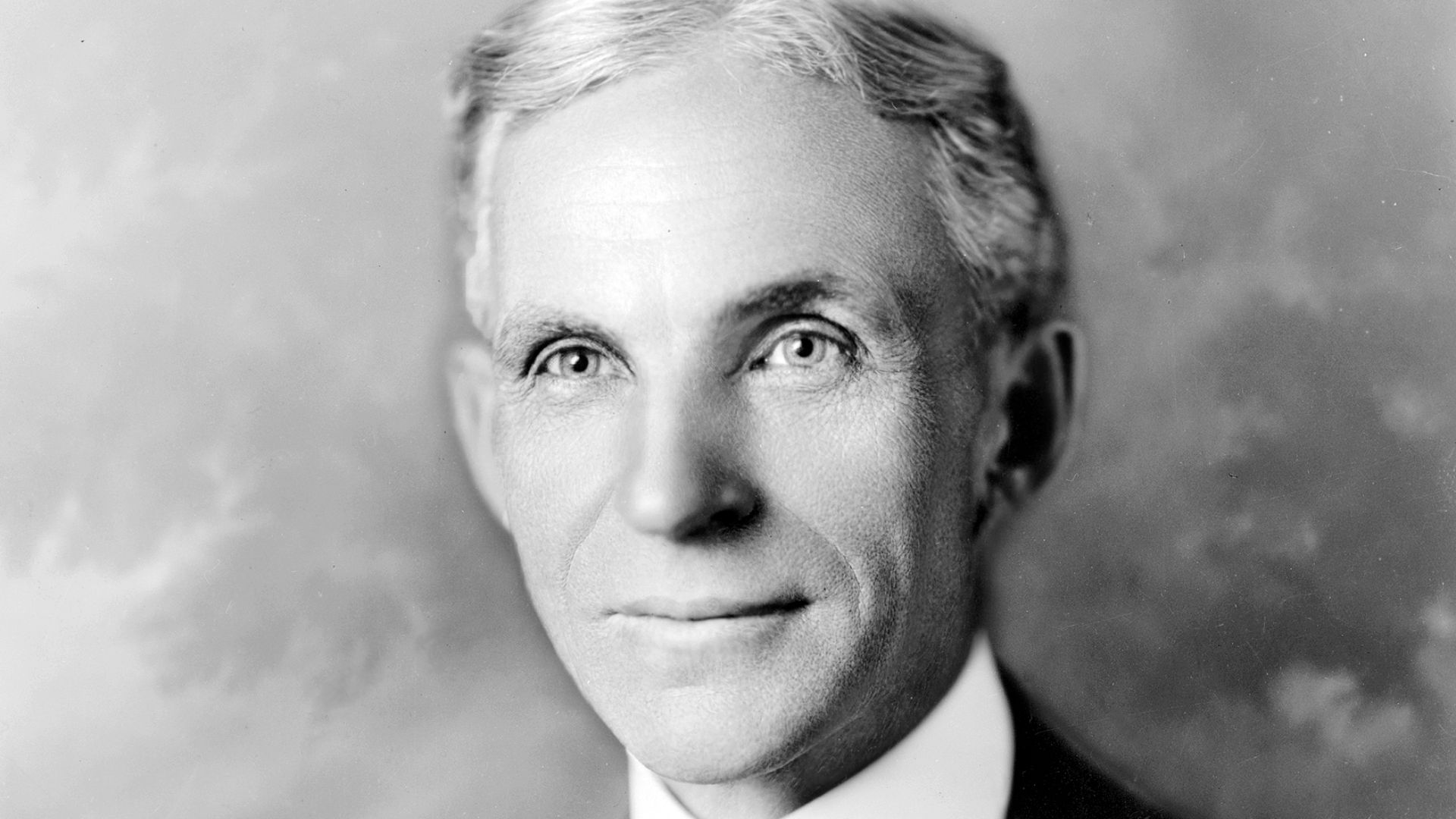
15. Henry Ford’s Roadside Weeds
Ford was a strange man with unusual beliefs about nutrition. He tried to “flatten his food curve” by eating things like grass and weeds from his garden. Sometimes, he could be found chewing on wild lettuce growing outside.
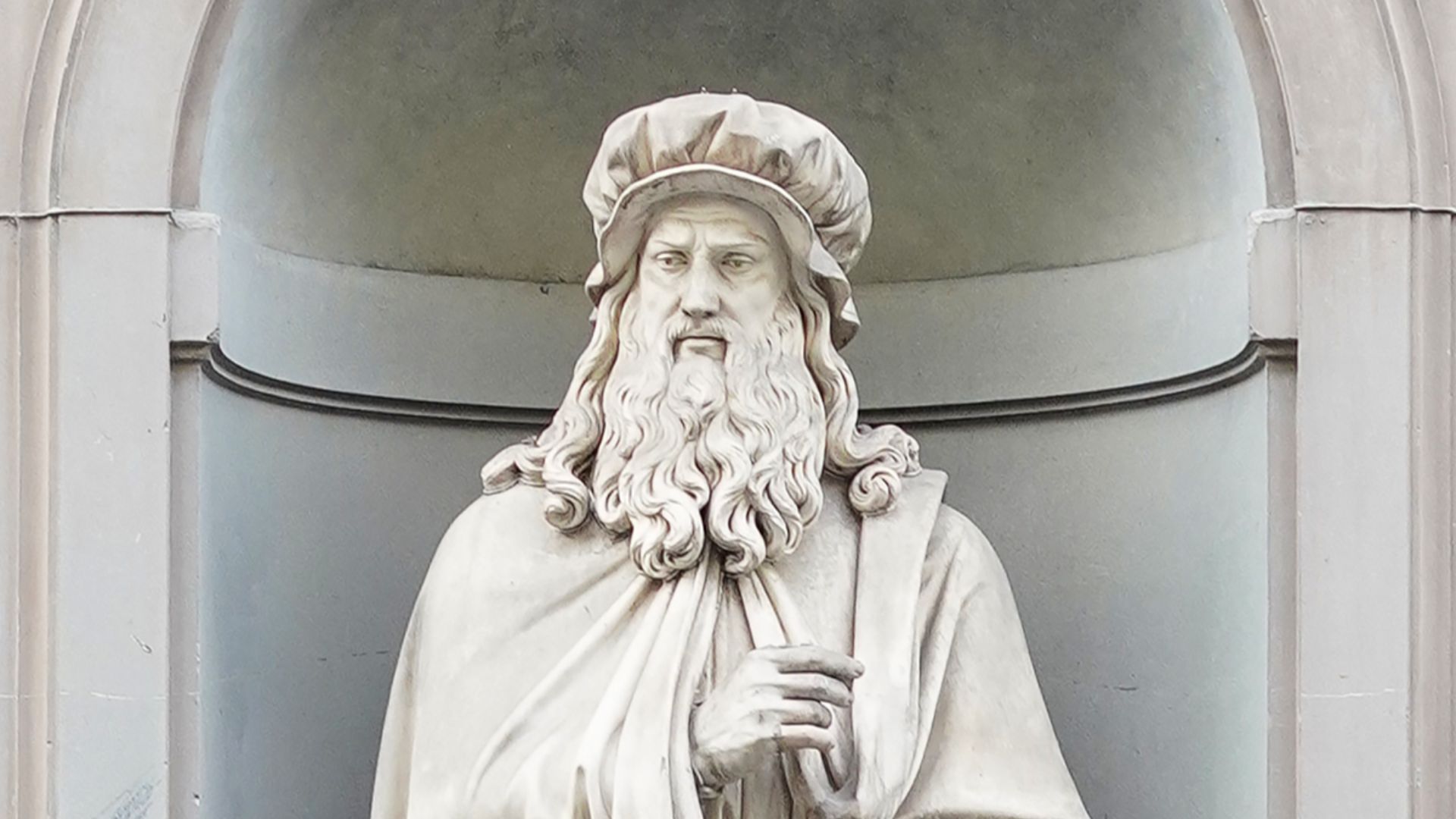
16. Leonardo da Vinci’s Salad Selection
Da Vinci loved all animals and the plants they ate. He often purchased different fruits and vegetables from marketplaces as snacks. He kept a running grocery list of items such as almonds, peas, and radishes.
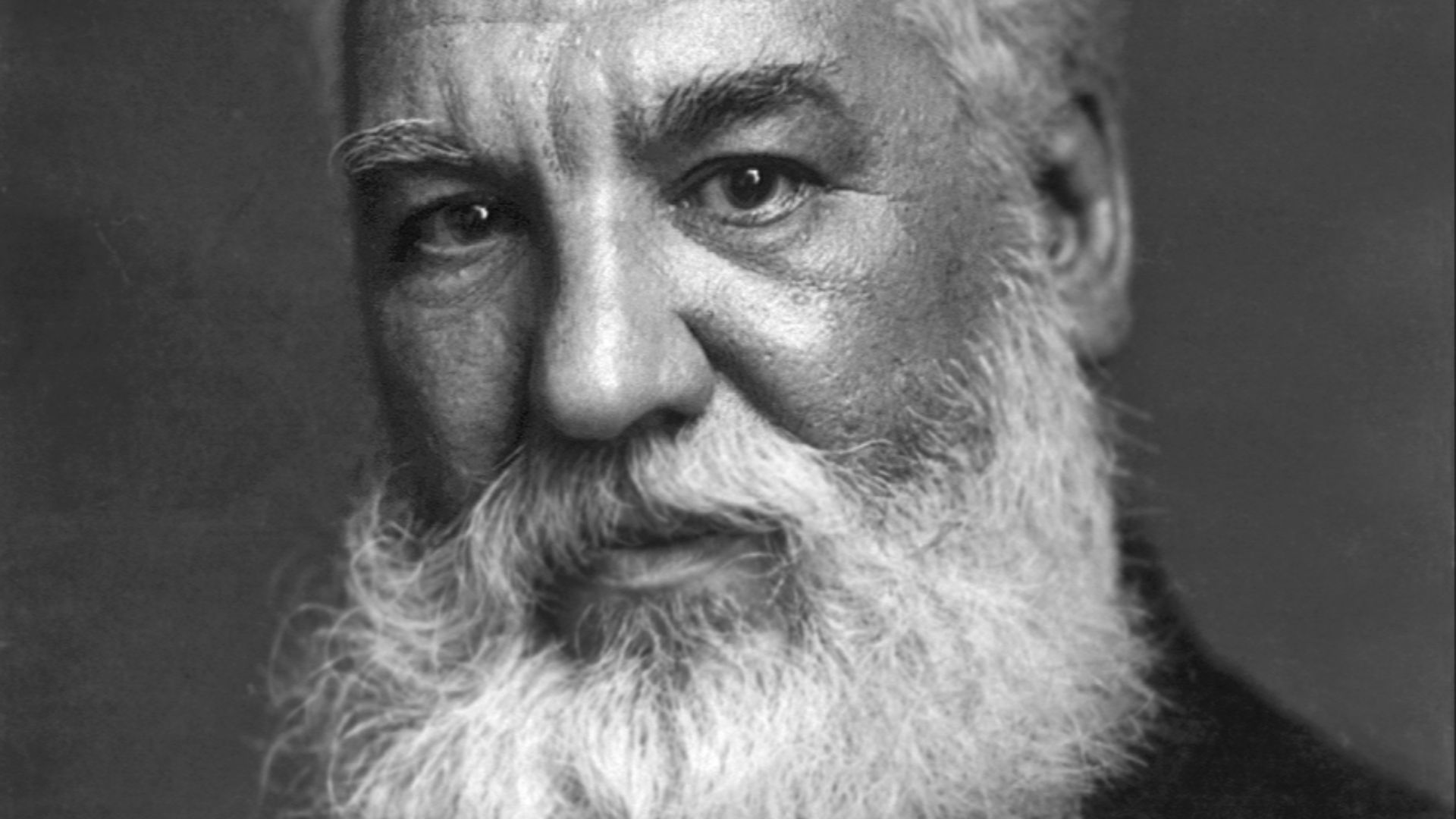
17. Alexander Graham Bell’s Love for Mutton
Bell often stayed up all night working on prototypes and required substantial food. He loved having a big plate of roasted lamb to fuel his inventing sessions. He would call his cook over to his workshop and request lamb before beginning work.
 Unknown authorUnknown author on Wikimedia
18. Jane Austen’s Toasted Cheese
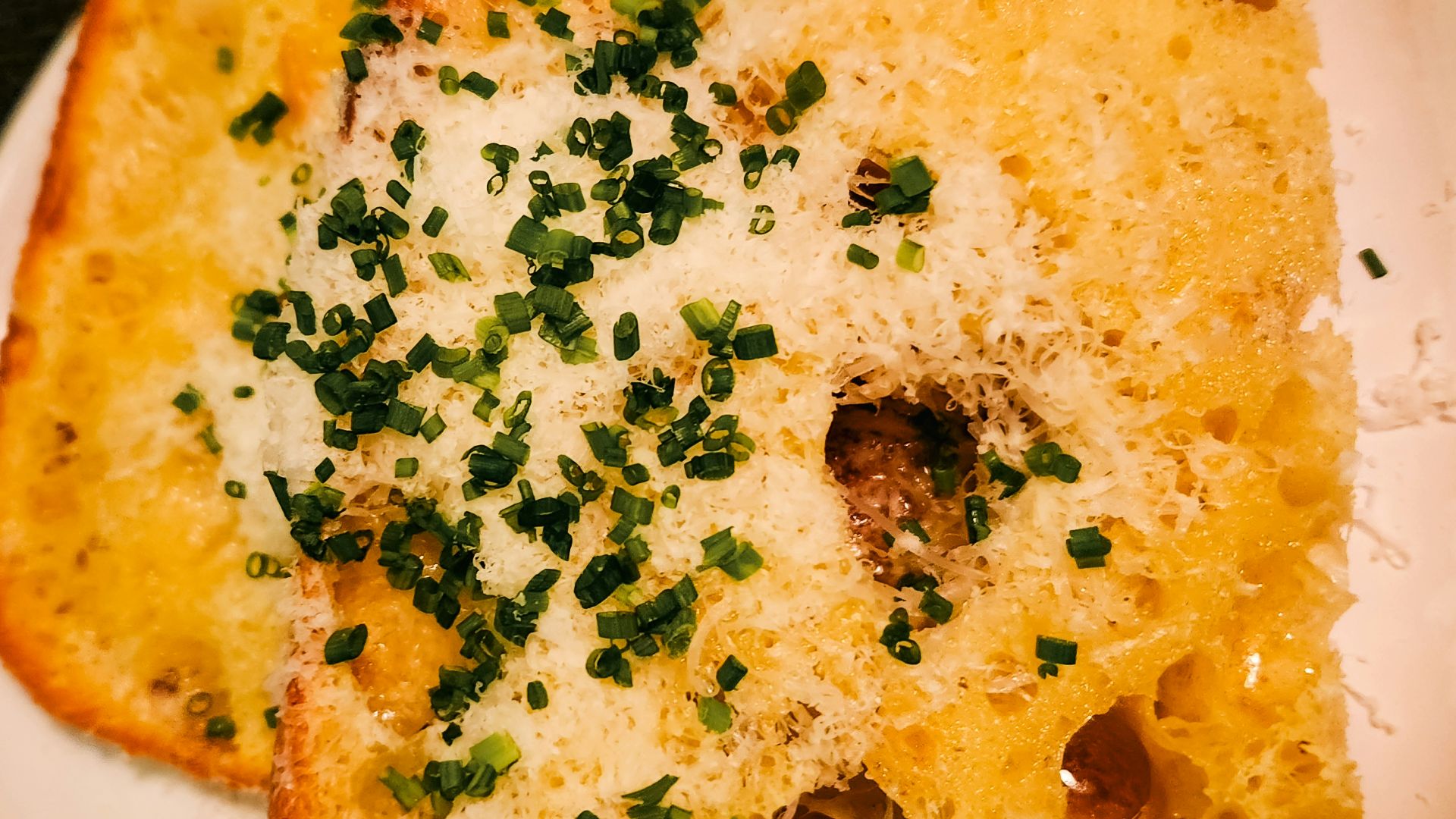
Toasted cheese was a sliced bread appetizer topped with melted cheese, which Austen referenced in her letters. She enjoyed it while observing people for her novels. It’s easy to picture Austen lounging by the fireplace with toasted cheese and a cup of tea.
19. Victor Hugo’s Raw Beans
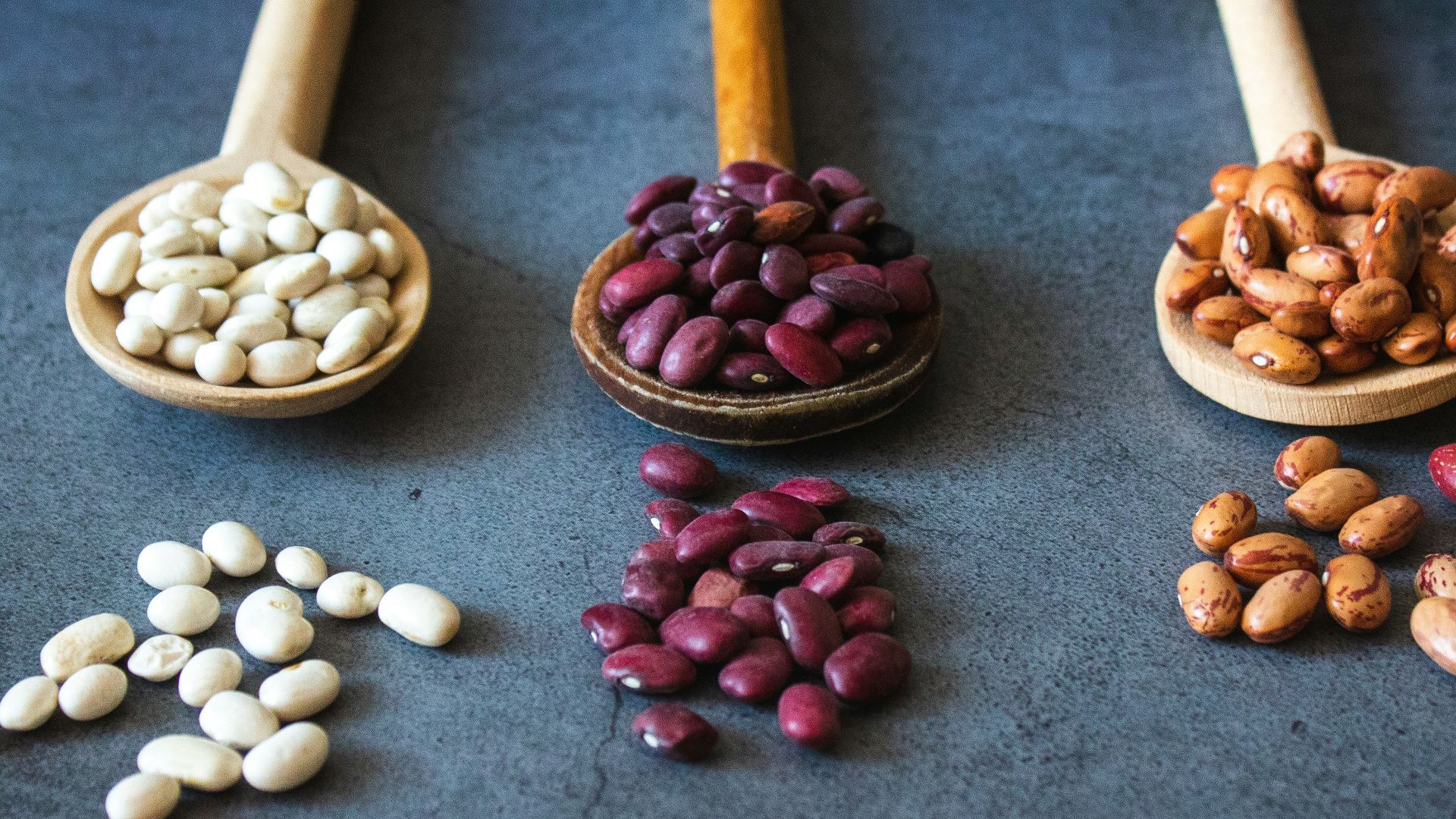
Hugo maintained an extremely rigorous diet that he believed kept him going. He sometimes chewed orange peels to improve digestion and alertness and frequently consumed large meals of raw foods and lean meats.
20. Marie Curie’s Tea and Chops
Marie Curie was so diligent with her research that she barely left her lab to eat. She opted for minimal nutrients to avoid distraction from her work, surviving on beverages and mutton chops.